

B3935 on 2007-2009 Hummer H2: Causes and Fixes for Security System No-Start
On a 2007-2009 Hummer H2, code B3935 almost always points to a security system issue causing a no-start condition. Before replacing parts, remove all other RFID fobs from your keychain, as external interference is a common cause noted in GM TSBs. If that fails, a worn key or a security relearn procedure is the next step. A faulty ignition lock cylinder or a BCM issue are less common but possible culprits.
- B3935 means your Hummer's anti-theft system is preventing the engine from starting.
- The most common and easiest fix is to remove other keys and RFID fobs from your keychain to prevent signal interference.
- Do not replace expensive parts like the starter or BCM until you have tried using a spare key and performed the 30-minute security relearn procedure.
- If a key is confirmed to be faulty, a replacement key will need to be cut and programmed by a locksmith or dealer.
- This code indicates a serious issue that will leave you stranded, so it should be addressed immediately.
What's Unique About the 2007-2009 Hummer H2
The Hummer H2, which shares its GMT900 platform with other large GM SUVs like the Chevrolet Tahoe, GMC Yukon, and Cadillac Escalade, uses a Passkey III+ transponder system. A unique aspect of this platform, as highlighted in official GM Technical Service Bulletins (TSBs), is its sensitivity to Radio Frequency (RF) interference. The TSBs, specifically PIC5650 and its revisions, strongly advise technicians to check for other RFID devices on the owner's keychain before replacing any components, as this is a frequent cause of the intermittent no-start condition associated with code B3935. These interfering devices can include other vehicle keys, building access cards, and even aftermarket LED lighting.
Diagnostic Flowchart
Tap your situation to follow the diagnostic path that matches what you're seeing on this vehicle.
Symptoms You May Notice
- Engine does not crank or start
- Engine starts and immediately stalls
- Security light is illuminated or flashing on the dashboard
- Key fob may not lock or unlock doors
- Message on dash displaying "Security" or "Service Theft Deterrent System".
- Replacing the battery without addressing the security system, which will require a relearn.
- Replacing the starter motor when the no-crank is caused by the security system.
- Replacing the ignition switch when the issue is with the key, RF interference, or the BCM.
Most Likely Causes
- Radio Frequency (RF) Interference 🔴 High Probability As documented in GM TSB #PIC5650M, the vehicle's security system is highly sensitive to other RFID devices operating near the 125 kHz frequency. This includes other car keys, office key cards, gas station payment fobs, and even aftermarket electronics like LED lights or phone chargers on the same keychain or inside the vehicle.
How to confirm: Remove all other keys and RFID-enabled cards from the keychain. Attempt to start the vehicle using only the Hummer H2 key. If the vehicle starts, this was the cause.
Typical fix: Isolate the Hummer key from other RFID devices. No parts replacement is necessary. Instruct the owner to keep other fobs and cards separate from the ignition key.
Est. part cost: $0 - Worn or Damaged Ignition Key 🟡 Medium Probability → Shop Ignition Switch The transponder chip embedded in the key head can be damaged from drops or wear over time, leading to a failed authentication 'challenge' even if the key is recognized.
How to confirm: Try starting the vehicle with a spare key. If the spare key works consistently, the primary key is faulty.
Typical fix: Replace the faulty key and have the new key programmed to the vehicle. This may require a locksmith or dealership with a Tech2 or equivalent scan tool.
Est. part cost: $50-$150 - Security System Needs Relearning 🟡 Medium Probability This can occur after a battery replacement, a dead battery, or if the BCM/PCM loses communication, requiring the system to relearn the key's password. It's a common procedure for many GM vehicles of this era.
How to confirm: Perform the 30-minute manual relearn procedure. If the procedure completes successfully and the vehicle starts, this was the issue.
Typical fix: Perform the GM 30-minute relearn procedure. Turn the key to 'ON' for 10 minutes until the security light goes out, turn it off for 5-10 seconds, and repeat this two more times for a total of 3 cycles. On the fourth attempt, the vehicle should start.
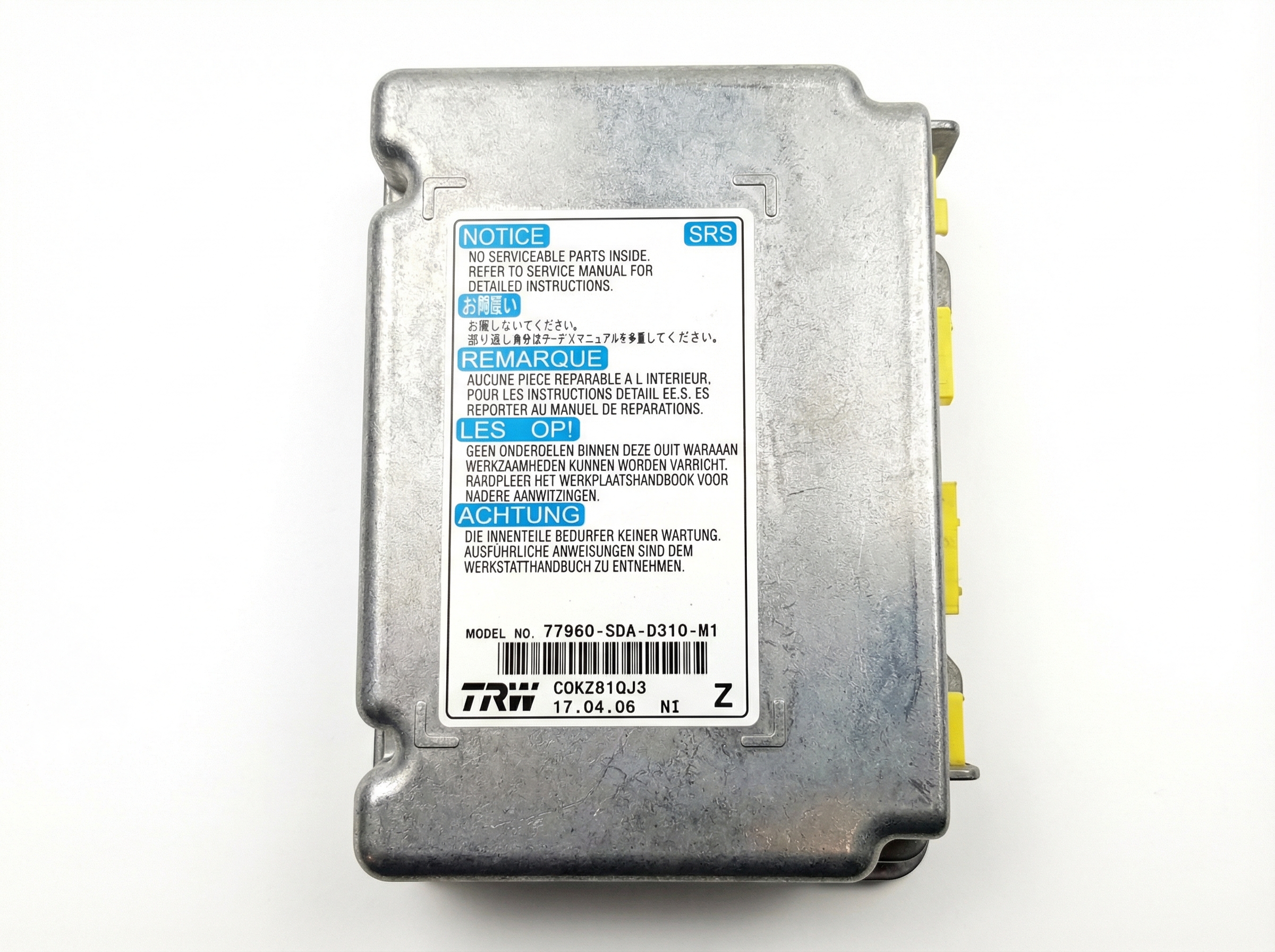
Est. part cost: $0 - Failing Body Control Module (BCM) ⚪ Low Probability → Shop Body Control Module The BCM is the central computer for body electronics, including the security system. While not extremely common, an internal BCM failure or software glitch can cause a variety of electrical issues, including this code. Some later model GM trucks had TSBs (like PI1180A) for a BCM reflash to fix this issue when seen with B2955.
How to confirm: This requires professional diagnosis with a scan tool to check for communication errors and internal BCM faults. Other seemingly unrelated electrical issues (e.g., with windows, locks, or HVAC) are often a clue.
Typical fix: Replace the Body Control Module. The new module must be programmed to the vehicle's VIN. Some services offer pre-programmed modules. 🎬 Learn how to install a pre-programmed plug-and-play BCM.
Est. part cost: $250-$500
Rare But Worth Checking
- Faulty Ignition Lock Cylinder/Transponder Reader: → Shop Ignition Switch The exciter coil (transponder reader) around the ignition lock that energizes the key's transponder can fail, preventing communication. The entire ignition lock cylinder assembly can also wear out mechanically or electrically. Aftermarket ignition switches have also been known to cause issues due to poor magnet contact or wiring.
- Broken wire in shifter mechanism: On some H2s, a wire in the gear shifter harness can break from repeated movement, causing a 'key stuck in ignition' issue which is related to the same security interlock system. While not a direct cause of B3935, it's a related common failure in the column area.
Diagnosis Steps
- Check the dashboard for an illuminated or flashing 'Security' light or message.
- Remove all other keys, fobs, and RFID cards from your keychain. Try starting the vehicle with the Hummer key alone.
- If you have a spare key, attempt to start the vehicle with it. If it works, the first key is bad.
- Inspect the primary key for any signs of physical damage, especially to the plastic head.
- Attempt the 30-minute security relearn procedure: Turn the ignition ON (don't start) and wait about 10 minutes for the security light to turn off. Turn the ignition OFF for 5-10 seconds. Repeat this process two more times (for a total of three 10-minute cycles). After the third cycle, turn the key off, then attempt to start the engine. 🎬 See this step-by-step guide for a manual BCM relearn.
- Ensure the vehicle battery is fully charged. A low battery can cause security system malfunctions and prevent the relearn procedure from working correctly.
- If the issue persists, use a professional scan tool to read codes from the Body Control Module (BCM) and monitor the theft deterrent system data, looking for key state and transponder response.
- Inspect the wiring and connectors at the BCM and around the ignition lock cylinder for damage or corrosion.
Parts You'll Likely Need
- Ignition Key with Transponder — If the original key's internal transponder chip is damaged or faulty, a new key is the only solution.
Trusted brands: ACDelco, GM Genuine Parts
OEM price range: $70-$120
Aftermarket price range: $40-$80 - Body Control Module (BCM)
(OEM #25892622 (for 2008-2009 models, verify with VIN))— In cases where the BCM itself has failed or has a software glitch, it must be replaced or reflashed. This is often the cause if multiple, unrelated electrical systems are also malfunctioning.
Trusted brands: ACDelco, GM Genuine Parts
OEM price range: $300-$500
Aftermarket price range: $200-$400 - Ignition Lock Cylinder with Reader
(OEM #15298923 (uncoded), Dorman 924-796 (kit))— If the transponder reader coil fails, it won't be able to energize and read the key. The lock cylinder itself can also wear out. These are often sold as an assembly.
Trusted brands: ACDelco, Dorman
OEM price range: $80-$130
Aftermarket price range: $60-$100
Related Codes That Often Appear With This One
- B3055 — Also relates to the vehicle immobilizer system and key transponder. It is often triggered along with B3935, indicating a problem reading the key's transponder signal.
- B3060 — Another code indicating a problem with the transponder key system, frequently appearing with B3935 during a no-start event.
- B2955 — Seen in conjunction with B3935 on other GM platforms, often pointing to a BCM software issue that can be resolved with a reflash, as noted in TSB PI1180A for newer trucks.
Technical Service Bulletins (TSBs) & Recalls
- PIC5650M: Supersedes previous versions. Warns against replacing parts for intermittent no-crank/no-start/stall with security light on (DTCs B3055, B3060, B3935, etc.) and points to a huge list of potential RFI sources, including other key fobs, toll passes, aftermarket LED lights, and phone chargers.
- PIC5650L: An earlier version of the TSB that explicitly warns against replacing parts for this concern and points to Radio Frequency Identification devices as a likely cause for the no-start issue and code B3935.
- PI1180A / PIE0232: While for newer GM trucks (2014+), these bulletins are relevant as they show a history of GM addressing B3935 with BCM software updates (reflashing) for no-start conditions, indicating that a module software fault is a known possibility in the GM family.
Platform-Specific Known Issues
- The platform is highly susceptible to Radio Frequency Interference causing intermittent no-start conditions, as documented extensively in TSB PIC5650 and its many revisions.
- A no-start condition with the security light on is a well-documented issue for this vehicle platform, often discussed in owner forums. A thread on HummerForums.com details a user's frustration with Passlock issues that would leave them stranded for 10-20 minutes at a time, corroborating the common symptom pattern.
- A Reddit thread discusses the anti-theft system activating randomly, with one user suggesting the ignition switch is a common failure point and another pointing to a known defect in the control module on early H2s.
Hidden / Shadow Codes Worth Checking
- B3935 57: The '57' is a symptom byte indicating 'Transponder Authentication Error'. It specifies that the key's transponder was read and recognized, but the cryptographic challenge-response between the key and the Theft Deterrent Module (TDM) failed. (see via A professional GM scan tool like a Tech2 or GDS2 is required to view symptom bytes.)
Scan Tool Commands That Help
- Tech2/GDS2: Immobilizer Data / Theft Deterrent Module Data List — Use this function to monitor the live data stream from the BCM/TDM. Key parameters to watch are 'Transponder Key' (should read 'Present') and 'Transponder Authentication' (should read 'Success'). A failure here points directly to a key or TDM issue.
- Tech2/GDS2: BCM Programming and Setup — This function is required after replacing the Body Control Module to program the vehicle's VIN and RPO configuration into the new module. It is also used to apply software updates that may resolve security system glitches.
- Tech2/GDS2: Learn Keys — This function is used to program new or additional keys into the vehicle's security system memory after a key has been replaced.
Wiring & Ground Locations
- Body Control Module (BCM) — On the 2007-2009 Hummer H2, the BCM is located on the driver's side, on the lower left side of the instrument panel, to the left of the steering column.. The BCM houses the Theft Deterrent Module (TDM) logic. All security signals, including the key transponder data, are processed here. A bad connection or corrosion at the BCM connectors can cause B3935.
- G200 — On the left side of the dash, behind the left kick panel.. This is a major instrument panel ground. A loose or corroded G200 can cause intermittent and difficult-to-diagnose electrical issues, including problems with the BCM and theft deterrent system.
- Splice Pack SP205 — Located on the driver's side behind the headlight controls, often taped to another wiring harness.. This splice pack is a central communication hub where many of the vehicle's modules connect via the serial data line. A fault within this connector can disrupt communication between the BCM, ECM, and other modules, potentially causing security system errors.
- Ignition Switch Connector — At the ignition lock cylinder case within the steering column.. This connector carries the signals from the transponder exciter coil (reader) to the BCM/TDM. A loose pin or damaged wire at this connector will prevent the key from being read correctly, leading to codes B3055 or B3935.
Real Owner Repair Stories
- YouTube user 'Thewonn' (2003 Hummer H2 (similar GMT800 platform, but relevant diagnostic process)) — Intermittent electrical issues including door locks, gauges, windows, and radio not working, 'unknown driver' message, traction control failure, and no-start. The vehicle seemed 'possessed'.
❌ Tried (didn't work) Replacing the battery, Replacing the alternator, Cleaning multiple ground locations, Replacing the Body Control Module (BCM)
✅ What actually fixed it The root cause was a fault related to Splice Pack 205 (SP205), a central connector for all vehicle modules. By accessing the splice pack (located behind the driver's side headlight switch) and disconnecting modules one by one, the faulty module or connection was isolated, restoring normal function.
OEM Part Supersession History
88956844→15298923— Part number update/replacement for the uncoded ignition lock cylinder.
Heads up: Part 15298923 is listed for 2003-2007 models, but may fit later models. It is an uncoded cylinder, meaning it must be assembled for the existing key or used with a new key cut for it. It requires programming and/or special setup procedures after installation.
Model Year Variations Within This Range
- 2008-2009: The 2008 model year introduced the 6.2L L92 V8 engine and 6L80E transmission, replacing the previous 6.0L LQ4. This powertrain change involved a different Engine Control Module (E38 ECM), which communicates with the BCM for the Passkey III+ security handshake. While the B3935 code's meaning is the same, diagnosing communication issues between the BCM and ECM requires wiring diagrams specific to the E38 ECM.
Helpful Videos
We Have This Part in Stock

The information in this article is provided for general reference and educational purposes only. Vehicle specifications, procedures, and part compatibility can vary by production date, trim level, and region. Always consult your vehicle's factory service manual and verify part numbers before purchasing or performing repairs. Safety-critical components such as airbags, seat belts, and braking systems should be installed by a qualified professional.
- Hummer H2:
- 🧭 Diagnostic Flowchart
- 🎬 Helpful Videos
- 🛍️ Shop This Part
- What's Unique About the 2007-2009 Hummer H2
- Symptoms You May Notice
- Most Likely Causes
- Rare But Worth Checking
- Diagnosis Steps
- Parts You'll Likely Need
- Related Codes That Often Appear With This One
- Technical Service Bulletins (TSBs) & Recalls
- Platform-Specific Known Issues
- Hidden / Shadow Codes Worth Checking
- Scan Tool Commands That Help
- Wiring & Ground Locations
- Real Owner Repair Stories
- OEM Part Supersession History
- Model Year Variations Within This Range
- 🎟️ Get 5% Off