

B3935 on 2007-2010 Hummer H3: Security Light and No-Start Causes
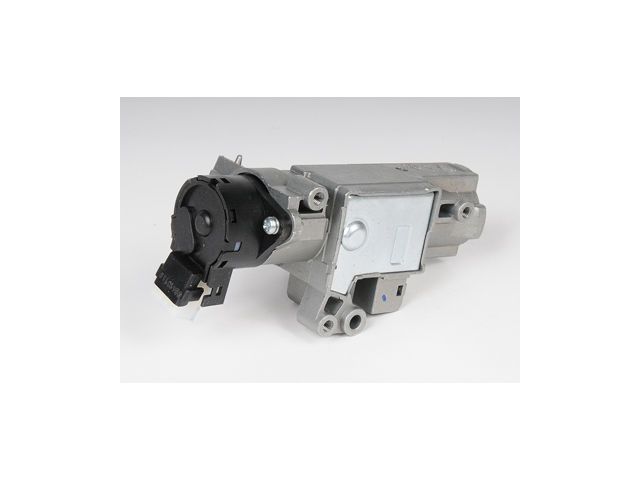
Code B3935 on a Hummer H3 means the anti-theft system (Passlock) has failed to authenticate the ignition cylinder's security signal, causing a no-start or start-and-stall condition. The most common cause is a faulty ignition lock cylinder housing, which contains the Passlock sensor. The part can cost between $70 and $200.
- B3935 on an H3 points directly to the Passlock anti-theft system.
- Symptoms are classic for a security lockout: no-start or start-and-stall with the security light on.
- The most common fix is replacing the ignition lock housing which contains the faulty Passlock sensor.
- A 30-minute relearn procedure is required after replacing the sensor.
- The issue is shared with the Chevy Colorado and GMC Canyon.
What's Unique About the 2007-2010 Hummer H3
The Hummer H3 uses the GM Passlock II anti-theft system, which is notoriously sensitive and prone to failure on this platform (shared with the Chevy Colorado and GMC Canyon). Unlike systems that use a transponder chip in the key, the Passlock sensor is located in the ignition lock cylinder housing. These sensors are a known weak point, with the internal resistor often cracking from age, heat, and vibration, leading to an intermittent open circuit. This failure triggers the infamous "10-minute lockout," where the owner must wait for the system to reset before another start attempt is allowed. GM TSBs advise against immediately replacing parts, suggesting that radio frequency interference could be the culprit, though this is less common than sensor failure.
Diagnostic Flowchart
Tap your situation to follow the diagnostic path that matches what you're seeing on this vehicle.
Symptoms You May Notice
- Engine does not crank when the key is turned
- Engine starts but stalls immediately after.
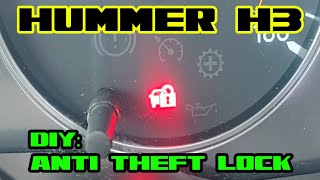
- Security light (an icon of a car with a padlock) is illuminated or flashing on the dashboard.
- Forced to wait approximately 10 minutes before the vehicle will allow another start attempt (the "10-minute lockout").
- Issue is often intermittent, sometimes happening frequently for a few days and then not again for months.
- Replacing the battery without checking the security system first.
- Replacing the starter motor when the no-crank is caused by the BCM disabling the starter relay.
- Replacing the fuel pump when the start-and-stall is caused by the BCM disabling the fuel injectors.
Most Likely Causes
- Faulty Ignition Lock Cylinder Housing / Passlock Sensor 🔴 High Probability → Shop Ignition Switch The Passlock sensor is integrated into the ignition lock housing and is a known weak point on this GM platform. The internal resistor is prone to cracking over time from heat cycles and vibration, causing an incorrect or open signal. This is the most common failure point for the B3935 code.
How to confirm: A mechanic can use a scan tool to monitor the voltage signal from the Passlock sensor while turning the key. An erratic or incorrect voltage reading points to a faulty sensor. A visual inspection of the sensor's internal resistor may show a physical crack.
Typical fix: Replace the ignition lock housing, which contains the new Passlock sensor. You can retain your original key cylinder and keys. A security relearn procedure is required after replacement. Some owners have had success simply cleaning the electrical connector to the sensor with electronic contact cleaner.
Est. part cost: $70-$200 - Worn or Damaged Ignition Key ⚪ Low Probability → Shop Ignition Switch While the primary sensor is in the lock cylinder, a very worn key can fail to turn the lock cylinder smoothly, which can cause an inconsistent signal from the Passlock sensor. However, this is much less common than the sensor itself failing.
How to confirm: Try starting the vehicle with a spare key in good condition. If the problem disappears, the original key may be contributing to the issue. Some owners report success with a new key, but many others find it makes no difference.
Typical fix: Have a new key cut by a dealership or a qualified automotive locksmith.
Est. part cost: $20-$75 - Radio Frequency (RF) Interference ⚪ Low Probability As noted in GM Technical Service Bulletin #PIC5650L, the Passlock system can be sensitive to strong radio signals from other devices on the keychain (like other key fobs or office access cards).
How to confirm: Remove all other keys, remote fobs, and electronic devices from your keychain. Try starting the vehicle with only the Hummer key. If the problem is resolved, RF interference was the likely cause.
Typical fix: Keep other RFID-enabled devices or large metal objects separate from the ignition key.
Est. part cost: $0 - Faulty Body Control Module (BCM) ⚪ Low Probability → Shop Body Control Module The BCM is the computer that receives and interprets the signal from the Passlock sensor. While generally robust, it can fail, especially if subjected to water damage from the notorious H3 sunroof drain leaks. It can cause a variety of electrical issues, including security system problems.
How to confirm: This is a diagnosis of exclusion. If the key, Passlock sensor, and wiring have all been confirmed to be good, the BCM is the next suspect. Requires advanced diagnostics with a high-end scan tool like a GM Tech 2.
Typical fix: Replace and program the Body Control Module. This must be done by a shop with the correct GM programming tools, as the vehicle's VIN and security information must be loaded into the new module. A used BCM with the same part number can sometimes be used but will still require programming.
Est. part cost: $250-$500
Rare But Worth Checking
- Wiring Harness Damage: The wires running from the ignition lock cylinder to the BCM (specifically the yellow signal wire and the orange/black wire) can become chafed or damaged within the steering column, leading to an intermittent signal. This should be inspected before replacing expensive modules. Some owners on forums have found loose connections at the BCM connector itself.
- Permanent Passlock Bypass (Resistor Mod): A popular but unofficial DIY fix is to bypass the Passlock sensor entirely by soldering a resistor of a specific value (often 2.2kΩ) into the Passlock circuit. This provides a constant, expected signal to the BCM. While effective, it permanently disables the Passlock feature and will leave the security light illuminated on the dash.
Diagnosis Steps
- Check the dashboard for an illuminated or flashing security light. A flashing light indicates an active lockout.
- Remove all other keys and electronic devices from the keychain and try starting again to rule out RF interference.
- If available, try starting the vehicle with a second, known-good key.
- Perform the 30-minute security relearn procedure: Turn the key to 'ON' (do not start). The security light will flash. Wait for the light to turn off (approx. 10-11 minutes). Turn the key 'OFF' for 30 seconds. Repeat this entire sequence two more times for a total of three 10-minute cycles. On the third cycle, the vehicle should start.
- If the relearn fails, use a scan tool to read codes from the Body Control Module (BCM).
- Monitor the Passlock sensor voltage data with a scan tool while operating the key to check for a correct, stable signal.
- Inspect the wiring and connector between the ignition lock cylinder and the BCM for any visible damage, corrosion, or chafing, particularly in the steering column.
- As a temporary workaround, some owners report success by turning the key to the 'ON' position for 3-5 seconds before turning to 'START', giving the system time to read the sensor.
- If all other components are verified as good, suspect a faulty BCM. Diagnosis may cost between $49 and $72.
Parts You'll Likely Need
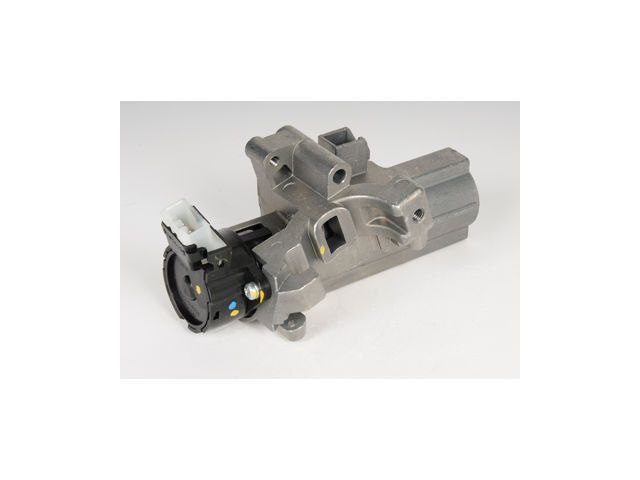
- Ignition Lock Housing
(OEM #ACDelco D1462G (or GM 89022365))— This is the most common failure point. It contains the Passlock sensor that fails and causes the B3935 code.
Trusted brands: ACDelco, Dorman (p/n 924-719), Standard Motor Products (p/n US536L)
OEM price range: $150-$250
Aftermarket price range: $70-$150
Related Codes That Often Appear With This One
- B3055 — This code indicates a problem with the key transponder circuit, and often appears with B3935 as part of a general security system fault, as they are both processed by the Theft Deterrent Module.
- B3060 — This code for an 'Unprogrammed Transponder' can also be set alongside B3935 during a security system failure event, especially after component replacement or a failed relearn procedure.
Technical Service Bulletins (TSBs) & Recalls
- PIC5650M: Mentions B3935 in the context of an intermittent no-crank/no-start or stall with the security light on.
- PIC5650L: Links B3935 to the same security/no-start issue and specifically advises against replacing parts, suggesting an investigation into Radio Frequency Identification interference first.
- PI1180A: While for newer GM trucks, this TSB shows a history of BCM software issues causing B3935 and B2955, which could be addressed with a BCM reflash.
Platform-Specific Known Issues
- The GM Passlock system is known to be problematic, causing intermittent no-start conditions that can be difficult to replicate for technicians, as noted in TSB #PIC5650L. Owners often experience the issue randomly for days, followed by months of no problems.
- A common owner workaround is to turn the key to the 'ON' position for 3-5 seconds before turning to 'START'. This pause can give the aging system enough time to recognize the key's signal, preventing a lockout.
- Many owners on forums like HummerForums.com and Hummer4x4Offroad.com have documented their struggles with this issue, with the majority finding resolution by replacing the ignition lock housing/Passlock sensor.
- Another DIY workaround involves cutting the Passlock signal wire (often yellow or white with a blue tracer) while the vehicle is running to permanently disable the system, though this leaves the
Mechanic-Grade Diagnostic Values
- Passlock Sensor Signal Wire Voltage (Key OFF) — expected: ~5.0 Volts. Failure: No voltage indicates a wiring or BCM issue.
- Passlock Sensor Signal Wire Voltage (Key in RUN/CRANK) — expected: A specific, stable voltage lower than 5V (e.g., 4.4V). The exact value is learned by the BCM.. Failure: An unstable, fluctuating, or 0V reading during crank indicates a faulty Passlock sensor or magnet.
- Passlock Sensor Resistance (for bypass) — expected: One of 15 specific values, commonly between 392 Ohms and 11.8k Ohms. The exact value must be measured from a working switch.. Failure: This is not a failure test, but a measurement needed to perform a resistor bypass. The measured resistance must be matched within 5-10%.
Scan Tool Commands That Help
- GM Tech 2 / High-End Aftermarket: BCM Special Functions -> VTD Relearn — After replacing the ignition lock housing or BCM, a scan tool can initiate a faster, 10-minute key relearn procedure instead of the manual 30-minute process.
- GM Tech 2 / High-End Aftermarket: BCM Data Display -> Passlock Sensor Voltage — This is the primary diagnostic step to confirm a faulty Passlock sensor. It allows you to watch the voltage signal in real-time as the key is turned to see if it is stable and correct.
Wiring & Ground Locations
- Body Control Module (BCM) — Behind the passenger side kick panel, to the right of the passenger's right foot.. The BCM receives the signal from the Passlock sensor, interprets it, and enables or disables the fuel system. All related wiring terminates here. Water intrusion from sunroof drains is a known issue that can corrode the BCM and its connectors.
- Passlock Sensor Wires — In a 3-wire harness coming from the ignition lock cylinder housing in the steering column.. These are the specific wires to test. The Yellow wire is the signal wire, and the Orange/Black (or Black) wire is the ground reference. Chafing can occur inside the steering column covers.
- BCM Connector C1 (J1) - Black — The higher of the two main connectors on the BCM.. Pin A12 (White wire) is the door unlock signal and Pin A11 (Lt. Blue wire) is the door lock signal, confirming this connector handles body security functions. The Passlock signal wire also terminates at the BCM, making this connector a key inspection point for corrosion or loose pins.
- Main Chassis Grounds — A vertical row of ground posts (G100, G105) located under the driver's side dash, to the left, behind the kick panel. Another key ground is behind the battery in the engine bay.. Loose or corroded main ground points can cause a wide range of unexplained electrical issues, including problems with the BCM and security system. The TSB for this code specifically mentions checking for intermittent issues, which are a classic symptom of a bad ground.
Real Owner Repair Stories
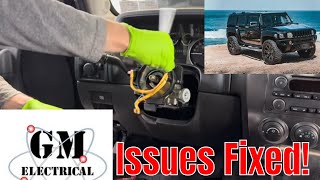
- YouTube user 'Hummer H3 Passlock Repair' (Hummer H3 (year not specified, but within 2006-2010 range)) — Intermittent no-start where the Passlock security light would flash, forcing a 10-minute wait. The issue became more frequent, eventually stranding the owner at a gas station.
❌ Tried (didn't work) Disconnecting the BCM under the kick panel used to reset the system immediately, but this workaround stopped being effective over time.
✅ What actually fixed it The owner replaced the entire ignition lock housing (ACDelco part shown in video) which contains the Passlock sensor. After replacement, a full 3-cycle, 30-minute relearn procedure was performed successfully, and the owner confirmed in a 2023 update that the fix was permanent and the problem never returned. - YouTube user 'pro auto tech' (2008 Hummer H3) — Customer reported the anti-theft light would come on intermittently, requiring a 10-minute wait before the vehicle would start again.
❌ Tried (didn't work) The initial diagnosis focused on the entire lock cylinder assembly.
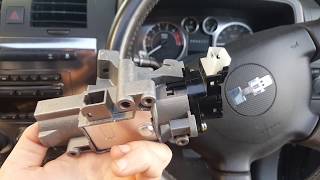
✅ What actually fixed it The technician diagnosed a faulty electrical portion of the ignition switch, which is attached to the back of the lock cylinder housing. He observed the Passlock signal voltage drop from 5V to 4.4V correctly, but determined the switch itself was intermittently failing to send the signal. Replacing only the electrical switch and performing the 30-minute relearn procedure resolved the issue. - Hummer4x4Offroad.com user 'telemike' (Hummer H3 (year not specified)) — Chronic, recurring Passlock issues causing no-start conditions.
❌ Tried (didn't work) Standard diagnostic and repair attempts on the Passlock system.
✅ What actually fixed it The owner had the PCM custom tuned by 'PCM of NC' to permanently disable the Passlock security feature. After the tune, the engine would start and run every time, even if the BCM detected a fault and flashed the security light on the dash for 10 minutes. This bypasses the need for a functional Passlock sensor signal.
OEM Part Supersession History
Unknown→GM 89022365 / ACDelco D1462G— This is the standard replacement part number for the ignition lock housing that contains the Passlock sensor.
Heads up: This part fits a wide range of GM vehicles including the 2004-2012 Colorado/Canyon and 2006-2010 Hummer H3/H3T. It is sold as an 'uncoded' cylinder, meaning a locksmith or dealer must assemble the tumblers to match the original key, or the original lock cylinder can be swapped into the new housing.
Helpful Videos
We Have This Part in Stock

The information in this article is provided for general reference and educational purposes only. Vehicle specifications, procedures, and part compatibility can vary by production date, trim level, and region. Always consult your vehicle's factory service manual and verify part numbers before purchasing or performing repairs. Safety-critical components such as airbags, seat belts, and braking systems should be installed by a qualified professional.
- Hummer H3:
- 🧭 Diagnostic Flowchart
- 🎬 Helpful Videos
- 🛍️ Shop This Part
- What's Unique About the 2007-2010 Hummer H3
- Symptoms You May Notice
- Most Likely Causes
- Rare But Worth Checking
- Diagnosis Steps
- Parts You'll Likely Need
- Related Codes That Often Appear With This One
- Technical Service Bulletins (TSBs) & Recalls
- Platform-Specific Known Issues
- Mechanic-Grade Diagnostic Values
- Scan Tool Commands That Help
- Wiring & Ground Locations
- Real Owner Repair Stories
- OEM Part Supersession History
- 🎟️ Get 5% Off