

B3935 on 2007-2009 Saab 9-7X: Security Light and No-Start Causes
Code B3935 on a Saab 9-7X almost always indicates a no-start problem caused by radio frequency interference with the key's security chip. Before replacing any parts, remove all other keys, fobs, and electronics from your keychain. This is a known issue documented in GM Technical Service Bulletins PIC5650J and PIC5650M.
- Code B3935 means your Saab 9-7X's anti-theft system is preventing it from starting due to a key authentication failure.
- The most common cause is Radio Frequency Interference (RFI). Before any repairs, try starting the car with the ignition key completely isolated from any other keys, fobs, or access cards.
- This is a GM electrical issue, not a Saab one; the vehicle is a re-badged Chevrolet Trailblazer/GMC Envoy.
- If RFI is not the cause, try a spare key to rule out a faulty primary key.
- A 30-minute security relearn procedure can sometimes resolve the issue for free.
- Do not replace the starter, battery, or fuel pump for this code before exhausting all security system diagnostics.
What's Unique About the 2007-2009 Saab 9-7X
The Saab 9-7X is a unique vehicle, sharing its entire chassis and electrical system with the GM GMT360 platform (like the Chevrolet Trailblazer and GMC Envoy). It uses GM's Passkey III+ (PK3) immobilizer system, which is known to be highly sensitive to Radio Frequency Interference (RFI). General Motors has issued multiple Technical Service Bulletins (TSBs), such as PIC5650J and PIC5650M, specifically warning technicians NOT to replace parts for this code until all sources of RFI have been eliminated from the vehicle and the driver's keychain. These TSBs list a wide range of RFI sources, including other vehicle keys, building access cards, aftermarket LED lighting, and phone chargers.
Diagnostic Flowchart
Tap your situation to follow the diagnostic path that matches what you're seeing on this vehicle.
Symptoms You May Notice
- Engine does not crank (no-start, no-crank)
- Engine starts and immediately stalls
- Security light is illuminated or flashing on the instrument cluster
- Intermittent starting problems that seem random
- Replacing the starter motor
- Replacing the battery without diagnosing the security system
- Replacing the ignition switch without confirming the key 🎬 See this walkthrough on replacing the GMT360 ignition switch. and RFI are not the issue
- Replacing the fuel pump
Most Likely Causes
- Radio Frequency Interference (RFI) 🔴 High Probability The GM Passkey III+ immobilizer system's 125 kHz signal is easily overpowered by other RFID devices. TSB PIC5650M explicitly lists culprits including other vehicle keys, toll passes, building access cards, fuel station speed passes, and even aftermarket LED lighting and USB chargers.
How to confirm: Remove the Saab ignition key from the keychain. Ensure no other keys, office access cards, toll passes, or electronic fobs are nearby. Unplug any aftermarket chargers or devices from the vehicle's power outlets. Attempt to start the vehicle with the key isolated. If it starts, RFI is the cause.
Typical fix: Keep the ignition key separate from other RFID-emitting devices. This fix costs nothing.
Est. part cost: $0 - Worn or Damaged Ignition Key 🟡 Medium Probability → Shop Ignition Switch The small glass transponder pill (PK3 chip) inside the key head can be damaged if the key is dropped, or it can fail internally over time.
How to confirm: Attempt to start the vehicle with a known-good spare key. If the spare key works reliably every time, the original key is faulty.
Typical fix: A new key must be purchased and programmed to the vehicle. This may require a locksmith or dealer with the appropriate tools. The key uses a Megamos 13 chip.
Est. part cost: $50-$150 - Failing Ignition Lock Cylinder / Exciter Coil ⚪ Low Probability → Shop Ignition Switch The exciter coil, which is an antenna ring around the lock cylinder that powers and reads the key's transponder chip, can develop an open circuit or fail. This is less common than RFI or key failure but is a known issue on GMT360 platforms.
How to confirm: This typically requires a professional scan tool to monitor the Body Control Module's data stream to see if it is receiving any signal from the key. Wiggling the key in the ignition while trying to start may produce an intermittent result. If no signal is ever detected from a known-good key, the coil is suspect.
Typical fix: Replace the ignition lock cylinder, which typically includes the exciter coil. A security relearn procedure will be required after replacement.
Est. part cost: $100-$300
Rare But Worth Checking
- Failing Body Control Module (BCM): → Shop Body Control Module This is the least likely cause. The BCM is the central computer for the security system. All other, more common and cheaper possibilities like RFI, key issues, and the lock cylinder should be thoroughly ruled out before condemning the BCM.
- Damaged Wiring: The wiring between the ignition lock cylinder's exciter coil and the BCM can become damaged or corroded, especially in the steering column. This can cause an intermittent signal and trigger B3935.
Diagnosis Steps
- Observe the dashboard for an illuminated or flashing security light (often a car symbol with a lock). A flashing light indicates an active security event.
- Remove the ignition key from your keychain. Isolate it from all other keys, fobs, access cards, and electronic devices.
- Unplug any phone chargers, dash cams, GPS units, or other aftermarket electronics from the vehicle's power ports. TSB PIC5650M specifically calls out these devices as potential causes.
- Attempt to start the vehicle with the isolated Saab key. If it starts, the problem is RFI.
- If the vehicle still does not start, try using your spare key. If the spare key works, the primary key is defective.
- If neither key works and RFI has been ruled out, perform the '30-Minute Relearn Procedure': Turn the key to the 'ON' position (do not start), and wait for the security light to go out (this takes about 10-12 minutes). Turn the key off for 10 seconds. Repeat this process two more times for a total of three cycles. 🎬 Watch: A step-by-step guide to the GM security relearn procedure. After the third cycle, turn the key off, then attempt to start the engine.
- If the issue persists, the fault likely lies with the ignition lock cylinder's reader coil or, rarely, the BCM. Professional diagnosis with a scan tool capable of reading BCM data is recommended at this stage.
Parts You'll Likely Need
- Ignition Key with Transponder (PK3)
(OEM #89024245)— If the original key's internal transponder chip has failed, it is the most common part to be replaced after RFI is ruled out. The key blank is a B107.
Trusted brands: ACDelco, Strattec (P/N: 691205, 692138), Ilco (P/N: PT04-PT)
OEM price range: $70-$120
Aftermarket price range: $20-$80 - Ignition Lock Cylinder
(OEM #15815961)— If the exciter coil/antenna that reads the key fails, the lock cylinder assembly must be replaced. This part requires programming after installation.
Trusted brands: ACDelco (GM Genuine), Dorman, Standard Motor Products
OEM price range: $100-$200
Aftermarket price range: $60-$120
Related Codes That Often Appear With This One
- B3055 — This code often means 'Key Not Present' or 'No Transponder Key'. It is frequently set alongside B3935 because if the BCM can't get a clean read of the key due to RFI or a weak transponder, it may first log B3055 before failing the authentication challenge (B3935). Both are cited together in TSB PIC5650M.
- B3060 — This is another common GM security system code ('Unprogrammed Transponder') that can appear with B3935. It indicates a failure in the transponder key system communication, often triggered by the same RFI or hardware faults, as documented in TSB PIC5650M.
Technical Service Bulletins (TSBs) & Recalls
- PIC5650M: Advises against part replacement for B3935 and other codes, pointing to RFI from a long list of potential aftermarket and personal electronic devices as the cause of no-start/stall and security light issues. The list includes other car keys, toll passes, access cards, and aftermarket LED lights.
- PIC5650J: Specifically mentions B3935 with a no-start/stall concern and security light, instructing technicians not to replace parts and to ask the customer about Radio Frequency Identification devices.
Platform-Specific Known Issues
- A primary issue for this vehicle is the direct advice from GM via TSBs PIC5650J and PIC5650M to not replace any parts for this concern until RFI is thoroughly investigated. The bulletins list numerous sources of interference, including other vehicle keys, toll passes, building access cards, and even aftermarket LED lighting and USB chargers.
- The Saab 9-7X shares its ignition system with the Chevy Trailblazer, not with other Saabs. Therefore, troubleshooting and parts sourcing should focus on GM parts bins, not Swedish ones.
Hidden / Shadow Codes Worth Checking
- B3935 57: This is a symptom byte visible on dealer-level scan tools. The '57' specifically indicates 'Transponder Authentication Error,' confirming that the BCM recognized the key but the key failed the cryptographic challenge-response calculation. This helps differentiate it from a 'key not found' error. (see via GM Tech2 or GDS2 scan tool, or equivalent high-end professional scanner.)
Scan Tool Commands That Help
- GM Tech2 / GDS2: Immobilizer Data Display — Use this function to view live data from the theft deterrent module (TDM) or BCM. A technician can see parameters like 'Invalid Key' or 'Transponder Key Not Present' and review the reason for the last security event, which helps distinguish between RFI, a bad key, or a module fault.
- GM Tech2 / GDS2: Immobilizer Learn / Key Programming — This function is required after replacing an ignition key or the Body Control Module (BCM). It guides the user through programming new keys to the vehicle's immobilizer system.
- GM Tech2 / GDS2: BCM Programming and Setup — If the BCM is replaced, it must be programmed with the vehicle's VIN and configured for its specific options (RPO codes). This function is essential to make the new module communicate correctly with the rest of the vehicle.
Wiring & Ground Locations
- Body Control Module (BCM) — On the GMT360 platform, the BCM is located beneath the left rear seat, mounted to the rear fuse block.. The BCM is the central computer that manages the Passkey III+ immobilizer system. All communication from the key's transponder, via the exciter coil, is processed here. A poor connection at the BCM can cause this code.
- Ground G102 — Located in the engine bay, near the underhood fuse block on the driver's side.. This is a critical ground point responsible for the BCM and the Theft Deterrent system. Corrosion or a loose connection at G102 can cause erratic BCM behavior and trigger false security codes like B3935, even if all immobilizer components are good.
- Splice Pack SP205 — Located behind the left side of the dashboard, near the headlamp switch.. This is a junction where multiple Class 2 Serial Data wires are connected. A fault within this splice pack can disrupt communication between the BCM, instrument panel cluster, and other modules involved in the security system.
Real Owner Repair Stories
- GMTNation.com user 'oldog' (2008 Saab 9-7X 4.2L) — Intermittent no-crank. Mechanic confirmed battery and starter were good. Bypassing the ignition would start the truck, but it would shut down after a minute (a classic immobilizer symptom).
❌ Tried (didn't work) Bypassing ignition to start (engine stalled), Initial diagnosis pointed to ignition switch, but this was deemed less likely on the Saab model.
✅ What actually fixed it The problem was solved by purchasing a new key and having it programmed to the vehicle. The transponder chip in the old key had failed, even though the remote lock/unlock buttons on the fob still worked correctly. - GMTNation.com user 'Muha22752' (Saab 9-7X (year not specified)) — Owner broke the key fob off the key blade. Car started once right after but would not start a week later with a new, generic (non-transponder) key. Solid security light was on.
❌ Tried (didn't work) Using a generic, non-chipped replacement key., Attempting the 30-minute relearn procedure (which fails if no valid transponder is detected)., Disconnecting the battery to reset the system.
✅ What actually fixed it The resolution was to understand that the original key contained a small glass transponder pill (the PK3 chip) that was now missing. The fix is to either get a proper PK3-chipped key and have it programmed, or to tape the original chip from the broken key housing near the ignition lock cylinder as a workaround.
OEM Part Supersession History
12472980→15815961— Standard part revision and replacement by the manufacturer.
Heads up: The new part number (15815961) is the correct replacement for the original. Both are for the Ignition Lock Cylinder assembly and require programming after installation.
Helpful Videos
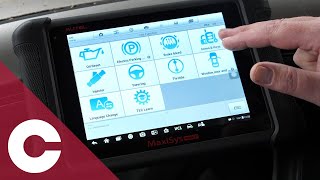
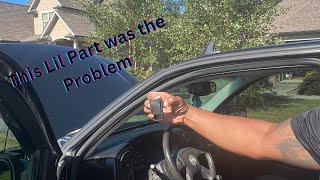

The information in this article is provided for general reference and educational purposes only. Vehicle specifications, procedures, and part compatibility can vary by production date, trim level, and region. Always consult your vehicle's factory service manual and verify part numbers before purchasing or performing repairs. Safety-critical components such as airbags, seat belts, and braking systems should be installed by a qualified professional.
- Saab 9-7X:
- 🧭 Diagnostic Flowchart
- 🎬 Helpful Videos
- What's Unique About the 2007-2009 Saab 9-7X
- Symptoms You May Notice
- Most Likely Causes
- Rare But Worth Checking
- Diagnosis Steps
- Parts You'll Likely Need
- Related Codes That Often Appear With This One
- Technical Service Bulletins (TSBs) & Recalls
- Platform-Specific Known Issues
- Hidden / Shadow Codes Worth Checking
- Scan Tool Commands That Help
- Wiring & Ground Locations
- Real Owner Repair Stories
- OEM Part Supersession History
- 🎟️ Get 5% Off