

B3935 on 2007 Saturn ION: No-Start Causes and Security System Fixes
On a 2007 Saturn ION, code B3935 almost always means the car's security system is preventing it from starting. The most common cause is radio frequency interference (RFI) from other keys, fobs, or even cheap USB chargers on your keychain or in the car. The fix is often free: remove all other items from your car key and unplug accessories, then try starting it again.
- B3935 means your ION's security system is preventing it from starting due to a key authentication error.
- The most likely cause is Radio Frequency Interference (RFI). Before any repair, try starting the car using ONLY the ignition key, separated from all other keys and unplugged from any accessories.
- If RFI isn't the cause, try a spare key to see if the primary key has failed.
- The issue is common on platform-mates like the Chevy Cobalt and HHR.
- Do not replace the BCM or other expensive modules until all simpler causes (RFI, bad key, ignition cylinder) are ruled out.
What's Unique About the 2007-2007 Saturn ION
The 2007 Saturn ION uses GM's Passkey III+ immobilizer system on the Delta platform, shared with the Chevrolet Cobalt. For this specific platform and code, GM issued multiple technical service bulletins (PIC5650 series) that strongly advise against replacing parts initially. The primary documented cause is external radio frequency interference (RFI), a detail that is critical for diagnosis and often overlooked, leading to unnecessary parts replacement. Unlike earlier GM Passlock systems that used a resistor in the ignition switch, the Passkey III+ system uses a transponder chip in the key itself.
Diagnostic Flowchart
Tap your situation to follow the diagnostic path that matches what you're seeing on this vehicle.
Symptoms You May Notice
- Engine will not crank or start
- Engine starts and then immediately stalls
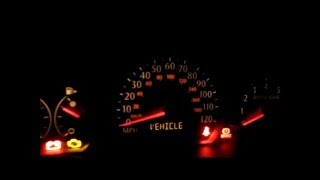
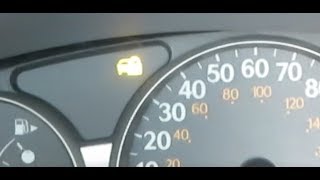
- Security light is on or flashing on the dashboard.
- Intermittent no-start condition, especially in cold weather. 🎬 Watch: Dealing with intermittent cold weather starting issues.
- In some cases, the remote keyless entry (RKE) may have poor range or be inoperative.
- Replacing the starter motor
- Replacing the battery without testing it
- Replacing the Body Control Module (BCM) or Engine Control Module (ECM) prematurely
Most Likely Causes
- Radio Frequency Interference (RFI) 🔴 High Probability As documented in GM Technical Service Bulletins PIC5650M and later revisions, the Passkey III+ system in these vehicles is sensitive to other RFID devices operating near its 125 kHz frequency. Other car keys, key fobs, workplace access cards, toll passes, aftermarket LED lights, and even unshielded USB phone chargers can disrupt the signal between the ignition key and the car's security module.
How to confirm: Remove the Saturn ION key from the keychain. Ensure no other keys, fobs, or electronic devices are near the steering column. Unplug any aftermarket accessories like phone chargers or dash cams. Attempt to start the vehicle with the isolated key. If it starts, RFI is the cause.
Typical fix: Keep the ION key separate from other electronic devices. Avoid using cheap, unshielded aftermarket electronics plugged into the 12V outlets. No parts replacement is necessary.
Est. part cost: $0 - Faulty Ignition Key Transponder 🟡 Medium Probability → Shop Ignition Switch The transponder chip in the key head can fail over time due to being dropped, water damage, or from internal electronic failure. This prevents it from correctly responding to the security challenge from the car.
How to confirm: If isolating the key from RFI doesn't work, try starting the car with a spare key. If the spare key works consistently, the primary key's transponder has failed.
Typical fix: Replace the faulty key. A new key must be cut and programmed to the vehicle by a dealer or an automotive locksmith. Some vehicles allow for a '30-Minute Relearn Procedure' that the owner can perform after getting a new key cut.
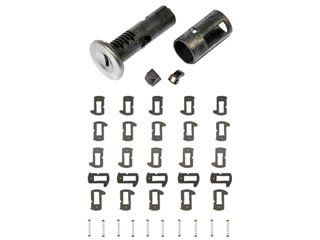
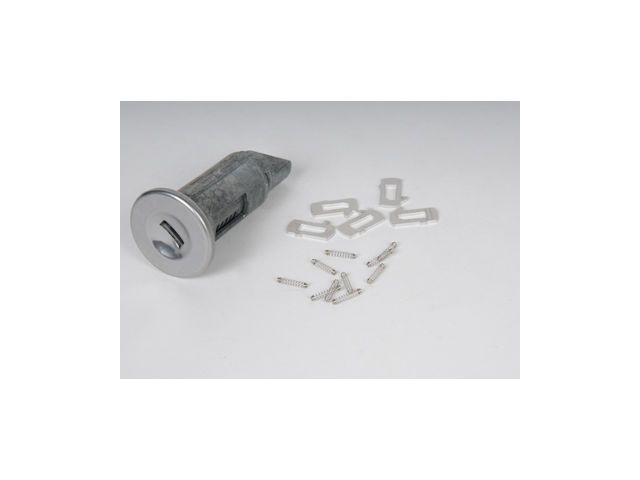
Est. part cost: $50-$150 - Failed Ignition Lock Cylinder/Switch ⚪ Low Probability → Shop Ignition Switch The ignition lock cylinder houses the exciter coil (antenna) that powers and reads the key's transponder. This component can wear out or fail electrically, causing intermittent communication issues. This is a known issue on some GM platforms.
How to confirm: This is harder to confirm without professional tools. If RFI is ruled out and multiple known-good keys fail to start the vehicle, the lock cylinder becomes a primary suspect. A mechanic can test the circuit for proper resistance and signal. A common symptom is a key that becomes difficult to turn or gets stuck.
Typical fix: Replace the ignition lock cylinder and perform the key relearn procedure. The OEM part number for the cylinder is ACDelco 25832354 (which supersedes 12458191).
Est. part cost: $100-$250
Rare But Worth Checking
- Low Battery Voltage: → Shop Vehicle Battery A weak or failing battery can cause a wide range of unpredictable electronic issues in modern cars, including problems with security modules. Before diving into complex diagnostics, ensure the battery is fully charged and healthy. One owner found the ultimate cause of a similar no-start was a bad battery cable, not the security system.
- Faulty Body Control Module (BCM): → Shop Body Control Module While possible, the BCM is rarely the cause of this specific code. It should only be considered after all other possibilities (RFI, key, ignition cylinder, wiring) have been exhaustively ruled out by a professional. TSBs specifically warn against premature module replacement.
Diagnosis Steps
- Verify the symptoms: Confirm the no-start/start-stall condition and check for an illuminated security light.
- Scan for codes: Use an OBD-II scanner capable of reading Body (B) codes to confirm B3935 is present. Note any other codes like B3055 or B3060.
- Isolate the key: This is the most important step. Remove the Saturn ION key from your keychain, separating it from all other keys, fobs, and RFID cards. Unplug any aftermarket chargers or lights. Try to start the car.
- Test with a spare key: If isolating the key doesn't work, try a spare key. If the spare works, the original key is faulty.
- Perform the 30-Minute Relearn Procedure: Turn the key to the 'ON' position (do not start) and wait for the security light to turn off (approx. 10 minutes). Turn the key 'OFF' for 10 seconds. Repeat this for a total of three 10-minute cycles. On the fourth attempt, after the third cycle completes and you've turned the key off, try to start the engine. 🎬 See a walkthrough of the 30-minute security reset procedure. This can sometimes resynchronize the key and module.
- Check Battery Health: Ensure the vehicle's battery is fully charged and the terminals are clean and tight. A bad battery cable has been found to be the root cause in at least one case.
- Inspect Ignition Cylinder: If all else fails, the problem may lie with the ignition cylinder's antenna or wiring. This step may require professional diagnosis or disassembly of the steering column covers. 🎬 Watch: How to check the ignition and bypass the system.
Parts You'll Likely Need
- Ignition Key with Transponder
(OEM #GM 23372322 (This is a blank key that must be cut and programmed))— If a spare key works and the primary one doesn't (even when isolated), the transponder chip in the primary key has failed.
Trusted brands: ACDelco, Strattec, GM Genuine Parts
OEM price range: $40-$70 (plus cutting/programming)
Aftermarket price range: $20-$50 (plus cutting/programming) - Ignition Lock Cylinder
(OEM #ACDelco 25832354 (supersedes 12458191, 15822350))— If multiple known-good keys fail to start the car and RFI is ruled out, the antenna within the lock cylinder assembly may have failed, preventing it from reading the key.
Trusted brands: ACDelco, Dorman, Standard Motor Products
OEM price range: $150-$250
Aftermarket price range: $80-$150
Related Codes That Often Appear With This One
- B3055 — This code means 'Key Not Present' or 'No Transponder Modulation'. It often appears with B3935 because RFI or a bad key can prevent the system from detecting the key's signal at all.
- B3060 — This code means 'Unauthenticated Key' or 'Unprogrammed Transponder'. It can be set alongside B3935 if interference scrambles the signal, making the key appear unprogrammed.
Technical Service Bulletins (TSBs) & Recalls
- PIC5650M: Addresses intermittent no crank, no start, or start stall with security light on, listing B3935 and advising to check for RFI.
- PIC5650L: An earlier version of the same bulletin, also advising against parts replacement and pointing towards RFI as a likely cause.
- PIC5650K: A later revision that expands the list of potential RFI sources to include aftermarket LED lights, USB power banks, and even decorative trim rings around the ignition.
Platform-Specific Known Issues
- This model is subject to Technical Service Bulletin #PIC5650M and its subsequent revisions (e.g., PIC5650K), which explicitly identify intermittent no-crank/no-start conditions with code B3935 and advise checking for Radio Frequency Interference before replacing any parts.
- Owners on SaturnFans.com forums frequently discuss the 'Passlock light' and no-start issues, with many confirming the 30-minute relearn procedure or isolating the key as successful fixes.
Hidden / Shadow Codes Worth Checking
- B3935 57: The '57' is a symptom byte that specifically means 'Transponder Authentication Error'. While the main B3935 code points to a security handshake failure, this byte confirms the failure happened after the key was successfully identified, during the cryptographic challenge/response phase. (see via A professional-grade scan tool like the GM Tech2 or a high-end aftermarket scanner capable of reading manufacturer-specific symptom codes.)
Scan Tool Commands That Help
- GM Tech2 / Professional Scan Tool: BCM/TDM Live Data Viewer — After ruling out RFI and trying a spare key, use a scan tool to observe live data parameters from the Body Control Module (BCM) or Theft Deterrent Module (TDM). Key parameters to watch are 'Transponder Key Present' and 'Invalid Key Status'. This helps determine if the module is seeing the key at all and if it considers the key's signal to be valid or corrupt, which can point towards a bad key versus a bad exciter coil/wiring.
Wiring & Ground Locations
- Body Control Module (BCM) — Located at the lower center of the dashboard, often integrated with the interior fuse/relay box just below the HVAC controls.. The BCM is the central hub for the Passkey III+ system on this vehicle. It receives the signal from the Theft Deterrent Module and communicates the fuel enable/disable password to the Engine Control Module (ECM) over the Class 2 Serial Data line. A poor connection at the BCM can cause this code.
- Theft Deterrent Module (TDM) — A small black box located behind the lower driver's side dash panel, near the steering column.. The TDM is the module that directly communicates with the transponder in the key via the exciter coil. It reads the key's value and performs the security challenge. A loose connector or internal fault in this module can directly cause B3935.
- Ground G203 — Located behind the lower left side of the dashboard, to the left of the steering column.. This is a major ground point for many instrument panel components, including modules involved in the security system. A loose or corroded G203 can cause intermittent and difficult-to-diagnose electrical issues, including security faults.
- Class 2 Serial Data Wire — This wire runs between the BCM, TDM, ECM, and other modules. On the Data Link Connector (DLC), it is typically a Purple wire at Pin 2.. This is the communication network used by the security system to send the 'fuel disable' password to the engine computer. A short or open on this circuit will prevent the car from starting and can set a variety of communication codes along with B3935.
Real Owner Repair Stories
- YouTube channel 'The Original Mechanic' (2004 Saturn Ion (similar platform and system)) — No-crank, no-start condition. Owner suspected the Passlock anti-theft system.
❌ Tried (didn't work) The mechanic disassembled and inspected the ignition switch, testing the internal resistor which read a good 1.24k ohms., The mechanic installed a toggle switch on the security system wire as a potential bypass, but this was not the root cause.
✅ What actually fixed it The actual problem was a bad battery cable. This caused low voltage under load, mimicking a security system failure, even though the security components themselves were functioning correctly. - YouTube channel '1020 auto rebuild' (2010 Chevrolet Cobalt (platform mate)) — Original transponder key head was broken. Owner wanted to use a cheap, non-transponder key without paying for programming.
❌ Tried (didn't work) Using a newly cut non-transponder key by itself.
✅ What actually fixed it The owner removed the steering column plastics, took the broken head of the original transponder key, and taped it directly to the exciter coil (the plastic ring around the ignition cylinder). This permanently placed the valid transponder chip within the coil's range, tricking the system into thinking the key was always present and authenticated, which then allowed the engine to be started with a simple, inexpensive mechanical key.
"I Checked Everything" — The Actual Cause
- In a documented case on a 2004 Saturn Ion, a no-start condition presented with symptoms identical to a security system lockout. A full inspection of the ignition switch and its internal security resistor showed they were in perfect working order (reading 1.24k ohms). The root cause was ultimately found to be a faulty battery cable, which prevented the engine from cranking despite all security checks passing.
OEM Part Supersession History
12458191, 12533953, 15822350, 19168637→ACDelco 25832354 / GM 25832354— Part consolidation and design updates over time for the ignition lock cylinder.
Heads up: This part requires programming and/or special setup procedures (key relearn) after installation to ensure proper communication with the vehicle's theft deterrent system.
Model Year Variations Within This Range
- 2006-2007: The 2007 Saturn ION and its platform mate, the 2006+ Chevy Cobalt, use the Passkey III+ system, which relies on a transponder chip in the key. This is different from the system in the 2005 Cobalt, which used an earlier version of Passlock. Diagnostics for a 2007 ION should focus on transponder communication, not the hall-effect/resistor-based methods of older GM systems.
Helpful Videos

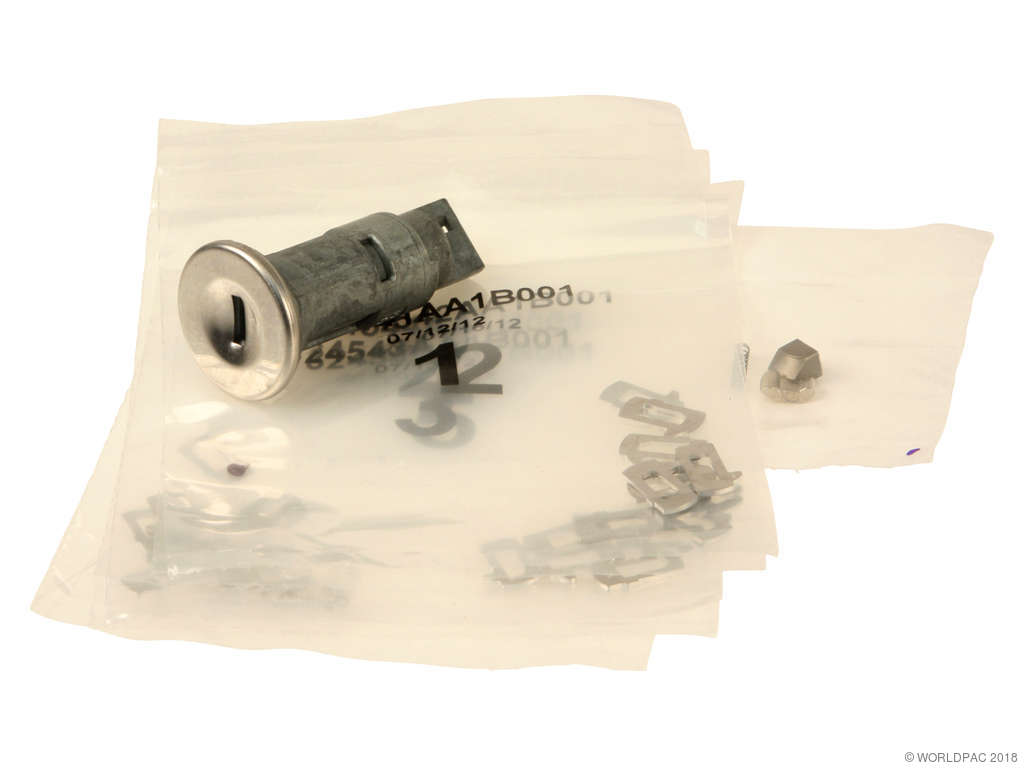
We Have This Part in Stock

The information in this article is provided for general reference and educational purposes only. Vehicle specifications, procedures, and part compatibility can vary by production date, trim level, and region. Always consult your vehicle's factory service manual and verify part numbers before purchasing or performing repairs. Safety-critical components such as airbags, seat belts, and braking systems should be installed by a qualified professional.
- Saturn ION:
- 🧭 Diagnostic Flowchart
- 🎬 Helpful Videos
- 🛍️ Shop This Part
- What's Unique About the 2007-2007 Saturn ION
- Symptoms You May Notice
- Most Likely Causes
- Rare But Worth Checking
- Diagnosis Steps
- Parts You'll Likely Need
- Related Codes That Often Appear With This One
- Technical Service Bulletins (TSBs) & Recalls
- Platform-Specific Known Issues
- Hidden / Shadow Codes Worth Checking
- Scan Tool Commands That Help
- Wiring & Ground Locations
- Real Owner Repair Stories
- "I Checked Everything" — The Actual Cause
- OEM Part Supersession History
- Model Year Variations Within This Range
- 🎟️ Get 5% Off