

B3979 on 2018-2022 Buick Enclave: HVAC Communication Error, Electrical Issues, and Water Leaks
This code means the Body Control Module (BCM) has a communication problem with the HVAC (climate control) module. It is often a sign of a larger electrical issue caused by water leaking from the A/C drain hose onto the BCM and its wiring. This leads to symptoms like intermittent door lock failure. The fix usually involves securing the drain hose, drying/cleaning the BCM connectors, and addressing underlying battery or BCM problems.
- B3979 is a module communication error, not a direct failure of the HVAC system.
- Always check the battery's health first, as low voltage is a common trigger for this code.
- This code is often a symptom of a larger electrical problem described in GM TSB #21-NA-183.
- The true symptoms a driver will notice are things like faulty door locks, an unwanted horn, or starting issues, not a problem with the climate control.
- Due to the complexity of network diagnostics and potential need for module programming, professional service is highly recommended.
What's Unique About the 2018-2022 Buick ENCLAVE
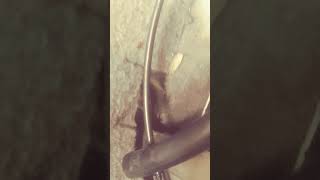
On this generation of Buick Enclave and its platform mates (like the Chevy Traverse), B3979 is rarely about a faulty HVAC module. Instead, it's a key indicator of a system-wide communication glitch. TSB #21-NA-183 specifically identifies a design vulnerability where the HVAC drain hose can leak water directly onto the BCM and its connectors, which are located in the passenger-side floor console area. This water damage is the primary cause of the cascade of fault codes. 🎬 Watch: How water damage causes these electrical issues and the fix. Additionally, GM issued an Engineering Information bulletin (PIE0565B) to investigate this and other 'Incorrect Environmental Identifier' codes, noting they can also appear after a battery discharge or jump-start, highlighting the electrical system's sensitivity.
Diagnostic Flowchart
Tap your situation to follow the diagnostic path that matches what you're seeing on this vehicle.
Symptoms You May Notice
- Intermittent failure of power door locks on one or more doors
- Unwanted horn or hazard flasher activation
- Various warning lamps illuminating on the instrument panel
- Immobilizer or 'no-start' conditions
- Check Engine Light or other malfunction indicators
- In some cases, no noticeable symptoms may be present despite the code being stored
- A wet or damp carpet on the front passenger side floor 🎬 See this walkthrough for finding and fixing passenger floor leaks.
- Replacing door lock actuators without checking for codes or TSBs. If the locks are failing intermittently along with other electrical issues, the problem is likely central (BCM wiring/water damage) rather than the actuators themselves.
- Replacing the BCM without first performing the water leak inspection from TSB 21-NA-183. The new BCM will eventually be damaged by the same leak.
Most Likely Causes
- Water Ingress from HVAC Drain Hose 🔴 High Probability TSB 21-NA-183 identifies a common issue where the HVAC drain hose connection leaks water onto the BCM and its connectors, causing corrosion and widespread electrical faults.
How to confirm: Remove the right front floor console extension panel. Start the vehicle and run the A/C on high. Observe the HVAC drain hose connection for drips 🎬 Watch: How to identify and clear a blocked AC drain line. or signs of moisture on the wiring or BCM below.
Typical fix: Secure the drain hose to the HVAC module housing by installing a zip tie just below the locking nib on the hose to prevent further leakage. Disconnect the battery, then disconnect and inspect the BCM connectors for corrosion. Clean any corroded terminals with an appropriate electrical contact cleaner. Replace any damaged terminals or connectors. Clear all DTCs and re-test.
Est. part cost: $1 - $25 (for a zip tie and contact cleaner) - Low Battery Voltage or Recent Jump-Start 🟡 Medium Probability → Shop Vehicle Battery Modern vehicle modules are sensitive to voltage fluctuations. A weak battery, battery replacement, or jump-start can cause modules to lose their configuration or fail to communicate properly during startup. GM bulletin PIE0565B was created to investigate this exact scenario.
How to confirm: Test the battery's state of charge and cranking health with a digital battery tester. Review vehicle history for recent battery service or jump-starts. On a forum for the platform-mate Chevy Traverse, the first suggestion for erratic door locks was to check the battery.
Typical fix: Charge or replace the battery. Clear all DTCs from all modules and see if they return.
Est. part cost: $150-$350 - Body Control Module (BCM) Fault ⚪ Low Probability → Shop Body Control Module The BCM can fail internally, but this is often a result of prolonged water damage from the HVAC drain leak. If the module is corroded beyond cleaning, it will need replacement.
How to confirm: After confirming the HVAC drain is not leaking and all wiring/connectors are clean and secure, a high-end scan tool is used to check for internal BCM faults. This is a process of elimination.
Typical fix: Replacement of the BCM, which requires programming by a dealer or qualified shop.
Est. part cost: $300-$600 - Faulty HVAC Control Module Very Low Probability While the code directly names the HVAC module, it's highly unlikely to be the cause, especially if non-HVAC symptoms (like door locks) are present. The fault lies in the communication *to* the BCM.
How to confirm: If B3979 is the *only* code present and there are no other symptoms (a very rare scenario), the HVAC module itself becomes more suspect. A technician would use a scan tool to attempt to communicate with the module.
Typical fix: Replace the HVAC control module.
Est. part cost: $250-$500
Diagnosis Steps
- Perform a visual and tactile inspection. Check the carpet and padding under the right side of the center console for any dampness or signs of a water leak.
- Follow the TSB 21-NA-183 procedure: Remove the right front floor console extension panel. Start the vehicle, turn the A/C to its coldest setting and the fan to maximum speed. Allow the vehicle to run and observe the HVAC drain hose connection for any water dripping onto the BCM or wiring harness.
- If a leak is found, secure the hose with a zip tie as per the TSB. Disconnect the battery. Carefully disconnect and inspect all BCM connectors for green or white corrosion. Clean as needed with electrical contact cleaner. If no leak is found, proceed.
- Verify the battery is fully charged and in good health. Test the charging system. Many communication faults are caused by low voltage.
- Use a full-system scan tool to retrieve all Diagnostic Trouble Codes (DTCs) from every module, not just the engine computer.
- Note all codes present. A cluster of 'Incorrect Environmental Identifier' codes (B3979, B3980, etc.) points strongly to the TSB or a past voltage event (per PIE0565B).
- If wiring, battery, and water checks are all good, the fault may lie with the BCM itself. This step requires professional-level diagnostics to confirm before replacement.
Parts You'll Likely Need
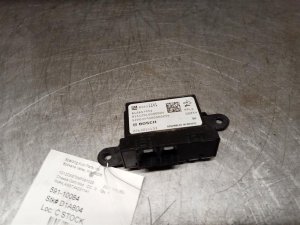
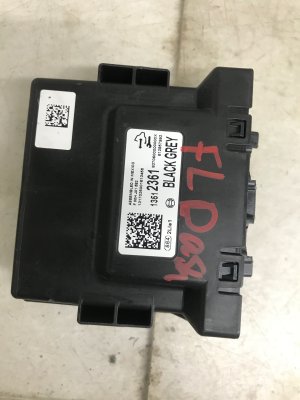
- Body Control Module (BCM)
(OEM #13534190 (example for 2018-2019 models, verify with VIN))— The BCM is the central computer for the affected systems. It often requires replacement if it has been permanently damaged by water ingress from the HVAC drain.
Trusted brands: ACDelco
OEM price range: $155-$320
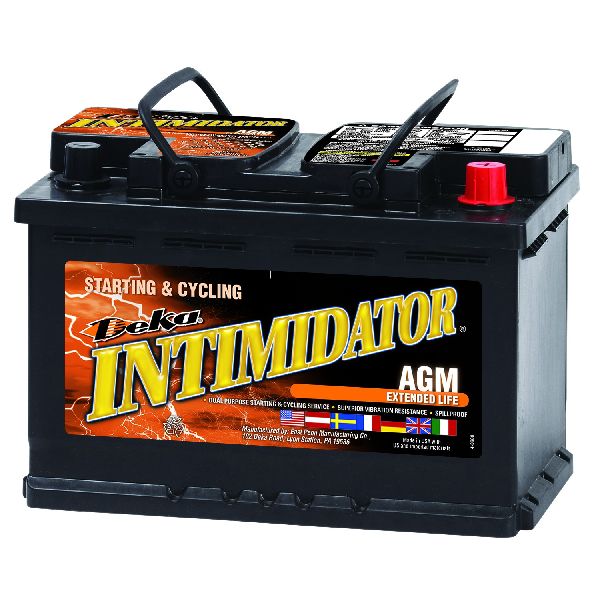
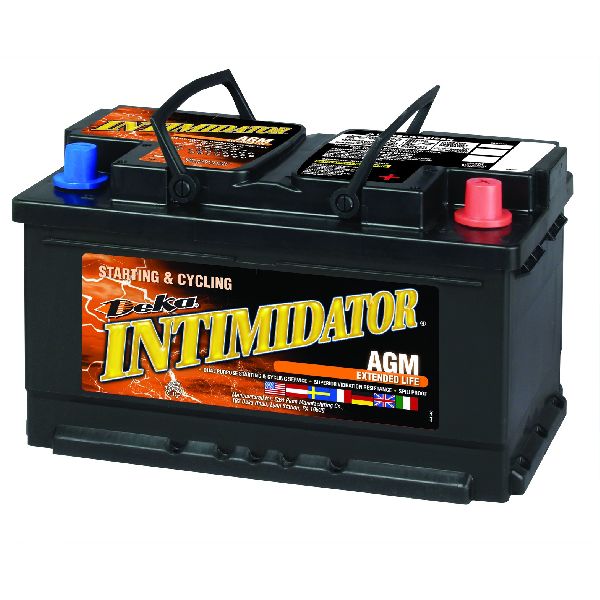
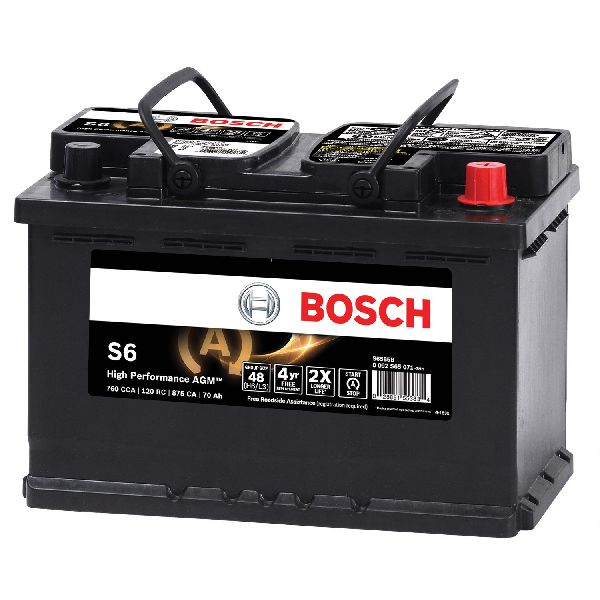
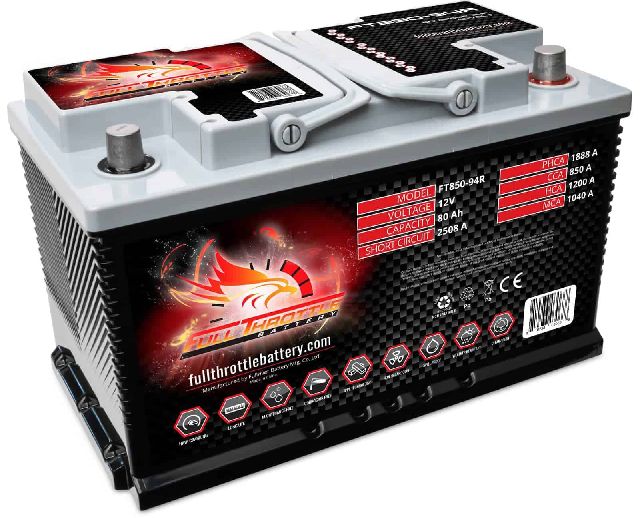
Aftermarket price range: $140-$250 - Battery — A weak or failing battery is a primary cause of communication codes between modules in modern vehicles.
Trusted brands: ACDelco, Interstate, DieHard
OEM price range: $200-$350
Aftermarket price range: $150-$250 - Zip Tie — Per TSB 21-NA-183, a simple tie strap is the specified part to secure the leaking HVAC drain hose and prevent recurrence of the water damage.
Trusted brands: Any standard nylon cable tie
OEM price range: <$1
Aftermarket price range: <$1
Related Codes That Often Appear With This One
- B3125, B3130, B3135 — These are door lock actuator codes often seen with B3979 as part of the issue described in TSB 21-NA-183.
- B3980 — Incorrect Environmental Identifier Received From Instrument Cluster. This is another module communication error, often appearing with B3979 due to the same root cause (water damage, low voltage).
- B3925, B3926, B3927, B389A, B3978, B3981 — These are all 'Incorrect Environmental Identifier' codes from various other modules, indicating a widespread network communication problem, often triggered by a single event like a water leak or voltage drop.
- Various U codes — U-codes (e.g., U0140, U0155) indicate a loss of communication with a specific module, which is a common companion to the 'Incorrect Identifier' codes when water damage or low voltage disrupts the network.
Technical Service Bulletins (TSBs) & Recalls
- 21-NA-183: Provides a service procedure to correct intermittent door lock and other electrical issues caused by water leaking from the HVAC drain onto the BCM.
Platform-Specific Known Issues
- HVAC Drain Hose Leak Causing BCM Failure: Per TSB #21-NA-183, this vehicle range is prone to a condition where the HVAC drain hose leaks water onto the Body Control Module (BCM) and its connectors. This corrosion is the direct cause for the cluster of issues including intermittent door lock failure, various warning lights, immobilizer problems, and unwanted horn/flasher activation, which are associated with code B3979 and other DTCs.
Scan Tool Commands That Help
- GM GDS2/SPS: BCM Programming/Setup — Required after replacing the BCM. The Service Programming System (SPS) is used to load the correct software and VIN into the new module.
- Manual Procedure: Theft Deterrent Relearn (30-Minute Procedure) — After BCM replacement, the vehicle will likely not start due to the immobilizer. This procedure resynchronizes the new BCM with the vehicle's keys. It involves cycling the ignition to 'ON' for 10 minutes, three consecutive times.
- GM GDS2/SPS: Setup SDM Primary Key in BCM — After BCM replacement and the 30-minute relearn, an airbag light and DTC B1001 (SDM configuration error) are common. This function is used to configure the new BCM with the Sensing and Diagnostic Module (airbag module) to clear the code.
- GM GDS2: Add/Replace Key Fobs — If key fobs are inoperative but the BCM is deemed functional, this command in the 'Remote Control Door Lock Receiver' module puts the system in learn mode to program fobs.
Wiring & Ground Locations
- BCM — In the center console, on the passenger side, behind the lower trim panel. It has up to 7 multi-colored connectors.. This location is directly below the HVAC drain hose connection identified in TSB 21-NA-183, making it highly susceptible to water damage that causes code B3979 and related electrical faults.
- BCM Connectors (Example) — On a 2022 model, the blue 27-pin plug, pin 4 is a +12V source. The black 26-pin plug, pin 24 is a ground for the hood pin switch.. Water intrusion from the HVAC leak can corrode these specific pins, leading to power loss or erratic signals. TSB PIT5606H also advises inspecting harness connectors like X200, X201, and X500-X800 for water intrusion on related platforms.
- BCM Ground (Potential) — A common GM ground point for the BCM is G103, located on the cowl in the engine compartment. However, interior grounds under the passenger kick panel are also critical.. A loose or corroded ground connection can cause a floating voltage potential, leading to a wide range of bizarre electrical issues and communication codes, mimicking a failed BCM. Checking grounds is a critical step if no water damage is found.
Real Owner Repair Stories
- GM Forum user 'CathedralCub' (Buick Verano (similar GM electrical architecture)) — Intermittent failure of windows, interior lights, and door lock push buttons. Multiple 'lost communication' DTCs stored.
❌ Tried (didn't work) Replacing the vehicle battery., Checking all related fuses., Ensuring BCM connectors were secure.
✅ What actually fixed it The dealership found a loose ground screw holding a ground lug under the passenger kick panel. Tightening this single screw resolved all electrical problems and codes. - Edmunds Car Forums user 'snorander' (2008 GMC Acadia (platform mate, first generation)) — Vehicle would not shut off after key removal, radio turned on by itself, various dash warning lights, and wet passenger floor carpet.
❌ Tried (didn't work) Cleaning the A/C system.
✅ What actually fixed it The user identified a puddle in the passenger-side sunroof drain pan. After cleaning up the water from the floor pan where the BCM/fuse block is located, the electrical problems stopped. This points to a clogged sunroof drain as another potential source of water intrusion affecting the BCM area.
OEM Part Supersession History
13594646→13534188— Standard part revision or supplier change.
Heads up: Part 13534188 is listed for 2018-2019 Enclave models. Always verify with VIN.13518626, 13518628, 84469210→13534191— Consolidation of multiple previous part numbers into a single service part.
Heads up: Part 13534191 is listed for a wide range of GM vehicles. Always verify with VIN.Unknown→84922494— General supersession for a BCM fitting 2018-2024 Enclaves.
Heads up: This appears to be a more recent service part number. Always verify with VIN.
Model Year Variations Within This Range
- Vehicles built before Feb 14, 2019: On the related GMC Acadia and Cadillac XT5 platforms, a TSB (PIT5606H) notes that front body hinge pillar plugs were undersized (29mm). Vehicles built after this date used larger 30mm plugs (PN 25883487) to better prevent water intrusion into the cabin, which could affect connectors related to the BCM.
Helpful Videos

Used OEM Parts in Stock
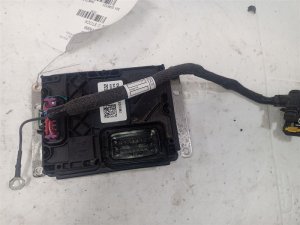
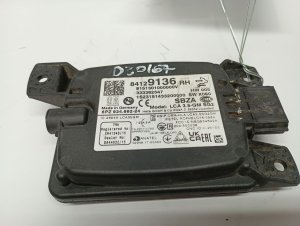
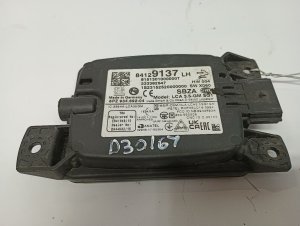
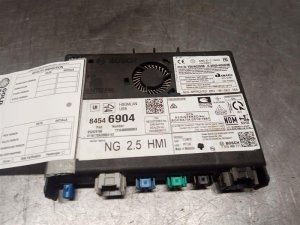
New Aftermarket Parts Available


The information in this article is provided for general reference and educational purposes only. Vehicle specifications, procedures, and part compatibility can vary by production date, trim level, and region. Always consult your vehicle's factory service manual and verify part numbers before purchasing or performing repairs. Safety-critical components such as airbags, seat belts, and braking systems should be installed by a qualified professional.
- Buick ENCLAVE:
- 🧭 Diagnostic Flowchart
- 🎬 Helpful Videos
- 🛍️ Shop This Part
- What's Unique About the 2018-2022 Buick ENCLAVE
- Symptoms You May Notice
- Most Likely Causes
- Diagnosis Steps
- Parts You'll Likely Need
- Related Codes That Often Appear With This One
- Technical Service Bulletins (TSBs) & Recalls
- Platform-Specific Known Issues
- Scan Tool Commands That Help
- Wiring & Ground Locations
- Real Owner Repair Stories
- OEM Part Supersession History
- Model Year Variations Within This Range
- 🎟️ Get 5% Off