

B3979 on 2020-2022 Cadillac XT6: Causes, Symptoms, and Fixes for Electrical Issues
Code B3979 on a 2020-2022 Cadillac XT6 is most often caused by water leaking onto the Body Control Module (BCM) from a poorly sealed HVAC drain hose. The fix involves securing the hose with a zip tie and, if damaged, replacing the BCM, which requires professional programming.
- B3979 on a 2020-2022 XT6 is a serious code pointing to a problem with the Body Control Module (BCM).
- The most likely cause is a water leak from the HVAC drain hose dripping onto the BCM.
- Symptoms are varied and electrical: faulty door locks, random horn/lights, warning lamps, and potential no-start issues.
- The fix involves stopping the leak with a zip tie and, if water damage has already occurred, replacing the BCM.
- BCM replacement is not a DIY job for most people as it requires professional programming with dealer-level tools.
What's Unique About the 2020-2022 Cadillac XT6
For this generation of Cadillac XT6 and its platform-mates (Chevy Traverse, Buick Enclave, GMC Acadia), the design of the HVAC drain hose connection is a known weak point. A simple leak at this connection allows condensation to drip directly onto the critically important Body Control Module (BCM). While the code itself points to a communication error, the root cause is often this specific, physical water intrusion problem, making it a platform-specific issue rather than a random electronic failure.
Diagnostic Flowchart
Tap your situation to follow the diagnostic path that matches what you're seeing on this vehicle.
Symptoms You May Notice
- Intermittent failure of power door locks.
- Various warning lamps illuminating on the instrument panel.
- Immobilizer system activating, which can cause a no-start condition.
- Unwanted and random activation of the horn or hazard flashers.
- Setting other communication (U-codes) or BCM-related codes.
- Power windows and power mirrors become inoperative.
- Power seats may be inoperative or move on their own.
- Keyless entry system inoperative.
- Replacing individual door lock actuators when the problem is intermittent and affects multiple doors.
- Replacing the battery or alternator without first checking for water intrusion at the BCM.
- Attempting to fix individual symptoms (like a horn issue) without diagnosing the BCM as the root cause.
- Clearing codes without performing the physical zip tie fix, leading to a recurrence of the problem.
Most Likely Causes
- Water Intrusion into Body Control Module (BCM) from HVAC Drain Hose 🔴 High Probability → Shop Body Control Module As identified in GM TSB #21-NA-183, the connection point of the HVAC drain hose to the HVAC module can leak. Due to its location, the water drips onto the BCM, causing corrosion and electrical shorts. The TSB explicitly states this is the likely cause when B3979 is present with other electrical faults.
How to confirm: Remove the right front floor console extension panel to inspect for water on the HVAC drain shield, wiring, or BCM connectors. Start the vehicle, turn the A/C to its coldest setting and the blower fan to maximum speed. Allow the vehicle to run long enough for condensation to form, and observe the hose connection to the HVAC module for drips. Water may be seen at the notch in the hose.
Typical fix: First, secure the HVAC drain hose connection with a cable tie (zip tie) to prevent future leaks. The TSB specifies installing the tie strap on the drain hose, below the locking nib near the top of the connection. If the BCM shows any sign of external or internal corrosion (which requires disconnecting and opening the case to verify), it must be replaced and programmed. If corrosion is minor, some technicians have had success cleaning the circuit board with isopropyl alcohol and a soft nylon brush before resorting to replacement.
Est. part cost: $5-$600
Rare But Worth Checking
- Low Voltage Event: Another GM service bulletin (21-NA-277) notes that code B3979 and other 'Environment ID' codes can appear after a battery discharge, jump-start, or battery replacement. In these cases, the issue may be a software glitch in the BCM that can be resolved without replacing the module, but it requires dealer-level tools to diagnose and reset.
- Water leak from A-Pillar or Body Plugs: → Shop Multi-Purpose Retainer Other GM bulletins for this platform, like 19-NA-243, describe water leaks past body plugs in the 'A' hinge pillar area, which can also cause corrosion in various electrical connectors, including those that communicate with the BCM. While the HVAC drain is the most cited cause for B3979, other water intrusion points are a known platform issue.
Diagnosis Steps
- Scan the vehicle for all DTCs to confirm B3979 and any accompanying codes like B3125, B3130, B3135, or U-codes.
- Access the interior by removing the right front floor console extension panel to expose the Body Control Module (BCM).
- Visually inspect the BCM, its electrical connectors, and the surrounding carpet and wiring for any signs of water, staining, or corrosion. Use a good flashlight.
- To confirm the source of the leak, start the vehicle, turn the A/C to its coldest setting and the blower fan to maximum speed.
- Observe the HVAC drain hose connection to the HVAC module. Look for water dripping from the connection point, specifically near the notch in the hose.
- If a leak is confirmed, proceed with the fix. If no leak is found but water damage is evident, the leak may be intermittent or from another source (like a sunroof drain or A-pillar body plug), but the BCM is still the primary suspect.
- If water damage is present, the BCM must be disconnected, removed, and its case opened to inspect for internal corrosion. Any sign of corrosion necessitates replacement. GM warns technicians not to touch the connector pins to avoid electrostatic discharge damage.
- If no water damage is found, investigate other possibilities such as a past low-voltage event as described in TSB 21-NA-277.
Parts You'll Likely Need
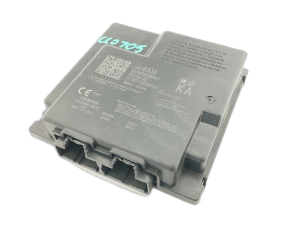
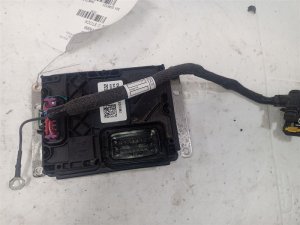
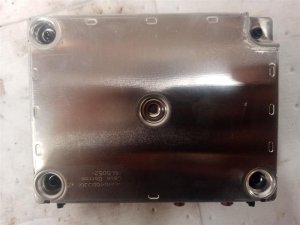
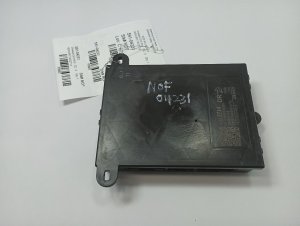
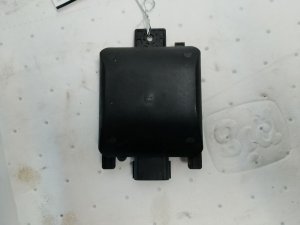
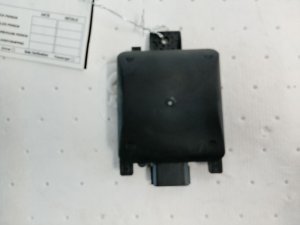
- Body Control Module (BCM)
(OEM #Varies by VIN, must be looked up in EPC. Examples include 84797085, 85537793.)— This module is the component that gets damaged by the water leak, causing the code and symptoms. If corrosion is found, replacement is mandatory. GM explicitly states to use the VIN and the Electronic Parts Catalog (EPC) to determine the correct part number.
Trusted brands: ACDelco (OEM)
OEM price range: $400-$700
Aftermarket price range: $250-$500 - Cable Tie (Zip Tie) — This is the simple part needed to secure the HVAC drain hose and prevent the water leak from happening or recurring, as recommended by GM TSB #21-NA-183.
OEM price range: $1
Aftermarket price range: $1
Related Codes That Often Appear With This One
- B3125 — Driver Door Lock/Unlock Switch Circuit issue, often triggered by the same BCM malfunction.
- B3130 — Passenger Door Lock/Unlock Switch Circuit issue, also triggered by the BCM malfunction.
- B3135 — Generic door lock circuit code, triggered by the BCM malfunction.
- B3980 — Incorrect Environmental Identifier from the Instrument Cluster, indicating a wider communication problem originating from the faulty BCM.
- Various U-codes — These are network communication codes that get stored when the water-damaged BCM fails to communicate properly with other modules on the vehicle.
Technical Service Bulletins (TSBs) & Recalls
- 21-NA-183: Intermittent Door Locks Inoperative, DTCs B3125, B3130, B3135, B3979, B3980, Various U codes, IP Lamps Illuminate, Immobilizer, Unwanted Horn or Hazard Flasher Operation. This TSB identifies the root cause as a water leak from the HVAC drain hose onto the BCM and provides the definitive repair procedure.
Platform-Specific Known Issues
- A known design issue covered by TSB #21-NA-183 where the HVAC drain hose can leak water onto the BCM. This TSB applies to the 2020-2022 Cadillac XT6, as well as other GM models like the Buick Enclave, Chevy Blazer/Traverse, and GMC Acadia from similar model years.
Mechanic-Grade Diagnostic Values
- System Voltage During Diagnostics — expected: 12-14 Volts. Failure: Voltage below 12V can cause erratic module behavior and misdiagnosis.
Hidden / Shadow Codes Worth Checking
- B3978, B3980, B3981: These are part of a family of 'Incorrect Environmental Identifier' codes received from the SDM, Instrument Cluster, and EBCM respectively. When seen with B3979, it points to a widespread communication or BCM processing issue, often triggered by water damage or a significant low voltage event. (see via Standard professional scan tool or GDS2.)
Scan Tool Commands That Help
- GDS2 (GM Global Diagnostic System 2): Vehicle Wide DTC Report — This is the initial step to retrieve all codes from all modules, as recommended by GM engineering bulletins for this type of fault.
- GDS2: Output Controls (Bidirectional Tests) — After repairing the BCM or its wiring, a technician can use GDS2 to command individual functions (e.g., 'cycle door locks,' 'turn on headlights') to verify the repair without needing to reassemble the entire vehicle.
- GDS2 with SPS (Service Programming System): BCM Programming and Setup — This is a mandatory step after installing a new BCM. The procedure downloads vehicle-specific software and configuration data to the new module, programming it to the VIN and enabling security functions like the immobilizer.
Wiring & Ground Locations
- BCM Location — Behind the right front floor console extension panel (passenger side).. This is the module that is directly exposed to the water leak from the HVAC drain hose.
- Primary BCM Ground (Likely) — On the cowl or A-pillar on the left (driver's) side of the vehicle. Look for a ground point labeled G103 or similar.. While the BCM is on the passenger side, its main ground connection may be on the driver's side. A poor ground can cause erratic electrical behavior similar to water damage, making it a key point to check if no water intrusion is found.
Real Owner Repair Stories
- CorvetteForum user Bill Curlee (1998 Chevrolet Corvette (C5)) — Car wouldn't go over 2mph, multiple error messages including 'Steering column lock', BCM was wet from a leaking A/C drain. Multiple BCM and communication codes were present.
❌ Tried (didn't work) Letting the BCM dry out for a few days was not sufficient on its own.
✅ What actually fixed it The BCM was removed from the vehicle, its case was opened, and the circuit board was thoroughly cleaned with a stiff nylon bristle brush and alcohol to remove white corrosion deposits. After reinstallation, the codes were cleared and the issues were resolved, avoiding the cost of a new BCM.
OEM Part Supersession History
Varies→Varies— Part revisions and updates are common for electronic modules.
Heads up: BCM part numbers are frequently superseded (e.g., 13518593 was replaced by 13532662, then 13534192). It is absolutely critical to use the vehicle's VIN within the official GM Electronic Parts Catalog (EPC) at the time of service to find the correct, current part number. Installing the wrong part, even if it physically fits, will fail.
We Have This Part in Stock

The information in this article is provided for general reference and educational purposes only. Vehicle specifications, procedures, and part compatibility can vary by production date, trim level, and region. Always consult your vehicle's factory service manual and verify part numbers before purchasing or performing repairs. Safety-critical components such as airbags, seat belts, and braking systems should be installed by a qualified professional.
- Cadillac XT6:
- 🧭 Diagnostic Flowchart
- 🛍️ Shop This Part
- What's Unique About the 2020-2022 Cadillac XT6
- Symptoms You May Notice
- Most Likely Causes
- Rare But Worth Checking
- Diagnosis Steps
- Parts You'll Likely Need
- Related Codes That Often Appear With This One
- Technical Service Bulletins (TSBs) & Recalls
- Platform-Specific Known Issues
- Mechanic-Grade Diagnostic Values
- Hidden / Shadow Codes Worth Checking
- Scan Tool Commands That Help
- Wiring & Ground Locations
- Real Owner Repair Stories
- OEM Part Supersession History
- 🎟️ Get 5% Off