

B3979 on 2019-2022 Chevrolet Blazer: Diagnosing Water-Damaged BCM and Electrical Faults
Code B3979 on a 2019-2022 Blazer almost always indicates an electrical issue caused by water intrusion into the Body Control Module (BCM). This is often due to a leaking A/C evaporator drain hose, a known issue documented in GM TSB 21-NA-183. The fix involves securing the hose with a zip tie and inspecting, cleaning, or replacing the water-damaged BCM.
- B3979 on a 2019-2022 Blazer is a strong indicator of water damage to the Body Control Module (BCM), not a faulty climate control part.
- The water leak is most often from the HVAC drain hose and is a known design flaw documented in TSB 21-NA-183.
- The preventative fix is simple and cheap: add a zip tie to the drain hose. The corrective fix can be expensive, often requiring a new BCM and professional programming.
- Before replacing any parts, inspect the BCM in the passenger footwell for signs of moisture or corrosion.
What's Unique About the 2019-2022 Chevrolet BLAZER
The 2019-2022 Chevrolet Blazer, built on the GM C1XX platform, shares a specific design vulnerability with its cousins like the Chevrolet Traverse, GMC Acadia, Buick Enclave, and Cadillac XT5/XT6. A well-documented issue, outlined in Technical Service Bulletin 21-NA-183, shows the HVAC evaporator drain hose can leak condensation directly onto the BCM and its connectors in the passenger footwell. This single point of failure triggers a cascade of seemingly unrelated electrical DTCs and symptoms, making it crucial to check for water damage first before suspecting any individual module.
Diagnostic Flowchart
Tap your situation to follow the diagnostic path that matches what you're seeing on this vehicle.
Symptoms You May Notice
- Intermittent or completely inoperative door locks.
- Unwanted horn or hazard flasher activation.
- Various warning lamps illuminating on the instrument panel, such as for the airbag or ABS.
- Vehicle immobilizer system activating, potentially causing a no-start or start-and-stall condition.
- Strange electrical behavior in general.
- Key fobs becoming inoperative.
- Water visible on the passenger side floor or carpet.
- Replacing the HVAC Control Module. The code definition is misleading; the problem is almost always the BCM or its environment, not the HVAC module itself.
- Replacing key fobs or door lock actuators without first inspecting the BCM for water damage. These parts are often affected by the failing BCM, but are not the root cause.
Most Likely Causes
- Water Intrusion into Body Control Module (BCM) from HVAC Drain Hose 🔴 High Probability → Shop Body Control Module Per TSB 21-NA-183, the HVAC drain hose connection to the HVAC module case is prone to leaking. The BCM is located directly in the path of this leak in the passenger-side footwell area. Water drips onto the BCM and its connectors, causing corrosion and short circuits.
How to confirm: Remove the right front floor console extension panel (passenger side kick panel). Run the A/C on high. Inspect the BCM, its wiring connectors (especially the large blue X2 connector), and the surrounding area for any signs of moisture, active dripping, water trails, or blue/green corrosion. TSB 21-NA-183 includes images of what the internal BCM corrosion looks like.
Typical fix: Secure the drain hose to the HVAC module outlet with a cable tie (zip tie) to stop the leak. Disconnect the battery. Unplug and clean the BCM connectors with electrical contact cleaner. If corrosion is severe or has entered the module, the BCM must be replaced and programmed by a dealer or qualified shop.
Est. part cost: $1 - $600 - Failing or Weak Battery ⚪ Low Probability → Shop Vehicle Battery Modern vehicles use many electronic modules that are sensitive to voltage. Low system voltage during startup can cause communication glitches between modules, setting codes like B3979. A forum post for a similar vehicle noted that checking the battery was a primary suggestion for erratic electrical behavior.
How to confirm: Test the battery with a digital multimeter or an electronic battery tester. A healthy, fully charged battery should read approximately 12.6 volts with the engine off and above 13.5 volts with the engine running.
Typical fix: Replace the vehicle's 12V battery. After replacement, all codes should be cleared from all modules.
Est. part cost: $150-$350
Rare But Worth Checking
- Faulty HVAC Control Module: While the code definition points to this module, it is very rarely the actual cause. Only consider this after definitively ruling out water intrusion and battery issues.
- Damaged Wiring or Connectors: A compromised wire or pin in the communication circuit between the BCM and HVAC module could cause this, but it's less common than the TSB-documented water leak.
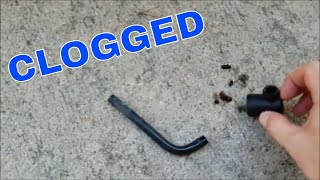
- Clogged Sunroof Drains: On vehicles with a sunroof, clogged drain tubes can cause water to overflow and run down the A-pillars into the footwell areas, potentially reaching the BCM or other electronics. This is a less common source of water intrusion than the A/C drain. 🎬 Watch: How to clear a clogged AC drain tube
Diagnosis Steps
- Scan the vehicle for all stored Diagnostic Trouble Codes (DTCs) to see if other codes (like B3125, B3980, etc.) are present, which strengthens the case for a BCM issue.
- Gain access to the passenger side of the center console. Remove the 'right front floor console extension panel' to expose the Body Control Module (BCM).
- Thoroughly inspect the BCM, its electrical connectors, and the surrounding carpet and wiring for any signs of moisture, active dripping, or blue/green corrosion from past water damage.
- If water is found, identify the source. Per TSB 21-NA-183, this is most likely the HVAC drain hose connection. To confirm, start the vehicle, turn the A/C to the lowest temperature and maximum blower speed, and watch for drips. 🎬 See how a blocked AC drain causes water buildup
- Fix the leak. The official GM procedure is to install a cable tie (zip tie, GM P/N 11509086) securely around the drain hose where it connects to the HVAC module to create a better seal.
- Address the damage. Disconnect the battery. Unplug the BCM connectors and clean any corrosion with an electrical contact cleaner and a soft brush. If corrosion is severe or the BCM shows signs of internal damage (which may require opening the case to verify), it will need to be replaced.
- If the BCM is replaced, it MUST be programmed by a dealer or a qualified shop with access to GM's Techline Connect / Service Programming System (SPS). A used BCM from another vehicle will not work without being reprogrammed.
- If no water damage is found, test the vehicle's battery and charging system to rule out low voltage as a cause.
- Clear all DTCs and perform a test drive to see if the code returns.
Parts You'll Likely Need
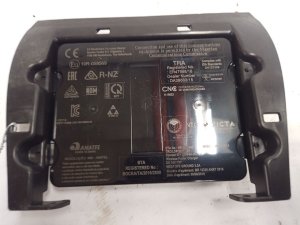
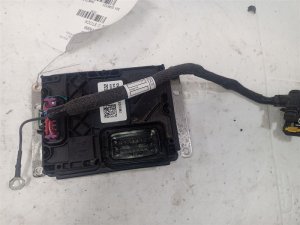
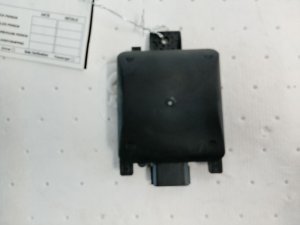
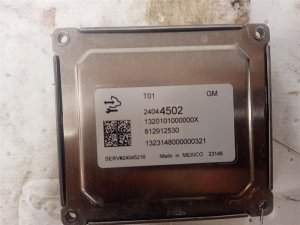
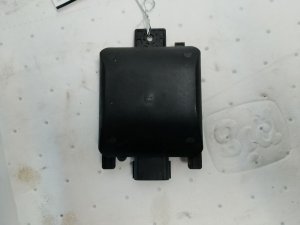
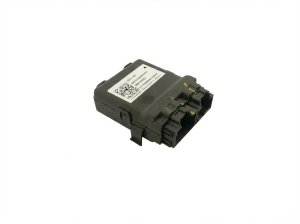
- Body Control Module (BCM)
(OEM #13534192 (example, verify with VIN))— This module is frequently damaged by the HVAC drain water leak, which is the primary cause of code B3979. Replacement is necessary if cleaning the connectors does not resolve the issue or if the module is internally corroded.
Trusted brands: ACDelco (GM Genuine)
OEM price range: $250-$550
Aftermarket price range: $200-$450 (often requires cloning service) - Cable Tie (Zip Tie)
(OEM #11509086)— This is the specific part called for in TSB 21-NA-183 to secure the leaking HVAC drain hose and prevent the root cause of the problem.
Trusted brands: Any standard cable tie
OEM price range: $1-$5
Aftermarket price range: <$1
Related Codes That Often Appear With This One
- B3125, B3130, B3135 — These are door lock actuator circuit codes. They are listed in TSB 21-NA-183 as being set alongside B3979 due to the BCM being damaged by the water leak.
- B3980 — This code is for 'Incorrect Environmental Identifier Received From Instrument Cluster'. It indicates the same type of communication problem, but with the instrument cluster, and is often triggered by the same BCM water damage or a low voltage event.
- Various U-codes — U-codes indicate network communication failures. Widespread communication issues are a classic symptom of a failing BCM, and TSB 21-NA-183 specifically mentions that various U-codes may be present.
Technical Service Bulletins (TSBs) & Recalls
- 21-NA-183: Intermittent Door Locks Inoperative, DTCs B3125, B3130, B3135, B3979, B3980, Various U codes, IP Lamps Illuminate, Immobilizer, Unwanted Horn or Hazard Flasher Operation. This TSB is the primary document for this issue, identifying water intrusion to the BCM from the HVAC drain hose as the cause and providing the repair procedure.
- PIE0557B: This Engineering Information bulletin discusses the group of 'Incorrect Environmental Identifier' codes (B3978-B3981) and instructs dealers to reprogram the BCM when they are set after a low voltage event and no other cause is found.
Platform-Specific Known Issues
- TSB 21-NA-183 documents a widespread issue where the HVAC drain hose leaks water onto the Body Control Module (BCM), causing numerous electrical faults including B3979. The official fix is to add a cable tie to secure the hose.
- A less common but possible source of water intrusion is from clogged sunroof drains, which can cause water to back up and leak into the cabin near the A-pillars.
Hidden / Shadow Codes Worth Checking
- B3979 71: This is a common symptom byte that may accompany the main DTC. The '71' typically signifies 'Invalid Data', meaning the BCM received data from the HVAC module that was outside its expected parameters or format. This points more specifically to a data corruption issue, consistent with water damage or a network fault, rather than a simple loss of communication. (see via A dealer-level scan tool like the GM MDI/MDI2 with GDS2 software is required to view these symptom bytes.)
Scan Tool Commands That Help
- GM GDS2 (Global Diagnostic System 2): BCM Programming and Setup — This function is mandatory after installing a new BCM. It is accessed through the Service Programming System (SPS) and is used to write the vehicle's VIN, configure RPO codes (vehicle options), and perform the security key relearn procedure.
- GM GDS2 (Global Diagnostic System 2): Control Functions (Bidirectional Controls) — Before replacing the BCM, a technician can use bidirectional controls to individually command functions like door locks, lights, or wipers. If the BCM cannot successfully command these components to activate despite having good power and ground, it strongly suggests the BCM itself is faulty.
Wiring & Ground Locations
- BCM Connector X2 (Blue) — On the Body Control Module, located in the passenger footwell area, typically on the side of the center console.. TSB 21-NA-183 identifies the area around the BCM connectors as the primary location for water damage from the leaking HVAC drain. The large blue X2 connector is specifically mentioned as a point of inspection for moisture and the resulting blue-green corrosion that causes the short circuits leading to code B3979 and other electrical faults.
Real Owner Repair Stories
- Techmod Auto Repair & Locksmith Blog Post (2020 Chevrolet Blazer) — The car was not running correctly due to a water-damaged Body Control Module (BCM).
❌ Tried (didn't work) The post does not mention other failed attempts; diagnosis pointed directly to the BCM.
✅ What actually fixed it A new BCM was on backorder from the dealer, so a used BCM was sourced from a scrap yard. The repair shop successfully programmed the used BCM to the vehicle's specifications, which restored full functionality and fixed the problem. - Edmunds Car Forums user post (2008 GMC Acadia (sister platform vehicle)) — Vehicle wouldn't shut off, multiple warning lights and alarms, severe battery drain, soaked driver-side floor.
❌ Tried (didn't work) A dealer initially replaced a door seal, which did not fix the leak.
✅ What actually fixed it The user reported that after the car dried out, the electrical issues disappeared, strongly indicating water intrusion into the electronics. Another user in the same thread confirmed their similar issues were resolved only after having the BCM and Fuse Block replaced due to water damage.
OEM Part Supersession History
13518593, 13532662→13534192— Standard part evolution, likely for hardware revisions or manufacturing improvements.
Heads up: A parts vendor Q&A confirms that 13534192 is also the correct service replacement for part number 13535989 found on a 2022 GMC Acadia, indicating it covers a wide range of part numbers for the C1XX platform. Always verify the correct, latest part number with a dealer using the vehicle's VIN.
Model Year Variations Within This Range
- 2019 vs 2020-2022: The 2019 model year Blazer did not have a physical button to disable the Engine Auto Stop/Start feature. This button was added for the 2020 model year and beyond. While not directly related to the B3979 fault, this demonstrates a change in the vehicle's control logic and wiring between the first and subsequent model years in this range.
Helpful Videos
We Have This Part in Stock

The information in this article is provided for general reference and educational purposes only. Vehicle specifications, procedures, and part compatibility can vary by production date, trim level, and region. Always consult your vehicle's factory service manual and verify part numbers before purchasing or performing repairs. Safety-critical components such as airbags, seat belts, and braking systems should be installed by a qualified professional.
- Chevrolet BLAZER:
- 🧭 Diagnostic Flowchart
- 🎬 Helpful Videos
- 🛍️ Shop This Part
- What's Unique About the 2019-2022 Chevrolet BLAZER
- Symptoms You May Notice
- Most Likely Causes
- Rare But Worth Checking
- Diagnosis Steps
- Parts You'll Likely Need
- Related Codes That Often Appear With This One
- Technical Service Bulletins (TSBs) & Recalls
- Platform-Specific Known Issues
- Hidden / Shadow Codes Worth Checking
- Scan Tool Commands That Help
- Wiring & Ground Locations
- Real Owner Repair Stories
- OEM Part Supersession History
- Model Year Variations Within This Range
- 🎟️ Get 5% Off