

OBD-II Code B3980: Incorrect Module Security Signal
What B3980 means, why it triggers, and how to fix it
- Code B3980 is a critical General Motors security fault that disables the vehicle's starter and instrument cluster, leaving the car completely undrivable.
- Over 80% of B3980 cases stem from a software glitch in the Body Control Module (BCM) triggered by a dead battery or jump-start, as documented in GM TSB 21-NA-277.
- Do not replace the instrument cluster or BCM as a first step; the definitive fix is a $150-$350 dealer-level software reprogram using GM's Service Programming System (SPS).
- On 2017-2022 GM SUVs like the Traverse and Acadia, inspect the passenger footwell for a leaking A/C drain hose (TSB 21-NA-183) that destroys the BCM and costs upwards of $1,000 to fix.
- Proper diagnosis requires a professional scan tool to read the 2-digit symptom byte; a ':71' indicates data corruption, while a ':00' confirms a system-wide low-voltage crash.
What Does B3980 Mean?
B3980 is a General Motors (GM) specific trouble code indicating the Body Control Module (BCM) received an incorrect security signal from the instrument panel cluster. This system relies on a VIN-specific digital signature to prevent theft; when the handshake fails, the car shuts down major systems or refuses to start.
Technical definition: The official SAE/OBD-II definition for B3980 is 'Incorrect Environmental Identifier Received From Instrument Cluster'. This code sets when the unique identification data the BCM receives from the Instrument Panel Cluster (IPC) does not match the expected value stored in its memory. This points to a failure in the vehicle's internal communication network, often originating at the BCM or the Serial Data Gateway Module (SDGM). A professional scan tool displays a symptom byte, such as 'B3980:71' (Invalid Serial Data Received) confirming corrupt data, or 'B3980:00' (General Electrical Failure) pointing to system-wide software corruption.
Can I Drive With B3980?
No — Do Not Drive. The vehicle will not start or stalls immediately due to the anti-theft system activating. If it does run, the loss of gauges, warning lights, and critical systems like HVAC makes it unsafe to operate and guarantees you will be stranded.
Common Causes
- BCM/SDGM Software Corruption After Low Voltage Event (Very Common) — The most frequent cause is a software glitch in the Body Control Module (BCM) or Serial Data Gateway Module (SDGM) triggered by a weak battery, jump-start, or battery replacement. Modern vehicle computers are highly sensitive to voltage changes, which corrupt their memory and cause them to 'forget' security pairings. GM Technical Service Bulletin (TSB) 21-NA-277 addresses this widespread issue, warning against replacing modules and requiring a special reprogramming procedure.
- Weak or Failing Battery (Common) — A battery providing less than 12.4 volts at rest is the primary trigger for software corruption. The modules lack stable power during startup to complete their security handshake, triggering the code even if their software isn't permanently corrupted.
- Water Intrusion into Body Control Module (BCM) (Common) — On GM SUVs like the Chevy Traverse, Blazer, and GMC Acadia, a leaking or clogged A/C evaporator drain hose drips water directly onto the BCM. This causes corrosion and short circuits, leading to code B3980 and other electrical failures, as documented in TSB 21-NA-183.
- Poor Connection or Damaged Terminals at SDGM/BCM (Common) — Loose, spread, or corroded pins in the connectors for the Serial Data Gateway Module (SDGM) or BCM interrupt communication. The SDGM acts as a central router for the car's computer networks; a bad connection here causes a system-wide shutdown. TSBs PIT5586 and 20-NA-212 point to checking the gray X1 and black X2 connectors at the SDGM.
- Poor BCM Ground Connection (G218) (Less Common) — A poor ground connection at terminal G218, a critical ground point for the Body Control Module, causes unstable communication and triggers a B3980 code. Documented in TSB PIT5405C, the ground is often compromised by a dash insulator mat trapped under the terminal during assembly or by corrosion.
- Incorrect Module Installation or Programming (Rare) — If the BCM or Instrument Cluster is replaced with a used part from another vehicle, it contains the wrong Vehicle Identification Number (VIN) information. This causes an immediate security mismatch and sets code B3980. A new module not correctly programmed using GM's Service Programming System (SPS) also causes this fault.
- Aftermarket Accessories or Tuning (Rare) — Improperly installed aftermarket accessories, such as remote starters or alarms that tap into the vehicle's CAN bus wiring, interfere with module communication and cause security conflicts.
- Failed Instrument Panel Cluster (IPC) (Very Rare) — It is extremely uncommon for the instrument cluster itself to have an internal failure of its communication transceiver. Consider this only after exhaustively ruling out software, wiring, and connections. Misdiagnosing this and replacing the cluster is a common, expensive mistake.
Symptoms
- No-start or start-and-stall condition — The engine will not crank, or it starts for a second and immediately shuts off because the anti-theft system is activated. A message like 'put your foot on the brake' may appear and disappear.
- Instrument cluster is dead or erratic — The speedometer, tachometer, fuel gauge, and all warning lights are completely off or fluctuate wildly. The turn signal 'click' sound is gone because it originates from the cluster.
- Radio and HVAC controls do not work — The infotainment screen is blank or frozen, and the heating and air conditioning controls are completely unresponsive.
- Power door locks, horn, or flashers operate on their own — The BCM controls these functions; when failing due to water damage or software issues, it causes them to act erratically, as noted in TSB 21-NA-183.
- 'Service Stabilitrak' or Other Warning Messages — A communication breakdown on the network causes other systems to report errors. A 'Service Stabilitrak' message is common because the electronic brake control module cannot receive data from the BCM.
Diagnostic Flowchart
Tap your situation to follow the diagnostic path that matches what you're seeing on this code.
Common Fixes & Costs
- Reprogram Body Control Module (BCM) or Serial Data Gateway Module (SDGM) — Parts: $0, Labor: $150-$350 (labor-only), ~1.5 hr book time (Professional)
- Replace Vehicle Battery — Parts: $150-$300, Labor: $50-$100, ~0.8 hr book time (DIY)
- Replace Body Control Module (BCM) and Repair Water Leak
— Parts: $300-$500, Labor: $300-$600, ~2.5 hr book time
(Professional)
Chevrolet Silverado / GMC Sierra (2017-2019): OEM ['13535147', '13508761', '13528941'] (Alt: {'Dorman (Reman)': '502-001'})
Chevrolet Traverse (2018-2022): OEM ['13522387', '13534191'] (Alt: {'ACDelco (Reman)': '84922494'})
GMC Acadia (2017-2022): OEM ['13534192', '13532662', '13518593'] (Alt: {'ACDelco': '22860591'}) - Repair Wiring/Terminals at SDGM Connector — Parts: $10-$50, Labor: $150-$450, ~2 hr book time (Intermediate)
- Repair BCM Ground Connection (G218) — Parts: $5-$20, Labor: $100-$300, ~1.5 hr book time (Intermediate)
Used vs. New Parts: Buying Guide
When a used part is worth it: Installing a used Body Control Module (BCM) without professional reprogramming fails because GM BCMs are VIN-locked to the original vehicle. A used BCM only works if you use a specialized mail-in 'cloning' service to transfer the original VIN and security data from your old BCM to the donor unit.
Donor-vehicle mileage cap: roughly under 50000 miles for the part to have meaningful remaining life.
Donor quality checklist:
- If using a cloning service, the used BCM must be the exact same part number and known to be functional.
- Avoid BCMs from vehicles with flood or fire damage; internal corrosion causes premature failure.
- Verify the part number exactly; modules with different part numbers have incompatible internal hardware configurations.
Decision logic:
- If The original BCM is available and communicates, but is physically damaged (e.g., by water) → A used BCM via a cloning service is a viable, cost-effective option.
- If The original BCM is missing or completely non-communicative (cannot be read) → You must buy a new OEM BCM and have it programmed by a dealer or qualified shop with a GM SPS subscription.
- If The problem is a software glitch (most common cause of B3980) → Do not buy any part. The solution is to reprogram the existing module.
Warranty tradeoff: Used BCMs from salvage yards typically have a 30-90 day warranty. New OEM BCMs installed by a dealer are covered for 12-24 months.
Worst-case if a used part fails: $400-$800 if a used BCM fails after cloning and installation, requiring repeat labor for removal, a new part, and professional programming.
What Happens If You Wait — Timeline
- Immediate (First Occurrence): The B3980 code sets, causing a complete no-start or a start-and-stall condition as the anti-theft system engages. The instrument cluster, radio, and HVAC are often dead. (MPG impact: N/A (Vehicle is immobile)% · Added cost: $150-$300 (Immediate need for a tow to a capable shop).)
- 0-1 Week (Intermittent Fault): In some cases, the fault is intermittent. A 'hard reset' by disconnecting the battery temporarily restores function. However, the underlying software corruption or physical fault remains. Each key cycle is a gamble on whether the vehicle will start. (MPG impact: 0%% · Added cost: $0, but the risk of a tow remains 100%.)
- 1-4 Weeks (Cascading Corruption): Continuing to operate the vehicle with an unstable network causes further issues. Unstable voltage causes software corruption to spread to other modules (like the ECM or Airbag module), complicating the diagnosis. A simple BCM reprogram is no longer enough. (MPG impact: 0-5% (If drivable, erratic module behavior affects efficiency.)% · Added cost: $200-$500 (Additional diagnostic labor and multi-module programming fees.))
- 1+ Month (Physical Damage Worsens): If the cause is an unaddressed water leak, corrosion destroys the BCM, its connectors, and potentially the wiring harness. If the cause is a loose terminal, arcing burns the pin and the module, forcing replacement of a previously repairable part. (MPG impact: N/A% · Added cost: $500-$1500+ (Cost escalates from a simple BCM replacement to include wiring harness repair or replacement.))
Cost of Not Fixing It
- Immediate: Vehicle will not start or starts and immediately stalls, leaving you stranded. (Added cost: $150-$300 for a tow to a capable repair shop.)
- Immediate: Vehicle is drivable but critical systems are inoperative (dead instrument cluster, no turn signals, no HVAC), creating a severe safety hazard. (Added cost: $150+ for a traffic citation, plus the high risk of an accident.)
- Days to Weeks: Repeatedly attempting to start the vehicle with unstable module voltage causes cascading software corruption in other modules, complicating the diagnosis. (Added cost: $200-$500 in additional diagnostic and programming labor.)
Diagnosis Steps
- Check the Vehicle's History
Determine if the problem started immediately after a dead battery, a jump-start, or a battery replacement. A 'yes' strongly points to the BCM/SDGM software glitch described in TSB 21-NA-277, meaning you should not replace parts.
Tools: ['None'] - Test the Battery and Charging System
Use a multimeter and a professional load tester to verify battery health. A resting voltage below 12.4V indicates a problem. Ensure the alternator charges correctly (13.5-14.5 volts running). An unstable power supply must be corrected before attempting software repairs.
Tools: ['Multimeter', 'Battery load tester'] - Attempt a Hard Reset
Perform a hard reset by disconnecting the negative battery terminal for at least 30 minutes. On GM trucks and large SUVs, reset the SDGM by pulling its specific fuse (often F28DL or F26DL in the driver's side dash fuse box) for one minute, per TSB PIT5586G. This sometimes clears a temporary logic lock-up.
Tools: ['10mm wrench'] - Inspect for Water Intrusion (SUVs)
On GM SUVs (Traverse, Acadia, Blazer), pull back the carpet in the front passenger footwell and remove the side console panel to access the BCM. Look and feel for dampness, water stains, or blue/green corrosion on the BCM and connectors. A musty smell is a major indicator.
Tools: ['Flashlight', 'Trim removal tools'] - Inspect SDGM Connectors (Trucks and Full-Size SUVs)
Locate the Serial Data Gateway Module (SDGM) high up under the driver's side dash. Disconnect its main connectors (gray X1, black X2) and inspect for bent, pushed back, or corroded pins. A 'wiggle test' on the harness while the vehicle is on may cause symptoms to appear or disappear, confirming a connection issue.
Tools: ['Flashlight'] - [PRO-TIP] Analyze Network with Professional Scan Tool
Using a GM-specific scan tool (GDS2), perform a vehicle-wide DTC scan and look for the two-digit symptom byte. B3980:71 (Invalid Serial Data) confirms data corruption, while B3980:00 (General Failure) paired with other B39xx:00 codes confirms the TSB 21-NA-277 low-voltage scenario.
Tools: ['Professional OBD-II scan tool (GM GDS2 compatible)'] - [PRO-TIP] Check CAN Bus Resistance at DLC
With the battery disconnected, measure the resistance between Pin 6 (CAN High) and Pin 14 (CAN Low) at the Data Link Connector (OBD-II port). A healthy high-speed CAN network reads 60 Ohms (± 5 Ohms). A reading of 120 Ohms means a terminating resistor is missing or there's an open circuit. Near 0 Ohms indicates a short.
Tools: ['Multimeter'] - [ADVANCED] Check CAN Bus Voltage at DLC
With the key on and engine off, measure DC voltage. Pin 6 (CAN High) to ground should read ~2.5V to 3.0V. Pin 14 (CAN Low) to ground should read ~2.0V to 2.5V. Significant deviation indicates a short to ground or power on the data line.
Tools: ['High-impedance multimeter'] (Advanced) - [ADVANCED] Check BCM Ground G218 Resistance
Per TSB PIT5405C, a poor ground at G218 is a known cause. Locate the G218 ground stud (typically on the left-hand side of the dash structure). With the battery disconnected, measure resistance between the ground terminal and a clean chassis point. The reading must be less than 0.5 Ohms.
Tools: ['High-impedance multimeter'] (Advanced) - Professional Scan and Reprogram
If previous steps fail, take the vehicle to a dealer or qualified shop. They use a GM-specific scan tool (GDS2) to confirm codes and symptom bytes. The most common repair is reprogramming the BCM or SDGM using GM's Service Programming System (SPS), following TSB 21-NA-277 or 20-NA-212. This is a software fix, not a parts replacement.
Tools: ['GM MDI 2 Interface', 'Active GM SPS2 subscription']
When This Code Triggers (Freeze-Frame Conditions)
- Module Voltage: 9.0V - 12.0V (Reflects a low voltage event during key-on or engine crank that triggered the fault.)
- Ignition Status: On/Crank Request (The fault sets during the vehicle's initial power-up sequence when modules perform security checks.)
- Ignition Cycles Since Fault: 0 (Indicates the fault occurred on the current or most recent ignition cycle.)
- Engine State: Off or Stalled (Logged as the engine is commanded to shut down by the anti-theft system or fails to start.)
Related Codes
- U0155 — Lost Communication With Instrument Panel Cluster. This is a direct result of the B3980 fault. B3980 sets when the BCM receives an incorrect security signal; if the signal drops entirely, U0155 sets.
- B3978, B3979, B3981 — Companion 'Incorrect Environmental Identifier' codes for the Airbag (SDM), HVAC, and Brake (EBCM) Modules. Seeing them together is a definitive sign of system-wide software corruption caused by a low-voltage event (TSB 21-NA-277).
- U0140 — Lost Communication With Body Control Module. Since the BCM sets code B3980, seeing U0140 means the BCM itself is offline or its communication is unstable. This points to a severe BCM issue, like water damage or a bad ground.
- B389A — Environment Identification. If B3980 is a specific complaint about the Instrument Cluster's ID, B389A is the BCM stating that the overall vehicle environment data is mismatched. Seeing it with B3980 strongly indicates the need for the reprogramming procedure in TSB 21-NA-277.
- B1011 — Keep Alive Memory (KAM) Error. Indicates a recent power loss to a module. Seeing this code is strong supporting evidence that the B3980 fault was triggered by a low-voltage event like a battery change, reinforcing the diagnosis of software corruption.
- P0513 — Incorrect Immobilizer Key. Set by the Engine Control Module (ECM) when it doesn't get proper security clearance from the BCM. It's a downstream effect of the network security failure.
Climate & Environmental Factors
- High Humidity / Water Exposure: High humidity or direct water intrusion from a clogged A/C drain causes moisture to collect on the BCM, leading to corrosion and short circuits that trigger B3980. This is a well-documented issue in TSB 21-NA-183.
- Extreme Temperatures (Hot and Cold): Extreme temperatures stress the vehicle's battery, increasing the likelihood of a low-voltage event during startup, the number one trigger for the B3980 software glitch.
How to Talk to a Mechanic About This Code
Say this: "I have a GM vehicle with a no-start condition and a B3980 code. This happened right after a battery event. I want to schedule a diagnostic to check if it needs the software reprogram outlined in TSB 21-NA-277, rather than a hardware replacement."
This signals you are aware of the most common cause (a software glitch) and the specific GM TSB that addresses it. It directs the technician to the most likely, and cheapest, solution first, preventing them from immediately quoting an expensive and likely unnecessary BCM or instrument cluster replacement.
Avoid saying:
- My car won't start, can you fix it?
- My dashboard is dead, I think I need a new one.
- Just do whatever it takes to get it running.
Questions to ask before authorizing the repair:
- Did you check for signs of water intrusion near the BCM, per TSB 21-NA-183?
- What was the two-digit symptom byte on the B3980 code? Was it a :71 or a :00?
- If you're recommending a module replacement, can you confirm you first attempted the software recovery procedure from TSB 21-NA-277?
- If you are replacing the BCM, does the estimate include the cost of programming the new module?
Where to Take It: Dealer vs Independent vs Chain
- Dealer:
Highly Recommended. The dealer is the best-equipped and most reliable choice to fix a B3980 code correctly the first time, especially if the special recovery procedure from TSB 21-NA-277 is needed.
Best for: Vehicles under warranty., Complex software-related issues like B3980 that require proprietary tools (GDS2) and a direct line to GM's Technical Assistance Center (TAC)., First-time diagnosis to ensure the correct TSBs are followed.
Downsides: Highest labor rates., May be quick to replace a module when a reprogram could have worked if not specifically directed. (Typical cost: +50% vs. baseline) - Independent Shop:
Acceptable, with caution. Only use an independent shop if you have verified they have dealer-level GM programming capabilities. Ask them directly: 'Can you program a new BCM on a 2019 Traverse?' If they hesitate, go to the dealer.
Best for: Out-of-warranty vehicles where cost is a major factor., Shops that specialize in GM vehicles or complex electrical diagnostics.
Downsides: MUST be vetted. You must confirm they have an active GM Techline Connect subscription and a compatible J2534 or MDI 2 interface to perform programming., May not have experience with the specific TAC-related procedures for severe software corruption. (Typical cost: +0% vs. baseline) - Chain Shop:
AVOID. Chain shops are not equipped to handle this type of complex network security and programming issue. At most, they can sell you a battery, which is a common trigger but will not fix the code.
Best for: Battery testing and replacement.
Downsides: Almost certainly lack the required software (GDS2/SPS) and expertise for module programming., High risk of misdiagnosis, leading to recommendations for unnecessary and incorrect part replacements (like the instrument cluster or battery). (Typical cost: -20% vs. baseline)
When to Walk Away From the Repair
If the estimated repair cost exceeds 50% of the car's private-party value, and the vehicle has other known issues, it's time to seriously consider selling it as-is or trading it in.
- Car worth $10000, fix is $350: Fix it. A $350 reprogram is a small fraction of the car's value and is the most common fix.
- Car worth $10000, fix is $1200: Fix it. A $1,200 repair for a water-damaged BCM is significant, but still well below the 50% threshold. Get a second opinion to confirm the diagnosis before proceeding.
- Car worth $3500, fix is $1500: Walk away. The repair cost is approaching half the vehicle's value. A non-running vehicle with complex electrical issues is a major liability.
What Scan Tool You Need for This Code
Minimum: A tool that can read manufacturer-specific 'B' (Body) codes from all modules and, crucially, display the GM-specific two-digit 'symptom byte'.
A $20 code reader from a parts store will not see B-codes or connect to the BCM/SDGM at all. It will report 'no codes found' while your car is dead, which is useless. You need to see the specific B3980 code and its symptom byte (:71 or :00) to have any chance of diagnosing it correctly.
Budget: BlueDriver, basic Autel/Launch readers (~$100) — Reads the B3980 code from the BCM, which is a critical first step. However, it typically cannot display the essential 'symptom byte' needed for advanced diagnosis. Good for confirming the code exists before taking it to a shop.
Mid-range: Foxwell NT510 Elite for GM, Autel MP808/MK808 (~$180) — This is the minimum for serious DIY diagnosis. It performs a full system scan, reads B3980 and its symptom byte, views live data from the BCM, and checks for communication with all other modules on the network.
Professional: GM MDI 2 (or compatible J2534 device) + Techline Connect Subscription (~$1700+ for MDI 2, plus $45 per VIN for software subscription.) — This is the only setup that actually FIXES the most common cause of B3980. It allows you to use GM's GDS2 software for full diagnostics and the Service Programming System (SPS) to reprogram the BCM or SDGM with updated software.
How to Clear the Code After You Fix It
- Use a GM-specific scan tool (GDS2) to clear all DTCs from all modules after a software reprogram or hardware replacement.
- Perform specific relearn procedures prompted by the scan tool, such as 'Setup SDM Primary Key in BCM' to sync with the airbag system.
- Perform a full ignition cycle (off, on, start) and test all related functions (gauges, radio, HVAC, locks) to confirm the repair.
Drive cycle (~30 minutes): A specific drive cycle is not required to clear code B3980, as it is a security fault. However, if the battery was disconnected, perform a GM general drive cycle to reset emissions readiness monitors: Cold start, idle for 3 minutes with A/C on, accelerate to 55 mph and hold for 3 minutes, then coast down to 20 mph without braking.
Readiness monitors affected: Catalyst Monitor, Evaporative System Monitor, O2 Sensor Monitor, EGR System Monitor
Before emissions retest: drive at least 50 miles to fully set monitors.
Watch out for:
- Clearing the code with a generic scanner fails; the code returns immediately if the underlying software or hardware fault is not corrected.
- Disconnecting the battery (a 'hard reset') temporarily resolves the issue but fails to fix the corrupted software, guaranteeing the problem returns.
- After a battery disconnect, all emissions readiness monitors reset to 'Not Ready', causing an immediate emissions test failure.
Will This Fail Emissions / State Inspection?
Yes — this code typically fails an OBD-II emissions inspection.
- California: An automatic failure. The B3980 code causes related communication codes that illuminate the Check Engine Light. If the SDGM/BCM is offline, the smog machine cannot communicate with the vehicle's OBD-II system, resulting in an immediate failure.
- New York: The NYS inspection includes an OBD-II scan. An active B3980 code, or the communication failure it represents, prevents the test from completing and results in an automatic failure.
- Texas: In counties requiring emissions testing, this code causes a failure due to a lack of communication with the vehicle's computers or related diagnostic trouble codes.
Most Commonly Affected Vehicles
- Chevrolet Silverado / GMC Sierra (1500/2500/3500) (2017-2019) — Prone to SDGM software glitches (logic lock-up) and connector pin issues on the K2XX platform, detailed in TSBs 20-NA-212 and PIT5586. The G218 ground fault is also a known issue.
- Chevrolet Traverse / Buick Enclave (2018-2022) — Highly susceptible to BCM water damage from a leaking A/C drain hose on the C1XX platform, documented in TSB 21-NA-183. Also commonly suffers from low-voltage induced software corruption per TSB 21-NA-277.
- GMC Acadia (2017-2022) — Shares the same C1XX platform and A/C drain leak issue as the Traverse, leading to water-damaged BCMs.
- Chevrolet Blazer (2019-2022) — Built on the C1XX platform, it is vulnerable to BCM water damage from the A/C drain leak described in TSB 21-NA-183.
- Chevrolet Tahoe / Suburban / GMC Yukon (2017-2020) — Commonly experiences 'logic lock-up' of the Serial Data Gateway Module (SDGM) after low voltage events, requiring a reset or reprogram per TSB PIT5586G.
- Chevrolet Equinox (2018-2022) — Experiences no-crank conditions with B3980 and companion codes, often related to BCM software corruption after a low-voltage event.
- Cadillac XT5 / XT6 (2017-2022) — Commonly experiences software glitches in the SDGM or BCM after low voltage events (TSB 21-NA-277), and is highly susceptible to the BCM water damage problem from the HVAC drain leak (TSB 21-NA-183).
- Cadillac Escalade (2017-2020) — Subject to SDGM software and connector issues described in TSB PIT5586G. The K2XX platform it shares with the Tahoe/Yukon makes the SDGM the primary focus.
Manufacturer-Specific Notes
- General Motors (Chevrolet, GMC, Buick, Cadillac): This code is almost exclusively used by GM. The root cause is frequently a software glitch requiring a special reprogramming procedure, sometimes needing authorization from GM's Technical Assistance Center (TAC), rather than a parts replacement.
- General Motors (Platform Specifics): On C1XX platform crossovers (Traverse, Acadia, Blazer), the BCM is the primary suspect due to software corruption or water damage. On K2XX platform trucks/SUVs (Silverado, Sierra, Tahoe, Yukon), the Serial Data Gateway Module (SDGM) and its connectors are the common culprit.
- General Motors (Diagnostic Specifics): Proper diagnosis requires a GM-specific scan tool (GDS2) to read critical two-digit 'symptom bytes'. A ':71' byte (Invalid Serial Data) indicates a data content problem, while a ':00' byte (General Failure) across multiple modules confirms a low-voltage corruption event per TSB 21-NA-277.
- General Motors (Architecture): The issue is inherent to GM's Global A and newer VIP (Vehicle Intelligence Platform) electrical architectures. These systems 'marry' modules to the vehicle for security; a low-voltage event corrupts the configuration data, causing this 'divorce' and triggering B3980.
- General Motors (Warranty and Recalls): There are no active safety recalls for code B3980. However, repairs related to TSB 21-NA-277 (software corruption) or TSB 21-NA-183 (A/C drain leak) are covered if the vehicle is within its original Bumper-to-Bumper warranty period.
Real Owner Stories
2018 Chevy Traverse with no-start and dead electronics.
Owner found the vehicle completely dead in the morning. Instrument cluster was black, radio was off, and the engine would not crank. This happened without any prior warning signs.
Outcome: The dealer diagnosed water intrusion into the Body Control Module (BCM) from a clogged A/C drain hose, a known issue covered by TSB 21-NA-183. The BCM and its connectors were corroded. The fix involved replacing the BCM, programming the new module, and securing the A/C drain hose with a zip-tie. The total cost was over $1,000.
Lesson: On GM SUVs like the Traverse, a musty smell or wet passenger-side floor is a critical warning sign. If you see it, immediately check for the A/C drain leak before it causes catastrophic and expensive BCM failure.
2017 GMC Sierra 1500 with intermittent no-start after battery change.
After replacing a 4-year-old battery, the truck started having intermittent no-start issues. Sometimes it started perfectly, other times the dash lit up but the engine wouldn't crank. Multiple communication codes, including B3980, were present.
Outcome: The owner found TSB 20-NA-212 online and took the truck to a dealer, specifically requesting they reprogram the SDGM and BCM. The dealer performed the reprogram, costing about $250. The problem was permanently resolved.
Lesson: If B3980 appears immediately after a battery replacement or jump-start, do not replace parts. The root cause is almost certainly a software glitch requiring a dealer-level reprogram. Insisting on the TSB-specified software fix saves hundreds of dollars on unnecessary hardware replacement.
2019 Cadillac XT5 with failed key fob programming leads to BCM replacement.
A dealership attempted to program a new key fob for the owner. The programming procedure failed, and the vehicle became completely unresponsive, refusing to recognize any key. The B3980 code triggered along with a host of other security faults.
Outcome: The dealership's technicians concluded the BCM itself was 'bricked' during the failed programming attempt. The only solution was to replace the BCM entirely and program the new one from scratch, resolving all issues.
Lesson: A failed programming event on a critical module like the BCM permanently disables it. This highlights the risk of DIY programming and the importance of using a stable power supply during any module flashing or security procedure.
How to Prevent This Code From Triggering
- Use a battery maintainer when parking the vehicle for over a week. (During periods of inactivity.) — Prevents the battery voltage from dropping into the critical zone (<12.4V) that triggers module software corruption, the #1 cause of B3980.
- Proactively test the vehicle battery every year after it is 3 years old. (Annually.) — Modern AGM batteries often fail suddenly. An annual load test identifies a weakening battery before it causes a low-voltage event that corrupts the BCM/SDGM.
- On affected SUVs, periodically inspect the passenger footwell carpet for dampness. (Every 6 months, especially during humid seasons.) — Catches the known A/C drain leak (TSB 21-NA-183) early. Finding and fixing the leak when it's just a damp carpet prevents the catastrophic, $1000+ failure that occurs when the BCM is destroyed by water.
- Clear the A/C drain line with compressed air or by pouring distilled vinegar down the line. (Annually.) — Prevents the buildup of debris, mold, and mildew that causes the A/C drain to clog and leak water onto the BCM.
- Avoid using accessories like the radio or charging phones when the engine is off. (Daily habit.) — Reduces the load on the battery and prevents a slow drain that leads to a low-voltage state on the next startup attempt, a primary trigger for the B3980 software fault.
Frequently Asked Questions
Can I fix B3980 myself?
It is highly unlikely. The most common fixes involve reprogramming modules with proprietary GM software (GDS2/SPS), which is not available to the public. While you can check the battery and look for obvious water damage or loose wires, the final repair almost always requires a trip to a dealer or a well-equipped independent shop.
The shop wants to replace the instrument cluster. Is that correct?
This is almost never the correct fix and is a common misdiagnosis. B3980 indicates the BCM did not receive the correct signal from the cluster; it does not mean the cluster itself is broken. The fault nearly always lies with the BCM's software, the SDGM, or the wiring between them.
My car has a musty smell and the passenger floor is wet. Is that related to code B3980?
Yes, absolutely. On many GM SUVs, a wet passenger floor is the classic sign of a leaking A/C drain hose dripping onto the Body Control Module (BCM), as detailed in TSB 21-NA-183. The leak must be fixed and the BCM will likely need to be replaced and programmed.
Will replacing the battery fix the B3980 code?
Probably not. While a weak or failing battery is the most common trigger for the software glitch, simply installing a new battery usually does not fix the problem. The corrupted module needs to be reprogrammed to restore its proper function after the new, stable power source is installed.
What is a Serial Data Gateway Module (SDGM)?
The SDGM is like a traffic cop or network router for your car's computers. It controls the flow of information between different networks in the vehicle (e.g., high-speed and low-speed CAN bus). A software glitch or a loose connection at this central hub causes a massive communication breakdown, leading to B3980.
What is a symptom byte and why does it matter for B3980?
A symptom byte is a two-digit code (like ':71' or ':00') that GM adds to the main trouble code to provide more specific diagnostic information. For B3980, seeing ':71' (Invalid Serial Data) tells a technician the problem is data corruption, while seeing ':00' (General Failure) across multiple modules confirms a system-wide software crash from a voltage event. This information is critical for avoiding unnecessary parts replacement.
What is GM's Technical Assistance Center (TAC) and why is it mentioned for this code?
The GM Technical Assistance Center (TAC) is a support resource for dealership technicians working on complex problems. For severe cases of B3980 caused by software corruption (TSB 21-NA-277), the standard reprogram fails, requiring the technician to contact TAC for a special VCI file to manually restore the vehicle's security configuration. This highlights the severity and software-based nature of the problem.
Key Takeaways
- Code B3980 is a critical General Motors security fault that disables the vehicle's starter and instrument cluster, leaving the car completely undrivable.
- Over 80% of B3980 cases stem from a software glitch in the Body Control Module (BCM) triggered by a dead battery or jump-start, as documented in GM TSB 21-NA-277.
- Do not replace the instrument cluster or BCM as a first step; the definitive fix is a $150-$350 dealer-level software reprogram using GM's Service Programming System (SPS).
- On 2017-2022 GM SUVs like the Traverse and Acadia, inspect the passenger footwell for a leaking A/C drain hose (TSB 21-NA-183) that destroys the BCM and costs upwards of $1,000 to fix.
- Proper diagnosis requires a professional scan tool to read the 2-digit symptom byte; a ':71' indicates data corruption, while a ':00' confirms a system-wide low-voltage crash.
Helpful Videos
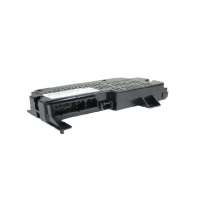
Shop the Parts Behind B3980
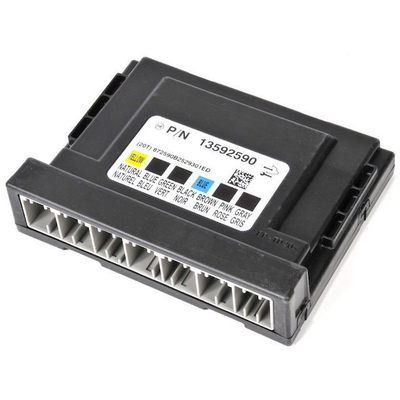
Below are the parts most often responsible for code B3980, ranked by how frequently each one is the actual culprit (per the diagnosis above). Tap any to see what we have for your vehicle.






The information in this article is provided for general reference and educational purposes only. Vehicle specifications, procedures, and part compatibility can vary by production date, trim level, and region. Always consult your vehicle's factory service manual and verify part numbers before purchasing or performing repairs. Safety-critical components such as airbags, seat belts, and braking systems should be installed by a qualified professional.
- 🧭 Diagnostic Flowchart
- 🎬 Helpful Videos
- 🛍️ Shop This Part
- What Does B3980 Mean?
- Can I Drive With B3980?
- Common Causes
- Symptoms
- Common Fixes & Costs
- Used vs. New Parts: Buying Guide
- What Happens If You Wait — Timeline
- Cost of Not Fixing It
- Diagnosis Steps
- When This Code Triggers (Freeze-Frame Conditions)
- Related Codes
- Climate & Environmental Factors
- How to Talk to a Mechanic About This Code
- Where to Take It: Dealer vs Independent vs Chain
- When to Walk Away From the Repair
- What Scan Tool You Need for This Code
- How to Clear the Code After You Fix It
- Will This Fail Emissions / State Inspection?
- Most Commonly Affected Vehicles
- Manufacturer-Specific Notes
- Real Owner Stories
- 2018 Chevy Traverse with no-start and dead electronics.
- 2017 GMC Sierra 1500 with intermittent no-start after battery change.
- 2019 Cadillac XT5 with failed key fob programming leads to BCM replacement.
- How to Prevent This Code From Triggering
- Frequently Asked Questions
- Can I fix B3980 myself?
- The shop wants to replace the instrument cluster. Is that correct?
- My car has a musty smell and the passenger floor is wet. Is that related to code B3980?
- Will replacing the battery fix the B3980 code?
- What is a Serial Data Gateway Module (SDGM)?
- What is a symptom byte and why does it matter for B3980?
- What is GM's Technical Assistance Center (TAC) and why is it mentioned for this code?
- Key Takeaways
- 🎟️ Get 5% Off