

B3980 on 2018-2022 Buick Enclave: Meaning, Causes, and Fixes for Communication Errors
Code B3980 on a 2018-2022 Buick Enclave indicates a communication error between the Body Control Module (BCM) and the Instrument Cluster. It's almost always caused by a software glitch, often triggered by a weak battery or jump-start. The fix is typically reprogramming the BCM or Serial Data Gateway Module (SDGM) as per GM TSBs, not replacing parts.
- B3980 is a software and communication code, not a hardware failure code.
- The most common trigger is a weak battery, jump-start, or battery replacement.
- Do NOT replace the instrument cluster or BCM as a first step; the problem is almost always fixed by a module reset or software update.
- This is not a DIY-friendly repair; it requires professional diagnostic and programming tools.
- The code is often accompanied by many other communication codes and widespread, seemingly unrelated electrical problems.
What's Unique About the 2018-2022 Buick ENCLAVE
The 2018-2022 Enclave and its C1XX platform mates (like the Chevy Traverse and GMC Acadia) use GM's Vehicle Intelligence Platform (VIP) architecture. This system relies on a central Serial Data Gateway Module (SDGM) to route communications between different networks. This platform is highly sensitive to battery voltage fluctuations. A weak battery, jump-start, or even a standard battery replacement can cause a software 'logic lock-up' in the SDGM or BCM, triggering code B3980 and a cascade of other communication faults (U-codes) and seemingly unrelated electrical symptoms. GM has issued multiple TSBs, like 21-NA-277, specifically addressing this scenario.
Diagnostic Flowchart
Tap your situation to follow the diagnostic path that matches what you're seeing on this vehicle.
Symptoms You May Notice
- Intermittent or total failure of door locks
- No-crank, no-start condition
- Message on dash to 'Put your foot on the brake to start' but vehicle does not start
- Instrument cluster lights illuminating randomly or going blank
- Immobilizer or anti-theft system warnings
- Unwanted horn or hazard flasher activation
- HVAC (climate control) system inoperative or blowing wrong temperature
- Radio or infotainment screen is blank or unresponsive
- No sound from turn signals or other chimes
- Replacing the Instrument Panel Cluster (IPC). The code references the IPC, but it is almost never the cause of the problem.
- Replacing the Body Control Module (BCM) or Serial Data Gateway Module (SDGM) before attempting reprogramming. The issue is most often software, not hardware failure, as explicitly stated in multiple GM TSBs.
- Replacing the battery without performing the necessary module reprogramming afterward. A new battery fixes the voltage supply but does not fix the corrupted software data that is causing the codes.
Most Likely Causes
- Software Glitch / Module Logic Lock-Up 🔴 High Probability The vehicle's modules, particularly the Serial Data Gateway Module (SDGM) and Body Control Module (BCM), are known to be sensitive to low voltage events which can corrupt their operating logic. This is a known issue documented in GM TSBs 21-NA-183 and 21-NA-277.
How to confirm: A professional scan tool will show B3980 along with numerous other 'Incorrect Environmental Identifier' (B3978, B3979, etc.) and 'Loss of Communication' (U-series) codes. The symptoms often appear directly after a jump-start, battery replacement, or deep battery discharge.
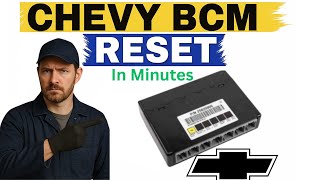
Typical fix: First, attempt a 'hard reset' by disconnecting the negative battery terminal for at least 30 minutes to allow all modules to fully power down. 🎬 Watch: How to perform a manual BCM reset and relearn. If that fails, the BCM and/or SDGM must be reprogrammed with the latest GM software using the SPS2 system. TSB 21-NA-277 outlines a specific BCM recovery procedure for this exact scenario.
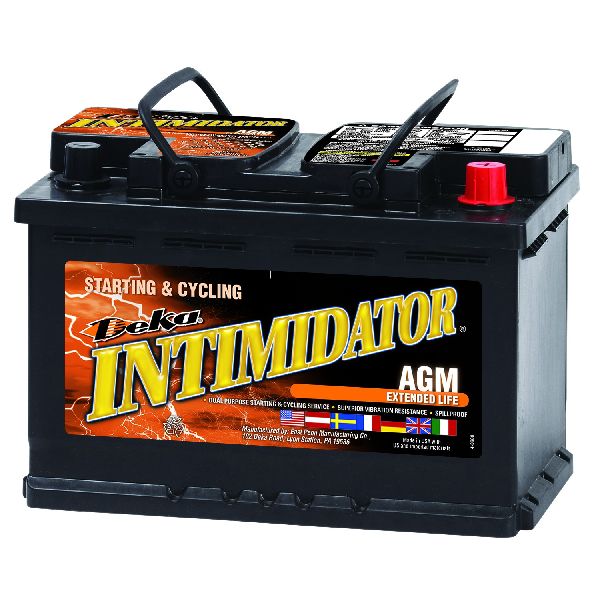
Est. part cost: $0 - Weak or Failing Battery 🟡 Medium Probability → Shop Vehicle Battery Modern vehicles require stable voltage (above ~12.4V) during startup for all modules to initialize correctly. A weak battery provides unstable voltage, which is the primary trigger for the software glitches that cause B3980.
How to confirm: Test the battery's voltage and cold cranking amps (CCA) with a professional digital battery tester. A surface charge may read 12V, but the voltage may drop significantly under load, triggering the fault.
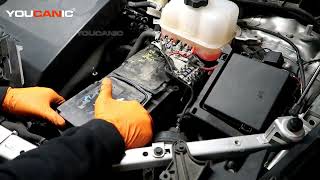
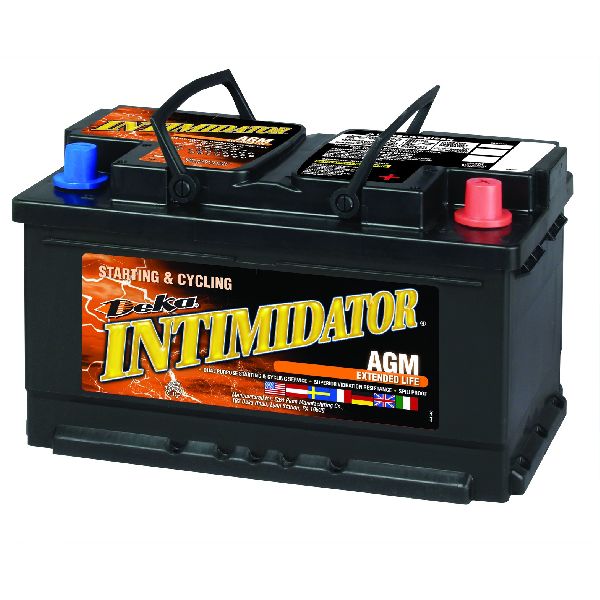
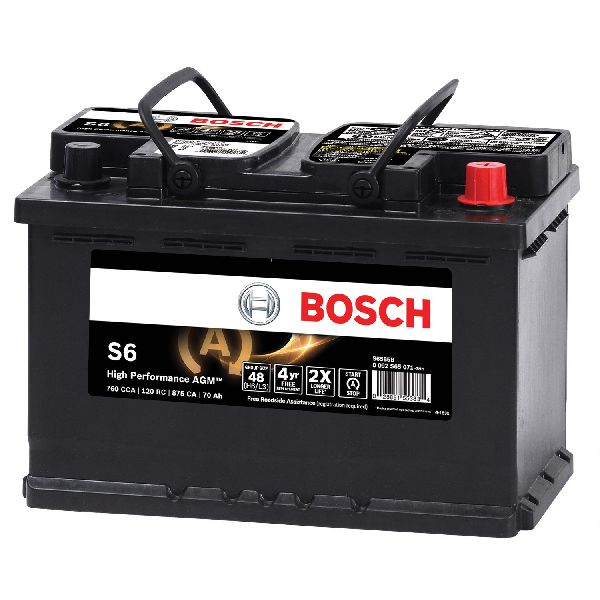
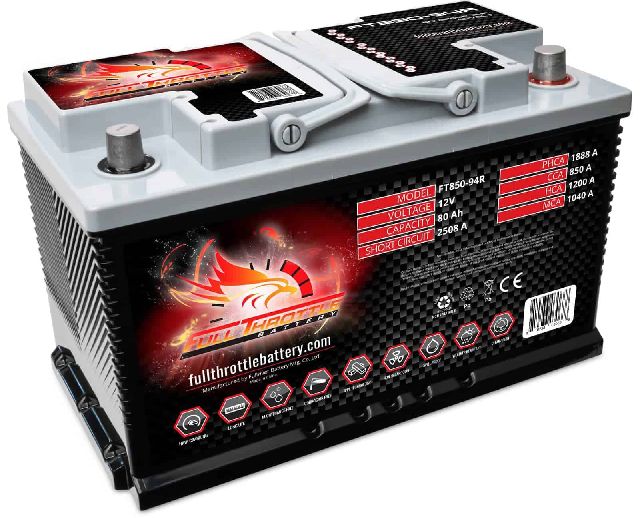
Typical fix: Replace the battery with a high-quality AGM battery. 🎬 See this step-by-step guide for replacing the Enclave battery. IMPORTANT: Replacing the battery may not clear the code; the vehicle will likely still require module reprogramming after the new battery is installed to clear the logic lock-up.
Est. part cost: $150-$350 - Poor Connection at Serial Data Gateway Module (SDGM) ⚪ Low Probability → Shop Telematics Interface Module GM TSBs for similar platforms point to issues with loose or fretting terminals in the connectors for the SDGM, which is a central hub for network traffic. On the Enclave, the SDGM is typically located in the RH front kick panel area.
How to confirm: After ruling out software, a technician will physically access the SDGM, disconnect its connectors, and inspect the terminals for looseness, corrosion, or damage. This is usually done after reprogramming attempts have failed.
Typical fix: Clean and apply dielectric grease to the terminals, or repair/replace the specific damaged terminal using the correct tools. In some cases, the connector pigtail may need to be replaced.
Est. part cost: $10-$100
Rare But Worth Checking
- Poor BCM Ground Connection: While TSBs often point to the SDGM, the BCM is the module that actually sets code B3980. A poor ground connection for the BCM itself (like ground point G218 on similar platforms) can cause communication errors that are misdiagnosed as an SDGM or software issue.
- Water Intrusion into BCM: TSB 21-NA-183 also discusses a scenario where a leaking HVAC drain hose can drip water directly onto the BCM and its connectors, causing corrosion and erratic behavior, including setting code B3980.
- Faulty Body Control Module (BCM): → Shop Body Control Module An internal failure of the BCM is possible but rare. This should only be considered after all software, battery, and wiring/ground/water intrusion issues have been definitively ruled out.
Diagnosis Steps
- Connect a professional scan tool (GM GDS2 is recommended) capable of reading B, C, and U codes from all modules.
- Document all stored DTCs. Note the presence of multiple 'Incorrect Environmental Identifier' (B39xx) and 'Loss of Communication' (U-xxxx) codes.
- Perform a comprehensive battery and charging system test with a digital load tester. Ensure voltage is stable and within specification.
- If a low voltage event was the trigger, attempt a 'hard reset' by disconnecting the negative battery terminal for at least 30 minutes to reset module logic.
- If codes return, the vehicle must be taken to a dealer or qualified shop for module reprogramming using GM's Service Programming System (SPS2). Reference TSB 21-NA-277 for the specific BCM recovery procedure.
- If reprogramming fails, inspect for water intrusion near the BCM as per TSB 21-NA-183.
- As a final step, inspect the wiring and connectors at the SDGM and BCM, paying close attention to power, ground, and communication bus terminals for any signs of damage or corrosion.
Parts You'll Likely Need
- No Parts - Module Reprogramming — This is a software issue, not a hardware failure. The most common repair is a dealer-performed software update to the Body Control Module or Serial Data Gateway Module, often following procedures in TSB 21-NA-277.
OEM price range: $150-$300
Aftermarket price range: N/A - Vehicle Battery — A weak or failing battery is the most common trigger for the software glitch that causes this code. The battery must be replaced to provide stable voltage, though reprogramming is often still required.
Trusted brands: ACDelco, Interstate, DieHard
OEM price range: $250-$400
Aftermarket price range: $150-$300 - Serial Data Gateway Module (SDGM)
(OEM #13599318)— Rarely needed. Only replaced after all reprogramming and wiring checks have failed. This module acts as a network router for the vehicle.
Trusted brands: ACDelco GM Genuine Parts
OEM price range: $75-$130
Related Codes That Often Appear With This One
- B3979 — Incorrect Environmental Identifier Received From HVAC Control Module. This is part of the same family of communication error codes, indicating a widespread issue.
- B3981 — Incorrect Environmental Identifier Received From Electronic Brake Control Module. Another code in the same family, indicating a widespread network communication problem.
- U0155 — Lost Communication With Instrument Panel Cluster (IPC) Control Module. This code directly relates to B3980, indicating a total loss of signal where B3980 indicates an incorrect signal was received.
- B389A — Environment Identification. This is a general version of the same fault, often set alongside more specific codes like B3980 and is a key indicator in TSB 21-NA-277.
Technical Service Bulletins (TSBs) & Recalls
- 21-NA-183: Addresses intermittent electrical issues including B3980, pointing to potential water leaks onto the BCM or software issues.
- 21-NA-277: Provides a specific diagnostic and recovery procedure for when B3980 and other related codes are set after a low voltage event, often requiring a special reprogram via the GM Technical Assistance Center.
- PIT5586G: An older diagnostic tip for network communication issues that points to SDGM logic lock-up or connector problems as a potential cause.
Platform-Specific Known Issues
- A known issue on this platform involves intermittent electrical problems caused by communication breakdowns between modules, as documented in GM TSB #21-NA-183. This TSB links B3980 to symptoms like inoperative door locks, immobilizer issues, and unwanted horn/hazard activation.
- GM TSB #21-NA-277 specifically addresses a condition where multiple 'Environment ID' DTCs, including B3980, are set after a low voltage event, requiring a special BCM recovery procedure through a dealer.
Mechanic-Grade Diagnostic Values
- High-Speed CAN Bus Network Resistance — expected: 60 Ohms. Failure: A reading of 120 Ohms indicates a missing termination resistor or an open in the circuit. A reading significantly less than 60 Ohms (e.g., 40 Ohms or less) suggests an extra termination resistor or a shorted module/wiring.
- CAN Bus Voltage (Key On, Engine Off) — expected: CAN High: ~2.5-3.5V; CAN Low: ~1.5-2.5V. Both should mirror each other.. Failure: A line stuck high (at 5V or 12V) or low (at 0V) indicates a short to power or ground.
Hidden / Shadow Codes Worth Checking
- B3980 00: The '00' symptom byte indicates a 'General Electrical Failure'. When seen with other environmental ID codes (B3978 00, B3979 00) and B389A 00, it specifically points to BCM software corruption as described in TSB 21-NA-277. (see via GM GDS2 (Global Diagnostic System 2) factory scan tool software.)
- B3980 71: The '71' symptom byte indicates 'Invalid Serial Data Received', pointing directly to a data content problem rather than a complete loss of communication. (see via GM GDS2 (Global Diagnostic System 2) factory scan tool software.)
Scan Tool Commands That Help
- GDS2: Vehicle Wide DTC Report — This is the first step to see the full scope of the network failure. The presence of multiple 'Incorrect Environmental Identifier' codes across different modules (BCM, HVAC, EBCM) confirms a system-wide issue, pointing away from a single faulty module.
- GDS2 / SPS2: BCM Programming / BCM Recovery — This is the primary repair. After a low-voltage event, the BCM's software logic can become corrupted. TSB 21-NA-277 outlines a specific recovery procedure using the Service Programming System (SPS2) to re-flash the module and restore correct environmental identifiers.
Wiring & Ground Locations
- Body Control Module (BCM) — Located in the center console, accessible from the front passenger side footwell after removing the lower side panel.. The BCM is the module that sets code B3980. Its physical location is critical for checking for water intrusion from the HVAC drain (per TSB 21-NA-183) and for accessing its connectors to test CAN bus wiring.
- BCM HS CAN Wires (at BCM) — At the BCM's white 26-pin plug, the High-Speed CAN High wire is Blue (pin 25) and the CAN Low wire is White (pin 24).. These are the specific pins a technician would probe with an oscilloscope or multimeter to check for correct CAN bus voltage and signal integrity when diagnosing a communication failure at the BCM.
- Ground G218 — On similar GM truck platforms, G218 is a critical ground point located under the driver's side dashboard, near the A-pillar and speaker. The insulation mat can get trapped under the ground eyelet, causing a poor connection.. A poor ground at G218 is known to cause a wide array of bizarre electrical issues, including blank instrument clusters, HVAC problems, and various communication DTCs, which directly mimic the symptoms of B3980.
- Serial Data Gateway Module (SDGM) — On the C1XX platform, the SDGM is typically located in the RH (passenger side) front kick panel area.. The SDGM is the central router for all network traffic. A loose connection or internal software fault in this module is a primary cause of the communication breakdown that leads to B3980.
Real Owner Repair Stories
- Lakes Automotive Diagnostics on YouTube (2020 Chevrolet Equinox (C1XX Platform mate)) — No-crank, no-start. The dash would display 'Put your foot on the brake to start', but pressing the brake would just shut the dash off. No brake lights were working.
❌ Tried (didn't work) Initial diagnosis focused on the lack of brake lights, which was a misleading symptom.
✅ What actually fixed it The technician found service information for the B3980 and B3981 codes stored in the BCM. Following the procedure, they reprogrammed the Body Control Module, which immediately resolved the no-start condition and all related symptoms.
OEM Part Supersession History
13509768, 13524297, 13524298, 13599317→13599318— Standard part revision and consolidation by the manufacturer.
Heads up: The new part number, 13599318, requires programming and special setup procedures upon installation using GM Service Information. It is not a plug-and-play replacement.
Helpful Videos
We Have This Part in Stock


The information in this article is provided for general reference and educational purposes only. Vehicle specifications, procedures, and part compatibility can vary by production date, trim level, and region. Always consult your vehicle's factory service manual and verify part numbers before purchasing or performing repairs. Safety-critical components such as airbags, seat belts, and braking systems should be installed by a qualified professional.
- Buick ENCLAVE:
- 🧭 Diagnostic Flowchart
- 🎬 Helpful Videos
- 🛍️ Shop This Part
- What's Unique About the 2018-2022 Buick ENCLAVE
- Symptoms You May Notice
- Most Likely Causes
- Rare But Worth Checking
- Diagnosis Steps
- Parts You'll Likely Need
- Related Codes That Often Appear With This One
- Technical Service Bulletins (TSBs) & Recalls
- Platform-Specific Known Issues
- Mechanic-Grade Diagnostic Values
- Hidden / Shadow Codes Worth Checking
- Scan Tool Commands That Help
- Wiring & Ground Locations
- Real Owner Repair Stories
- OEM Part Supersession History
- 🎟️ Get 5% Off