

B3980 on 2017-2022 Cadillac XT5: Incorrect Instrument Cluster Identifier Fixes
Code B3980 on a 2017-2022 Cadillac XT5 means the Body Control Module (BCM) has received an incorrect security signal from the Instrument Panel Cluster (IPC). This is a network communication error, not a failed part. It's often caused by a weak battery or a software glitch and usually requires a dealer or qualified shop to reprogram the Serial Data Gateway Module (SDGM) or BCM.
- B3980 is a network communication error, not a broken part. Do not replace the instrument cluster or BCM without a professional diagnosis.
- The most common cause is a software glitch triggered by a weak battery or improper jump-start.
- This is not a DIY-friendly repair. The fix requires expensive, specialized dealer-level tools to reprogram vehicle modules.
- Check the battery first. A simple battery replacement might solve the problem, but be prepared that module reprogramming may still be necessary afterward.
What's Unique About the 2017-2022 Cadillac XT5
On modern GM platforms like the Cadillac XT5, many electronic modules are linked with unique identifiers to prevent theft and ensure compatibility. A low voltage event, such as a weak battery, jump-start, or even a failed module reprogramming attempt, can corrupt this security data. This triggers B3980 and a cascade of other communication codes, effectively shutting down parts of the vehicle's network. The fix is rarely a new part, but rather a software-level reset that must be done with professional tools like GM's SPS2.
Diagnostic Flowchart
Tap your situation to follow the diagnostic path that matches what you're seeing on this vehicle.
Generation note: The 2017-2022 Cadillac XT5 is part of the first generation built on the C1XX platform. The electrical architecture and module communication protocols are consistent across this year range, so the causes and fixes for B3980 apply to all of them. However, a significant refresh occurred in 2020, introducing a new electrical architecture, which may lead to variations in specific module part numbers and software versions between pre- and post-2020 models.
Symptoms You May Notice
- Vehicle will not start or cranks and then stalls.
- Instrument panel cluster is blank or inoperative.
- HVAC / climate controls do not work.
- Radio or infotainment screen is blank.
- Immobilizer or security light is on.
- Multiple warning lights illuminate on the dash.
- No sound from turn signals.
- Intermittent operation of door locks. [⭐ MANUFACTURER TSB — highest authority]
- Unwanted horn or hazard flasher operation.
- Replacing the Instrument Panel Cluster.
- Replacing the battery without performing the necessary module reprogramming afterward.
- Replacing the BCM for a software issue when reprogramming is the correct procedure.
Most Likely Causes
- Software Glitch / Logic Lock-up in Serial Data Gateway Module (SDGM) or BCM 🔴 High Probability → Shop Telematics Interface Module Low voltage from a weak or dying battery, or a voltage spike from an improper jump-start, can corrupt the communication data between modules, causing a 'logic lock-up'. TSB 20-NA-212 and its predecessor, PIT5586G, specifically address this software anomaly in the SDGM where it stops communicating on all CAN channels.
How to confirm: A professional scan tool is needed to check communication status with all modules. If multiple modules are not communicating and B3980 is present, a software issue is the most likely cause. TSB PIT5586G suggests a temporary fix by pulling the SDGM fuse (e.g., F28DL in the left IP fuse block on some models) for one minute to reset it.
Typical fix: Reprogramming the BCM and/or SDGM using GM's Service Programming System (SPS2) is the primary fix. TSB 20-NA-212 explicitly states 'Do not replace any parts for this condition' as the first step, emphasizing reprogramming. In some cases, a 'hard reset' by disconnecting the battery for 30 minutes may temporarily resolve the issue, but reprogramming is often the permanent fix.
Est. part cost: $0 - Weak or Failing Battery 🟡 Medium Probability → Shop Vehicle Battery Modern vehicles are highly sensitive to voltage. A battery that can still start the car may not provide stable enough voltage for all modules to initialize correctly, leading to communication errors. This is the most common trigger for the SDGM software glitch.
How to confirm: Test the battery with a digital multimeter or a professional battery tester. A resting voltage below 12.4V indicates a weak battery. Also, check for corrosion on the battery terminals and ensure the cable clamps are tight and the posts protrude 1-2mm above the clamps.
Typical fix: Replace the vehicle's 12V AGM battery and clear all diagnostic trouble codes. A module relearn or reprogramming procedure is often required after battery replacement to fix the corrupted data.
Est. part cost: $180-$350 - Poor Connection or Damaged Wiring ⚪ Low Probability GM TSBs mention checking for poor connections. TSB PIT5405C points to a specific ground (G218) under the driver's side A-pillar that can be compromised and cause network issues. TSB 20-NA-212 also points to checking for bent or loose terminals in the SDGM's X1 and X2 connectors.
How to confirm: Visually inspect the connectors and wiring harnesses going to the BCM and SDGM for any signs of damage, corrosion, or loose pins. The SDGM is typically located in the driver's footwell. Check the integrity of the G218 ground connection, ensuring the nut is tight and no insulation is trapped underneath.
Typical fix: Repair the damaged wiring or clean and secure the loose connector or ground. This may involve re-pinning a connector or repairing a chafed wire.
Est. part cost: $0-$50 - Water Intrusion into BCM ⚪ Low Probability TSB 21-NA-183 describes a scenario where a leaking HVAC drain hose can drip water onto the BCM and its connectors, causing corrosion and short circuits that lead to a host of communication codes, including B3980. [⭐ MANUFACTURER TSB — highest authority]
How to confirm: Remove the right front floor console extension panel and inspect for water on the HVAC drain shield, wiring, or BCM connectors. If water is present, the BCM is likely damaged internally.
Typical fix: Repair the leaking HVAC drain hose (often by adding a zip tie to secure it), and replace the damaged Body Control Module. The new BCM will require programming by a dealer.
Est. part cost: $300-$500
Rare But Worth Checking
- Failed Body Control Module (BCM): → Shop Body Control Module While possible, the BCM itself is rarely the point of failure unless there is evidence of water damage. It should only be replaced after all software, battery, and wiring issues have been definitively ruled out by a professional.
- Failed Instrument Panel Cluster (IPC): The code points to a message *from* the IPC, but the IPC is almost never the actual cause. Replacing the cluster is a common misdiagnosis and will not fix the problem.
Diagnosis Steps
- Scan for all DTCs in all modules using a GM-compatible scan tool. Note any other 'B' or 'U' codes that are present.
- Check the battery state of health and charge. Test the battery with a professional tester. A weak battery is a primary trigger for this code. Ensure connections are clean and tight.
- If the battery is healthy, perform a hard reset by disconnecting the negative battery terminal for at least 30 minutes to reset all modules.
- If the code returns, inspect the connectors and wiring at the Body Control Module (BCM) and Serial Data Gateway Module (SDGM). The SDGM is often located in the driver's footwell area. Check for loose or bent pins.
- Check the G218 ground connection under the driver's A-pillar trim for tightness and cleanliness. Ensure no carpet or insulation is trapped under the ground eyelet.
- Inspect the BCM area for signs of water intrusion from the HVAC drain hose, per TSB 21-NA-183.
- If wiring and battery are confirmed good, the vehicle must be taken to a dealer or qualified shop with GM SPS2 software to attempt reprogramming of the SDGM and/or BCM, as per TSB 20-NA-212.
- Only if reprogramming fails and/or physical damage (like water intrusion) is found should replacement of the BCM or other modules be considered.
Parts You'll Likely Need
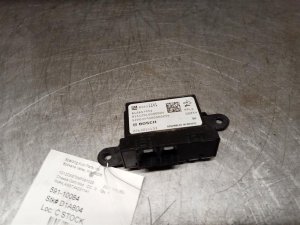
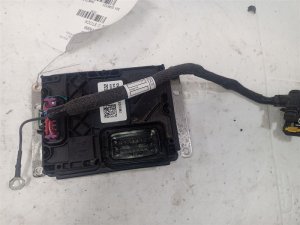
- Body Control Module (BCM) — This part is only needed in the rare case that reprogramming fails or if it has suffered physical damage, such as from water intrusion per TSB 21-NA-183. It is the central computer for the functions that fail with this code.
Trusted brands: ACDelco
OEM price range: $300-$500
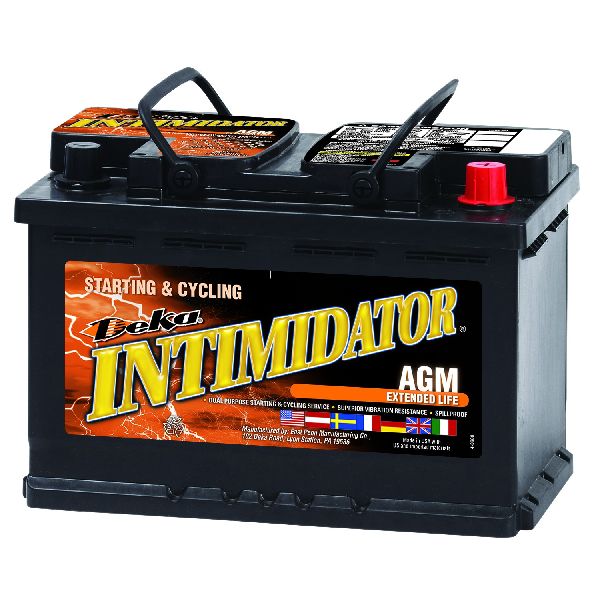
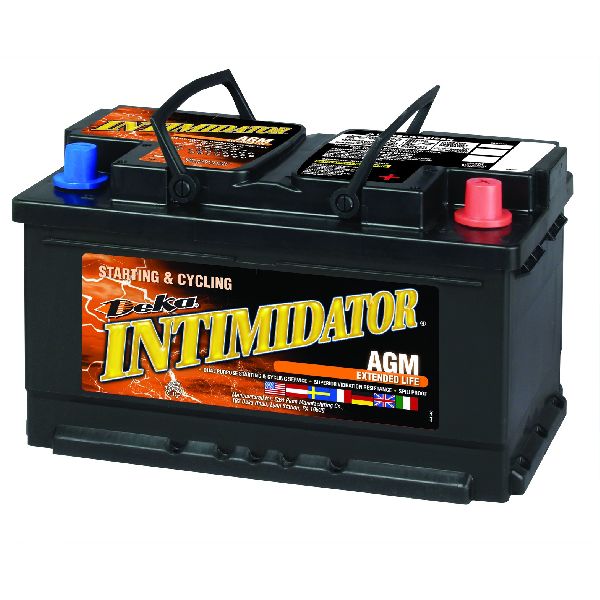
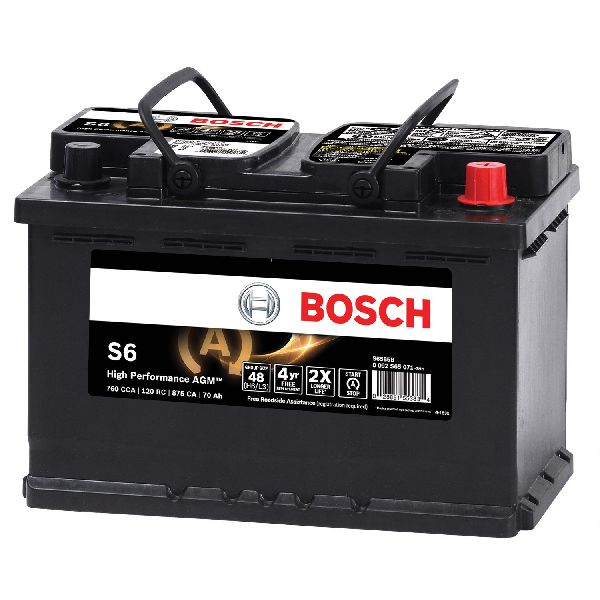
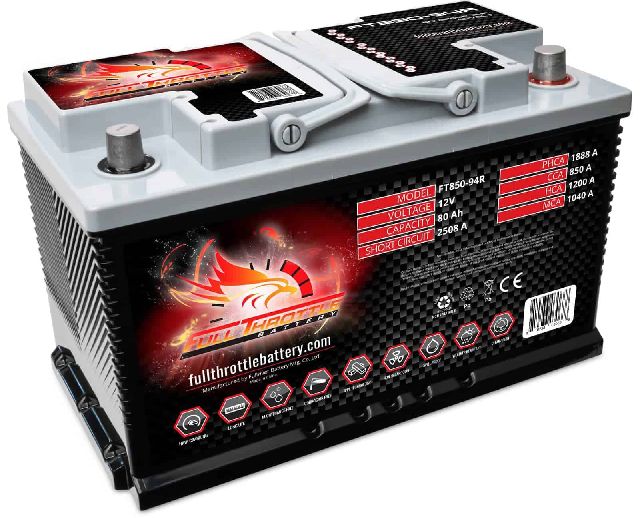
Aftermarket price range: $200-$400 - AGM Battery — A weak or failing battery is a common trigger for the module communication glitch that sets code B3980.
Trusted brands: ACDelco, Bosch, DieHard
OEM price range: $250-$400
Aftermarket price range: $180-$350
Related Codes That Often Appear With This One
- B3979 — Incorrect Environmental Identifier Received From HVAC Control Module. This indicates the same type of communication error, but with the climate control system, often set concurrently.
- U0155 — Lost Communication With Instrument Panel Cluster (IPC) Control Module. This is a direct result of the network failure that causes B3980.
- U0140 — Lost Communication With Body Control Module. This indicates a broader network failure where the BCM itself is offline.
- B389A — Environment Identification. This is a general version of the same security handshake failure between modules.
- U0073 — Control Module Communication Bus 'A' Off. This is a general CAN bus failure code that often accompanies the more specific B3980.
Technical Service Bulletins (TSBs) & Recalls
- 21-NA-183: Corrects a concern of Intermittent Door Locks Inoperative, and lists DTCs B3980, B3125, B3130, B3135, B3979, and various U codes. Points to potential water damage to the BCM from a leaking HVAC drain. [⭐ MANUFACTURER TSB — highest authority]
- 20-NA-212: Addresses widespread network communication failures, including B3980, on similar GM platforms. Explicitly states to reprogram the Serial Data Gateway Module (SDGM) with updated software as the primary fix for a software anomaly, often triggered by low voltage. [⭐ MANUFACTURER TSB — highest authority]
- PIT5405C: A diagnostic aid for various electrical issues including blank instrument clusters and U-codes. It points to checking the G218 ground under the driver's A-pillar for a poor connection, which can cause widespread network problems. [⭐ MANUFACTURER TSB — highest authority]
- EI19-NA-241: An engineering information bulletin showing GM is actively investigating the root cause of B3980 and related 'Incorrect Environmental Identifier' codes that appear after a battery discharge, jump start, or replacement.
Platform-Specific Known Issues
- GM Technical Service Bulletin #21-NA-183 mentions B3980 in connection with intermittent inoperative door locks and a host of other electrical issues. It points to a potential cause being a leaking HVAC drain hose causing water damage to the BCM. [⭐ MANUFACTURER TSB — highest authority]
- GM Technical Service Bulletin #20-NA-212 is a primary document for this issue, detailing a software anomaly in the Serial Data Gateway Module (SDGM) that causes widespread communication loss. The recommended fix is reprogramming, not part replacement.
Mechanic-Grade Diagnostic Values
- High-Speed CAN Bus Resistance — expected: 60 Ohms (± 5 Ohms) when measured between pins 6 and 14 of the DLC with the battery disconnected.. Failure: A reading of ~120 Ohms indicates an open circuit or one of the two terminating resistors is offline. A reading significantly lower than 60 Ohms suggests a short between the CAN High and CAN Low wires.
- High-Speed CAN Bus Voltage (Key On, Engine Off) — expected: CAN High (Pin 6 at DLC) should be ~2.6V. CAN Low (Pin 14 at DLC) should be ~2.4V. The voltages should mirror each other around a 2.5V center point.. Failure: Voltages stuck high, low, or at 0V indicate a short to power, ground, or an open circuit.
Scan Tool Commands That Help
- GDS2 (GM Global Diagnostic System 2): Module Reprogramming (via SPS2) — This is the primary fix for the software logic-lock described in TSB 20-NA-212. It flashes the SDGM and/or BCM with updated software to resolve the communication failure.
- GDS2 (GM Global Diagnostic System 2): BCM Setup / Module Setup — This function is required after replacing the Body Control Module to configure it to the vehicle's specific options and VIN. Failure to perform this step will result in a non-functional new module.
- GDS2 (GM Global Diagnostic System 2): Clear All Learned Environment Identifiers — This is a specific reset function that can sometimes resolve the handshake issue without a full reprogram. It forces the modules on the network to re-learn each other's security identifiers.
Wiring & Ground Locations
- Serial Data Gateway Module (SDGM) — Located in the driver's side footwell, typically mounted to a bracket above the accelerator pedal, near the OBD-II port.. This module is the central hub for network communication. TSB 20-NA-212 identifies a software lock-up within this module as the primary cause of B3980 and related codes. Its connectors (X1, X2) are a key inspection point.
- Body Control Module (BCM) — Located on the passenger side of the vehicle, behind the right front floor console extension panel or kick panel.. The BCM is the module that sets code B3980. It is also susceptible to water damage from a leaking HVAC drain hose as described in TSB 21-NA-183, which can cause this and many other electrical faults. [⭐ MANUFACTURER TSB — highest authority]
- G218 Ground — Located under the driver's side A-pillar trim, near the floor.. TSB PIT5405C identifies this as a critical ground point for the BCM. A loose or corroded G218 can cause a wide range of network communication DTCs, including U0140 and by extension, B3980.
Real Owner Repair Stories
- Reddit user in r/MechanicAdvice (2020 Cadillac XT5) — Over 15 electrical warnings appeared suddenly, including anti-theft and airbag errors. Interior lights stuck on, windows/locks inoperative, car eventually shut down while driving and would not restart.
❌ Tried (didn't work) Driving to the dealer (car shut down), Disconnecting the battery to stop the rear wiper motor from running continuously.
✅ What actually fixed it The owner reported the final cause was a leaking water hose that dripped onto and 'fried a module,' consistent with the BCM water intrusion issue described in TSB 21-NA-183. - Reddit user in r/Cadillac (2018 Cadillac XT5) — Car would not start after a failed key fob programming attempt. The procedure to add a second key fob failed, leaving the car in a state where it would not recognize any key.
❌ Tried (didn't work) Following the owner's manual 30-minute key learn procedure., Dealer attempting to program a brand new key, which was subsequently 'bricked'.
✅ What actually fixed it The dealer's diagnostics concluded that the Body Control Module (BCM) itself had failed during the programming attempt and needed to be replaced and programmed.
OEM Part Supersession History
13518593, 13532662→13534192— Standard part revision for bug fixes and hardware improvements.
Heads up: While later part numbers are generally backward compatible, using an older BCM on a newer vehicle (e.g., a 2018 BCM on a 2021 XT5) may cause programming to fail or features to be unavailable due to differences in the vehicle's electrical architecture after the 2020 refresh. Always order the BCM based on the vehicle's VIN.
Model Year Variations Within This Range
- 2020-2022: The 2020 model year refresh introduced a new electrical architecture. While the symptoms and general cause of B3980 remain the same, the specific part numbers for the BCM, SDGM, and other related modules may differ from the 2017-2019 models. Software files used for reprogramming are also specific to the vehicle's architecture.
Helpful Videos


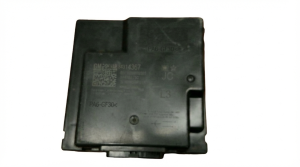
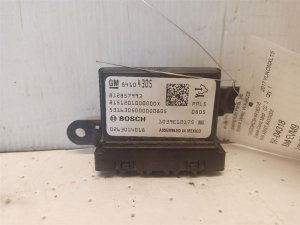
Used OEM Parts in Stock
New Aftermarket Parts Available


The information in this article is provided for general reference and educational purposes only. Vehicle specifications, procedures, and part compatibility can vary by production date, trim level, and region. Always consult your vehicle's factory service manual and verify part numbers before purchasing or performing repairs. Safety-critical components such as airbags, seat belts, and braking systems should be installed by a qualified professional.
- Cadillac XT5:
- 🧭 Diagnostic Flowchart
- 🎬 Helpful Videos
- 🛍️ Shop This Part
- What's Unique About the 2017-2022 Cadillac XT5
- Symptoms You May Notice
- Most Likely Causes
- Rare But Worth Checking
- Diagnosis Steps
- Parts You'll Likely Need
- Related Codes That Often Appear With This One
- Technical Service Bulletins (TSBs) & Recalls
- Platform-Specific Known Issues
- Mechanic-Grade Diagnostic Values
- Scan Tool Commands That Help
- Wiring & Ground Locations
- Real Owner Repair Stories
- OEM Part Supersession History
- Model Year Variations Within This Range
- 🎟️ Get 5% Off