

B3980 on 2019-2022 Chevrolet Blazer: BCM Failures, Water Leaks, and Electrical Fixes
Code B3980 on a 2019-2022 Blazer indicates a critical error with the Body Control Module (BCM). The two most common causes are water damage from a leaking A/C drain hose dripping on the BCM, or a software glitch after a battery change or jump-start. The fix is either replacing the BCM and fixing the leak, or having a dealer reprogram the existing BCM using a special procedure.
- B3980 on a 2019-2022 Blazer is a critical BCM error, not a simple sensor failure.
- Before any other action, you MUST inspect the Body Control Module (located behind the right front console panel) for signs of water damage from the A/C drain, per TSB 21-NA-183.
- If the problem started after a battery change or jump-start and there is NO water damage, the BCM needs reprogramming by a dealer via a special procedure (TSB 21-NA-277), not replacement.
- Do not replace the instrument cluster; it is almost never the cause of this code.
- This is not a DIY-friendly repair and requires a visit to a dealer or a well-equipped independent shop due to the need for specific programming tools and procedures.
What's Unique About the 2019-2022 Chevrolet BLAZER
The Chevrolet Blazer, along with other vehicles on its C1XX platform like the GMC Acadia and Cadillac XT5, is susceptible to a specific failure outlined in Technical Service Bulletin (TSB) 21-NA-183. A poorly sealed or kinked A/C evaporator drain hose can leak condensation directly onto the Body Control Module (BCM) and its connectors, which are located in the passenger footwell. This water intrusion causes corrosion and catastrophic electrical faults, leading to code B3980 and a wide array of other seemingly unrelated problems like inoperative door locks and random horn activation.
Diagnostic Flowchart
Tap your situation to follow the diagnostic path that matches what you're seeing on this vehicle.
Symptoms You May Notice
- Intermittent or completely inoperative door locks
- Vehicle will not start, or starts and immediately stalls
- Instrument panel cluster is blank or shows multiple warning lights
- Immobilizer or 'Theft Deterrent System' warnings
- Unwanted horn or hazard flasher operation
- Inoperative climate (HVAC) controls
- Key fob not detected or not working
- Radio display is blank or inoperative
- Parasitic battery drain leading to a dead battery
- Replacing the Instrument Panel Cluster. B3980 points to an error *received from* the cluster, but the fault is almost always with the BCM or network, not the cluster itself.
- Replacing the battery. While a weak battery can trigger the software glitch, replacing it without performing the BCM reprogram outlined in TSB 21-NA-277 will not fix the issue.
- Performing a standard immobilizer relearn. TSBs specifically warn against this, as it will not resolve the environmental ID mismatch and can complicate the repair.
Most Likely Causes
- Water Intrusion into Body Control Module (BCM) 🔴 High Probability → Shop Body Control Module A known design issue with the A/C evaporator drain hose leaking directly onto the BCM is documented in GM TSB 21-NA-183. The leak often occurs at a notch in the hose where it connects to the HVAC module.
How to confirm: Remove the right front floor console extension panel. Start the vehicle and run the A/C on the lowest temperature and maximum blower speed. Observe the A/C drain hose connection at the HVAC module for water dripping. Inspect the BCM, its connectors (X1-X7), and the surrounding carpet for signs of water, water stains, or blue/green corrosion on the connector pins. If external signs are subtle, a corroded BCM may need to be opened to confirm internal damage.
Typical fix: Secure the A/C drain hose by installing a tie strap on the hose just below the locking nib near the top of the connection. If the BCM has any signs of corrosion, it must be replaced. Simply drying a water-damaged module is not a reliable long-term fix. The new BCM will require programming by a dealer.
Est. part cost: $300-$600 - Low Voltage Event / BCM Software Glitch 🔴 High Probability Modern GM modules are sensitive to voltage fluctuations. A weak battery, jump-start, or battery replacement can corrupt the BCM's configuration data, causing it to lose its security pairing with other modules. This specific failure mode is the subject of TSB 21-NA-277.
How to confirm: The issue began immediately after a battery replacement, jump-start, or deep discharge. A professional scan tool will show B3980 and other 'Incorrect Environmental Identifier' codes (like B3978, B3979, B3981) as current. TSB 21-NA-277 outlines that this procedure applies if three or more of these codes are present.
Typical fix: DO NOT replace the BCM. The module must be reprogrammed by a dealer or qualified shop using a special procedure outlined in TSB 21-NA-277. This involves contacting the GM Technical Assistance Center (TAC) to obtain a special two-part VCI for use with the Service Programming System (SPS). The TSB allocates 1.5 labor hours for this procedure.
Est. part cost: $0
Rare But Worth Checking
- Poor Ground Connection (G218): A primary ground point for the BCM and other dash electronics, G218, can cause widespread electrical issues. TSB PIT5405C identifies the front dash insulator mat getting trapped under the ground lug as a potential cause of a poor connection on related GM trucks. This can cause intermittent network errors that mimic module failure. A visual inspection and tightening of this ground, located in the driver's side footwell area, can resolve these issues.
- Wiring Harness Damage: Less common, but a chafed or damaged wire in the CAN bus network can disrupt communication and trigger this code. This would typically be accompanied by multiple 'U' (communication) codes and may require a technician to check network resistance and trace wiring harnesses for damage.
- Sunroof Drain Leak: While the A/C drain is the most common culprit for BCM water damage, clogged or improperly routed sunroof drain tubes can also introduce water into the cabin and A-pillar areas, potentially reaching critical electronics. TSB 20-NA-219 addresses issues with front sunroof drain hoses on related platforms.
Diagnosis Steps
- Scan all modules for codes. Note all B-codes and U-codes present. The presence of multiple 'Incorrect Environmental Identifier' codes (B3978-B3981) is significant.
- CRITICAL FIRST STEP: Visually inspect for water damage. Remove the right side front floor console extension panel. Carefully inspect the Body Control Module (BCM), its electrical connectors, and the surrounding carpet for any signs of moisture, corrosion, or water stains, as per TSB 21-NA-183.
- If no water is immediately obvious, perform the A/C leak test: with the panel removed, start the engine, turn the A/C to its coldest setting and max fan speed, and watch the drain hose connection at the HVAC module for drips.
- If water damage is found, address the source of the leak (secure the A/C drain hose with a tie strap) before replacing the BCM. A water-damaged BCM must be replaced.
- If no water damage is found, investigate the vehicle's recent history. Ask if the battery was recently replaced, disconnected, or if the vehicle was jump-started.
- If a low-voltage event occurred, the problem is a software glitch that requires the special dealer-level reprogramming procedure described in TSB 21-NA-277. Do not replace the BCM.
- If no obvious cause is found, investigate rare causes like the G218 ground connection for looseness or trapped insulation under the driver's side dash.
- If all else fails, a professional technician will need to perform network diagnostics, checking CAN bus resistance and testing power and ground circuits at the BCM.
Parts You'll Likely Need
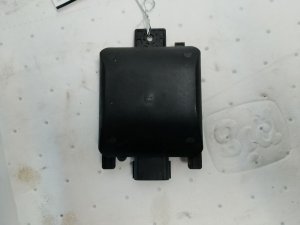
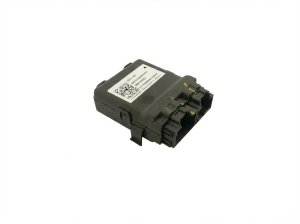
- Body Control Module (BCM)
(OEM #Varies by VIN (e.g., 13534192 is a GM BCM, but must be verified).)— This module is the most common point of failure, typically due to water damage from the A/C drain leak. It must be replaced if it has been exposed to moisture.
Trusted brands: ACDelco (Genuine GM)
OEM price range: $300-$600
Aftermarket price range: $250-$500 - Zip Tie / Tie Strap — A simple but crucial part needed to secure the A/C drain hose and prevent the water leak from recurring, as instructed by TSB 21-NA-183.
Trusted brands: Generic
OEM price range: <$1
Aftermarket price range: <$1
Related Codes That Often Appear With This One
- B3125, B3130, B3135 — These are door lock/latch circuit codes. They are specifically mentioned in TSB 21-NA-183 as primary symptoms of a water-damaged BCM.
- B3979, B3981 — Incorrect Environmental Identifier from the HVAC module or other modules. These are companion codes to B3980 and strongly indicate a system-wide configuration loss, usually from a low-voltage event as described in TSB 21-NA-277.
- U0140, U0155 — These codes indicate a 'Lost Communication' with the BCM and Instrument Cluster, respectively. They confirm a network-level problem that is the root cause of B3980.
Technical Service Bulletins (TSBs) & Recalls
- 21-NA-183: Intermittent Door Locks Inoperative, Various DTCs, IP Lamps Illuminate, Immobilizer, Unwanted Horn or Hazard Flasher Operation
- 21-NA-277: Incorrect Environmental Identifier DTCs Set, No Start, Multiple Electrical System Concerns
- PIT5405C: Steering Jerks Or Kicks Back / Reduced Power Steering Assist / Engine Stall / No Start / Service Stabilitrak
Platform-Specific Known Issues
- TSB 21-NA-183: This bulletin is the most critical document for this issue on a Blazer. It details a condition where the A/C drain hose can leak water onto the BCM, causing B3980 and other codes related to door locks, immobilizer, and other electrical systems. The fix involves securing the hose with a tie strap and replacing the BCM if it is corroded.
- TSB 21-NA-277: This bulletin is equally critical for cases with no water damage. It describes how a low-voltage event can cause a software lock-up, setting B3980 and other codes. It explicitly states NOT to replace parts and details a special reprogramming procedure that requires dealer contact with GM's Technical Assistance Center.
Mechanic-Grade Diagnostic Values
- High-Speed CAN Bus Resistance — expected: Approximately 60 Ω (with battery disconnected). Failure: A reading of 120 Ω indicates an open in the bus between the two terminating resistors. A reading near 0 Ω indicates the CAN High and CAN Low wires are shorted together. Readings like 45 Ω may indicate an issue but can be normal on some vehicle networks.
- CAN Bus Voltage (Key On, Engine Off) — expected: CAN High should idle near 2.5V and pulse to ~3.5V. CAN Low should idle near 2.5V and pulse to ~1.5V. This requires an oscilloscope to view accurately.. Failure: Voltages stuck high or low, or a lack of pulsing, indicates a bus communication failure. A DMM is not suitable for this measurement.
Hidden / Shadow Codes Worth Checking
- B3980 71: The symptom byte '71' indicates 'Invalid Serial Data Received'. This means the BCM is receiving data packets from the instrument cluster, but the data is corrupt or fails the security checksum. This points more towards a data integrity problem rather than a complete loss of communication. (see via GM GDS2 (Global Diagnostic System 2) factory scan tool software.)
Scan Tool Commands That Help
- GDS2: Module Diagnostics > BCM > Control Functions — To test if the BCM can still command outputs like door locks or lights. If the command works from the scan tool but not the vehicle's switch, it helps isolate the fault to an input or communication issue, proving the BCM's output drivers are likely functional.
- GDS2 / SPS: BCM Recovery (via TAC) — This is the specific, non-standard programming function required by TSB 21-NA-277 for a software-glitch-induced B3980. It requires the technician to contact the GM Technical Assistance Center (TAC) for a special Vehicle Control Interface (VCI) number to restore the BCM's configuration.
- GDS2: BCM Setup / Immobilizer Learn — These functions must be performed after a new BCM is installed and programmed. 'BCM Setup' configures the module to the vehicle's specific options, and 'Immobilizer Learn' synchronizes the security system with the vehicle's keys to allow the engine to start.
Wiring & Ground Locations
- G218 — In the driver's side footwell area, under the dash.. This is a primary ground for the Body Control Module. TSB PIT5405C notes that the dash insulator mat can get trapped under the ground lug, causing a poor connection. This can lead to a host of intermittent electrical issues and communication codes, including U0140 (Lost Comms with BCM), which directly relates to B3980.
- BCM Connector X3 — One of the main connectors on the Body Control Module, located in the passenger footwell.. This specific connector contains the High-Speed GMLAN serial data bus wires (Pins 8 & 9 on some similar platforms) that communicate with the Instrument Panel Cluster. Corrosion from the A/C drain leak at this specific connector is a direct physical cause of B3980.
OEM Part Supersession History
13518593, 13532662→13534192— Standard part revision and consolidation by the manufacturer.
Heads up: While 13534192 is the current replacement for many C1XX platform vehicles including the Blazer, it is critical to always verify the correct part number by VIN before ordering, as different vehicle options can require different BCMs.
We Have This Part in Stock
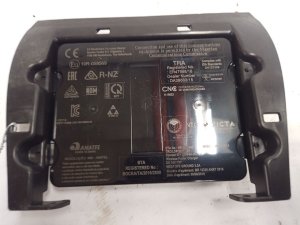
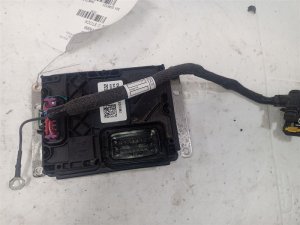
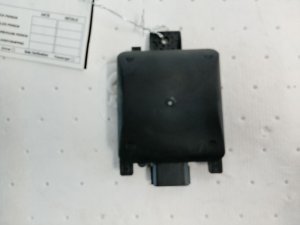
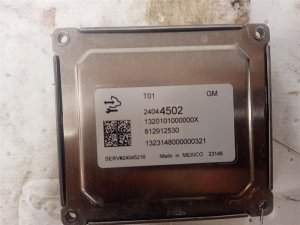

The information in this article is provided for general reference and educational purposes only. Vehicle specifications, procedures, and part compatibility can vary by production date, trim level, and region. Always consult your vehicle's factory service manual and verify part numbers before purchasing or performing repairs. Safety-critical components such as airbags, seat belts, and braking systems should be installed by a qualified professional.
- Chevrolet BLAZER:
- 🧭 Diagnostic Flowchart
- 🛍️ Shop This Part
- What's Unique About the 2019-2022 Chevrolet BLAZER
- Symptoms You May Notice
- Most Likely Causes
- Rare But Worth Checking
- Diagnosis Steps
- Parts You'll Likely Need
- Related Codes That Often Appear With This One
- Technical Service Bulletins (TSBs) & Recalls
- Platform-Specific Known Issues
- Mechanic-Grade Diagnostic Values
- Hidden / Shadow Codes Worth Checking
- Scan Tool Commands That Help
- Wiring & Ground Locations
- OEM Part Supersession History
- 🎟️ Get 5% Off