

OBD-II Code C0001: Traction Control System (TCS) Control Channel 'A' Valve 1
What C0001 means, why it triggers, and how to fix it
- Code C0001 disables your Traction Control and Anti-lock Braking System (ABS) due to a valve circuit failure.
- Damaged wiring, faulty wheel speed sensors, and internal ABS control module failures cause over 80% of C0001 codes.
- Test battery voltage, ground connections, and wheel speed sensors before spending $800+ on a new ABS module.
- Rebuilding your original ABS module costs $150 to $300 and eliminates the need for expensive dealer programming.
What Does C0001 Mean?

Code C0001 indicates a malfunction in 'Control Channel A Valve 1', a specific valve within the Traction Control System (TCS) that modulates brake pressure to maintain wheel grip. When triggered, the vehicle disables both TCS and ABS as a safety precaution.
Technical definition: SAE/ISO defines C0001 as 'TCS Control Channel 'A' Valve 1 (Subfault)'. The ABS/TCS module detected an electrical or mechanical failure in the traction control valve circuit. 'Channel A' designates the specific hydraulic circuit controlling a set of wheels (usually the front).
Can I Drive With C0001?
Yes, But With Caution. You can drive the vehicle, but Traction Control and the Anti-lock Braking System (ABS) are disabled. Drive cautiously on slippery roads; the vehicle will not prevent wheel spin or lock-up, increasing stopping distances. If the ABS pump motor runs continuously after turning the car off, disconnect the battery immediately to prevent draining it and burning out the pump.
Common Causes

- Damaged or Corroded Wiring/Connectors (Very Common) — Road debris, moisture, and salt corrode the wiring harness and connectors leading to the ABS/TCS module, causing short circuits or poor connections.
- Faulty ABS/TCS Control Module (Very Common) — The electronic traction control module fails internally due to cracked solder joints, vibration damage, or a burned-out driver transistor.
- Faulty Wheel Speed Sensor (Common) — A faulty wheel speed sensor or damaged tone ring sends erratic data to the ABS module, triggering a false C0001 code despite a functional valve.
- Faulty ABS/TCS Hydraulic Control Unit Valve (Common) — The solenoid valve inside the ABS hydraulic control unit fails mechanically due to fluid contamination or electrically from a burned-out coil.
- Low Battery Voltage or Poor Ground Connection (Less Common) — A weak battery (under 12.4V) or a corroded ground strap starves the ABS module of voltage, causing erratic electronic behavior and false fault codes.
- Blown Fuse or Faulty Relay (Rare) — A blown 30A-40A fuse or a bad relay cuts power to the ABS pump and control valve circuit.
Symptoms

- TCS and ABS Warning Lights On — The TCS, ESC, and ABS warning lights illuminate simultaneously on the dashboard.
- Loss of Traction Control and ABS — Wheels spin easily during acceleration, and tires lock up during hard braking on wet or slippery surfaces.
- Audible Noise from ABS Pump Area — A failing ABS module relay forces the ABS pump motor to run continuously, creating a distinct humming sound even when the ignition is off.
- Spongy or Hard Brake Pedal — Internal failures in the ABS hydraulic unit alter brake pedal feel, making it unusually soft, spongy, or stiff.
Diagnostic Flowchart

Tap your situation to follow the diagnostic path that matches what you're seeing on this code.
Common Fixes & Costs
- Rebuilding the ABS Control Module — Parts: $150-$300, Labor: $150-$300, ~1.5 hr book time (Professional)
- Repairing Damaged Wiring or Connectors — Parts: $10-$50, Labor: $150-$300, ~1.5 hr book time (Intermediate)
- Replacing a Faulty Wheel Speed Sensor
— Parts: $40-$150, Labor: $100-$200, ~0.8 hr book time
(Intermediate)
Ford Explorer (2013-2015): OEM DA8Z-2C204-C (Alt: Dorman 970-024)
Chevy Silverado (2007-2014): OEM 84356647 (Alt: NTK AB1994) - Replacing the ABS Control Module (New)
— Parts: $450-$1000, Labor: $150-$300, ~2.0 hr book time
(Professional)
Ford Explorer (2013): OEM DB5Z-2C219-C (Alt: Dorman 599-968)
Chevy Silverado (2011): OEM 20872161 (Alt: Dorman 599-700) - Replacing the ABS Hydraulic Control Unit
— Parts: $400-$900, Labor: $200-$400, ~2.5 hr book time
(Professional)
Ford Explorer (2013): OEM DB5Z-2C215-A (Alt: Cardone 12-4408) - Replacing a Blown Fuse — Parts: $5-$15, Labor: $0-$50, ~0.2 hr book time (DIY)
DIY vs Professional
- Replacing a Blown Fuse 🟢 Beginner
Tools: Fuse puller, Multimeter - Replacing a Faulty Wheel Speed Sensor 🟢 Beginner
Tools: Jack and jack stands, socket set, torque wrench, wire brush. - Repairing Damaged Wiring or Connectors 🟢 Beginner
Tools: Multimeter, wire strippers, soldering iron, heat shrink tubing, wiring diagram. - Replacing the ABS Control Module/Hydraulic Unit 🟢 Beginner
Tools: Flare nut wrenches, bi-directional scan tool, brake fluid, pressure bleeder.
Used vs. New Parts: Buying Guide
When a used part is worth it: For older vehicles where a new part exceeds the car's value, provided you have a mechanic who can program the used module to your VIN.
Donor-vehicle mileage cap: roughly under 100000 miles for the part to have meaningful remaining life.
Donor quality checklist:
- Match the part number on your original module EXACTLY.
- Buy from a reputable seller offering at least a 30-90 day warranty.
- Avoid parts from vehicles with flood or heavy collision damage.
Decision logic:
- If The original module can be rebuilt → Choose a rebuild service. This is the best value and requires no reprogramming.
- If Vehicle is newer or has lower mileage and the budget allows → Buy a new OEM part for the longest life and best warranty.
- If Vehicle is old, budget is tight, and you accept the risk and programming requirement → A used part is a viable option, but factor in the cost of programming.
Warranty tradeoff: Used parts typically have a 30-90 day part-only warranty. Remanufactured/rebuilt units often come with a 1-year to lifetime warranty. New OEM parts carry the manufacturer's standard parts warranty.
Worst-case if a used part fails: $400-$800 if a used part is dead on arrival or fails shortly after the warranty period, requiring repeat labor costs and another replacement part.
What Happens If You Wait — Timeline
- Immediate (Day 1): ABS and TCS disabled. Warning lights illuminate. (MPG impact: 0%% · Added cost: $0)
- 1 week - 3 months: Failing module relay sticks 'on', draining the battery and burning out the ABS pump motor. (MPG impact: 0%% · Added cost: $350-$900)
- 3 - 12 months: Constant safety risk in emergencies. Vehicle fails state safety inspections. (MPG impact: 0%% · Added cost: $600-$1500)
- 12+ months: The eventual repair is unavoidable and requires a full replacement of the ABS module assembly with a new OEM part. (MPG impact: 0%% · Added cost: $1200+)
Cost of Not Fixing It
- Immediate: Loss of ABS and TCS functions increases the risk of skidding during emergency braking. (Added cost: N/A)
- 0-3 Months: A stuck relay inside a failing ABS module forces the pump to run continuously, draining the battery and burning out the pump motor. (Added cost: $350-$900)
- 3+ Months: Continued operation without ABS/TCS poses an ongoing safety hazard and guarantees failure of state safety inspections. (Added cost: $1200+)
Diagnosis Steps
- Read All Trouble Codes
Use an ABS-capable OBD-II scanner to confirm C0001. Note any wheel speed sensor or communication (U-codes) codes, as they dictate the diagnostic path.
Tools: OBD-II Scanner (with ABS/TCS capability) (Beginner) - Inspect Battery, Fuses, and Wiring
Test the battery to ensure it reads above 12.4V. Check the 30-40 amp ABS fuses. Unplug the ABS module connector and inspect for green corrosion, water intrusion, or bent pins.
Tools: Multimeter, Flashlight (Beginner) - Analyze Live Scan Tool Data
Monitor live data for all wheel speed sensors while driving slowly. All sensors must increase smoothly and consistently. Erratic sensor data causes false C0001 codes.
Tools: Advanced Scan Tool (Intermediate) - Test Valve Circuit Resistance
Disconnect the ABS module. Using a multimeter and a wiring diagram, measure the resistance of the 'Channel A Valve 1' circuit. Compare to the manufacturer specification (typically 4-30 Ohms). Infinity indicates an open circuit; zero indicates a short.
Tools: Multimeter, Vehicle-specific Wiring Diagram (Intermediate) - Perform Voltage Drop Test on Module Power/Ground
Set a multimeter to DC Volts. Back-probe the ABS module's ground pin to the negative battery terminal, and the power pin to the positive terminal while the circuit is active. Readings above 0.2 volts indicate high resistance in the power or ground feed.
Tools: Multimeter, Back-probe Pins (Advanced) - Perform a Bi-Directional Test
Use an advanced scan tool to command the TCS solenoid valves on and off. A distinct 'click' from the ABS hydraulic unit confirms the valve is responding and not mechanically stuck.
Tools: Advanced Bi-Directional Scan Tool (Advanced) - Scope the Control Signal
Back-probe the Valve 1 signal wire at the ABS module with an oscilloscope. A square wave (PWM signal) during a bi-directional test confirms the control module's driver circuit works. No signal means the module is dead.
Tools: Oscilloscope, Bi-Directional Scan Tool (Advanced)
When This Code Triggers (Freeze-Frame Conditions)
- System Self-Test: Active (Logged during the ABS module's power-on self-test (POST) when the ignition is first turned on.)
- Vehicle Speed: 5-15 mph (Logged when the system performs a secondary hydraulic self-test the first time the vehicle exceeds a low speed.)
- System Voltage: 11.5V - 14.5V (Logged when the module detects an open, short, or high resistance in the valve control circuit.)
- TCS/ABS Event: Not Active (This is a circuit fault code set based on an electrical check, not during an actual traction control or ABS event.)
Related Codes
- C0002 — Indicates a fault in Valve 2 of the same hydraulic channel. Seeing C0001 and C0002 together points to a systemic issue like a faulty control module rather than dual valve failures.
- C0003 / C0004 — Points to faults in 'TCS Control Channel B'. Confirms the fault lies in the other half of the TCS, isolating the problem's location.
- U3000 / U0415 — Communication codes indicating an internal electronic failure. If present with C0001, the ABS control module has failed internally or lost communication.
- C0020 — ABS Pump Motor Control circuit fault. Common on GM and Ram trucks alongside C0001, indicating a total internal failure of the ABS module.
Climate & Environmental Factors
- Hot Climate / High Ambient Temperature: High temperatures expand failing electronic components or cracked solder joints inside the ABS module, creating an open circuit when the car is hot.
- Cold Climate / Road Salt: Road salt accelerates corrosion of wiring harnesses, connectors, and ground straps. Saltwater intrusion into the ABS module connector causes pin corrosion.
- High Humidity / Water Exposure: Moisture penetrates weathered connector seals or damaged wire insulation, leading to corrosion and short circuits.
How to Talk to a Mechanic About This Code
Say this: "I have an ABS light on with code C0001. Please test the wiring, grounds, and wheel speed sensors before assuming the ABS module needs replacement."
This signals to the shop that you are aware of common misdiagnoses. It directs them toward a logical, cost-effective diagnostic process instead of immediately quoting the most expensive repair.
Avoid saying:
- 'My ABS light is on, can you just fix it?'
- 'I think I need a new ABS module.'
- 'Just do whatever it takes to get the light off.'
Questions to ask before authorizing the repair:
- What were the results of the wiring and connector inspection?
- Did you test the valve circuit resistance?
- Can my original module be rebuilt instead of replaced?
- Does the quoted price include programming the new module and bleeding the brakes?
- What is the warranty on the recommended repair, for both parts and labor?
Where to Take It: Dealer vs Independent vs Chain
- Dealer:
Best for: Vehicles under warranty, Very new models (2-3 years old), Complex jobs requiring manufacturer-specific programming.
Downsides: Highest labor rates., May refuse to install used parts or recommend a rebuild service., Defaults to replacing the entire expensive module assembly. (Typical cost: +50% vs. baseline) - Independent Shop:
Best fit. A well-regarded independent shop with ASE-certified technicians and modern diagnostic equipment is more likely to perform a thorough diagnosis and offer cost-saving measures like module rebuilding.
Best for: Out-of-warranty vehicles where cost is a major factor., Diagnosing common failures on well-known models., Owners who want to consider repair options like rebuilding the original module.
Downsides: Shop quality and diagnostic tool capability vary widely., May not be able to program all modules on all makes/models. (Typical cost: +0% vs. baseline) - Chain Shop:
Avoid for initial diagnosis. They lack the expertise and tools to differentiate between a wiring fault, a sensor fault, and a module fault.
Best for: Simple, confirmed repairs like replacing a wheel speed sensor if you have already diagnosed the issue yourself.
Downsides: Technician skill varies dramatically., Generally not equipped for in-depth electrical diagnosis or module programming., High pressure to upsell services. (Typical cost: -10% vs. baseline)
When to Walk Away From the Repair
If the estimated repair cost exceeds 40% of the car's value, consider selling as-is. An illuminated ABS light reduces trade-in value by at least $500.
- Car worth $4000, fix is $1800: Walk away. The repair cost is 45% of the car's value. It's not economically sensible to invest this much into an older vehicle for this type of repair.
- Car worth $12000, fix is $1800: Fix it. The repair cost is only 15% of the vehicle's value, which is well below the threshold.
- Car worth $5000, fix is $400: Fix it. If the diagnosis points to a wiring issue or a module rebuild, the lower repair cost makes it a clear choice to fix.
What Scan Tool You Need for This Code
Minimum: A scanner that can read and clear Chassis (C) codes for the ABS and SRS systems. A basic engine-only code reader will NOT see the C0001 code.
A standard $20 engine code reader cannot communicate with the ABS module. It will show 'No Codes Found' even with the ABS light on.
Budget: BlueDriver Pro (~$100) — Reads ABS codes and live wheel speed data.
Mid-range: Foxwell NT630 Plus / Autel MaxiCheck MX808S (~$150-350) — Offers bi-directional control to test ABS valves and perform automated brake bleeds.
Professional: Autel MaxiCOM MK808 / Innova 5610 (~$450-700) — Full bi-directional control, service functions, and module programming capabilities.
Rent vs buy: Most auto parts stores offer a free loaner tool program, but their scanners typically only read engine codes. For a C0001 code, you will likely need to buy a capable scanner or pay for a professional diagnosis.
How to Clear the Code After You Fix It
- Fix the underlying electrical or mechanical fault.
- Use an ABS-capable OBD-II scan tool to erase the C-codes.
- Drive the vehicle above 15 mph for 10 minutes to allow the ABS module to perform initialization checks and verify the repair.
Drive cycle (~10 minutes): After clearing the code, start the vehicle. Drive forward and accelerate to a speed above 15 mph. This allows the ABS module to perform its initialization checks and verify all sensors and actuators are responding correctly.
Readiness monitors affected: None
Watch out for:
- Basic code readers cannot clear ABS (C-codes).
- Disconnecting the battery does not clear this code.
- The code returns immediately if the root cause of the electrical fault remains.
Will This Fail Emissions / State Inspection?
No — by itself this code doesn't fail OBD inspection (but it can keep readiness monitors from setting, which causes a separate fail).
- California: Fails separate brake and lamp safety inspection, but passes emissions Smog Check.
- New York: Fails state safety inspection immediately due to illuminated dashboard warning lights.
- Texas: Passes state inspection. Texas rules explicitly state an ABS light is not a reason for rejection.
Most Commonly Affected Vehicles
- Ford Explorer (2011-2015) — Often appears with other ABS codes. A PCM software update sometimes resolves related electronic glitches triggering ABS faults.
- Mazda 3 (2010-2013) — Frequently reported alongside C0002 and U-series communication codes, strongly indicating a failed ABS/DSC module.
- Chevrolet Silverado / Express (2007-2014) — EBCM (ABS module) failure is extremely common due to vibration and corrosion. Symptoms include communication loss or the ABS pump running constantly.
- Dodge/Ram 1500/2500/3500 (2013-2018) — Warning lights flicker when hitting bumps, pointing to a poor internal connection in the ABS motor/module assembly.
- Volkswagen Golf/Jetta/Passat (2009-2015) — Points to a fault within the ABS hydraulic unit, particularly the well-documented failures of the ATE Mark 60 (MK60) ABS system.
Manufacturer-Specific Notes
- Ford: Diagnosis often requires checking for TSBs, as a PCM re-flash for an unrelated issue resolves electronic communication gremlins triggering this code.
- Mazda: Official diagnostic procedures direct technicians to replace the entire DSC HU/CM (ABS module assembly) if an active command test fails to operate the solenoid valves.
- General Motors (Chevy/GMC): The EBCM mounts on the frame rail, making it highly susceptible to vibration and corrosion breaking internal solder joints. Rebuilding the original module is the standard repair.
- Dodge/Ram: Technicians tap on the ABS motor with the vehicle running; if it triggers the fault or flickers the lights, it confirms a poor internal connection in the HCU assembly.
Real Owner Stories
2010 Mazda 3 with ~100K miles
ABS, TCS, and Brake lights on with power steering loss. Shop quoted $1,300 for a new module.
Outcome: The combination of multiple system warnings pointed to a central module failure. The owner used a $200 rebuild service to fix the ABS control module, saving over $1,000.
Lesson: When multiple, disparate system warnings appear at once, suspect a central module or a critical power/ground issue rather than multiple independent failures.
2014 Ford Explorer AWD
Lights appeared after running on a hoist. Shop diagnosed a faulty module.
Outcome: The module disabled itself due to massive wheel speed discrepancies on the hoist. A simple scan tool reset and drive cycle fixed it.
Lesson: If the C0001 code appears immediately after a tire rotation, alignment, or any service where wheels were spun independently, it is a software-induced fault, not a hardware failure.
2007-2014 Chevrolet Silverado/GMC Sierra
ABS pump ran constantly, draining the battery. Dealer quoted $1,000+ for a new EBCM.
Outcome: The owner removed the EBCM and sent it for a $150 rebuild, fixing the cracked solder joints permanently.
Lesson: For common, known failure items like the GM EBCM, a rebuild service is almost always a better value than buying a new or used part.
How to Prevent This Code From Triggering
- Flush brake fluid every 2-3 years or 30,000 miles (Every 2-3 years) — Prevents internal corrosion of delicate solenoid valves inside the ABS hydraulic unit.
- Apply dielectric grease to the ABS module connector (Once, or whenever disconnected) — Seals the ABS module connector from moisture and road salt, preventing pin corrosion.
- Regularly wash the vehicle's undercarriage (Seasonally, especially after winter) — Removes corrosive road salt from wiring harnesses and ground straps.
- Address battery issues promptly (As needed) — Ensuring stable system voltage above 12.4V prevents electronic 'ghost' faults during the ABS module's power-on self-test.
- Inspect and clean wheel speed sensors (During any brake service) — A wheel speed sensor covered in metallic debris sends an erratic signal, leading the ABS module to log false fault codes.
Frequently Asked Questions
Can I drive my car with a C0001 code?
Yes, but drive cautiously. Your traction control and anti-lock brakes are disabled, reducing safety in emergencies or on slippery roads. Get the vehicle inspected promptly.
What is the most common misdiagnosis for a C0001 code?
The most common mistake is immediately replacing the expensive ABS hydraulic unit or control module. Faulty wheel speed sensors, damaged wiring, or bad ground connections frequently trigger this code. Always perform a full circuit diagnosis before condemning the module.
Can weather or temperature affect the C0001 code?
Yes, high temperatures expand failing electronic components or cracked solder joints inside the ABS module, creating an open circuit. If the warning lights only appear in hot weather, the ABS module is the primary suspect.
Will a C0001 code clear itself?
No, this code indicates a hardware or electrical fault requiring repair. The warning lights stay on until you fix the underlying issue and clear the code with a scan tool.
Can a bad ABS module drain my battery?
Yes. A stuck relay inside a failing ABS module forces the pump motor to run continuously, even with the key off. This drains a healthy battery overnight and burns out the pump.
What is the difference between C0001 and C0002?
C0001 refers to Valve 1 in 'Channel A', while C0002 refers to Valve 2 in that same channel. Seeing both codes simultaneously indicates a shared failure, such as a faulty control module or a bad ground connection, rather than two independent valve failures.
What does 'TCS Control Channel A' mean?
Brake systems are split into hydraulic circuits or 'channels' for safety and control. 'Channel A' is the manufacturer's designation for one specific circuit, typically controlling the front wheels. Consult your service manual to verify which wheels Channel A controls on your specific vehicle.
Is fixing a C0001 code expensive?
Repair costs range from $50 for a blown fuse to over $1,200 for a new dealer-installed ABS module. Opting for an ABS module rebuild service costs between $150 and $300, saving hundreds of dollars.
Can I replace the ABS module myself?
Replacing the ABS module requires an advanced scan tool to perform an automated brake bleed and remove trapped air. New modules also require specialized software for VIN programming. Leave this job to a professional unless you have the necessary bi-directional diagnostic equipment.
Key Takeaways
- Code C0001 disables your Traction Control and Anti-lock Braking System (ABS) due to a valve circuit failure.
- Damaged wiring, faulty wheel speed sensors, and internal ABS control module failures cause over 80% of C0001 codes.
- Test battery voltage, ground connections, and wheel speed sensors before spending $800+ on a new ABS module.
- Rebuilding your original ABS module costs $150 to $300 and eliminates the need for expensive dealer programming.
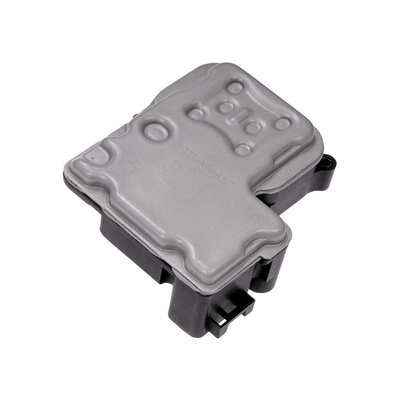
Shop the Parts Behind C0001
Below are the parts most often responsible for code C0001, ranked by how frequently each one is the actual culprit (per the diagnosis above). Tap any to see what we have for your vehicle.



The information in this article is provided for general reference and educational purposes only. Vehicle specifications, procedures, and part compatibility can vary by production date, trim level, and region. Always consult your vehicle's factory service manual and verify part numbers before purchasing or performing repairs. Safety-critical components such as airbags, seat belts, and braking systems should be installed by a qualified professional.
- 🧭 Diagnostic Flowchart
- 🛍️ Shop This Part
- What Does C0001 Mean?
- Can I Drive With C0001?
- Common Causes
- Symptoms
- Common Fixes & Costs
- DIY vs Professional
- Used vs. New Parts: Buying Guide
- What Happens If You Wait — Timeline
- Cost of Not Fixing It
- Diagnosis Steps
- When This Code Triggers (Freeze-Frame Conditions)
- Related Codes
- Climate & Environmental Factors
- How to Talk to a Mechanic About This Code
- Where to Take It: Dealer vs Independent vs Chain
- When to Walk Away From the Repair
- What Scan Tool You Need for This Code
- How to Clear the Code After You Fix It
- Will This Fail Emissions / State Inspection?
- Most Commonly Affected Vehicles
- Manufacturer-Specific Notes
- Real Owner Stories
- 2010 Mazda 3 with ~100K miles
- 2014 Ford Explorer AWD
- 2007-2014 Chevrolet Silverado/GMC Sierra
- How to Prevent This Code From Triggering
- Frequently Asked Questions
- Can I drive my car with a C0001 code?
- What is the most common misdiagnosis for a C0001 code?
- Can weather or temperature affect the C0001 code?
- Will a C0001 code clear itself?
- Can a bad ABS module drain my battery?
- What is the difference between C0001 and C0002?
- What does 'TCS Control Channel A' mean?
- Is fixing a C0001 code expensive?
- Can I replace the ABS module myself?
- Key Takeaways
- 🎟️ Get 5% Off