

OBD-II Code C0002: Traction Control System (TCS) Control Channel 'A' Valve 2
What C0002 means, why it triggers, and how to fix it
- Code C0002 disables your vehicle's anti-lock brakes and traction control due to a failed hydraulic control valve circuit.
- The most common fix is replacing or rebuilding the ABS control module, which costs between $300 for a rebuild and $1,900 for a new unit.
- Before replacing expensive parts, test the battery to ensure it delivers at least 12.5V, as low voltage triggers false ABS codes.
- While normal braking works, emergency stopping distances increase significantly on wet or icy roads, requiring you to double your following distance.
What Does C0002 Mean?
Code C0002 means your car's computer detected a problem with a specific valve in the Traction Control System (TCS). This valve, 'Control Channel A Valve 2', controls wheel spin by adjusting brake pressure. When this code appears, the valve has failed, disabling your traction and stability control.
Technical definition: The SAE/OBD-II definition for C0002 is "TCS Control Channel 'A' Valve 2 (Subfault)". This indicates the Powertrain Control Module (PCM) or ABS control unit detected an internal electronic failure or malfunction within the hydraulic control circuit for the second valve in channel 'A' of the Traction Control System.
Can I Drive With C0002?
Yes, But With Caution. You can still drive, but your traction control (TCS) and anti-lock brake (ABS) systems are disabled. Your wheels will lock up during hard braking, increasing the risk of skidding on wet or icy roads. Stopping distances increase, and you lose the safety net of stability control. Drive cautiously, double your following distance, and get the vehicle inspected immediately to prevent accidents.
Common Causes
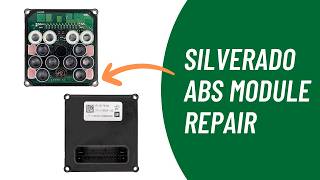
- Faulty ABS/TCS control module (Very Common) — The electronic control module fails internally due to a bad driver circuit, cracked solder joints (common in older GM EBCMs) 🎬 Watch: How to repair or replace a faulty GM ABS module., or a processor fault, cutting off the valve's command signal.
- Faulty or stuck TCS/ABS control valve solenoid (Very Common) — The solenoid electromagnet opens and closes the valve. It fails electrically via an open or shorted coil, or mechanically by sticking from debris, preventing it from controlling brake pressure.
- Damaged wiring, corroded connectors, or poor ground (Common) — Wires and connectors degrade from heat, vibration, or moisture. Corrosion blocks the electrical signal, or a loose ground wire (common on GM frame rails) causes intermittent power loss 🎬 See how to locate and clean the EBCM ground point. to the module.
- Low system voltage or blown fuse (Common) — A weak battery, failing alternator, or blown fuse drops voltage across the electrical system. Sensitive ABS electronics require stable voltage and trigger faults when power dips.
- Contaminated or old brake fluid (Common) — Brake fluid absorbs moisture over time, causing internal corrosion and debris buildup inside the hydraulic ABS unit. This forces delicate valves to stick.
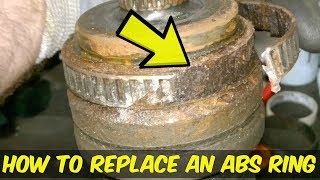
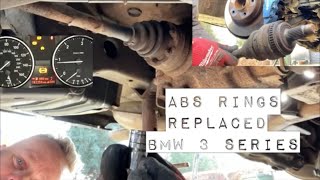
- Corroded or swollen ABS reluctor ring (Less Common) — On specific vehicles (like BMW E90s), the metal reluctor ring on the axle rusts and swells. It strikes the wheel speed sensor, generating erratic signals that confuse the ABS module into setting system-wide faults.
Symptoms
- ABS and Traction Control (TCS/ESC) warning lights are on — The dashboard lights for ABS, TCS, ESC, or the sliding car symbol illuminate simultaneously because these systems share the same hydraulic control unit.
- Loss of traction and stability control — Wheels spin easily during acceleration on wet or loose surfaces, and the vehicle feels less stable in sharp turns because the system cannot intervene.
- Main red brake warning light is on — Some vehicles illuminate the primary red brake warning light to indicate a critical fault in the overall braking system.
- Vehicle enters 'limp mode' or has reduced power — The vehicle limits engine power or locks the transmission in one gear to prevent further damage and force the driver to seek repairs.
Diagnostic Flowchart
Tap your situation to follow the diagnostic path that matches what you're seeing on this code.
Common Fixes & Costs
- Replacing the entire ABS/TCS hydraulic control unit/module
— Parts: $600-$1500, Labor: $200-$400, ~2.5 hr book time
(Professional)
2018 Ford Escape: OEM
2006 Chevrolet Silverado 1500: OEM - Sending the ABS module for repair/rebuild — Parts: $150-$350, Labor: $150-$250, ~1 hr book time (Intermediate)
- Repairing damaged wiring or cleaning connectors — Parts: $5-$20, Labor: $100-$250, ~1.5 hr book time (Intermediate)
- Flushing and replacing brake fluid — Parts: $20-$40, Labor: $100-$150, ~0.8 hr book time (DIY)
- Replacing ABS Reluctor Ring — Parts: $20-$80, Labor: $200-$400, ~2 hr book time (Intermediate)
Used vs. New Parts: Buying Guide
When a used part is worth it: A used ABS module is cost-effective for older vehicles where a new part is prohibitively expensive or discontinued. Source from a reputable seller offering a warranty.
Donor-vehicle mileage cap: roughly under 100000 miles for the part to have meaningful remaining life.
Donor quality checklist:
- Verify the part number is an exact match.
- Purchase from a seller offering a 30-day minimum warranty.
- Avoid parts with visible corrosion or damage to the housing or connectors.
Decision logic:
- If Vehicle is newer and under warranty → Use a new OEM part installed by a dealer.
- If You want to avoid programming hassles → Send your original module for a rebuild; it retains your VIN programming.
- If Budget is the primary concern on an older vehicle → Buy a tested used part, but budget for professional installation and programming.
Warranty tradeoff: Used parts carry a 30-day to 1-year warranty. Remanufactured units offer 1-year to limited lifetime warranties. New OEM parts carry the manufacturer's standard warranty.
Worst-case if a used part fails: $300-$600 if a used part fails, covering repeat labor for removal, installation, and programming.
What Happens If You Wait — Timeline
- Immediate: Code sets and ABS/TCS warning lights illuminate. Safety systems are disabled, and the vehicle reverts to conventional braking. (MPG impact: 0%% · Added cost: $0)
- 1-4 weeks: The risk of an accident due to wheel lock-up in a panic stop or skidding on a slippery surface increases significantly. (MPG impact: 0%% · Added cost: Potential cost of an at-fault accident.)
- 1-3 months (specific models): On older GM trucks, internal module failure forces the ABS pump to run continuously, draining the battery overnight. (MPG impact: 0%% · Added cost: $150-$250 for a new battery.)
- 3+ months (specific models): Continuous ABS pump operation burns out the electric pump motor, requiring a full hydraulic unit replacement. (MPG impact: 0%% · Added cost: $500-$1500 for a burned-out pump motor.)
Cost of Not Fixing It
- Immediate: Loss of ABS and Traction/Stability Control. Increased risk of skidding and longer stopping distances in emergency situations. (Added cost: Potential cost of an accident.)
- Weeks to Months: Intermittent faults cause unpredictable brake behavior. On older GM trucks, a faulty module forces the ABS pump to run continuously, draining the battery. (Added cost: $150-$400 for a new battery and diagnostic labor.)
- Long Term: Continuous ABS pump operation burns out the electric pump motor, turning a module repair into a full hydraulic unit replacement. (Added cost: $500-$1500 for a burned-out pump motor.)
Diagnosis Steps
- Read the Fault Codes
Use an advanced OBD-II scanner to confirm C0002. Note related codes. Multiple valve codes (C0001, C0002) appearing together confirm a module failure, not simultaneous valve failures.
Tools: Advanced OBD-II Scanner (Beginner) - Check System Voltage and Fuses
Verify the battery running voltage is 13.2-14.8V. Check all ABS/TCS fuses in the cabin and engine bay. Low voltage or a blown fuse triggers this code immediately.
Tools: Multimeter (Beginner) - Inspect the Wiring and Connectors
Visually inspect the ABS hydraulic unit wiring harness. Look for melted wires or corroded connector pins. Perform a wiggle test on the harness while monitoring live data to find intermittent shorts.
Tools: Flashlight, Mirror (Beginner) - Check the Brake Fluid
Test the brake fluid moisture content. Fluid with over 3% moisture causes internal corrosion and sticking valves, requiring an immediate flush.
Tools: Brake fluid tester (Beginner) - Perform an Actuator Test
Command 'Channel A, Valve 2' on and off using a bi-directional scanner. Listen for a distinct click from the hydraulic unit. No click confirms a fault in the hydraulic unit or control module.
Tools: Bi-directional OBD-II Scanner (Intermediate) - Check Power and Ground at the Module
Identify the main power and ground pins on the ABS module connector. Verify battery voltage at the power pins and less than 1 ohm of resistance at the ground pins. Bad grounds are a primary failure point on GM trucks.
Tools: Multimeter, Vehicle-specific wiring diagram (Advanced) - Test the Valve Solenoid Circuit
Measure the resistance of the solenoid coil through the harness pins. Typical resistance is 5-50 ohms. Infinite resistance (open) or near-zero resistance (short) confirms a failed solenoid.
Tools: Multimeter, Vehicle-specific wiring diagram (Advanced) - Analyze the Valve Command Signal
Back-probe the signal wire for Valve 2. Connect an oscilloscope and command the valve via scanner. A missing Pulse Width Modulated (PWM) square wave confirms the ABS module's internal driver has failed.
Tools: Oscilloscope, Bi-directional Scanner, Back-probe kit (Professional)
When This Code Triggers (Freeze-Frame Conditions)
- Vehicle Speed: 5-15 mph (During initial self-test after startup)
- System Voltage: 13.5-14.5V (Normal operation, vehicle running)
- Event Trigger: N/A (Code sets during ABS/TCS module self-test at key-on or low speed)
- Brake Pedal: Not Applied (Fault detected during a system self-check, not during a braking event)
Related Codes
- C0001 — Refers to 'TCS Control Channel A Valve 1'. If C0001 and C0002 appear together, the ABS module or its main power/ground connector has failed. Two separate solenoids do not fail simultaneously.
- C0035 to C0050 — Wheel speed sensor codes. Erratic signals from a bad sensor or corroded reluctor ring confuse the ABS module into setting C0002. Diagnose the sensor/ring issue first.
- P0856 — Indicates the PCM is not receiving the torque reduction request from the TCS module. If present with C0002, the ABS/TCS module is failing internally and losing communication capability.
- U-prefix codes (e.g., U0121, U3000) — Communication codes indicate a loss of data sharing. Diagnose U-codes first; fixing the network issue (bad ground, damaged CAN bus wire) resolves the C0002 code triggered by the communication loss.
Climate & Environmental Factors
- High Humidity & Rain: Brake fluid absorbs moisture rapidly in humid climates, lowering its boiling point and promoting internal corrosion of ABS components. Water intruding into failing connector seals causes electrical shorts.
- Cold Weather, Snow & Ice: Freezing temperatures expand moisture inside connectors, breaking electrical signals. Cold weather reduces battery voltage, causing sensitive ABS controllers to malfunction. Ice packs into wheel wells, damaging sensor wiring.
- Road Salt (Salt Belt Regions): Road salt accelerates corrosion on underbody components. Corroded ground straps (especially GM frame grounds), wiring harnesses, and connector pins are primary triggers for C0002.
How to Talk to a Mechanic About This Code
Say this: "I have an ABS and traction control light on, and my scanner shows a C0002 code. I'd like to book a diagnostic appointment. Please start by checking the ABS module's main power, ground connections, and related fuses before assuming the whole module is bad."
This directs the technician to follow a logical diagnostic procedure, potentially saving you hundreds if the issue is a simple wiring or ground fault.
Avoid saying:
- 'My ABS light is on, can you just fix it?'
- 'I think I need a new ABS module.'
- 'Just do whatever it takes to get the light off.'
Questions to ask before authorizing the repair:
- Did you test power and ground at the module?
- Did you use a bi-directional scanner to perform an actuator test on Channel A, Valve 2?
- Does the new part require programming, and is that included in the estimate?
- Are there options for a remanufactured part or sending my original module for repair?
- What is the warranty on the recommended parts and labor?
Where to Take It: Dealer vs Independent vs Chain
- Dealer:
The safest but most expensive option. Required for vehicles under warranty or those needing complex VIN programming.
Best for: Vehicles under warranty, Newer vehicles requiring complex VIN programming, Complex electrical issues requiring factory wiring diagrams
Downsides: Highest labor rates, often 1.5-2x more than independent shops., Defaults to replacing the entire expensive ABS unit rather than repairing wiring or using remanufactured modules. (Typical cost: +50% vs. baseline) - Independent Shop:
Best fit for most situations. An experienced independent shop accurately diagnoses and repairs C0002 for significantly less than a dealer.
Best for: Out-of-warranty vehicles where cost is a major factor, Diagnosing common issues like GM EBCM grounds or BMW reluctor rings, Shops willing to install remanufactured or rebuilt modules.
Downsides: Diagnostic capabilities vary. Ensure the shop has bi-directional scan tools capable of ABS diagnostics. (Typical cost: +0% vs. baseline) - Chain Shop:
AVOID for initial diagnosis. The risk of misdiagnosis and unnecessary expense is high.
Best for: Simple brake jobs, tire changes, and oil changes
Downsides: Technicians are rarely equipped or trained for complex electronic diagnostics like ABS module failures., High pressure to upsell unnecessary brake components. (Typical cost: -10% vs. baseline)
When to Walk Away From the Repair
If the ABS repair cost exceeds 40% of your car's private-party value, reconsider the repair.
- Car worth $4000, fix is $1800: Borderline. The repair is 45% of the car's value. Get a second opinion and consider upcoming major needs before proceeding.
- Car worth $12000, fix is $1800: Fix it. The repair cost is 15% of the vehicle's value and restores a critical safety system.
- Car worth $2500, fix is $1500: Walk away. The repair is 60% of the car's value. It is not economically sensible to invest this much into an aging vehicle.
What Scan Tool You Need for This Code
Minimum: A scanner that reads and clears Chassis (C-prefix) fault codes for the ABS system. Basic engine-only code readers cannot see or clear C0002.
A standard $20 scanner only reads Powertrain (P-prefix) codes. It cannot communicate with the ABS module to diagnose C0002.
Budget: BlueDriver Bluetooth Pro or Foxwell NT301 (~$60-120) — Reads and clears ABS codes and displays live data from wheel speed sensors. Lacks bi-directional control for deeper diagnosis.
Mid-range: Autel MaxiCOM MK808S or Foxwell NT630 Plus (~$250-400) — Offers bi-directional control to perform actuator tests on the specific ABS valve. Performs the automated ABS bleed procedure required after replacing a module.
Professional: Autel MaxiSys MS906 or Launch X431 series (~$500-1500) — Provides dealer-level functionality, including bi-directional control, ABS bleeding, and VIN programming for new ABS modules.
Rent vs buy: Auto parts store scanners are often basic models that cannot read ABS codes. Buy a mid-range scanner or pay a shop for a proper diagnosis.
How to Clear the Code After You Fix It
- Use an OBD-II scan tool capable of accessing the ABS module to clear the fault code.
- Perform a short test drive to allow the system to self-check.
Drive cycle (~15 minutes): Drive the vehicle for 15 minutes at moderate speeds, including several turns and smooth stops. Accelerate above 15 mph to ensure the system completes its initialization and self-test cycle.
Readiness monitors affected: None
Watch out for:
- Basic code readers cannot access Chassis (C) codes and will not clear the fault.
- Disconnecting the battery does not clear ABS codes and causes other electronic issues.
- The warning light returns immediately if the root cause remains unfixed.
Will This Fail Emissions / State Inspection?
No — by itself this code doesn't fail OBD inspection (but it can keep readiness monitors from setting, which causes a separate fail).
- California: An illuminated ABS light does NOT cause a smog check failure. Emissions tests are separate from safety systems.
- New York: Per NYS DMV inspection regulations (15 NYCRR 79.21), an illuminated ABS warning light is NOT a cause for failing the safety inspection.
- Texas: An illuminated ABS warning light WILL cause a vehicle to fail the annual safety inspection.
Most Commonly Affected Vehicles
- Ford Escape (2017-2019) — Known for intermittent ABS/Traction control lights caused by internal failures in the ABS module. Owners also report issues with the three separate fuses powering the module.
- Chevrolet Silverado (1999-2007) — Notorious for Electronic Brake Control Module (EBCM) failures due to cracked solder joints. A classic symptom is the ABS pump running constantly. Rebuild services are highly recommended.
- Mazda 3 (2010-2013) — Code C0002:01 indicates an internal solenoid valve malfunction within the DSC hydraulic unit. Diagnostic procedures point directly to replacing the DSC HU/CM if an actuator test fails.
- Toyota 4Runner (2003-2009) — Corrosion and damage to wheel speed sensor wiring harnesses routed in the wheel wells trigger various ABS/TCS codes.
- General Motors Various Trucks & SUVs (2000-2014) — The EBCM ground strap on the frame rail beneath the driver's door rusts heavily. Cleaning this ground restores power and resolves intermittent ABS/TCS faults cheaply.
- BMW 3-Series (E90, E91, E92, E93) (2004-2013) — Rear ABS reluctor rings corrode and swell, striking the wheel speed sensor and generating false signals that trigger DSC/ABS faults.
- Nissan Rogue (2014-2020) — A blown ABS fuse in either the under-hood or passenger compartment fuse box disables the system and triggers fault codes.
- Ford Fusion (2010-2012) — Particularly in Hybrid models, C0002 is caused by an internal ABS module failure, often accompanied by code U3000. Replacing the complete ABS pump and module assembly is required.
Manufacturer-Specific Notes
- Ford: C0002 accompanied by a ':01' suffix points to a general electrical circuit failure. Multiple 'C' codes plus U3000:49 confirms a failed ABS module requiring replacement.
- General Motors (Chevrolet, GMC): A poor ground connection for the EBCM on the frame rail beneath the driver's door is a notorious failure point. Cleaning this rust resolves intermittent faults.
- Mazda: Mazda's diagnostic procedure for C0002:01 requires technicians to use a proprietary scanner (M-MDS) to perform an active command test on the solenoid valve before replacing the DSC Hydraulic Unit.
- BMW: On E90 3-Series models, rear ABS reluctor rings rust, swell, and strike the wheel speed sensor, generating false signals. Replace the ring or drive axle to fix the resulting DSC/ABS faults.
- Toyota: Toyota ABS and VSC systems are highly sensitive to low battery voltage. Always verify battery and alternator health before condemning the ABS module.
Real Owner Stories
2006 Chevrolet Silverado with ~150K miles
ABS and Brake lights stayed on. The ABS pump motor ran continuously after the truck was shut off, draining the battery overnight.
Outcome: The owner sent the original EBCM to a repair service for $150. Reinstalling the rebuilt module cleared the codes and stopped the pump, avoiding costly new parts and dealer programming fees.
Lesson: On older GM trucks, a constantly running ABS pump is a classic symptom of a failed EBCM. Rebuilding the original module is a cost-effective fix that avoids programming.
2013 Ford Edge SEL with 163K miles
ABS, Brake, and AdvanceTrac warning lights illuminated intermittently. A mechanic pulled codes C0002 and U3000-49, quoting $1,100 for a new ABS module.
Outcome: The owner learned that on Fords, a U3000-49 code combined with ABS codes strongly indicates internal module failure. However, verifying battery health is a mandatory first step before replacement.
Lesson: Always verify battery and charging system health before replacing an expensive ABS module. Low voltage causes multiple, seemingly unrelated electronic fault codes.
2011 Mazda 3 with multiple warning lights
TCS, ABS, and Brake warning lights illuminated simultaneously with no noticeable driving issues.
Outcome: The presence of multiple internal valve fault codes (C0001 and C0002) confirmed the control module itself failed. The fix required diagnosing the module's power connections, not the individual valves.
Lesson: If C0002 appears with other internal circuit codes, the control module housing them is the root cause. Do not waste time diagnosing individual components.
How to Prevent This Code From Triggering
- Flush brake fluid every 2-3 years or 30,000 miles (Every 2-3 years) — Fresh fluid prevents moisture buildup, stopping internal corrosion and sticking of the delicate solenoid valves inside the ABS module.
- Clean and protect underbody ground connections (Once every few years, especially in the Salt Belt) — Cleaning chassis grounds and applying dielectric grease prevents high resistance and intermittent ABS faults.
- Apply dielectric grease to critical electrical connectors (When performing other under-hood maintenance) — Dielectric grease on the ABS module connector's weather seal blocks moisture intrusion, preventing pin corrosion.
- Address battery and charging system issues promptly (As needed) — Maintaining a stable voltage above 13.2V prevents the sensitive ABS control module from malfunctioning and setting false codes.
Frequently Asked Questions
Can I fix a C0002 code myself?
Simple fixes like checking fuses, inspecting wiring, and cleaning grounds are DIY-friendly. Replacing the ABS module requires a professional to bleed the brakes and program the VIN.
Is it safe to drive with a C0002 code?
Your normal brakes work, but anti-lock braking (ABS) and traction control (TCS) are disabled. Drive cautiously and avoid hard braking, as the risk of skidding is significantly higher.
Will the C0002 code clear itself?
No. This code indicates a hardware or electrical fault that requires physical repair. The warning lights remain on until the underlying problem is fixed.
How much does it cost to fix a C0002 code?
A diagnostic check costs $95 to $250. Wiring repairs average $150 to $300. Replacing the ABS module is the most expensive fix, totaling $800 to $1,900 for parts and labor, while rebuilding your existing module costs $300 to $600.
What is 'Channel A' and 'Valve 2'?
'Channel A' is the hydraulic circuit controlling a pair of wheels. 'Valve 2' is a specific solenoid valve within that circuit that increases, decreases, or holds brake pressure to prevent wheel spin.
What are common misdiagnosis pitfalls for C0002?
Replacing the expensive ABS module without ruling out simpler causes is the biggest mistake. Always check fuses, battery voltage, and module ground connections first. On BMWs, a corroded reluctor ring is often the true culprit.
What is an ABS reluctor ring and how can it cause this code?
The reluctor ring is a toothed metal ring on an axle that the wheel speed sensor reads to measure speed. On vehicles like BMWs, these rings rust and swell, providing erratic signals that the ABS module misinterprets as internal faults.
My scanner shows C0002 and other valve codes (C0001, C0003). What does that mean?
Multiple simultaneous valve circuit codes point to a single root cause: a failure of the main ABS/TCS control module or a loss of its power/ground. Individual solenoids do not fail at the exact same time.
Key Takeaways
- Code C0002 disables your vehicle's anti-lock brakes and traction control due to a failed hydraulic control valve circuit.
- The most common fix is replacing or rebuilding the ABS control module, which costs between $300 for a rebuild and $1,900 for a new unit.
- Before replacing expensive parts, test the battery to ensure it delivers at least 12.5V, as low voltage triggers false ABS codes.
- While normal braking works, emergency stopping distances increase significantly on wet or icy roads, requiring you to double your following distance.
Helpful Videos

Shop the Parts Behind C0002
Below are the parts most often responsible for code C0002, ranked by how frequently each one is the actual culprit (per the diagnosis above). Tap any to see what we have for your vehicle.

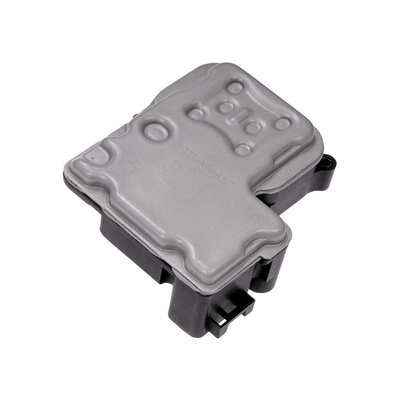

The information in this article is provided for general reference and educational purposes only. Vehicle specifications, procedures, and part compatibility can vary by production date, trim level, and region. Always consult your vehicle's factory service manual and verify part numbers before purchasing or performing repairs. Safety-critical components such as airbags, seat belts, and braking systems should be installed by a qualified professional.
- 🧭 Diagnostic Flowchart
- 🎬 Helpful Videos
- 🛍️ Shop This Part
- What Does C0002 Mean?
- Can I Drive With C0002?
- Common Causes
- Symptoms
- Common Fixes & Costs
- Used vs. New Parts: Buying Guide
- What Happens If You Wait — Timeline
- Cost of Not Fixing It
- Diagnosis Steps
- When This Code Triggers (Freeze-Frame Conditions)
- Related Codes
- Climate & Environmental Factors
- How to Talk to a Mechanic About This Code
- Where to Take It: Dealer vs Independent vs Chain
- When to Walk Away From the Repair
- What Scan Tool You Need for This Code
- How to Clear the Code After You Fix It
- Will This Fail Emissions / State Inspection?
- Most Commonly Affected Vehicles
- Manufacturer-Specific Notes
- Real Owner Stories
- 2006 Chevrolet Silverado with ~150K miles
- 2013 Ford Edge SEL with 163K miles
- 2011 Mazda 3 with multiple warning lights
- How to Prevent This Code From Triggering
- Frequently Asked Questions
- Can I fix a C0002 code myself?
- Is it safe to drive with a C0002 code?
- Will the C0002 code clear itself?
- How much does it cost to fix a C0002 code?
- What is 'Channel A' and 'Valve 2'?
- What are common misdiagnosis pitfalls for C0002?
- What is an ABS reluctor ring and how can it cause this code?
- My scanner shows C0002 and other valve codes (C0001, C0003). What does that mean?
- Key Takeaways
- 🎟️ Get 5% Off