

C0035 on 1995-2000 Dodge Stratus: ABS Wheel Speed Sensor Fault Causes and Fixes
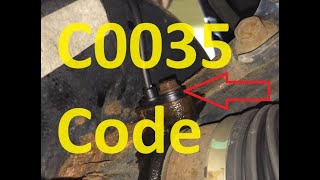
On a 1995-2000 Dodge Stratus, code C0035 means there is a fault in a front wheel speed sensor circuit, disabling the ABS. You must use a scanner to see which side (left or right) is faulty. The most likely fix is replacing the bad sensor, which costs about $25-$60 for an aftermarket part. Always inspect wiring and connectors before replacing parts.
- Code C0035 on a 1995-2000 Stratus means a front wheel speed sensor circuit is faulty, but it does NOT tell you which side.
- You MUST use a scan tool with live data to determine if the left or right sensor is the problem before buying parts.
- The most common cause is a failed wheel speed sensor, which is a relatively inexpensive and DIY
What's Unique About the 1995-2000 Dodge Stratus
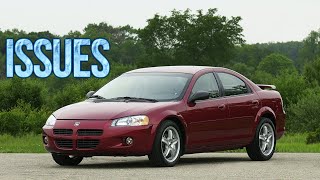
The first-generation Dodge Stratus, part of the Chrysler 'Cloud Car' platform (which includes the Chrysler Cirrus and Plymouth Breeze), uses a generic C0035 code that does not specify which front wheel sensor is at fault. Unlike on some other manufacturers where C0035 definitively means 'Left Front' or 'Right Front,' on this vehicle it is a general 'Front' code. This ambiguity makes it essential for owners to use a scan tool capable of reading live ABS data to avoid purchasing and replacing the wrong part. Relying on generic code definitions will likely lead to misdiagnosis.
Symptoms You May Notice
- ABS warning light is on
- Traction control light is on (if equipped)
- ABS system is disabled
- Cruise control may be disabled
- Brake pedal feels different during hard stops (no ABS pulsation)
- Replacing the wrong wheel speed sensor (e.g., replacing the left sensor when the right one is faulty) due to not using a scanner with live data.
- Replacing the ABS control module when the fault is simple wiring damage.
- Replacing a wheel speed sensor when the actual problem is a damaged or debris-covered tone ring on the CV axle.
Most Likely Causes
- Failed Front Wheel Speed Sensor 🔴 High Probability → Shop ABS Wheel Speed Sensor Sensors are exposed to the elements near the wheels and are subject to heat, vibration, and moisture over time, leading to internal failure. Given the vehicle's age (now over 25 years old), electronic component failure is very common.
How to confirm: Use an ABS-capable scan tool to view live data from both front wheel speed sensors while driving or spinning the wheels. The faulty sensor will show a reading of 0 mph, an erratic reading, or a reading that doesn't match the other wheels. You can also test the sensor's internal resistance with a multimeter and compare it to the specification for a new part.
Typical fix: Replace the faulty wheel speed sensor and its integrated wiring harness. The sensor is typically held in by a single bolt to the steering knuckle.
Est. part cost: $25-$60 - Damaged Wiring or Corroded Connector 🟡 Medium Probability The wiring harness runs down the suspension to the wheel hub and is susceptible to damage from road debris, chafing against suspension components, or corrosion at the connector plug due to water intrusion. Broken wires in harnesses are a known issue on this platform.
How to confirm: Visually inspect the entire length of the sensor's wiring harness from the sensor to the main connector (located in the engine bay) for any breaks, chafing, or green/white corrosion inside the connector. Perform a continuity test on the wires with a multimeter.
Typical fix: Repair the damaged section of wire with solder and heat-shrink tubing, or clean/replace the connector pigtail. In some cases, the entire sensor and pigtail assembly is replaced.
Est. part cost: $5-$25 - Damaged Tone Ring ⚪ Low Probability The tone ring (or reluctor ring) is part of the CV axle assembly. Over time, it can rust heavily, crack, or have teeth break off, providing an inconsistent signal for the sensor to read. This is less common than sensor or wire failure but becomes more likely on high-mileage vehicles in rust-prone areas.
How to confirm: With the wheel removed, visually inspect the tone ring on the CV axle for cracks, missing teeth, or heavy rust buildup that could interfere with the sensor's magnetic reading.
Typical fix: The tone ring is typically integrated with the CV axle. Replacement of the front CV axle is the standard repair.
Est. part cost: $70-$150
Rare But Worth Checking
- Faulty ABS Control Module: → Shop ABS Control Module This is rare, but possible if the sensors and wiring have been confirmed to be good. An internal failure of the module's voltage regulator can trigger this code. It usually triggers other codes as well.
- Blown ABS Fuse: A simple but often overlooked cause. One owner on a forum reported a blown fuse was the culprit for their ABS light on a '98 Stratus. Always check the fuses in the Power Distribution Center before beginning complex diagnostics.
Diagnosis Steps
- Connect an ABS-capable OBD-II scanner to the vehicle.
- Read the fault codes to confirm C0035 is present.
- Access the live data stream for the wheel speed sensors.
- Safely raise the vehicle and spin the front wheels by hand, or have an assistant drive the vehicle slowly while you monitor the scanner. Compare the speed readings from the front left and front right sensors.
- Identify the sensor that is not reading or is providing erratic data. This is the side with the fault.
- Visually inspect the identified sensor, its wiring harness, and connector for any signs of physical damage, corrosion, or looseness. Pay close attention to where the harness flexes with suspension travel.
- If wiring looks good, test the sensor's resistance with a multimeter (if specifications are known) or its voltage output while spinning the wheel.
- Inspect the tone ring on the corresponding CV axle for damage, debris, or excessive rust.
- Based on findings, replace the faulty component (most often the wheel speed sensor).
- Clear the fault code with the scanner and perform a test drive to ensure the ABS light does not return. The light may turn off on its own after a few drive cycles once the fault is corrected.
Parts You'll Likely Need
- Front Wheel Speed Sensor
(OEM #4779244AD (replaces 4779244AB, 4779244AC))— This is the most common failure point for code C0035. They are electronic components exposed to harsh conditions and fail with age. The same part number is often used for both left and right sides.
Trusted brands: Dorman (p/n 970-127 for Right, 970-128 for Left), SKP, Standard Motor Products (SMP), Delphi
OEM price range: $75-$110
Aftermarket price range: $25-$60
Platform-Specific Known Issues
- The battery on this platform is located inside the driver's side front fender well, requiring removal of the wheel and fender liner for access. While not directly related to the C0035 code, it's a notable serviceability quirk an owner should be aware of when working in that area.
Mechanic-Grade Diagnostic Values
- Front Wheel Speed Sensor Resistance — expected: 800 - 1400 Ohms is a typical range for this type of passive sensor. Some sources suggest a wider range of 1200-2700 Ohms is acceptable.. Failure: A reading of infinite resistance (Open Loop) or near-zero resistance (short circuit) indicates a failed sensor.
- Front Wheel Speed Sensor AC Voltage Output — expected: Minimum of 0.25 Volts AC (250mV AC) when spinning the wheel by hand at approximately half a revolution per second.. Failure: A voltage reading significantly lower than 250mV AC suggests a weak sensor, excessive air gap between the sensor and tone ring, or a damaged tone ring.
- Voltage at Sensor Connector (from ABS Module) — expected: The sensors on this vehicle are passive and generate their own AC voltage; they do not receive a reference voltage from the module. Active sensors, which are not used here, would receive a supply voltage (typically 5V or 12V).. Failure: N/A
Scan Tool Commands That Help
- Chrysler DRB III: Sensor Display - ABS — This is the primary function needed for this code. It allows a technician to view the live speed readings from all wheel speed sensors simultaneously, making it easy to identify which sensor is reading 0 MPH or has an erratic signal while the others report correctly.
- Chrysler DRB III: Read DTCs - ABS — To confirm the C0035 code and check for any other related ABS system faults, such as codes for the ABS pump or module, which could provide additional diagnostic clues.
Wiring & Ground Locations
- Controller Anti-lock Brake (CAB) Module — Located in the engine compartment, typically on the driver's side, attached to the hydraulic control unit (HCU) where the hard brake lines converge.. This is the computer that receives the wheel speed sensor signals. All wiring tests for continuity eventually lead back to the main harness connector for this module. A forum user on a similar Chrysler platform recommended unplugging the controller connector and testing the sensor's resistance from the pins at the connector to test the entire circuit at once.
- Engine/Chassis Ground — While not a specific ABS ground, general chassis grounds are critical. On a '98 Stratus, a user documented adding a redundant ground cable from the negative battery connection point on the driver's side fender well to a bolt hole on the engine block to ensure a solid ground path.. A poor ground connection for the ABS module can cause a variety of intermittent and difficult-to-diagnose electrical issues, including erroneous sensor fault codes. Ensuring the main chassis and engine grounds are clean and tight is a crucial, often overlooked, first step in any electrical diagnosis.
Real Owner Repair Stories
- Turbo Diesel Register user 'boonsur' (1998 Dodge Stratus ES) — ABS light came on constantly after the car had been sitting all winter and the rear brakes were initially seized from rust.
❌ Tried (didn't work) Initial assumption was a bad sensor caused by the brake seizure event.
✅ What actually fixed it The user read about checking the fuse as a simple first step, found the ABS fuse was blown, replaced it, and the light went out, solving the problem.
Diagnostic Flowchart
Other Known Issues on This Vehicle
Issues unrelated to this code that are worth knowing about as an owner of this generation:
- Premature Head Gasket Failure (2.0L/2.4L) 🔴 High — Common on 1995-1998 models, often occurring before 100,000 miles. Caused by a manufacturing defect in the original gasket design.
- A604/41TE Automatic Transmission Failure 🔴 High — This transmission is known for issues like solenoid pack failure, sensor failures (input/output speed sensors), and slipping, often requiring a rebuild or replacement.
- Defective Cam/Crankshaft Sensors 🟠 Medium — Commonly reported issue leading to no-start conditions, stalling, and erratic engine behavior.
- Cracked Dashboard 🟡 Low — Extremely common across all years; the dashboard material becomes brittle and cracks or caves in over time due to sun exposure.
- Broken Wires in Wiring Harness 🟠 Medium — Wiring harnesses, particularly in the engine bay and doors, can develop broken wires leading to various electrical problems, including engine issues.
Used vs. New Parts: Buying Guide for This Vehicle
When a used part is the smart pick: For this repair, sourcing used parts is generally not recommended for the sensor itself, but can be a viable option for the CV axle if the tone ring is the confirmed problem. A used ABS Control Module can also be a cost-effective repair if the module is diagnosed as faulty, as new units can be expensive or discontinued.
Donor-vehicle mileage cap: roughly under 100000 miles for the part to have meaningful remaining life.
What to inspect on the donor part:
- For a CV Axle: Inspect the tone ring for any cracks, missing teeth, or severe rust. Ensure the rubber CV boots are not torn or leaking grease.
- For an ABS Module: Match the part number EXACTLY. Inspect the electrical connector pins for any signs of green or white corrosion. Ask about the donor vehicle's history if possible (e.g., was it in a front-end collision?).
OEM-only on this vehicle (don't cheap out):
- ABS Control Module - While used OEM is an option, avoid unverified aftermarket modules. A remanufactured OEM unit from a reputable source or a used OEM part is preferable to a new, unknown aftermarket brand due to potential communication and software compatibility issues.
Aftermarket brands forum-validated for this vehicle:
- Dorman
- Standard Motor Products (SMP)
- Delphi
- SKP
Brands owners have reported issues with on this vehicle:
- No-name, unbranded sensors from online marketplaces are a gamble. Forum users often report that ultra-cheap electronic parts have a high failure rate, sometimes failing right out of the box or within a few months.
Real Owner Stories
Aggregated from forums and TSBs cited above. Mileages and costs reflect what owners reported in those sources.
1998 Dodge Stratus 2.4L — 70000 miles
Symptoms: The first non-maintenance repairs began, including oil leaks and eventually leading toward a head gasket failure later in the vehicle's life.
What fixed it: The owner performed various repairs over time to keep the vehicle reliable, though specific ABS sensor replacement was noted as a common conclusion for ABS lights on this platform in related forum discussions.
Source hint: Carsurvey.org - A detailed owner review of a 1998 Stratus 2.4L
1998 Dodge Stratus 2.4L — 166000 miles
Symptoms: General maintenance issues and head gasket concerns common to the 1995-1998 2.4L models.
What fixed it: The owner reached high mileage by performing necessary repairs, corroborating that the JA platform can be reliable if maintained.
Source hint: Chrysler Forums - A 2004 thread about a '98 Stratus with a 2.4L engine
Related OBD-II Codes
Frequently Asked Questions
I'm working on the front wheel speed sensor; is there anything else I should know about the driver's side front fender area on my Stratus?
Should I use an aftermarket sensor or an OEM Mopar part for my Dodge Stratus ABS repair?
Can I just replace the tone ring if it's rusted, or do I need a whole new CV axle?
My ABS light is on and my cruise control stopped working; are these related?
Is it possible to fix the wiring instead of buying a new sensor?
Where is the main connector for the front wheel speed sensor located?
Helpful Videos

We Have This Part in Stock


The information in this article is provided for general reference and educational purposes only. Vehicle specifications, procedures, and part compatibility can vary by production date, trim level, and region. Always consult your vehicle's factory service manual and verify part numbers before purchasing or performing repairs. Safety-critical components such as airbags, seat belts, and braking systems should be installed by a qualified professional.
- Dodge Stratus:
- 🧭 Diagnostic Flowchart
- 🎬 Helpful Videos
- 🛍️ Shop This Part
- What's Unique About the 1995-2000 Dodge Stratus
- Symptoms You May Notice
- Most Likely Causes
- Rare But Worth Checking
- Diagnosis Steps
- Parts You'll Likely Need
- Platform-Specific Known Issues
- Mechanic-Grade Diagnostic Values
- Scan Tool Commands That Help
- Wiring & Ground Locations
- Real Owner Repair Stories
- Other Known Issues on This Vehicle
- Used vs. New Parts: Buying Guide for This Vehicle
- Real Owner Stories
- 1998 Dodge Stratus 2.4L — 70000 miles
- 1998 Dodge Stratus 2.4L — 166000 miles
- Related OBD-II Codes
- Frequently Asked Questions
- 🎟️ Get 5% Off