

C0035 on 2013-2020 Ford Fusion: Left Front Wheel Speed Sensor Fault Causes and Fixes
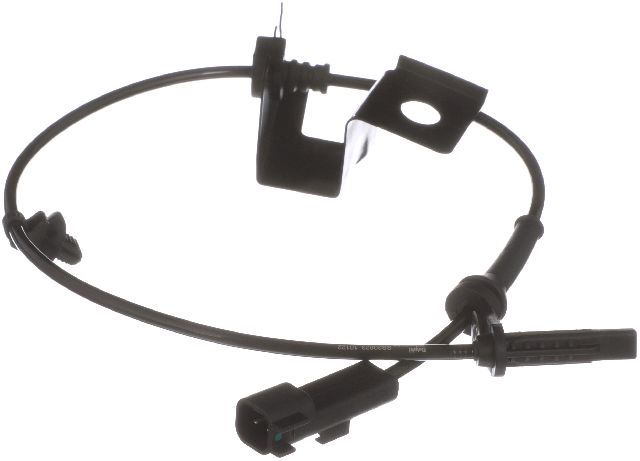
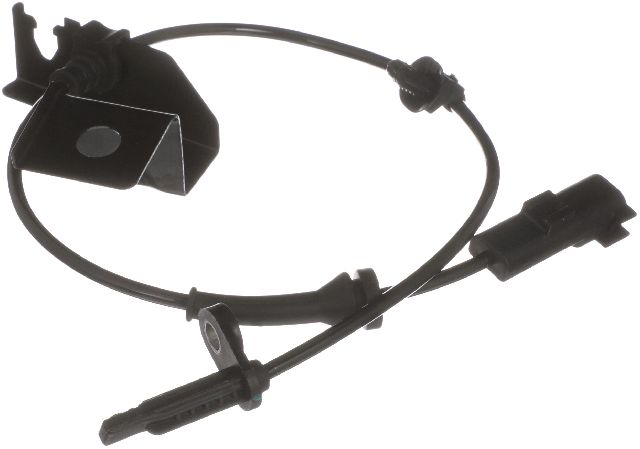
Code C0035 on a 2013-2020 Ford Fusion almost always means the left front wheel speed sensor has failed or its wiring is damaged. The sensor (OEM part # JG9Z-2C205-A) is a common failure item. Expect to pay $80-$100 for a new Motorcraft sensor and about one hour of labor if you take it to a shop.
- C0035 on a 2013-2020 Fusion means there's a problem with the left front wheel speed sensor circuit.
- The most common fix is to replace the left front wheel speed sensor (Motorcraft P/N BRAB-494), but always inspect the wiring and connector first for damage or corrosion.
- Driving with this code is not recommended as your ABS and stability control systems will be disabled.
- This is a DIY-friendly repair for those with basic tools, typically taking less than an hour.
- Ensure you use a scan tool that can clear codes from the ABS module after the repair is complete.
What's Unique About the 2013-2020 Ford Fusion
The 2013-2020 Ford Fusion (second generation) uses a common type of ABS sensor that is susceptible to failure from road debris, moisture, and corrosion, particularly at the wiring connector. The sensor is mounted on the steering knuckle, and its wiring is routed along the suspension, making it vulnerable to damage from rubbing or stretching if not secured properly. The magnetic encoder the sensor reads is integrated into the wheel bearing/hub assembly, meaning if the encoder is damaged, the entire hub must be replaced. While there are no major recalls for this specific issue on the Fusion, the failure of the sensor or its wiring is a well-documented and frequent repair.
Symptoms You May Notice
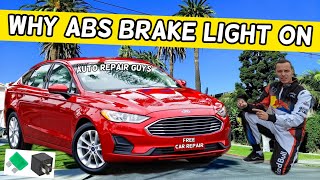
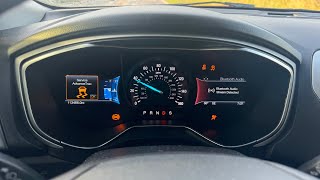
- ABS warning light is illuminated on the dashboard 🎬 Watch: Why your Ford Fusion ABS light is staying on.
- Traction control or stability control warning light is on
- Loss of anti-lock braking function (wheels may lock up during hard braking)
- Traction and stability control systems are disabled
- Brake warning light may also be on
- Replacing the wheel bearing/hub assembly when only the sensor is bad.
- Replacing the sensor when the actual problem is a simple wiring break or corroded connector.
Most Likely Causes
- Faulty Left Front Wheel Speed Sensor 🔴 High Probability → Shop ABS Wheel Speed Sensor The sensor is exposed to harsh conditions like water, salt, and road debris, which can cause internal failure over time. It is a very common point of failure for the ABS system.
How to confirm: Use a multimeter to check the sensor's resistance (it should typically be between 800-2000Ω). Alternatively, use an ABS-capable scan tool to monitor live data from the sensor while spinning the wheel; the reading should be smooth and consistent, not zero or erratic. A good diagnostic step is to swap the left and right front sensors (if accessible) and see if the code follows to the other side (e.g., becomes C0038).
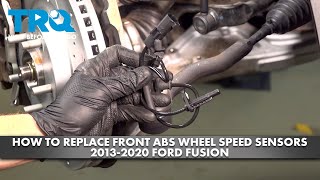
Typical fix: Replace the left front wheel speed sensor. The sensor is held to the steering knuckle by a single 8mm bolt. 🎬 See this step-by-step walkthrough for replacing the front sensor.
Est. part cost: $25-$100 - Damaged Wiring or Corroded Connector 🟡 Medium Probability The wiring harness follows the suspension and can be damaged by rubbing against components, or the connector can get contaminated with water and road salt, leading to corrosion and signal loss.
How to confirm: Visually inspect the entire length of the sensor's wiring harness from the wheel hub to the main connector in the wheel well. Look for chafed wires, cracked insulation, or green/white corrosion on the connector pins. Tug gently on the wires at the connector to check for a poor connection.
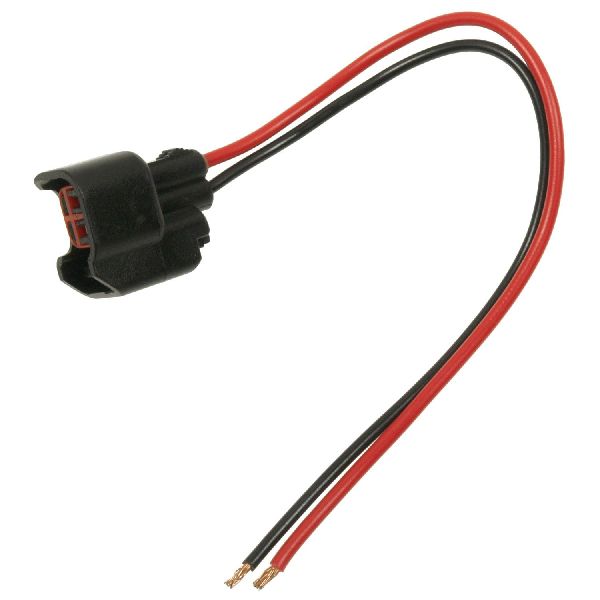
Typical fix: If the connector is corroded, clean it with electrical contact cleaner and apply dielectric grease. If the wiring is damaged, repair the broken section or replace the pigtail connector.
Est. part cost: $15-$40 for a pigtail - Damaged Tone Ring / Magnetic Encoder ⚪ Low Probability The magnetic encoder is integrated into the seal of the wheel bearing. It can be damaged during other repairs (like axle or bearing replacement) or become contaminated with metallic debris. A failing wheel bearing can also create an incorrect air gap, causing an erratic signal.
How to confirm: With the sensor removed, inspect the magnetic seal on the back of the hub for physical damage or heavy contamination. Check for excessive play or grinding noises from the wheel bearing, which would indicate failure.
Typical fix: If the encoder in the bearing has failed, the entire wheel hub/bearing assembly must be replaced.
Est. part cost: $100-$250 for a wheel hub assembly
Rare But Worth Checking
- Faulty ABS Control Module: → Shop ABS Control Module This is the least likely cause and should only be considered after all other possibilities (sensor, wiring, hub) have been thoroughly ruled out. A faulty module often triggers multiple wheel speed sensor codes or communication errors, not just a single one.
Diagnosis Steps
- Verify the code with an ABS-capable OBD-II scanner. Confirm the code is C0035 and the description points to the Left Front Wheel Speed Sensor. 🎬 Watch: Understanding the causes and fixes for code C0035.
- Visually inspect the left front wheel speed sensor and its wiring harness. Look for any obvious signs of damage, such as chafed or broken wires, and check that the connector is securely plugged in.
- Inspect the connector for corrosion. Unplug it and check for green or white powder on the pins. Clean with electrical contact cleaner and apply dielectric grease if necessary.
- If you have a scan tool that can read live data, monitor the output from the left front wheel speed sensor while driving or spinning the wheel. Compare its reading to the other wheel speed sensors. If it reads 0 or is erratic while the others work, the problem is in that circuit.
- If live data is not available, use a multimeter to test the sensor's resistance. If the resistance is infinite (open) or zero (shorted), the sensor is bad and needs to be replaced.
- If the sensor and wiring appear good, inspect the wheel bearing for excessive play, which could indicate a failing bearing and affect the sensor's reading.
- As a final check before suspecting the ABS module, test for proper voltage (typically 5V reference) at the sensor connector with the key on.
- If all other components check out, the fault may lie within the ABS control module, though this is rare.
Parts You'll Likely Need
- Front ABS Wheel Speed Sensor
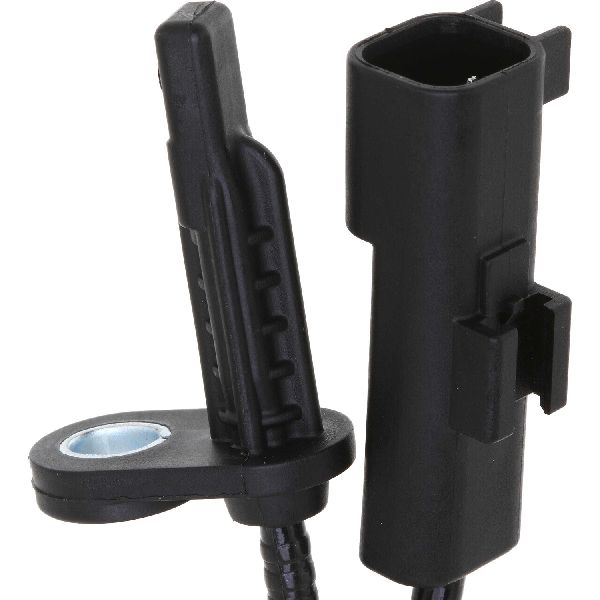
(OEM #JG9Z-2C205-A (latest), supersedes DG9Z-2C205-B, DG9Z-2C205-A. Motorcraft P/N is BRAB-494.)— This is the most common failure point for code C0035. The sensor itself fails internally from heat, vibration, and exposure to the elements.
Trusted brands: Motorcraft, Standard Motor Products (SMP), Bosch, Delphi, TRQ
OEM price range: $70-$110
Aftermarket price range: $25-$60
Technical Service Bulletins (TSBs) & Recalls
- TSB-13-5-22: Some 2013 C-Max, Fusion, and MKZ hybrid models may experience illumination of the ABS and stability control lights during cold ambient temperatures after turning the ignition on. This TSB addresses a potential software or module sensitivity issue under specific conditions.
Mechanic-Grade Diagnostic Values
- Wheel Speed Sensor Internal Resistance — expected: 800 - 2,000 Ω. Failure: An open circuit (infinite resistance) or a dead short (near zero resistance) indicates a failed sensor.
- Voltage at Sensor Connector (Harness Side, Key On) — expected: 4.5 - 5.5 V on the power pin. This is a 5V reference circuit.. Failure: Voltage below 4.0V or no voltage points to a problem in the wiring or the ABS module's supply circuit.
- Ground at Sensor Connector (Harness Side) — expected: Near 0V potential and less than 1.0 Ω resistance to a known good chassis ground.. Failure: High resistance or any significant voltage reading indicates a bad ground wire in the harness.
- Sensor Signal Type — expected: Digital Square Wave (Active Sensor). Failure: Attempting to measure an AC voltage signal will yield incorrect results. An oscilloscope is required to view the square wave signal properly.
Scan Tool Commands That Help
- Ford IDS (Integrated Diagnostic System): Self Test > All CMDTCs — This is the standard initial step to retrieve all continuous memory diagnostic trouble codes from all modules, confirming C0035 and checking for any related network or module codes.
- Ford IDS (Integrated Diagnostic System): Datalogger > ABS Module > PID: WSS_LF — To monitor the live data stream from the Left Front Wheel Speed Sensor (WSS_LF). This allows you to watch the sensor's reported speed in real-time while driving or spinning the wheel to identify dropouts or erratic readings.
- Ford IDS (Integrated Diagnostic System): Module Programming > Programmable Module Installation > ABS — This function is required only if the entire ABS control module is replaced. It configures the new module to the vehicle's specific options and VIN.
Wiring & Ground Locations
- ABS Control Module — Located in the engine compartment, on the driver's side, typically mounted to the hydraulic control unit in front of the master cylinder.. This module receives the signal from the left front wheel speed sensor and provides its power and ground. All circuit tests ultimately trace back to this module's connector.
- C1035A — This is a major harness connector located at the Battery Junction Box (BJB) on the left side of the engine compartment.. The power feed for the ABS module runs through this connector. Corrosion or a pushed-back pin here can cause power loss to the entire ABS system.
- G102 — Main chassis ground located on the left front of the engine compartment.. This is a primary ground point for the ABS module. A loose or corroded connection at G102 can cause intermittent and difficult-to-diagnose electrical issues with the ABS system.
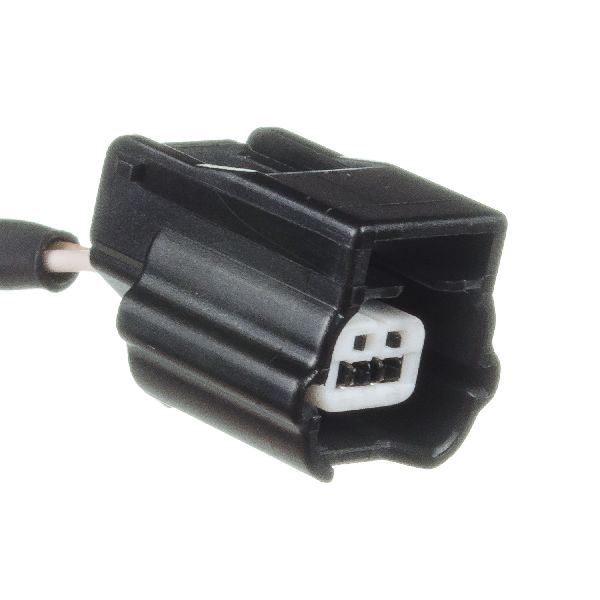
- ABS Sensor Connector — In the driver's side front wheel well, where the sensor's pigtail connects to the main body harness. It has a distinctive red locking tab.. This is the most common location for wiring issues. It is exposed to water and debris, making it highly susceptible to corrosion, and the wires can break internally from suspension movement.
Real Owner Repair Stories
- YouTube video by 'fordtechtips' (2019 Ford Fusion 2.0L) — ABS and Traction Control lights would come on intermittently. Sometimes they would be on for 5 seconds, then turn off. Other times they would turn off after the car came to a complete stop and was restarted.
❌ Tried (didn't work) The live data on the scan tool showed the sensor was reading speed accurately when the light was off, which could mislead someone to think the sensor was good.
✅ What actually fixed it The intermittent signal loss was caused by an internally failing wheel speed sensor. Despite testing 'good' at times, it would drop out unpredictably. Replacing the left front wheel speed sensor (OEM part) permanently resolved the issue. - Reddit user in r/fordfusion (2013 Ford Fusion) — ABS, traction control, hill start assist, and airbag lights all came on.
❌ Tried (didn't work) The user was advised to check the sensor first.
✅ What actually fixed it A responding user reported the exact same issue on their Fusion. The problem was not the sensor itself, but the wiring in the pigtail leading to the sensor. The wires had broken internally from flexing with the suspension. Repairing the wiring harness fixed the code.
OEM Part Supersession History
DG9Z-2C205-A, DG9Z-2C205-B→JG9Z-2C205-A— Part revision and improvement by the manufacturer.
Heads up: All listed part numbers for the front sensors are generally interchangeable for the 2013-2020 generation. However, always use the latest part number (JG9Z-2C205-A) when available. Note that rear sensors have different part numbers and are not compatible.
Model Year Variations Within This Range
- 2013-2020: While the fundamental diagnosis is the same, there are minor differences in fuse box layouts between early (2013-2016) and facelift (2017-2020) models. The primary ABS power fuses are located in the engine bay Battery Junction Box (BJB), but their specific numbering (e.g., F25) can vary.
Diagnostic Flowchart
Other Known Issues on This Vehicle
Issues unrelated to this code that are worth knowing about as an owner of this generation:
- Shifter Cable Bushing Failure 🔴 High — Extremely common across millions of Ford vehicles, including 2013-2016 Fusions. The bushing degrades, detaches, and can cause the vehicle to be in a different gear than selected, leading to rollaway risk. (Ref: Recalls: 18S20, 22S43 (NHTSA ID: 22V413000))
- Front Brake Hose Rupture 🔴 High — Affects 2013-2018 Fusion and MKZ models. The rubber front brake hoses can rupture prematurely, causing a sudden loss of brake fluid and braking ability. (Ref: Recall: 20S01 (NHTSA ID: 20V193000))
- Door Latch Failure 🟠 Medium — A widespread issue where a pawl spring tab in the door latch can break, potentially preventing the door from closing or causing it to open while driving. (Ref: Recall: 20V331000)
- Coolant Intrusion in 1.5L/1.6L/2.0L EcoBoost Engines 🔴 High — A known design flaw where coolant can leak into the cylinders, causing misfires, white smoke, and eventual engine failure. Particularly noted in earlier models. (Ref: Multiple TSBs issued, including TSB 21-2337 for the 1.5L engine.)
- Harsh or Delayed Shifting (6F35 Transmission) 🟠 Medium — Owners report issues like hard shifts, shuddering, or delayed gear engagement. Sometimes addressed with software updates, but can also indicate internal wear.
- Power Steering Failure 🟠 Medium — Some owners experience a loss of power steering, often accompanied by a warning message. This can be due to leaks or failures in the electronic power steering rack.
Used vs. New Parts: Buying Guide for This Vehicle
When a used part is the smart pick: It is strongly discouraged to use a salvaged ABS wheel speed sensor. The part is electronic, exposed to harsh elements, and is a known high-failure item. The low cost of a new aftermarket part makes the risk and labor of installing a used part an unwise choice.
What to inspect on the donor part:
- Not applicable as used sensors are not recommended.
OEM-only on this vehicle (don't cheap out):
- While not strictly 'OEM-only', using the Ford/Motorcraft sensor is highly recommended for fitment and reliability. Some cheap aftermarket sensors have been reported to fail prematurely or have incorrect resistance values out of the box.
Aftermarket brands forum-validated for this vehicle:
- Standard Motor Products (SMP)
- Bosch
- Duralast
- TRQ
Brands owners have reported issues with on this vehicle:
- Unnamed, 'white-box' sensors from online marketplaces should be avoided. They often have poor quality control and may not last, leading to repeat repairs.
Real Owner Stories
Aggregated from forums and TSBs cited above. Mileages and costs reflect what owners reported in those sources.
2015 Ford F-150 3.5L Ecoboost
Symptoms: ABS faults and warning lights triggered by electrical issues in the wheel well area.
What fixed it: Identified and repaired corrosion in a major wiring harness connector located in the wheel well.
Source hint: f150forum.com: '15 F150 3.5L Ecoboost wiring harness issue'
2013 Ford Fusion Hybrid
Symptoms: Illumination of the ABS and stability control lights specifically during cold ambient temperatures after turning the ignition on.
What fixed it: Addressed via software or module sensitivity updates as per manufacturer guidance.
Source hint: TSB-13-5-22
Related OBD-II Codes
Frequently Asked Questions
I have a 2013 Fusion Hybrid and my ABS light comes on when it's cold outside. Is there a known issue for this?
Can I use parts from a Lincoln MKZ to fix the C0035 code on my Ford Fusion?
Is the C0035 code related to the major Ford recall for shifter cable bushings?
Could a bad wheel bearing cause this ABS code on my Ford Edge?
How much should I expect to pay for a new Left Front Wheel Speed Sensor for my Fusion?
My brake pedal feels soft and the ABS light is on; could this be the C0035 code?
Helpful Videos
We Have This Part in Stock


The information in this article is provided for general reference and educational purposes only. Vehicle specifications, procedures, and part compatibility can vary by production date, trim level, and region. Always consult your vehicle's factory service manual and verify part numbers before purchasing or performing repairs. Safety-critical components such as airbags, seat belts, and braking systems should be installed by a qualified professional.
- Ford Fusion:
- 🧭 Diagnostic Flowchart
- 🎬 Helpful Videos
- 🛍️ Shop This Part
- What's Unique About the 2013-2020 Ford Fusion
- Symptoms You May Notice
- Most Likely Causes
- Rare But Worth Checking
- Diagnosis Steps
- Parts You'll Likely Need
- Technical Service Bulletins (TSBs) & Recalls
- Mechanic-Grade Diagnostic Values
- Scan Tool Commands That Help
- Wiring & Ground Locations
- Real Owner Repair Stories
- OEM Part Supersession History
- Model Year Variations Within This Range
- Other Known Issues on This Vehicle
- Used vs. New Parts: Buying Guide for This Vehicle
- Real Owner Stories
- 2015 Ford F-150 3.5L Ecoboost
- 2013 Ford Fusion Hybrid
- Related OBD-II Codes
- Frequently Asked Questions
- 🎟️ Get 5% Off