

C0035 on 2011-2015 Kia Sorento: Left Front Wheel Speed Sensor Causes and Fixes
On a 2011-2015 Kia Sorento, code C0035 points to a problem with the left front wheel speed sensor circuit. The most common fix is replacing the sensor and its integrated harness. A common failure point is the wiring near the strut where it flexes. An aftermarket sensor costs around $30-$80, and it's a DIY-friendly repair for many. The OEM part number is typically 95670-2P000 or 95670-2W000 depending on the model year.
- C0035 means there's a fault with the driver's side front wheel speed sensor circuit.
- Your ABS and stability control will not work until this is fixed. Drive with caution.
- The most likely culprit is either the sensor itself or the wiring leading to it. Always inspect the wiring for damage before replacing the sensor.
- Replacing the sensor is a relatively simple DIY job that requires basic tools and about an hour of time.
- While this code is for the front, be aware that Kia has acknowledged issues with water getting into the rear sensor housings on this vehicle, pointing to a general system vulnerability.
What's Unique About the 2011-2015 Kia Sorento
The second-generation Kia Sorento (2011-2015) and its sibling, the Hyundai Santa Fe, are known for wheel speed sensor issues. While this specific code points to the front, Kia issued a service campaign (SC148) for the rear wheel speed sensor housings on these vehicles, acknowledging their vulnerability to water intrusion, especially in coastal areas. This suggests a general susceptibility of the wheel speed sensor system to environmental factors like moisture and road debris across the vehicle.
Symptoms You May Notice
- ABS warning light is on
- Electronic Stability Control (ESC) or Traction Control (TCS) warning light is on
- Downhill Brake Control (DBC) warning light may be on
- Cruise control is disabled or does not work
- A grinding or pulsing sensation from the brakes at low speeds
- Brake pedal feels harder than usual during stops 🎬 See the top 3 reasons your ABS and traction lights are on.
- Replacing the wheel hub assembly when only the sensor or wiring is bad.
- Replacing the sensor without first thoroughly inspecting the wiring harness for hidden breaks or corrosion, especially at the strut flex point.
Most Likely Causes
- Failed Left Front Wheel Speed Sensor 🔴 High Probability → Shop ABS Wheel Speed Sensor The sensor is exposed to road debris, moisture, and extreme temperatures, which can cause it to fail internally over time. It is a very common failure item on this platform.
How to confirm: Use a multimeter to check the sensor's resistance; an open circuit (OL) or a reading far from the manufacturer's specification indicates failure. Alternatively, use an OBD-II scanner with live data to monitor the wheel speed from the left front sensor while driving; if it reads 0 mph or is erratic while other wheels show speed, the sensor is likely bad.
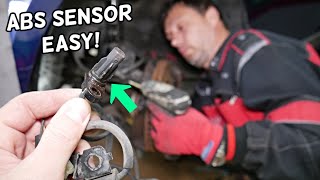
Typical fix: Replace the left front wheel speed sensor. This involves removing the wheel, unbolting the sensor from the steering knuckle, and disconnecting its electrical connector. 🎬 Watch: A step-by-step guide to replacing the front ABS sensor.
Est. part cost: $30-$80 - Damaged Wiring Harness or Connector 🔴 High Probability The wiring harness runs down the suspension and is subject to constant movement, vibration, and exposure to the elements. A very common failure point is where the harness is clipped to the strut assembly; repeated suspension travel and steering can cause the wires to break internally at this flex point, even with no visible damage to the outer insulation.
How to confirm: Visually inspect the entire length of the wiring from the sensor to its connection point in the engine bay. Pay extremely close attention to the area where it flexes near the strut. Perform a continuity test on the wires while wiggling them to expose intermittent breaks. Check for green corrosion in the connector pins.
Typical fix: Repair the broken section of wire using solder and heat-shrink tubing or replace the pigtail connector. In many cases, replacing the entire sensor/harness assembly is a more durable and recommended repair.
Est. part cost: $15-$50 for a pigtail, or included with a new sensor assembly. - Debris on Sensor or Damaged Tone Ring ⚪ Low Probability Metallic brake dust and road grime can accumulate on the magnetic tip of the sensor, obstructing its reading. The tone ring (or reluctor ring), which is part of the wheel hub assembly, can crack from rust or be damaged by debris.
How to confirm: Remove the wheel speed sensor and inspect its tip for metallic debris. Visually inspect the tone ring through the sensor mounting hole for signs of rust, missing teeth, or damage.
Typical fix: Clean the magnetic tip of the sensor and the tone ring with a brush and brake cleaner. If the tone ring is cracked or damaged, the wheel hub assembly must be replaced.
Est. part cost: $0 for cleaning, or $100-$200 for a new wheel hub assembly.
Rare But Worth Checking
- Faulty ABS Control Module (HECU): → Shop ABS Control Module While rare, the ABS module itself can fail. Kia issued a safety recall (SC212) for 2014-2015 Sorentos for potential internal fluid leaks in the HECU that could cause an electrical short. This is an unlikely cause for C0035 alone but should be considered if other ABS-related codes are present or if sensor/wiring issues are ruled out.
- Failing Wheel Bearing/Hub Assembly: A worn-out wheel bearing can introduce excessive play or 'wobble' in the hub. This movement can damage the integrated tone ring or cause the air gap between the sensor and the ring to become too large, leading to an erratic or lost signal. This would typically be accompanied by a grinding or humming noise from the wheel that changes with speed.
Diagnosis Steps
- Read the code with an ABS-capable OBD-II scanner to confirm C0035 is the primary fault. 🎬 Watch: Diagnosing the C0035 code and its common causes.
- Use the scanner's live data function to monitor all four wheel speeds while driving slowly. Confirm that the Left Front wheel speed reads 0 or is erratic compared to the others.
- Raise and secure the front of the vehicle and remove the left front wheel.
- Visually inspect the wheel speed sensor and its wiring harness for any obvious damage, such as cut wires, chafing, or corrosion. Pay special attention to the harness where it is clipped to and flexes with the strut.
- Disconnect the sensor and inspect the connector pins for moisture or corrosion.
- If the visual inspection is clear, use a multimeter to test the resistance of the sensor itself. Compare the reading to the manufacturer's specification. An open loop (OL) reading indicates a failed sensor.
- Test the wiring harness for continuity from the sensor connector to the ABS module connector. Wiggle the harness during the test to check for intermittent breaks.
- If the sensor and wiring test good, inspect the tone ring on the wheel hub for damage or heavy contamination.
- Check for excessive play in the wheel bearing by grabbing the tire at the 12 and 6 o'clock positions and attempting to rock it. Any significant movement could indicate a bad bearing.
- If all components check out, the issue may be with the ABS control module, which typically requires professional diagnosis.
Parts You'll Likely Need
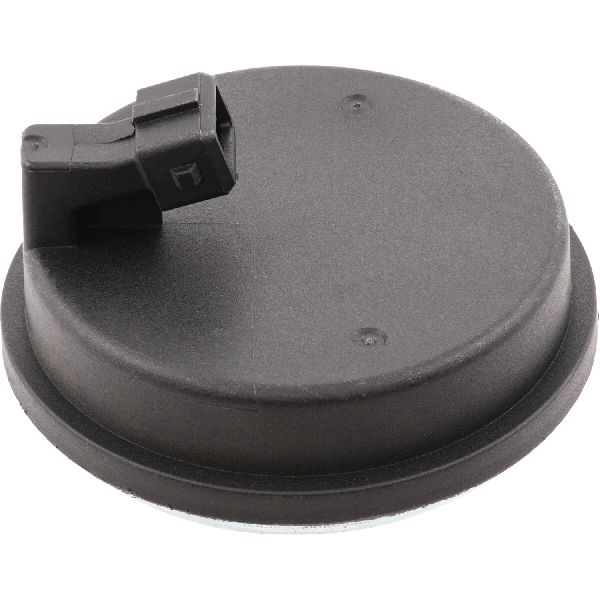
- Left Front ABS Wheel Speed Sensor
(OEM #95670-2P000 (for 2011-2012 models), 95670-2W000 / 95671-2W000 (for 2013-2015 models). Always verify with VIN.)— This is the most common component to fail, triggering the C0035 code. It is a single unit that includes the sensor and its integrated wiring harness.
Trusted brands: Kia (Genuine), Mando (OEM), Bosch, Delphi, Holstein, SKP
OEM price range: $120-$175
Aftermarket price range: $30-$80
Related Codes That Often Appear With This One
- C1200 — This is a related code for the 'Wheel Speed Sensor Front Left Circuit Open/Short'. It often appears with C0035 to specify the electrical nature of the fault.
- C0036 — This is the code for the Right Front Wheel Speed Sensor. If both appear, it could suggest a common wiring problem, a fault within the ABS module, or issues with both sensors simultaneously.
Technical Service Bulletins (TSBs) & Recalls
- SC148 - Voluntary Service Campaign for rear wheel speed sensor housing covers.
- SC212 - Safety Recall Campaign for HECU/ABS Module inspection and replacement.
Platform-Specific Known Issues
- Service Campaign SC148 was issued for 2011-2015 Sorentos due to water entering the *rear* wheel speed sensor housings, causing ABS/ESC light illumination. While this TSB is for the rear, it indicates a platform-wide weakness in the sealing of the wheel speed sensor system, particularly in coastal states where seawater contact is possible.
- Safety Recall SC212 was issued for 2014-2015 Sorentos for a potential internal leak in the ABS module (HECU) that could lead to an electrical short and, in rare cases, a fire risk. The recall involves inspecting the HECU and installing a lower-rated fuse to mitigate risk.
Mechanic-Grade Diagnostic Values
- Wheel Speed Sensor Resistance (Passive Sensor) — expected: Approximately 1.0 to 2.0 kΩ (1000 to 2000 ohms).. Failure: An open circuit (infinite resistance, 'OL') or a value significantly outside the expected range indicates a failed sensor.
- Wheel Speed Sensor AC Voltage Output (Passive Sensor) — expected: At least 100-200 mV AC when the wheel is spun by hand (approx. one revolution per second). Voltage should increase with speed.. Failure: No voltage or an erratic, inconsistent voltage signal points to a failed sensor or a problem with the tone ring.
- Sensor Harness Supply Voltage (Active Sensor) — expected: 4.5–5.5 V with the key on, engine off, measured at the harness connector unplugged from the sensor.. Failure: Voltage below 4.0V or no voltage indicates a wiring problem or a fault in the ABS module's power supply.
Scan Tool Commands That Help
- Kia GDS (Global Diagnostic System) or equivalent professional scanner: Live Data / Data Stream for ABS/ESC Module — This is the primary diagnostic step. Use this to view the 'Wheel Speed Sensor - FL' parameter in real-time. While driving slowly (5-10 mph), compare the reading from the front left (FL) sensor to the other three. A reading of 0 or one that is erratic or significantly different from the others confirms a fault in the FL sensor circuit.
- Kia GDS (Global Diagnostic System): Read Fault Codes from 'Electronic Stability Program' module — On some Kia/Hyundai systems, ABS codes are stored under the Electronic Stability Program (ESP) menu rather than a dedicated ABS menu. If a generic scanner cannot access ABS codes, a professional tool accessing the ESP module is required to find codes like C0035.
Wiring & Ground Locations
- ABS Module (HECU) Connector — In the engine bay, typically mounted to the hydraulic ABS pump assembly, located near the driver's side strut tower/frame rail.. This is the termination point for the wheel speed sensor harness. Advanced diagnostics require checking for signal continuity and voltage at the pins corresponding to the left front sensor in this main connector.
- Sensor Harness Connector — Located in the driver's side front wheel well, tucked up behind the fender liner. You may need to gently pull the liner back to access it.. This is the first and easiest place to disconnect the circuit to test the sensor side and the harness side independently. Corrosion or a loose connection here is a common cause of the fault.
- G01 / G09 Ground Points — Located in the engine compartment on the left/driver's side fender area.. The ABS module relies on a clean chassis ground. While a bad ground typically causes multiple system faults, a corroded or loose ground at G01 or G09 could potentially cause erratic behavior in the ABS module, though it's a less common cause for a single sensor code.
Real Owner Repair Stories
- kia-forums.com user (2012 Kia Sorento) — ABS, ESC, and DBC warning lights all illuminated.
❌ Tried (didn't work) Initial diagnosis was uncertain.
✅ What actually fixed it The user scanned the vehicle and found code C0035. The final fix was replacing the left front ABS sensor harness (part number 95670-2P000). The user noted the wire had broken internally near the strut mount from repeated flexing, which was not visible from the outside. - YouTube video by 'SABS Garage' (2005 Chevy Colorado (Note: Different vehicle, but identical code and principle)) — ABS light with code C0035 and a grinding/roaring noise from the front wheel.
❌ Tried (didn't work) The presenter advised against replacing just the sensor when bearing noise is present.
✅ What actually fixed it The root cause was a failing wheel hub and bearing assembly. The bearing wear introduced debris and excessive play, causing the integrated sensor to send an erratic signal. Replacing the entire wheel hub assembly (which included a new sensor and tone ring) resolved both the noise and the C0035 code.
OEM Part Supersession History
95670-2P000→Current— This is the specific part for the pre-facelift models.
Heads up: This part is for the Left Front (Driver's Side) on 2011-2013 Sorento models. It is not interchangeable with the 2014-2015 parts.95670-2W000→Current— This is the specific part for the facelift models.
Heads up: This part is for the Left Front (Driver's Side) on 2013(from mid-year)-2015 Sorento models. It is not interchangeable with the pre-2013 parts. The corresponding Right Front part is 95671-2W000.
Model Year Variations Within This Range
- 2011-2013 (Pre-facelift): These models use front wheel speed sensor part number 95670-2P000 (Left) and 95671-2P000 (Right).
- 2014-2015 (Post-facelift): These models, starting with the 2014 model year refresh, use a different front wheel speed sensor, part number 95670-2W000 (Left) and 95671-2W000 (Right). There may be some overlap in late 2013 models, so verifying by VIN is critical.
Diagnostic Flowchart
Other Known Issues on This Vehicle
Issues unrelated to this code that are worth knowing about as an owner of this generation:
- Catastrophic Engine Failure (Theta II GDI) 🔴 High — Widespread across 2.0L Turbo and 2.4L GDI engines. Failures can occur at any mileage, but often reported between 60,000-100,000 miles. Caused by connecting rod bearing failure. (Ref: Multiple recalls (e.g., 17V224000) and a major class-action lawsuit settlement (In re: Hyundai and Kia Engine Litigation) extended warranties to lifetime for the engine short block for original and subsequent owners.)
- ABS Module (HECU) Fire Risk 🔴 High → Shop ABS Control Module — Affects 2014-2015 models. An internal fluid leak in the HECU can cause an electrical short, leading to a fire, even when the vehicle is parked. (Ref: Safety Recall SC212 / NHTSA 21V331000. The fix involves inspecting the HECU and, if no leaks are found, installing a lower-amperage fuse to reduce fire risk. If leaks are present, the HECU is replaced.)
- Failing Door Latch Assemblies 🟠 Medium — Common across all model years. The primary symptom is the door failing to open from the outside handle. It can be a mechanical failure in the latch or an electrical failure of the actuator. (Ref: Warranty Extension Program (CS1603 for 2011 models) was issued, extending coverage for the rear door latches. No universal recall was issued for all doors/years.)
- Peeling/Delaminating Paint 🟡 Low — Commonly reported on white-painted vehicles, where the paint can peel off in large sheets. This is a known issue with Hyundai/Kia vehicles from this period.
- AC Compressor Clutch Failure 🟠 Medium — The clutch on the AC compressor is a common failure point, causing the AC to stop blowing cold air even if the refrigerant level is correct.
Used vs. New Parts: Buying Guide for This Vehicle
When a used part is the smart pick: For this specific repair, using a used part is NOT recommended for the sensor/harness itself. The primary failure mode is internal wire breakage from millions of flex cycles, and a used part has an unknown history and could fail quickly. Aftermarket new sensors are inexpensive.
Donor-vehicle mileage cap: roughly under 10000 miles for the part to have meaningful remaining life.
What to inspect on the donor part:
- If considering a used wheel hub assembly (for the tone ring), inspect the donor vehicle for any signs of collision damage to the suspension.
- Spin the donor hub by hand; it should be completely silent and smooth with no grinding or roughness.
- Check the ABS sensor wire pigtail coming from the hub for any cuts, abrasions, or brittleness.
OEM-only on this vehicle (don't cheap out):
- ABS Control Module (HECU). Due to programming and VIN-locking requirements, this part should be sourced new from a dealer or a reputable specialist that can program it to the vehicle.
Aftermarket brands forum-validated for this vehicle:
- Mando (often the Original Equipment Manufacturer)
- Bosch
- Delphi
- Standard Motor Products (SMP)
- Beck/Arnley
- Holstein
Brands owners have reported issues with on this vehicle:
- No-name, unbranded sensors from online marketplaces should be avoided. While cheap, they have a higher rate of out-of-box failure and may use incorrect materials for the magnetic encoder, leading to immediate or premature failure.
Real Owner Stories
Aggregated from forums and TSBs cited above. Mileages and costs reflect what owners reported in those sources.
2012 Kia Sorento
Symptoms: ABS, ESC, and DBC warning lights were illuminated on the dashboard.
What fixed it: Replacing the left front ABS sensor harness (Part # 95670-2P000). The wire had broken internally near the strut mount due to repeated flexing.
Source hint: kia-forums.com - Thread: 'ABS/ESC/DBC lights on'
Related OBD-II Codes
Frequently Asked Questions
My 2014 Kia Sorento has the ABS light on; is there a recall for this?
Why are my ABS, ESC, and Downhill Brake Control (DBC) lights all on at the same time?
I replaced the sensor but the C0035 code is still there. What else could it be on a Sorento?
Can a bad wheel bearing cause the C0035 code on my Kia?
Is the C0035 code related to the engine recalls on the 2.4L GDI Sorento?
Helpful Videos
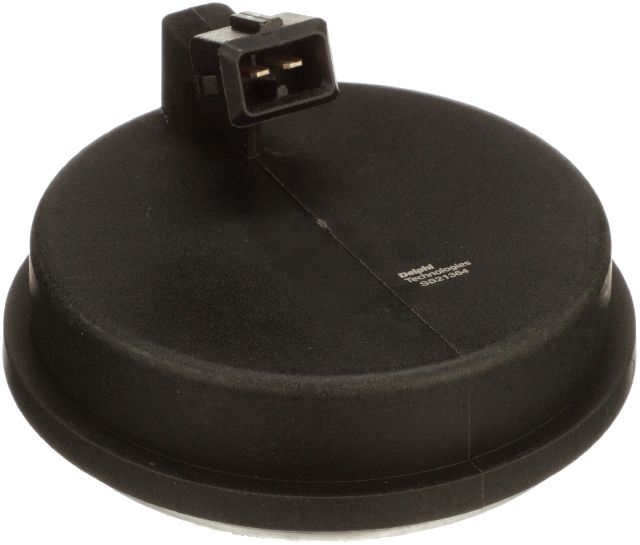
We Have This Part in Stock


The information in this article is provided for general reference and educational purposes only. Vehicle specifications, procedures, and part compatibility can vary by production date, trim level, and region. Always consult your vehicle's factory service manual and verify part numbers before purchasing or performing repairs. Safety-critical components such as airbags, seat belts, and braking systems should be installed by a qualified professional.
- Kia Sorento:
- 🧭 Diagnostic Flowchart
- 🎬 Helpful Videos
- 🛍️ Shop This Part
- What's Unique About the 2011-2015 Kia Sorento
- Symptoms You May Notice
- Most Likely Causes
- Rare But Worth Checking
- Diagnosis Steps
- Parts You'll Likely Need
- Related Codes That Often Appear With This One
- Technical Service Bulletins (TSBs) & Recalls
- Platform-Specific Known Issues
- Mechanic-Grade Diagnostic Values
- Scan Tool Commands That Help
- Wiring & Ground Locations
- Real Owner Repair Stories
- OEM Part Supersession History
- Model Year Variations Within This Range
- Other Known Issues on This Vehicle
- Used vs. New Parts: Buying Guide for This Vehicle
- Real Owner Stories
- 2012 Kia Sorento
- Related OBD-II Codes
- Frequently Asked Questions
- 🎟️ Get 5% Off