

C0040 on 2016-2021 Hyundai Tucson: Right Front Wheel Speed Sensor Fixes
Code C0040 on a 2016-2021 Hyundai Tucson almost always means the right front wheel speed sensor has failed or its wiring is damaged. Expect to pay $150-$250 for a professional repair, or around $40-$80 for a DIY sensor replacement.
- C0040 on a 2016-2021 Tucson means a fault with the right front wheel speed sensor circuit, which will disable your ABS and traction control.
- The most likely cause is a failed sensor, which is a relatively inexpensive part and manageable for a DIYer with basic tools.
- Always inspect the wiring harness for damage before replacing the sensor, as this is another common point of failure.
- Be aware of the outstanding recall for the ABS module on these vehicles and have it checked by a dealer, as it could be a rare but serious underlying cause.
What's Unique About the 2016-2021 Hyundai Tucson
For the third-generation (2016-2021) Hyundai Tucson, the C0040 code is a straightforward diagnostic issue, typically pointing to a failed sensor or wiring. While the cause is usually simple, it's important to be aware of a significant recall involving the ABS module on these vehicles, which could, in rare cases, be the root cause of electrical faults in the system. The ABS module on these vehicles could leak brake fluid internally, causing an electrical short that presents a fire risk even when the vehicle is off.
Symptoms You May Notice
- ABS warning light is on
- Traction Control or Electronic Stability Control (ESC) light is on
- ABS system does not activate during hard braking (wheels may lock up)
- Traction control does not activate on slippery surfaces
- In some cases, the speedometer may malfunction or display inaccurate readings
- Replacing the wheel bearing/hub assembly when only the sensor is bad. Always diagnose the sensor and wiring first before assuming the entire hub is faulty.
- Replacing the sensor without checking the wiring harness for damage, leading to a quick return of the C0040 code.
Most Likely Causes
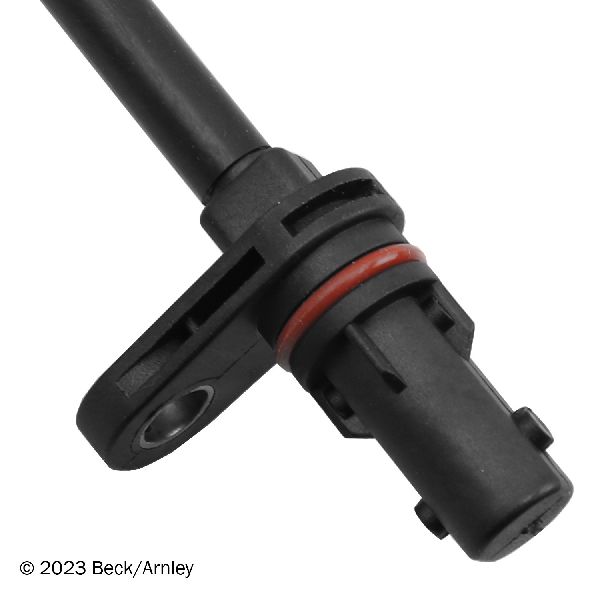
- Failed Right Front Wheel Speed Sensor 🔴 High Probability → Shop ABS Wheel Speed Sensor Wheel speed sensors are exposed to harsh conditions (water, road salt, debris, heat) which can lead to internal failure or corrosion over time.
How to confirm: Using an OBD-II scanner capable of reading ABS live data, monitor the wheel speed for the right front wheel while driving. If the reading is zero, erratic, or doesn't match the other wheels, the sensor is the primary suspect. A multimeter can also be used to test the sensor's internal resistance against manufacturer specifications.
Typical fix: Replace the right front wheel speed sensor. The sensor is held in by a single bolt on the steering knuckle, and the wiring harness is routed up the suspension and into the engine bay.
Est. part cost: $40-$100 - Damaged Wiring or Connector 🟡 Medium Probability The wiring harness leading from the sensor is susceptible to damage from road debris, improper routing after previous repairs, or chafing against suspension components. The connector pins can also corrode.
How to confirm: Visually inspect the entire length of the wiring from the sensor to the main harness for any signs of chafing, breaks, or corrosion. Perform a continuity test on the wires between the sensor connector and the ABS module connector to check for opens or shorts.
Typical fix: Repair the damaged section of the wire or replace the pigtail connector. Ensure the harness is properly secured away from moving suspension or steering components.
Est. part cost: $15-$50 - Damaged or Debris-Covered Tone Ring ⚪ Low Probability The tone ring (or magnetic encoder built into the wheel bearing seal) can be damaged during wheel bearing replacement or accumulate metallic debris from brake wear, interfering with the sensor's reading.
How to confirm: Visually inspect the tone ring for missing teeth, cracks, or a heavy buildup of rust or metallic debris. If the tone ring is integrated into the wheel bearing, check for excessive play in the bearing, which can alter the air gap to the sensor.
Typical fix: Clean the tone ring thoroughly. If it is cracked or has broken teeth, the wheel hub/bearing assembly will need to be replaced.
Est. part cost: $150-$300 (for hub assembly)
Rare But Worth Checking
- Faulty ABS Control Module: → Shop ABS Control Module A recall (NHTSA 20V-520, superseded by 21V-303) was issued for a potential short circuit within the ABS module on 2016-2021 Tucsons. This was due to the potential for brake fluid to leak into the module's electronics, creating a fire risk. While the primary concern was fire, this internal short can also cause various ABS-related fault codes. If the sensor, wiring, and tone ring are confirmed to be good, the ABS module itself could be the issue.
Diagnosis Steps
- Connect an ABS-capable OBD-II scanner and confirm the presence of code C0040. Note any other stored codes.
- Access the live data stream and monitor the wheel speed signals from all four wheels while driving. Confirm the right front reading is absent, erratic, or does not match the other wheels.
- Raise and secure the front of the vehicle on jack stands.
- Visually inspect the right front wheel speed sensor and its wiring harness for any obvious damage, corrosion, or loose connections. Follow the wire from the wheel hub up into the engine bay.
- Disconnect the sensor and inspect the connector terminals for corrosion or damage.
- Remove the sensor (typically a single 10mm or 12mm bolt) and inspect its tip for metallic debris. Also, inspect the tone ring (reluctor) inside the hub for damage or debris.
- If the visual inspection passes, use a digital multimeter to test the sensor's internal resistance (if applicable) and compare it to specifications. Test for a signal (AC voltage) while spinning the wheel by hand.
- Test the wiring harness for continuity and check for shorts to power or ground between the sensor connector and the ABS module connector.
- If the sensor and wiring test good, the issue may be with the tone ring/wheel bearing assembly or, in rare cases, the ABS control module itself.
Parts You'll Likely Need
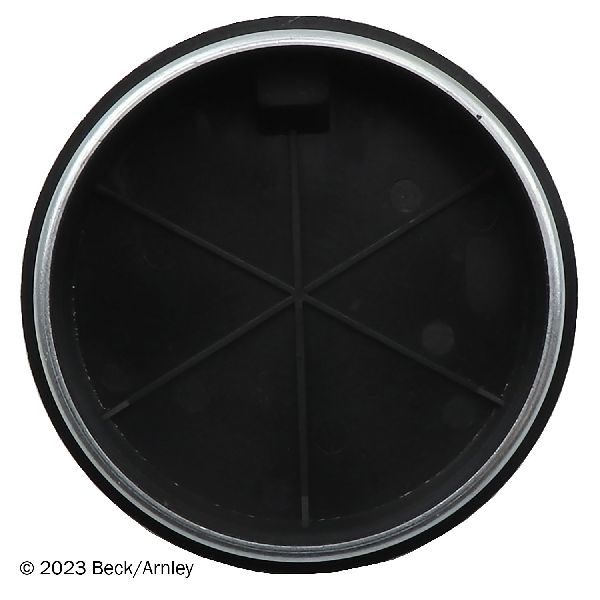
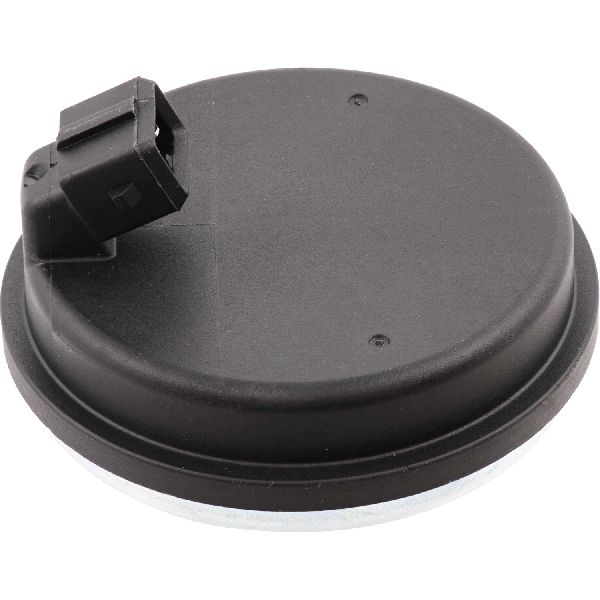
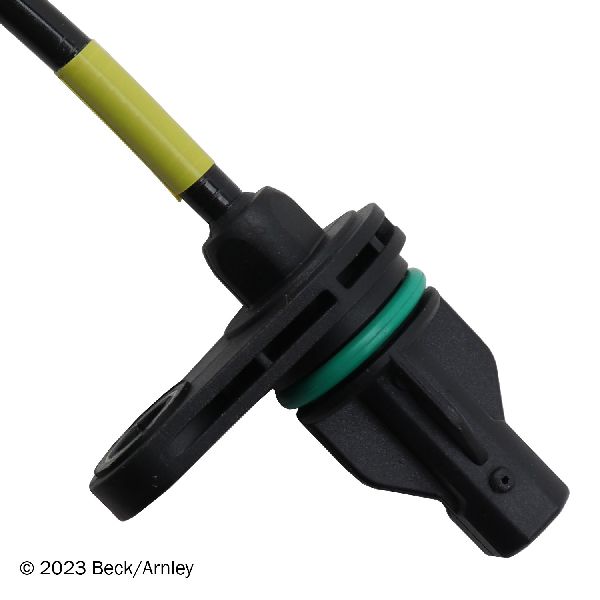
- Front Right ABS Wheel Speed Sensor
(OEM #95671-D3000)— This is the most common failure point for the C0040 code. It is a sensitive electronic component exposed to harsh elements.
Trusted brands: Hyundai (OEM), Kia (OEM), Mando, Beck Arnley, Holstein, NTK/NGK
OEM price range: $70-$120
Aftermarket price range: $40-$80
Technical Service Bulletins (TSBs) & Recalls
- While no TSBs directly address code C0040 specifically, Hyundai has issued related service bulletins for other models regarding wheel speed sensor issues. For example, TSB 17-01-009-2 for the Santa Fe noted that saltwater could enter the rear sensor housing and disrupt the signal, requiring a new cap or silicone spray application. This highlights the sensor's vulnerability to environmental factors.
Real Owner Repair Stories
While C0040 is typically a sensor issue on the Tucson, records from other manufacturers show how this code can manifest. For instance, NHTSA ODI #10629708 describes a situation where a technician found the right front hub was dropping the signal, requiring a full hub replacement to resolve the C0040 code. In another case, NHTSA ODI #10440851 reports a vehicle displaying both C0035 and C0040 simultaneously, identifying them as circuit malfunctions for the front wheel speed sensors. It is also important to note that on some platforms, this code can be interpreted differently; NHTSA ODI #11645269 and NHTSA ODI #11191073 both mention C0040 in relation to a "brake lamp switch failure stuck" or "brake switch stuck on," though this is less common for the Tucson platform. Additionally, NHTSA ODI #11228687 highlights a case where C0040 appeared alongside a long list of other communication and suspension codes (including C0035 and C0050), suggesting a broader electrical or module-related failure.
Platform-Specific Known Issues
- A major recall was issued for the ABS module on 2016-2021 Hyundai Tucsons due to a risk of an electrical short circuit, which could potentially cause a fire even when the vehicle is parked. The recall is identified as NHTSA campaign number 20V-520 (Hyundai recall 194), which was later superseded by 21V-303. Owners are advised to check with a Hyundai dealer to ensure this critical safety recall has been performed.
Diagnostic Flowchart
Other Known Issues on This Vehicle
Issues unrelated to this code that are worth knowing about as an owner of this generation:
- Dual-Clutch Transmission (DCT) Hesitation and Failure 🔴 High — Very common, especially on 2016-2018 models with the 1.6L Turbo engine. Owners report hesitation/stumbling from a stop, jerky shifting, and in some cases, complete failure to engage gears. (Ref: Multiple TSBs (e.g., 16-01-058, 20-AT-025H) and a recall (NHTSA 16V628000) were issued to reprogram the Transmission Control Module (TCM).)
- Engine Failure and Excessive Oil Consumption 🔴 High — Widespread complaints across multiple engine types (1.6T, 2.0L, 2.4L) for issues including sudden engine failure, knocking, and high oil consumption, sometimes leading to engine seizure. (Ref: Multiple engine-related recalls have been issued for Hyundai vehicles of this era, including for connecting rod bearing wear. A knock sensor detection system was implemented as a fix in some campaigns.)
- ABS Module Fire Risk 🔴 High → Shop ABS Control Module — Affects a large number of 2016-2021 models. An internal short circuit in the ABS module can cause a fire, even when the vehicle is parked and turned off. (Ref: NHTSA Recall 20V-520 (superseded by 21V-303) and 20V-543 for later models.)
Related OBD-II Codes
Frequently Asked Questions
Is there a safety recall for the ABS system on my 2016-2021 Hyundai Tucson?
Can I use parts from a Kia Sportage to fix the C0040 code on my Tucson?
Why is my speedometer acting erratic along with the ABS light?
Does environmental exposure affect the wheel speed sensors on this model?
What is the estimated cost to replace the right front wheel speed sensor on a Tucson?
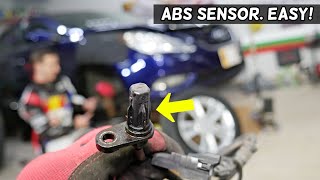
Helpful Videos
We Have This Part in Stock


The information in this article is provided for general reference and educational purposes only. Vehicle specifications, procedures, and part compatibility can vary by production date, trim level, and region. Always consult your vehicle's factory service manual and verify part numbers before purchasing or performing repairs. Safety-critical components such as airbags, seat belts, and braking systems should be installed by a qualified professional.
- Hyundai Tucson:
- 🧭 Diagnostic Flowchart
- 🎬 Helpful Videos
- 🛍️ Shop This Part
- What's Unique About the 2016-2021 Hyundai Tucson
- Symptoms You May Notice
- Most Likely Causes
- Rare But Worth Checking
- Diagnosis Steps
- Parts You'll Likely Need
- Technical Service Bulletins (TSBs) & Recalls
- Real Owner Repair Stories
- Platform-Specific Known Issues
- Other Known Issues on This Vehicle
- Related OBD-II Codes
- Frequently Asked Questions
- 🎟️ Get 5% Off