

C0045 on 2017-2022 Kia Sportage: Left Rear Wheel Speed Sensor Circuit Causes and Fixes
Code C0045 on a 2017-2022 Kia Sportage indicates a fault with the left rear wheel speed sensor circuit. This usually means the sensor itself has failed, its wiring is damaged, or the connector is corroded. Expect to pay $25-$80 for an aftermarket sensor or $100-$175 for an OEM part. Before replacing parts, inspect the wiring harness for damage, as this is a very common failure point.
- Code C0045 on a 2017-2022 Sportage means the ABS and traction control systems are off due to a fault in the left rear wheel speed sensor circuit.
- The most likely fix is replacing the left rear wheel speed sensor, which is a manageable DIY job for those with basic tools.
- Before buying parts, visually inspect the sensor's wiring and connector for obvious damage, as this is a common and cheaper fix.
- Use a scan tool with live data to confirm the left rear wheel is the one not reporting speed before starting repairs.
- Do not drive aggressively or in poor weather conditions, as the vehicle's key safety systems for braking and stability are inactive.
What's Unique About the 2017-2022 Kia Sportage
On the fourth-generation Kia Sportage (2017-2022), the C0045 code is a straightforward wheel speed sensor circuit fault. Unlike some other manufacturers where this code can indicate complex module communication errors, on the Sportage, the issue is almost always localized to the left rear wheel's sensor, its wiring, or the wheel hub assembly. The sensor and its wiring are exposed to road debris, water, and salt, making them the most common points of failure. It is critical to note that this vehicle generation is subject to a major recall (NHTSA Campaign 21V-137) for the Hydraulic Electronic Control Unit (HECU), which is the ABS control module, due to a fire risk from internal short-circuiting. While this may not directly set a C0045 code, it highlights a known vulnerability in the ABS module itself.
Symptoms You May Notice
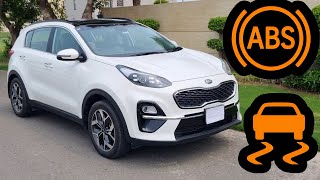
- ABS warning light illuminated on the dashboard.
- Traction Control or Electronic Stability Control (ESC) warning light is on.
- ABS and traction control systems are disabled.
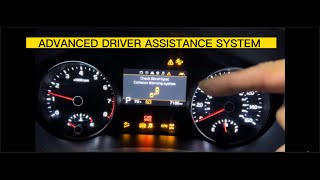
- In some cases, other driver-assist system warnings (like ADAS) may appear, as they rely on wheel speed data.
- Cruise control may be disabled.
- Replacing the wheel speed sensor without first inspecting the wiring harness and connector for damage or corrosion.
- Replacing the ABS control module before thoroughly testing the sensor circuit and hub assembly.
- Replacing the wheel hub/bearing when the issue is simply a bad sensor or wiring.
Most Likely Causes
- Failed Left Rear Wheel Speed Sensor 🔴 High Probability → Shop ABS Wheel Speed Sensor The sensor is located in a harsh environment at the wheel hub, exposed to heat, moisture, road salt, and vibrations that lead to internal failure over time. This is the most frequently replaced part for this code.
How to confirm: Use a scan tool with live data to observe the wheel speed from all four sensors while driving or spinning the wheel. If the left rear sensor reads 0 MPH or shows an erratic signal while the others report speed, the sensor is likely bad.
Typical fix: Replace the left rear wheel speed sensor. This typically involves removing one bolt and unplugging the electrical connector, which may be located inside the cabin, requiring removal of some interior trim.
Est. part cost: $25-$80 - Damaged Wiring or Corroded Connector 🟡 Medium Probability The wiring harness runs along the suspension and chassis, where it can be damaged by road debris, improper servicing, or chafing against components. The connector pins are highly susceptible to water intrusion and corrosion, especially in regions that use road salt.
How to confirm: Visually inspect the entire length of the sensor's wiring harness for any breaks, chafing, or melted sections. Unplug the connector and check for bent, broken, or corroded pins. Wiggle the harness while monitoring live data on a scan tool to see if the signal cuts in and out, indicating an intermittent connection.
Typical fix: Repair the damaged section of wire or replace the pigtail connector. In severe cases, the entire sensor harness may need replacement.
Est. part cost: $15-$50 - Damaged or Debris-Covered Magnetic Tone Ring ⚪ Low Probability On the Sportage, the tone ring is a magnetic encoder integrated into the wheel hub/bearing assembly. An accumulation of metallic debris (from brake dust or bearing wear) or damage to the hub from a failing wheel bearing can disrupt the sensor's reading.
How to confirm: After removing the wheel speed sensor, inspect the magnetic ring on the wheel hub for cracks, damage, or a heavy buildup of metallic shavings. Also, check for excessive play in the wheel bearing by trying to rock the wheel.
Typical fix: The magnetic ring is not serviced separately. The entire wheel hub and bearing assembly must be replaced.
Est. part cost: $100-$250
Rare But Worth Checking
- Faulty ABS Control Module (HECU): → Shop ABS Control Module This is the least likely cause and should only be considered after the sensor, wiring, and wheel hub have been definitively ruled out. It is an expensive part and requires programming. However, this generation of Sportage is under a recall (NHTSA 21V-137) for HECU failures that can cause a fire, indicating a known weakness in this component.
Diagnosis Steps
- Connect an OBD-II scanner capable of reading ABS codes to confirm C0045 is the active fault.
- Use the scanner's live data function to monitor the speed of all four wheels while driving or spinning the wheels with the vehicle safely on jack stands. Confirm that the left rear wheel is not reporting speed or is reporting erratically.
- Perform a thorough visual inspection of the left rear wheel speed sensor, its connector, and the wiring harness leading back to the main chassis harness. Look for any signs of physical damage, corrosion, or loose connections.
- While monitoring live data, carefully wiggle the wiring harness at several points between the sensor and where it enters the body to check for intermittent opens or shorts.
- If the visual inspection reveals no issues, disconnect the sensor and use a multimeter to check for reference voltage and ground at the connector (these are active sensors). Compare readings to manufacturer specifications.
- If the sensor and wiring test good, remove the sensor and inspect the magnetic encoder ring on the wheel hub for damage or debris.
- Check for any open recalls on your vehicle's VIN, specifically NHTSA campaign 21V-137 related to the HECU (ABS module) fire risk.
- If a new sensor does not resolve the code, and wiring is confirmed to be good, the fault may lie in the wiring harness further upstream or, in rare cases, the ABS control module.
Parts You'll Likely Need
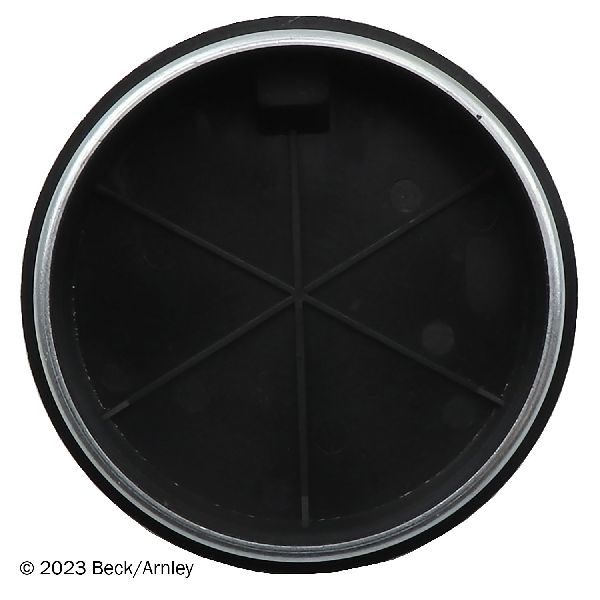
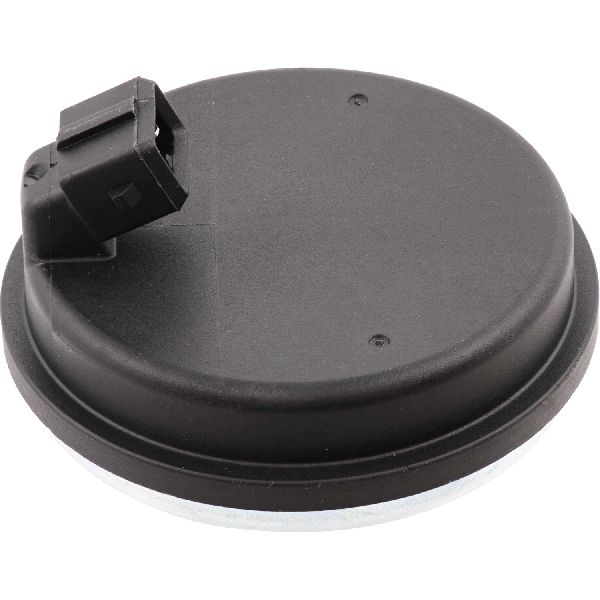
- Left Rear ABS Wheel Speed Sensor
(OEM #95680-D9000)— This is the most common failure point for code C0045 due to its exposure to the elements and constant vibration. Multiple OEM parts suppliers confirm this part number for the 2017-2022 Sportage.
Trusted brands: Kia (Genuine OEM), Mando, Delphi, Beck/Arnley, Standard Motor Products (SMP), Febi
OEM price range: $100-$175
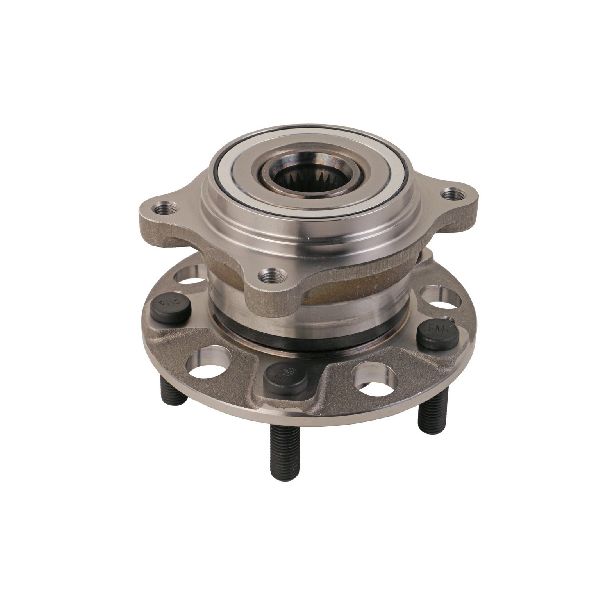
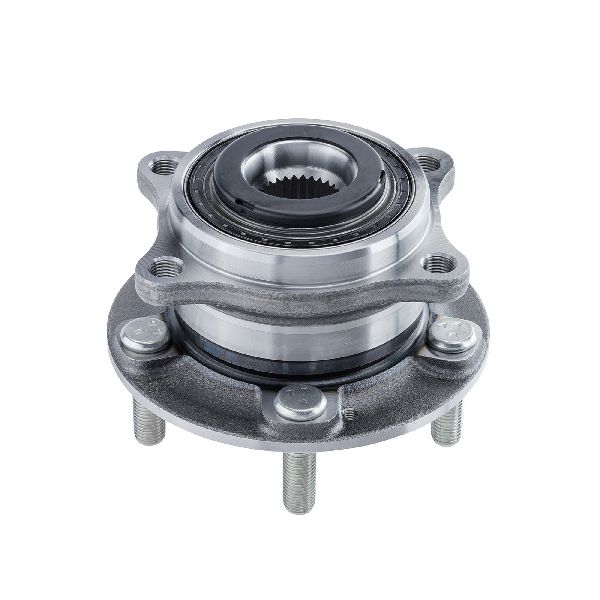
Aftermarket price range: $25-$80 - Rear Wheel Hub and Bearing Assembly
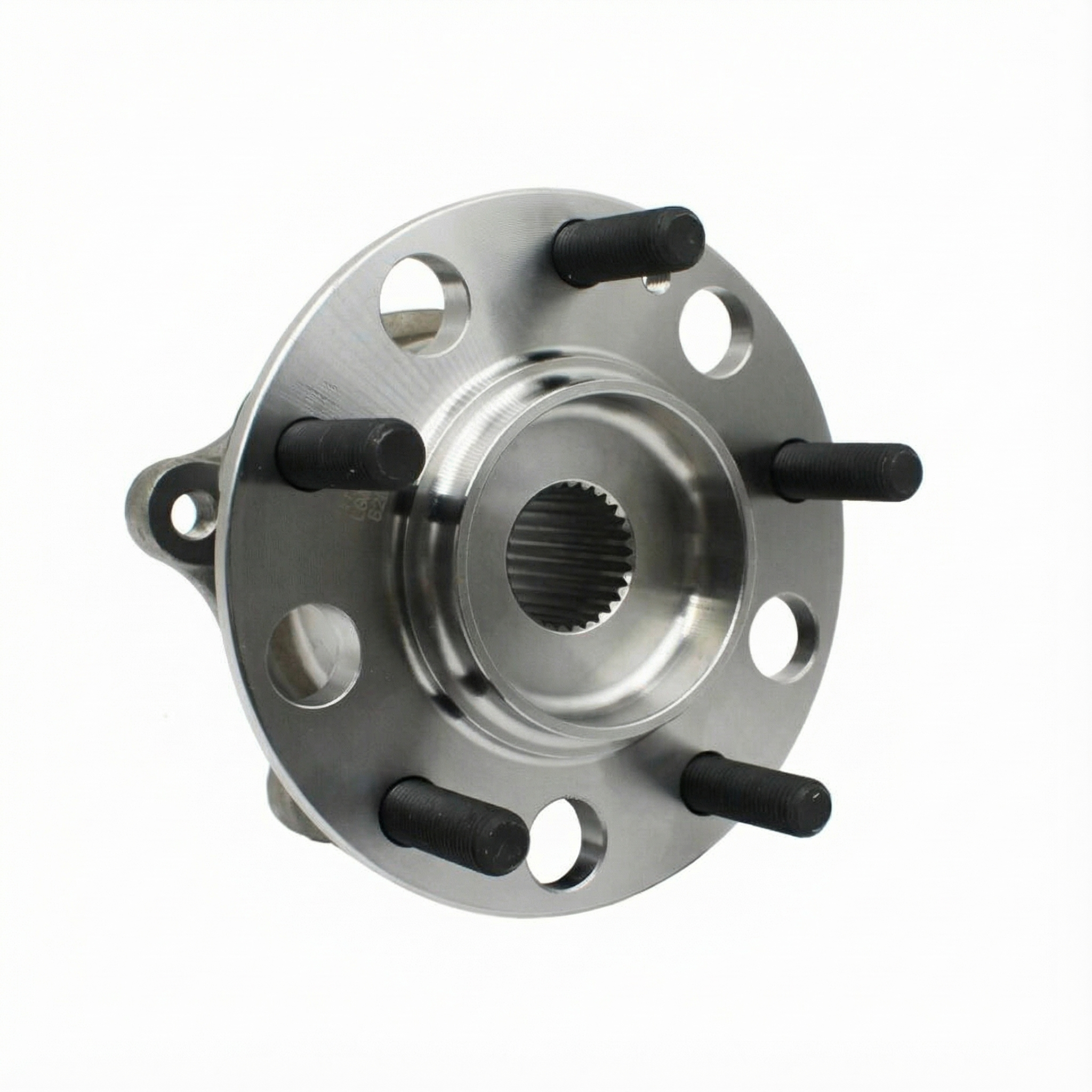
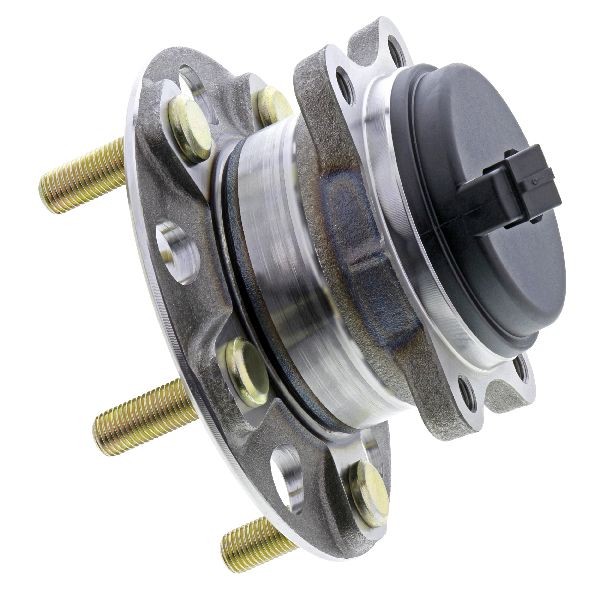
(OEM #52730-N9100)— This part is replaced if the integrated magnetic tone ring is damaged or if the bearing has failed, causing an incorrect sensor reading.
Trusted brands: Kia (Genuine OEM), Febi, Duralast, Timken, MOOG
OEM price range: $150-$250
Aftermarket price range: $80-$150
Related Codes That Often Appear With This One
- C0046 — This code indicates an erratic signal from the same sensor, often pointing towards a damaged tone ring or a failing wheel bearing causing excessive play, rather than a complete circuit failure.
- C0050 — This is the code for the right rear wheel speed sensor. Seeing C0045 and C0050 together strongly suggests a problem common to both rear wheels, such as a wiring harness issue where the two circuits meet, a shared ground fault, or a problem with the ABS module itself.
- U0415 — Means 'Invalid Data Received From Electronic Brake Control Module'. This code may be set in other vehicle modules (like power steering or the ECU) as a direct result of C0045, because the ABS module is broadcasting that its wheel speed data is unreliable.
Technical Service Bulletins (TSBs) & Recalls
- NHTSA Campaign ID: 21V137000 (Kia Recall SC206) - Title: Hydraulic Electronic Control Unit (HECU) May Short Circuit. Description: An electrical short in the HECU can cause an engine compartment fire. The remedy involves replacing fuses in the junction box and, if necessary, replacing the HECU. This is a critical safety recall for the ABS system.
Platform-Specific Known Issues
- This generation of Sportage is part of NHTSA recall 21V-137, which involves a risk of fire from an electrical short within the Hydraulic Electronic Control Unit (HECU), the main component of the ABS. While this may not directly cause a C0045 code, it points to a known vulnerability in the system's control module.
Mechanic-Grade Diagnostic Values
- Active Wheel Speed Sensor Reference Voltage — expected: 5V or 12V DC. Failure: A missing reference voltage points to a wiring or ABS module issue, not a sensor failure.
- Active Wheel Speed Sensor Signal Output — expected: Pulsing DC square wave. Failure: A missing or erratic signal when the wheel is spun (with good reference voltage present) indicates a failed sensor.
- Passive Wheel Speed Sensor Resistance (for general reference, not this specific vehicle) — expected: 800 - 1500 Ohms. Failure: A reading of zero or infinite resistance indicates a failed sensor. Note: The 2017-2022 Sportage uses active sensors, so this test is not applicable, but it is a common test for other vehicles.
Scan Tool Commands That Help
- Advanced OBD-II Scanner (e.g., Autel, Foxwell): Live Data Graphing — Use this to view the wheel speed signals from all four sensors simultaneously while driving or spinning the wheels. A dropout, erratic reading, or zero MPH reading from the left rear sensor confirms the location of the fault.
- Kia GDS (Global Diagnostic System): HECU Self-Test — After ruling out the sensor, wiring, and tone ring, this dealer-level command can be used to check the internal health of the ABS control module (HECU) itself.
Wiring & Ground Locations
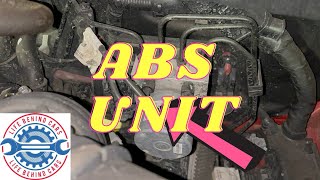
- HECU (ABS Module) — Under the hood, in the engine bay, located behind the air filter box. It is a metal block with multiple brake lines and a large electrical connector.. This is the control module that receives the signal from the wheel speed sensor. All circuit tests ultimately lead back to this module's connector.
- ABS Fuses — In the engine compartment fuse box. There is one 10-amp fuse and two 25-amp fuses related to the ABS system for this generation.. A blown fuse will disable the entire ABS system. While not a specific cause for a single sensor code, it's a primary check for any ABS light issue.
- Rear Sensor Harness Connector — The harness from the rear wheel speed sensor routes through the body and connects to the main vehicle harness under the rear seat cushion.. This is a key connection point to test. A corroded or loose connection here can cause the C0045 code. Technicians need to know to lift the rear seat for access.
Real Owner Repair Stories
- YouTube channel 'unaffiliated mechanic' (Kia Sportage (year not specified, but similar generation)) — Intermittent ABS light, fault code for driver's front wheel speed sensor.
❌ Tried (didn't work) The technician did not replace any parts before diagnosis.
✅ What actually fixed it The ABS reluctor ring on the CV axle had swollen with rust underneath, cracked, and was providing an inconsistent signal. The sensor itself was good. The fix was to replace the rusted/split reluctor ring on the driveshaft. - YouTube channel 'How to diagnose' (2020 Kia Sportage) — Multiple warning lights on the dash including ABS, Blind Spot, Smart Cruise Control, and TPMS.
❌ Tried (didn't work) A full system scan showed numerous communication and sensor errors across multiple modules.
✅ What actually fixed it The technician identified an open circuit in the wiring to one of the wheel speed sensors. After repairing the wire, all the associated ADAS and system communication codes were resolved, demonstrating how a single wheel speed sensor fault can cascade into many other system warnings.
Documented NHTSA Reports
- NHTSA ODI #11219167: An owner reported an ABS stability code (C0045) caused by a broken left rear wheel speed sensor encoder ring. The repair required replacing both the speed sensor and the rear hub assembly.
- NHTSA ODI #11165895: A report describes a service center identifying code C0045 and recommending the replacement of the left rear hub bearing assembly to resolve intermittent warning lights.
- NHTSA ODI #10382746: In a cross-manufacturer instance, a vehicle experienced a series of codes including C0045, C0057, C0231, C0232, and C0282, which the manufacturer initially addressed by erasing codes and reprogramming software.
- NHTSA ODI #11399819: A report noted the presence of code C0045 alongside fuel system codes P0463 and P069E, illustrating how this fault can sometimes appear in conjunction with unrelated electronic issues.
OEM Part Supersession History
95680-D9000→N/A— This part number appears to be current and fits the entire 2017-2022 generation for the left rear position.
Model Year Variations Within This Range
- 2020-2022: The Kia Sportage received a facelift for the 2020 model year, which included revised front and rear styling, a standard 8-inch touchscreen, and additional driver-assistance features. However, the underlying powertrain, chassis, and ABS hardware (including the wheel speed sensors and HECU) remained fundamentally the same, meaning the causes and fixes for C0045 are consistent across the 2017-2022 range.
Diagnostic Flowchart
Other Known Issues on This Vehicle
Issues unrelated to this code that are worth knowing about as an owner of this generation:
- Theta II GDI Engine Failure & Fire Risk 🔴 High — Widespread across multiple model years, leading to a massive class-action settlement. Can occur at various mileages, often preceded by knocking noises and high oil consumption. (Ref: Multiple recalls and a class-action settlement providing lifetime warranties and a Knock Sensor Detection System (KSDS) software update.)
- HECU (ABS Module) Fire Risk 🔴 High — Common enough to trigger a major NHTSA safety recall (21V-137) affecting over 379,000 vehicles. The defect can cause a fire even when the vehicle is parked and turned off. (Ref: NHTSA Campaign ID 21V137000 / Kia Recall SC206.)
- Excessive Oil Consumption 🟠 Medium — Frequently reported, especially on the 2.4L GDI engine. Can begin after 60,000 miles and may be a precursor to more serious engine wear and failure. (Ref: Related to the broader Theta II engine issues and settlement. Dealers may perform an oil consumption test.)
- Tow Hitch Wiring Harness Fire Risk 🟠 Medium — Affects vehicles with the factory or dealer-installed tow hitch harness. Moisture and debris can short the module's circuit board, causing a fire. (Ref: NHTSA Campaign ID 22V703000.)
- Transmission Shifting Issues 🟡 Low → Shop Transmission Assembly — Some owners report rough or delayed shifting from the automatic transmission. Often not a mechanical failure. (Ref: In some cases, this can be resolved with a software update or recalibration from the dealer, as mentioned in some Technical Service Bulletins.)
- Minor Electrical Glitches 🟡 Low — Intermittent issues with the infotainment screen freezing, backup camera failing, or other non-critical sensor faults are reported by some owners.
Used vs. New Parts: Buying Guide for This Vehicle
When a used part is the smart pick: For this repair, using used parts is generally not recommended for the primary components. However, a used wiring harness pigtail from a junkyard could be a viable option if the connector is damaged and a new pigtail is not readily available. The wheel hub assembly could be sourced used, but it's a significant risk.
Donor-vehicle mileage cap: roughly under 50000 miles for the part to have meaningful remaining life.
What to inspect on the donor part:
- For a wiring pigtail: Ensure the locking tab is intact, there is no visible corrosion on the pins, and there are several inches of wire to work with.
- For a hub assembly: Spin the bearing by hand to check for smoothness and listen for noise. Check for any visible damage to the magnetic encoder ring. Avoid parts from vehicles in high-salt regions.
OEM-only on this vehicle (don't cheap out):
- While not strictly required, using a Genuine Kia or OEM-supplier (like Mando) wheel speed sensor is highly recommended for fitment and longevity. The cost difference is often minimal compared to the labor of a potential re-do.
Aftermarket brands forum-validated for this vehicle:
- Delphi
- Standard Motor Products (SMP)
- Beck/Arnley
- MOOG (for hub assemblies)
Brands owners have reported issues with on this vehicle:
- Unbranded, 'white-box' sensors from online marketplaces are a gamble. They often have a high failure rate or may not produce a clean signal, leading to persistent issues.
Real Owner Stories
Aggregated from forums and TSBs cited above. Mileages and costs reflect what owners reported in those sources.
2011 Hyundai Tucson (Platform Mate)
Symptoms: ABS light on; wiring harness routes into the cabin behind interior trim panels.
What fixed it: Full replacement of the rear ABS sensor and routing the new wiring harness into the cabin.
Source hint: YouTube: How To Replace Rear ABS Sensor - 2011 Hyundai Tucson iX35
Kia Sportage
Symptoms: ABS Light ON.
What fixed it: Diagnostic confirmed a Rear Wheel Speed Sensor Fault using live data on a scan tool.
Source hint: YouTube: Kia Sportage ABS Light ON? Rear Wheel Speed Sensor Fault Fixed!
Related OBD-II Codes
Frequently Asked Questions
Is there a recall for the ABS system on my 2017-2022 Kia Sportage that might be related to code C0045?
Why is my cruise control and ADAS system disabled along with the ABS light?
Can I just replace the magnetic tone ring if it's dirty or damaged?
Where is the electrical connector for the rear wheel speed sensor located?
Does the Hyundai Tucson suffer from the same C0045 issue as my Sportage?
Helpful Videos
Used OEM Parts in Stock
New Aftermarket Parts Available


The information in this article is provided for general reference and educational purposes only. Vehicle specifications, procedures, and part compatibility can vary by production date, trim level, and region. Always consult your vehicle's factory service manual and verify part numbers before purchasing or performing repairs. Safety-critical components such as airbags, seat belts, and braking systems should be installed by a qualified professional.
- Kia Sportage:
- 🧭 Diagnostic Flowchart
- 🎬 Helpful Videos
- 🛍️ Shop This Part
- What's Unique About the 2017-2022 Kia Sportage
- Symptoms You May Notice
- Most Likely Causes
- Rare But Worth Checking
- Diagnosis Steps
- Parts You'll Likely Need
- Related Codes That Often Appear With This One
- Technical Service Bulletins (TSBs) & Recalls
- Platform-Specific Known Issues
- Mechanic-Grade Diagnostic Values
- Scan Tool Commands That Help
- Wiring & Ground Locations
- Real Owner Repair Stories
- Documented NHTSA Reports
- OEM Part Supersession History
- Model Year Variations Within This Range
- Other Known Issues on This Vehicle
- Used vs. New Parts: Buying Guide for This Vehicle
- Real Owner Stories
- 2011 Hyundai Tucson (Platform Mate)
- Kia Sportage
- Related OBD-II Codes
- Frequently Asked Questions
- 🎟️ Get 5% Off