

C0050 on 2011-2023 Chrysler 300: Right Rear Wheel Speed Sensor Fault Causes and Fixes
Code C0050 on a Chrysler 300 means there is a fault in the right rear wheel speed sensor circuit, disabling ABS and stability control. The most common fix is replacing the sensor itself or repairing the wiring harness right behind the wheel. Expect to pay $20-$70 for a new sensor.
- C0050 means your Chrysler 300's ABS and stability control are off because of a problem with the right rear wheel speed sensor circuit. The most likely culprits are the sensor itself, the wiring near the wheel, or the magnetic ring on the hub.
- Diagnosis requires a capable scanner to read live wheel speed data. Visually inspecting the wiring and the magnetic ring on the hub is critical before replacing parts.
- The sensor often seizes in the knuckle and can break during removal, complicating the repair.
- While you can drive the car, safety is compromised. The ABS and stability control will not function in an emergency.
What's Unique About the 2011-2023 Chrysler 300
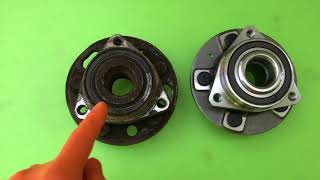
On Chrysler's LD platform (300, Charger, Challenger), the C0050 code is a very common fault. Technicians and owners frequently find that the wiring harness fails within a few inches of the sensor connector due to constant exposure and suspension movement, causing an open or short circuit. Additionally, the sensor itself is known to seize in the steering knuckle due to rust, often breaking during removal and requiring it to be drilled out. Finally, for this generation (2011+), the magnetic encoder ring is integrated into the wheel hub bearing assembly. This ring can become brittle, rust, and flake apart, or get covered in metallic debris, causing signal issues that can be misdiagnosed as a bad sensor.
Symptoms You May Notice
- ABS warning light is on
- Traction Control or Electronic Stability Control (ESC) warning light is on
- Cruise control is disabled or inoperative
- ABS system does not activate during hard braking (wheels may lock up)
- Traction control does not activate during acceleration on slippery surfaces (wheels may spin)
- On AWD models, the "AWD OFF" or "Service AWD" light may illuminate.
- In some rare cases, issues with the electronic shifter or transmission behavior have been anecdotally linked to ABS faults.
- Replacing the wheel speed sensor when the actual problem is a broken wire a few inches away from the connector.
- Replacing the wheel speed sensor when the actual problem is a cracked or flaking magnetic ring on the wheel hub assembly.
Most Likely Causes
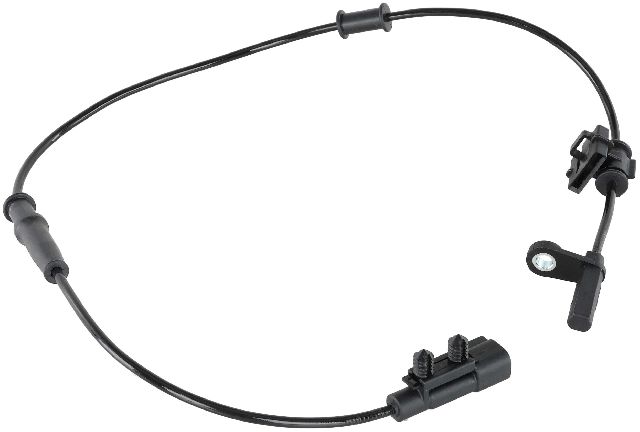
- Failed Right Rear Wheel Speed Sensor 🔴 High Probability → Shop ABS Wheel Speed Sensor The sensor is exposed to harsh conditions like water, road salt, and debris, leading to internal failure over time. They are also known to seize in the knuckle, often breaking upon removal.
How to confirm: Using a scan tool with live data, observe the speed reading from the right rear sensor while driving. If it reads 0 MPH or is erratic while other wheels show speed, the sensor is likely bad.
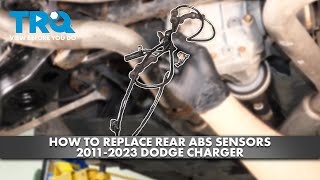
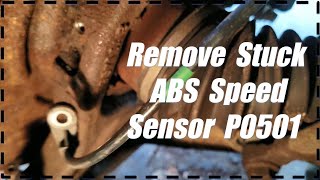
Typical fix: Replace the right rear wheel speed sensor. The sensor is typically held in by a single 10mm bolt. 🎬 Watch this step-by-step guide on replacing the rear ABS sensor. If seized, the old sensor may need to be carefully drilled or chiseled out. 🎬 See how to safely remove a stubborn, seized wheel speed sensor.
Est. part cost: $20-$70 - Damaged Wiring or Connector 🟡 Medium Probability The wiring harness leading to the sensor is subject to stress from suspension travel and can become frayed, corroded, or broken, especially within 12 inches of the connector. 🎬 Watch why these wiring harnesses fail and how to find breaks. Sometimes the break is internal to the wire's insulation and not visible.
How to confirm: Visually inspect the wiring harness for about 12 inches from the sensor. Look for chafing, breaks, or green/white corrosion inside the connector pins. Perform a continuity test on the wires between the sensor connector and the main harness connection. Gently tug on the wires near the connector; if the wire stretches, it may be broken inside.
Typical fix: Repair the broken wire(s) using solder and heat-shrink tubing or replace the pigtail connector. Ensure the repair is sealed against moisture.
Est. part cost: $15-$40 - Damaged or Debris-Covered Magnetic Hub Ring ⚪ Low Probability The magnetic encoder ring, which is integrated into the wheel hub assembly on this generation, can crack, flake apart, or get covered in metallic debris from rust, leading to an incorrect signal.
How to confirm: Remove the wheel speed sensor and visually inspect the magnetic ring on the face of the wheel hub. Look for cracks, missing chunks, or a heavy buildup of rust or metallic dust.
Typical fix: If the magnetic ring is damaged, the entire wheel hub bearing assembly must be replaced.
Est. part cost: $100-$250
Rare But Worth Checking
- Faulty ABS Control Module: → Shop ABS Control Module This is very rare. All other possibilities, including the sensor, wiring, and hub, should be exhaustively ruled out before considering the ABS module as the cause.
Diagnosis Steps
- Connect an OBD-II scanner capable of reading ABS codes to confirm C0050 is present. Check for any sub-codes (e.g., C0050-18, C0050-5A) which can provide more detail.
- Access the live data stream for the wheel speed sensors.
- Safely drive the vehicle above 10 MPH and observe the readings from all four wheels. Confirm that the Right Rear (RR) sensor reads 0 MPH, is erratic, or lags significantly behind the others.
- Raise and secure the rear of the vehicle. Remove the right rear wheel.
- Visually inspect the wheel speed sensor and its wiring harness for any obvious signs of damage, such as cracks, fraying, or melting. Pay close attention to the first 12 inches of wire from the sensor.
- Disconnect the sensor and inspect the electrical connector for corrosion or bent pins.
- If the wiring looks good, remove the single 10mm bolt holding the sensor in place. The sensor may be seized and require significant effort to remove.
- With the sensor removed, use a flashlight to inspect the magnetic encoder ring on the face of the wheel hub. Check for cracks, missing pieces, or heavy debris.
- If visual inspection is clear, test the sensor circuit. These are active sensors. Back-probe the sensor connector with it plugged in and the key ON. Check for a power supply voltage (approx. 10-12V) and a signal voltage (approx. 1.6V). Using an oscilloscope, spin the wheel; a good sensor will produce a clean square wave.
- If the sensor and hub ring are good, test the wiring harness for continuity between the sensor connector and the ABS module connector. A wiring diagram is essential for this step.
Parts You'll Likely Need
- Right Rear Wheel Speed Sensor — This is the most frequent point of failure for this code due to its exposed location and electronic nature.
Trusted brands: Mopar, Bosch, Delphi, NTK
OEM price range: $50-$90
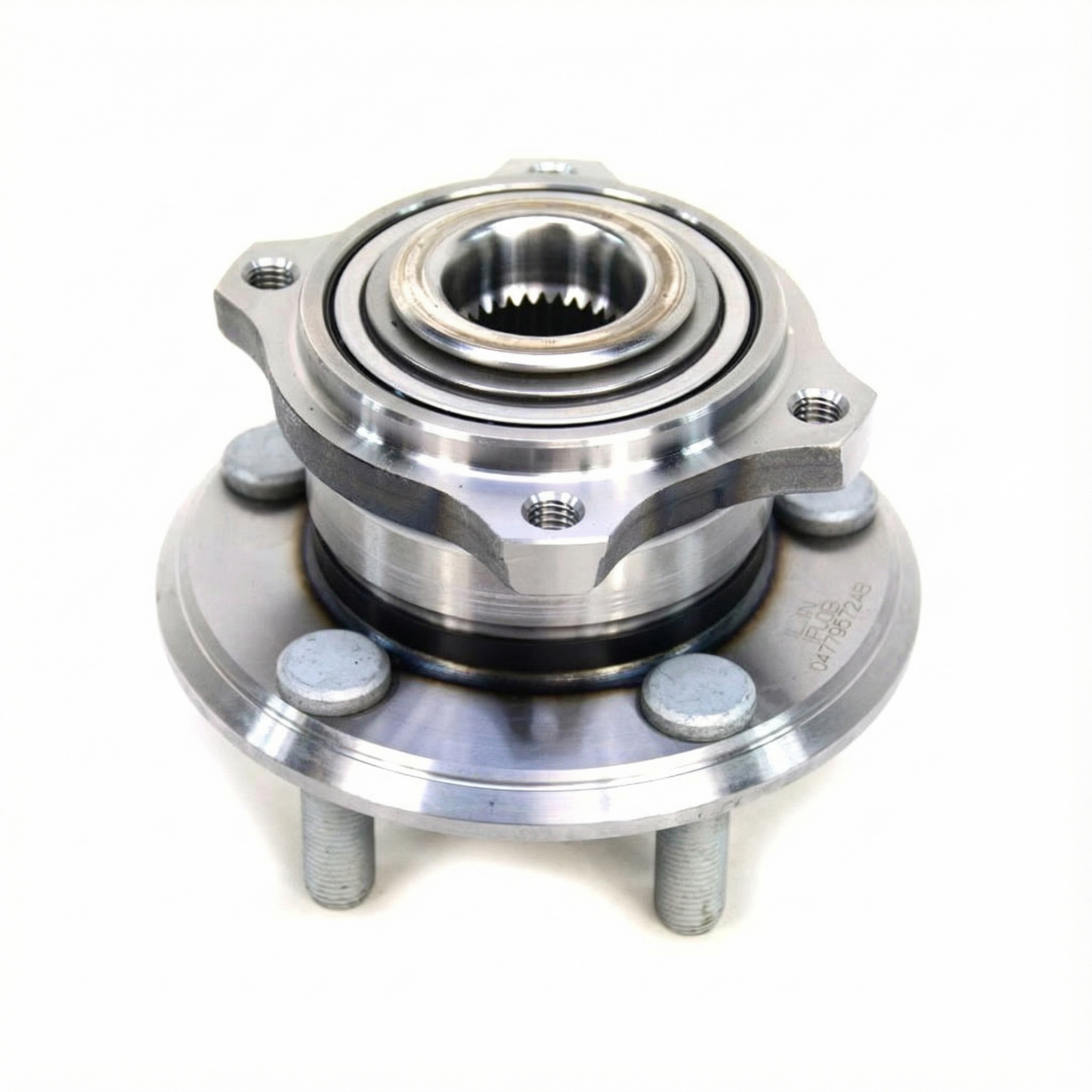
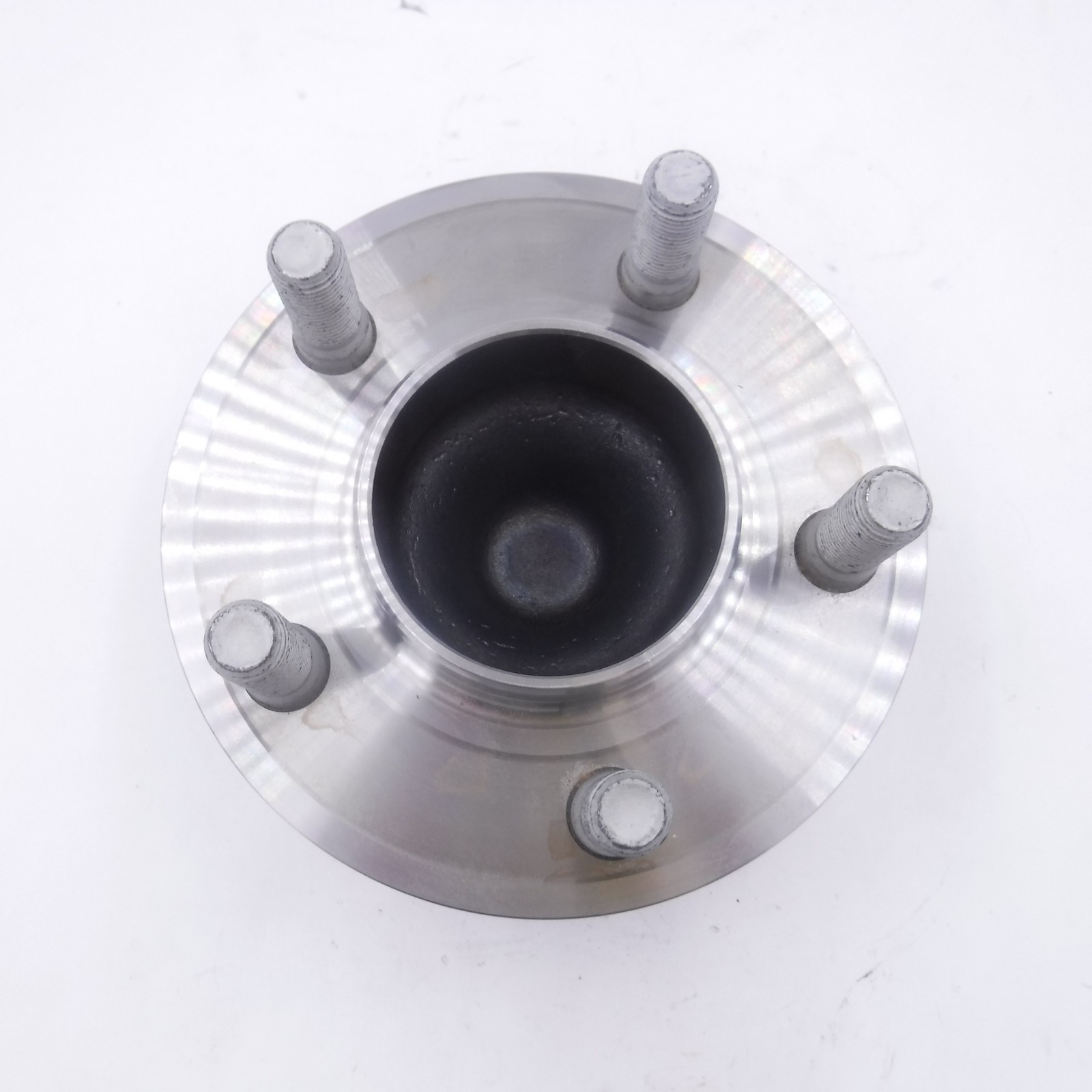
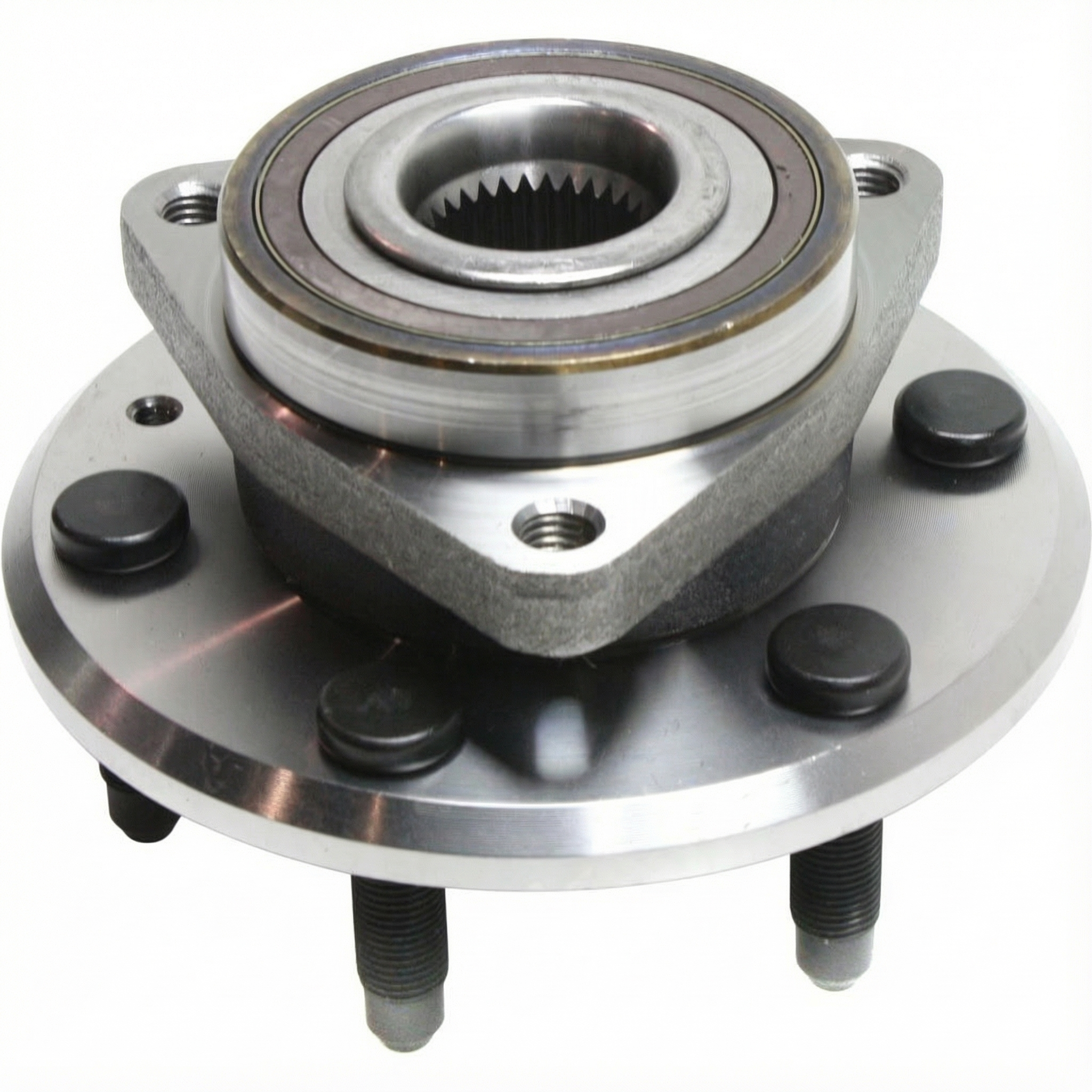
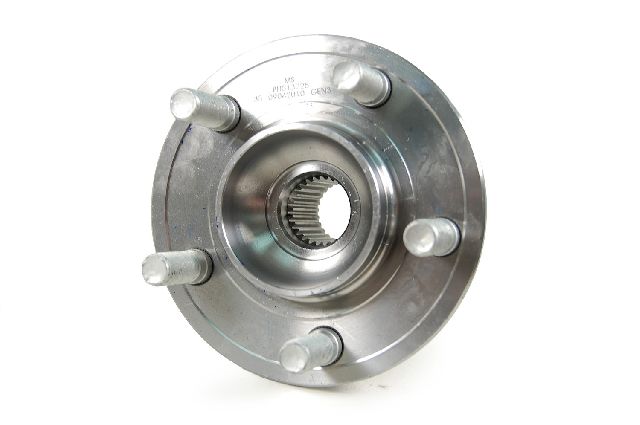
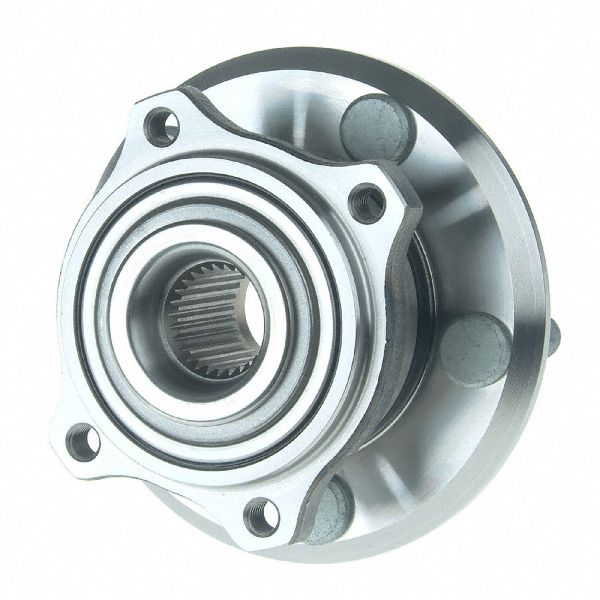
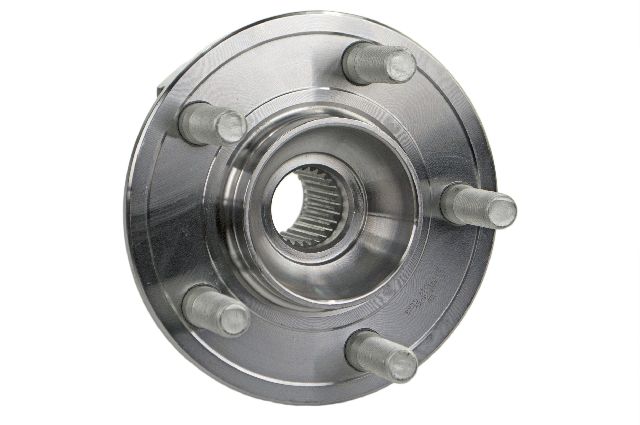
Aftermarket price range: $20-$70 - Rear Wheel Hub Bearing Assembly — This part is replaced if the integrated magnetic tone ring is found to be cracked, broken, or delaminated, which prevents the sensor from getting a correct reading. On 2011+ models, the ring is not serviced separately from the hub.
Trusted brands: Mopar, Timken, SKF, MOOG
OEM price range: $180-$300
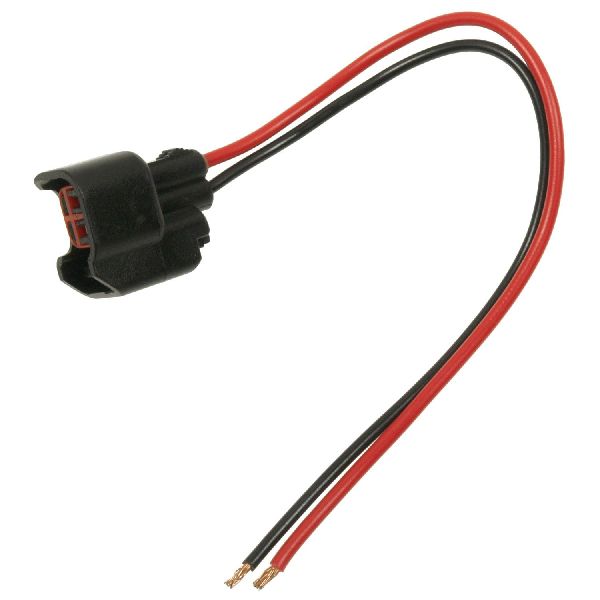
Aftermarket price range: $100-$250 - ABS Sensor Pigtail Connector — If the wiring is broken or corroded at the connector, replacing the pigtail is often the easiest and most reliable repair.
Trusted brands: Mopar, Standard Motor Products, AC Delco, Wells
OEM price range: $30-$50
Aftermarket price range: $15-$40
Related Codes That Often Appear With This One
- C0035 — An owner reported this code appearing alongside C0050, C0040, and several communication codes (NHTSA ODI #11228687).
- C0037 — This is the identical fault but for the Left Rear wheel speed sensor circuit. It's not uncommon for sensors on both sides to fail around the same time due to age and exposure.
- C0040 — This is the identical fault but for the Right Front wheel speed sensor circuit.
- C003A — This code for 'Right Rear Wheel Speed Sensor Signal Erratic' often appears alongside C0050 and points to the same root causes, particularly a failing sensor or damaged tone ring.
- C2227 — In some cases, this code has been documented appearing with C0050 when the vehicle disables ABS and supporting systems (NHTSA ODI #11649367).
Technical Service Bulletins (TSBs) & Recalls
- Chrysler TSB (related models): Addresses erratic wheel speed sensor signals (C003A-2F, C0037-2F) when driving over rumble strips, recommending sensor replacement.
- Chrysler Tech Tip TT9004311: Instructs technicians to call a specific support line before replacing rear wheel speed sensors for erratic signal codes C003A or C0037, indicating a known issue requiring special attention.
Platform-Specific Known Issues
- Some owners report that certain aftermarket wheel speed sensors can cause the C0050 code to persist, even when new. Using an OEM Mopar sensor is often recommended to ensure compatibility.
- A Technical Service Bulletin (TSB) exists for some related models where driving over rumble strips can trigger erratic signal codes (C003A-2F, C0037-2F), with the fix being to replace the rear wheel speed sensors with an updated part.
- While C0050 typically refers to a wheel speed sensor on Chrysler vehicles, a cross-manufacturer report for a different make (NHTSA ODI #10763888) identifies C0050 as a faulty power steering control module (PSCM) requiring a steering column replacement; however, this does not apply to the Chrysler 300 platform.
Mechanic-Grade Diagnostic Values
- Active Wheel Speed Sensor Supply Voltage — expected: ~10.5 - 12 Volts. Failure: 0V or significantly low voltage indicates a wiring or ABS module issue.
- Active Wheel Speed Sensor Signal Wire Voltage (Static) — expected: ~1.6 Volts. Failure: 0V or a voltage matching the supply voltage indicates a faulty sensor or wiring short.
- Active Wheel Speed Sensor Signal (Dynamic) — expected: Clean square wave that increases in frequency as the wheel is spun.. Failure: A missing, flat-lined, or noisy/erratic waveform indicates a failed sensor or a damaged tone ring.
Hidden / Shadow Codes Worth Checking
- C0050-5A: Signal Plausibility Failure. The signal from the sensor is present but doesn't make sense when compared to other wheel speed sensors. This often points to a mechanical issue like a damaged or debris-covered magnetic tone ring on the hub. (see via Professional scan tool (like Mopar wiTECH) capable of reading manufacturer-specific symptom bytes.)
- C0050-18: Low Signal Amplitude. The signal from the sensor is too weak. This can be caused by an excessive air gap between the sensor and ring, heavy debris on the ring, or a failing sensor. (see via Professional scan tool (like Mopar wiTECH) capable of reading manufacturer-specific symptom bytes.)
- C0050-0F: Erratic Signal. The sensor signal is inconsistent or drops out intermittently. This strongly suggests a wiring fault, like a broken wire inside the insulation, or a loose connector. (see via Professional scan tool (like Mopar wiTECH) capable of reading manufacturer-specific symptom bytes.)
- C0050-00: General Circuit Malfunction. This is a generic code indicating an open circuit, short to ground, or high resistance in the sensor circuit. An owner report for a different make (NHTSA ODI #11693418) noted this code appeared when the rear rotors, pads, and adapter plate required replacement. (see via Professional scan tool (like Mopar wiTECH) capable of reading manufacturer-specific symptom bytes.)
Scan Tool Commands That Help
- Professional Scan Tool (e.g., Autel, Snap-on, wiTECH): Live Data Graphing — This is the primary diagnostic step. Graphing all four wheel speed sensors simultaneously while driving makes it immediately obvious which sensor is dropping out or providing an erratic signal compared to the others.
- Mopar wiTECH or equivalent: ABS Verification Test — After a repair (like replacing a sensor or fixing wiring), this test sequence is run to confirm the fault is cleared and the system is operating correctly. It may involve a short drive cycle to meet test conditions.
- Specialized ABS Tester: Sensor Simulator Mode — If a new sensor and wiring check don't solve the problem, this tool can send a perfect, simulated wheel speed signal directly to the ABS module. If the code clears and the scan tool shows a speed reading, it proves the wiring from that point and the ABS module are good, definitively isolating the fault to the sensor/hub area.
Wiring & Ground Locations
- Right Rear ABS Sensor Wires — In the harness running from the right rear wheel hub to the main vehicle harness.. A 2012 wiring diagram identifies these wires as 'Rt rr wheel (+)' and 'Rt rr wheel (-)'. Finding these specific wires is necessary for continuity testing between the sensor and the ABS module.
- ABS Module — Located in the engine bay, on the right (passenger) side.. This is the termination point for the wheel speed sensor harness. The connector here must be clean and secure, and it's where you would test for a signal if you suspect a wiring break.
- G802 — A wiring diagram for a 2012 model shows this ground point in the right front of the engine compartment, near the ABS module.. A poor ground for the ABS module can cause a host of bizarre electrical issues and fault codes, including communication errors or false sensor codes. Ensuring this ground is clean and tight is a valid, though less common, diagnostic step.
Real Owner Repair Stories
- Reddit user on r/MechanicAdvice (2015 Chrysler 300 RWD) — ABS and TCS lights came on simultaneously.
❌ Tried (didn't work) Replaced the ABS/wheel speed sensor for the front left wheel (which had a code)., Disconnected the battery for an hour to reset the system.
✅ What actually fixed it The issue was unresolved in the thread, but the top-voted community advice pointed to the actual likely cause: a failed magnetic tone ring. The user was correctly informed that on the RWD model, the tone ring is integrated into the wheel bearing/hub assembly, meaning the entire hub needed replacement, not just the sensor they had already replaced. This story is a classic example of misdiagnosing the sensor when the tone ring is the true fault. - YouTube video by Phillip Bailey (on a GM truck) (2017 GM Sierra (demonstrates a failure mode identical to Chrysler)) — ABS and TCS lights on, active code C0050.
❌ Tried (didn't work) Visual inspection of the harness showed no obvious damage., The previous owner had already replaced the wheel speed sensor.
✅ What actually fixed it Using a graphing multimeter to check resistance while wiggling the harness, the technician found an intermittent open circuit. The break was discovered inside the wire's insulation, a few inches from the connector, with no visible external damage. Splicing the broken wire and sealing the repair permanently fixed the code.
Documented NHTSA Reports
- An owner of a different make reported that C0050-00 was triggered when the rear brake pads, rotors, and adapter plate required replacement (NHTSA ODI #11693418).
- A technician reported that after a brake service, the vehicle disabled the ABS and set code C0050, suggesting the extra brake fluid required to return caliper piston contact might be a factor (NHTSA ODI #11649367).
- A vehicle was taken to an independent mechanic where a cluster of codes including C0035, C0040, and C0050 appeared simultaneously (NHTSA ODI #11228687).
OEM Part Supersession History
5105572AA→5105572AB— Part revision by manufacturer.
Heads up: CRITICAL: This part number, often cited online, is for the FRONT wheel speed sensor on vehicles like the Dodge Caliber and Jeep Patriot/Compass. It does NOT fit the rear of a 2011-2023 Chrysler 300. Do not order this part for a C0050 code on this vehicle.
Model Year Variations Within This Range
- 2011-2023: For the second-generation (LD) Chrysler 300, the rear magnetic ABS tone ring is integrated into the wheel hub and bearing assembly. It is not available as a separate, replaceable part. This differs from the first generation (2005-2010) where a separate tone ring pressed onto the CV axle was common. If the tone ring is the cause of the fault on a 2011+ model, the entire hub assembly must be replaced.
Diagnostic Flowchart
Other Known Issues on This Vehicle
Issues unrelated to this code that are worth knowing about as an owner of this generation:
- Pentastar V6 Rocker Arm Failure 🔴 High — Common on 3.6L engines, particularly earlier in the generation (2011-2016). Often presents as a distinct ticking noise ('Pentastar Tick') starting around 70k-100k miles.
- HEMI V8 MDS Lifter Failure 🔴 High — A well-documented issue on 5.7L and 6.4L HEMI engines with Multi-Displacement System (MDS). Often begins as a ticking sound ('Hemi Tick') and can lead to camshaft and engine failure if ignored. Onset can be as early as 50k miles.
- Uconnect 8.4" Screen Delamination 🟠 Medium — Widespread on 2017 and newer models with the 8.4-inch Uconnect 4 system. The screen develops bubbles and becomes unresponsive ('ghost touch'). Typically occurs after 2-4 years, often just outside of warranty. (Ref: Recall for a software issue on some 2019-2020 models, but not for the physical delamination problem.)
- Electronic 'Monostable' Shifter Problems 🟠 Medium — Common on 2012-2014 models. The shifter's non-intuitive design led to rollaway incidents and a major recall (NHTSA campaign 16V-240). Some owners also report electronic faults causing a 'Service Shifter' message or inability to select a gear. (Ref: NHTSA Recall 16V-240)
- Transmission Shifting Problems / Shudder 🟠 Medium — Reported across the generation, particularly with the 8-speed automatic. Symptoms include rough shifting, hesitation, or shuddering. Sometimes addressed with software updates from the dealer. (Ref: Various software update TSBs have been issued.)
- Alternator Failure 🔴 High — A significant recall was issued for 2011-2014 models due to alternators that could fail suddenly, causing the vehicle to stall and lose all electrical power. (Ref: NHTSA Recall 14V-634)
Used vs. New Parts: Buying Guide for This Vehicle
When a used part is the smart pick: A used wiring harness pigtail from a junkyard is a perfectly acceptable and cost-effective repair if your original connector or wiring is damaged. It is a simple, non-wear item.
Donor-vehicle mileage cap: roughly under 50000 miles for the part to have meaningful remaining life.
What to inspect on the donor part:
- For a wheel hub assembly: Ask for mileage, check for any signs of impact damage, and ensure it comes from a vehicle in a dry, non-salt-belt region to minimize rust.
- For a wiring pigtail: Ensure the connector locking tabs are intact and there is no visible corrosion (green or white powder) on the pins. Make sure you get at least 6-8 inches of wire to work with.
OEM-only on this vehicle (don't cheap out):
- Wheel Speed Sensor: While not strictly 'OEM-only', many technicians and forum members strongly recommend using a Mopar sensor to avoid compatibility issues that can cause the code to persist even with a new aftermarket part.
- ABS Control Module: Due to the need for potential programming and the critical safety function, a new or professionally remanufactured module is highly recommended over a used one of unknown history.
Aftermarket brands forum-validated for this vehicle:
- For Wheel Hubs: Timken, SKF, MOOG are reputable, high-quality brands often considered equivalent or superior to OEM.
- For Sensors/Connectors: Bosch, Delphi, NTK, Standard Motor Products (SMP), and AC Delco are generally trusted brands for electronic components.
Brands owners have reported issues with on this vehicle:
- Avoid unbranded, 'white-box' sensors and hubs from online marketplaces. While the price is tempting, they have a very high failure and incompatibility rate for this specific application.
Real Owner Stories
Aggregated from forums and TSBs cited above. Mileages and costs reflect what owners reported in those sources.
2011-2023 Chrysler 300
Symptoms: ABS and Traction Control lights on; the sensor was seized in the knuckle and very difficult to remove.
What fixed it: Replacement of the right rear wheel speed sensor after carefully drilling/chiseling out the old seized unit.
Source hint: 300cforums.com
2011-2023 Dodge Challenger (Platform Mate)
Symptoms: C0050 code present; symptoms included tracing a break in the wiring harness near the sensor connector.
What fixed it: Repairing the broken wires near the sensor connector.
Source hint: ChallengerTalk Forums
Related OBD-II Codes
Frequently Asked Questions
Why is my 'AWD OFF' light on along with the ABS light on my Chrysler 300?
I heard there is a TSB for erratic wheel speed signals; does it apply to code C0050?
Can I use any aftermarket sensor to fix the C0050 code on my 300?
Why did my cruise control stop working when the ABS light came on?
Is it true that the sensor might break when I try to replace it?
Could my 'Service Shifter' message be related to the C0050 ABS code?
Helpful Videos
Used OEM Parts in Stock
New Aftermarket Parts Available


The information in this article is provided for general reference and educational purposes only. Vehicle specifications, procedures, and part compatibility can vary by production date, trim level, and region. Always consult your vehicle's factory service manual and verify part numbers before purchasing or performing repairs. Safety-critical components such as airbags, seat belts, and braking systems should be installed by a qualified professional.
- Chrysler 300:
- 🧭 Diagnostic Flowchart
- 🎬 Helpful Videos
- 🛍️ Shop This Part
- What's Unique About the 2011-2023 Chrysler 300
- Symptoms You May Notice
- Most Likely Causes
- Rare But Worth Checking
- Diagnosis Steps
- Parts You'll Likely Need
- Related Codes That Often Appear With This One
- Technical Service Bulletins (TSBs) & Recalls
- Platform-Specific Known Issues
- Mechanic-Grade Diagnostic Values
- Hidden / Shadow Codes Worth Checking
- Scan Tool Commands That Help
- Wiring & Ground Locations
- Real Owner Repair Stories
- Documented NHTSA Reports
- OEM Part Supersession History
- Model Year Variations Within This Range
- Other Known Issues on This Vehicle
- Used vs. New Parts: Buying Guide for This Vehicle
- Real Owner Stories
- 2011-2023 Chrysler 300
- 2011-2023 Dodge Challenger (Platform Mate)
- Related OBD-II Codes
- Frequently Asked Questions
- 🎟️ Get 5% Off