

C0050 on 2008-2014 Dodge Avenger: Right Rear Wheel Speed Sensor Fault Causes and Fixes
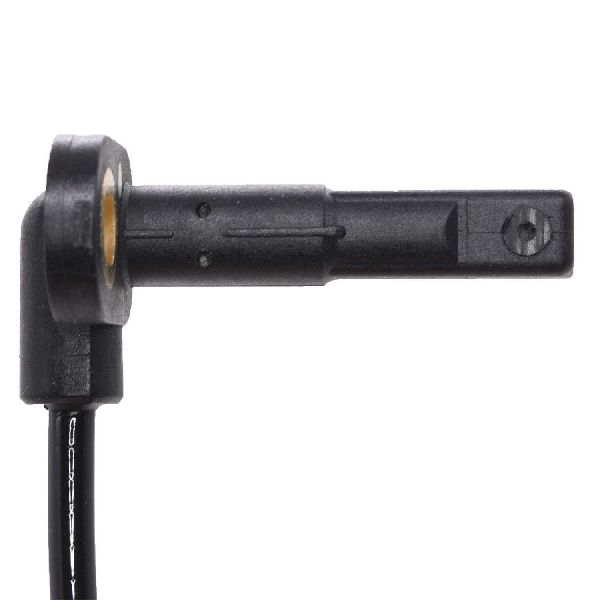
This code indicates a problem with the right rear wheel speed sensor circuit. Most often, the fix is replacing the sensor itself, which is a relatively inexpensive part ($20-$60). Sometimes, the issue is the wiring harness or the wheel hub's magnetic ring, so inspect these before replacing parts.
- C0050 on a Dodge Avenger means the right rear wheel speed sensor circuit has a fault, which disables ABS and traction control.
- Start diagnosis by using a scan tool to watch the live data from the right rear wheel speed sensor while driving.
- Before buying parts, visually inspect the sensor's wiring for damage and check the hub's magnetic ring for debris or cracks.
- The most common fix is replacing the sensor itself, which is affordable and accessible, but be careful not to break it during removal.
- If the sensor and wiring are good, the problem may be the magnetic ring, which requires replacing the entire wheel hub assembly.
What's Unique About the 2008-2014 Dodge Avenger
On the Dodge Avenger and its platform mates (Chrysler 200/Sebring), the wheel speed sensor is a separate, replaceable part, but it reads a magnetic encoder ring integrated into the wheel hub bearing assembly. A common point of failure is the sensor itself or the wiring harness that runs from the wheel well into the trunk. Unlike some vehicles where the entire hub must be replaced to service the sensor, on the Avenger you can replace the sensor independently, making for a potentially cheaper repair if the hub's tone ring is not the cause of the problem.
Symptoms You May Notice
- ABS warning light is on
- Traction Control or Electronic Stability Control (ESC) light is on
- Brake warning light may be illuminated
- ABS and traction control systems are disabled
- Cruise control may be inoperative
- Replacing the wheel hub assembly when only the inexpensive sensor was at fault.
- Replacing the sensor when the actual problem was a simple break in the wiring harness.
- Replacing the ABS module when the fault lies with the sensor, wiring, or hub.
Most Likely Causes
- Failed Right Rear Wheel Speed Sensor 🔴 High Probability → Shop ABS Wheel Speed Sensor The sensor is exposed to the elements at the wheel hub, making it susceptible to moisture, dirt, and physical damage over time. Plastic can become brittle and the internal electronics can fail. They are also known to seize in the steering knuckle due to corrosion, often breaking upon removal.
How to confirm: Use an ABS-capable scan tool to monitor live data from all four wheels while driving. If the right rear sensor shows 0 MPH or an erratic reading while the others report speed, the sensor is likely bad. You can also test 🎬 Watch: A full diagnosis and fix for the Avenger ABS light. the sensor's internal resistance with a multimeter; a reading of 'OL' (open loop) or 0 ohms indicates a failed sensor. A good passive sensor should read between 800 and 2,000 Ohms.
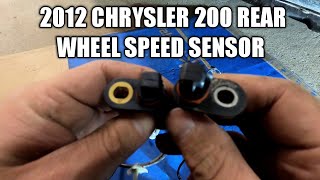
Typical fix: Replace the right rear wheel speed sensor. 🎬 See this walkthrough on replacing the rear wheel speed sensor. The sensor is held in by a single bolt but can be seized in the knuckle and may break upon removal, requiring the broken piece to be drilled or chiseled out.
Est. part cost: $20-$60 - Damaged Wiring Harness or Connector 🟡 Medium Probability The wiring harness flexes with suspension travel and is exposed to road debris, water, and salt. Wires can fray, break internally, or corrode, especially within a few inches of the sensor connector.
How to confirm: Visually inspect the entire length of the wiring from the sensor to where it enters the trunk. Pay close attention to the area near the connector and any mounting points. Perform a continuity test on the wires from the sensor connector to the ABS module connector. Wiggle the harness during testing to expose intermittent breaks.
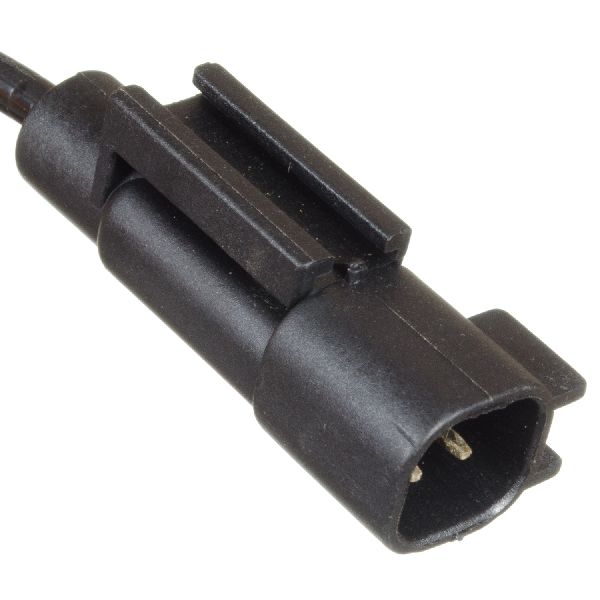
Typical fix: Repair the broken or corroded section of wire using solder and heat shrink tubing. If the damage is at the connector, a new pigtail connector may need to be spliced in.
Est. part cost: $15-$40 - Damaged or Debris-Covered Hub Bearing Magnetic Encoder ⚪ Low Probability The magnetic ring (encoder) is built into the back of the wheel hub assembly. While protected by a seal, metallic debris from brake wear can accumulate on it, or the ring itself can crack or have pieces break off, leading to an erratic or implausible signal.
How to confirm: Remove the wheel speed sensor and use a flashlight and a small mirror to inspect the magnetic ring on the back of the hub for cracks, damage, or a heavy buildup of metallic dust. Spin the hub to check the entire circumference. A damaged ring can sometimes be seen separating from the hub assembly.
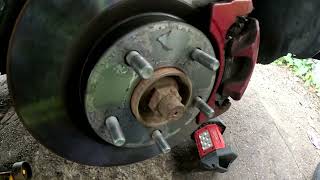
Typical fix: If the ring is just dirty, cleaning it with a brake cleaner and a soft brush may resolve the issue. If the ring is cracked or damaged, the entire wheel hub and bearing assembly must be replaced. 🎬 Watch: How to replace the rear wheel hub and bearing assembly.
Est. part cost: $80-$200
Rare But Worth Checking
- Faulty ABS Control Module: → Shop ABS Control Module This is rare and should only be considered after all other possibilities (sensor, wiring, hub) have been thoroughly ruled out. A faulty module will typically set other codes as well and may have communication issues with a scan tool.
Diagnosis Steps
- Connect an ABS-capable scan tool and confirm the presence of code C0050. Note any other codes, especially sub-codes like C0050-5A or C0050-18.
- Use the scan tool's live data function to monitor all four wheel speed sensors while driving slowly (above 5 mph).
- Observe the reading for the 'Right Rear Wheel Speed'. If it reads 0, is erratic, or lags behind the other three, it confirms a problem in that circuit.
- Raise and safely support the rear of the vehicle. Remove the right rear wheel.
- Visually inspect the wheel speed sensor and its wiring harness for any obvious signs of damage, such as chafing, breaks, corrosion, or melting near exhaust components.
- Unplug the sensor. Inspect the connector pins on both the sensor and harness side for corrosion, moisture, or damage.
- Remove the sensor (typically a single 10mm bolt). Be gentle, as they can seize and break. Penetrating oil may be necessary.
- With the sensor removed, carefully inspect the magnetic encoder ring on the wheel hub for physical damage, cracks, or a heavy buildup of metallic debris. Clean if necessary.
- If the visual inspection reveals no issues, test the wiring harness for continuity and shorts. Check for consistent voltage at the harness connector (if it's an active sensor). The rear sensor wire on the Avenger routes into the trunk area to a connector on the right side, which should also be inspected.
- If wiring and the hub's tone ring are good, the most likely culprit is the sensor itself. Replace the right rear wheel speed sensor.
- Clear the codes with the scan tool. Some vehicles may require a short drive cycle (10-20 start/stop cycles) for the light to reset on its own after repair.
- Perform a test drive to confirm the repair and ensure the ABS light does not return.
Parts You'll Likely Need
- Right Rear ABS Wheel Speed Sensor
(OEM #68569550AA (supersedes 5154230AA, 5154230AB, 5154230AC, 5154230AD, 5154230AE, 5154230AF))— This is the most common failure point for this code. The sensor's location makes it vulnerable to the elements.
Trusted brands: Mopar, Standard Motor Products (SMP), Duralast, Delphi, Bosch
OEM price range: $50-$90
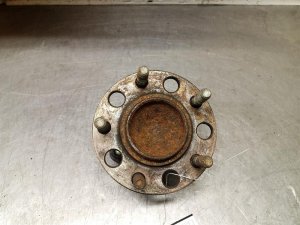
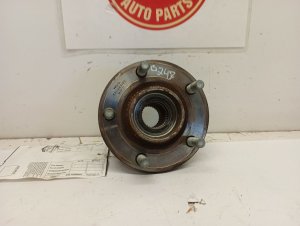
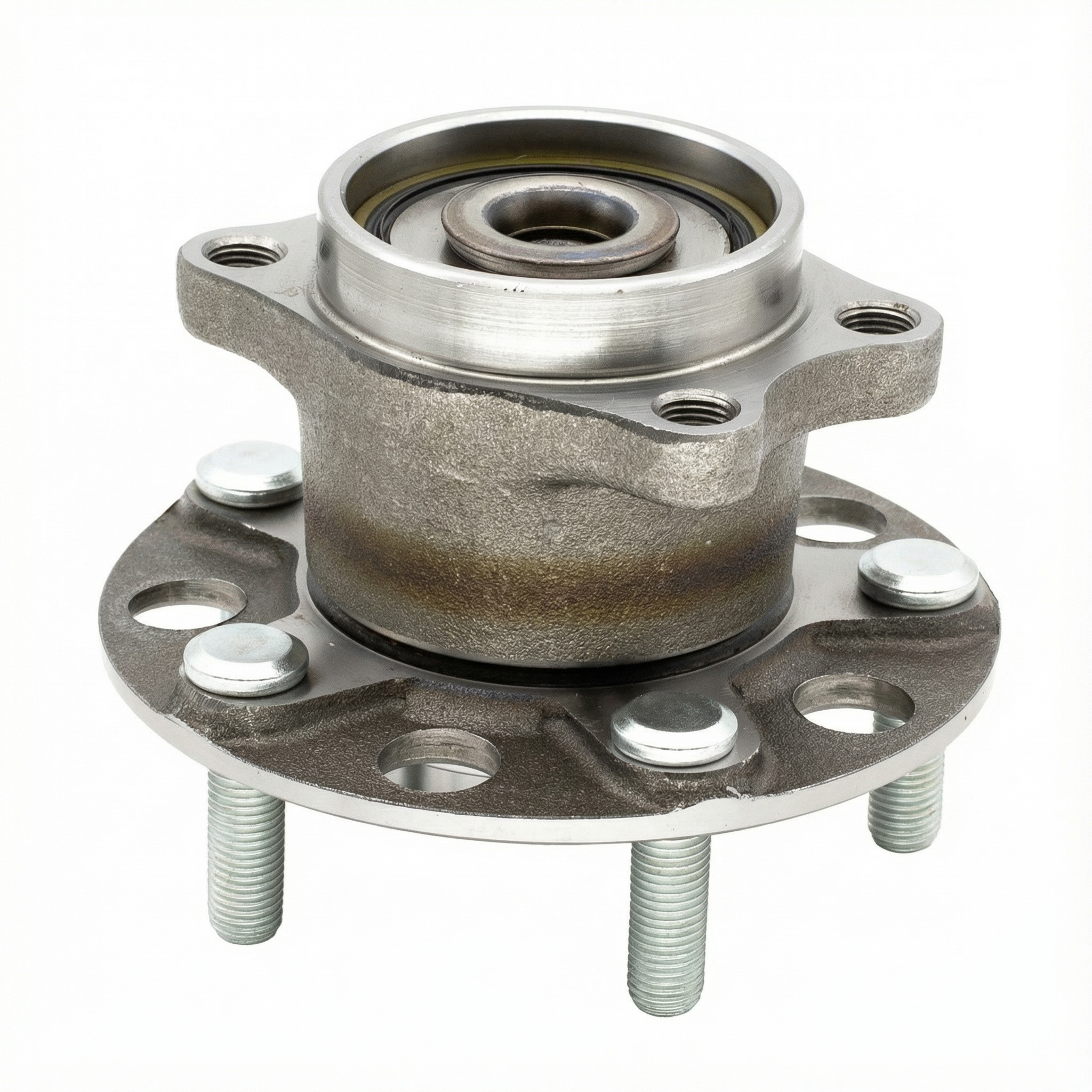
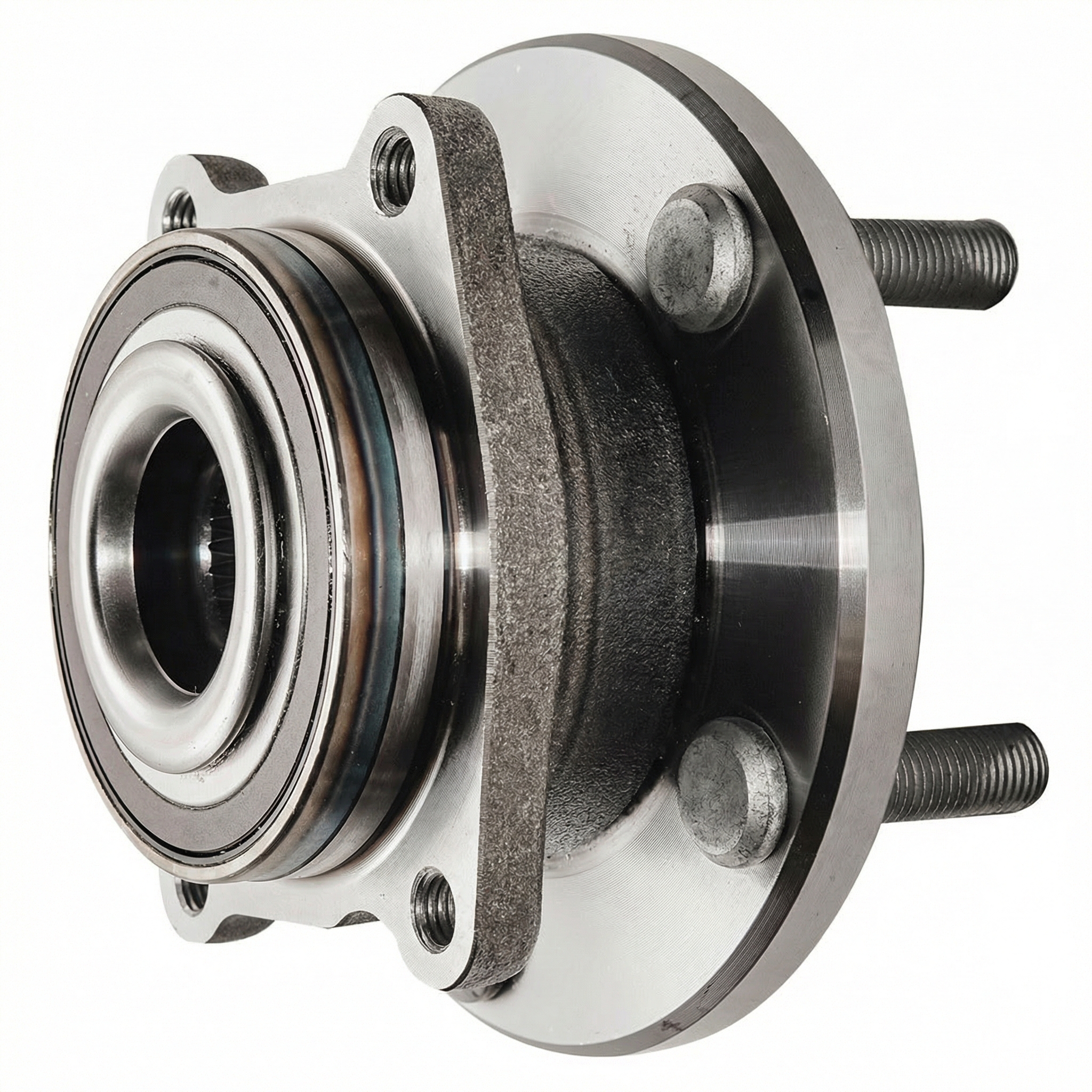
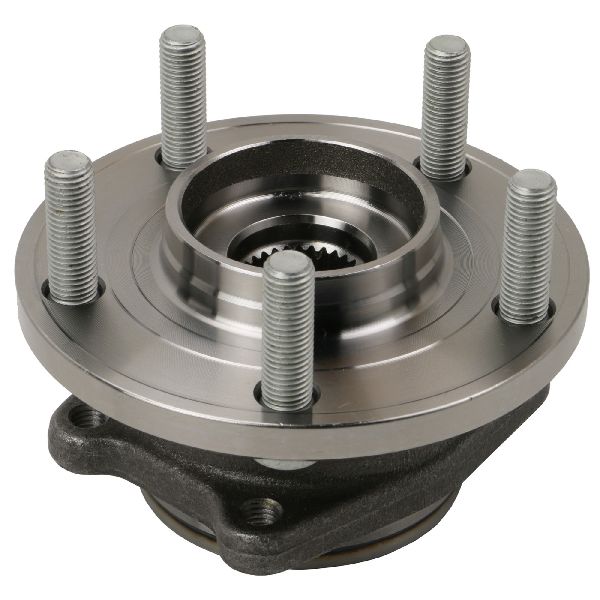
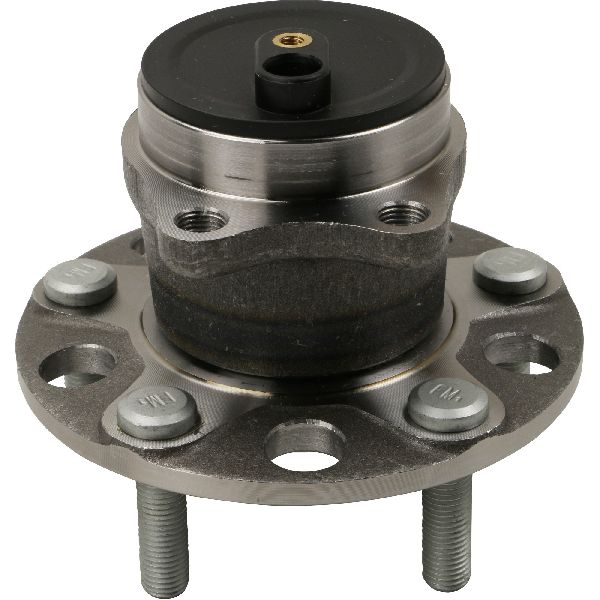
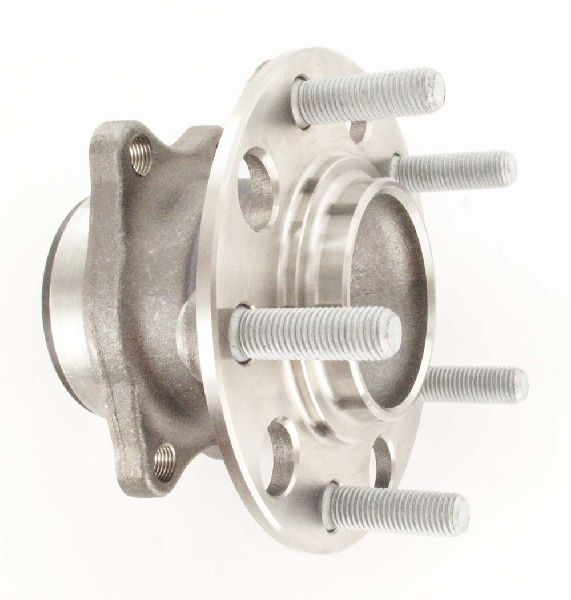
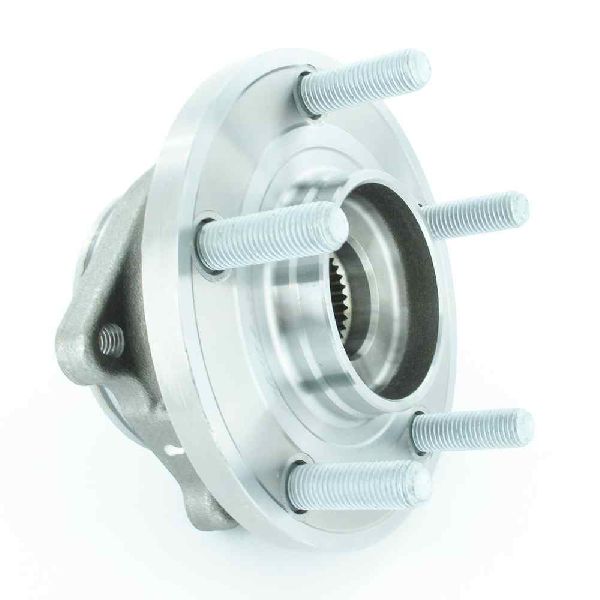
Aftermarket price range: $20-$60 - Rear Wheel Hub and Bearing Assembly — Needed if the integrated magnetic encoder ring is damaged, which is the second most likely parts-based failure.
Trusted brands: Timken, MOOG, SKF, DuraGo
OEM price range: $150-$250
Aftermarket price range: $80-$150
Related Codes That Often Appear With This One
- C1035 — This code specifically indicates 'Right Rear Wheel Speed Comparative Performance,' which is often set alongside C0050 when the signal is erratic or doesn't match the other wheels.
- U1412 — This is a generic code indicating an implausible wheel speed signal was received, which can be triggered by the specific fault identified by C0050.
- C0050-5A — A more specific version of the code indicating 'Signal Plausibility Failure'. This points towards a signal that is present but doesn't make sense compared to other sensors, often caused by a damaged tone ring or intermittent wiring fault.
Technical Service Bulletins (TSBs) & Recalls
- While no TSB is specific to code C0050, a related platform issue is covered by Warranty Extension X69 (Service Bulletin 23-007-17 REV B) for front and rear crossmember corrosion on platform-mates like the Dodge Caliber and Jeep Compass/Patriot. Avenger owners experiencing severe rust should be aware of this potential structural problem.
Platform-Specific Known Issues
- The wiring for the rear speed sensor routes through the wheel well and connects inside the trunk on the right side. This connector can be a point of failure and must be accessed by removing trunk trim.
- Corrosion can cause the sensor to seize inside the steering knuckle, making removal difficult. The sensor may break, leaving a plastic piece behind that must be carefully extracted before the new sensor can be installed.
Mechanic-Grade Diagnostic Values
- Passive Wheel Speed Sensor Resistance — expected: 800 - 2,000 Ohms. Failure: An open circuit (OL), short circuit (near 0 Ohms), or a reading outside the expected range indicates a failed sensor.
- Passive Wheel Speed Sensor AC Voltage Output — expected: >100 millivolts (0.1V) AC, increasing with wheel speed. Failure: No or very low AC voltage generated when spinning the wheel by hand (approx. 1 rev/sec) points to a failed sensor or a problem with the magnetic encoder ring.
Hidden / Shadow Codes Worth Checking
- C0050-18: Signal Amplitude Less Than Minimum. This indicates the signal from the sensor is too weak, which can be caused by an excessive air gap, heavy debris on the encoder ring, or an internal sensor failure. (see via Manufacturer-specific scan tool (like Mopar wiTECH) or high-end aftermarket scanner capable of reading symptom bytes.)
- C0050-0F: Erratic Signal. The ABS module is receiving a signal, but it is inconsistent or drops out. This often points to a loose connection, wiring harness damage, or debris on the encoder ring. (see via Manufacturer-specific scan tool (like Mopar wiTECH) or high-end aftermarket scanner.)
- C0050-00: General Circuit Malfunction. A generic sub-code indicating a fault like an open circuit, short to ground, or high resistance was detected in the sensor's circuit. (see via Manufacturer-specific scan tool (like Mopar wiTECH) or high-end aftermarket scanner.)
Wiring & Ground Locations
- Anti-Lock Brake Module — Located in the engine compartment, at the lower right rear.. This module receives the signal from the right rear wheel speed sensor. All circuit testing (continuity, shorts to ground/power) will terminate at the C1 connector of this module.
- G106 — A chassis ground point located at the right rear of the engine compartment.. This is a primary ground for components in the right side of the engine bay. While the ABS module has its own ground pin in its connector, a poor main chassis ground in this area can cause intermittent electrical issues for the module.
- ABS Module Connector C1 — The main electrical connector plugging into the Anti-Lock Brake Module.. The two wires from the right rear wheel speed sensor run to specific pins in this connector. Probing for continuity and resistance from the sensor pigtail to this connector is the definitive way to test the integrity of the wiring harness.
Real Owner Repair Stories
- YouTube - Rad Fabz (2012 Dodge Avenger) — ABS and Traction Control lights on. Scan tool showed C0050 and a live data reading of 0 MPH from the right front wheel speed sensor (diagnostic principle is identical for rear).
❌ Tried (didn't work) Initial thought was a bad CV axle tone ring, but this vehicle's tone ring is on the hub.
✅ What actually fixed it Upon inspection, the magnetic encoder ring on the back of the wheel bearing assembly had completely separated and disintegrated. Replacing the entire wheel hub and bearing assembly, which included a new encoder ring, resolved the code.
Documented NHTSA Reports
While the following reports originate from other manufacturers, they provide critical context for how the C0050 code is interpreted across different platforms:
- NHTSA ODI #11693418 describes a case where C0050-00 was present alongside the need to replace rotors, rear brake pads, and an adapter plate.
- NHTSA ODI #11649367 notes that the vehicle disables ABS and supporting systems when setting codes C0050 and C2227, with a technician suggesting the fault may relate to brake fluid volume required to return caliper piston contact after service.
- NHTSA ODI #11228687 reports C0050 appearing in a cascade of multiple diagnostic codes including C0035, C0040, and various communication codes (U-codes).
- NHTSA ODI #10763888 highlights a cross-manufacturer variation where C0050 was used to identify a faulty power steering control module (PSCM) rather than a wheel speed sensor.
Model Year Variations Within This Range
- 2008-2014: No significant variations have been identified for the rear wheel speed sensor, hub, or ABS system related to this code within this model year range. Parts are generally interchangeable across the generation.
Diagnostic Flowchart
Other Known Issues on This Vehicle
Issues unrelated to this code that are worth knowing about as an owner of this generation:
- Electronic Throttle Body Failure 🔴 High — Common across all model years, often appearing after 50,000 miles. Can cause stalling while driving.
- Alternator Failure 🔴 High — A very common complaint, especially for the 2008 model year. Can lead to a no-start condition or stalling.
- Front/Rear Subframe (Crossmember) Corrosion 🔴 High — Prevalent in vehicles operated in salt-belt states, can lead to structural failure. (Ref: Warranty Extension X69 (related to platform mates like Caliber/Compass/Patriot, but the issue is identical on the Avenger).)
- Automatic Transmission Shifting Problems 🟠 Medium — Owners report harsh shifting, getting stuck in gear, or delayed engagement, particularly in 2008 models, often around 93,000 miles.
- Wireless Control Module / Anti-Theft Start-Up Issues 🟡 Low — The anti-theft system can sometimes prevent the car from starting, even with a good battery. This is sometimes attributed to electrostatic discharge affecting the wireless control module.
Used vs. New Parts: Buying Guide for This Vehicle
When a used part is the smart pick: A used wiring harness pigtail from a junkyard is a viable option if your connector is damaged and you can't find a new one. This is often cheaper and provides an OEM-quality connector to splice in.
Donor-vehicle mileage cap: roughly under 100000 miles for the part to have meaningful remaining life.
What to inspect on the donor part:
- For a wiring pigtail, ensure the locking tabs are intact and not brittle.
- Check for any signs of corrosion (green crust) on the pins.
- Cut the pigtail with as much wire as possible to make splicing easier.
- Avoid parts from vehicles with obvious signs of flood or fire damage.
OEM-only on this vehicle (don't cheap out):
- No parts are strictly OEM-only for this repair, but some technicians report better long-term reliability and fitment with Mopar-branded sensors compared to budget aftermarket options.
Aftermarket brands forum-validated for this vehicle:
- Sensors: Standard Motor Products (SMP), NTK, Delphi, Bosch, Dorman
- Hub Assemblies: Timken, MOOG, SKF, DuraGo
Brands owners have reported issues with on this vehicle:
- No specific brands are consistently reported as problematic, but be wary of unbranded, 'white-box' parts from online marketplaces, as their quality and longevity can be highly inconsistent.
Real Owner Stories
Aggregated from forums and TSBs cited above. Mileages and costs reflect what owners reported in those sources.
2013 Dodge Avenger 2.4L 4-cylinder
Symptoms: Speed sensor and ABS issues including codes U1412 and C2200.
What fixed it: Diagnosis pointed to the wheel speed sensor or its circuit.
Source hint: Reddit (r/MechanicAdvice) - Thread titled 'Speed Sensor / ABS Issues for Dodge Avenger 2013 2.4L 4cylinder'
2008 Dodge Avenger
Symptoms: A cascade of electrical issues and multiple warning lights.
What fixed it: The issues culminated in the alternator failing, which required replacement.
Source hint: CarComplaints.com - A user with a 2008 Avenger describes a cascade of electrical issues
Related OBD-II Codes
Frequently Asked Questions
My 2008 Dodge Avenger has severe rust on the rear crossmember; is there a TSB or warranty extension for this?
Where is the rear wheel speed sensor connector located on the Dodge Avenger?
Can I test the right rear wheel speed sensor on my Avenger with a multimeter?
Why did my ABS sensor break when I tried to remove it from the steering knuckle?
Will a bad alternator cause ABS and Traction Control lights on a 2008 Avenger?
Does the Dodge Avenger require a special procedure to reset the ABS light after replacing the sensor?
Helpful Videos
Used OEM Parts in Stock
New Aftermarket Parts Available

The information in this article is provided for general reference and educational purposes only. Vehicle specifications, procedures, and part compatibility can vary by production date, trim level, and region. Always consult your vehicle's factory service manual and verify part numbers before purchasing or performing repairs. Safety-critical components such as airbags, seat belts, and braking systems should be installed by a qualified professional.
- Dodge Avenger:
- 🧭 Diagnostic Flowchart
- 🎬 Helpful Videos
- 🛍️ Shop This Part
- What's Unique About the 2008-2014 Dodge Avenger
- Symptoms You May Notice
- Most Likely Causes
- Rare But Worth Checking
- Diagnosis Steps
- Parts You'll Likely Need
- Related Codes That Often Appear With This One
- Technical Service Bulletins (TSBs) & Recalls
- Platform-Specific Known Issues
- Mechanic-Grade Diagnostic Values
- Hidden / Shadow Codes Worth Checking
- Wiring & Ground Locations
- Real Owner Repair Stories
- Documented NHTSA Reports
- Model Year Variations Within This Range
- Other Known Issues on This Vehicle
- Used vs. New Parts: Buying Guide for This Vehicle
- Real Owner Stories
- 2013 Dodge Avenger 2.4L 4-cylinder
- 2008 Dodge Avenger
- Related OBD-II Codes
- Frequently Asked Questions
- 🎟️ Get 5% Off