

C0050 on 2013-2018 Hyundai Santa Fe: Right Rear Wheel Speed Sensor Circuit Fault Guide
Code C0050 on a 2013-2018 Santa Fe almost always means the right rear wheel speed sensor has failed or its wiring is damaged. Expect to pay around $25-$70 for a new sensor and about one hour of labor for replacement. On AWD models, the sensor is part of the more expensive hub assembly.
- C0050 on a 2013-2018 Santa Fe points to a problem with the right rear wheel speed sensor circuit, which will disable your ABS and stability control.
- The most likely cause is a failed wheel speed sensor (on FWD models) or a failed hub assembly (on AWD models).
- Before replacing parts, visually inspect the wiring and connector for damage and use a scan tool to confirm the fault via live data.
What's Unique About the 2013-2018 Hyundai Santa Fe
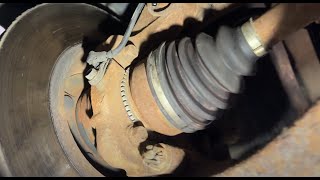
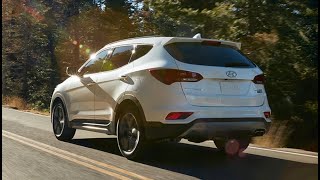
For the 2013-2018 Hyundai Santa Fe (DM generation), the rear wheel speed sensor configuration depends on the drivetrain. On Front-Wheel-Drive (FWD) models, the sensor is typically a separate, individually replaceable component. 🎬 Watch: How to replace the rear wheel speed sensor on FWD models. This is confirmed by Technical Service Bulletin (TSB) 19-BE-001H-1, which advises technicians to replace only the sensor when possible, rather than the more expensive hub assembly. However, on All-Wheel Drive (AWD) versions, the sensor is commonly integrated into the wheel bearing/hub assembly, requiring the replacement of the entire unit to fix a sensor fault. 🎬 See this walkthrough for replacing the AWD rear hub and sensor. This makes the repair on an AWD model significantly more expensive.
Symptoms You May Notice
- ABS warning light illuminated on the dashboard.
- Traction Control or Electronic Stability Control (ESC) warning light on.
- ABS system does not activate during hard braking (wheels may lock up).
- Traction control does not activate during acceleration on slippery surfaces.
- Cruise control may be disabled or not function.
- Replacing the entire wheel hub assembly on a Front-Wheel Drive (FWD) model when only the separate, cheaper sensor has failed. TSB 19-BE-001H-1 specifically advises against this to save cost.
Most Likely Causes
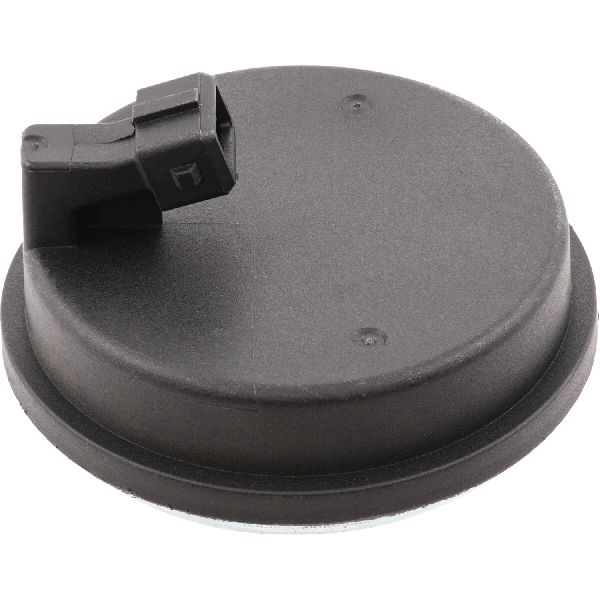
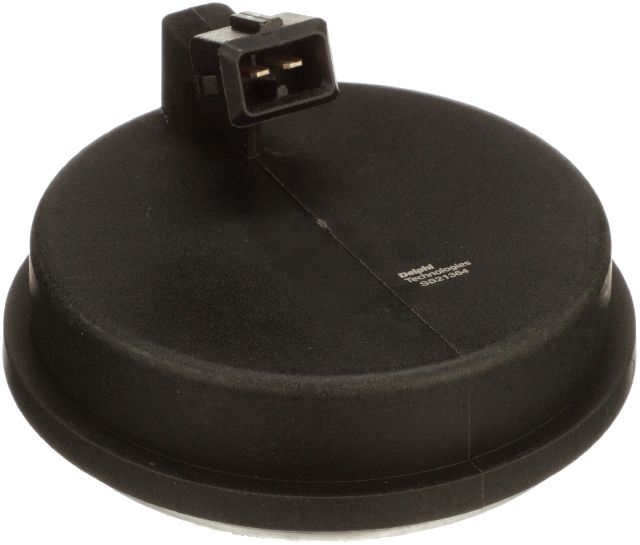
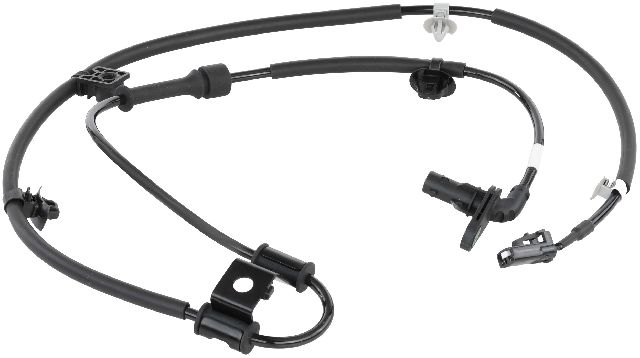
- Failed Right Rear Wheel Speed Sensor 🔴 High Probability → Shop ABS Wheel Speed Sensor These sensors are exposed to road debris, water, and salt, leading to internal electronic failure or corrosion over time. This is the most common point of failure for this code.
How to confirm: Use a capable OBD-II scanner to monitor live data from all four wheel speed sensors while driving. 🎬 Watch a mechanic diagnose and replace a faulty rear ABS sensor. If the right rear sensor shows 0 MPH or an erratic reading while the others show consistent speed, the sensor is likely bad. You can also test the sensor's internal resistance with a multimeter; an open circuit (infinite resistance) or a short indicates failure.
Typical fix: Replace the right rear wheel speed sensor (FWD) or the entire right rear wheel hub assembly (AWD).
Est. part cost: $25-$70 for sensor, $100-$200 for hub assembly - Damaged or Corroded Wiring/Connector 🟡 Medium Probability The wiring harness leading to the wheel speed sensor is located near the suspension and wheel, making it vulnerable to damage from road debris, moisture, and suspension movement. Wires can fray or break, especially right at the connector.
How to confirm: Visually inspect the wiring harness from the sensor to the main chassis connector. Look for frayed wires, cracks in the insulation, or green/white corrosion inside the connector pins. Perform a wiggle test on the harness while monitoring live data to see if the signal cuts out.
Typical fix: Repair the damaged section of wiring or replace the pigtail connector. Ensure the repair is sealed against moisture.
Est. part cost: $15-$40 - Damaged or Dirty Tone Ring / Magnetic Encoder ⚪ Low Probability The tone ring (on FWD axles) or magnetic encoder (on AWD hubs) can accumulate metallic brake dust and road grime, obstructing the sensor's reading. In rust-prone areas, a metal tone ring can crack or delaminate from the axle.
How to confirm: Visually inspect the tone ring on the axle or the magnetic encoder on the back of the wheel hub. It should be clean and free of cracks or significant rust. A cracked tone ring is a definitive failure.
Typical fix: Clean the tone ring/encoder with a brake cleaner and a soft brush. If the tone ring is cracked, the axle shaft must be replaced. If the encoder on a hub is damaged, the hub must be replaced.
Est. part cost: $0 for cleaning, $150+ for hub/axle replacement
Rare But Worth Checking
- Failed ABS Control Module: → Shop ABS Control Module This is very rare. The ABS module would typically show multiple other fault codes if it were failing. This should only be considered after all other possibilities (sensor, wiring, tone ring) have been exhaustively ruled out.
Diagnosis Steps
- Connect an ABS-capable OBD-II scanner to confirm the C0050 code is present. Check for any sub-codes (e.g., C0050-0F for erratic signal, C0050-5A for plausibility failure) which can provide more clues.
- View live data from all four wheel speed sensors while driving slowly (above 5 MPH). Confirm that the Right Rear (RR) sensor is reading 0 or has an erratic signal compared to the other three.
- Raise and safely support the rear of the vehicle on jack stands.
- Visually inspect the right rear wheel speed sensor, its connector, and the wiring harness for any obvious signs of damage, corrosion, or fraying.
- If the wiring looks good, disconnect the sensor and test its internal resistance with a multimeter. Compare the reading to the manufacturer's specification or to a new sensor. An open or shorted reading confirms a bad sensor.
- Inspect the tone ring (reluctor ring) on the axle (FWD) or the magnetic encoder on the wheel hub (AWD). Ensure it is clean and not cracked or damaged.
- If the sensor and wiring test good, the issue may be intermittent. Wiggle the wiring harness while monitoring the live data on the scan tool to see if the signal drops out.
- If the sensor is confirmed bad, replace it (FWD) or the hub assembly (AWD). If the wiring is damaged, repair or replace the affected section.
- After repairs, clear the code and perform a test drive to ensure the ABS and ESC lights turn off and the code does not return.
Parts You'll Likely Need
- Rear Wheel Speed Sensor (FWD)
(OEM #95681-2B000)— This is the most common failure point for a C0050 code on FWD models. The sensor fails electronically due to its harsh operating environment.
Trusted brands: Hyundai/Kia (Genuine), Mando, Standard Motor Products (SMP), Holstein
OEM price range: $50-$90
Aftermarket price range: $25-$70 - Rear Wheel Hub & Bearing Assembly (AWD)
(OEM #52730-2B100 (This can vary, always verify with VIN))— On AWD models, the sensor is integrated into the hub assembly. A sensor failure requires replacement of the entire unit.
Trusted brands: Hyundai/Kia (Genuine), Timken, MOOG, DuraGo
OEM price range: $150-$250
Aftermarket price range: $100-$180
Technical Service Bulletins (TSBs) & Recalls
- TSB 19-BE-001H-1: Advises that for FWD models of the Santa Fe (AN, NC, CM generations), the rear wheel speed sensor is available as a separate part from the hub assembly and should be replaced independently to reduce cost.
Platform-Specific Known Issues
- There was a recall for the 2018 Santa Fe related to the ABS module potentially shorting and causing a fire risk (NHTSA Recall 237). While not directly causing code C0050, it highlights potential issues within the ABS system.
- The distinction between FWD (separate sensor) and AWD (integrated hub) is a frequent point of confusion for owners and can lead to ordering the wrong parts. It is crucial to identify the vehicle's drivetrain before purchasing components.
Mechanic-Grade Diagnostic Values
- Active Sensor Voltage Check (at sensor connector, harness side) — expected: With key on, one pin should have battery voltage (approx. 12V) and another should be ground (<0.1V). The signal wire voltage will switch or vary as the wheel is turned.. Failure: Missing the 12V reference voltage or ground indicates a wiring problem upstream. A signal wire that does not change state when the wheel is spun indicates a bad sensor.
- Sensor Signal (Oscilloscope) — expected: A clean square wave that increases in frequency as the wheel is spun faster.. Failure: A missing, erratic, or distorted waveform points to a failed sensor or a damaged magnetic encoder ring.
Hidden / Shadow Codes Worth Checking
- C0050-0F: Erratic Signal. This suggests the sensor is reading, but the signal is inconsistent. Often caused by a damaged tone ring, debris on the sensor, or a loose wheel bearing causing air gap variations. (see via Advanced OBD-II scanner with ABS/Chassis capabilities (e.g., Hyundai GDS, Autel, Launch).)
- C0050-5A: Plausibility Failure. The sensor's signal doesn't make sense when compared to the other wheel speed sensors (e.g., it reads 5 MPH while others read 40 MPH). This strongly points to a sensor or encoder ring issue. (see via Advanced OBD-II scanner with ABS/Chassis capabilities.)
- C0050-18: Low Signal Amplitude. The signal from the sensor is weak. This can be caused by an excessive air gap between the sensor and ring, or an internal failure in the sensor. (see via Advanced OBD-II scanner with ABS/Chassis capabilities.)
- C0050-06: Low Voltage / Open Circuit. This indicates a complete loss of signal, likely due to a broken wire, unplugged connector, or a completely failed sensor. (see via Advanced OBD-II scanner with ABS/Chassis capabilities.)
Scan Tool Commands That Help
- Hyundai GDS or equivalent: Current Data (Live Data) — This is the primary function to diagnose C0050. It allows you to view and compare the speed readings from all four wheels in real-time while driving to confirm the right rear sensor is the one malfunctioning.
- Hyundai GDS or equivalent: DTC Analysis — Used to read the primary code (C0050) and, more importantly, any hidden sub-codes (like -5A or -0F) that give specific details about the nature of the circuit failure.
- N/A - Manual Test: Sensor Signal Substitution — To definitively rule out a wiring or ABS module fault without an oscilloscope. Use long jumper wires to connect the known-good Left Rear sensor to the Right Rear harness connector. If the fault code then changes to C0045 (Left Rear), it proves the wiring and module are good and the original Right Rear sensor/hub is bad.
Wiring & Ground Locations
- ABS Control Module — Location depends on the manufacturer. A 'Mando' system is typically located at the rear of the engine bay, while a 'Bosch' system is often found under the air filter box on the driver's side. Another common location is at the left rear of the engine compartment, below the brake master cylinder.. This is where the wheel speed sensor wiring terminates. The connector at the module is the final point to test for a signal from the sensor if a wiring break is suspected.
- Ground Point G07 — Located behind the left front kick panel inside the cabin.. A poor ground for the ABS module can cause a variety of erratic faults, including false sensor codes. While not a primary cause, it's a critical point to check if direct sensor/wiring tests are inconclusive.
- Ground Point GE01 — Located on the left side of the engine compartment.. This is a major chassis ground. Corrosion or looseness here can affect the entire ABS system's electrical stability.
- Sensor Connector — The wiring harness from the sensor leads up into the wheel well and connects to the main body harness, typically clipped to the frame or subframe.. This connector is a common point for corrosion and damage due to its exposed location. It's the first place to disconnect for testing the sensor and checking for voltage from the module.
Real Owner Repair Stories
- YouTube channel 'Lizard Jump' (2015 Hyundai Santa Fe Sport (AWD implied by hub replacement)) — ABS and traction control lights were on.
❌ Tried (didn't work) The video directly proceeds to diagnosis and replacement.
✅ What actually fixed it The mechanic scanned the vehicle and found codes for both the right rear and left rear wheel speed sensors. He replaced both rear wheel hub assemblies, which contain the integrated sensors. This resolved the issue and turned off the warning lights.
OEM Part Supersession History
95681-2B000 (FWD Sensor)→95681-2W000— Part update or consolidation for different models/years.
Heads up: Part 95681-2W000 is listed as compatible with the 2013-2018 Santa Fe Sport. Always confirm the correct part number with the vehicle's VIN before ordering.
Model Year Variations Within This Range
- 2013-2018: The primary variation within this generation is not by year, but by drivetrain. FWD models use a separate, replaceable rear wheel speed sensor, while AWD models have the sensor integrated into the rear wheel hub and bearing assembly. This significantly changes the cost and labor for the repair.
- 2013-2018: The ABS module manufacturer can be either Bosch or Mando, which affects its physical location in the engine bay. Mando units are typically at the rear of the engine, while Bosch units are under the airbox.
Diagnostic Flowchart
Other Known Issues on This Vehicle
Issues unrelated to this code that are worth knowing about as an owner of this generation:
- Theta II Engine Failure 🔴 High — Widespread on 2.0L Turbo and 2.4L GDI engines. Failures can occur at various mileages, often starting with knocking noises or excessive oil consumption. (Ref: Multiple recalls (e.g., NHTSA 17V-226) and a class-action lawsuit settlement have been issued, extending warranty coverage for the engine's short block assembly.)
- MDPS Steering Coupler Failure 🟠 Medium — Extremely common across many Hyundai models of this era. Symptoms include a distinct clicking or clunking noise when turning the steering wheel, especially at low speeds or when stopped. (Ref: TSB 17-ST-001 describes the repair. The flexible coupler (P/N 56315-2K000-FFF) deteriorates and requires replacement. While not an immediate safety failure, it causes significant steering play.)
- Peeling Paint (Especially White) 🟡 Low — Common on vehicles with white or pearl-white paint finishes. Large flakes of paint can peel off the hood, roof, and doors, often starting after a few years. (Ref: Hyundai extended the paint warranty to 10 years/unlimited miles for this issue on specific models and colors after customer complaints and media investigations.)
- ABS Module Fire Risk 🔴 High → Shop ABS Control Module — Affects certain model years within this generation. An electrical short within the ABS module can occur, posing a fire risk even when the vehicle is parked. (Ref: NHTSA Recall 237 (and others) were issued. The remedy involves installing a new fuse and, in some cases, replacing the ABS module.)
Used vs. New Parts: Buying Guide for This Vehicle
When a used part is the smart pick: A used wiring harness pigtail from a junkyard is a cost-effective choice if only the connector is damaged or corroded. The condition is more important than the donor vehicle's mileage.
Donor-vehicle mileage cap: roughly under 60000 miles for the part to have meaningful remaining life.
What to inspect on the donor part:
- For a used hub assembly (AWD): Spin the hub by hand; it must be perfectly smooth with no roughness or noise. Check for any physical play or wobble. Inspect the magnetic encoder ring on the back to ensure it is clean, intact, and not cracked or peeling.
- For a used wiring pigtail: Ensure the plastic isn't brittle, the locking tab is intact, and the metal pins inside are clean and free of corrosion.
OEM-only on this vehicle (don't cheap out):
- Wheel Speed Sensor (FWD)
- Wheel Hub Assembly (AWD)
Aftermarket brands forum-validated for this vehicle:
- Timken (for hub assemblies)
- MOOG (for hub assemblies)
- SKF (for hub assemblies)
Brands owners have reported issues with on this vehicle:
- Unnamed, 'white-box' sensors and hub assemblies from online marketplaces are not recommended. These parts have a high rate of premature failure and can cause repeat repairs for this safety-critical system.
Real Owner Stories
Aggregated from forums and TSBs cited above. Mileages and costs reflect what owners reported in those sources.
2018 Hyundai Santa Fe Sport AWD
Symptoms: The owner experienced an ABS warning light and identified a fault with the rear wheel speed sensor.
What fixed it: Replacement of the wheel hub assembly because the sensor is integrated into the bearing on AWD models.
Source hint: YouTube video by Tim's Auto & Repair titled '2018 Hyundai Santa Fe sport rear wheel ABS sensor replaced (Code C1209)'
Documented NHTSA Reports
Cross-Manufacturer Diagnostic Context
While C0050 specifically targets the right rear speed sensor on Hyundai vehicles, other manufacturers use this code for related brake and electronic issues. For instance, NHTSA ODI #11649367 describes a situation where the code was set after brake service required extra fluid to return caliper piston contact to the pad. Another report, NHTSA ODI #11693418, notes C0050-00 appearing alongside the need to replace rotors, pads, and adapter plates. In a different application, NHTSA ODI #10763888 identifies C0050 as a fault within a power steering control module (PSCM), requiring a steering column replacement. Finally, NHTSA ODI #11228687 shows C0050 appearing in a cluster of multiple chassis and communication codes (such as C0035 and U0126) on a different platform.
Related OBD-II Codes
Frequently Asked Questions
Does TSB 19-BE-001H-1 apply to my FWD Santa Fe when dealing with code C0050?
I have a 2018 Santa Fe; is there a recall that could be related to my ABS light and C0050?
Can I just replace the sensor on my AWD Santa Fe to fix C0050?
Will a bad wheel speed sensor affect my cruise control on the Santa Fe?
Is there a specific part number for the steering issue often found on these models?
My Santa Fe is FWD; what is the estimated part cost for a C0050 fix?
Helpful Videos



We Have This Part in Stock


The information in this article is provided for general reference and educational purposes only. Vehicle specifications, procedures, and part compatibility can vary by production date, trim level, and region. Always consult your vehicle's factory service manual and verify part numbers before purchasing or performing repairs. Safety-critical components such as airbags, seat belts, and braking systems should be installed by a qualified professional.
- Hyundai Santa Fe:
- 🧭 Diagnostic Flowchart
- 🎬 Helpful Videos
- 🛍️ Shop This Part
- What's Unique About the 2013-2018 Hyundai Santa Fe
- Symptoms You May Notice
- Most Likely Causes
- Rare But Worth Checking
- Diagnosis Steps
- Parts You'll Likely Need
- Technical Service Bulletins (TSBs) & Recalls
- Platform-Specific Known Issues
- Mechanic-Grade Diagnostic Values
- Hidden / Shadow Codes Worth Checking
- Scan Tool Commands That Help
- Wiring & Ground Locations
- Real Owner Repair Stories
- OEM Part Supersession History
- Model Year Variations Within This Range
- Other Known Issues on This Vehicle
- Used vs. New Parts: Buying Guide for This Vehicle
- Real Owner Stories
- 2018 Hyundai Santa Fe Sport AWD
- Documented NHTSA Reports
- Cross-Manufacturer Diagnostic Context
- Related OBD-II Codes
- Frequently Asked Questions
- 🎟️ Get 5% Off