

C0050 on 2016-2021 Hyundai Tucson: Right Rear Wheel Speed Sensor Circuit Fault Causes and Fixes
Code C0050 on a 2016-2021 Tucson means there's a problem with the right rear wheel speed sensor circuit. This usually points to a failed sensor or its wiring. Expect to pay $40-$90 for an aftermarket sensor or $200+ for OEM. Before replacing parts, check the wiring for damage and inspect the magnetic encoder on the wheel hub for debris.
- C0050 means the right rear wheel speed sensor circuit has a fault, which disables your ABS and stability control.
- The most likely cause is a failed sensor, followed by damaged wiring. A failing wheel hub/bearing can also trigger this code.
- Use an OBD-II scanner that can read ABS live data to confirm which wheel is faulting before buying parts.
- Due to sensitivity, it is highly recommended to use a genuine Hyundai part or a high-quality OE-equivalent part to ensure a lasting fix.
- Check if your vehicle is affected by the open safety recall for the ABS module (Recall 195), which poses a fire risk.
What's Unique About the 2016-2021 Hyundai Tucson
For the third-generation (2016-2021) Tucson, the wheel speed sensor reads a magnetic encoder ring that is integrated into the wheel hub and bearing assembly. This means that while the sensor itself can fail, the problem can also stem from a failing wheel bearing or, more commonly, metallic debris accumulating on the magnetic encoder ring, disrupting the signal. It's also critical to use OEM or high-quality OE-equivalent sensors, as some aftermarket units have been reported to send incorrect speed data, preventing the issue from being resolved.
Symptoms You May Notice
- ABS warning light is on
- Electronic Stability Control (ESC) or Traction Control (TCS) warning light is on
- Downhill Brake Control (DBC) warning light is on
- Autonomous Emergency Braking (AEB) or Blind-Spot Detection (BSD) system warning may appear
- Speedometer may behave erratically or drop to zero
- ABS system does not activate during hard braking
- All-Wheel Drive (AWD) warning light may illuminate
- Replacing the wheel speed sensor when the actual problem is a damaged or dirty magnetic ring on the wheel hub assembly.
- Installing a cheap, incompatible aftermarket sensor that does not communicate correctly with the ABS module, causing the code to persist.
- Replacing the wheel hub/bearing when simply cleaning metallic debris off the magnetic encoder ring would have fixed the problem.
Most Likely Causes
- Failed Right Rear Wheel Speed Sensor 🔴 High Probability → Shop ABS Wheel Speed Sensor The sensor is an electronic component exposed to road debris, water, and salt, which can lead to internal failure or corrosion over time.
How to confirm: Use an OBD-II scanner with ABS capabilities to view live data. While driving, compare the speed readings from all four wheels. If the right rear sensor reads 0 MPH or shows erratic values while the others read correctly, the sensor or its circuit is faulty. A good sensor circuit can also be tested with a multimeter for resistance, though specific values are needed from a service manual.
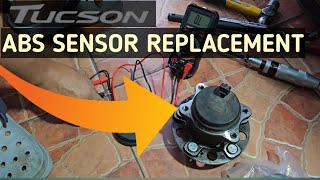
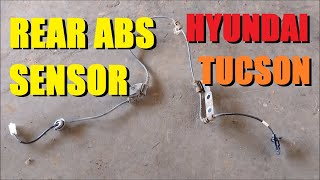
Typical fix: Replace the right rear wheel speed sensor. 🎬 Watch: Step-by-step rear ABS sensor replacement for this Tucson generation. It is typically held in by a single 10mm bolt. Disconnect the electrical connector, remove the bolt, and install the new sensor.
Est. part cost: $40 - $220 - Damaged Wiring or Connector 🟡 Medium Probability The wiring harness runs along the suspension and is susceptible to damage from road debris, improper jacking, or rodent activity. Corrosion at the connector pins is also common.
How to confirm: Visually inspect the entire length of the wiring harness from the wheel speed sensor to where it enters the vehicle body. Look for chafed wires, breaks, corrosion in the connector, or melted sections. Perform a continuity test with a multimeter if visual inspection is inconclusive.
Typical fix: Repair the damaged section of wire using solder and heat-shrink tubing or replace the pigtail connector if it is corroded. Ensure the harness is properly secured away from moving parts.
Est. part cost: $10 - $50 - Damaged or Contaminated Hub Bearing Assembly (Magnetic Encoder Ring) 🟡 Medium Probability The magnetic encoder the sensor reads is built into the wheel hub bearing seal. A failing wheel bearing can create excessive play (wobble), damaging the encoder or increasing the air gap. More frequently, metallic debris from brakes or road grime sticks to the magnet and disrupts the signal.
How to confirm: After removing the sensor, use a flashlight to inspect the magnetic ring on the hub for cracks, rust, or metallic debris. A common fix is to gently clean the encoder ring with a dry, soft nylon bristle brush. Also, check for any play or roughness in the wheel bearing by trying to rock the wheel at the 12 and 6 o'clock positions.
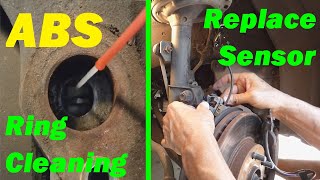
Typical fix: If the encoder ring is only contaminated, cleaning it may resolve the issue. If the ring is cracked or the bearing has failed, the entire wheel hub and bearing assembly must be replaced. 🎬 Watch: How to replace the sensor and clean the encoder ring.
Est. part cost: $100 - $250
Rare But Worth Checking
- Failed ABS Control Module: → Shop ABS Control Module This is rare. The ABS module is usually reliable. Before condemning the module, exhaust all other possibilities (sensor, wiring, hub). A failed module will typically store other codes in addition to C0050. Note that this module is subject to a major fire risk recall (NHTSA 21V118000).
Diagnosis Steps
- Connect an OBD-II scanner capable of reading ABS/Chassis codes to confirm C0050 is present. Check for any sub-codes (e.g., -18, -5A) for more clues.
- Access the live data stream for all four wheel speed sensors.
- Safely test drive the vehicle above 10 MPH. Observe the readings. The right rear sensor should show a speed that matches the other three. If it reads 0, is erratic, or lags behind, a fault is confirmed.
- Raise and safely support the rear of the vehicle. Visually inspect the right rear wheel speed sensor and its wiring harness for any obvious damage, corrosion, or loose connections.
- Unbolt and remove the sensor (typically a single 10mm bolt). Inspect the sensor tip for metallic debris and clean it.
- Inspect the magnetic encoder ring on the wheel hub through the sensor mounting hole. Slowly rotate the hub and look for cracks, rust buildup, or any physical damage. Use a soft, non-magnetic brush (like a nylon bristle brush) to gently clean any debris from the ring. 🎬 See how to quickly clean the magnetic ring without removing wheels. Do NOT use magnetic tools near the encoder ring.
- If no visual faults are found, test the sensor's circuit. Since this is an active sensor, check for reference voltage (typically 12V) and ground at the harness-side connector with the ignition on. A resistance test on the sensor itself is not a valid test for this type of sensor.
- If the wiring and hub appear good, the sensor itself is the most likely culprit. Replace the right rear wheel speed sensor.
- After replacement or cleaning, clear the codes with the scanner and perform another test drive to confirm the fix.
- If a new sensor does not fix the issue, the problem may lie in the wheel hub assembly or, in rare cases, the ABS module itself.
Parts You'll Likely Need
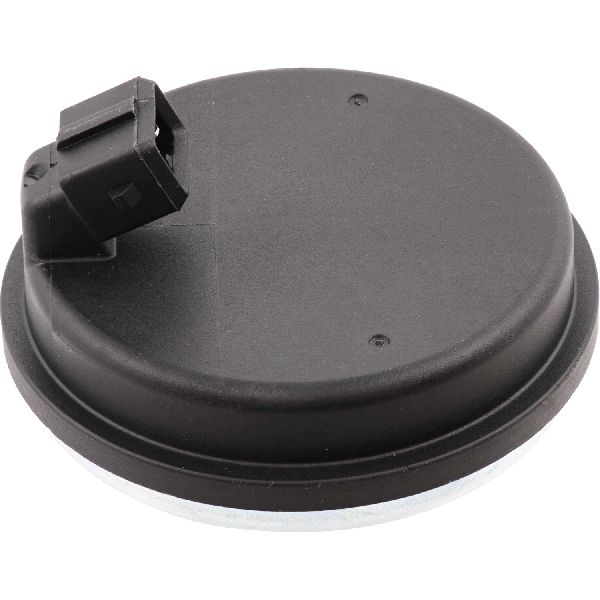
- Right Rear ABS Wheel Speed Sensor
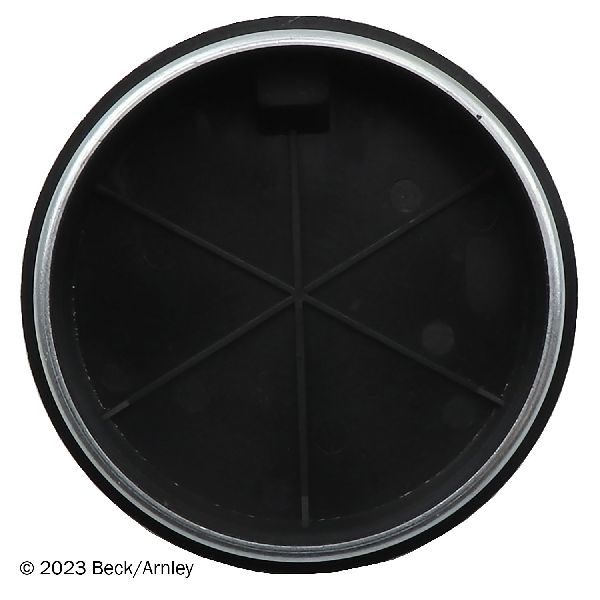
(OEM #95681-D3210)— This is the most common failure point for a C0050 code, as the sensor is an electronic component exposed to the elements.
Trusted brands: Hyundai (Genuine OEM), Mando, Beck/Arnley, Standard Motor Products (SMP)
OEM price range: $200-$220
Aftermarket price range: $40-$90 - Rear Wheel Hub and Bearing Assembly
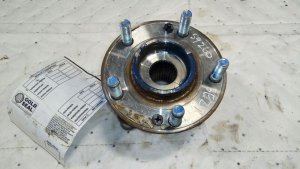
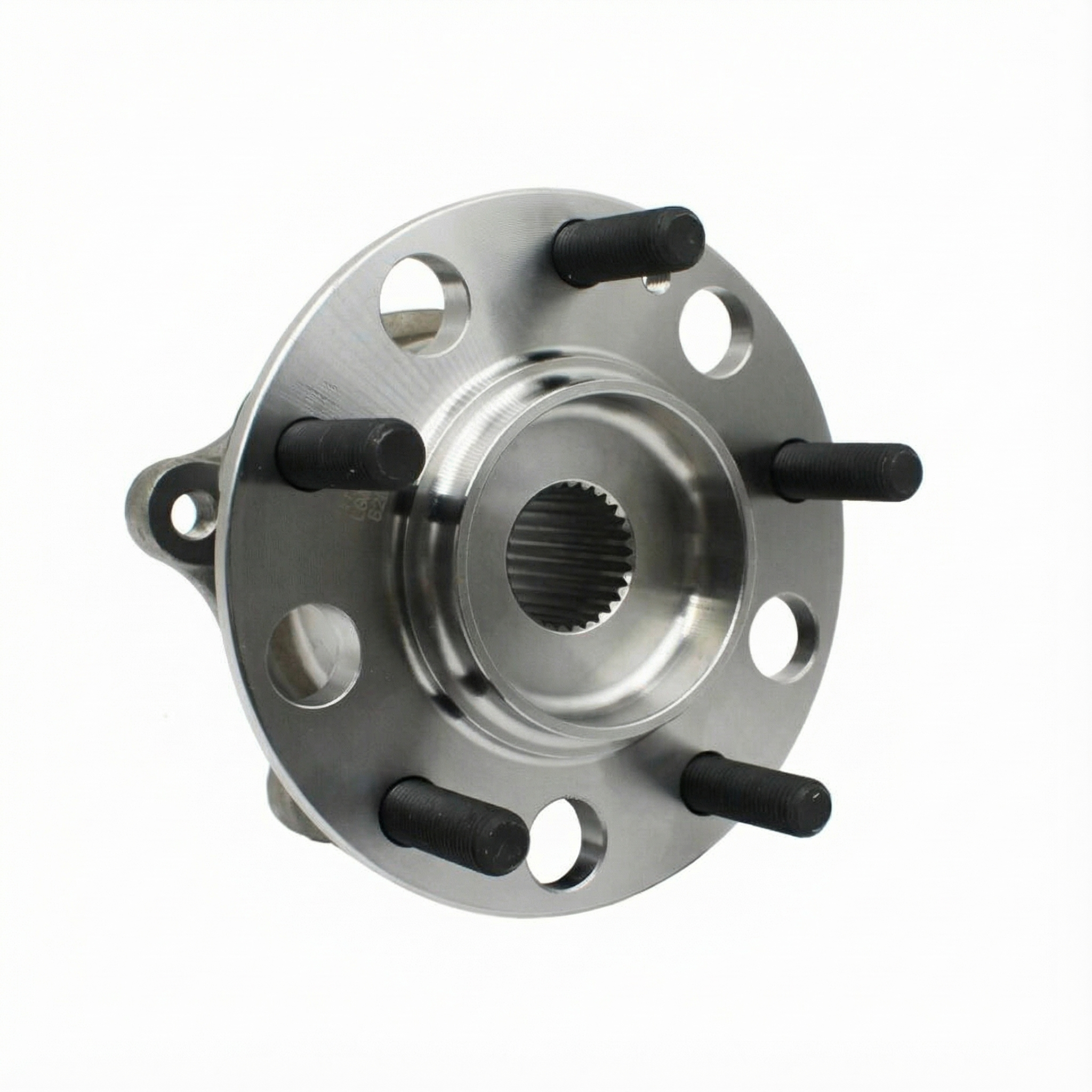
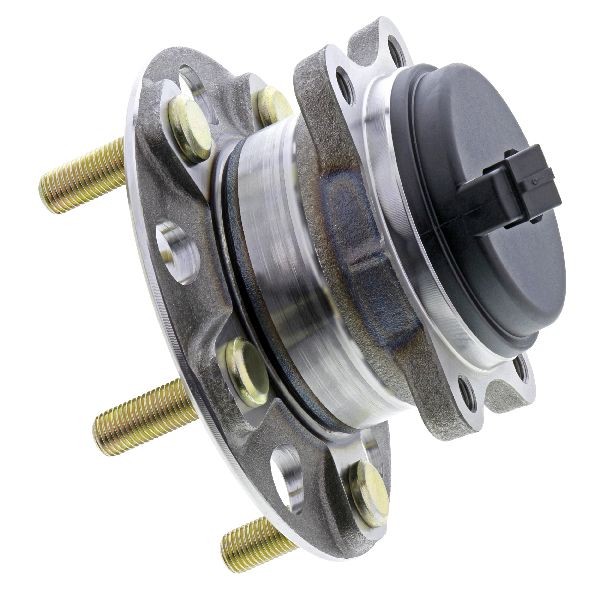
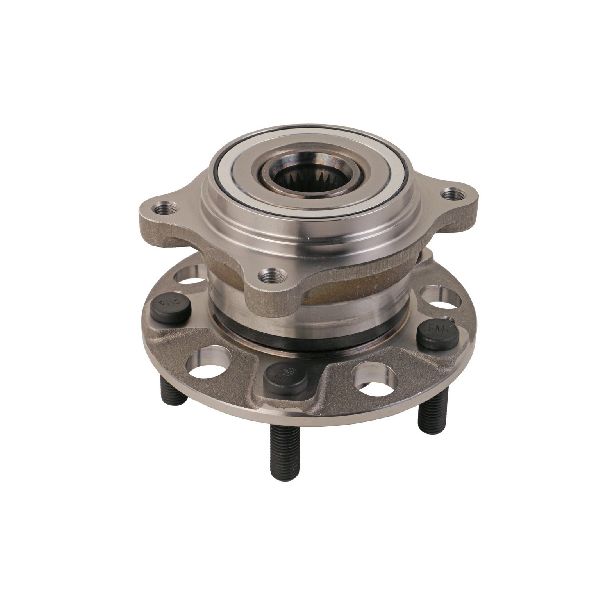
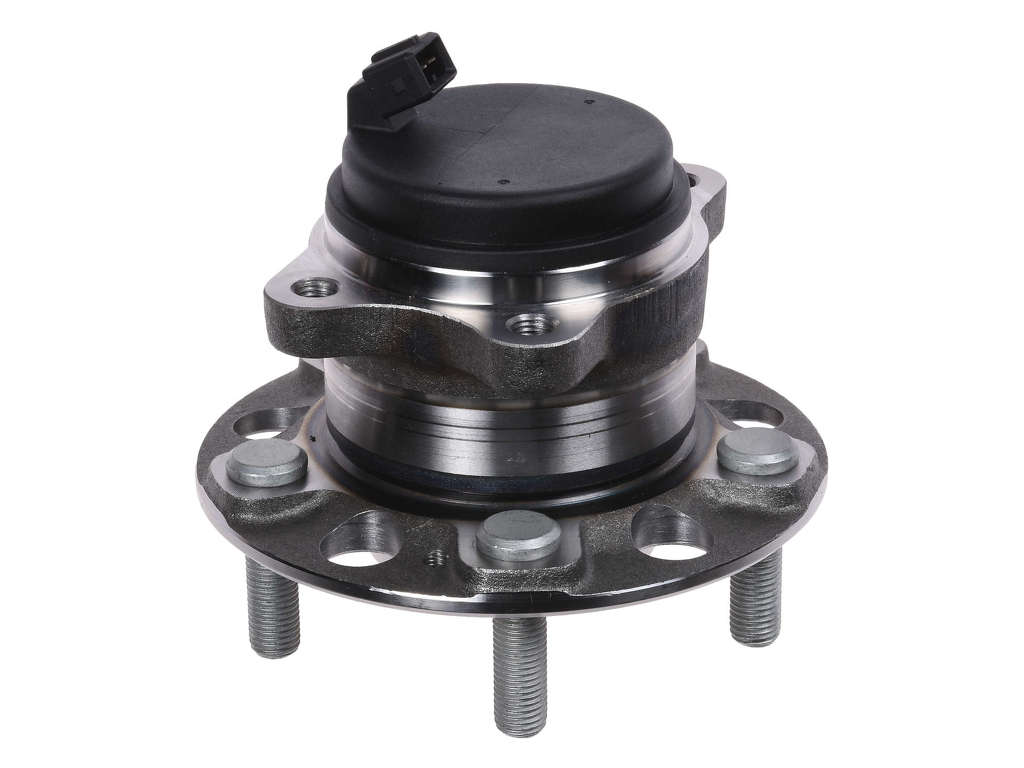
(OEM #52730-D3000 (FWD), 52750-D9000 (AWD))— Required if the integrated magnetic encoder ring is damaged or if the wheel bearing itself has failed, causing an erratic signal.
Trusted brands: Hyundai (Genuine OEM), Timken, MOOG, SKF
OEM price range: $200-$250
Aftermarket price range: $100-$180
Technical Service Bulletins (TSBs) & Recalls
- 21-01-010H (Recall 195) - ABS Fuse Kit Installation and Software Update
- NHTSA PI-0420A (similar GM issue): Details cleaning procedure for metallic debris on magnetic encoder rings, a common cause for wheel speed sensor codes.
Platform-Specific Known Issues
- Recall 195 (NHTSA 21V118000 / 20V543000): A critical safety recall affects 2016-2021 Tucson models. The ABS module (HECU) can develop an internal electrical short, creating a fire risk even when the vehicle is parked and turned off. The remedy involves installing a new multi-fuse kit. While this won't directly cause a C0050 code, it's a major issue with the same system that owners must be aware of. Owners should contact a Hyundai dealer to see if their vehicle is affected and have the free repair performed.
- Debris on Encoder Ring: A GM preliminary information bulletin for similar codes (C0035-C0050) notes that the most common cause is often ferrous metallic debris stuck to the magnetic encoder ring, which can be resolved by cleaning with a soft nylon brush without replacing parts. This is highly relevant to the Tucson's identical design.
Documented NHTSA Reports
- An owner report in NHTSA ODI #11649367 notes that after brake service, the vehicle disabled ABS and supporting systems, setting codes C0050 and C2227. The technician suggested the issue related to the extra brake fluid required to return caliper piston contact to the brake pad.
- NHTSA ODI #11693418 describes a diagnostic showing code C0050-00, where the repair required replacing the rotors, rear brake pads, and the adapter plate.
- In a cross-manufacturer report, NHTSA ODI #11228687 describes a vehicle where C0050 appeared alongside several other communication and sensor codes including C0035, C0040, and U0126.
- NHTSA ODI #10763888 provides a cross-manufacturer reference where C0050 was diagnosed as a faulty power steering control module (PSCM), requiring replacement of the steering column.
Mechanic-Grade Diagnostic Values
- Harness-Side Connector Voltage — expected: Approx. 12V (Battery Voltage). Failure: No voltage or significantly low voltage indicates a wiring or ABS module power supply issue.
- Harness-Side Connector Ground — expected: < 1 Ohm to chassis ground. Failure: High resistance or an Open Loop (OL) reading indicates a bad ground wire in the harness.
Hidden / Shadow Codes Worth Checking
- C0050-0F: An erratic wheel speed sensor signal is detected. This often points to a damaged or contaminated magnetic encoder ring, a loose wheel bearing, or intermittent wiring connection. (see via Advanced OBD-II scanner with ABS/Chassis system capabilities (e.g., Hyundai GDS, Autel, Launch).)
- C0050-18: Low signal amplitude is detected. This indicates a weak signal, which could be caused by an increased air gap between the sensor and ring, metallic debris, or internal sensor failure. (see via Advanced OBD-II scanner with ABS/Chassis system capabilities.)
- C0050-5A: The wheel speed sensor signal is not plausible when compared to other vehicle sensors (like the other three wheel speeds). This can be caused by an incorrect/incompatible sensor being installed. (see via Advanced OBD-II scanner with ABS/Chassis system capabilities.)
Scan Tool Commands That Help
- Hyundai GDS / Advanced Scan Tool: Live Data Graphing - Wheel Speed Sensors — This is the most critical diagnostic step. Graphing all four wheel speeds during a test drive will instantly show if the right rear sensor is dropping out, reading erratically, or reporting a speed inconsistent with the others, which is a classic sign of a bad sensor or an incompatible aftermarket part.
- Hyundai GDS / Advanced Scan Tool: ABS Solenoid Valve Actuation Test — While not directly for the C0050 sensor circuit, if you suspect wider ABS module issues, a technician can use this bidirectional command to individually cycle each ABS valve to check for mechanical binding within the hydraulic control unit (HCU). This is an advanced step to rule out a faulty module.
Wiring & Ground Locations
- ABS Module / HECU — Typically located in the engine bay, on the driver's or passenger's side, identifiable by the metal block with multiple brake lines and a large electrical connector.. The wiring harness for the right rear wheel speed sensor originates at this module. A visual inspection of the module's connector for corrosion or damage is a valid, though less common, diagnostic step.
- Rear Sensor Harness Path — The wiring runs from the sensor on the wheel hub, along a rear suspension control arm, through a grommet in the wheel well, and connects to the main body harness inside the vehicle, often behind the rear seat side bolster or interior trim panel.. This long path provides multiple points for potential damage. The section in the wheel well is prone to debris damage, while the connection point inside the cabin is a potential point of corrosion or loose connection.
Real Owner Repair Stories
- Hyundai Tucson Forum user (2016 Hyundai Tucson 1.7L) — ABS, ESC, Downhill Brake, AEB, and BSD warning lights all illuminated.
❌ Tried (didn't work) Replacing the rear wheel speed sensor with an aftermarket Quinton Hazel part., Replacing the rear hub assembly.
✅ What actually fixed it The problem was an incompatible aftermarket sensor. After the parts were replaced, the fault remained. A proper scan tool with live data showed the new aftermarket sensor was reporting a speed twice as fast as the other OEM sensors. The fix required replacing the aftermarket sensor with a genuine OEM or OE-equivalent part that reports the correct speed data. - YouTube Commenter (2017 Hyundai Santa Fe (similar platform)) — ABS sensor warning light was on, brakes felt like they were grinding or stuck.
❌ Tried (didn't work) Initial diagnosis pointed towards a faulty ABS sensor.
✅ What actually fixed it The actual cause was a mechanical issue, not electrical. The caliper slide pins were sticking due to old, thick grease. After removing, cleaning, and re-lubricating the caliper slide pins so they moved freely, the ABS light went away after a few miles of driving.
Model Year Variations Within This Range
- 2016-2021: The rear wheel hub and bearing assembly part number is different for Front-Wheel Drive (FWD) models (52730-D3000) versus All-Wheel Drive (AWD) models (52750-D9000). The ABS sensor itself is the same, but installing the wrong hub will result in fitment issues.
Diagnostic Flowchart
Other Known Issues on This Vehicle
Issues unrelated to this code that are worth knowing about as an owner of this generation:
- Engine Failure & Excessive Oil Consumption 🔴 High — Widespread across multiple engine types (2.0L Nu, 2.4L Theta II), often appearing after 50,000 miles. Subject of multiple class-action lawsuits and warranty extensions. (Ref: Multiple TSBs exist, including 23-EM-007H for oil consumption inspection. Warranty extensions and settlements are in place for affected VINs.)
- ABS Module Fire Risk 🔴 High → Shop ABS Control Module — Affects a large number of 2016-2021 models. An internal short in the ABS module can cause a fire, even with the engine off. (Ref: NHTSA Recall 21V118000 (Hyundai Recall 195).)
- 7-Speed Dual-Clutch Transmission (DCT) Hesitation & Failure 🟠 Medium — Common on models equipped with the 1.6L Turbo engine, especially 2016-2018 models. Symptoms include hesitation from a stop, jerky shifts, and complete loss of movement. (Ref: NHTSA Recall 16V628000 (Hyundai Campaign 149) involved a software update to address the issue. TSBs like 16-01-038 also exist.)
Used vs. New Parts: Buying Guide for This Vehicle
When a used part is the smart pick: For this repair, using a salvaged part is generally not recommended for the electronic sensor or the wear-item hub bearing. However, if the fault is traced to a damaged wiring connector (pigtail), a used connector cut from a junkyard harness is a perfectly acceptable and cost-effective repair.
Donor-vehicle mileage cap: roughly under 80000 miles for the part to have meaningful remaining life.
What to inspect on the donor part:
- For a wiring pigtail, inspect for clean, un-corroded pins.
- Ensure the donor harness has at least 6-8 inches of wire past the connector to allow for easy splicing.
- Avoid connectors from vehicles with obvious signs of flood or fire damage.
OEM-only on this vehicle (don't cheap out):
- ABS Wheel Speed Sensor
Aftermarket brands forum-validated for this vehicle:
- Mando (often the Original Equipment supplier for Hyundai)
- Beck/Arnley (known for repackaging OE-quality parts)
- NTK
- Standard Motor Products (SMP)
Brands owners have reported issues with on this vehicle:
- Unknown or generic 'white-box' brands from online marketplaces. As evidenced by forum posts, some aftermarket sensors may fit physically but send incorrect data, preventing the fault from being cleared.
Real Owner Stories
Aggregated from forums and TSBs cited above. Mileages and costs reflect what owners reported in those sources.
2016 Hyundai Tucson
Symptoms: Multiple system warning lights illuminated, including ABS and ESC. The owner noted that a single fault was causing a cascade of warnings across the dashboard.
What fixed it: Diagnosed as a wheel speed sensor fault; members advised that generic scanners might not see the code and to check the sensor circuit.
Source hint: Hyundai Tucson Forum thread titled '2016 tuscon n-s-r wheel speed sensor fault'
Related OBD-II Codes
Frequently Asked Questions
Does Recall 195 apply to my 2016-2021 Hyundai Tucson if I have a C0050 code?
Can I use a standard OBD-II scanner to diagnose C0050 on my Tucson?
Is there a specific cleaning procedure for the right rear sensor area on this vehicle?
Why are my AWD and Downhill Brake Control lights on when the code is for a rear wheel sensor?
Will the engine warranty extension for the 2.0L Nu or 2.4L Theta II cover my C0050 repair?
Helpful Videos
Used OEM Parts in Stock
New Aftermarket Parts Available


The information in this article is provided for general reference and educational purposes only. Vehicle specifications, procedures, and part compatibility can vary by production date, trim level, and region. Always consult your vehicle's factory service manual and verify part numbers before purchasing or performing repairs. Safety-critical components such as airbags, seat belts, and braking systems should be installed by a qualified professional.
- Hyundai Tucson:
- 🧭 Diagnostic Flowchart
- 🎬 Helpful Videos
- 🛍️ Shop This Part
- What's Unique About the 2016-2021 Hyundai Tucson
- Symptoms You May Notice
- Most Likely Causes
- Rare But Worth Checking
- Diagnosis Steps
- Parts You'll Likely Need
- Technical Service Bulletins (TSBs) & Recalls
- Platform-Specific Known Issues
- Documented NHTSA Reports
- Mechanic-Grade Diagnostic Values
- Hidden / Shadow Codes Worth Checking
- Scan Tool Commands That Help
- Wiring & Ground Locations
- Real Owner Repair Stories
- Model Year Variations Within This Range
- Other Known Issues on This Vehicle
- Used vs. New Parts: Buying Guide for This Vehicle
- Real Owner Stories
- 2016 Hyundai Tucson
- Related OBD-II Codes
- Frequently Asked Questions
- 🎟️ Get 5% Off