

C0050 on 2007-2017 Jeep Compass: Right Rear Wheel Speed Sensor Fault Causes and Fixes
Code C0050 on a Jeep Compass means there's a fault with the right rear wheel speed sensor circuit. This usually requires replacing the sensor itself or the wiring harness connector. In some cases, especially if there's a grinding noise, the entire wheel hub assembly which contains the sensor's magnetic ring needs replacement. The issue is common on the Compass and its platform-mates, the Jeep Patriot and Dodge Caliber.
- Code C0050 means your Jeep's ABS and stability control are off; drive cautiously, especially in bad weather.
- The most likely cause is a failed right rear wheel speed sensor, which is a relatively inexpensive and accessible part to replace.
- Before buying parts, always perform a visual inspection of the sensor's wiring and connector for obvious damage.
- Use an ABS-capable scan tool to confirm the fault is isolated to the right rear wheel before starting repairs.
- If you own a 2017 model, verify if you have the first (MK49) or second (MP) generation Compass to ensure you buy the correct parts.
What's Unique About the 2007-2017 Jeep Compass
The 2007-2017 Jeep Compass spans two completely different generations. The first generation (2007-2016, also sold in 2017 as 'Compass Classic') was based on the Chrysler PM/MK platform, shared with the Dodge Caliber and Jeep Patriot. The second generation (starting in 2017) is a modern Fiat-based platform. While the C0050 code's meaning is the same, the specific parts (sensor, hub, connectors) are not interchangeable between generations. Early 2007 models were also subject to a recall (F50) to reprogram the ABS module for unrelated braking issues, highlighting early software sensitivities.
Generation note: The 2007-2017 range covers two generations: - First Generation (MK49): 2007 - 2016 (and some early 2017 models). These are mechanically related to the Dodge Caliber and Jeep Patriot. - Second Generation (MP): 2017 - present. This is a completely redesigned vehicle. It is critical to buy parts specific to your vehicle's generation, as sensors and hub assemblies are different.
Symptoms You May Notice
- ABS warning light is on
- Traction Control (ESC/ESP) warning light is on
- Brake warning light may be on
- Cruise control may not work
- 4WD service light may illuminate on equipped models
- ABS system does not activate during hard braking (wheels may lock and skid)
- Grinding or buzzing noise from the ABS pump area during self-test
- Replacing the ABS sensor when the actual problem is a damaged wire further up the harness.
- Replacing the wheel hub assembly when the issue is just a simple sensor failure.
- Ignoring a bad wheel bearing that is the root cause of the tone ring damage and subsequent C0050 code.
- Replacing the ABS module when the fault lies with the sensor, wiring, or hub.
Most Likely Causes
- Failed Right Rear Wheel Speed Sensor 🔴 High Probability → Shop ABS Wheel Speed Sensor Wheel speed sensors are exposed to harsh conditions (water, salt, dirt, vibration) which causes them to fail over time. This is a very common failure item on the Compass and its platform mates. The internal electronics can short or break, leading to a loss of signal.
How to confirm: Use an ABS-capable scan tool to monitor live data from all four wheels 🎬 See how to diagnose a sensor that isn't working properly while driving. If the right rear sensor reads 0 MPH or shows an erratic signal while the others read correctly, the sensor is likely bad. Sometimes the sensor breaks upon removal, which also confirms it needed replacement.
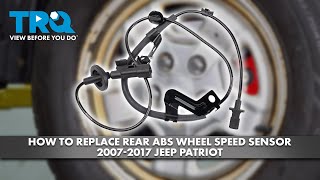
Typical fix: Replace the right rear wheel speed sensor. 🎬 Watch: Step-by-step guide to replacing the rear wheel speed sensor The sensor is typically held in by a single 10mm or Allen head bolt. The old sensor may be seized in the hub and require significant force or even drilling to remove if it breaks.
Est. part cost: $25-$75 - Damaged Wiring or Connector 🟡 Medium Probability The wiring harness runs near the moving suspension and wheel, making it susceptible to damage from road debris, improper jacking, or corrosion in areas with heavy salt use. The wires can chafe against the fender liner or break right at the connector due to repeated suspension movement.
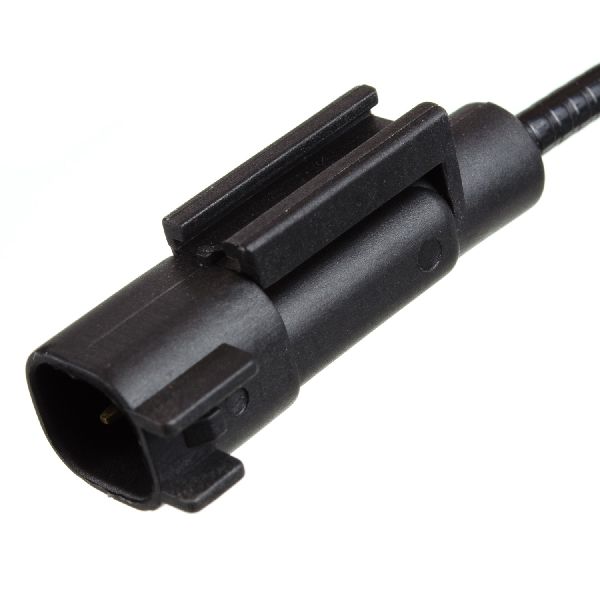
How to confirm: Visually inspect the wiring from the sensor up into the wheel well. Look for chafed, broken, or corroded wires. Pay close attention to the area where the harness flexes. Check the connector for corrosion, moisture, or bent/broken pins after sliding back the red lock tab.
Typical fix: Repair the damaged section of wire or replace the pigtail connector. Pigtail kits are available. Ensure the repair is sealed with heat shrink tubing to prevent future moisture intrusion.
Est. part cost: $15-$40 for a pigtail connector - Damaged or Debris-Covered Hub/Tone Ring ⚪ Low Probability The magnetic tone ring, which the sensor reads, is integrated into the wheel hub assembly. Rust jacking or an accumulation of metallic debris can corrupt the signal. A failing wheel bearing can also damage the ring or cause excessive movement (runout) that leads to an erratic signal.
How to confirm: After removing the sensor, inspect the tone ring on the hub for visible damage, cracks, or a heavy buildup of rust or metallic particles. A failing wheel bearing may also produce a humming or grinding noise while driving that changes with speed.
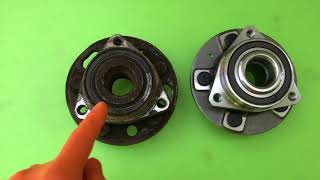
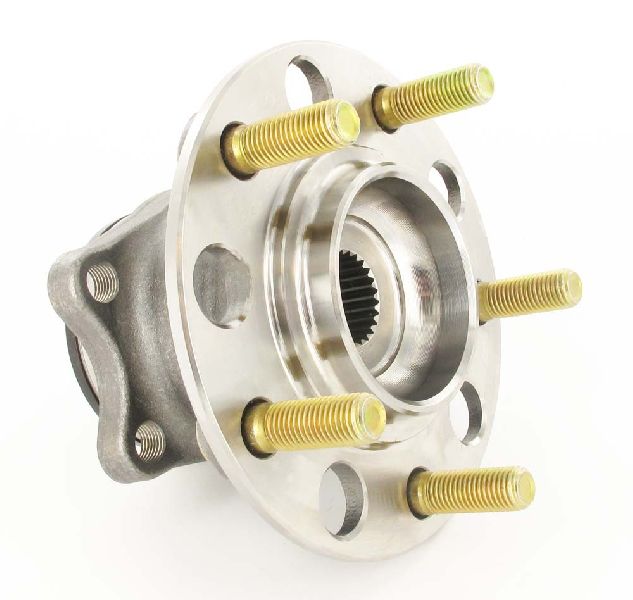
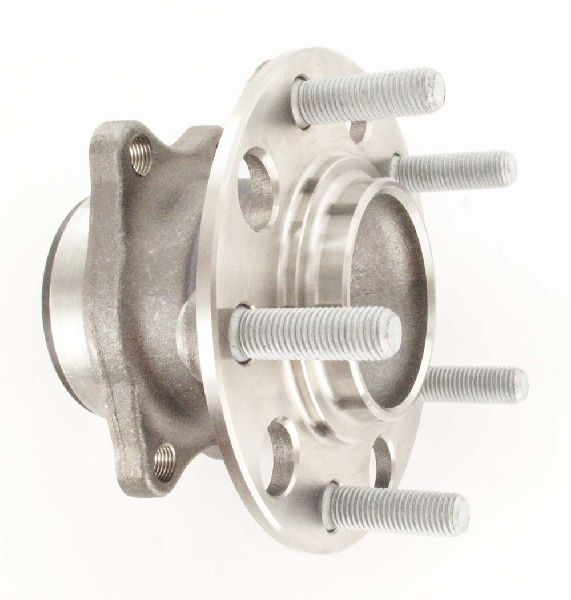
Typical fix: If the tone ring is damaged or the bearing has failed, the entire wheel hub and bearing assembly must be replaced. 🎬 Watch: How to replace the rear hub and bearing assembly
Est. part cost: $80-$200
Rare But Worth Checking
- Failed ABS Control Module: → Shop ABS Control Module This is the least likely cause. Before condemning the module, all other possibilities (sensor, wiring, hub) must be exhaustively ruled out. This usually sets multiple wheel speed sensor codes, not just one.
- Low Battery Voltage: A weak or failing battery can cause various electronic modules, including the ABS computer, to behave erratically and set false codes. If other electrical issues are present, test the battery and charging system first.
Diagnosis Steps
- Connect an ABS-capable OBD-II scanner to the vehicle.
- Confirm the presence of code C0050. Note any other codes, especially specific sub-codes like C0050-18 (Low Signal Amplitude).
- View the live data stream for all four wheel speed sensors.
- Drive the vehicle slowly (above 5-10 mph) in a straight line and observe the readings. Confirm that the Right Rear sensor reading is erratic, drops to zero, or does not match the other sensors.
- Safely raise and secure the rear of the vehicle. Remove the right rear wheel.
- Visually inspect the wheel speed sensor and its wiring harness for any obvious damage, such as cracks, fraying, or melting. Check for chafing against suspension components or the fender liner.
- Disconnect the sensor. Slide the red locking tab back first, then press the release tab. Inspect the electrical connector for corrosion, moisture, or bent pins.
- If the wiring looks good, remove the sensor (typically one 10mm or Allen bolt). Be prepared for it to be seized. Twisting with pliers can help break it free, but it may break off in the hub.
- If the sensor breaks, the remaining plastic piece must be carefully removed, often by drilling or breaking it out with a small screwdriver, being careful not to damage the hub.
- Inspect the magnetic tone ring on the wheel hub assembly through the sensor hole. Look for damage, cracks, or excessive rust/debris. Spin the hub to check the entire ring.
- If no visual faults are found, proceed with replacing the sensor, as it is the most likely failed component.
Parts You'll Likely Need
- Rear Wheel Speed Sensor
(OEM #5105522AC (for MK49 generation, verify with VIN))— This is the most common failure point for a C0050 code. It is a non-serviceable electronic component exposed to the elements.
Trusted brands: Mopar, Standard Motor Products (SMP), NTK, Delphi, Dorman
OEM price range: $50-$100
Aftermarket price range: $25-$75 - Rear Wheel Hub and Bearing Assembly
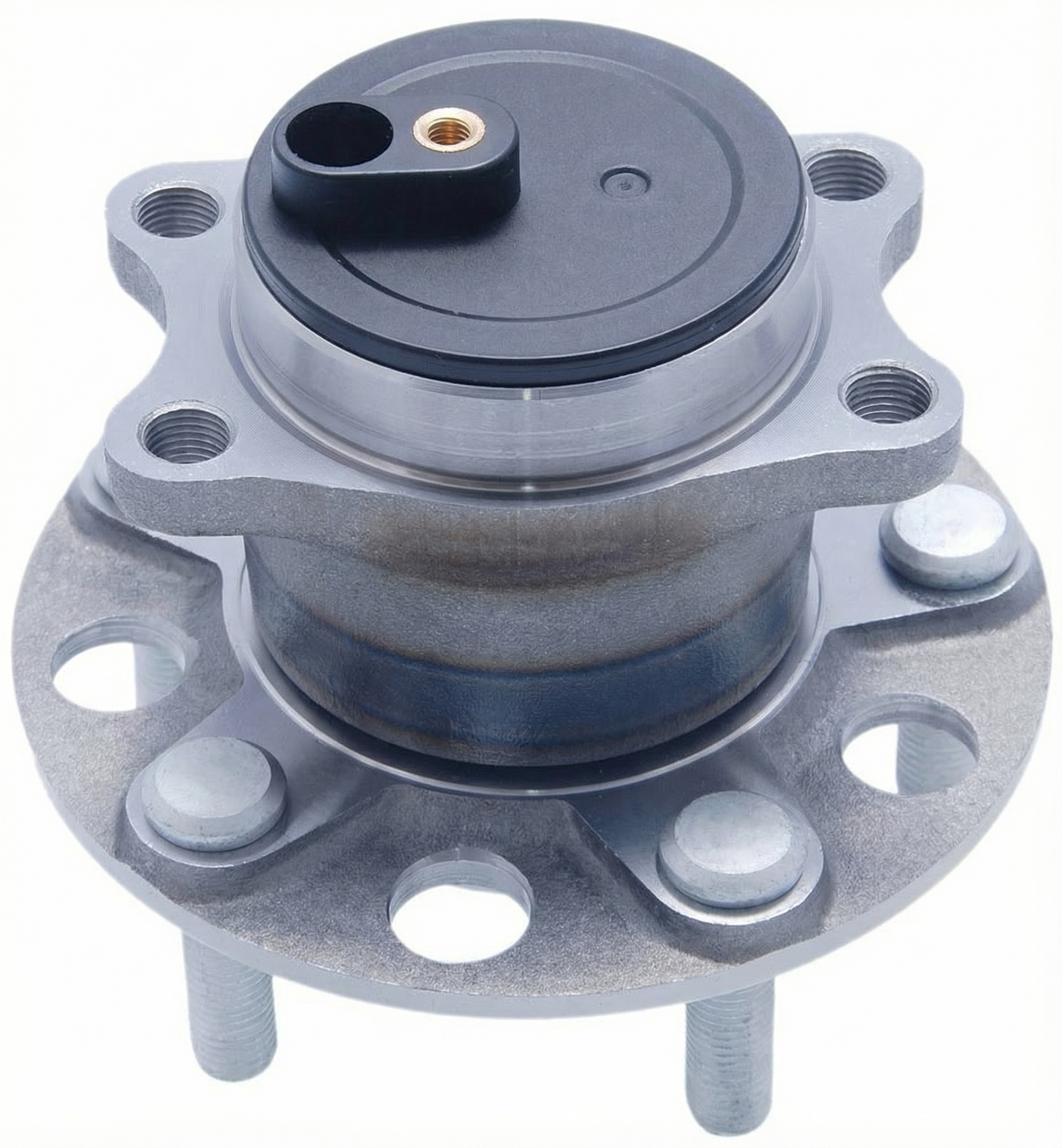
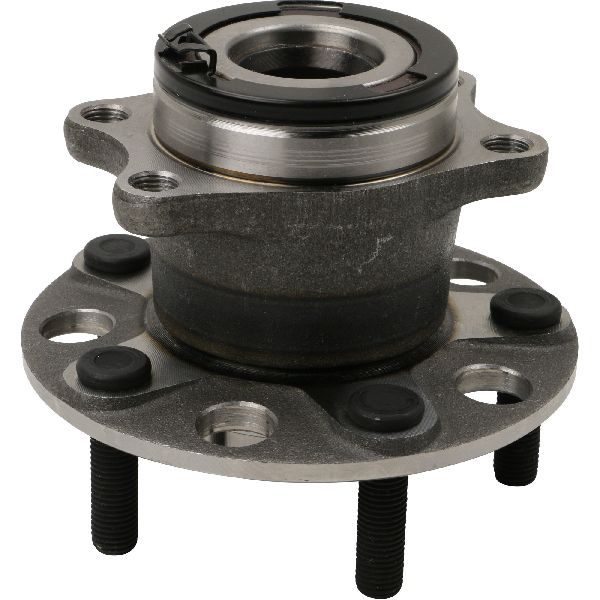
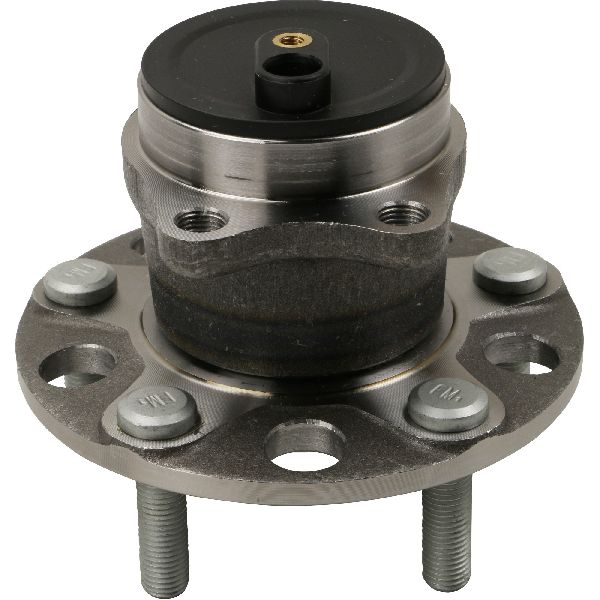
(OEM #512322 (Aftermarket reference for MK49 FWD/AWD))— Required if the integrated magnetic tone ring is damaged or if the wheel bearing itself has failed, causing the fault.
Trusted brands: Mopar, Timken, SKF, MOOG, DuraGo
OEM price range: $150-$250
Aftermarket price range: $80-$150
Related Codes That Often Appear With This One
- C003A — C003A is a more specific code for 'Right Rear Wheel Speed Sensor Circuit Current Out of Range'. It often appears alongside or instead of the more generic C0050, pointing to the same fundamental issue.
- U0415 — This code means 'Invalid Data Received From ABS Control Module'. It can be triggered as a secondary fault in other modules (like the PCM or BCM) because they are not receiving valid wheel speed data from the ABS system due to the C0050 fault.
Technical Service Bulletins (TSBs) & Recalls
- TSB 05-003-21: Applies to 2018-2019 models (relevant for the second-gen 2017 Compass) for wheel speed sensor failure due to water intrusion, setting codes like C003A-1D (a variant of C0050).
- TSB 9004311: While for a different model (Wrangler), it details troubleshooting for ABS codes caused by wiring issues, a relevant diagnostic pattern.
Platform-Specific Known Issues
- Safety Recall F50 (2007 models): Early 2007 Jeep Compass models were recalled to reprogram the ABS control module software to prevent rear brake lock-up under certain conditions. While not a direct cause of C0050, it's a known ABS system issue for this model year.
- Generation Mismatch: Owners of 2017 models must be certain which generation they own (MK49 or MP) before ordering parts, as they are not interchangeable.
- Corroded Ground Wires: On the MK49 platform, corroded ground points, particularly under the driver's side dash or near the brake system components, can cause various brake-related warning lights and is a known issue on platform mates.
Mechanic-Grade Diagnostic Values
- Signal wire voltage at sensor connector, Key On Engine Off, sensor UNPLUGGED — expected: ~11-12V (Battery Voltage). Failure: A low reading, such as 2-6V, points to high resistance or an open in the signal wire harness.
- Signal wire voltage at sensor connector, Key On Engine Off, sensor PLUGGED IN — expected: ~10V. Failure: A significant drop from the unplugged voltage or an unstable reading suggests a faulty sensor or wiring issue.
- Sensor internal resistance (Ohms) — expected: No specific Ohm value is published for this active sensor. The reading should be nearly identical to the sensor on the opposite side of the vehicle.. Failure: A reading of OL (Open Loop) or a value that is significantly different from the known-good sensor on the other wheel indicates failure.
- Continuity of sensor harness wires — expected: Less than 2.0 Ohms. Failure: A reading higher than 2.0 Ohms or OL (Open Loop) indicates a break in the wire between the ABS module and the sensor connector.
Hidden / Shadow Codes Worth Checking
- C0050-18: Signal Amplitude Less Than Minimum. This indicates a weak or erratic signal, often caused by a large air gap, debris on the tone ring, or an internal sensor failure. (see via Requires an advanced, dealer-level, or high-end bidirectional scan tool.)
- C0050-5A: Signal Plausibility Failure. The signal from the sensor doesn't make sense compared to other vehicle sensors (e.g., other wheel speeds). This can point to a damaged tone ring or an intermittent wiring issue. (see via Requires an advanced, dealer-level, or high-end bidirectional scan tool.)
- C0050-00: General Circuit Malfunction. This is a generic sub-code indicating a fault like an open circuit, short to ground, or high resistance in the sensor circuit. (see via Requires an advanced, dealer-level, or high-end bidirectional scan tool.)
Scan Tool Commands That Help
- ABS-Capable OBD-II Scanner (e.g., WiTech, Autel, Launch): Clear Fault Codes — After the physical repair is complete, the stored C0050 code must be cleared from the ABS module's memory. In some cases, the light may extinguish on its own after driving over 10-20 mph, but clearing the code is the proper final step.
Wiring & Ground Locations
- Right Rear ABS Sensor Wires (at sensor) — In the harness connecting to the right rear wheel speed sensor.. For a 2010 model, the wire colors are Dark Green/Tan and White/Dark Blue. Knowing these colors is critical for performing continuity and voltage tests from the sensor to the ABS module.
- ABS System Fuses (2011-2017) — In the under-hood fuse box (Totally Integrated Power Module - TIPM).. Before testing complex circuits, check Fuse #33 (10A, ABS Module), #34 (30A, ABS Valve), and #35 (40A, ABS Pump). A blown fuse can disable the system and cause codes.
- G200 Ground — Located on the left side of the dash, likely behind the driver's side kick panel.. This is a key ground point for various dash-related electronics. While not the primary ground for the sensor itself, a poor connection here can cause communication issues with the ABS module, leading to various codes.
- Harness Chafe Point — The section of the harness that runs through the wheel well and flexes with suspension travel.. This area is highly prone to internal wire breaks from repeated movement and chafing against the fender liner or suspension components, causing intermittent C0050 faults that are hard to diagnose visually.
Real Owner Repair Stories
- Pine Hollow Auto Diagnostics (YouTube) (Jeep (MK Platform)) — Persistent ABS light and code after the shop had already replaced the wheel speed sensor and hub assembly.
❌ Tried (didn't work) Replacing the wheel speed sensor, Replacing the wheel hub assembly
✅ What actually fixed it An open in the signal wire was found. The wire had broken inside the insulation along the frame rail. The technician diagnosed it by finding battery voltage at the ABS module connector but only 2-6 volts at the sensor connector, indicating high resistance. The wire was repaired to fix the issue. - Hayes Mobile Auto Repair (YouTube) (Chevrolet Malibu (similar active sensor system)) — Stability track light on, C0050 'erratic signal' code stored.
❌ Tried (didn't work) Replacing the wheel speed sensor months prior did not solve the issue long-term.
✅ What actually fixed it The entire wheel hub and bearing assembly was replaced. Close inspection of the old hub showed that pieces of the magnetic encoder (tone) ring had flaked off and were missing, causing the erratic signal. The bearing itself felt smooth and made no noise, which is why it was initially overlooked. - Reddit user on r/JeepCompass (2016 Jeep Compass) — ABS, 4WD, and traction control lights on. Lights would turn off above 40 mph, but then the traction control would activate improperly and cut acceleration.
❌ Tried (didn't work) A mechanic replaced the sensor, but because the mounting area on the knuckle was rusty, they 'glued it in place' instead of ensuring a secure bolt-down fit.
✅ What actually fixed it The story is a cautionary tale. The root cause was an improperly seated sensor due to rust on the mounting surface. The 'glue' fix was inadequate, allowing the sensor to vibrate and send an erratic signal, especially at lower speeds. The correct fix would be to thoroughly clean the mounting surface to ensure the new sensor sits flush and is securely bolted.
Documented NHTSA Reports
- NHTSA ODI #11649367: A technician reported that a vehicle disabled the ABS and supporting systems, setting codes C0050 and C2227. The report suggests that extra brake fluid required to return caliper piston contact to the brake pad after service may be a factor in system behavior.
- NHTSA ODI #11693418: An owner reported that a diagnostic showed DTC code C0050-00. The repair required replacing the rotors, rear brake pads, and the adapter plate.
"I Checked Everything" — The Actual Cause
- While smoke tests are not used for this circuit, a common pattern is replacing the sensor and even the hub assembly, yet the C0050 code returns. The actual cause is often an internal break in the wiring harness between the ABS module and the wheel. The wire appears perfectly fine from the outside, but has failed internally from years of flexing. This can only be found with a voltage drop test or by checking continuity while wiggling the harness.
OEM Part Supersession History
5105522AC→Check with dealer using VIN. Part numbers often change and may differ for FWD vs 4WD models.— Part revisions for improved durability or supplier changes.
Heads up: The most critical incompatibility is between FWD and 4WD models of the same year, which may use different rear sensors. Always verify the part number against the vehicle's VIN and drivetrain configuration.
Model Year Variations Within This Range
- 2007-2017 (MK49): Rear wheel speed sensors and hub assemblies are different for Front-Wheel Drive (FWD) and Four-Wheel Drive (4WD) models. Ordering the wrong part for the vehicle's drivetrain is a common mistake.
- 2011-2017: The fuse layout in the TIPM (under-hood fuse box) for the ABS system was specified for these years, with fuses at positions 33, 34, and 35 controlling the module, valve, and pump respectively.
Diagnostic Flowchart
Other Known Issues on This Vehicle
Issues unrelated to this code that are worth knowing about as an owner of this generation:
- Subframe Rust/Corrosion 🔴 High — Very common, especially in salt-belt regions. Can become severe after 8-10 years. Chrysler issued a 10-year extended warranty (X69) for this, which has now expired for most vehicles. (Ref: Warranty Extension X69 (now expired))
- CVT Transmission Failure 🔴 High — Common on models equipped with the Jatco CVT2. Symptoms include overheating, whining, hesitation, and complete failure, often between 80,000 and 120,000 miles.
- Suspension Component Wear 🟠 Medium — Premature failure of lower control arms, ball joints, and tie rods is frequently reported, often starting around 60,000 miles, leading to clunking noises and poor alignment.
- Water Leaks into Cabin 🟡 Low — Commonly reported from clogged sunroof drains, bad tailgate seals, or poor body seams, leading to wet carpets and potential mold issues.
- Alternator/TIPM Electrical Issues 🟠 Medium — Failures of the alternator and the Totally Integrated Power Module (TIPM) are reported, causing a range of electrical problems from stalling and no-starts to erratic behavior of lights and accessories.
Used vs. New Parts: Buying Guide for This Vehicle
When a used part is the smart pick: A used part is a reasonable choice for a wiring harness pigtail if the original connector is damaged. A complete used hub assembly can be considered if it's from a low-mileage, rust-free donor vehicle.
Donor-vehicle mileage cap: roughly under 80000 miles for the part to have meaningful remaining life.
What to inspect on the donor part:
- For a hub assembly, spin it by hand to ensure there is zero noise, grinding, or play.
- Visually inspect the magnetic tone ring on the hub for any cracks, chips, or deep rust.
- For a wiring pigtail, check that the connector's locking tab is intact and the wires are flexible, not brittle or cracked.
OEM-only on this vehicle (don't cheap out):
- No parts are strictly OEM-only for this repair. However, some technicians and owners prefer Mopar-branded sensors to guarantee perfect communication with the ABS module and avoid potential compatibility issues that can sometimes arise with budget aftermarket brands.
Aftermarket brands forum-validated for this vehicle:
- NTK
- Standard Motor Products (SMP)
- Delphi
- Dorman (for sensors)
- Timken
- SKF
Brands owners have reported issues with on this vehicle:
- No-name, unbranded sensors from online marketplaces can have a higher failure rate or cause communication issues with the ABS module. While they may work initially, their longevity is often questionable.
Real Owner Stories
Aggregated from forums and TSBs cited above. Mileages and costs reflect what owners reported in those sources.
2016 Jeep Compass
Symptoms: Rear passenger speed sensor failure; mechanic had difficulty clipping the new sensor into place.
What fixed it: Replacement of the rear passenger speed sensor, though fitment issues with the connector were noted.
Source hint: Reddit r/Jeep - Wheel speed sensor and other issues jeep compass 2016
2007 Jeep Compass
Symptoms: ABS and 4WD lights came on simultaneously; discovered severe structural corrosion.
What fixed it: Identification of a rusted-out rear subframe and spring.
Source hint: CarComplaints.com - 2007 Jeep Compass Rusted Out Subframe And Spring
2012 Jeep Patriot (Platform Mate)
Symptoms: Multiple warning lights on the dash; sometimes the vehicle was prevented from operating correctly.
What fixed it: Replacement of the broken wheel speed sensor.
Source hint: Reddit r/JeepCompass - Left rear speed sensor is broken
Related OBD-II Codes
Frequently Asked Questions
Does Safety Recall F50 apply to my 2007 Jeep Compass?
I have a 2017 Jeep Compass; how do I know which wheel speed sensor to buy?
Can a rusted subframe cause my ABS and 4WD lights to come on?
Is there a TSB for wheel speed sensor failure on the newer 2017 Compass models?
Why is my 4WD service light on along with the ABS light?
Can I just clean the sensor, or does it have to be replaced?
Helpful Videos
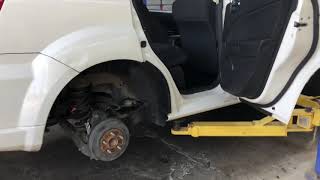
Used OEM Parts in Stock
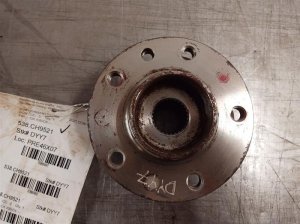
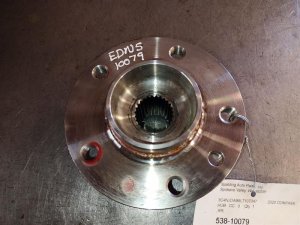
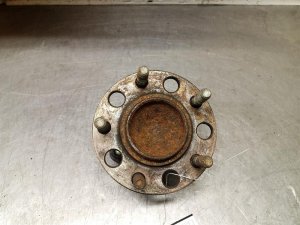
New Aftermarket Parts Available

The information in this article is provided for general reference and educational purposes only. Vehicle specifications, procedures, and part compatibility can vary by production date, trim level, and region. Always consult your vehicle's factory service manual and verify part numbers before purchasing or performing repairs. Safety-critical components such as airbags, seat belts, and braking systems should be installed by a qualified professional.
- Jeep Compass:
- 🧭 Diagnostic Flowchart
- 🎬 Helpful Videos
- 🛍️ Shop This Part
- What's Unique About the 2007-2017 Jeep Compass
- Symptoms You May Notice
- Most Likely Causes
- Rare But Worth Checking
- Diagnosis Steps
- Parts You'll Likely Need
- Related Codes That Often Appear With This One
- Technical Service Bulletins (TSBs) & Recalls
- Platform-Specific Known Issues
- Mechanic-Grade Diagnostic Values
- Hidden / Shadow Codes Worth Checking
- Scan Tool Commands That Help
- Wiring & Ground Locations
- Real Owner Repair Stories
- Documented NHTSA Reports
- "I Checked Everything" — The Actual Cause
- OEM Part Supersession History
- Model Year Variations Within This Range
- Other Known Issues on This Vehicle
- Used vs. New Parts: Buying Guide for This Vehicle
- Real Owner Stories
- 2016 Jeep Compass
- 2007 Jeep Compass
- 2012 Jeep Patriot (Platform Mate)
- Related OBD-II Codes
- Frequently Asked Questions
- 🎟️ Get 5% Off