

C0050 on 2007-2013 Mitsubishi Outlander: Right Rear Wheel Speed Sensor Fault Causes and Fixes
Code C0050 on a 2007-2013 Mitsubishi Outlander means there is a fault in the right rear wheel speed sensor circuit. This is most often caused by a failed sensor or damaged wiring. Expect to pay $25-$70 for an aftermarket sensor and perform a relatively simple DIY replacement, though the sensor can sometimes seize in the hub. In some cases, the magnetic encoder ring, which is integrated into the wheel hub assembly, may be rusted or damaged, requiring a more expensive hub replacement.
- C0050 on a 2007-2013 Outlander points directly to a problem with the right rear wheel speed sensor circuit.
- The most common fix is replacing the right rear wheel speed sensor, which is an affordable part.
- Before replacing the sensor, always inspect the wiring for damage and use a scan tool to confirm the sensor is not sending a signal.
- Be prepared for the possibility that the sensor is seized in the hub or that the entire wheel bearing assembly needs replacement due to a damaged tone ring.
- Do not ignore this code; it disables important safety systems like ABS and stability control.
What's Unique About the 2007-2013 Mitsubishi Outlander
On the second-generation Mitsubishi Outlander and its platform mates (like the Dodge Caliber and Jeep Compass), ABS and 4WD system warnings are a relatively common owner complaint. While the C0050 code often points to a simple sensor failure, owners should be aware that the magnetic tone ring is integrated into the wheel bearing assembly. Damage, debris, or rust on this ring can cause an erratic signal and may require replacing the entire rear wheel hub and bearing, not just the sensor. The sensor connector is also located inside the vehicle, requiring the removal of interior trim panels for access.
Symptoms You May Notice
- ABS warning light is on
- ASC (Active Stability Control) or traction control warning light is on
- "SERVICE REQUIRED" message may appear on the dash display
- 4WD system warning light may illuminate
- Cruise control may be disabled
- Replacing the wheel speed sensor without first checking the wiring harness for damage.
- Replacing the wheel speed sensor when the actual fault is a damaged or corroded tone ring on the wheel bearing assembly.
- Replacing the wheel hub assembly when the fault is a simple wiring break near the sensor.
Most Likely Causes
- Failed Right Rear Wheel Speed Sensor 🔴 High Probability → Shop ABS Wheel Speed Sensor The sensor is located behind the wheel, where it is exposed to water, road salt, and debris, leading to corrosion and electronic failure over time.
How to confirm: Use an ABS-capable scan tool to monitor live data from all four wheels while driving. If the right rear sensor shows 0 MPH or an erratic speed while the others read correctly, the sensor is the likely culprit.
Typical fix: Replace the right rear wheel speed sensor. The sensor is typically held in by a single bolt, but can seize in the steering knuckle due to rust and may be difficult to remove without breaking it. The electrical connector is located behind the interior trim panels in the cargo area.
Est. part cost: $25-$70 - Damaged Wiring or Connector 🟡 Medium Probability The wiring harness runs along the suspension and can be damaged by road debris, improper jacking, or corrosion, leading to an open or short circuit.
How to confirm: Visually inspect the wiring harness from the sensor to where it enters the vehicle body for any signs of chafing, breaks, or corrosion. The connector is located inside the vehicle, so interior trim must be removed for a full circuit test. Use a multimeter to check for continuity and proper voltage at the sensor connector.
Typical fix: Repair the damaged section of wire or replace the pigtail connector. Ensure the repair is sealed against moisture.
Est. part cost: $15-$50 - Damaged or Rusted Wheel Bearing Tone Ring ⚪ Low Probability The magnetic tone ring (encoder) is part of the wheel bearing assembly. Rust can build up on the ring, cause it to crack, or have pieces flake off, which disrupts the signal the sensor reads.
How to confirm: After removing the wheel speed sensor, use a light to visually inspect the tone ring inside the hub for rust, debris, or cracks. Spin the hub to check the entire ring. An erratic but present signal on a scan tool can also point to a damaged ring.
Typical fix: The tone ring is not serviced separately. The entire rear wheel hub and bearing assembly must be replaced.
Est. part cost: $80-$200
Rare But Worth Checking
- Faulty ABS Control Module: → Shop ABS Control Module This is an uncommon cause. A failing ABS module would typically store multiple wheel speed sensor codes or internal fault codes. Before condemning the module, all other possibilities (sensor, wiring, hub) should be exhaustively ruled out.
Diagnosis Steps
- Connect an ABS-capable scan tool to the OBD-II port.
- Confirm C0050 is the active code and check for any other related codes. Note any sub-codes like C0050-18 (low signal) or C0050-5A (plausibility failure) which can help pinpoint the issue.
- Access the live data stream on the scan tool and monitor the speeds of all four wheels while driving in a straight line.
- Verify if the Right Rear (RR) wheel speed reading is zero, erratic, or significantly different from the other three wheels.
- If the RR signal is faulty, raise and safely support the rear of the vehicle.
- Remove the right rear wheel to access the sensor and wiring.
- Visually inspect the wheel speed sensor and its wiring harness for any obvious damage, fraying, or corrosion.
- Remove the sensor (typically one 10mm or 12mm bolt). It may be seized with rust; use penetrating oil and gentle prying. Be prepared for it to break upon removal.
- Shine a light into the sensor mounting hole and slowly rotate the hub to inspect the magnetic tone ring on the wheel bearing for cracks, rust, missing sections, or heavy debris.
- If the tone ring is damaged, the wheel bearing assembly needs replacement.
- If the tone ring is okay, locate the sensor's electrical connector. This requires removing the rear cargo area side trim panels to access it.
- Disconnect the sensor and inspect the connector terminals for corrosion or damage.
- Use a multimeter to test the old sensor (if specs are available) and check for voltage and ground at the harness connector.
- If all wiring and the tone ring are confirmed to be good, the sensor itself is the most likely cause of the failure.
- After replacing the necessary part, clear the code with the scan tool and perform a test drive to ensure the warning lights do not return. The light may also go off on its own after a short drive.
Parts You'll Likely Need
- Rear Right ABS Wheel Speed Sensor
(OEM #4670A582)— This sensor is the most frequent failure point for the C0050 code due to its exposure to the elements. This part number is also used on the Lancer and Outlander Sport.
Trusted brands: Standard Motor Products (ALS1828), Dorman (970-055), Bosch, NTK/NGK
OEM price range: $100-$180
Aftermarket price range: $25-$70 - Rear Wheel Hub and Bearing Assembly
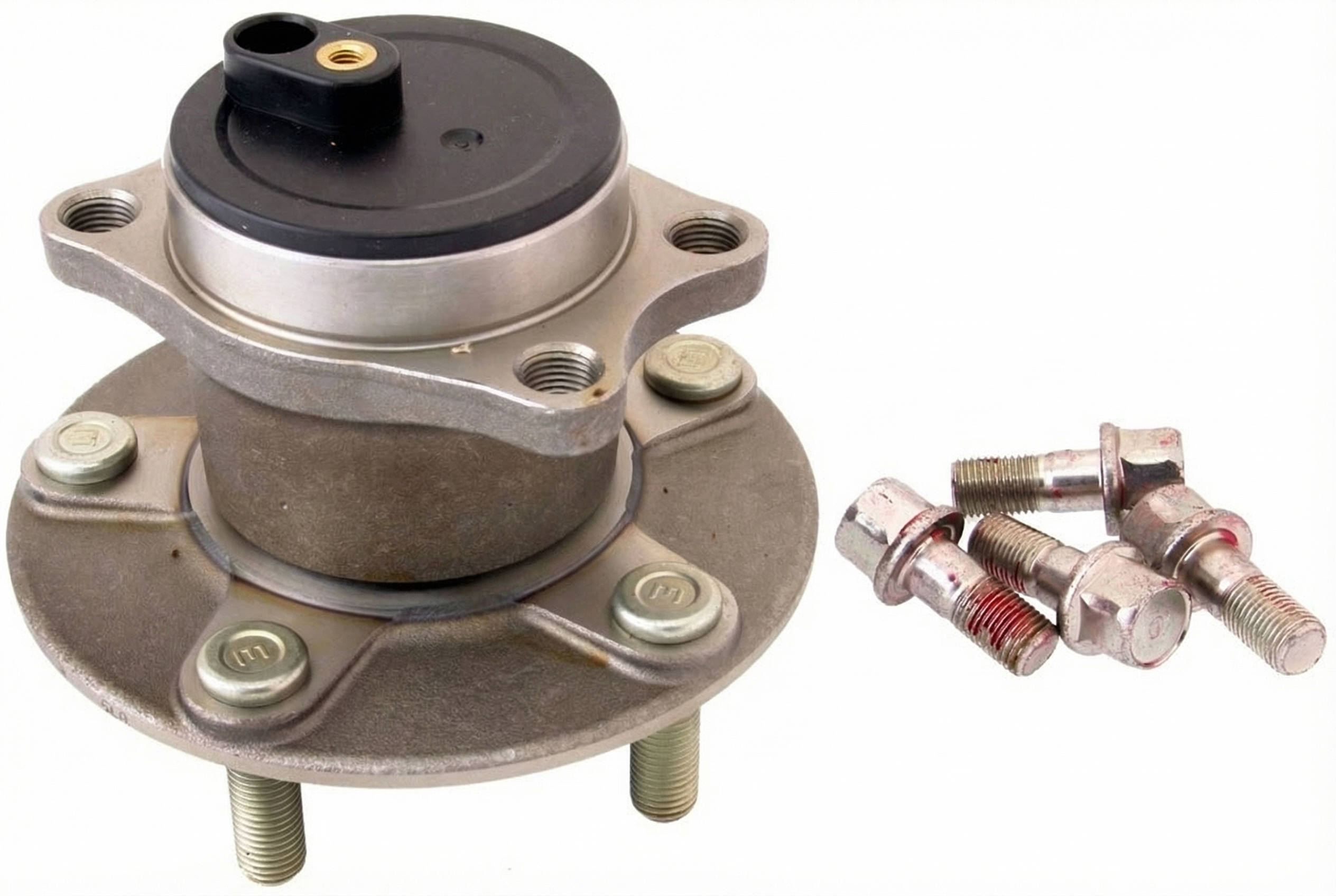
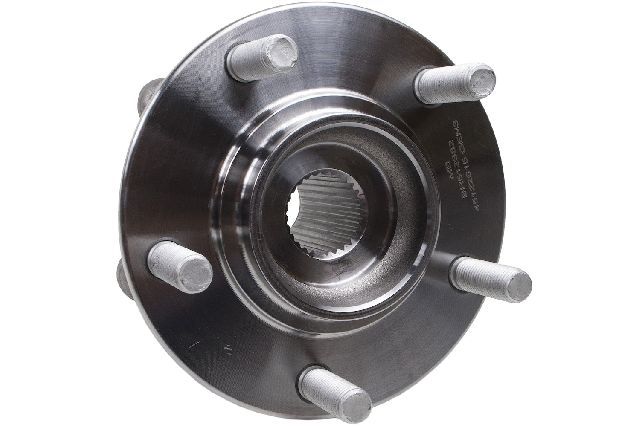
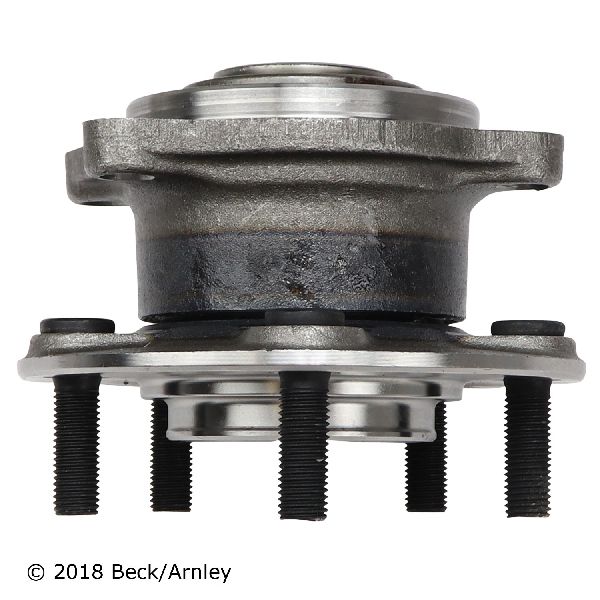
(OEM #3785A073)— Required if the integrated magnetic tone ring is found to be cracked, rusted, or damaged, as it cannot be replaced separately. Also required if the sensor mounting point on the hub has rusted away.
Trusted brands: Timken, SKF, MOOG (512564), TRQ
OEM price range: $200-$350
Aftermarket price range: $80-$200
Related Codes That Often Appear With This One
- C0045 — This is the code for the Left Rear Wheel Speed Sensor. It's common to see codes for other wheels if there is a systemic issue like a faulty ABS module or widespread wiring problems, but they are diagnosed independently.
- C2116 — This code can indicate a power supply voltage issue to the ABS pump. A weak battery or charging system problem can sometimes trigger various ABS-related codes.
Technical Service Bulletins (TSBs) & Recalls
- TSB-13-35-003 — DIAGNOSTIC PROCEDURE CORRECTION FOR WHEEL SPEED SENSOR CIRCUIT — Mitsubishi issued a technical service bulletin for 2007-2010 Outlanders to correct the diagnostic procedures in the service manual for various ABS/ASC trouble codes. It provides updated steps for testing the wheel speed sensor circuits at the ASC-ECU connector to more accurately diagnose a faulty sensor versus a wiring or ECU issue.
Platform-Specific Known Issues
- ABS sensor and related system warnings are a known issue for this generation of Outlander.
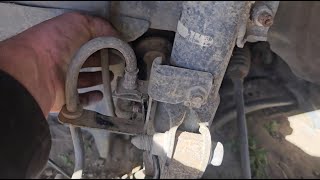
- The rear wheel speed sensor can become seized in the knuckle due to corrosion, making removal difficult without breaking the old sensor. Liberal use of penetrating oil is recommended.
- The electrical connector for the rear sensor is located inside the vehicle, behind the cargo area side trim panels, which must be removed for sensor replacement or circuit testing.
- A loose or damaged clip on the wheel bearing that holds the tone ring can cause an erratic signal, requiring replacement of the entire wheel bearing assembly.
Mechanic-Grade Diagnostic Values
- Voltage at ASC-ECU connector terminals for RR+ and RR- to body ground (with sensor disconnected, key ON). — expected: 1 volt or less. Failure: Voltage greater than 1V suggests a short to power in the wiring harness.
- Continuity between the two terminals (RR+ and RR-) at the ASC-ECU connector (with sensor disconnected). — expected: No continuity. Failure: Continuity indicates a short between the two signal wires in the harness.
- Resistance of the wheel speed sensor itself. — expected: While a specific factory spec was not found in the searches, a technician in a video noted a known-good sensor reading in the 2,000-2,300 Ohm (2.0-2.3 kOhm) range, and a bad one reading around 450 Ohms. This suggests it is a passive sensor where resistance can be checked.. Failure: A reading that is significantly different from the other sensors, open (OL), or shorted (near 0 Ohms).
Scan Tool Commands That Help
- Mitsubishi MUT-III / MUT-3: Data List (Live Data) — To monitor and compare the wheel speed signals from all four sensors in real-time while driving to confirm the fault is with the right rear sensor.
- Mitsubishi MUT-III / MUT-3: Actuator Test — While not directly for the sensor, this function can test the ABS pump motor and solenoids, which is useful for ruling out issues with the main ABS unit if sensor and wiring tests are inconclusive.
- High-end Aftermarket Scanners / MUT-III: All Sensor Calibration — This function, which includes G-sensor and steering angle sensor calibration, must be performed after replacing the ABS control module to prevent other codes from being set.
Wiring & Ground Locations
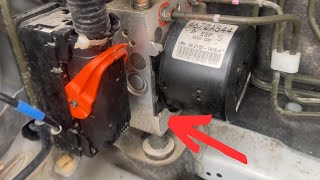
- ABS Control Module / ASC-ECU — Located in the engine bay, at the back on the driver's side (left side) under the hood.. This is the computer that receives the signal from the wheel speed sensor. All wiring from the sensor ultimately terminates here. The module is grounded to the chassis via its mounting bolts.
- Rear Right Wheel Speed Sensor Connector — Inside the vehicle, behind the large plastic trim panel on the right side of the cargo/trunk area.. This is a critical test point. Unlike many vehicles where the connector is under the car, you must remove interior trim to access it for testing voltage, ground, and continuity of the sensor and harness.
- Rear Subframe Ground Strap — A green, 'shoe-lace' like braided strap bolted between the rear subframe and the vehicle's chassis, visible from underneath the rear of the car.. On salt-belt vehicles, this strap is known to corrode and break. While not a direct cause of a single sensor code, its failure can introduce electrical noise and grounding issues for the entire rear axle, potentially leading to erratic behavior and multiple ABS/ASC/4WD system warnings.
Documented NHTSA Reports
While C0050 is a standard code for the right rear wheel speed sensor on the Mitsubishi Outlander, it is important to note how other manufacturers interpret this code. For example, NHTSA ODI #10763888 describes a case where a technician diagnosed C0050 as identifying a faulty power steering control module (PSCM) on a different make, requiring a steering column replacement. Additionally, NHTSA ODI #11228687 shows C0050 appearing alongside a wide array of other communication and sensor codes (C0035, C0040, U0077, etc.) on a different platform, suggesting that multiple ABS lights can sometimes stem from broader electrical faults.
In some hydraulic brake systems, C0050 can be triggered by mechanical service; NHTSA ODI #11649367 notes that the code was set after a brake service required extra fluid to return caliper piston contact, disabling the ABS. Similarly, NHTSA ODI #11693418 reports C0050-00 appearing when rotors, pads, and adapter plates required replacement on a different vehicle model.
Real Owner Repair Stories
- Mitsubishi Forum user (2007 Mitsubishi Outlander) — ABS and ASC lights on.
❌ Tried (didn't work) Initial diagnosis pointed to the rear ABS sensor.
✅ What actually fixed it The user had to remove the large interior trim panels in the cargo area to access the sensor's electrical connector for replacement. The final fix was replacing the sensor after gaining access to this internal connector. - YouTube video by 'Haze Mobile Auto Repair' (GMC/Chevy truck (similar magnetic encoder system)) — ABS light, StabiliTrak light, C0050 code with 'erratic signal'.
❌ Tried (didn't work) The wheel bearing felt smooth and had no play, leading one to believe it was good.
✅ What actually fixed it Despite the bearing feeling mechanically sound, the magnetic encoder ring on the back of the hub assembly had pieces missing from rust. Replacing the entire wheel hub and bearing assembly was the correct fix. The video explicitly states that if the sensor replacement doesn't work, the next step should be the bearing because of this hidden failure mode. - Mitsubishi Outlander PHEV Forum user (2015 Mitsubishi Outlander PHEV (later model, but relevant issue)) — Multiple dash warnings including 'ABS service required', 'RBS service required', 'EV system service required', 'ASC system service required'.
❌ Tried (didn't work) Initial thought was a complex electronic failure.
✅ What actually fixed it The user found the rear subframe ground strap had corroded and physically broken in half. Replacing this simple ground strap resolved all the warning lights. This is a key check for vehicles in rust-prone areas.
OEM Part Supersession History
MN116248→4670A582— Standard part number update/revision.3785A035, 3785A064→3785A073— Standard part number update/revision for the rear wheel hub assembly.4670A157→4670A583— Part number update for the LEFT rear sensor, useful for comparison.
Diagnostic Flowchart
Other Known Issues on This Vehicle
Issues unrelated to this code that are worth knowing about as an owner of this generation:
- Premature Rear Subframe Rust 🔴 High — Common in regions with road salt. Can become structurally unsafe. Some reports link it to a misrouted A/C drain dripping onto the subframe.
- CVT Transmission Problems 🔴 High — Affects models with the CVT. Can manifest as whining, slipping, or complete failure. Regular fluid changes are critical.
- ETACS ECU Failure 🟠 Medium → Shop Body Control Module — A recall was issued for 2009-2010 models for an internal manufacturing defect that could cause high electrical resistance, leading to failure of headlights, wipers, and other body electronics. (Ref: Recall SR-15-003 (Canada))
- Worn Front Lower Control Arm Bushings 🟠 Medium — A common wear item causing squeaking or rattling noises over bumps and potential alignment issues leading to premature tire wear.
- Water Pump Leak (V6 Engine) 🔴 High — On the 3.0L V6 engine, the water pump is located behind the timing belt. A leak requires a major service, and the timing belt should be replaced at the same time.
Used vs. New Parts: Buying Guide for This Vehicle
When a used part is the smart pick: A used wheel hub/bearing assembly from a junkyard can be a cost-effective choice if the magnetic encoder ring on your original hub is confirmed to be the problem. This is only advisable if the donor vehicle is from a dry, non-rust-belt region and has low mileage.
Donor-vehicle mileage cap: roughly under 80000 miles for the part to have meaningful remaining life.
What to inspect on the donor part:
- Visually inspect the back of the hub for the magnetic encoder ring; it should be clean, free of rust, and have no cracks or missing chunks.
- Check the sensor mounting hole for excessive rust or damage.
- Spin the bearing by hand; it should be perfectly smooth with no noise or notchiness.
- Look for a vehicle history report showing the donor car was not from a state known for heavy road salt usage.
OEM-only on this vehicle (don't cheap out):
- No parts for this specific repair are strictly OEM-only. However, for the wheel hub assembly, using a high-quality, reputable aftermarket brand is crucial for longevity.
Aftermarket brands forum-validated for this vehicle:
- Wheel Hub Assembly: Timken, SKF, MOOG, TRQ
- ABS Sensor: NTK/NGK, Standard Motor Products (SMP), Dorman, Bosch
Brands owners have reported issues with on this vehicle:
- Unnamed, 'white-box' sensors and hubs from online marketplaces. Forum discussions frequently show these parts failing prematurely, sometimes within months, causing the owner to do the repair twice.
Real Owner Stories
Aggregated from forums and TSBs cited above. Mileages and costs reflect what owners reported in those sources.
2007 Mitsubishi Outlander
Symptoms: ABS and rear sensor warnings active; needed to access the rear ABS sensor connector.
What fixed it: Removed the large plastic trim panels in the cargo area, including door sills and hidden bolts, to reach the internal connector and replace the sensor.
Source hint: Mitsubishi Forum thread titled 'ABS rear sensors'
Mitsubishi Outlander (Second Generation)
Symptoms: ABS warning light on; sensor wire observed entering the cabin.
What fixed it: Replacement of the rear hub and sensor, which required removing an interior panel to disconnect the wiring.
Source hint: YouTube - YOUCANIC video 'replacing the rear hub and sensor'
Related OBD-II Codes
Frequently Asked Questions
Does TSB-13-35-003 apply to my 2008 Mitsubishi Outlander regarding the ABS system?
Where is the electrical connector for the right rear wheel speed sensor located on a 2007-2013 Outlander?
Why is the C0050 code so common on the Outlander in northern climates?
Can I just replace the magnetic tone ring if it's rusted or cracked?
Is there a recall for electrical issues that might affect my 2010 Outlander's dash warnings?
Why is my 4WD warning light on at the same time as the ABS light?
Helpful Videos

Used OEM Parts in Stock
New Aftermarket Parts Available


The information in this article is provided for general reference and educational purposes only. Vehicle specifications, procedures, and part compatibility can vary by production date, trim level, and region. Always consult your vehicle's factory service manual and verify part numbers before purchasing or performing repairs. Safety-critical components such as airbags, seat belts, and braking systems should be installed by a qualified professional.
- Mitsubishi Outlander:
- 🧭 Diagnostic Flowchart
- 🎬 Helpful Videos
- 🛍️ Shop This Part
- What's Unique About the 2007-2013 Mitsubishi Outlander
- Symptoms You May Notice
- Most Likely Causes
- Rare But Worth Checking
- Diagnosis Steps
- Parts You'll Likely Need
- Related Codes That Often Appear With This One
- Technical Service Bulletins (TSBs) & Recalls
- Platform-Specific Known Issues
- Mechanic-Grade Diagnostic Values
- Scan Tool Commands That Help
- Wiring & Ground Locations
- Documented NHTSA Reports
- Real Owner Repair Stories
- OEM Part Supersession History
- Other Known Issues on This Vehicle
- Used vs. New Parts: Buying Guide for This Vehicle
- Real Owner Stories
- 2007 Mitsubishi Outlander
- Mitsubishi Outlander (Second Generation)
- Related OBD-II Codes
- Frequently Asked Questions
- 🎟️ Get 5% Off