

C0050 on 2010-2015 Toyota Prius: Right Rear Wheel Speed Sensor Circuit Causes and Fixes
Code C0050 on a 2010-2015 Prius means there's a fault with the right rear wheel speed sensor circuit. This usually points to a bad sensor, damaged wiring, or a faulty wheel hub bearing. A new sensor or wiring harness is the most common fix, costing between $60 and $200 for the part.
- Code C0050 on a 2010-2015 Prius disables your ABS and stability control systems due to a fault in the right rear wheel speed sensor circuit.
- The most likely fix is replacing the right rear wheel speed sensor/harness assembly.
- Before buying parts, use a scanner to watch live data from all four wheels to confirm the fault is at the right rear.
- Visually inspect the wiring for damage and the magnetic encoder ring on the hub for metallic debris before replacing parts. Cleaning the ring may fix the issue.
What's Unique About the 2010-2015 Toyota Prius
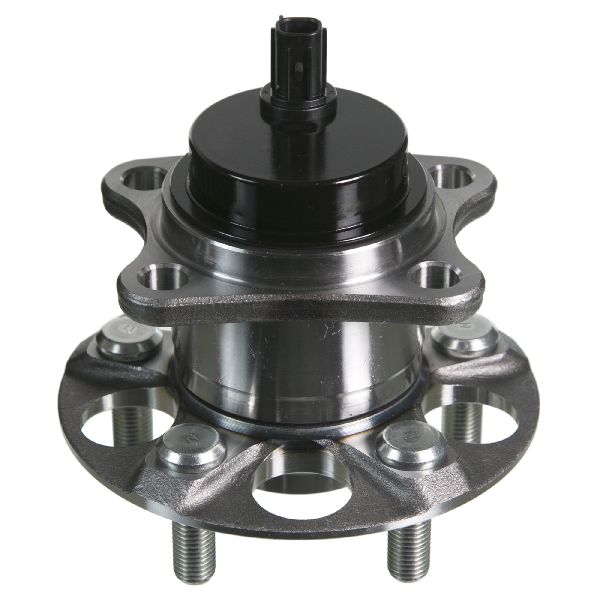
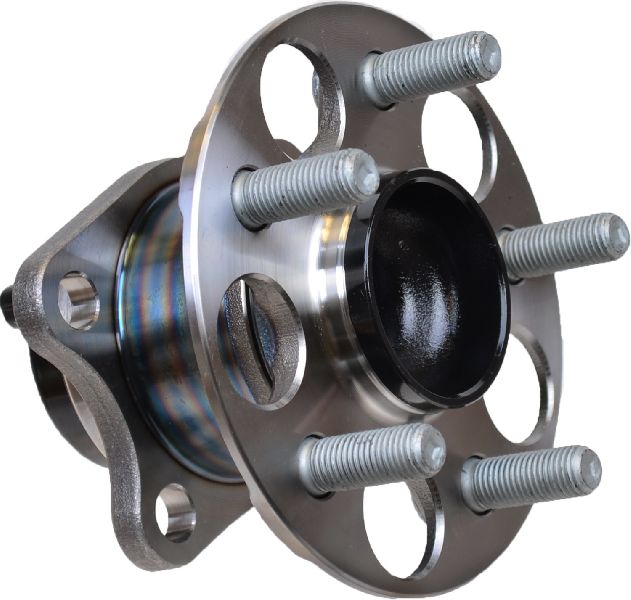
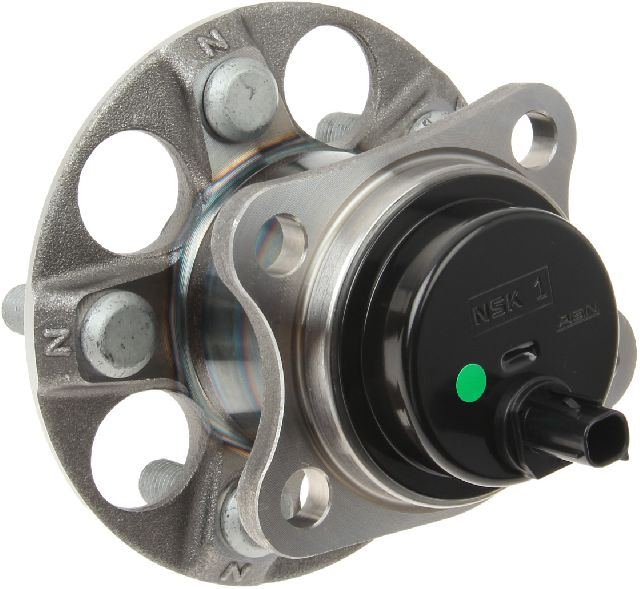
On the third-generation Toyota Prius (2010-2015), the magnetic encoder ring that the wheel speed sensor reads is integrated directly into the wheel hub and bearing assembly. This design means that if the encoder ring is damaged, contaminated with metallic debris, or corroded, you cannot simply clean or replace the ring; the entire hub assembly must be replaced. This can turn a simple sensor issue into a more involved and expensive repair. The sensor itself is a Hall-effect type, generating a digital square wave signal, and is not testable with a simple resistance check like older passive sensors.
Symptoms You May Notice
- ABS warning light is on
- Traction Control (VSC/TRAC) warning light is on
- Brake system warning light (!) may be on
- Anti-lock brakes will not function during hard stops
- Regenerative braking may be disabled, potentially reducing fuel efficiency
- Brake pedal may feel different or firmer than usual
- Cruise control may be inoperative
- Replacing the ABS control module before thoroughly testing the sensor, wiring, and hub assembly.
- Replacing only the wheel speed sensor when the actual problem is a damaged or debris-contaminated magnetic ring on the wheel hub bearing, leading to a quick return of the code.
- Replacing the wheel hub/bearing but installing it backward. The magnetic encoder is only on one side, which must face the sensor.
Most Likely Causes
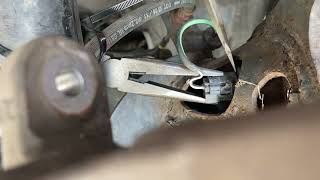
- Failed Right Rear Wheel Speed Sensor or Wiring Harness 🔴 High Probability → Shop ABS Wheel Speed Sensor The sensor and its pigtail wiring are exposed to harsh road conditions, including water, salt, and debris, leading to corrosion at the connector and physical damage to the wires over time. The wiring can become frayed or break, especially near the connection points in the wheel well. 🎬 See this breakdown of the rear wheel speed sensor harness clips.
How to confirm: Use a scan tool with live data to observe the right rear wheel speed while driving. If it reads 0 mph or is erratic while other wheels show speed, the sensor or its circuit is faulty. Visually inspect the wiring harness for breaks, corrosion, or damage near the wheel. Check for reference voltage and ground at the sensor connector with a multimeter.
Typical fix: Replace the right rear wheel speed sensor and/or its wiring harness.
Est. part cost: $60-$200 - Damaged or Contaminated Wheel Hub Bearing Assembly 🟡 Medium Probability → Shop Hub Assembly The magnetic encoder ring is built into the wheel bearing. Ferrous metal debris from brake wear can stick to the magnetic ring, causing an erratic or noisy signal. Rust can also form and damage the ring's surface, or the ring can crack. This issue is common enough that GM released a TSB (PIC5428) for a similar design, advising cleaning as a first step.
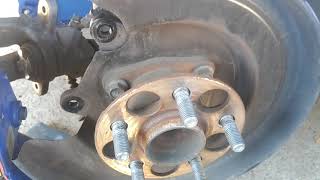
How to confirm: After removing the wheel speed sensor, use a light to visually inspect the magnetic encoder ring on the face of the hub. Look for metallic debris, rust buildup, or physical cracks/damage. Spin the hub to check the entire surface. Do not use a magnet to clean the debris, as it can damage the encoder.
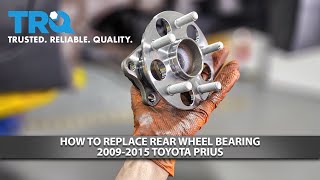
Typical fix: If the encoder ring is just dirty with debris, cleaning it with a soft nylon brush and brake cleaner may resolve the issue. If the ring is physically damaged or rusted, the entire wheel hub and bearing assembly must be replaced. 🎬 Watch: Step-by-step walkthrough for replacing the rear wheel bearing.
Est. part cost: $100-$250
Rare But Worth Checking
- Faulty ABS Control Module (Skid Control ECU): → Shop ABS Control Module This is an uncommon cause. Before suspecting the module, all other possibilities (sensor, wiring, hub) should be thoroughly ruled out. A faulty module will typically trigger multiple wheel speed sensor codes or communication codes, not just one.
Diagnosis Steps
- Connect an OBD-II scanner capable of reading ABS codes to confirm C0050 is present. Note any sub-codes (e.g., 18 for low signal, 5A for implausible signal) which can help pinpoint the issue.
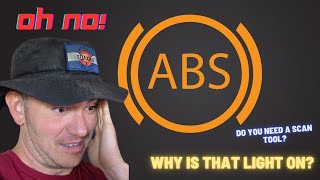
- Access the live data stream on the scanner and monitor the speeds of all four wheels while driving the vehicle straight 🎬 Watch: How to diagnose ABS lights with or without a scanner. at a low speed (above 10 mph).
- Confirm that the Right Rear (RR) wheel speed sensor reads 0 mph, is erratic, or significantly differs from the other three sensors.
- Safely raise and support the vehicle. Remove the right rear wheel.
- Visually inspect the wheel speed sensor's wiring harness from the sensor to its connection point in the wheel well. Look for any signs of fraying, melting, corrosion, or physical damage. Pay close attention to the connector pins.
- Unplug the sensor and inspect the connector pins for corrosion or damage.
- Remove the single 10mm bolt holding the wheel speed sensor in place and carefully pull the sensor out of the steering knuckle.
- Inspect the tip of the sensor for metallic debris or physical damage.
- Shine a light into the sensor mounting hole and inspect the magnetic encoder ring on the wheel hub. Slowly rotate the hub to check the entire surface for debris, rust, or cracks.
- If the encoder ring is dirty, clean it with a soft, non-magnetic brush (like a nylon bristle brush) and brake cleaner, then reinstall the sensor and test drive. If the ring is damaged, the hub must be replaced.
- If the visual inspection reveals no issues, test the circuit. Check for reference voltage and ground at the harness-side connector. An oscilloscope is the best tool to check for a clean square wave signal from the sensor itself while spinning the wheel.
- After repair, clear codes and perform a test drive. Some systems may require entering a special 'Signal Check Mode' with a scan tool to verify the repair under more sensitive parameters.
Parts You'll Likely Need
- Rear Wheel Speed Sensor Harness
(OEM #89516-47060)— This is the most frequent point of failure, either due to an internal fault in the sensor itself or damage to the integrated wiring.
Trusted brands: Toyota (OEM), Denso, Standard Motor Products (SMP), Holstein, Wells, API
OEM price range: $150-$220
Aftermarket price range: $60-$120 - Rear Wheel Hub and Bearing Assembly
(OEM #42450-47040)— Required if the integrated magnetic encoder ring is damaged, which is the second most likely cause of an erratic signal.
Trusted brands: Toyota (OEM), Koyo, Timken, SKF, DriveBolt, NTN
OEM price range: $250-$350
Aftermarket price range: $100-$200
Technical Service Bulletins (TSBs) & Recalls
- While no TSB is specific to C0050 on the Prius, GM TSB PIC5428G addresses the identical failure mechanism on other vehicles with integrated magnetic encoders: ferrous debris accumulating on the ring causing codes C0035-C0050. The diagnostic and cleaning advice is directly applicable.
Platform-Specific Known Issues
- Toyota issued Customer Support Program ZJB for 2010-2015 Prius models covering the brake booster and pump assemblies for certain stored codes (C1391, C1252, C1256, C1253), but this does not directly relate to C0050. However, it highlights the overall complexity and sensitivity of the Gen 3 Prius brake system.
- A recall was issued for 2010 models for ABS actuator software that could cause inconsistent braking feel, but this is also unrelated to the cause of C0050.
Documented NHTSA Reports
While C0050 is a standardized code, its definition can vary significantly across manufacturers. Owners should be aware of these cross-manufacturer references when researching the code:
- Brake Service Correlation: NHTSA ODI #11649367 notes that C0050 can be set after brake service if extra fluid is required to return caliper piston contact to the brake pad, disabling ABS and supporting systems. Similarly, NHTSA ODI #11693418 reports C0050-00 appearing alongside the need for new rotors, pads, and adapter plates.
- Multiple Sensor Faults: NHTSA ODI #11228687 describes a scenario where C0050 appeared simultaneously with other wheel speed codes (C0035, C0040) and communication codes (U0126, U0415).
- Manufacturer Variation: It is critical to note that on some makes, this code points to different systems entirely; for example, NHTSA ODI #10763888 indicates that on certain Chevrolet models, C0050 identifies a faulty Power Steering Control Module (PSCM) rather than a wheel speed sensor.
Mechanic-Grade Diagnostic Values
- Sensor current output (bench test) — expected: Switches between two distinct current levels, approximately 7 mA and 14 mA, when a magnet is passed by the sensor tip.. Failure: No current, or current does not switch between the two levels. This test requires a 12V power source and a ~100 ohm load resistor in series with the sensor.
- Hub Bolt Torque — expected: 66 ft-lbs (89 N·m).. Failure: Improper torque can lead to premature bearing failure or improper seating of the assembly.
- Brake Caliper Bracket Bolt Torque (Rear) — expected: 42 ft-lbs (57 N·m).. Failure: Incorrect torque compromises braking safety.
Hidden / Shadow Codes Worth Checking
- C1238 / 38: Foreign Object is Attached on Tip of Rear Speed Sensor RH. This indicates the sensor has detected a signal disruption consistent with metallic debris or rust on the sensor tip or magnetic encoder ring. (see via A professional scan tool like Toyota Techstream that can read ABS system detail codes.)
- C1277 / 77: Abnormal Change in Output Signal of Rear Speed Sensor RH. This is a highly sensitive code that is only output during 'Test Mode' (Signal Check Mode). It flags intermittent signal dropouts or noise that may not be severe enough to set a standard code during normal driving. (see via Must activate 'Test Mode' or 'Signal Check Mode' in Toyota Techstream and then perform a test drive.)
- C0050:5A: Signal Not Plausible. The signal from the sensor is illogical compared to other vehicle data, such as the other wheel speeds. This can point to a cracked encoder ring or a significant, but consistent, signal disruption. (see via Advanced OBD-II scanner capable of reading ABS sub-codes.)
Scan Tool Commands That Help
- Toyota Techstream: Signal Check Mode (Test Mode DTC) — Use this function after a repair or when diagnosing an intermittent C0050. The Skid Control ECU increases its sensitivity to detect abnormal signals (like noise or momentary dropouts) that might not be caught in normal mode. It helps verify the quality of the repair and ensure no subtle issues remain.
- Toyota Techstream: ABS/Brake Bleeding Utility — This is not for diagnosing C0050, but it is required if the diagnostic path leads to replacing the ABS actuator/module. The complex Prius brake system requires a scan tool to cycle the pump and valves to properly bleed air from the system.
Wiring & Ground Locations
- Rear Speed Sensor Harness Path — The harness runs from the sensor on the rear hub, is clipped to the suspension components and inner wheel well liner, and passes through a grommet into the vehicle cabin, typically terminating behind the rear seat side bolster.. This entire path is a primary point of failure. The section in the wheel well is exposed to water, salt, and debris, causing corrosion and wire fatigue. The connector itself is a frequent source of problems.
- Engine Bay Ground Points — On the 2ZR-FXE engine, major ground clusters for the main harness are located on the driver's side shock tower, near the inverter coolant reservoir.. While a fault here is unlikely to cause an isolated C0050 code (it would cause many other issues), knowing the main ground locations is fundamental for any complex electrical diagnosis.
Real Owner Repair Stories
- YouTube user Roscoe's Repairs (2010-2015 Toyota Prius (Gen 3)) — Brake, ABS, and skid control warning lights on. Scan showed codes for rear speed sensor circuit and foreign matter on the sensor.
❌ Tried (didn't work) The user had previously replaced the rear hub assembly with an aftermarket part from AutoZone. The codes appeared after this replacement.
✅ What actually fixed it The user determined the magnetic encoder ring on the new aftermarket hub was likely poor quality ('aftermarket junk'). He disassembled the old OEM hub he had saved, removed the original Toyota magnetic encoder ring/seal, and installed it onto the new aftermarket bearing. This resolved the fault codes. - PriusChat forum user (2008 Toyota Prius (Gen 2, but same sensor principle)) — Brake error, VSC, and ABS lights on.
❌ Tried (didn't work) Testing sensor resistance, which gave confusing results. The user was considering replacing the sensor as a guess.
✅ What actually fixed it The root cause was discovered during inspection: a previous person had snapped the sensor's mounting bolt and re-installed the sensor using silicone. This improper mounting created an incorrect air gap and an unreliable signal. The final fix required properly securing a new sensor.
OEM Part Supersession History
89516-47060→No direct supersession found.— This part number appears to be stable for the specified vehicle range.42450-47040→No direct supersession found.— This part number appears to be stable for the 2010-2015 model years.
Model Year Variations Within This Range
- 2010: A recall was issued for some 2010 models related to the ABS Actuator ECU software, which could cause an inconsistent brake feel. This is a software issue, not a hardware cause for C0050, but it's a known issue with the brake system on the first year of this generation.
Diagnostic Flowchart
Other Known Issues on This Vehicle
Issues unrelated to this code that are worth knowing about as an owner of this generation:
- Excessive Oil Consumption 🔴 High — Common in early Gen 3 models (2010-2011), especially at higher mileage (>100k miles). Caused by carbon buildup on low-tension piston rings.
- Brake Booster / Actuator Assembly Failure 🔴 High — Affects 2010-2015 models, causing various brake system warning lights and changes in brake feel. Can be a costly repair. (Ref: Toyota issued Customer Support Program (CSP) ZJB to extend warranty coverage for this specific issue, identified by codes C1391, C1252, C1256, or C1253.)
- Hybrid Inverter Failure 🔴 High — Common on 2010-2014 models. The Intelligent Power Module (IPM) inside the inverter can fail from thermal stress, causing the car to enter limp mode or stall. (Ref: Multiple recalls (e.g., 14V-053, 18V-684) and a warranty extension (to 15 years/unlimited miles) were issued to update software and/or replace failed inverters.)
- Clogged EGR (Exhaust Gas Recirculation) System 🟠 Medium — Very common across the generation, typically requiring cleaning every 60k-100k miles. A clogged EGR cooler, valve, and intake manifold passages can lead to rough idle, engine knocking, and eventually head gasket failure. (Ref: TSB T-SB-0075-13 for code P0401 (EGR Flow Insufficient) on 2010-2012 models.)
- Headlight Bulbs Burn Out Prematurely 🟡 Low — Frequent on 2010-2012 models due to a faulty wiring harness design. (Ref: A recall was issued in 2017 for 2010-2012 models to replace the headlight wiring harness.)
Used vs. New Parts: Buying Guide for This Vehicle
When a used part is the smart pick: A used OEM wheel speed sensor harness (89516-47060) is a reasonable choice if it is sourced from a low-mileage vehicle that was operated in a dry, non-salt-belt climate. Visually inspect for any corrosion on the pins or brittleness in the wiring insulation.
Donor-vehicle mileage cap: roughly under 80000 miles for the part to have meaningful remaining life.
What to inspect on the donor part:
- For a sensor/harness, check that connector pins are clean and green-free.
- Flex the wiring harness to ensure the insulation is not cracked or brittle.
- Confirm the donor vehicle is from a state without heavy road salt usage.
- Ensure all mounting tabs and clips are intact.
OEM-only on this vehicle (don't cheap out):
- Rear Wheel Hub and Bearing Assembly. Due to the integrated magnetic encoder ring, which is critical for the ABS signal, using cheap aftermarket hubs is a major cause of repeat failures or new codes. While some premium aftermarket brands are acceptable, OEM is the safest choice to avoid signal quality issues.
Aftermarket brands forum-validated for this vehicle:
- For Wheel Hubs/Bearings: Timken, SKF, Koyo, NSK.
- For Sensors: Denso, Standard Motor Products (SMP), Holstein.
Brands owners have reported issues with on this vehicle:
- For Wheel Hubs/Bearings: TRQ, and unbranded parts from eBay/Amazon have been reported by owners to fail prematurely or cause signal issues right out of the box.
Real Owner Stories
Aggregated from forums and TSBs cited above. Mileages and costs reflect what owners reported in those sources.
2010-2015 Toyota Prius
Symptoms: The owner experienced a damaged wiring harness that resulted in the ABS being disabled, the loss of cruise control, and the loss of regenerative braking.
What fixed it: Fixed the broken wheel speed sensor wire harness.
Source hint: Reddit (r/prius) thread titled 'Fixed a broken wheel speed sensor wire harness'
2010-2015 Toyota Prius
Symptoms: The owner was quoted for a full bearing replacement after a speed sensor code was triggered.
What fixed it: Replacement of the wheel bearing assembly (due to the integrated nature of the speed sensor/bearing parts).
Source hint: PriusChat (priuschat.com) thread titled 'Rear Speed Sensor/Wheel Bearing'
Related OBD-II Codes
Frequently Asked Questions
Does the Toyota Customer Support Program ZJB for the 2010-2015 Prius cover the C0050 code?
Why is my Prius getting worse gas mileage since the ABS light came on?
Can I just clean the sensor, or do I have to replace the whole wheel bearing?
Is there a special mode I need to use to verify the repair on my Gen 3 Prius?
Will a software update fix my C0050 code like the 2010 ABS recall?
Are the wheel speed sensors on the 2010-2015 Prius analog or digital?
Helpful Videos
We Have This Part in Stock


The information in this article is provided for general reference and educational purposes only. Vehicle specifications, procedures, and part compatibility can vary by production date, trim level, and region. Always consult your vehicle's factory service manual and verify part numbers before purchasing or performing repairs. Safety-critical components such as airbags, seat belts, and braking systems should be installed by a qualified professional.
- Toyota Prius:
- 🧭 Diagnostic Flowchart
- 🎬 Helpful Videos
- 🛍️ Shop This Part
- What's Unique About the 2010-2015 Toyota Prius
- Symptoms You May Notice
- Most Likely Causes
- Rare But Worth Checking
- Diagnosis Steps
- Parts You'll Likely Need
- Technical Service Bulletins (TSBs) & Recalls
- Platform-Specific Known Issues
- Documented NHTSA Reports
- Mechanic-Grade Diagnostic Values
- Hidden / Shadow Codes Worth Checking
- Scan Tool Commands That Help
- Wiring & Ground Locations
- Real Owner Repair Stories
- OEM Part Supersession History
- Model Year Variations Within This Range
- Other Known Issues on This Vehicle
- Used vs. New Parts: Buying Guide for This Vehicle
- Real Owner Stories
- 2010-2015 Toyota Prius
- 2010-2015 Toyota Prius
- Related OBD-II Codes
- Frequently Asked Questions
- 🎟️ Get 5% Off