

OBD-II Code C0055: Rear Wheel Speed Sensor Circuit
What C0055 means, why it triggers, and how to fix it
- Code C0055 disables your ABS and traction control, requiring you to increase following distance by at least 3 seconds to prevent skidding during hard stops.
- On 1999-2013 GM trucks and SUVs, this code almost always points to a single Vehicle Speed Sensor (VSS) mounted on the transmission or transfer case, not individual wheel sensors.
- Inspect the VSS wiring harness where it routes over the transmission bellhousing; chafed wires here cause over 40% of C0055 misdiagnoses on trucks.
- If a new sensor and wiring repair fail to clear a C0055-5A code on a GM 4WD truck, a loose tone wheel inside the transfer case (TSB #PIP4966B) is the definitive culprit.
- Replacing a transmission-mounted VSS takes less than an hour and basic hand tools, making it a highly accessible $50 DIY repair.
What Does C0055 Mean?
Code C0055 indicates the Anti-lock Brake System (ABS) module lost the signal from the rear wheel speed sensor circuit. This circuit reports how fast the rear wheels are spinning. When this signal drops, the ABS and traction control systems shut down immediately to prevent unpredictable braking behavior.
Technical definition: The SAE/ISO definition for C0055 is "Rear Wheel Speed Sensor Circuit." The Electronic Brake Control Module (EBCM) detects an electrical open, short, or erratic signal in this circuit. On trucks and SUVs, this usually refers to a single Vehicle Speed Sensor (VSS) mounted on the transmission or transfer case. On passenger cars, it refers to a specific sensor at a rear wheel hub.
Can I Drive With C0055?
Yes, But With Caution. Yes, you can drive, but your Anti-lock Braking System (ABS) and traction/stability control are disabled. This significantly increases the risk of skidding during hard braking or on slippery surfaces. On trucks, this fault forces erratic shifting, harsh gear engagement, or a reduced-power 'limp mode', causing severe driveline stress if ignored.
Common Causes
- Faulty Rear Wheel Speed Sensor / Vehicle Speed Sensor (VSS) (Very Common) — The sensor fails internally over time due to constant exposure to heat, vibration, water, and salt. On many trucks, this single sensor sits on the transmission or transfer case.
- Damaged, Corroded, or Frayed Wiring/Connectors (Very Common) — The wiring harness chafes, pinches, or rubs through. On GM trucks, the harness frequently rubs against the top of the transmission bellhousing, creating a short or open circuit.
- Loose or Damaged Tone Wheel (Reluctor Ring) (Common) — A toothed ring inside the transfer case or rear differential comes loose, wobbles, or breaks. The sensor cannot read an unstable ring, triggering the code (often with a 5A sub-code on GM trucks).
- Contaminated Sensor Tip (Less Common) — The magnetic tip of the sensor accumulates metallic shavings from normal internal transmission or differential wear. This buildup blocks the magnetic field, preventing accurate rotation readings.
- Bad Wheel Bearing or Internal Drivetrain Component (Less Common) — A worn wheel bearing causes excessive play, allowing the tone ring to strike and destroy the sensor. On trucks, a worn transfer case output shaft bushing causes similar destructive contact.
- Low System Voltage or Poor EBCM Grounds (Rare) — A weak battery, failing alternator, or a corroded EBCM ground connection (often on the frame rail) forces the module to set false codes, including C0055.
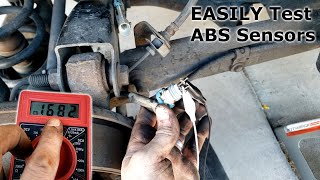
- Failed ABS Control Module (EBCM) (Rare) — The ABS control module occasionally fails internally. Rule out the sensor and wiring entirely before replacing the EBCM 🎬 Watch: How to test wheel speed sensors for resistance and voltage, as it is an expensive component requiring specialized programming.
Symptoms
- ABS and Traction/Stability Control Lights Illuminated — The ABS, Traction Control (TCS), and StabiliTrak warning lights illuminate simultaneously and remain on, as these systems share the same speed sensor data.
- ABS and Traction Control Disabled — During a hard stop, the wheels lock up and skid. The ABS system will not pulse the brakes.
- Erratic or Inaccurate Speedometer — The speedometer twitches, jumps erratically, or drops to zero while driving.
- Harsh Transmission Shifting or Limp Mode — Vehicles using a transmission-mounted VSS experience harsh shifts, get stuck in one gear, or enter 'limp mode' due to the missing speed signal.
- Cruise Control Inoperative — The cruise control system disables entirely because it requires a steady rear wheel speed signal to maintain pace.
Diagnostic Flowchart
Tap your situation to follow the diagnostic path that matches what you're seeing on this code.
Common Fixes & Costs
- Replace Rear Wheel Speed Sensor / VSS — Parts: $25-$80, Labor: $100-$150, ~1.0 hr book time (DIY)
- Repair Damaged Wiring Harness or Pigtail — Parts: $10-$60, Labor: $120-$300, ~1.5 hr book time (Intermediate)
- Replace Tone Wheel / Reluctor Ring — Parts: $25-$150, Labor: $300-$800, ~4.5 hr book time (Professional)
- Replace ABS Control Module (EBCM) — Parts: $200-$1000, Labor: $100-$250, ~1.5 hr book time (Professional)
Used vs. New Parts: Buying Guide
When a used part is worth it: A used OEM bolt-on VSS provides excellent value for older vehicles. Never buy a used sensor if it is integrated into a wheel hub assembly.
Donor-vehicle mileage cap: roughly under 100000 miles for the part to have meaningful remaining life.
Donor quality checklist:
- Verify donor vehicle mileage; lower is better.
- Avoid parts from heavily salted 'Rust Belt' vehicles due to connector corrosion.
- Match the part number exactly to prevent compatibility issues.
Decision logic:
- If The part is a low-cost aftermarket sensor (under $50) → Buy new. The savings from a used part are minimal, and new parts include a warranty.
- If The part is an expensive, integrated wheel hub/bearing assembly → Buy new. The labor to replace a hub is significant, and a used part has unknown bearing life.
- If The vehicle is old and the budget is tight → A used OEM sensor is more reliable than a cheap, no-name aftermarket sensor.
Warranty tradeoff: Used parts offer 30-90 day warranties. New aftermarket parts offer 1-year to lifetime warranties. New OEM parts carry a 12-month/12,000-mile warranty.
Worst-case if a used part fails: $150-$300 if a used sensor fails, requiring repeat labor for diagnosis and replacement.
What Happens If You Wait — Timeline
- Immediate (First Drive): ABS, traction control, and stability control disable. Cruise control becomes inoperative. (MPG impact: 0%% · Added cost: $0)
- 0-2 months: Vehicles using the VSS for shifting experience harsh gear changes and 'limp mode', wasting fuel and annoying the driver. (MPG impact: 5-15%% · Added cost: $50-$150 in wasted fuel)
- 2-12 months: Harsh shifting severely strains transmission clutches and bands. A persistent wiring short risks frying the EBCM. (MPG impact: 5-15%% · Added cost: $800-$2000)
- 12+ months: Catastrophic transmission failure occurs. A $50 sensor repair escalates into a complete transmission overhaul. (MPG impact: N/A (Vehicle undrivable)% · Added cost: $3500-$7000)
Cost of Not Fixing It
- Immediate: Loss of anti-lock braking and traction/stability control functions, significantly increasing crash risk in emergency stops. (Added cost: Negligible)
- 1-6 months: On vehicles where the VSS controls shifting, harsh gear changes cause excessive wear on transmission clutches and internal components. (Added cost: $2000-$5000)
- 6+ months: A persistent wiring short damages the expensive ABS control module (EBCM), turning a simple wire repair into a major expense. (Added cost: $800-$2000)
Diagnosis Steps
- Read Codes and Sub-Codes
Use an ABS-capable OBD-II scanner to confirm C0055. Note sub-codes ('00' for circuit fault, '5A' for erratic signal) for diagnostic direction. Check for Technical Service Bulletins (TSBs) for your specific vehicle.
Tools: ABS-capable OBD-II Scanner (Beginner) - Visually Inspect Sensor and Wiring
Locate the rear wheel speed sensor (transfer case/transmission on trucks, wheel hubs on cars). Inspect the wiring harness for broken wires, loose connectors, or chafing against metal components.
Tools: Flashlight, Jack and Jack Stands (Beginner) - Clean Sensor Tip and Connector
Unplug the sensor. Clean green corrosion from the connector pins and wipe metallic debris off the sensor's magnetic tip. Clear codes and test drive.
Tools: Socket/Wrench, Electrical Contact Cleaner, Rag (Beginner) - Test Sensor Resistance (Passive Sensors)
For 2-wire passive sensors, measure resistance across the pins. A good GM VSS reads 1,500-2,900 Ohms. Infinite resistance (open) or near-zero (short) confirms a dead sensor. Note: 3-wire active sensors cannot be tested this way.
Tools: Multimeter (Intermediate) - Check for Live AC Voltage Signal
Set multimeter to AC Volts. Connect leads to the sensor pins. Raise the rear wheels and spin them by hand. A good passive sensor produces at least 100-200mV AC, increasing with speed. No voltage indicates a bad sensor or damaged tone ring.
Tools: Multimeter, Jack and Jack Stands (Intermediate) - Inspect Tone Ring
Remove the sensor and look inside the housing. Use a pick to check the toothed tone ring for looseness or broken teeth. A wobbling ring is a known failure point on GM trucks.
Tools: Basic Hand Tools, Flashlight, Pick (Advanced) - Analyze Signal with an Oscilloscope
Back-probe the sensor signal wire at the EBCM. A good passive VSS produces a clean sine wave; an active sensor produces a square wave. Dropouts or distortion confirm wiring interference or a mechanical tone ring issue.
Tools: Digital Storage Oscilloscope (DSO), Wiring Diagram (Professional) - Perform EBCM Ground Voltage Drop Test
Locate the main EBCM ground wire. Measure DC Volts between the negative battery terminal and the EBCM ground bolt while the system is on. A reading above 200mV indicates excessive ground resistance requiring repair.
Tools: Multimeter, Wiring Diagram (Professional)
When This Code Triggers (Freeze-Frame Conditions)
- Vehicle Speed: 10-45 mph (Sets during initial acceleration or steady-state driving when the rear wheel speed signal drops out compared to the front wheels.)
- RPM: 1200-2500 (Normal driving RPM range; the fault is speed-signal dependent, not RPM-dependent.)
- System Voltage: 12.6-14.8V (Sets when system voltage is normal. Low voltage triggers multiple unrelated ABS codes.)
- ABS/TCS Status: Active/Enabled (Sets when the EBCM actively monitors wheel speeds, immediately disabling the system and illuminating the warning light.)
Related Codes
- C0035 / C0040 — Relates to front wheel speed sensors. If present with C0055, it indicates a systemic problem like a faulty ABS module or bad ground, rather than a single failed rear sensor.
- P0720 / P0722 — Powertrain codes for the Output Shaft Speed (OSS) sensor. On trucks, the VSS (C0055) and OSS (P0720) are the exact same physical sensor.
- U0100 / U0101 — Communication codes indicating lost contact with the ECM or TCM. A network failure prevents the speed signal from reaching the EBCM, triggering C0055.
- P2106 — Throttle Actuator Control Forced Limited Power. The engine computer enters 'limp mode' when it loses the vehicle speed signal.
Climate & Environmental Factors
- Cold Weather & Humidity: Freeze-thaw cycles allow moisture to seep into aging connectors. Freezing expands the moisture, breaking electrical connections and causing intermittent winter faults.
- Road Salt & De-Icing Agents: Salt spray attacks wiring connectors, frame ground points, and the sensor body, accelerating corrosion and causing open circuits.
- Snow & Ice Buildup: Packed snow physically blocks a hub-mounted sensor's view of the tone ring, causing a temporary signal loss that resolves once the snow melts.
How to Talk to a Mechanic About This Code
Say this: "I have an ABS light on and my scanner shows code C0055 for the rear wheel speed sensor circuit. Based on my vehicle, I know this is often the sensor, the wiring harness over the transmission, or a tone ring issue. Please inspect the wiring for chafing and test the sensor signal before recommending a new part."
This directs the shop to the most common, well-documented failure points, preventing them from blindly replacing a good sensor and ignoring a wiring problem.
Avoid saying:
- 'My ABS light is on, can you fix it?' (Invites a costly, step-by-step diagnosis from scratch.)
- 'Just replace the rear speed sensor.' (You pay for a part you don't need if wiring is the real issue.)
- 'Do whatever you think is best.' (Opens the door to unnecessary upselling.)
Questions to ask before authorizing the repair:
- Did you test the sensor's signal with a multimeter or oscilloscope?
- Did you find a specific wiring failure like a break, short, or corrosion? Can you show me?
- If recommending an EBCM replacement, can you prove the sensor signal is good and the module's grounds are perfect?
- What is the warranty on the parts and labor for this specific repair?
Where to Take It: Dealer vs Independent vs Chain
- Dealer:
Overkill for a simple sensor or wiring fault. Use only for complex module issues.
Best for: Vehicles under warranty., Complex module communication issues an independent shop failed to diagnose., Repairs requiring manufacturer-specific software to program a new EBCM.
Downsides: Highest labor rates, typically 1.5x to 2x more than independent shops., Defaults to replacing expensive assemblies instead of repairing a simple wire. (Typical cost: +75% vs. baseline) - Independent Shop:
Best fit. A reputable independent mechanic is the most cost-effective choice.
Best for: Most C0055 scenarios on out-of-warranty vehicles., Diagnosing and repairing faulty sensors, chafed wiring, or bad connectors.
Downsides: Diagnostic equipment varies. Ensure the shop has experience with ABS diagnostics. (Typical cost: +0% vs. baseline) - Chain Shop:
Use with caution. Acceptable for a known sensor swap, but avoid for initial diagnosis.
Best for: When the diagnosis is already confirmed as a simple, accessible sensor replacement.
Downsides: Technicians lack deep diagnostic experience for tricky wiring or tone ring faults., High pressure to upsell services. (Typical cost: -10% vs. baseline)
When to Walk Away From the Repair
If the total estimated repair cost exceeds 50% of your car's private-party value, seriously consider selling or trading it in.
- Car worth $5000, fix is $300: Fix it. This is a minor repair relative to the car's value.
- Car worth $4000, fix is $2200: Walk away. The repair cost exceeds 50% of the value, indicating a major EBCM or transmission failure.
- Car worth $8000, fix is $800: Borderline. Get a second opinion before proceeding with a tone ring replacement, but it is likely worth fixing.
What Scan Tool You Need for This Code
Minimum: An OBD-II scanner that specifically reads and clears Anti-lock Brake System (ABS) codes. Basic engine readers cannot see C-codes.
A standard $20 code reader only accesses the Powertrain Control Module. It cannot communicate with the ABS module to read or clear C0055.
Budget: BlueDriver Pro Scan Tool (~$99) — Reads and clears ABS codes. Views live data from wheel speed sensors to pinpoint dropouts. Connects via Bluetooth.
Mid-range: Foxwell NT510 Elite (~$180) — Provides full-system diagnostics. Reads manufacturer-specific symptom bytes ('00' or '5A') critical for C0055 diagnosis. Offers bi-directional control.
Professional: Autel MaxiCOM MK808 (~$450-550) — Graphs live sensor data to catch intermittent dropouts and accesses advanced service functions. Ideal for complex module communication diagnosis.
Rent vs buy: Auto parts stores scan ABS codes for free. Buy a scanner only if you plan to diagnose and repair the vehicle yourself.
How to Clear the Code After You Fix It
- Use an OBD-II scan tool to clear the code from the ABS module.
- Perform a test drive exceeding 15 mph to allow the ABS module to verify the repair.
- Ensure the ABS and Traction Control lights remain off during braking and turning.
Drive cycle (~10 minutes): Start the vehicle and drive for 10 minutes, ensuring speed exceeds 15 mph. Include several turns and stops. A full emissions drive cycle is not required; the ABS light extinguishes quickly if the hardware fault is resolved.
Readiness monitors affected: No emissions readiness monitors are affected by ABS codes.
Watch out for:
- Using a basic engine code reader that cannot access or clear ABS module codes.
- Failing to test-drive the vehicle above 15 mph after clearing the code.
- Clearing the code without fixing the chafed wire, resulting in the light returning immediately.
Will This Fail Emissions / State Inspection?
No — by itself this code doesn't fail OBD inspection (but it can keep readiness monitors from setting, which causes a separate fail).
- California: An illuminated ABS light does not fail a smog check, which strictly monitors emissions. It remains a critical safety issue.
- New York: An illuminated ABS light is noted on the inspection report but does not cause a failure, provided standard service brakes function.
- Texas: An ABS warning light will NOT fail the state safety inspection. The regular service brakes are tested, but ABS status is not a pass/fail item.
Most Commonly Affected Vehicles
- Chevrolet Silverado, Suburban, Tahoe, Avalanche (1999-2013) — Extremely common on GMT800/GMT900 platforms. Key failures: VSS on the transfer case, wiring harness chafing on the bellhousing, and a loose internal tone wheel (TSB #PIP4966B).
- GMC Sierra, Yukon, Yukon XL (1999-2013) — Identical to Chevrolet counterparts, sharing the exact same VSS design, wiring chafing issues, and transfer case tone wheel failures.
- Chevrolet Express (2003-2014) — Known for VSS failures and wiring harness chafing. Documented cases show faulty Transmission Control Modules (TCM) sending bad signals to the EBCM, triggering C0055.
- Ford F-150 (2004-2008) — Triggered by a faulty transmission-mounted VSS, causing ABS lights, erratic speedometers, and harsh shifting.
- Nissan Titan, Frontier, Xterra (2005-2015) — Sets C0055 due to failed rear wheel speed sensors at the wheel hubs. Wiring is highly susceptible to corrosion.
- Hyundai Santa Fe, Tucson (2007-2012) — Points to a failed rear wheel speed sensor at the hub or water intrusion in the sensor harness connector.
- Kia Sorento (2011-2015) — Experiences C0055 from a failed rear wheel speed sensor or a damaged wiring pigtail near the wheel hub.
- Toyota Tundra (2000-2006) — Fails due to a bad transmission VSS or internally broken wiring running along the frame rail.
Manufacturer-Specific Notes
- General Motors (Chevrolet/GMC): On 1999-2013 trucks, C0055 points to the single VSS on the transmission. The top causes are the sensor and the wiring harness chafing on the bellhousing. A loose tone wheel inside the transfer case triggers a C0055-5A sub-code (TSB #PIP4966B).
- Ford: On 2004-2008 F-150s, the code points to the transmission VSS, causing erratic speedometers and harsh shifting alongside the ABS light.
- Toyota: On older Tundras, the speed sensor wiring harness corrodes and breaks internally along the frame rail, requiring a continuity test to locate the hidden break.
- BMW: On some BMWs, C0055 confusingly refers to 'Steering Wheel Position Sensor Signal D'. Always verify the code definition for the specific vehicle to avoid massive misdiagnosis.
Real Owner Stories
2005 Chevy Silverado 2500HD, ~150,000 miles
ABS and Brake light illuminated, speedometer dropped to zero, and transmission shifted violently. Scanner showed C0055.
What they tried:
- Replaced the VSS on the transfer case. This did not fix the issue.
- Researched and discovered the wiring harness over the transmission is a known failure point.
- Replaced the VSS pigtail extension harness.
Outcome: Replacing the wiring harness completely solved the problem. The speedometer, shifting, and ABS lights returned to normal.
Lesson: On GM trucks, inspect the wiring harness chafing on the transmission before replacing the sensor. It is an extremely common cause of C0055.
2008 Chevy Express Van, 121,000 miles
ABS/brake lights on, vehicle in limp mode. Scanner showed C0055 and erratic rear wheel speed readings under 10 MPH.
What they tried:
- Shop replaced and programmed the EBCM - no change.
- Shop replaced the transmission VSS - no change.
- Shop replaced the Engine Control Module (ECM) - no change.
- Scoped the signal wire between the ECM and EBCM and found a distorted signal at low speeds.
Outcome: The problem was traced to the signal path between modules, not the sensor. This highlights how complex module communication issues lead to expensive misdiagnoses.
Lesson: If a new sensor and wiring check fail, the problem lies in module communication. Replacing parts without advanced signal diagnostics is costly.
2009 GMC Sierra (GMT900), mileage unreported
ABS light on with C0055-5A ('erratic signal'). Speedometer worked fine. The signal dropped to 0 mph only during hard launches.
What they tried:
- Confirmed VSS sensor and PCM data were accurate.
- Hypothesized the issue was the converted serial signal from the PCM to the EBCM or a faulty EBCM.
- Noted a previous 4L80E transmission conversion may have introduced variables.
Outcome: The issue was isolated to a specific operating condition (hard launch), pointing toward signal integrity between modules rather than component failure.
Lesson: A '5A' sub-code points to an irrational signal. If the problem occurs only under load, suspect wiring interference or a module's inability to interpret the signal.
2005 Duramax Diesel Truck, mileage unreported
Found a stored C0055 code with a data logger, but had zero symptoms. No ABS light, accurate speedometer, perfect shifting.
What they tried:
- Cleared the code, but it returned.
- Checked wiring from TCM to sensor; found no issues.
- Tested VSS resistance (1362 Ohms, normal).
- Inspected sensor tip; found no metal shavings.
Outcome: The owner lived with a persistent 'ghost' code that had no effect on drivability, likely caused by a highly sensitive module threshold.
Lesson: Not every stored code requires immediate repair. A C0055 with no warning lights or symptoms is an intermittent fault that does not demand expensive parts swapping.
How to Prevent This Code From Triggering
- Inspect and Secure Wiring Harnesses (During every oil change) — Visually inspecting the harness near the transmission prevents chafing. Securing loose sections with zip ties stops future damage.
- Apply Dielectric Grease to Connectors (Anytime a relevant connector is disconnected) — Dielectric grease on weather-pack seals prevents moisture and road salt from causing high-resistance corrosion.
- Keep Brake Fluid Clean (Every 2-3 years) — Brake fluid absorbs moisture, leading to internal corrosion of the ABS hydraulic unit and EBCM failure.
- Maintain Battery and Charging System Health (Annually) — The EBCM is highly sensitive to low voltage. Clean battery terminals and a stable alternator prevent false ABS codes.
- Periodically Activate the ABS (A few times per year) — Performing hard stops in a safe area keeps the ABS pump and valves moving freely, preventing them from seizing due to lack of use.
Frequently Asked Questions
Can I fix a C0055 code myself?
Yes. Replacing a transmission-mounted sensor requires only basic hand tools and an hour of time. However, diagnosing intermittent wiring shorts or internal tone ring failures requires professional tools like an oscilloscope.
Will clearing the code fix the problem?
No. The EBCM detects the hardware fault immediately upon driving, triggering the warning lights again. You must repair the physical sensor or wiring first.
Where is the C0055 speed sensor located?
On most pickup trucks and large SUVs (especially GM and Ford), it is a single Vehicle Speed Sensor (VSS) on the transmission tail housing or transfer case. On passenger cars, there is a dedicated speed sensor at each rear wheel hub.
What is the difference between C0055 00 and C0055 5A?
'C0055 00' indicates a complete electrical circuit failure, like a broken wire or dead sensor. 'C0055 5A' points to an erratic signal, usually caused by a failing sensor, metal debris on the magnetic tip, or a loose tone wheel.
My speedometer works fine, can the speed sensor still be bad?
Yes. The speed signal often routes to the Transmission Control Module (TCM) first, which sends it to the speedometer and separately to the ABS module. A broken wire between the TCM and ABS module triggers C0055 while the speedometer functions normally.
I replaced the sensor but the code came back. What's the most common misdiagnosis?
The most common mistake is ignoring the wiring harness, especially on GM trucks where it chafes against the transmission bellhousing. The second most common error is missing a loose tone wheel inside the transfer case.
Can a bad wheel bearing cause a C0055 code?
Yes. A worn wheel bearing allows excessive play in the hub, causing the tone ring to wobble and generate an erratic signal. Severe bearing failure causes the hub to physically strike and destroy the wheel speed sensor.
What happens when a rear wheel speed sensor goes bad?
The ABS and traction control systems disable immediately, illuminating dashboard warning lights. You also experience harsh transmission shifting, an erratic speedometer, and an inoperative cruise control system.
Key Takeaways
- Code C0055 disables your ABS and traction control, requiring you to increase following distance by at least 3 seconds to prevent skidding during hard stops.
- On 1999-2013 GM trucks and SUVs, this code almost always points to a single Vehicle Speed Sensor (VSS) mounted on the transmission or transfer case, not individual wheel sensors.
- Inspect the VSS wiring harness where it routes over the transmission bellhousing; chafed wires here cause over 40% of C0055 misdiagnoses on trucks.
- If a new sensor and wiring repair fail to clear a C0055-5A code on a GM 4WD truck, a loose tone wheel inside the transfer case (TSB #PIP4966B) is the definitive culprit.
- Replacing a transmission-mounted VSS takes less than an hour and basic hand tools, making it a highly accessible $50 DIY repair.
Helpful Videos
Shop the Parts Behind C0055
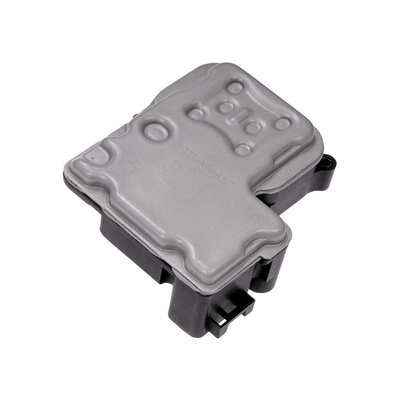
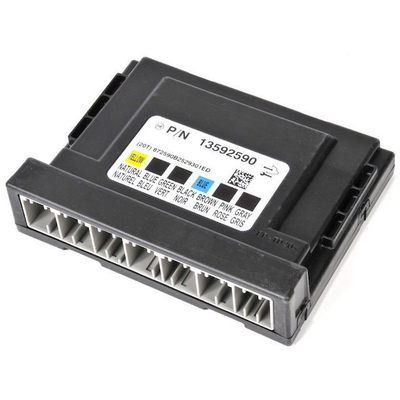
Below are the parts most often responsible for code C0055, ranked by how frequently each one is the actual culprit (per the diagnosis above). Tap any to see what we have for your vehicle.






The information in this article is provided for general reference and educational purposes only. Vehicle specifications, procedures, and part compatibility can vary by production date, trim level, and region. Always consult your vehicle's factory service manual and verify part numbers before purchasing or performing repairs. Safety-critical components such as airbags, seat belts, and braking systems should be installed by a qualified professional.
- 🧭 Diagnostic Flowchart
- 🎬 Helpful Videos
- 🛍️ Shop This Part
- What Does C0055 Mean?
- Can I Drive With C0055?
- Common Causes
- Symptoms
- Common Fixes & Costs
- Used vs. New Parts: Buying Guide
- What Happens If You Wait — Timeline
- Cost of Not Fixing It
- Diagnosis Steps
- When This Code Triggers (Freeze-Frame Conditions)
- Related Codes
- Climate & Environmental Factors
- How to Talk to a Mechanic About This Code
- Where to Take It: Dealer vs Independent vs Chain
- When to Walk Away From the Repair
- What Scan Tool You Need for This Code
- How to Clear the Code After You Fix It
- Will This Fail Emissions / State Inspection?
- Most Commonly Affected Vehicles
- Manufacturer-Specific Notes
- Real Owner Stories
- 2005 Chevy Silverado 2500HD, ~150,000 miles
- 2008 Chevy Express Van, 121,000 miles
- 2009 GMC Sierra (GMT900), mileage unreported
- 2005 Duramax Diesel Truck, mileage unreported
- How to Prevent This Code From Triggering
- Frequently Asked Questions
- Can I fix a C0055 code myself?
- Will clearing the code fix the problem?
- Where is the C0055 speed sensor located?
- What is the difference between C0055 00 and C0055 5A?
- My speedometer works fine, can the speed sensor still be bad?
- I replaced the sensor but the code came back. What's the most common misdiagnosis?
- Can a bad wheel bearing cause a C0055 code?
- What happens when a rear wheel speed sensor goes bad?
- Key Takeaways
- 🎟️ Get 5% Off