

C0236 on 2014-2020 Toyota 4Runner: Causes and Fixes for the ABS Light
Code C0236 on a 2014-2020 Toyota 4Runner indicates a fault in the rear left wheel speed sensor circuit. The most common causes are a damaged wiring harness, a failed sensor, or electrical interference from aftermarket LED/HID headlights. Inspecting the wiring for damage, especially after off-roading or if rodents are suspected, is the first step.
- Code C0236 means there's a problem with the rear left wheel speed sensor circuit.
- Before buying any parts, thoroughly inspect the wiring harness for physical damage, as this is a very common issue on 4Runners.
- If you have aftermarket LED or HID headlights, test if the ABS light only comes on when they are turned on, as per TSB T-TT-0597-20.
- A failed sensor is also a common cause, which can be diagnosed with a multimeter.
- This fault disables important safety features, so it should be addressed promptly.
What's Unique About the 2014-2020 Toyota 4RUNNER
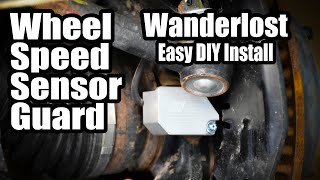
For the 5th Generation 4Runner, this code is frequently linked to two distinct issues. First, as a capable off-road vehicle, the rear wheel speed sensor wiring is exposed and susceptible to damage from rocks, branches, or debris. The wiring can also be stretched or damaged after installing a suspension lift. 🎬 Watch: How to prevent wheel speed sensor damage on your 4Runner. Second, Toyota issued a Technical Service Bulletin (T-TT-0597-20) noting that aftermarket LED or HID headlights can create radio frequency interference (RFI) that disrupts the Skid Control ECU's ground circuit, falsely triggering this code along with others.
Diagnostic Flowchart
Tap your situation to follow the diagnostic path that matches what you're seeing on this vehicle.
Symptoms You May Notice
- ABS warning light is on
- Traction Control (TRAC) warning light is on
- Vehicle Stability Control (VSC) warning light is on
- Potential for ABS to activate unexpectedly at low speeds
- Loss of ABS function during hard braking
- Speedometer may behave erratically or stop working, although this is less common as it often averages the remaining sensors
- Replacing the wheel speed sensor without first thoroughly inspecting the wiring harness for damage. Many owners replace the sensor only to find the code returns because the wire itself was the problem.
- Replacing the expensive ABS module (Skid Control ECU) before checking for wiring faults or TSB-related issues like headlight interference.
- Assuming the sensor is bad when the issue is a damaged or debris-contaminated tone ring on the wheel hub.
Most Likely Causes
- Damaged Rear Left Wheel Speed Sensor Wiring Harness 🔴 High Probability → Shop ABS Wheel Speed Sensor The wiring harness is routed along the axle and is vulnerable to damage from debris during on-road or off-road driving. Rodents are also known to chew on the soy-based wire insulation used in many modern Toyotas. Additionally, installing suspension lifts can stretch the harness, causing internal breaks in the wire that may not be visible.
How to confirm: Visually inspect the entire length of the wire from the wheel hub to where it enters the body for cuts, chafing, or breaks. Pay close attention to where the wire is clipped to the frame and axle. Check for continuity on both wires from the sensor connector to the main harness connector using a multimeter.
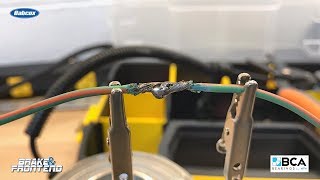
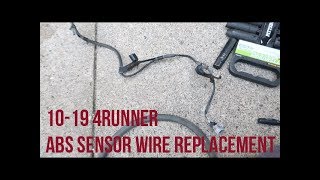
Typical fix: Repairing the damaged section of the wire or replacing the entire sensor pigtail/harness. Due to the shielded nature of these wires, using heat-shrink connectors or a replacement pigtail is recommended over simple electrical tape for long-term reliability against moisture.
Est. part cost: $20-$100 - Failed Rear Left Wheel Speed Sensor 🔴 High Probability → Shop ABS Wheel Speed Sensor The sensor is exposed to harsh elements like water, mud, and road salt, which can lead to internal failure over time. Physical impact from debris can also damage it.
How to confirm: With a multimeter set to Ohms, measure the resistance across the sensor's two pins. Compare this reading to the other rear sensor; a significant difference or an open circuit (infinite resistance) indicates a bad sensor. A professional scan tool can also read live data to see if the sensor is producing a signal when the wheel is spun.
Typical fix: Replace the rear left wheel speed sensor. The sensor is typically held in by a single 10mm or Allen bolt and can be seized in the hub, requiring penetrating oil and careful removal.
Est. part cost: $80-$250 - Interference from Aftermarket LED/HID Headlights 🟡 Medium Probability As documented in TSB T-TT-0597-20, the ballasts or drivers for some aftermarket LED/HID bulbs produce electrical noise (RFI) that interferes with the Skid Control ECU's ground circuit, causing false codes. This is a well-documented issue in online forums for 4Runners and other Toyota models.
How to confirm: Clear the codes. Drive the vehicle with the headlights turned OFF. Then, drive with the headlights turned ON. If the code only returns when the headlights are on, the aftermarket bulbs are the likely cause. The TSB specifically mentions using a Picoscope to monitor the ground circuit voltage for fluctuations when the headlights are toggled.
Typical fix: Remove the aftermarket LED/HID bulbs and ballasts and reinstall factory-spec halogen bulbs. Alternatively, installing high-quality, properly shielded LED bulbs or adding ferrite chokes to the headlight wiring may resolve the issue.
Est. part cost: $20-$50
Rare But Worth Checking
- Damaged ABS Tone Ring: The tone ring (or reluctor ring) is part of the wheel bearing/hub assembly. If it becomes cracked, rusted, or contaminated with metallic debris (often from a leaking axle seal), it can cause an erratic signal. On newer 4Runners, this is often a magnetic ring integrated into the hub seal, which can be damaged, lose its magnetic properties, or be installed backwards after a wheel bearing replacement.
- Faulty Skid Control ECU (ABS Module): This is the least likely cause. The control module should only be suspected after all wiring, sensors, and potential interference sources have been definitively ruled out. This is an expensive part and is rarely the point of failure.
Diagnosis Steps
- Read the trouble codes with an ABS-capable OBD-II scanner to confirm C0236 is present.
- Ask about recent modifications. Specifically, have aftermarket LED or HID headlights been installed? If yes, perform the test described in 'Common Causes' by driving with headlights on vs. off.
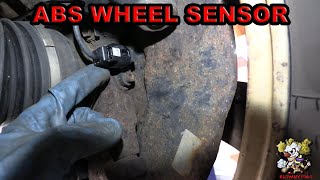
- Perform a thorough visual inspection of the rear left wheel speed sensor and its wiring harness. Look for cuts, abrasions, pinch points, rodent chew marks, or corrosion from the wheel hub up to the main chassis connector.
- Check for stretched wiring if a suspension lift has been installed.
- If no visible damage is found, use a scan tool to monitor the live data for the 'Rear Left Wheel Speed' parameter while spinning the wheel. A reading of 0 MPH or an erratic reading indicates no or a poor signal.
- If there is no signal, disconnect the sensor and test its internal resistance with a multimeter set to Ohms. Compare the reading to the sensor on the opposite side. An open-loop (OL) or drastically different reading indicates a failed sensor.
- If the sensor resistance is good, test the harness. Check for battery voltage on one pin of the harness connector (with key on) and for continuity to ground on the other. Check for continuity of both wires from the sensor connector to the ABS module connector.
- If the sensor and wiring are confirmed to be good, and headlight interference is ruled out, inspect the magnetic tone ring integrated into the wheel hub for damage, heavy rust, or metallic debris.
- Only consider replacing the Skid Control ECU as a last resort after all other possibilities have been exhausted.
Parts You'll Likely Need
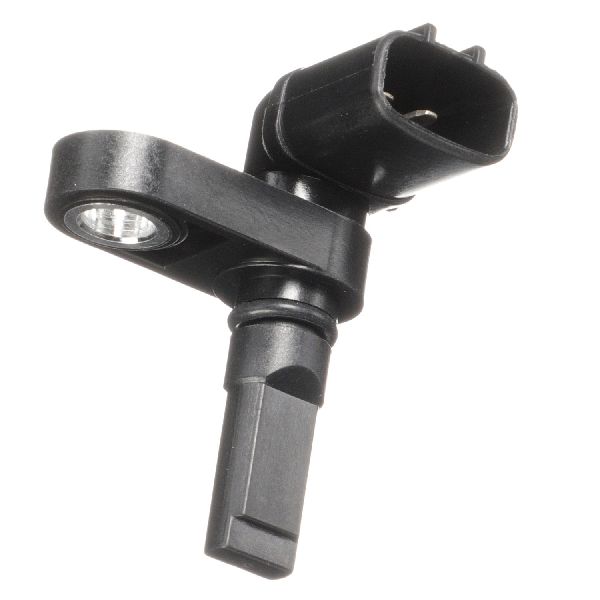
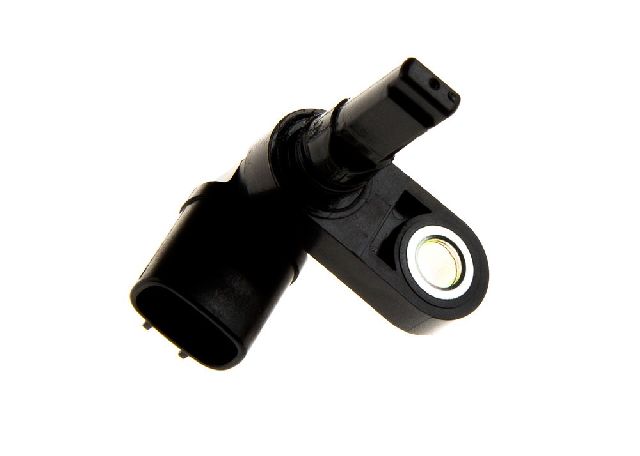
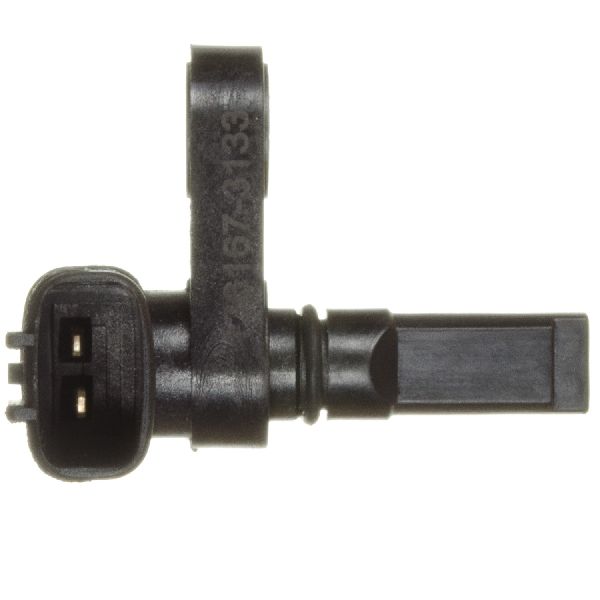
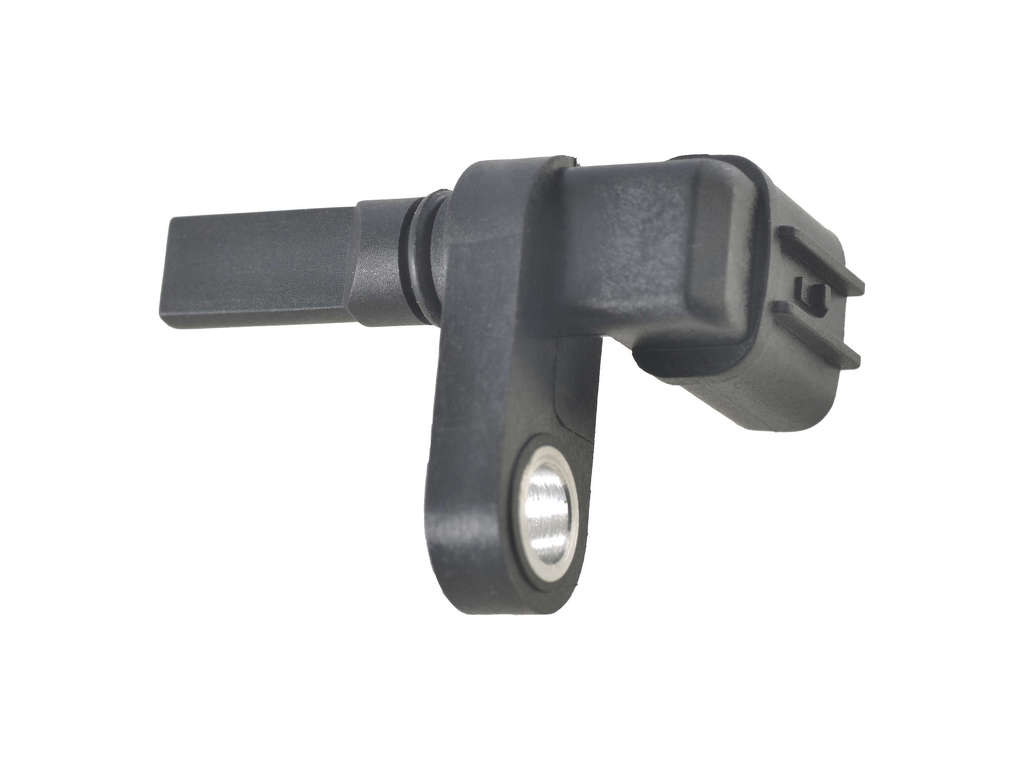
- Rear Wheel Speed Sensor
(OEM #89546-60050 (Rear Left), 89545-60050 (Rear Right))— This is the most commonly failed component that causes a C0236 code, either through internal failure or as part of a harness repair. NOTE: Part numbers can vary. Always verify with VIN before ordering.
Trusted brands: Toyota (OEM), Denso, NTK, Standard Motor Products (SMP)
OEM price range: $180-$270
Aftermarket price range: $80-$150 - Rear Wheel Speed Sensor Wire Harness / Pigtail — Often the wire itself is damaged rather than the sensor. A replacement pigtail allows for splicing in a new connector and section of wire, which is a common repair especially for rodent damage or stretching from a lift kit.
Trusted brands: Dorman, Standard Motor Products, ACDelco
OEM price range: N/A
Aftermarket price range: $20-$50
Related Codes That Often Appear With This One
- C0226 — Front Speed Sensor RH Circuit. Often appears with C0236 due to systemic issues like aftermarket headlight interference as noted in TSB T-TT-0597-20.
- C0246 — Rear Speed Sensor RH Circuit (Note: Pass 2 listed C0246 as Front LH, but C0246 is typically Rear RH). Often appears with C0236 due to systemic issues like aftermarket headlight interference as noted in TSB T-TT-0597-20.
- C0256 — Rear Speed Sensor RH Circuit. Often appears with C0236 due to systemic issues like aftermarket headlight interference as noted in TSB T-TT-0597-20.
Technical Service Bulletins (TSBs) & Recalls
- T-TT-0597-20: Some 2014-2020 model year 4Runner vehicles may experience the ABS Light ON with DTC C0226, C0236, C0246 and C0256 stored current in the ABS system. The cause may be radio frequency interference from aftermarket LED or HID headlights.
Platform-Specific Known Issues
- A known issue documented in Toyota Technical Service Bulletin T-TT-0597-20 describes how aftermarket LED/HID headlights can cause electrical interference, leading to codes C0226, C0236, C0246, and C0256.
- The exposed nature of the rear ABS wiring on 4Runners makes it particularly susceptible to damage during off-road use or from rodents chewing the wires.
- Installation of suspension lift kits can put stress on the factory-length ABS wire, leading to stretching and eventual failure of the harness.
Mechanic-Grade Diagnostic Values
- Rear Wheel Speed Sensor Resistance — expected: Approximately 0.89–1.29 kΩ (890-1290 Ohms). Readings should be consistent between the left and right rear sensors. A demonstration on a similar Toyota showed good sensors reading around 350 Ohms, while a bad one read ~20 Ohms, indicating the key is comparing to a known-good sensor.. Failure: An open circuit (OL or infinite resistance), a short (near zero resistance), or a value that is drastically different from the sensor on the opposite side.
- Wheel Speed Sensor AC Voltage (Passive Sensor Test) — expected: A small, fluctuating AC voltage that increases with wheel speed (e.g., starting around 0.1-1.5 VAC at low speed).. Failure: No AC voltage is produced when the wheel is spun, indicating a dead sensor.
Hidden / Shadow Codes Worth Checking
- N/A (Diagnostic Condition): TSB T-TT-0597-20 describes a 'hidden' issue not visible on standard scanners: electrical noise on the Skid Control ECU ground circuit caused by aftermarket headlights. This appears as voltage fluctuations. (see via Using a Picoscope or similar oscilloscope to monitor the ground circuit voltage at the Skid Control ECU while toggling the headlights on and off.)
Scan Tool Commands That Help
- Techstream (or other professional ABS scanner): Live Data Monitoring / Data List — This is a primary diagnostic step. Select the 'ABS/VSC/TRAC' system, then view the Data List to monitor the 'Rear Left Wheel Speed' parameter. While an assistant spins the wheel, you can verify if the ECU is receiving a plausible speed signal. A reading of '0' or an erratic signal while the wheel is spinning points directly to a fault in that sensor's circuit.
Wiring & Ground Locations
- Skid Control ECU Ground Wires — At the Skid Control ECU (ABS Module). The specific pins depend on the brake booster type installed in the 4Runner.. TSB T-TT-0597-20 identifies these specific ground pins as being susceptible to RFI from aftermarket headlights, which can trigger C0236. Testing for voltage fluctuations at these exact pins is the definitive diagnostic step for the TSB issue. For vehicles with a Hydraulic Booster, the grounds are GND1 (Pin 1 of Connector A) and GND2 (Pin 32). For vehicles with a Vacuum Booster, the grounds are GND1 (Pin 1) and GND2 (Pin 13).
Real Owner Repair Stories
- Reddit user in r/4Runner (5th Gen 4Runner) — ABS, traction control lights on, and 4x4 light flashing after installing a 3-inch front lift.
❌ Tried (didn't work) Initial visual inspection showed nothing obvious.
✅ What actually fixed it The consensus from other users was a stretched and broken ABS wire, a very common issue when installing a lift without taking care to protect the delicate, short factory wire. The fix is to repair or replace the damaged ABS sensor wire harness on the affected side. - YouTube channel klowny1969 (2005 Toyota 4Runner (similar diagnostic principle)) — ABS light on.
❌ Tried (didn't work) Initially suspected a bad wheel speed sensor.
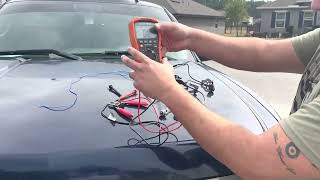
✅ What actually fixed it After removing the sensor, it tested good with a multimeter (352 Ohms). The technician then tested the wiring harness for continuity and found one of the wires had an open circuit. A close visual inspection revealed a small, hidden cut in the wire. The actual fix was repairing the broken wire, not replacing the sensor.
OEM Part Supersession History
89543-60050→89543-04020— Part update/consolidation by Toyota.
Heads up: This part number is generally listed for the LEFT side (Front or Rear). Part numbers are notoriously specific. Always confirm the correct part number for your vehicle's VIN and specific corner (e.g., Rear Left) before purchasing.
Model Year Variations Within This Range
- 2014-2020: The pinout for the Skid Control ECU ground wires varies depending on whether the vehicle is equipped with a hydraulic or vacuum brake booster, as per TSB T-TT-0597-20. This is critical when diagnosing the aftermarket headlight interference issue.
Helpful Videos
We Have This Part in Stock


The information in this article is provided for general reference and educational purposes only. Vehicle specifications, procedures, and part compatibility can vary by production date, trim level, and region. Always consult your vehicle's factory service manual and verify part numbers before purchasing or performing repairs. Safety-critical components such as airbags, seat belts, and braking systems should be installed by a qualified professional.
- Toyota 4RUNNER:
- 🧭 Diagnostic Flowchart
- 🎬 Helpful Videos
- 🛍️ Shop This Part
- What's Unique About the 2014-2020 Toyota 4RUNNER
- Symptoms You May Notice
- Most Likely Causes
- Rare But Worth Checking
- Diagnosis Steps
- Parts You'll Likely Need
- Related Codes That Often Appear With This One
- Technical Service Bulletins (TSBs) & Recalls
- Platform-Specific Known Issues
- Mechanic-Grade Diagnostic Values
- Hidden / Shadow Codes Worth Checking
- Scan Tool Commands That Help
- Wiring & Ground Locations
- Real Owner Repair Stories
- OEM Part Supersession History
- Model Year Variations Within This Range
- 🎟️ Get 5% Off