

C0242 on 2006-2011 Cadillac STS: Traction Control Malfunction Explained
This code means the engine computer (PCM) has told the brake computer (EBCM) it can't help with traction control, usually due to another fault. The most common causes are faulty wheel speed sensors, corroded wiring at the EBCM connector, other engine-related trouble codes, or even a loose main fuse. Fix the other codes first.
- C0242 means the brake module (EBCM) isn't getting the help it needs from the engine module (PCM) for traction control.
- This code is a symptom, not the disease. You MUST find and fix the primary problem, which will likely be another P-code or U-code.
- Always start by scanning all vehicle modules with a capable scan tool.
- Thoroughly inspect wiring and connectors at the EBCM and all four wheel speed sensors for damage or corrosion.
- Do not replace any control modules until all wiring, sensor, and primary code possibilities have been exhausted.
What's Unique About the 2006-2011 Cadillac STS
On the 2006-2011 STS and its Sigma platform mates, this code is often part of a larger cascade of communication failures. As noted in GM Technical Service Bulletin PIC4740E, C0242 can appear alongside numerous other network (U-codes) and module-specific codes. The TSB specifically advises against module replacement and instead directs technicians to investigate underlying electrical issues like poor connections at the 'mega fuse' block, fretting corrosion on module connectors, and bad grounds (G105, G106, G201, G301, G401, G402). Owners may experience bizarre symptoms like door locks cycling or multiple warning lights appearing at once.
Diagnostic Flowchart
Tap your situation to follow the diagnostic path that matches what you're seeing on this vehicle.
Symptoms You May Notice
- Service Traction Control light is on
- Service Stabilitrak light is on
- ABS warning light is on
- Vehicle may enter 'Reduced Engine Power' mode
- Erratic or hard shifting
- Door locks may cycle on their own while driving
- Instrument cluster needles may drop intermittently 🎬 See how to diagnose and fix the Service StabiliTrak light.
- Brake pedal feels different or makes grinding noises at low speed
- Replacing the EBCM without checking for other codes or inspecting wiring.
- Clearing the C0242 code without addressing the primary P-code or U-code that caused it.
- Replacing a wheel hub assembly without confirming the sensor is bad via live scan tool data.
Most Likely Causes
- Fault in another system (Primary DTC) 🔴 High Probability The C0242 code is a secondary code by nature; it is set in response to another problem. The diagnostic process must begin by addressing any other stored codes.
How to confirm: Use an advanced scan tool to check for Diagnostic Trouble Codes (DTCs) in all modules, including the Engine Control Module (ECM), Transmission Control Module (TCM), and Body Control Module (BCM). Any P-codes (Powertrain) or U-codes (Network) are the primary fault and must be diagnosed first.
Typical fix: Diagnose and repair the cause of the primary DTC(s). For example, if a P2135 (Throttle Position Sensor) is present, that issue must be fixed. Once the primary fault is resolved and cleared, the C0242 code will typically not return.
Est. part cost: $0-$500+ - Damaged or Corroded Wiring/Connectors 🟡 Medium Probability GM vehicles from this era are known for issues with wiring harnesses, particularly at the EBCM connector and wheel speed sensor pigtails, which can suffer from corrosion or chafing. Water intrusion from clogged sunroof drains can also cause widespread electrical havoc.
How to confirm: Visually inspect the main wiring harness connector at the Electronic Brake Control Module (EBCM) for green corrosion, pushed-out pins, or water intrusion. Trace the wiring for all four wheel speed sensors, looking for chafed, broken, or corroded wires, especially near suspension components.
Typical fix: Repair the damaged section of the wiring harness. For a corroded EBCM connector, a replacement pigtail (ACDelco PT2298 / GM 15306329) is often required. Clean module pins carefully and apply dielectric grease upon reassembly.
Est. part cost: $20-$150 - Faulty Wheel Speed Sensor 🟡 Medium Probability → Shop ABS Wheel Speed Sensor Wheel speed sensors are exposed to the elements and can fail, providing erratic signals to the EBCM. This is a common failure point for ABS/TCS systems on most vehicles. A failing sensor can cause intermittent issues before it fails completely.
How to confirm: A good scan tool can display live data for each wheel speed sensor to identify one that is reading incorrectly, dropping out, or not at all while driving. Resistance tests can also be performed on the sensor circuit. Often, a wheel speed sensor fault will set its own specific C-code in the EBCM.
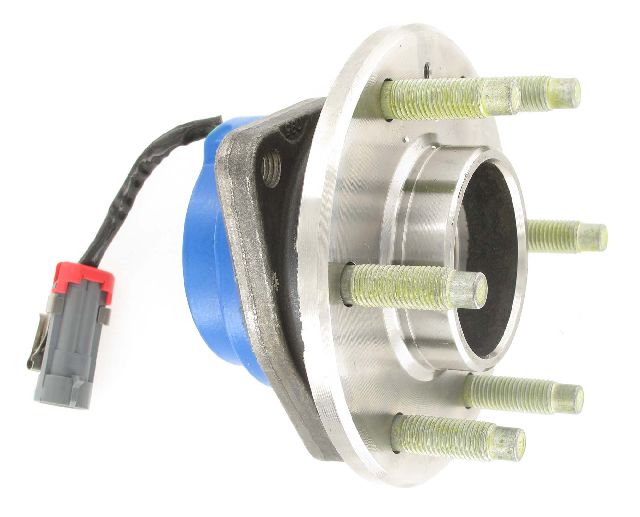
Typical fix: Replace the faulty wheel speed sensor. They are sold as part of the wheel bearing hub assembly on the Cadillac STS.
Est. part cost: $100-$250
Rare But Worth Checking
- Loose or Internally Broken 'Mega Fuse': As referenced in TSB PIC4740E, the main 175A 'Mega Fuse' block, often located under the rear seat or near the battery, can become loose or develop an internal fracture. This causes intermittent voltage drops to critical modules, triggering a cascade of communication codes including C0242, without blowing the fuse. The fuse may even test good with an ohmmeter. Tightening the fuse block nuts or replacing the fuse with an updated 'staked' version can be a permanent fix.
- Failing Electronic Brake Control Module (EBCM): → Shop ABS Control Module While less common than wiring or sensor issues, the EBCM itself can fail internally, often due to failed solder joints on the internal circuit board. This is usually suspected only after all other possibilities, especially wiring, grounds, power connections, and other DTCs, have been thoroughly ruled out.
- Failing Powertrain Control Module (PCM): An internal PCM fault is rare but possible. If the PCM is failing, it may be unable to communicate properly, triggering the C0242 code in the EBCM. This is typically accompanied by multiple other engine performance and communication codes.
Diagnosis Steps
- Connect a full-featured scan tool capable of reading codes from ALL modules (EBCM, PCM, BCM, TCM).
- Record all stored DTCs. Pay special attention to any P-codes or U-codes.
- STOP and diagnose any other codes *before* focusing on C0242. This code is a symptom, not the root cause.
- If no other codes are present, inspect the main power distribution. Locate the 'Mega Fuse' block (often under the rear seat cushion) and ensure the nuts securing the large fuses and cables are tight. A loose connection here is a known cause of widespread electrical issues.
- Perform a thorough visual inspection of the wiring harness and connector at the EBCM, located on the ABS hydraulic unit in the engine bay. Look for green corrosion, loose pins, or physical damage.
- Inspect the wiring harnesses leading to all four wheel speed sensors. Look for chafing, breaks, or corrosion, especially where the harness flexes or is secured to the chassis.
- Use the scan tool to monitor live data from all four wheel speed sensors while driving slowly. Ensure all are reading smoothly and consistently.
- Per TSB PIC4740E, inspect and clean major chassis and engine ground points (G105, G106, G201, G301, etc.) as poor grounds can cause module communication errors.
- If all wiring, power, and grounds check out, the problem may be an intermittent communication issue or a failing control module (EBCM or PCM), which requires advanced diagnostics.
Parts You'll Likely Need
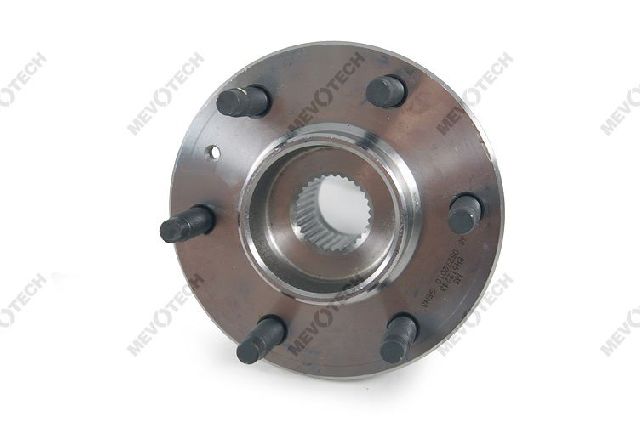
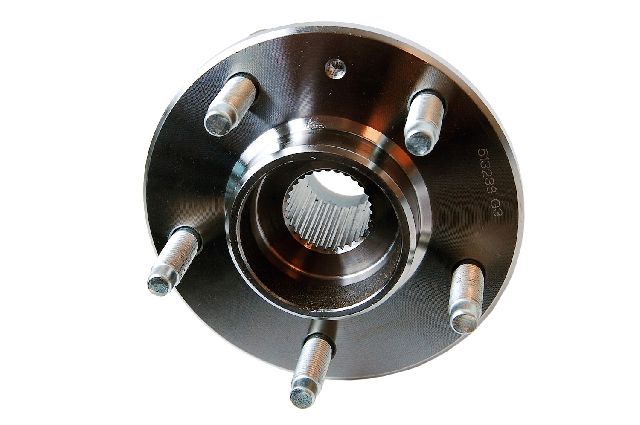
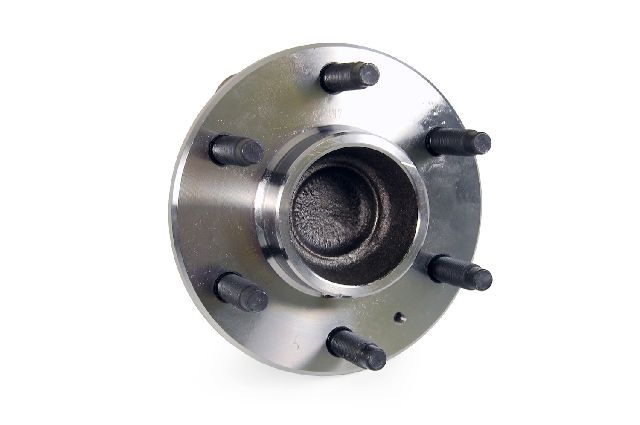
- Wheel Bearing and Hub Assembly
(OEM #GM 19352506 (Front, RWD/AWD, replaces 15816313); GM 15819433 (Rear))— The wheel speed sensor is integrated into the hub assembly. 🎬 Watch this walkthrough on replacing front ABS wheel speed sensors. If a sensor is faulty, the entire hub is typically replaced. Part numbers can vary by RWD vs AWD and specific model year.
Trusted brands: ACDelco, MOOG, Timken
OEM price range: $200-$300
Aftermarket price range: $100-$200 - EBCM Connector Pigtail
(OEM #ACDelco PT2298 / GM 15306329)— If the main connector to the ABS module is corroded or damaged, a replacement pigtail is used to repair the harness. This is a common failure point.
Trusted brands: ACDelco, Dorman
OEM price range: $40-$80
Aftermarket price range: $20-$50
Related Codes That Often Appear With This One
- U0073 — Indicates a Control Module Communication Bus is off, pointing to a network-wide communication problem often linked with C0242 as described in TSB PIC4740E.
- U0100 — Indicates lost communication with the ECM/PCM, a direct cause for the EBCM to set C0242.
- U0121 — Indicates lost communication with the ABS control module (EBCM), often appearing with other communication and traction codes during a network disruption.
- P0700 — Indicates a general transmission control system malfunction, which can prevent proper torque management and trigger C0242.
- P2135 — A throttle/pedal position sensor correlation error directly impacts the PCM's ability to control engine torque, a primary reason for it to deny a traction control request and set C0242.
Technical Service Bulletins (TSBs) & Recalls
- PIC4740E: Mentions C0242 in a long list of codes related to various module communication failures. Crucially, it advises technicians to check for loose connections at the mega fuse block and inspect specific ground points before replacing any control modules. It addresses symptoms like cycling door locks or no-start conditions.
Platform-Specific Known Issues
- As documented in TSB #PIC4740E, this platform can experience a cascade of communication DTCs including C0242 due to underlying electrical issues. This often presents with symptoms like cycling door locks and multiple warning messages. The TSB specifically points to checking the main 'mega fuse' block and chassis grounds before considering module replacement.
- Concrete Repair Story: The Loose Mega Fuse: A well-documented case on Cadillac forums involved a 2007 STS with C0242, U0073, and cycling door locks. After replacing the battery and checking individual module grounds to no avail, the owner found the nuts on the 175A mega fuse under the rear seat were loose. Tightening these nuts resolved all codes and symptoms permanently, highlighting a key vulnerability mentioned in TSB PIC4740E.
Mechanic-Grade Diagnostic Values
- CAN Bus Resistance — expected: Approximately 60 Ω. Failure: A reading of 120 Ω indicates a missing termination resistor or a break in the bus. A reading near 0 Ω indicates a short between the CAN High and Low lines.
- CAN High Voltage (Key On) — expected: 2.5V - 3.5V. Failure: Voltage that is flatlined, stuck high, or stuck low indicates a bus communication failure.
- CAN Low Voltage (Key On) — expected: 1.5V - 2.5V. Failure: Voltage that is flatlined, stuck high, or stuck low indicates a bus communication failure.
Hidden / Shadow Codes Worth Checking
- C0242 71: This symptom code variant can mean 'Class 2 Communication Malfunction' or 'Actuator Stuck'. It points more specifically towards a communication bus issue or an internal EBCM fault rather than just a generic PCM request denial. (see via A professional GM-specific scan tool like a Tech 2 or high-end bidirectional scanner.)
Scan Tool Commands That Help
- GM Tech 2 / GDS2: Chassis > EBCM > Data Display — To view live data from all four wheel speed sensors simultaneously to identify a sensor that is providing an erratic or no signal while the vehicle is moving.
- GM Tech 2 / GDS2: Chassis > EBCM > Special Functions — To perform automated tests of the ABS solenoids and pump motor within the EBCM/BPMV assembly. This can help rule out an internal hydraulic unit failure after wiring and communication have been verified.
Wiring & Ground Locations
- Rear Fuse Block / Mega Fuse — Under the rear passenger seat cushion. The cover must be removed to access the fuses and relays.. This is the location of the 175A 'Mega Fuse' mentioned in TSB PIC4740E. A loose connection here can cause intermittent power loss to multiple modules, triggering C0242 and a host of U-codes.
- G101 — Near the left front strut tower, at the bottom of the inside fender well.. This is a primary ground for the Engine Control Module (ECM) and Transmission Control Module (TCM). A poor connection here can directly cause communication loss (U0100) and trigger C0242.
- G105 — At the back of the underhood fuse block.. This ground is associated with the underhood fuse block, which powers many vehicle systems. While not a direct module ground, a poor connection can introduce electrical noise.
- G106 — On the rear side of the right cylinder head.. This is another critical engine-related ground point. A bad engine-to-chassis ground can cause voltage potential differences between modules, leading to communication errors.
- EBCM Connector — On the ABS hydraulic unit in the engine bay. It is a large, multi-pin connector.. This is the main electrical interface for the EBCM. It is a common point for corrosion and pin damage, which can cause C0242 and other ABS/TCS related codes.
Real Owner Repair Stories
- Cadillac Forums user reports, consistent with TSB PIC4740E (2007 Cadillac STS) — Service Traction Control, Service Stabilitrak, ABS light on, door locks cycling while driving, multiple communication codes including C0242 and U0073.
❌ Tried (didn't work) Replacing the battery, Checking and cleaning individual module grounds
✅ What actually fixed it The nuts securing the 175A 'Mega Fuse' and its associated cables under the rear seat were found to be loose. Tightening the nuts on the fuse block resolved all symptoms and codes. - YouTube video by 'slow_restoration' (2011 Chevy Suburban (similar GM electrical architecture)) — Intermittent door lock cycling, multiple warning lights, various communication and module codes.
❌ Tried (didn't work) Replacing the mega fuse
✅ What actually fixed it The main power wire running from the mega fuse to the underhood fuse block was found to have high resistance and signs of heat at the fuse block connection. Replacing this main power cable resolved the widespread electrical issues.
Model Year Variations Within This Range
- 2005-2008: The ABS Control Module (EBCM) for these earlier years has different part numbers (e.g., 15797650, 15917517) than the later models.
- 2009-2011: The ABS Control Module (EBCM) for these later years uses different part numbers (e.g., 20875885) and may have updated software logic compared to the earlier units.
Helpful Videos
Used OEM Parts in Stock
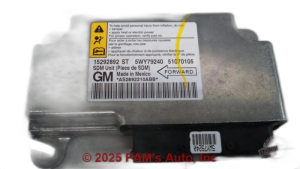
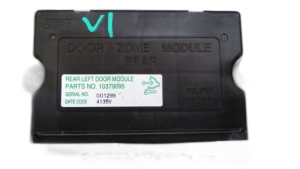
New Aftermarket Parts Available
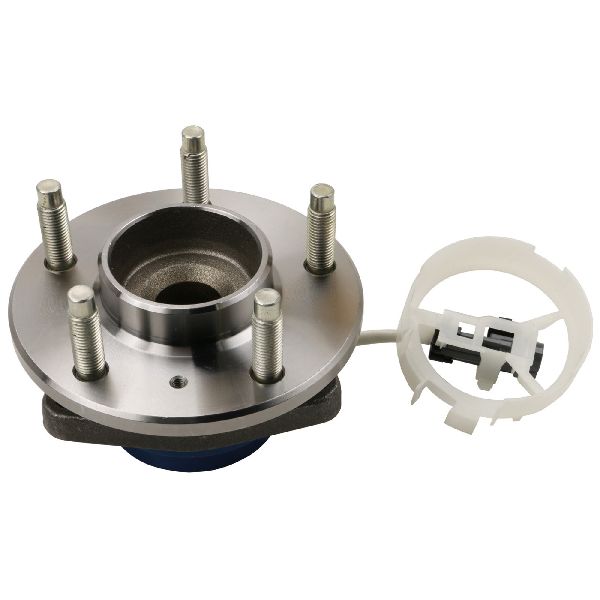
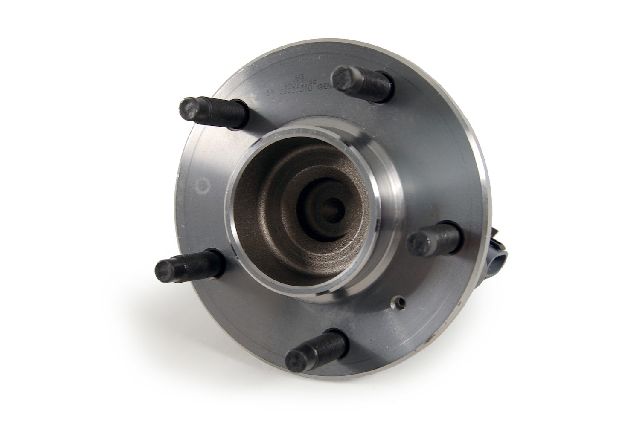

The information in this article is provided for general reference and educational purposes only. Vehicle specifications, procedures, and part compatibility can vary by production date, trim level, and region. Always consult your vehicle's factory service manual and verify part numbers before purchasing or performing repairs. Safety-critical components such as airbags, seat belts, and braking systems should be installed by a qualified professional.
- Cadillac STS:
- 🧭 Diagnostic Flowchart
- 🎬 Helpful Videos
- 🛍️ Shop This Part
- What's Unique About the 2006-2011 Cadillac STS
- Symptoms You May Notice
- Most Likely Causes
- Rare But Worth Checking
- Diagnosis Steps
- Parts You'll Likely Need
- Related Codes That Often Appear With This One
- Technical Service Bulletins (TSBs) & Recalls
- Platform-Specific Known Issues
- Mechanic-Grade Diagnostic Values
- Hidden / Shadow Codes Worth Checking
- Scan Tool Commands That Help
- Wiring & Ground Locations
- Real Owner Repair Stories
- Model Year Variations Within This Range
- 🎟️ Get 5% Off