

C0326 on 2015-2017 Chevrolet Suburban: Service 4WD Causes and Fixes
On a 2015-2017 Suburban, code C0326 usually indicates a problem with the four-wheel-drive system, often a faulty transfer case actuator or outdated software in the Transfer Case Control Module (TCCM). A software update is a potential low-cost fix for cold-weather issues, while actuator replacement is common for mechanical failure and can cost several hundred dollars. This code carries a serious safety warning for vehicle rollback.
- Code C0326 on a 2015-2017 Suburban is a serious issue related to the 4WD system that requires prompt attention.
- A critical safety risk of vehicle rollback is associated with this code; always use the parking brake until the issue is resolved.
- If the problem only happens in extreme cold, a TCCM software update might be the fix.
- The most common repair is replacing the entire transfer case actuator assembly, especially if the code is C0326 58.
- Do not replace the TCCM unless software updates and actuator replacement have failed to solve the problem.
What's Unique About the 2015-2017 Chevrolet SUBURBAN
The K2XX platform Suburban from this era is subject to two distinct, well-documented issues causing this code. One is a software problem in the TCCM that primarily surfaces in very cold weather (below 10°F / -12°C), as detailed in a series of TSBs (PIP5250 series). The other is a more severe mechanical failure of the transfer case actuator's internal brake, which can create a dangerous vehicle rollback situation, as outlined in TSB #GCUS-3-861. The rollback can occur under a specific set of circumstances: if the actuator brake sticks, the vehicle is on a slight incline (less than 2 degrees), parked in 4LO while warm, and the ignition is turned off.
Diagnostic Flowchart
Tap your situation to follow the diagnostic path that matches what you're seeing on this vehicle.
Symptoms You May Notice
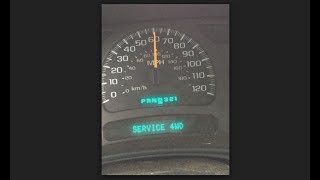
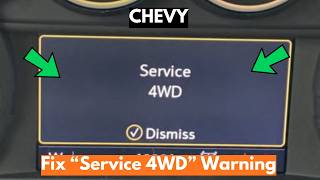
- "Service 4WD" or "Service AWD" message on the Driver Information Center (DIC).
- Inability to switch between 2WD, AUTO, 4HI, or 4LO modes.
- Four-wheel-drive system is disabled and may default to 2WD or the last known setting.
- The fault may only appear when operating the vehicle in temperatures below 10°F (-12°C).
- In some cases, the transfer case can become stuck in neutral, rendering the vehicle unable to move.
- Replacing the Transfer Case Control Module (TCCM) when only a software update is needed. The TSBs clearly indicate that reprogramming is the first step for cold-weather-related issues.
- Replacing the 4WD selector switch on the dashboard. This switch is rarely the cause of this specific code.
- Replacing the entire transfer case assembly. The issue is almost always isolated to the externally mounted actuator or the control module's software, not the internal mechanics of the transfer case itself.
Most Likely Causes
- Failed Transfer Case Actuator Assembly 🔴 High Probability → Shop Transfer Case Motor A specific failure of the internal actuator motor brake is documented in GM Customer Satisfaction Program #17048 and TSB #GCUS-3-861. This is a known weak point that led to a voluntary service campaign. The actuator is also exposed to the elements, leading to wear and electrical failure over time.
How to confirm: If the code is specifically C0326 with symptom byte 58, the actuator is the confirmed cause per the TSB. A technician can also use a bi-directional scan tool to command the actuator; failure to respond or a grinding noise indicates a bad motor.
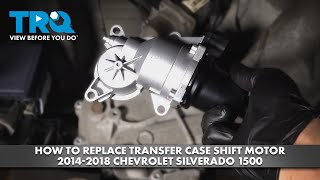
Typical fix: Replace the transfer case actuator assembly (also called the transfer case shift motor or encoder motor).
Est. part cost: $250-$450 - Outdated Transfer Case Control Module (TCCM) Software 🟡 Medium Probability → Shop Transfer Case Motor TSBs #PIP5250A, B, and G confirm that overly sensitive diagnostic parameters in the original software can cause this code (often with C0398) to set incorrectly in cold weather.
How to confirm: A GM dealer or a qualified shop can check the current software calibration version on the TCCM against the latest available version in the GM Service Programming System (SPS). The issue is most likely software-related if it only occurs below 10°F (-12°C).
Typical fix: Reprogram the Transfer Case Control Module with the latest software update. An early TSB suggested a temporary workaround of shifting the vehicle to 2WD before turning off the ignition in cold weather.
Est. part cost: $0 (if performed under a service campaign) or typically 1-1.5 hours of dealer labor cost. - Wiring or Connector Issues ⚪ Low Probability The actuator and TCCM are located under the vehicle, exposing their wiring harnesses and connectors to moisture, corrosion, and physical damage from road debris. Some GM truck platforms have known issues with harness chafing against the frame or other components.
How to confirm: Visually inspect the wiring harness going to the transfer case actuator and the TCCM. Check for chafed wires, and unplug connectors to inspect for corrosion, moisture, or pushed-out pins. A multimeter can be used to check for proper voltage and ground at the actuator connector.
Typical fix: Repair the damaged section of the wiring harness or clean/replace the faulty connector.
Est. part cost: $10-$100
Rare But Worth Checking
- Failed Transfer Case Control Module (TCCM): → Shop Transfer Case Motor
Diagnosis Steps
- Scan the Transfer Case Control Module (TCCM) for codes using a scan tool capable of reading chassis ('C') codes. Note if C0326 is present alone or with C0398, and check for a symptom byte (e.g., '58').
- Check for applicable TSBs (e.g., #GCUS-3-861, #PIP5250 series) and Customer Satisfaction Programs (#17048) based on the vehicle's VIN and symptoms.
- If the issue occurs only in cold weather (below 10°F / -12°C), the first step is to verify the TCCM has the latest software. If not, reprogram it.
- If code C0326 58 is present, the diagnosis points directly to a faulty transfer case actuator per TSB #GCUS-3-861.
- As a temporary reset, some owners have had success restoring function by disconnecting the negative battery terminal for at 🎬 Watch: How to perform a quick reset for 4WD errors. least 30 minutes. This is not a permanent fix but can help in a pinch.
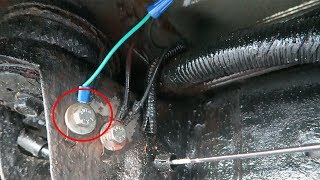
- Visually inspect the wiring and connectors at the transfer case actuator and the TCCM for any signs of damage, corrosion, or loose connections. Pay close attention to grounds on the frame, which are known to corrode.
- If software is current and wiring is intact, use a bi-directional scan tool to command the transfer case to shift ranges. If the actuator motor does not respond or fails the command, it confirms 🎬 See how a technician diagnoses the Service 4WD system. the actuator has failed.
- If all other steps fail, the TCCM itself could be faulty, but this is the least likely cause.
Parts You'll Likely Need
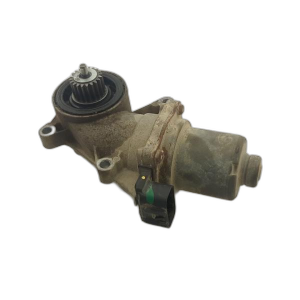
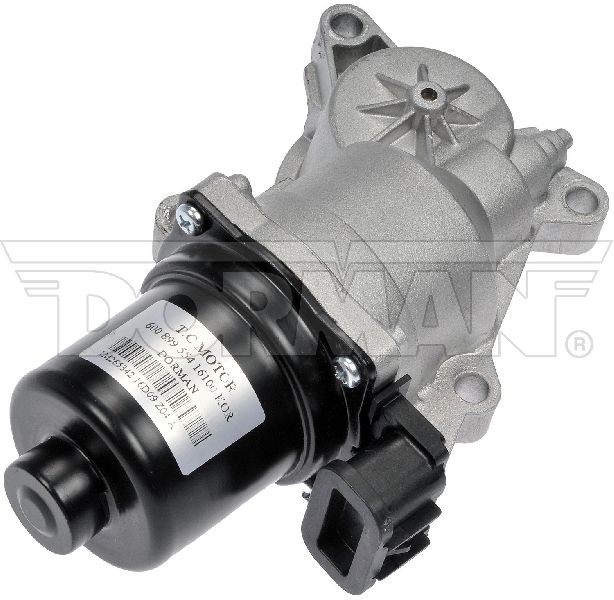
- Transfer Case Actuator Assembly
(OEM #84718571)— This is the most current OEM part to fix the actuator-related faults. It supersedes previous part numbers including 84109212 (specified in Program #17048), 84115497, and 23355888 (specified in early cold-weather TSBs).
Trusted brands: ACDelco (OEM), Dorman, Cardone (Remanufactured)
OEM price range: $350-$450
Aftermarket price range: $150-$300
Related Codes That Often Appear With This One
- C0398 — This code for 'Range Position Correlation Fault' is frequently mentioned alongside C0326 in GM service bulletins for cold weather-related 'Service 4WD' messages. Both codes are stored in the TCCM and often point to the same software or actuator faults.
- U0403 — This code means 'Invalid Data Received From Transfer Case Control Module'. Other modules in the vehicle may log this code as a secondary fault when the TCCM detects an internal problem like C0326.
Technical Service Bulletins (TSBs) & Recalls
- GCUS-3-861: Notes that a sticking transfer case actuator brake will set C0326 58, cause a 'Service AWD' message, and can lead to vehicle rollback under specific warm conditions in 4LO. The fix is to replace the transfer case actuator assembly.
- PIP5250G / PIP5250B: Links a 'Service 4WD' message with codes C0398 or C0326 to operation in cold temperatures and directs technicians to either reprogram the TCCM or, in some cases, replace the actuator.
- PIP5250A: Recommends reprogramming the Transfer Case Control Module (TCCM) to resolve cold-weather related 'Service 4WD' messages with code C0326 or C0398.
- Customer Satisfaction Program 17048: A no-charge dealer campaign (expired March 31, 2019) to replace the transfer case actuator assembly (part #84109212) to prevent the rollback condition associated with code C0326 58.
Platform-Specific Known Issues
- A 'Service AWD' message with code C0326 58 is addressed by GM Customer Satisfaction Program #17048, which involved replacing the transfer case actuator assembly due to a risk of the vehicle rolling away. This program expired on March 31, 2019.
- A 'Service 4WD' message with code C0326 and/or C0398 that only occurs in ambient temperatures below 10°F (-12°C) is often due to a software issue, which can be fixed by reprogramming the TCCM per TSB #PIP5250A.
- Owners of new 2015 models reported a number of electrical issues, including the transfer case getting stuck in neutral and displaying the 'Service 4WD' message, suggesting early production models were prone to these faults.
Mechanic-Grade Diagnostic Values
- Transfer Case Shift Motor Resistance — expected: 0.5 to 35 ohms between Pin A (Black wire) and Pin B (Red wire) at the TCCM connector.. Failure: A reading outside this range, or any continuity from either pin to the motor case (ground), indicates a faulty motor.
- System Voltage at TCCM — expected: 10.5 - 18.0 Volts. Failure: Voltage outside this range can cause erratic module behavior or prevent diagnostic trouble codes from running properly.
Hidden / Shadow Codes Worth Checking
- C0326 58: Transfer Case Actuator Motor Brake Is Sticking. This is a highly specific symptom byte that confirms the mechanical failure inside the actuator assembly, as outlined in GM's Customer Satisfaction Program #17048. (see via A professional scan tool like the GM GDS2/Tech 2 that can read chassis codes and their associated symptom bytes.)
- C0306 04: Range Actuator Control Circuit Open. While a different primary DTC, its diagnostic logic is relevant. This symptom byte for a related actuator circuit code indicates an open circuit, which could be caused by a broken wire or loose connector pin, a common cause for C0326 as well. (see via GM GDS2 or equivalent professional scan tool.)
Scan Tool Commands That Help
- GM GDS2 (or equivalent bidirectional scanner): Transfer Case Control Functions / Actuator Test — After checking for codes and TSBs, use this function to command the transfer case to shift between ranges (2HI, 4HI, 4LO). This directly tests the actuator motor, its power/ground circuits, and the TCCM's ability to control it. Failure to shift during this test strongly points to a failed actuator or a circuit issue.
- GM GDS2 (or equivalent bidirectional scanner): Transfer Case Range Actuator Relearn — This procedure is required after replacing the transfer case actuator or the TCCM. It allows the control module to learn the new actuator's position sensor values for each range. Failure to perform this relearn can result in incorrect operation or new codes being set.
Wiring & Ground Locations
- Frame Grounds (General) — On the frame rails, often behind the front wheels. On the K2XX platform, these are known to be in a location that gets significant splash from the tires.. The TCCM and actuator rely on clean grounds to operate. A corroded frame ground is a common cause of intermittent and difficult-to-diagnose electrical issues, including transfer case faults. A forum post specifically highlights these grounds as a trouble spot on 2015+ Tahoes.
- Actuator Connector — The main electrical connector on the transfer case actuator assembly, located on the transfer case itself.. This connector is exposed to road spray, heat, and vibration. Corrosion inside the connector, pushed-out pins, or damaged wires leading to it are a primary point of failure. A visual inspection is a critical first step.
- Engine/Body Harness Chafe Points — While not specific to the transfer case harness, GM has issued bulletins for the K2XX platform regarding engine wiring harnesses chafing on components like the A/C lines, frame rails, or brackets near the firewall.. Although a long shot, a chafe in a main body harness could potentially short a circuit related to the TCCM or its power supply, causing this code. This becomes a possibility if all direct causes have been ruled out.
Real Owner Repair Stories
- 2CarPros Forum User (2008 Chevrolet Colorado (Similar GM 4WD system)) — 4WD light blinks and returns to 2H. Replaced front axle actuator and transfer case motor with no change in symptoms.
❌ Tried (didn't work) Replaced front axle actuator, Replaced transfer case motor
✅ What actually fixed it The final advice from the master technician, after the user confirmed parts were not the issue, was to meticulously check all related electrical connectors for cleanliness, tight fit, and to ensure no pins were damaged or pushed out. This points to an intermittent connection issue as the root cause.
OEM Part Supersession History
23355888→84109212, then 84718571— Part #23355888 was specified in early TSBs (like PIP5250D) for the cold weather issue on 2015 models. Part #84109212 was used for the Customer Satisfaction Program #17048 fix. The current, most updated part number that replaces all previous versions is 84718571.
Heads up: Using an older part number may re-introduce the original fault. Always use the latest superseded part (84718571) for repair to ensure all design updates are included.
Model Year Variations Within This Range
- 2015: Early TSBs (like PIP5250D/E) from 2015 specifically called out replacing the actuator (P/N 23355888) for cold-weather issues, suggesting an early production part was particularly susceptible. Later TSBs and the 2017 recall focused more on software or a different failure mode (sticking brake).
- 2017: Vehicles from this model year were the primary focus of Customer Satisfaction Program #17048 for the C0326 58 rollback condition, indicating a potential batch of faulty actuators was used during production this year.
Helpful Videos
Used OEM Parts in Stock
New Aftermarket Parts Available


The information in this article is provided for general reference and educational purposes only. Vehicle specifications, procedures, and part compatibility can vary by production date, trim level, and region. Always consult your vehicle's factory service manual and verify part numbers before purchasing or performing repairs. Safety-critical components such as airbags, seat belts, and braking systems should be installed by a qualified professional.
- Chevrolet SUBURBAN:
- 🧭 Diagnostic Flowchart
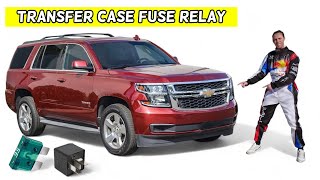
- 🎬 Helpful Videos
- 🛍️ Shop This Part
- What's Unique About the 2015-2017 Chevrolet SUBURBAN
- Symptoms You May Notice
- Most Likely Causes
- Rare But Worth Checking
- Diagnosis Steps
- Parts You'll Likely Need
- Related Codes That Often Appear With This One
- Technical Service Bulletins (TSBs) & Recalls
- Platform-Specific Known Issues
- Mechanic-Grade Diagnostic Values
- Hidden / Shadow Codes Worth Checking
- Scan Tool Commands That Help
- Wiring & Ground Locations
- Real Owner Repair Stories
- OEM Part Supersession History
- Model Year Variations Within This Range
- 🎟️ Get 5% Off