

C0392 on 2014-2018 Chevy Silverado 2500: Service 4WD Causes and Fixes
Code C0392 on a 2014-2018 Silverado 2500 almost always triggers the 'Service 4WD' message. The most common cause is a poor electrical connection at the Transfer Case Control Module (TCCM), located behind the driver's side lower dash. Checking and securing the terminals in the X1 connector, specifically cavity 9, is often the fix and may cost nothing but time, as documented in GM TSB PIP5304B.
- Before buying any parts for a C0392 code, always inspect the main X1 connector at the Transfer Case Control Module (TCCM) for loose pins.
- The 'Service 4WD' message is the primary symptom.
- This code is often accompanied by C0398; fixing C0392 will usually resolve C0398.
- If a part needs replacement, it is most likely the transfer case encoder motor/position sensor assembly, not the TCCM itself.
- A professional-grade scan tool may be required to perform a 'relearn' procedure after repairs.
What's Unique About the 2014-2018 Chevrolet SILVERADO 2500
This generation of Silverado, along with its platform mates (GMC Sierra, Tahoe, Suburban, Escalade), is known for having electrical connection issues at the Transfer Case Control Module (TCCM). The TCCM is located on the lower left part of the driver's side dash area. GM issued multiple Technical Service Bulletins (TSBs) highlighting that poor terminal tension in the main TCCM X1 connector is a primary cause for code C0392. Technicians are specifically advised to check the tension of pins in the X1 connector, with cavity 9 being the most common culprit 🎬 Watch: How to diagnose code C0392 and check terminal tension. for this specific code, before replacing any expensive components.
Diagnostic Flowchart
Tap your situation to follow the diagnostic path that matches what you're seeing on this vehicle.
Generation note: The 2014 Silverado 2500 is the final year of the GMT900 platform, while 2015-2018 models are on the newer K2XX platform. However, GM Technical Service Bulletins confirm that this C0392 fault is common to both generations and extends to other GM trucks and SUVs on these platforms, often pointing to the same electrical connection issues at the TCCM. A 2014 safety recall (14192) also addressed an issue where the TCCM could shift to neutral unexpectedly on 2014-2015 models, requiring a software reprogram.
Symptoms You May Notice
- "Service 4WD" message on the Driver Information Center (DIC).
- Four-wheel-drive system is inoperative or will not shift ranges.
- 4WD selector switch lights may be off, flashing, or not responding.
- The vehicle may be stuck in its last known 4WD setting.
- Audible clunking or unusual noises during attempted shifts.
- Replacing the entire transfer case encoder motor assembly when the actual fault is a simple loose terminal in the TCCM connector.
- Replacing the TCCM when the fault lies in the wiring or the sensor.
- Replacing the 4WD selector switch in the dash, which is rarely the cause for this specific code.
Most Likely Causes
- Poor Terminal Tension at TCCM Connector 🔴 High Probability This is a well-documented issue acknowledged by GM in service bulletins like PIP5304B. The female pins within the X1 connector for the TCCM can loosen from vibration, causing intermittent signal loss from the rotational position sensor.
How to confirm: Following the TSB, gently wiggle the harness at the TCCM (located under the driver's side dash) to see if the code sets or clears. A technician would use a special tool (J-35616-2A) to test the tension of specific pins. For C0392, cavities 1, 2, and especially 9 are the ones to check. A DIY approach involves visually inspecting the female terminals for being spread open or corroded.
Typical fix: Repairing or re-tensioning the specific female terminals in the connector. This can sometimes be done by carefully using a small pick to tighten the terminal. If terminals are damaged or corroded, a new connector pigtail (like ACDelco PT2712) may need to be spliced in.
Est. part cost: $0-$60 - Faulty Transfer Case Rotational Position Sensor (RPS) 🟡 Medium Probability → Shop Transfer Case Motor The RPS is integrated into the transfer case encoder motor assembly. This part is mounted externally on the transfer case and is exposed to harsh conditions (heat, water, road debris), leading to eventual electronic failure.
How to confirm: Using a scan tool, monitor the live data for the position sensor while commanding shifts. Erratic, missing, or frozen data points to a sensor failure. One can also test the sensor's signal (PWM), 5V reference, and ground circuits with a multimeter at the sensor connector.
Typical fix: Replace the transfer case encoder motor/position sensor assembly. A 'relearn' procedure with a scan tool is required after replacement to calibrate the new sensor's position.
Est. part cost: $150-$400 - Damaged Wiring Harness ⚪ Low Probability The wiring harness running from the TCCM to the transfer case can be damaged by road debris, chafing against the frame or other components, or corrosion from water intrusion, especially in regions with harsh winters.
How to confirm: Visually inspect the entire length of the harness for chafing, melting, or corrosion. Pay special attention to where the harness may rub against the frame or exhaust. Perform continuity and short-to-ground tests on the relevant wires identified in a wiring diagram.
Typical fix: Repair the damaged section of the wire or replace the affected circuit. In some cases, a bad ground connection under the driver's door or a corroded intermediate connector is the culprit.
Est. part cost: $5-$100
Rare But Worth Checking
- Failed Transfer Case Control Module (TCCM): → Shop Transfer Case Motor This is a common misdiagnosis. The TCCM is rarely the root cause of the problem and should only be considered for replacement after all wiring, connector, and sensor issues have been definitively ruled out. A new TCCM may require programming by a dealer or a shop with the appropriate tools.
Diagnosis Steps
- Scan the Transfer Case Control Module (TCCM) for all active and history codes. Note if C0398 is also present.
- Check for any applicable Technical Service Bulletins (TSBs), specifically PIP5304B for this issue.
- Locate the TCCM under the driver's side dash, to the left of the steering column.
- Carefully inspect the TCCM connectors (especially the X1 connector) and wiring harness for any visible damage.
- As per TSB PIP5304B, gently wiggle the TCCM harness with the key on to see if the 'Service 4WD' message flickers or if the code status changes on a scan tool.
- Disconnect the battery. Disconnect the TCCM X1 connector and inspect the female terminals in cavities 1, 2, and especially 9 for being spread, corroded, or loose.
- If connector integrity seems good, use a multimeter to test the rotational position sensor circuits (5V reference, signal, and low reference/ground) between the TCCM and the transfer case for continuity, shorts to ground, and shorts to power.
- If wiring is confirmed to be good, use a scan tool to monitor the live data from the rotational position sensor. If the data is erratic, stuck, or does not change when a shift is commanded, the sensor/encoder motor assembly is likely faulty.
- As a final step, consider replacing the TCCM only if all other components (sensor, wiring, connectors) have been proven to be good.
Parts You'll Likely Need
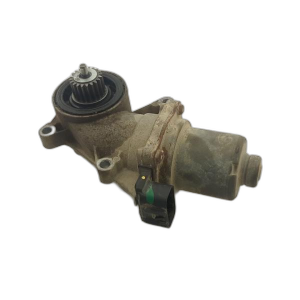
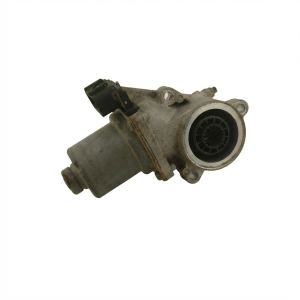
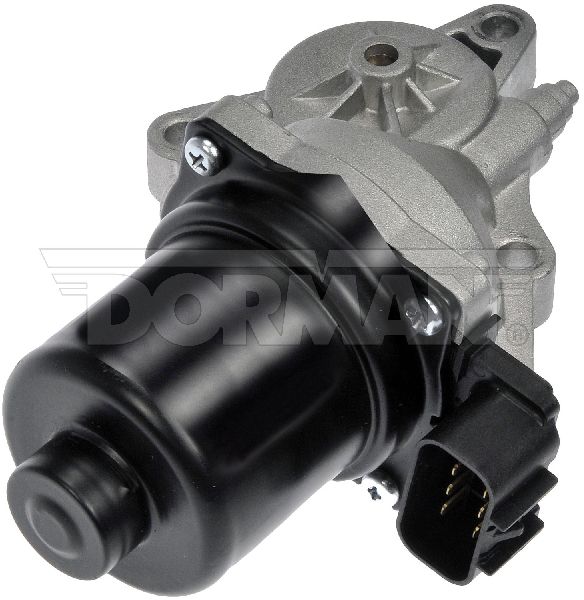
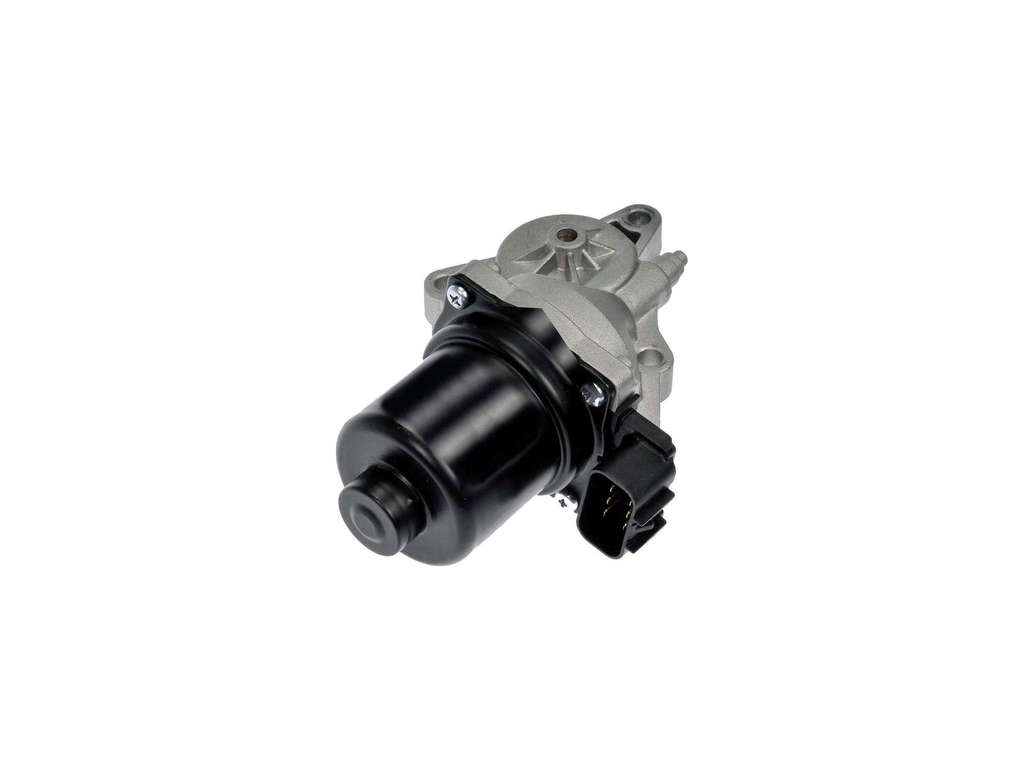
- Transfer Case Encoder Motor / Position Sensor
(OEM #ACDelco 23313623 (Verify by VIN, multiple transfer cases used))— This assembly contains the rotational position sensor that fails and triggers the code. It is the most commonly replaced part when the issue isn't a simple wiring fault.
Trusted brands: ACDelco, Dorman (e.g., 600-910, 600-914, verify application)
OEM price range: $250-$400
Aftermarket price range: $150-$360 - TCCM Connector Pigtail
(OEM #ACDelco PT2712 (GM 13584094))— If the terminals inside the TCCM X1 connector are damaged beyond repair from spreading or corrosion, replacing the connector end (pigtail) is necessary to ensure a solid connection to the TCCM.
Trusted brands: ACDelco, Dorman
OEM price range: $30-$60
Aftermarket price range: $20-$40
Related Codes That Often Appear With This One
- C0396 — This code is for a different circuit related to the transfer case actuator but is often caused by the same poor terminal tension issue at the TCCM connector, as noted in TSB PIP5304B.
- C0398 — This code indicates a 'Range Position Correlation Fault'. GM service information states that C0398 is often a secondary code set as a result of C0392. Resolving C0392 will typically clear C0398 as well.
Technical Service Bulletins (TSBs) & Recalls
- PIP5304B: Advises technicians to check terminal tension on the Transfer Case Control Module X1 connector for a 'Service 4WD Message' with DTC C0392 or C0396. Specifically calls out cavity 9 for C0392.
- PIP5304: An earlier version of the bulletin with the same advice for checking terminal tension at the TCCM connector.
- PIE0342 / PIE0342A: Engineering bulletins indicating GM was actively investigating the 'Service 4WD' message and DTC C0392, showing it was a known field issue. PIE0342A ended the investigation and referred technicians to PIP5304 for the fix.
- PIP5250F: Mentions that C0392 can be stored with other codes like C0398 and are related to the rotational position sensor.
Platform-Specific Known Issues
- GM has explicitly documented this issue in TSBs #PIP5304, #PIP5304B, and #PIE0342. The primary documented cause is poor terminal tension in the TCCM X1 connector, specifically cavity 9 for code C0392.
- Owner forums are filled with accounts of fixing the 'Service 4WD' light by addressing the TCCM connector. Many owners successfully re-tensioned the pin themselves, avoiding a costly shop visit.
Mechanic-Grade Diagnostic Values
- 5-Volt Reference Circuit Voltage — expected: 4.8V - 5.2V with key on, measured at the unplugged sensor connector.. Failure: Voltage significantly below 4.8V indicates a short to ground or open wire; voltage above 5.2V indicates a short to voltage.
- Rotational Position Sensor (RPS) Signal Voltage — expected: A constantly varying Pulse-Width Modulated (PWM) square wave signal when viewed on an oscilloscope.. Failure: Voltage is stuck low (less than 0.25V) or stuck high (greater than 4.75V), indicating a short or an open circuit.
Hidden / Shadow Codes Worth Checking
- C0392-08: Indicates 'Rotational Position Sensor Circuit Signal Invalid'. This is a common symptom byte that specifies the TCCM sees the signal voltage is stuck either low or high and is not changing as expected. (see via A professional-grade scan tool like the GM GDS2, Launch X431, or Autel that can read manufacturer-specific codes and their symptom bytes.)
Scan Tool Commands That Help
- GDS2 (GM Dealer Tool): Output Controls / Actuator Test — To command the transfer case to shift into different modes (2HI, 4HI, etc.) directly from the scan tool. This verifies if the encoder motor and mechanical components are capable of functioning, helping to isolate the problem to the sensor/wiring circuit if the motor doesn't respond.
- GDS2, Autel, Launch: Transfer Case Range Learn / Range Actuator Learn — This function is required after replacing the transfer case encoder motor or the TCCM. It allows the control module to learn the mechanical end-points of the new motor's travel to ensure accurate position reading and shifting.
Wiring & Ground Locations
- TCCM Connector X1, Cavity 9 — On the Transfer Case Control Module, located under the driver's side dash to the left of the steering column.. This is the specific pin for the Rotational Position Sensor signal wire. TSB PIP5304B identifies this exact pin as the most common point of failure due to poor terminal tension, directly causing code C0392.
- G103 — On the cowl at the left rear of the engine compartment, typically above the brake booster.. This is a major body ground point that provides the ground for the Body Control Module (BCM), Instrument Panel Cluster (IPC), and the Data Link Connector (DLC). A poor connection here can cause a wide range of communication and module errors that could mimic or interfere with the TCCM's operation and diagnosis.
- Connector X119 — An intermediate harness connector located near the battery on the driver's side of the engine bay on some models.. This is a pass-through connector for the harness that runs to the transfer case. It is a potential failure point for corrosion, which can interrupt the 5V reference or signal circuits, causing C0392. It is often overlooked as diagnostics focus on the TCCM and encoder motor connectors.
Real Owner Repair Stories
- YouTube channel 'Phillip Bailey' (2017 GM Truck) — 'Service 4WD' message, ABS and Traction Control lights, code C0392-08.
❌ Tried (didn't work) The transfer case encoder motor assembly had already been replaced with a new Dorman part before the diagnosis.
✅ What actually fixed it The 5-volt reference wire was found to be corroded and making a poor connection right at the encoder motor connector. Wiggling the harness caused the voltage to fluctuate. The fix was to repair the wire/terminal at the connector, which restored the proper 5V signal and resolved the code. - YouTube channel 'Diagnose It' (2018 Chevrolet Colorado 4x4) — 'Service 4x4' message, code C0392-08.
❌ Tried (didn't work) Initial diagnosis focused on the TCCM and encoder motor, but testing showed the signal was being lost before the TCCM.
✅ What actually fixed it The technician located a large, intermediate harness connector (identified as X119 in a diagram) near the battery. The terminals inside this connector were heavily corroded. Cleaning the terminals restored the circuit integrity, and the 4WD system began working correctly with no parts replaced.
Model Year Variations Within This Range
- 2014-2015: A safety recall (GM #14192) was issued for some 2014-2015 trucks where an electrical short could cause the TCCM to shift the transfer case into neutral without warning. The fix was a mandatory software reprogram of the TCCM. While not a direct cause of C0392, it highlights the sensitivity of the TCCM software in these early K2XX platform years.
Helpful Videos

Used OEM Parts in Stock
New Aftermarket Parts Available



The information in this article is provided for general reference and educational purposes only. Vehicle specifications, procedures, and part compatibility can vary by production date, trim level, and region. Always consult your vehicle's factory service manual and verify part numbers before purchasing or performing repairs. Safety-critical components such as airbags, seat belts, and braking systems should be installed by a qualified professional.
- Chevrolet SILVERADO 2500:
- 🧭 Diagnostic Flowchart
- 🎬 Helpful Videos
- 🛍️ Shop This Part
- What's Unique About the 2014-2018 Chevrolet SILVERADO 2500
- Symptoms You May Notice
- Most Likely Causes
- Rare But Worth Checking
- Diagnosis Steps
- Parts You'll Likely Need
- Related Codes That Often Appear With This One
- Technical Service Bulletins (TSBs) & Recalls
- Platform-Specific Known Issues
- Mechanic-Grade Diagnostic Values
- Hidden / Shadow Codes Worth Checking
- Scan Tool Commands That Help
- Wiring & Ground Locations
- Real Owner Repair Stories
- Model Year Variations Within This Range
- 🎟️ Get 5% Off