

C0397 on 2014 GMC Sierra 1500: 'Service 4WD' Message Causes and Fixes
On a 2014 GMC Sierra 1500, code C0397 is almost always caused by a software glitch in the Transfer Case Control Module (TCCM), especially on models built before September 7, 2014. The definitive fix is a software update performed by a dealer or qualified shop, which typically costs between $100 and $250. Ignoring the issue can lead to being stuck in 4WD and causing drivetrain binding.
- Code C0397 on a 2014 GMC Sierra is most often a software problem, not a mechanical one.
- Before replacing any expensive parts like the transfer case motor, ensure a technician checks for and performs the software update specified in TSB #PIP5220B.
- This is not a DIY repair; it requires specialized dealer-level tools to reprogram the control module.
- Symptoms include the 'Service 4WD' light and the truck potentially getting stuck in a 4WD mode, causing binding on turns.
- The fix is usually a simple reprogram, which is significantly cheaper than replacing hardware.
What's Unique About the 2014-2014 Gmc SIERRA 1500
For the 2014 model year Sierra, GM issued Technical Service Bulletin PIP5220 acknowledging that a software issue in the Transfer Case Control Module (TCCM) could cause this code, often with C038D or C0398. This bulletin specifically applies to trucks built before September 7, 2014. This makes a software glitch a far more common cause on this specific truck than a mechanical failure. When the code sets, the TCCM enters a fail-safe mode where it fully applies the transfer case clutch pack and then disables all further shifting. This can cause a binding or hopping sensation on turns, even if the driver selects 2WD, because the system is locked in a 4WD state.
Diagnostic Flowchart
Tap your situation to follow the diagnostic path that matches what you're seeing on this vehicle.
Symptoms You May Notice
- "Service 4 Wheel Drive" message on the dashboard.
- Inability to shift between 2WD, Auto, 4HI, or 4LO.
- 4WD mode indicator lights on the selector switch 🎬 Watch this quick fix for common Sierra 4x4 light issues are off or flash without changing modes.
- A binding, hopping, or scrubbing sensation from the drivetrain during tight turns on high-traction surfaces.
- Loss of communication codes (U-codes) like U0102 may be stored in other modules like the ECM or BCM.
- Replacing the transfer case position sensor or encoder motor without first checking for the TCCM software update. The TSB clearly indicates that reprogramming is the first step for this specific code on this model year.
- Replacing the TCCM without programming it. A new TCCM must be programmed with the vehicle's VIN and latest software to function correctly.
Most Likely Causes
- Transfer Case Control Module (TCCM) Software Requires Update 🔴 High Probability → Shop Transfer Case Motor GM released TSB #PIP5220B (and later revisions) specifically for 2014 Sierra/Silverado models built before September 7, 2014, to address this software-related issue that causes false fault codes.
How to confirm: A professional technician must check the vehicle's VIN and build date against the TSB. Using a GM-compatible scan tool, they verify the current software calibration in the TCCM. If the software is outdated, it needs to be updated as the first step.
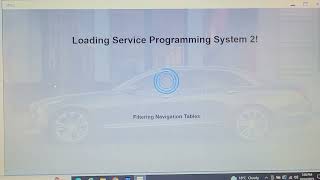
Typical fix: Reprogram the TCCM with the latest software calibration using GM's Service Programming System (SPS). After reprogramming, a 'Transfer Case High/Low Clutch Reset' and a 'Range Actuator Learn' procedure must be performed to complete the repair.
Est. part cost: $0 - Faulty Transfer Case Control Module (TCCM) 🟡 Medium Probability → Shop Transfer Case Motor If reprogramming the module doesn't resolve the code, or if the module fails to communicate entirely, the TCCM itself may have an internal hardware failure. These modules can fail from electrical stress or age.
How to confirm: After a failed or unsuccessful reprogramming attempt, a technician will test the power, ground, and data lines to the TCCM. If all inputs are good but the module is unresponsive or continues to set the code immediately after a successful flash, it is condemned.
Typical fix: Replace the Transfer Case Control Module. New modules must be programmed to the vehicle's VIN.
Est. part cost: $150-$300 - Worn Transfer Case Clutch Pack ⚪ Low Probability → Shop Transfer Case Motor While less common than the software issue, high mileage or severe use can wear out the clutch pack inside the transfer case. This typically sets a specific suffix code, C0397 F3 ('Worn out clutch').
How to confirm: A scan tool can monitor front and rear driveshaft speeds. If the speeds don't match when the clutch should be engaged under load, it indicates slippage. This diagnosis is usually performed after ruling out all electronic and software causes first.
Typical fix: The transfer case must be removed, disassembled, and the clutch pack replaced. In many cases, replacing the entire transfer case with a remanufactured unit is more cost-effective.
Est. part cost: $400-$1500
Rare But Worth Checking
- Wiring or Connector Issue: Corrosion or damage to the wiring harness or connectors for the TCCM or the transfer case actuator can cause intermittent communication and fault codes. A TSB for later models (22-NA-187) highlights water intrusion at the transfer case actuator connector as a potential problem area to inspect.
- Faulty Wheel Speed Sensor: Diagnostic aids suggest that a faulty wheel speed sensor can send incorrect data to the TCCM, causing it to incorrectly calculate slippage and set performance codes like C0397 58 or C0397 F3.
Diagnosis Steps
- Scan the Transfer Case Control Module (TCCM) with a professional-grade scan tool capable of reading manufacturer-specific 'C' and 'U' codes.
- Confirm the presence of C0397 and note any suffix codes (e.g., F3, 58) and other codes like C0398 or C038D.
- Check for applicable Technical Service Bulletins (TSBs) for the vehicle's VIN, specifically looking for TSB #PIP5220B or its later revisions (A, C, D, E, F).
- If the TSB applies and the vehicle was built before September 7, 2014, the primary fix is to reprogram the TCCM with the latest software calibration via GM's SPS.
- After reprogramming, use the scan tool to perform the 'Transfer Case High/Low Clutch Reset' and 'Range Actuator Learn' procedures as specified by the TSB.
- Test the 4WD system by shifting through all ranges (2WD, Auto, 4HI, 4LO) to ensure the code does not return and the system operates correctly.
- If reprogramming does not fix the issue or is not applicable, inspect the wiring and connectors between the TCCM and the transfer case for any signs of damage, corrosion, or water intrusion.
- If wiring is intact, further diagnosis of the TCCM's power and ground circuits is needed. If the module has good inputs but still fails, it likely needs to be replaced and the new module programmed.
Parts You'll Likely Need
- Transfer Case Control Module (TCCM)
(OEM #23247709 (superceded by other numbers like 86522174))— This is the part that requires replacement if the software update does not fix the problem or if the module has an internal hardware failure. It must be programmed to the vehicle.
Trusted brands: ACDelco (GM Genuine)
OEM price range: $190-$300
Aftermarket price range: $150-$250
Related Codes That Often Appear With This One
- C0398 — This code, for 'Transfer Case Range Actuator Position Sensor Performance', is frequently mentioned alongside C0397 🎬 Watch: Diagnosing code C0398 and the Service 4WD message in the same GM Technical Service Bulletins for the same software-related issue.
- C038D — Also related to the transfer case control system, this code is another one specified in TSB #PIP5220B that can be resolved with a TCCM software update.
- U0102 — This is a generic communication code for 'Lost Communication With Transfer Case Control Module'. It appears in other modules (ECM, BCM, ABS) when the TCCM sets a fault and stops communicating properly on the vehicle's data network.
Technical Service Bulletins (TSBs) & Recalls
- PIP5220B: Addresses a 'Repeat Service 4 Wheel Drive Message' with DTCs C0397, C0398, or C038D, and instructs technicians to reprogram the Transfer Case Control Module. This TSB applies to vehicles built before 9/7/2014.
Platform-Specific Known Issues
- A known software glitch in the TCCM on early-production 2014 models is the most frequent cause, addressed by TSB #PIP5220B and its successors.
- The default fail-safe action for this code is to lock the transfer case clutch, which can be mistaken for a mechanical problem due to the binding it causes during turns.
Mechanic-Grade Diagnostic Values
- TCCM System Voltage Operating Range — expected: 10.5–18.5 V. Failure: Voltage outside this range can prevent the diagnostic from running or cause erratic behavior. Codes P0562 (low voltage) or P0563 (high voltage) may also be present.
- Transfer Case Encoder Motor 5V Reference — expected: 5.0 V. Failure: A voltage significantly lower or higher than 5.0V, or no voltage, indicates a problem with the TCCM or the wiring between the TCCM and the encoder motor.
Hidden / Shadow Codes Worth Checking
- C0397 54: Transfer Case Clutch High Temperature: The TCCM calculates that the clutch pack has overheated. (see via A professional scan tool capable of reading GM-specific chassis codes and their symptom bytes, such as a GM GDS2.)
- C0397 58: Transfer Case Clutch Performance: The TCCM commanded a specific torque from the clutch pack but did not see the expected result after three attempts. (see via A professional scan tool capable of reading GM-specific chassis codes and their symptom bytes, such as a GM GDS2.)
- C0397 4B: Transfer Case Clutch Calibration Not Learned: The module failed its 'kiss point' learn procedure 20 consecutive times during power-down cycles. (see via A professional scan tool capable of reading GM-specific chassis codes and their symptom bytes, such as a GM GDS2.)
- C0397 F3: Transfer Case Clutch Worn Out Clutch: The TCCM has determined that the clutch pack has exceeded its maximum wear limit. (see via A professional scan tool capable of reading GM-specific chassis codes and their symptom bytes, such as a GM GDS2.)
- C0397 F4: Transfer Case Range Position Sensor Over Travel: The range position sensor has reported a value outside of its normal expected range of motion. (see via A professional scan tool capable of reading GM-specific chassis codes and their symptom bytes, such as a GM GDS2.)
Scan Tool Commands That Help
- GM GDS2: Transfer Case High/Low Clutch Reset — This function must be performed after reprogramming the TCCM to reset learned clutch values, as instructed by TSB PIP5220.
- GM GDS2: Range Actuator Learn — This procedure is required after TCCM reprogramming or replacement of the transfer case/encoder motor. It teaches the module the physical positions of the shift actuator. The transmission must be in Neutral for this procedure to complete successfully.
- GM GDS2: Data Bus Diagnostic Tool — Used to analyze communication on the CAN bus. This is helpful for diagnosing 'U' codes that may accompany C0397, by identifying which modules are not communicating correctly.
- GM GDS2: Motor Control A/B Test — This bidirectional control allows a technician to command the transfer case encoder motor in both directions to verify its mechanical and electrical function, helping to isolate a faulty motor from a wiring or module issue.
Wiring & Ground Locations
- G303 — Located on the left side (driver's side) B-pillar, behind the trim panel.. Poor grounds can cause a variety of electrical issues, including erratic module behavior. While not the primary cause for the software-related C0397, checking major chassis grounds like G303 is a key step when diagnosing persistent or intermittent electronic faults.
- TCCM Connector — The Transfer Case Control Module is typically located behind the driver's side lower instrument panel, near the steering column or knee bolster.. This is the main electrical interface for the module. All power, ground, and signal wires for the transfer case system run through this connector. Testing for power, ground, and data signals occurs here.
- Battery to Frame Ground — A 10-gauge wire running from the battery negative terminal down to a bolt on the vehicle frame, often near the front body mount on the passenger side.. A corroded or loose main frame ground can cause low system voltage and erratic behavior in multiple electronic modules, including the TCCM, potentially triggering fault codes during startup or operation.
Real Owner Repair Stories
- gm-trucks.com forum user (2014 GMC Sierra) — Service 4WD message on the dash, code C0397 present.
❌ Tried (didn't work) The user did not report trying other fixes first, and went straight for the recommended TSB procedure.
✅ What actually fixed it The user took the truck to a GM dealer, who confirmed the issue was related to TSB PIP5220. The dealer reprogrammed the Transfer Case Control Module (TCCM) with the updated software. The total cost was approximately $150 and the issue was permanently resolved.
OEM Part Supersession History
23247709→84953426 (and potentially others)— Part was likely updated to improve reliability or address internal component issues. The frequent software updates for this platform suggest hardware revisions may have occurred as well.
Heads up: The part number 23247709 is listed for multiple GM vehicles, including the Equinox and Terrain, not just the Sierra. It is critical to verify the correct part number for the specific vehicle VIN, as internal programming and hardware may differ.
Model Year Variations Within This Range
- 2014 models built before September 7, 2014: Vehicles built before this date are subject to TSB #PIP5220B, which identifies a software glitch as the primary cause for code C0397. The fix is a TCCM reprogram. For vehicles built after this date, the TSB states that reprogramming will not correct the issue and standard diagnostics should be performed.
Helpful Videos


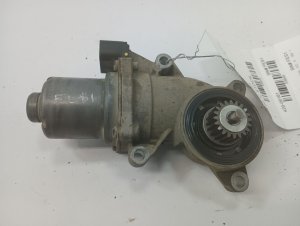
Used OEM Parts in Stock
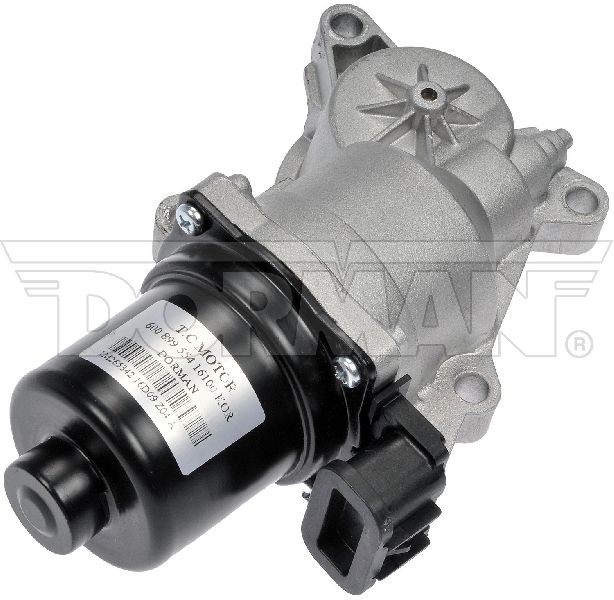
New Aftermarket Parts Available


The information in this article is provided for general reference and educational purposes only. Vehicle specifications, procedures, and part compatibility can vary by production date, trim level, and region. Always consult your vehicle's factory service manual and verify part numbers before purchasing or performing repairs. Safety-critical components such as airbags, seat belts, and braking systems should be installed by a qualified professional.
- Gmc SIERRA 1500:
- 🧭 Diagnostic Flowchart
- 🎬 Helpful Videos
- 🛍️ Shop This Part
- What's Unique About the 2014-2014 Gmc SIERRA 1500
- Symptoms You May Notice
- Most Likely Causes
- Rare But Worth Checking
- Diagnosis Steps
- Parts You'll Likely Need
- Related Codes That Often Appear With This One
- Technical Service Bulletins (TSBs) & Recalls
- Platform-Specific Known Issues
- Mechanic-Grade Diagnostic Values
- Hidden / Shadow Codes Worth Checking
- Scan Tool Commands That Help
- Wiring & Ground Locations
- Real Owner Repair Stories
- OEM Part Supersession History
- Model Year Variations Within This Range
- 🎟️ Get 5% Off