

OBD-II Code C0450: Steering Assist Control Circuit Malfunction
What C0450 means, why it triggers, and how to fix it
- Code C0450 indicates an electrical circuit failure, meaning replacing power steering fluid will never fix the issue.
- Inspect the wiring harness near the steering rack first, as chafed wires cause over 60% of C0450 codes on GM vehicles.
- Test the steering actuator resistance with a multimeter; a reading outside the typical 1.9 to 10 Ohms range confirms the steering rack requires replacement.
- Expect repair costs to range from $150 for a simple wiring pigtail splice to over $2,000 if the internal steering rack actuator fails.
What Does C0450 Mean?
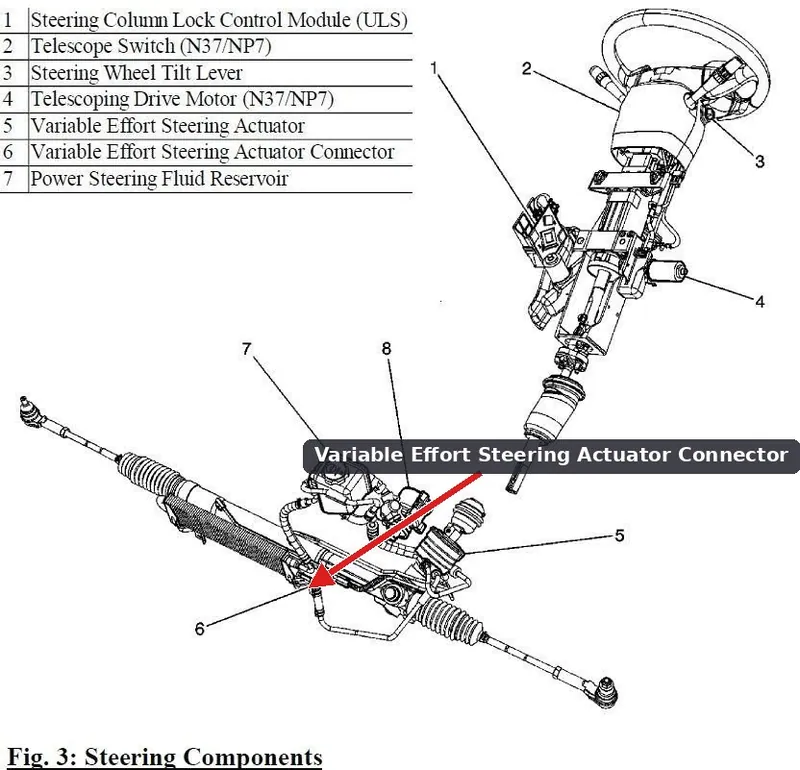
Code C0450 means the Electronic Brake Control Module (EBCM) detects a problem in the variable-effort power steering electrical circuit. This system (often MagnaSteer on GM vehicles) makes steering easier at slow speeds and firmer at high speeds. The computer reports the electrical signal to or from the steering actuator is incorrect, missing, or out of range.
Technical definition: The official SAE/ISO definition for C0450 is "Steering Assist Control Actuator Circuit." This indicates a fault (open, short to ground, short to voltage, or implausible signal) within the electrical circuit controlling the variable effort steering (VES) actuator. The EBCM sends a variable current (typically 0-1 Amp) to the actuator to control steering feel and monitors feedback current. A discrepancy between commanded and feedback current, or current exceeding a threshold (like 150mA), triggers this code.
Can I Drive With C0450?
Yes, But With Caution. Yes, but address it immediately. Power steering assist disables, making the vehicle extremely difficult to steer at low speeds and significantly increasing crash risk during tight maneuvers. On many GM vehicles, top speed limits to 80 mph. Driving without assist strains mechanical steering components, but the primary risk is the sudden, high steering effort required.
Common Causes

- Damaged, Chafed, or Corroded Wiring Harness (Very Common) — Wires leading to the steering rack actuator are exposed to road debris, moisture, and heat. The protective loom wears away, causing wires to rub against the frame or transmission, leading to a short or open circuit. This is highly prevalent on the Cadillac DTS where the harness rubs the transmission case.
- Poor Connection or Corrosion at Connectors (Common) — Electrical connectors at the steering rack actuator or EBCM become loose or contaminated with water and road salt. Arcing from a loose pin melts the plastic connector housing, creating a permanent open circuit.
- Faulty Variable Effort Steering (VES) Actuator/Solenoid (Common) — The electronic solenoid on the steering rack controlling fluid pressure fails internally. Because this actuator is built into the steering rack assembly, this requires replacing the entire rack.
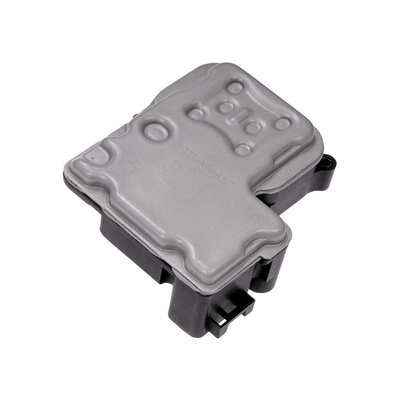
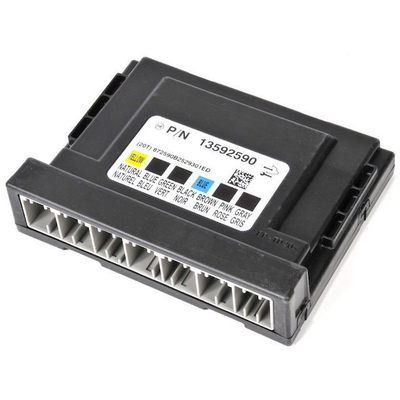
- Failed Electronic Brake Control Module (EBCM) (Less Common) — The EBCM controls steering assist. Internal failure from bad solder joints or failed electronic components causes it to send incorrect signals or no signal at all.
- Poor EBCM Ground Connection (Less Common) — The EBCM requires a solid chassis ground. Corrosion or a loose connection at the EBCM ground point causes erratic behavior and triggers C0450 without the module itself failing.
- Low System Voltage or Failing Alternator (Rare) — The EBCM requires stable voltage above 10.5 volts. A failing battery or alternator drops system voltage, leading to unpredictable electronic module behavior and triggering this code.
- Blown Fuse (Rare) — A fuse powering the EBCM or steering control system blows, cutting power and triggering the code. This indicates a short circuit elsewhere in the system.
- Internal Transmission Fault (Buick Specific) (Very Rare) — On specific Buick models, C0450-00 indicates a 'Hydraulic Pressure Test' failure inside the automatic transmission, completely unrelated to steering.
Symptoms

- Service Power Steering / Service Steering System Light — A warning message appears on the driver information center (DIC).
- Steering is Heavy or Difficult — The steering wheel becomes very hard to turn at low speeds because the system defaults to no-assist mode.
- Vehicle Speed Limited — General Motors vehicles limit top speed to 80 mph as a safety measure when this fault is active.
- ABS or Stabilitrak/Traction Control Light On — Because the EBCM manages steering, brakes, and stability systems, a fault here triggers related warning lights.
- Inconsistent or Jerky Steering Feel — Steering feels normal one moment and heavy the next, indicating an intermittent wiring problem or failing actuator.
- Live Data Mismatch (scan-tool only — no driver-felt sign) — On a scan tool, the 'Commanded' current to the actuator mismatches the 'Feedback' current, confirming a circuit failure.
Diagnostic Flowchart
Tap your situation to follow the diagnostic path that matches what you're seeing on this code.
Common Fixes & Costs
- Cleaning or Replacing Electrical Connectors — Parts: $10-$50, Labor: $75-$150, ~0.8 hr book time (DIY)
- Repairing Damaged Wiring Harness — Parts: $20-$50, Labor: $150-$300, ~1.5 hr book time (Intermediate)
- Replacing the Steering Rack Assembly — Parts: $400-$1,200, Labor: $400-$800, ~4.5 hr book time (Professional)
- Replacing the Electronic Brake Control Module (EBCM) — Parts: $200-$1,000, Labor: $150-$250, ~1.5 hr book time (Intermediate)
- Repairing EBCM Ground Connection — Parts: $5-$15, Labor: $50-$150, ~0.5 hr book time (DIY)
DIY vs Professional
- Cleaning or Replacing Electrical Connectors — Beginner: Yes.
Tools: Electrical contact cleaner, small wire brush, dielectric grease. - Repairing Damaged Wiring Harness — Beginner: No
Tools: Soldering iron, heat shrink tubing, wire strippers, multimeter, quality electrical tape. - Replacing the Steering Rack Assembly — Beginner: No. Stop DIY and take to a professional shop.
Tools: Vehicle lift, extensive socket/wrench set, torque wrench, flare nut wrenches, ball joint separator, power steering fluid, drain pan. - Replacing the Electronic Brake Control Module (EBCM) — Beginner: Maybe. If using a pre-programmed unit or repair service.
Tools: Socket set, trim removal tools, scan tool. - Repairing EBCM Ground Connection — Beginner: Yes.
Tools: Socket set, wire brush, sandpaper.
Used vs. New Parts: Buying Guide
When a used part is worth it: A used OEM steering rack from a low-mileage, accident-free donor vehicle offers original quality at a much lower price point, especially for older vehicles where a new part is prohibitively expensive.
Donor-vehicle mileage cap: roughly under 70000 miles for the part to have meaningful remaining life.
Donor quality checklist:
- Verify the donor vehicle's mileage and ensure it avoided front-end collisions.
- Inspect the housing and electrical connectors for leaks, corrosion, or physical damage.
- Ensure the inner tie rods are included and feel stiff, not loose.
- Match the part number exactly and buy from a reputable auto recycler offering a warranty.
Decision logic:
- If Vehicle is newer or under warranty, and you prioritize maximum reliability → Buy a new OEM part. It offers the longest lifespan and best warranty.
- If Budget is the primary concern and you accept some risk → A remanufactured part is a good compromise. It costs less than new and usually carries a better warranty than a used part.
- If The vehicle is over 10 years old and the goal is a cost-effective repair → A tested, warrantied used part offers the best value, providing OEM quality for significantly less than new.
Warranty tradeoff: New OEM parts typically include a 1-2 year warranty. Remanufactured parts offer 90 days to a lifetime, but quality is inconsistent. Used parts usually carry a 30-90 day warranty covering only the part, not labor.
Worst-case if a used part fails: $500-$900 if a used or remanufactured part fails prematurely, requiring a second labor charge and replacement part.
What Happens If You Wait — Timeline
- Immediate (First Occurrence): Code C0450 sets, 'Service Power Steering' message appears, and variable assist disables. Steering becomes heavy at low speeds. Vehicle speed limits to 80 mph on GM models. (MPG impact: 0%% · Added cost: $0)
- 0-3 months: Continued driving with no power assist places significant mechanical stress on the steering system. Driver experiences fatigue, and crash risk during low-speed maneuvers remains high. (MPG impact: 0%% · Added cost: $50-$150 in accelerated wear on steering column joints and tie rod ends.)
- 3-9 months: Excessive force required to steer causes premature wear on the internal gears of the steering rack. The power steering pump experiences strain. (MPG impact: 0%% · Added cost: $200-$800 as tie rods or other components require replacement.)
- 9+ months: Internal mechanical components of the steering rack fail, leading to significant play in the steering. An intermittent electrical short worsens and damages the EBCM driver circuit. (MPG impact: 0%% · Added cost: $1000-$2500 if the entire steering rack fails mechanically and requires replacement.)
Cost of Not Fixing It
- Immediate: Significantly increased steering effort at low speeds creates a major safety hazard in parking lots or emergency maneuvers. Vehicle speed limits to 80 mph on GM models. (Added cost: 0)
- 0-6 months: Continuous high-effort steering puts excessive strain on mechanical steering components like inner/outer tie rods, steering column U-joints, and internal rack gears, accelerating wear. (Added cost: $200-$800 for premature tie rod or steering shaft replacement.)
- 6+ months: Continued stress causes failure of the internal mechanical parts of the steering rack, creating play or 'slop' in the steering. The initial electrical problem also worsens, potentially damaging the EBCM. (Added cost: $1000-$2500 if the entire steering rack assembly fails mechanically due to added stress.)
Diagnosis Steps

- Read the Fault Code and Live Data
Use an OBD-II scanner capable of reading Chassis (C-codes) and live data to confirm C0450 is active. Observe the 'VES Commanded Current' and 'VES Feedback Current' PIDs. If commanded current changes but feedback does not, it confirms a circuit or actuator issue.
Tools: Advanced OBD-II Scanner (Beginner) - Perform a Thorough Visual Inspection
Safely raise the vehicle. Locate the steering rack and the two-wire connector for the VES actuator. Inspect the entire harness from the rack to the EBCM for chafing against the transmission, frame, or engine components. Check the main EBCM connector for melted plastic or pulled pins.
Tools: Jack and Jack Stands, Flashlight (Beginner) - Clean and Reseat Connectors
Disconnect the electrical connectors at both the steering rack actuator and the EBCM. Inspect pins for corrosion, moisture, or damage. Clean with electrical contact cleaner and ensure they seat fully. A loose connection is the most common simple fix.
Tools: Socket Set, Electrical Contact Cleaner (Intermediate) - Check Fuses
Locate the fuse box using the owner's manual. Inspect all fuses related to the EBCM, ABS, and power steering systems. A blown fuse indicates a short circuit requiring further tracing.
Tools: Owner's Manual, Fuse Puller or Pliers (Beginner) - Test the Actuator Resistance
Disconnect the actuator connector. Use a multimeter to measure resistance (in Ohms) between the two pins on the actuator. Expected resistance is typically 1.9 to 10 Ohms. An infinite reading (OL) means an open circuit, and zero indicates a short. In either case, replace the steering rack.
Tools: Multimeter, Service Manual (Intermediate) - PRO TIP: Perform a Circuit Voltage Drop Test
Connect the EBCM and actuator. Back-probe the ground-side wire at the EBCM and touch the other multimeter lead to the battery's negative post. With ignition ON, have a helper turn the wheel. The voltage reading must stay below 0.2V (200mV). Higher readings indicate a poor connection or damaged wire.
Tools: Multimeter with Back-Probes (Advanced) - PRO TIP: Test Circuit Integrity with a Test Lamp
Disconnect the actuator. Connect an incandescent test lamp between the two terminals of the harness-side connector. Turn ignition ON. The EBCM performs a self-test, and the lamp should briefly illuminate for one second. If always on, suspect a short. If always off, suspect an open wire or faulty EBCM.
Tools: Incandescent Test Lamp, Wiring Diagram (Advanced) - Isolate the Fault to the EBCM
If actuator resistance is within spec and wiring passes integrity tests, the EBCM is the likely cause. Before replacing it, check the EBCM's main power and ground connections for corrosion. A bad ground mimics an internal module failure.
Tools: Multimeter, Socket Set (Advanced) - PRO TIP: Analyze Circuit with an Oscilloscope
For intermittent issues, back-probe both wires at the steering actuator. One wire shows a Pulse-Width Modulated (PWM) signal from the EBCM varying with steering input. A missing PWM signal with good EBCM power/ground points to a bad EBCM driver. A good PWM signal but erratic feedback points to wiring or the actuator.
Tools: 2-Channel Automotive Oscilloscope, Back-Probes (Advanced)
When This Code Triggers (Freeze-Frame Conditions)
- Vehicle Speed: 0 mph (The EBCM performs an 'Off State Test' for opens or shorts immediately at ignition ON, before the vehicle moves.)
- System Voltage: 10.5-17.0 Volts (The diagnostic runs only when battery voltage is stable. Low voltage inhibits the test or causes false errors.)
- Vehicle Speed: Any (If the initial ignition-on test passes, the EBCM continuously monitors the circuit while driving ('On State Test'). A fault triggers at any speed if feedback current mismatches commanded current.)
- Engine RPM: Any (Running) (During the 'On State Test,' the engine must run for the power steering system to be active and for the test to execute.)
Related Codes
- C0450-5A — This subtype means 'Steering Assist Control Actuator Plausibility Failure.' The EBCM receives feedback, but it is illogical (e.g., high voltage when commanded ON). This points strongly to an internal actuator fault or poor connection rather than a broken wire.
- C0561 — Means 'System Disabled Information Stored.' This is a secondary code indicating the EBCM shut down variable assist steering due to the primary fault (C0450). Never diagnose C0561 by itself; fix C0450 first.
- U0121 — Means 'Lost Communication With Anti-Lock Brake System (ABS) Control Module.' If present with C0450, it indicates a failing EBCM or major wiring problem affecting the entire module. Diagnose U0121 first by checking EBCM power, ground, and CAN bus connections.
- C0450-00 — A generic subtype meaning 'Steering Assist Control Actuator Circuit.' On some Buicks, this exact code indicates a 'Hydraulic Pressure Test' failure in the transmission. If shifting problems exist without steering issues, the fault is in the transmission.
Climate & Environmental Factors
- Road Salt / High Humidity: Salt brine sprayed on winter roads is highly corrosive and penetrates wiring looms and connectors, accelerating decay of copper wires and connector pins. High humidity in coastal regions leads to moisture intrusion.
- Extreme Cold: Cold temperatures make aging wire insulation brittle and prone to cracking if disturbed, creating an entry point for moisture. It also changes resistance values in marginal components, making intermittent problems consistent.
How to Talk to a Mechanic About This Code
Say this: "I have a 'Service Power Steering' message and code C0450. Since this is a circuit code, please inspect the wiring harness and connectors between the EBCM and steering rack, and test the actuator's resistance, before quoting a full steering rack replacement."
This signals you understand the code relates to an electrical circuit fault. It directs the shop to check the most common and cheapest failure points first, preventing a premature misdiagnosis of the steering rack.
Avoid saying:
- 'My power steering is out, can you fix it?'
- 'Just replace whatever is needed for the C0450 code.'
- 'The internet says I need a new steering rack.'
Questions to ask before authorizing the repair:
- What was the resistance reading (in ohms) across the steering actuator pins?
- Did you find any visible damage, chafing, or corrosion on the wiring harness or the connectors at the rack and the EBCM?
- If the wiring and actuator tested good, did you confirm the EBCM has proper power and ground before condemning the module?
- What is the warranty on the proposed parts and labor?
Where to Take It: Dealer vs Independent vs Chain
- Dealer:
A safe but expensive option. Best used if initial diagnosis points to a failed EBCM requiring programming.
Best for: Vehicles under warranty., Complex cases where an EBCM replacement and manufacturer-specific programming are necessary.
Downsides: Highest labor rates., Often recommends replacing the entire steering rack or EBCM rather than performing a time-consuming wiring repair. (Typical cost: +50% vs. baseline) - Independent Shop:
Best fit. An experienced independent technician is more likely to perform a wiring or connector repair, which is the most frequent fix.
Best for: Out-of-warranty GM vehicles, which are most affected by this code., Shops with strong electrical diagnostic skills and experience with domestic brands.
Downsides: Diagnostic capabilities vary widely. Ensure the shop has advanced scan tools that read GM chassis codes and live data. (Typical cost: +0% vs. baseline) - Chain Shop:
AVOID. This code requires specific electrical diagnostic procedures outside the scope of most chain repair shops.
Best for: Simple, unrelated maintenance like oil changes or tires.
Downsides: Technicians lack specific training for nuanced electrical diagnosis., Business model prioritizes quick parts replacement over detailed diagnostic work, increasing the risk of an expensive misdiagnosis. (Typical cost: -10% vs. baseline)
When to Walk Away From the Repair
If the total estimated repair cost for the C0450 fault exceeds 40-50% of your car's current private-party market value, seriously consider selling or trading in the vehicle.
- Car worth $4500, fix is $2300: Walk away. The repair cost is over 50% of the car's value. It is not an economical repair.
- Car worth $22000, fix is $2300: Fix it. The repair cost is only 10% of the vehicle's value.
- Car worth $6000, fix is $250: Fix it. A wiring repair is a low-cost fix restoring a key safety feature.
What Scan Tool You Need for This Code
Minimum: A scanner that reads and clears Chassis (C) codes. Basic readers handling only Powertrain (P) codes will NOT see code C0450.
A standard $20 code reader shows 'No Codes Found' because it cannot access the EBCM where this fault is stored. Free scanning services at auto parts stores often fail to read chassis codes.
Budget: BlueDriver Pro (~$100) — Reads and clears ABS/Chassis codes for GM vehicles. Allows viewing of live data to observe the steering circuit's behavior.
Mid-range: Foxwell NT510 Elite (with GM Software) (~$180) — Provides manufacturer-specific diagnostics for GM. Offers bi-directional control to command components and verify functionality.
Professional: Autel MaxiCOM MK808S / MK808BT (~$450-550) — Offers full bi-directional control to test the steering assist circuit directly. Provides OE-level diagnostics for all modules and live data graphing.
Rent vs buy: Auto parts store 'loan-a-tool' programs offer basic code readers that CANNOT read chassis codes. Buying a capable scanner like the BlueDriver or Foxwell NT510 is a required investment for this repair.
How to Clear the Code After You Fix It
- Use a professional OBD-II scan tool to clear the Chassis (C) fault codes.
- Perform the specific GM drive cycle to allow the EBCM to re-run its internal tests.
- Check for any returning fault codes after the drive cycle.
Drive cycle (~20 minutes): Start from a cold start (sit for 8+ hours). Start the engine and idle for 2-3 minutes with electrical loads (A/C, defroster) ON. Accelerate to 55 mph and hold for 3-5 minutes. Decelerate (coast, no brakes) to 20 mph. Accelerate to 60 mph and hold for 5 minutes. Decelerate and stop.
Readiness monitors affected: This is a Chassis code and does not directly affect emissions readiness monitors. However, disconnecting the battery during repair resets them.
Before emissions retest: drive at least 50 miles to fully set monitors.
Watch out for:
- Using a basic code reader that cannot access or clear Chassis (C) codes.
- Disconnecting the battery clears the code temporarily, but it returns instantly if the mechanical/electrical fault remains.
- Waiting for the code to self-clear after 100 consecutive key cycles is not a practical repair verification method.
Will This Fail Emissions / State Inspection?
No — by itself this code doesn't fail OBD inspection (but it can keep readiness monitors from setting, which causes a separate fail).
- General: Code C0450 is a Chassis code, not an emissions-related Powertrain code. It does not illuminate the Check Engine Light and will not cause an OBD-II emissions test failure.
- California: This code passes the smog check. However, technicians refuse to test vehicles with active safety system warning lights (like 'Service Steering') illuminated.
- New York: This code passes the emissions inspection but causes an immediate failure of the mandatory annual safety inspection due to the illuminated warning light and loss of power steering.
- Texas: In counties requiring an annual safety inspection, a vehicle with disabled power steering and an illuminated steering warning light fails under steering system requirements.
Most Commonly Affected Vehicles

- Chevrolet Corvette (C6) (2005-2013) — Extremely common issue caused by a bad connection at the rack, a failed actuator, or a faulty EBCM. Actuator resistance specification is 2.5-10 Ohms.
- Cadillac DTS (2006-2011) — The main engine wiring harness rubs through on the transmission case, causing a short (TSB #PIC5321A). Actuator resistance specification is 1.9-10 Ohms.
- Chevrolet Silverado / GMC Sierra 1500 (2007-2013) — Experiences C0450 due to wiring harness damage or actuator failure. Check harness routing near the frame and engine.
- Chevrolet Traverse / GMC Acadia / Buick Enclave (2009-2017) — Presents with Stabilitrak and ABS lights due to the integrated EBCM. Wiring and actuator faults are common (Special Coverage Adjustment #14329).
- Cadillac CTS (2004-2013) — The variable effort steering actuator is a known failure point, requiring steering rack replacement.
- Buick LaCrosse / Allure (2005-2009) — Prone to this code from wiring or actuator failure. Note the manufacturer quirk for C0450-00, which indicates a transmission issue on some models.
- Ford Explorer, Flex, Taurus, Fusion (2011-2013) — Ford uses different codes but suffers similar intermittent electrical connections in the steering gear. Covered under recalls (14S06) and extended warranties (15N01).
- Chevrolet Colorado / GMC Canyon (2015) — Safety recall (N202325410) issued for models built before May 23, 2015, due to poor electrical connections within the steering gear assembly.
Manufacturer-Specific Notes
- General Motors (Chevrolet, Cadillac, Buick, GMC): Extremely common on GM vehicles with hydraulic variable-assist steering (MagnaSteer). A fault disables assist and limits vehicle speed to 80 mph. TSB #PIC5321A points to harness chafing on the transmission bell housing stud for the 2010-2011 Cadillac DTS.
- Buick: On specific models, C0450-00 indicates a 'Hydraulic Pressure Test' failure within the transmission, not the steering system. Checking the code's exact definition with a professional scan tool is critical.
- Ford / Toyota / Honda / Kia / BMW: These manufacturers rarely use C0450, relying on different codes for electric power steering (EPS) faults. However, they suffer identical electrical failures, such as faulty steering gear motors or bad connections.
- Corvette (C6): A wire pulling out of the EBCM connector is a known issue because the factory wire is too short. Arcing from the loose pin melts the EBCM connector and the module itself, requiring replacement of both.
Real Owner Stories
2010 Corvette Grand Sport with C0450-5A
The 'Service Soon' message appeared on the DIC and the steering felt heavy. The code was C0450-5A.
What they tried:
- The owner unplugged the harness at the steering rack and plugged it back in, temporarily fixing the problem.
Outcome: Unplugging, inspecting, and reseating the connector at the steering control actuator resolved the issue. The code cleared and steering assist returned to normal.
Lesson: Start with the simplest fix. Before assuming a major component failed, clean and reseat the electrical connectors. A loose connection is a frequent cause.
2013 C6 Corvette with recurring C0450 after rack replacement
A customer's car had a 'SERVICE POWER STEERING' message and code C0450. A shop replaced the steering rack, but the code returned.
What they tried:
- A technician used a Tech 2 scanner and saw an outgoing signal to the rack but no incoming signal to the EBCM.
- Inspection of the EBCM connector revealed a wire pulled out because it was too short from the factory.
- Arcing from the loose pin melted the plastic on both the connector and the EBCM.
Outcome: The EBCM required replacement along with repairing the connector. The root cause was a factory wiring issue, not the steering rack.
Lesson: Do not automatically assume the steering rack is bad. C0450 is a circuit fault. Replacing the rack will not fix a wiring or EBCM problem.
2010-2011 Cadillac DTS with multiple electrical issues
Owner experienced a 'Service Power Steering' message with code C0450, alongside the SES light and power door locks cycling randomly.
What they tried:
- Technicians referenced GM Preliminary Information bulletin #PIC5321A.
Outcome: The main engine wiring harness rubbed through on a stud on the transmission case, causing a short. Repairing the damaged wires and rerouting the harness resolved all electrical problems.
Lesson: Always check for Technical Service Bulletins (TSBs). Manufacturers document common failure patterns, pointing directly to root causes like known harness chafing spots.
How to Prevent This Code From Triggering
- Periodically inspect the wiring harness (Every oil change or 5,000 miles) — Visually check the harness leading to the steering rack for chafing or cracking. Early detection allows you to protect the loom with split tubing before a wire breaks.
- Clean and protect key electrical connectors (Every 2-3 years, or if driving in harsh climates) — Disconnect, clean with contact cleaner, and apply dielectric grease to the weather seals of connectors at the steering rack and EBCM to prevent moisture intrusion.
- Inspect and clean EBCM ground points (Once per 30,000 miles) — Clean the main ground strap contact surfaces to bare metal and re-tighten. This ensures the module has a stable reference voltage, preventing false codes.
- Avoid driving through deep standing water (Daily habit) — Submerging the undercarriage forces water past the seals of low-hanging electrical connectors, introducing moisture that leads to corrosion.
Frequently Asked Questions
I replaced the steering rack, but the C0450 code came back. What now?
This is a common misdiagnosis. If a new steering rack didn't fix the code, the problem is in the wiring between the rack and the EBCM, or the EBCM itself. Perform a point-to-point continuity check on the wires to isolate the fault.
Can a bad alignment cause code C0450?
No. A bad alignment causes uneven tire wear and pulling, but it will not trigger an electrical fault code like C0450.
Can a bad battery cause code C0450?
Yes. The EBCM requires a stable voltage (above 10.5V) to operate correctly. Low voltage causes unpredictable behavior from electronic modules, potentially triggering C0450.
Will replacing the power steering fluid fix a C0450 code?
No. C0450 is an electrical fault code. Changing the fluid will not fix a problem with a sensor, wire, or computer module.
Is the steering actuator the same as the steering rack?
They are often replaced together. The actuator is the electronic solenoid controlling steering assist. On most vehicles, it is built into the steering rack and not sold separately, requiring full rack replacement.
Can I clear code C0450 and keep driving?
You can clear the code with a scan tool, but it returns immediately if the underlying electrical fault remains. The system stays in a disabled, high-effort state until repaired.
What's the difference between variable-assist steering and regular power steering?
Regular power steering provides constant assist. Variable-assist steering adjusts the assist level based on speed, making low-speed turns easy and highway driving firm.
Key Takeaways
- Code C0450 indicates an electrical circuit failure, meaning replacing power steering fluid will never fix the issue.
- Inspect the wiring harness near the steering rack first, as chafed wires cause over 60% of C0450 codes on GM vehicles.
- Test the steering actuator resistance with a multimeter; a reading outside the typical 1.9 to 10 Ohms range confirms the steering rack requires replacement.
- Expect repair costs to range from $150 for a simple wiring pigtail splice to over $2,000 if the internal steering rack actuator fails.
Shop the Parts Behind C0450
Below are the parts most often responsible for code C0450, ranked by how frequently each one is the actual culprit (per the diagnosis above). Tap any to see what we have for your vehicle.



The information in this article is provided for general reference and educational purposes only. Vehicle specifications, procedures, and part compatibility can vary by production date, trim level, and region. Always consult your vehicle's factory service manual and verify part numbers before purchasing or performing repairs. Safety-critical components such as airbags, seat belts, and braking systems should be installed by a qualified professional.
- 🧭 Diagnostic Flowchart
- 🛍️ Shop This Part
- What Does C0450 Mean?
- Can I Drive With C0450?
- Common Causes
- Symptoms
- Common Fixes & Costs
- DIY vs Professional
- Used vs. New Parts: Buying Guide
- What Happens If You Wait — Timeline
- Cost of Not Fixing It
- Diagnosis Steps
- When This Code Triggers (Freeze-Frame Conditions)
- Related Codes
- Climate & Environmental Factors
- How to Talk to a Mechanic About This Code
- Where to Take It: Dealer vs Independent vs Chain
- When to Walk Away From the Repair
- What Scan Tool You Need for This Code
- How to Clear the Code After You Fix It
- Will This Fail Emissions / State Inspection?
- Most Commonly Affected Vehicles
- Manufacturer-Specific Notes
- Real Owner Stories
- 2010 Corvette Grand Sport with C0450-5A
- 2013 C6 Corvette with recurring C0450 after rack replacement
- 2010-2011 Cadillac DTS with multiple electrical issues
- How to Prevent This Code From Triggering
- Frequently Asked Questions
- I replaced the steering rack, but the C0450 code came back. What now?
- Can a bad alignment cause code C0450?
- Can a bad battery cause code C0450?
- Will replacing the power steering fluid fix a C0450 code?
- Is the steering actuator the same as the steering rack?
- Can I clear code C0450 and keep driving?
- What's the difference between variable-assist steering and regular power steering?
- Key Takeaways
- 🎟️ Get 5% Off