

C0455 on 2012-2013 GMC Sierra Denali: Steering Angle Sensor Circuit Fault Guide (TSB Fix)
On a 2012-2013 GMC Sierra Denali, code C0455 almost always indicates a poor electrical connection at the Steering Angle Sensor, a known issue addressed by GM Technical Service Bulletin (TSB) #PI0639C. Before replacing the sensor, inspect and secure the connector by applying dielectric grease and adding a shim or zip-tie, which is a very low-cost and highly effective fix.
- C0455 on a 2012-2013 Sierra Denali points to a problem in the Steering Angle Sensor circuit, which disables StabiliTrak and Traction Control.
- The most common cause is a loose electrical connector at the sensor, not a failed sensor. A GM TSB (#PI0639C) details a low-cost fix using shim stock and dielectric grease.
- Always inspect and secure the connector (using the TSB method or a zip-tie) before considering replacing the sensor itself.
- This repair involves safety systems (StabiliTrak, Airbag) and may require professional-level tools for calibration, so DIY should be approached with caution.
What's Unique About the 2012-2013 Gmc SIERRA DENALI
The GMT900 platform, which includes the 2012-2013 Sierra Denali, is widely known for having an issue with the Steering Angle Sensor's electrical connector. Normal vehicle vibrations can cause the connector to develop excessive play and 'fretting corrosion'—small dark smudges on the terminals from micro-vibrations. This leads to intermittent signal loss and triggers code C0455. 🎬 Watch: Diagnosing C0455 and the common StabiliTrak warning GM issued a Technical Service Bulletin (PI0639C and its successors) that specifically advises against replacing the sensor itself, instead recommending a fix that involves adding a piece of adhesive shim stock to the connector to ensure a tight fit.
Diagnostic Flowchart
Tap your situation to follow the diagnostic path that matches what you're seeing on this vehicle.
Symptoms You May Notice
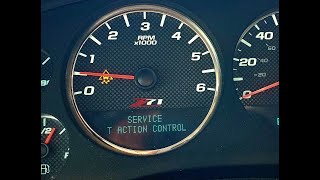
- "Service StabiliTrak" message on the Driver Information Center (DIC)
- "Traction Control Off" message
- StabiliTrak/Traction Control warning light illuminated
- Intermittent steering jerk or pop (less common)
- Replacing the Steering Angle Sensor without first attempting the TSB fix for the loose connector. The TSB explicitly warns 'DO NOT replace the steering position sensor for this condition' initially.
Most Likely Causes
- Poor Connection at Steering Angle Sensor Connector 🔴 High Probability → Shop Steering Angle Sensor A known design issue with the connector allows for excessive clearance, leading to intermittent signal loss from vibration and fretting corrosion. This is documented in GM TSB #PI0639C.
How to confirm: Visually inspect the sensor connector for looseness. Wiggle the connector to see if it has excessive play. The TSB fix is often performed as the first diagnostic step due to how common this issue is. Unplugging and replugging the sensor may temporarily resolve the issue, strongly indicating a connection problem.
Typical fix: Apply dielectric grease (GM P/N 12377900) and add adhesive shim stock (Kent Automotive P/N P40100) to the connector housing to create a tighter fit, as detailed in TSB #PI0639C. Many owners on forums report success using a simple zip tie wrapped tightly around the sensor and its connector to eliminate movement.
Est. part cost: $5-$20 - Faulty Steering Angle Sensor 🟡 Medium Probability → Shop Steering Angle Sensor
How to confirm: If securing the connector does not resolve the code, monitor the live data from the sensor with a capable scan tool. If the data is erratic, frozen, or does not change smoothly as the wheel is turned, the sensor has failed. A user on the Tahoe Yukon Forum confirmed their issue required a new sensor after the connector fix failed.
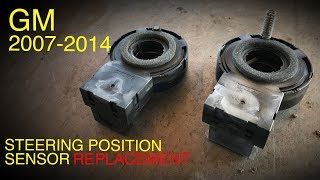
Typical fix: Replace the steering angle sensor. This requires removing the lower dash panels, steering column covers, and potentially lowering the steering column. The new sensor must be calibrated. 🎬 Watch: Step-by-step steering angle sensor replacement walkthrough
Est. part cost: $60-$180 - Improper Steering Wheel Installation ⚪ Low Probability This typically occurs after a previous repair required removing the steering wheel or steering column.
How to confirm: As noted in TSB #PIT4225F, check that the alignment marks on the steering wheel and the steering shaft are correctly lined up. A user on GMTNation forums mentioned that an improper installation during a previous repair attempt could be a cause for a recurring code.
Typical fix: Remove and reinstall the steering wheel in the correct orientation, ensuring the alignment marks match. Recalibrate the sensor if necessary.
Est. part cost: $0
Rare But Worth Checking
- Damaged Wiring Harness: The wiring between the sensor and the EBCM can become chafed or broken, though this is uncommon. The TSB suggests that if the code returns after the shim/grease fix, the harness-side connector pigtail may need to be replaced. A continuity test of the harness would be required to confirm.
Diagnosis Steps
- Read all Diagnostic Trouble Codes (DTCs) from the Electronic Brake Control Module (EBCM). Note if C0710 is also present.
- Access the steering angle sensor on the steering column, under the driver's side dash.
- Inspect the steering angle sensor's electrical connector for looseness, corrosion, or dark smudges (fretting). This is the most likely cause.
- Perform the fix outlined in TSB #PI0639C: Apply dielectric grease (GM P/N 12377900) and add adhesive shim stock (Kent P/N P40100) or a zip-tie to the connector to ensure a tight, wiggle-free fit.
- Clear the codes and test drive the vehicle. If the code returns, proceed to the next step.
- Using a scan tool with live data capability, monitor the steering angle sensor's output while turning the wheel lock-to-lock. The degree reading should be smooth, consistent, and not jumpy.
- If the live data is erratic, absent, or jumps, the steering angle sensor is likely faulty and requires replacement.
- If the sensor has been replaced, ensure it is calibrated using the scan tool's relearn procedure. Some sources claim no calibration is needed, but it is best practice to perform it.
- Verify the steering wheel is installed correctly, with alignment marks on the wheel and shaft lined up, as per TSB #PIT4225F.
- If all other steps fail, inspect the wiring harness between the sensor and the EBCM for opens or shorts. Consider replacing the harness-side connector pigtail as a final step.
Parts You'll Likely Need
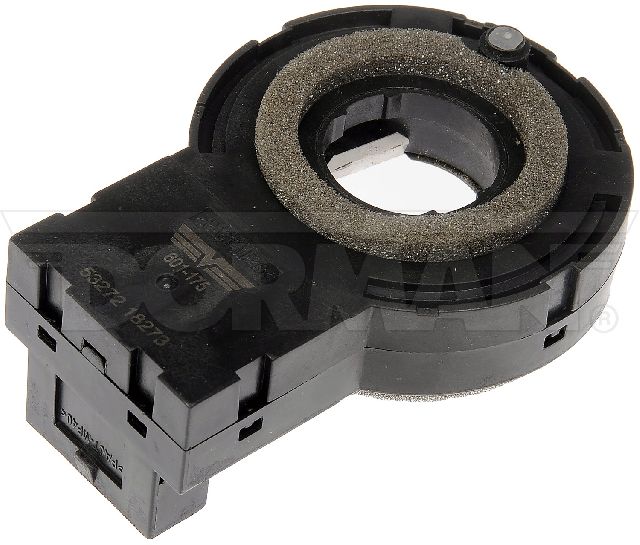
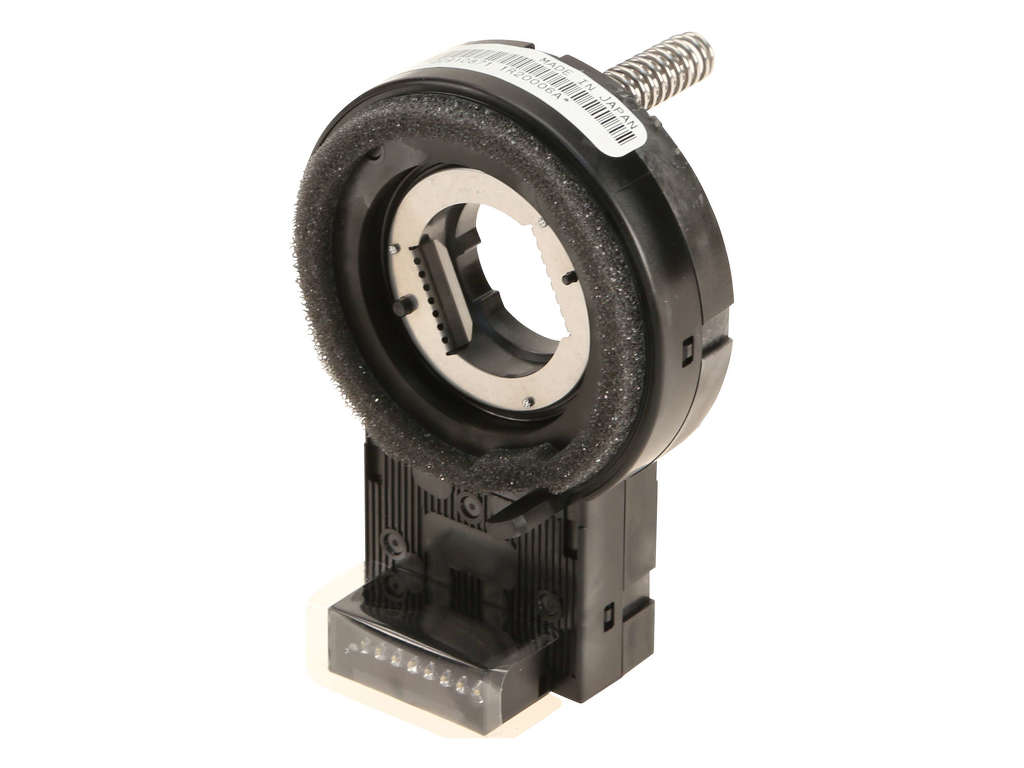
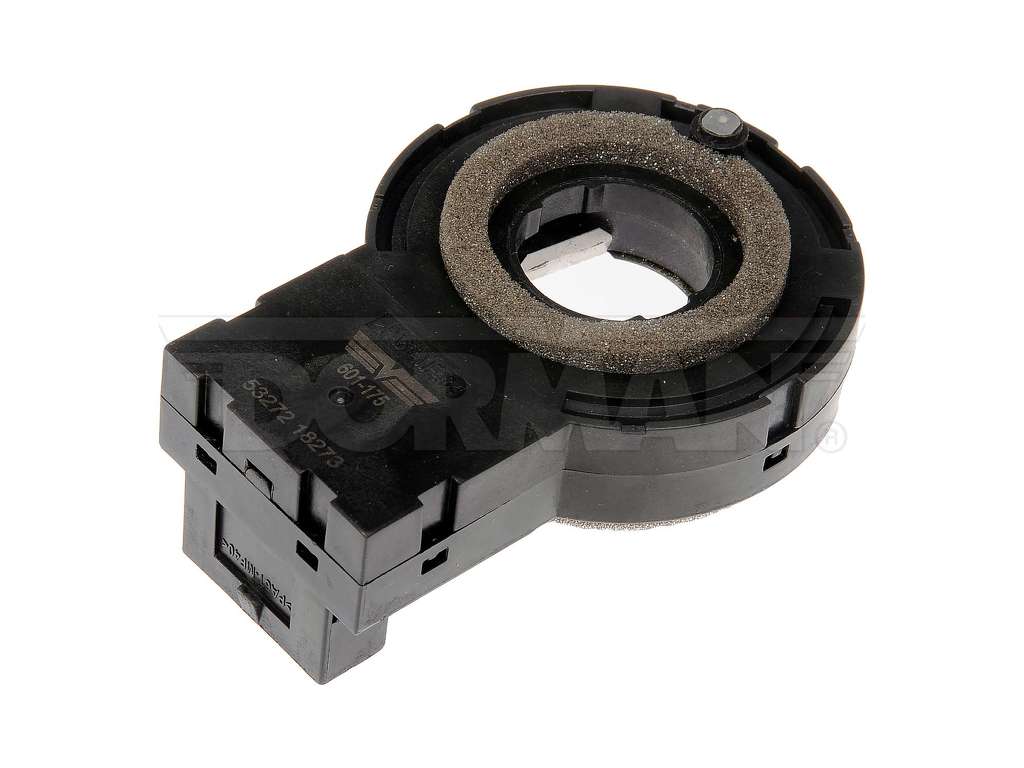
- Steering Wheel Position Sensor
(OEM #19418403)— This is the part to replace if the common connector issue is not the cause of the fault.
Trusted brands: ACDelco (OEM), Dorman (629-005), Wells
OEM price range: $60-$100
Aftermarket price range: $40-$70 - Adhesive Shim Stock & Dielectric Grease
(OEM #Kent Automotive P40100 (Shim), GM 12377900 (Grease))— These materials are required for the TSB-recommended fix to secure the sensor's electrical connector, which is the most common cause of the code. A zip-tie can be substituted for the shim stock.
Trusted brands: Kent Automotive, Permatex
OEM price range: $10-$25
Aftermarket price range: $5-$15
Related Codes That Often Appear With This One
- C0710 — Both C0710 and C0455 are related to the steering angle sensor circuit. TSBs #PI0639C and #PIT4225F mention that these codes often appear together for the same root causes, specifically the loose connector or improper steering wheel alignment.
Technical Service Bulletins (TSBs) & Recalls
- PI0639C: Details the primary cause of C0455/C0710 as a poor connector fit due to excessive clearance and fretting corrosion. It outlines the repair using shim stock (Kent P/N P40100) and dielectric grease (GM P/N 12377900). It explicitly warns *not* to replace the sensor for this condition initially. This TSB applies to a wide range of 2007-2014 GM trucks and SUVs.
- PIT4225F: Notes that C0455 can be set if the steering wheel is not properly installed on the steering shaft, pointing out the need to align marks on the wheel and shaft.
Platform-Specific Known Issues
- A GM Technical Service Bulletin (PI0639C and later revisions) was issued specifically for a condition where the Service StabiliTrak message displays and DTC C0455 or C0710 is set. The fix involves adding adhesive shim stock and dielectric grease to the steering angle sensor connector, not replacing the sensor itself.
- Many owners have opted for a 'zip-tie fix,' which involves tightly securing the connector to the sensor body to prevent movement, achieving the same result as the TSB's shim stock method.
Mechanic-Grade Diagnostic Values
- Analog Signal Voltage — expected: Approximately 2.5V with the steering wheel centered. Should sweep smoothly from ~0.25V (full lock left) to ~4.75V (full lock right).. Failure: Voltage is stuck, jumps erratically, or does not sweep through the range as the wheel is turned.
- 5-Volt Reference Circuit Voltage — expected: 4.8-5.2V between the 5V reference pin and a known good ground with key on, engine off.. Failure: Voltage is significantly lower (indicating a short or open) or higher.
- Low Reference (Ground) Circuit Resistance — expected: Less than 2.0 ohms between the sensor's ground pin and a clean chassis ground point.. Failure: High resistance indicates a poor ground connection, which is a common cause of sensor issues.
- CAN Bus Resistance — expected: 54 to 69 Ω between the CAN High and CAN Low pins at the sensor connector (with battery disconnected).. Failure: Resistance outside this range indicates a problem on the CAN bus network wiring.
Hidden / Shadow Codes Worth Checking
- C0455 5A: This is a GM-specific symptom byte that provides more detail than the main DTC. TSB #PIT5207 indicates that C0455 with symptom 5A can be set after programming other vehicle modules, suggesting a software or calibration mismatch issue rather than a hardware fault. (see via Requires a professional GM scan tool like a Tech2 or GDS2 that can read manufacturer-specific symptom bytes.)
Scan Tool Commands That Help
- GDS2 / Tech2: Steering Angle Sensor Learn / Reset / Calibration — This function is required after replacing the steering angle sensor, replacing the EBCM, or if the steering wheel was disconnected and potentially rotated (e.g., during intermediate shaft replacement). It resets the sensor's 'zero' or center position. The procedure is typically found under the Power Steering Control Module or Electronic Brake Control Module menus and provides on-screen instructions.
Wiring & Ground Locations
- B99 — The electrical connector for the Steering Angle Sensor itself, located on the steering column under the driver's side dashboard.. This is the single most common failure point. The TSB fix (adding a shim and dielectric grease) is performed directly on this connector.
- K17 — The Electronic Brake Control Module (EBCM), typically mounted to the frame rail on the driver's side, below the driver's door area.. This module receives the signal from the SAS and sets code C0455. All wiring from the sensor ultimately runs to this module.
- G300 — A major chassis ground point located on the body mount below the driver's door.. This is a key ground for several systems in the area. A corroded or loose G300 can cause a floating ground and introduce electrical noise that can affect sensitive modules like the EBCM, potentially causing erratic behavior or codes.
Real Owner Repair Stories
- Tahoe Yukon Forum (Chevrolet Tahoe, GMT900 platform (2007-2014)) — Service StabiliTrak message and DTC C0455 appeared immediately after a DIY replacement of the intermediate steering shaft.
❌ Tried (didn't work) Clearing the code with a standard OBD-II scanner.
✅ What actually fixed it The steering wheel had been rotated a full 360 degrees while the shaft was disconnected, causing the steering angle sensor's reading to be out of sync with the actual wheel position. The problem was resolved by performing a Steering Angle Sensor recalibration using a professional scan tool. No parts were faulty.
OEM Part Supersession History
20910871 (also 15886733, 25833069)→19418403— Standard part revision and consolidation by the manufacturer.
Heads up: The newer part (19418403) is the correct replacement for the older numbers on this vehicle platform. Using an older part from new-old-stock or a salvage yard is acceptable if it was original to a compatible model year.
Helpful Videos


We Have This Part in Stock

The information in this article is provided for general reference and educational purposes only. Vehicle specifications, procedures, and part compatibility can vary by production date, trim level, and region. Always consult your vehicle's factory service manual and verify part numbers before purchasing or performing repairs. Safety-critical components such as airbags, seat belts, and braking systems should be installed by a qualified professional.
- Gmc SIERRA DENALI:
- 🧭 Diagnostic Flowchart
- 🎬 Helpful Videos
- 🛍️ Shop This Part
- What's Unique About the 2012-2013 Gmc SIERRA DENALI
- Symptoms You May Notice
- Most Likely Causes
- Rare But Worth Checking
- Diagnosis Steps
- Parts You'll Likely Need
- Related Codes That Often Appear With This One
- Technical Service Bulletins (TSBs) & Recalls
- Platform-Specific Known Issues
- Mechanic-Grade Diagnostic Values
- Hidden / Shadow Codes Worth Checking
- Scan Tool Commands That Help
- Wiring & Ground Locations
- Real Owner Repair Stories
- OEM Part Supersession History
- 🎟️ Get 5% Off