

C0455 on 2012-2013 GMC Yukon Denali: Steering Angle Sensor Circuit Faults and Fixes
On a 2012-2013 GMC Yukon Denali, code C0455 almost always indicates a problem with the Steering Angle Sensor circuit, triggering a 'Service StabiliTrak' message. The most likely cause is a poor connection at the sensor, which can often be fixed for under $20 by adding a shim and dielectric grease as per GM TSB PI0639C, rather than replacing the entire sensor.
- Code C0455 on a 2012-2013 Yukon Denali means the StabiliTrak stability control is disabled due to a steering angle sensor circuit fault.
- The most common symptom is the "Service StabiliTrak" message on your dash.
- Before buying any parts, inspect the sensor's electrical connector on the steering column. A loose fit is a very common problem with a simple, low-cost fix detailed in TSB PI0639C.
- Do NOT replace the steering angle sensor unless you have confirmed the connector is secure and have used a scan tool to verify the sensor's live data is faulty.
- If the code appeared after a steering repair, the steering wheel may have been reinstalled incorrectly and needs to be re-centered and calibrated.
What's Unique About the 2012-2013 Gmc YUKON DENALI
The GMT900 platform, which includes the 2012-2013 Yukon Denali, is widely known for having a specific design issue with the steering angle sensor's electrical connector. Normal vehicle vibrations can cause the connector to have excessive vertical play, leading to fretting corrosion and an intermittent signal. GM acknowledged this by issuing a technical service bulletin that advises technicians to add a shim and dielectric grease to the existing connector rather than replacing the sensor as a first step.
Diagnostic Flowchart
Tap your situation to follow the diagnostic path that matches what you're seeing on this vehicle.
Symptoms You May Notice
- "Service StabiliTrak" message displayed on the Driver Information Center (DIC)
- StabiliTrak / Electronic Stability Control (ESC) warning light is on
- Traction Control System (TCS) is disabled
- In rare cases, a slight steering jerk or unexpected ABS activation.
- Audible chime when the warning message appears
- Replacing the steering angle sensor without first attempting the TSB fix for the loose connector. This is the most common unnecessary parts replacement for this code.
- Replacing the clock spring. While located nearby, the clock spring is for the airbag and steering wheel controls and will not typically cause a C0455 code.
Most Likely Causes
- Loose or Corroded Steering Angle Sensor Connector 🔴 High Probability → Shop Steering Angle Sensor This is a well-documented issue on the GMT900 platform due to excessive clearance in the connector design, leading to fretting corrosion from vibration. TSB PI0639C directly addresses this specific failure mode, noting it can cause an increase in resistance in the sensor circuits.
How to confirm: Visually inspect the sensor connector on the steering column. Wiggle the connector to check for looseness. Disconnect it and look for dark smudges (fretting corrosion) on the electrical terminals, which may require a magnifying glass to see.
Typical fix: Apply dielectric lubricant (GM P/N 12377900) to the connector terminals and add an adhesive shim (such as Kent Automotive P40100) to tighten the connection, as outlined in TSB PI0639C. Many owners have successfully used a small zip tie cinched around the connector and sensor body to eliminate the play.
Est. part cost: $5-$20 - Improperly Installed or Uncentered Steering Wheel 🟡 Medium Probability This often occurs after a separate repair where the steering wheel or intermediate shaft was removed. If the wheel is reinstalled off-center, even by a full 360 degrees, the sensor's reading will not match the vehicle's direction of travel, triggering the code. TSB PIT4225F mentions this, and forum users confirm it happens after jobs like intermediate shaft replacement.
How to confirm: If the code appeared immediately after a steering system repair, this is a strong possibility. A scan tool will show a large angle (e.g., 360 or 720 degrees) when the wheels are pointed straight.
Typical fix: The steering wheel must be removed and reinstalled in the correct, centered position. This should be followed by a four-wheel alignment and a steering angle sensor calibration, which can be done at an alignment shop with computerized equipment.
Est. part cost: $0 - Faulty Steering Angle Sensor ⚪ Low Probability → Shop Steering Angle Sensor While the sensor itself can fail internally, it is far less common than the connector issue. TSB PI0639C explicitly warns "DO NOT replace the steering position sensor for this condition" until the connector issue is ruled out. Some owners on forums have replaced the sensor multiple times, only to have the code return, suggesting the root cause was elsewhere.
How to confirm: After confirming the connector is tight and the steering wheel is centered, use a scan tool to monitor the sensor's live data. If the angle reading is frozen, jumps erratically, or has dead spots while turning the wheel, the sensor has failed.
Typical fix: Replace the steering angle sensor. This requires lowering the steering column for access. The new sensor must be calibrated using a compatible scan tool. It is highly recommended to use an OEM ACDelco/GM Genuine part, as some users report issues with aftermarket sensors.
Est. part cost: $60-$150
Rare But Worth Checking
- Damaged Wiring Harness: If the TSB fix for the connector doesn't work and a new sensor also fails to resolve the issue, the wiring between the sensor and the Electronic Brake Control Module (EBCM) could be chafed or broken. This would require continuity testing of the harness. TSB PI0639C suggests replacing the connector with a service pigtail if high resistance is found.
- Faulty Electronic Brake Control Module (EBCM): This is very rare. The EBCM is the computer that receives the sensor's signal. It should only be considered for replacement after all other possibilities, including wiring, have been exhaustively ruled out.
Diagnosis Steps
- Scan the Electronic Brake Control Module (EBCM) for codes with a capable scanner. Note if C0455 is present alone or with C0710.
- Access the steering angle sensor connector on the steering column, under the driver's side dash.
- Physically check the connector for looseness. If it is loose, perform the fix outlined in TSB PI0639C by applying dielectric grease (GM P/N 12377900) and adding an adhesive shim to eliminate play. Alternatively, use a zip tie to secure the connector.
- Clear codes and test drive. If the code returns, proceed with further diagnosis.
- Use a scan tool to view live data from the steering angle sensor.
- With the engine on and wheels straight, check if the sensor reads near 0 degrees. If it reads a large number (like 360 or 720), the steering wheel is likely installed incorrectly from a prior repair.
- Turn the steering wheel lock-to-lock. The sensor reading should change smoothly and consistently. If it is stuck, jumps, or drops out, the sensor itself has likely failed.
- If the sensor and connector seem good, inspect the wiring harness between the sensor and the EBCM for any visible signs of damage or chafing. Check for continuity and resistance in the circuits as per the service manual.
- If a new sensor is installed, perform the steering angle sensor calibration procedure with a compatible scan tool. This is a required step.
Parts You'll Likely Need
- Steering Angle Sensor Connector Shim and Dielectric Grease
(OEM #Shim: Kent Automotive P40100 / Grease: GM 12377900)— This is the most common fix, addressing the known issue of a loose connector as specified in TSB PI0639C. The shim tightens the fit and the grease prevents corrosion. A zip tie is a common DIY alternative to the shim.
Trusted brands: Kent Automotive (for shim), ACDelco (for grease), Permatex
OEM price range: $5-$20
Aftermarket price range: $5-$15 - Steering Wheel Position Sensor
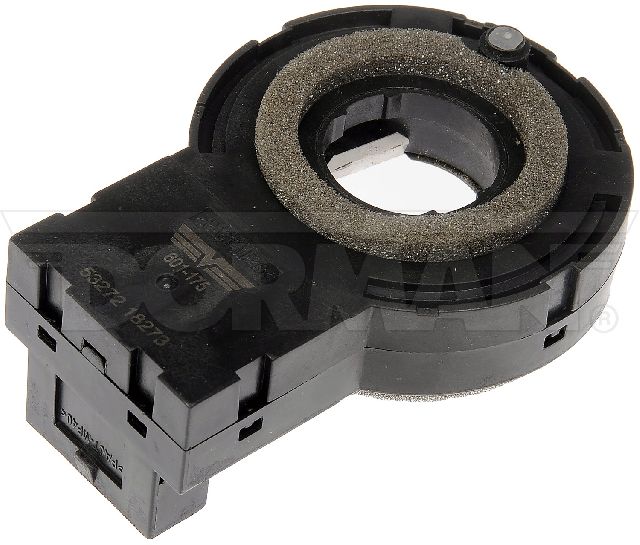
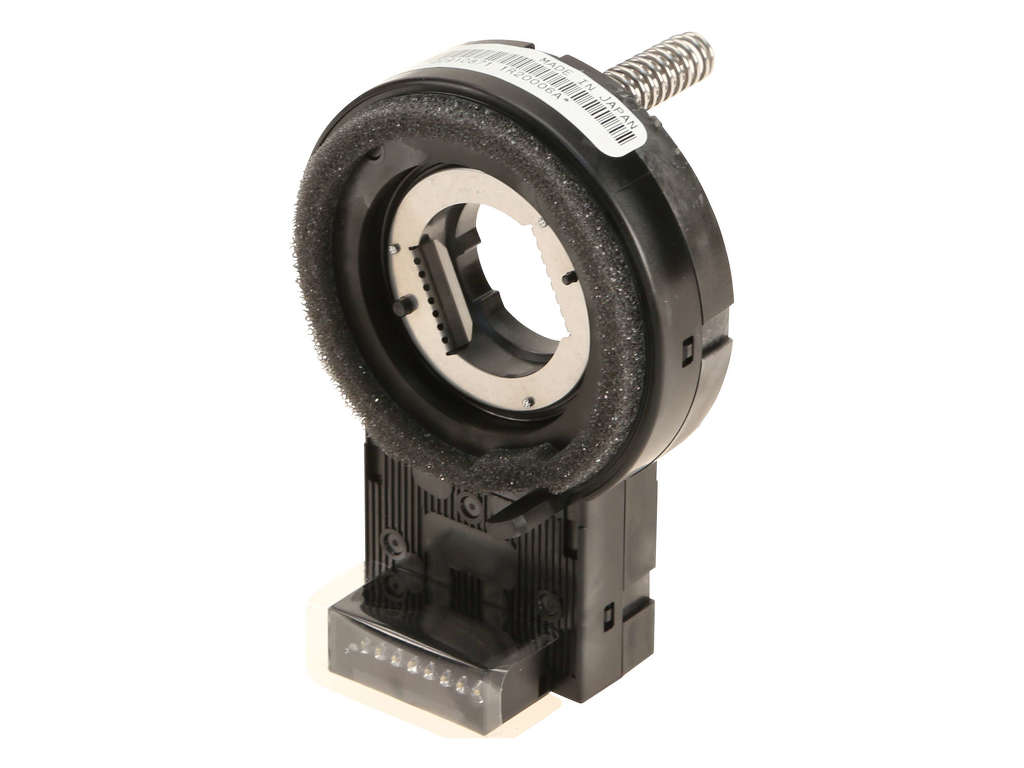
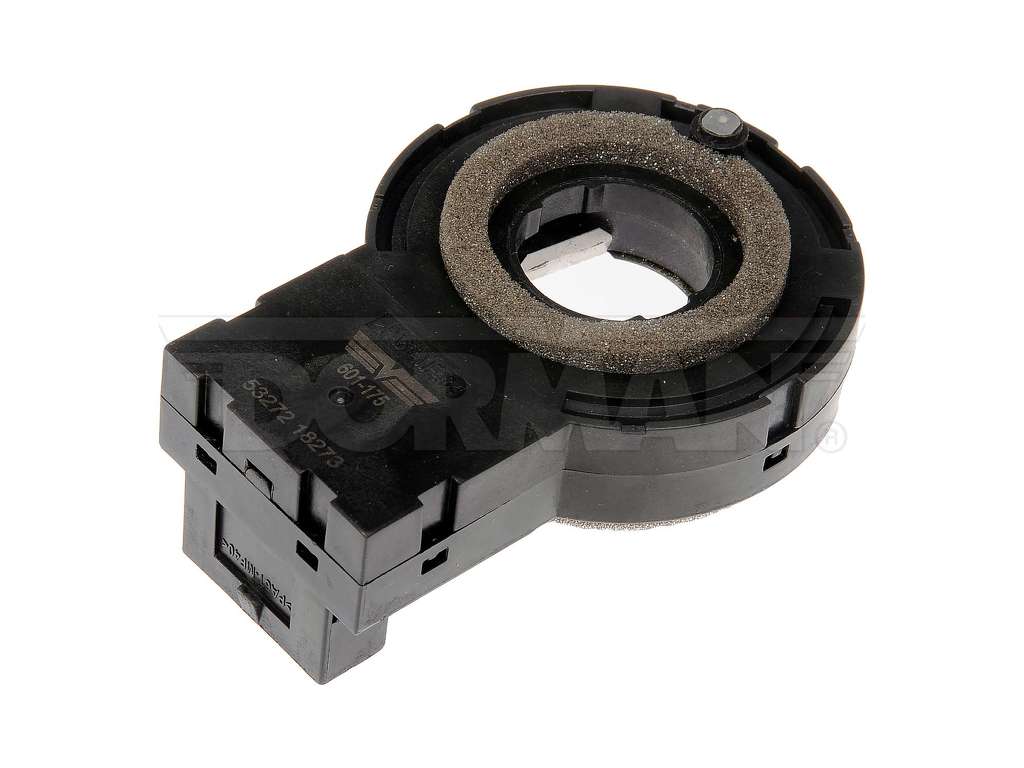
(OEM #19418403 (supersedes 20910871))— This part is replaced only if the connector fix fails and live data confirms the sensor is malfunctioning internally. Using a genuine GM/ACDelco part is recommended.
Trusted brands: ACDelco, GM Genuine Parts, Dorman (P/N 601-175)
OEM price range: $60-$105
Aftermarket price range: $50-$90
Related Codes That Often Appear With This One
- C0710 — This code is also related to the steering angle sensor signal. Both TSBs PI0639C and PIT4225F mention that C0710 is often set along with C0455, as they both point to a fault in the same circuit.
Technical Service Bulletins (TSBs) & Recalls
- PI0639C: Addresses the 'Service StabiliTrak' message with DTC C0455 or C0710 by recommending the addition of adhesive shim stock (Kent P/N P40100) and dielectric lubricant to the steering angle sensor connector to correct a poor connection caused by excessive clearance and fretting corrosion. Explicitly states not to replace the sensor for this condition.
- PIT4225F: Notes that DTC C0455 may be found with C0710 and advises technicians to ensure the steering wheel is properly installed to the steering shaft, as incorrect indexing (e.g., being off by 360 degrees) can set the code.
Platform-Specific Known Issues
- A widespread issue on 2007-2014 GM trucks and SUVs (GMT900 platform) is fretting corrosion and looseness at the steering angle sensor connector, causing intermittent C0455/C0710 codes. GM issued TSB PI0639C with a specific procedure to add a shim and dielectric grease, which often permanently resolves the issue without replacing the sensor.
Mechanic-Grade Diagnostic Values
- 5V Reference Circuit Voltage — expected: 4.8-5.2V. Failure: Voltage outside this range indicates a problem with the EBCM or wiring.
- Low Reference Circuit Resistance — expected: Less than 20 ohms. Failure: Resistance higher than 20 ohms indicates a poor ground connection.
- Sensor Resistance (General Test) — expected: Under 12,000 ohms (12 kOhms). Failure: A reading that exceeds 12,000 ohms or shows an open circuit while turning the steering wheel indicates a faulty sensor.
Hidden / Shadow Codes Worth Checking
- C0455 5A: The '5A' is a GM-specific symptom byte. TSB #PIT5207 links this specific code and symptom byte combination to issues that can arise after sequential programming of other vehicle modules, suggesting a software or calibration conflict. (see via A professional GM scan tool like a Tech2 or GDS2 is required to view symptom bytes.)
Scan Tool Commands That Help
- GDS2 / Tech2 (or equivalent professional scanner): Steering Angle Sensor Calibration / Learn — This procedure is required after replacing the steering angle sensor, performing a wheel alignment, or any repair that involves disconnecting the steering column. It resets the sensor's zero-point and learns the lock-to-lock positions. Failure to perform calibration is a common reason for the code to return immediately after a new sensor is installed.
Wiring & Ground Locations
- Steering Angle Sensor Connector — On the steering column, under the driver's side dashboard, attached to the sensor.. This is the primary connection point for the sensor and the most common point of failure due to looseness and corrosion. The pinout is: Pin 1 (5V Reference), Pin 2 (Low Reference/Ground), Pins 3/4/5 (Phase A/B/C Signals), Pin 6 (Analog Signal).
- K17 Electronic Brake Control Module (EBCM) — Typically mounted on the driver's side frame rail, below the driver's door area.. The EBCM is the computer that receives the signals from the steering angle sensor and sets code C0455. All wiring from the sensor terminates here, making it the other end-point for continuity and short-to-ground tests.
Real Owner Repair Stories
- TahoeYukonForum.com user (GMC Yukon) — C0455 code appeared immediately after replacing the intermediate steering shaft.
❌ Tried (didn't work) Clearing the code.
✅ What actually fixed it The steering wheel had been rotated 360 degrees during the repair. The fix was taking it to an alignment shop with computerized equipment (Hunter) that was able to identify the 360-degree offset and perform a steering angle sensor reset/calibration. - PerformanceTrucks.net Forums user (2011 GMC Yukon) — C0455 code and Stabilitrak doing 'crazy things'.
❌ Tried (didn't work) Initially ordered a new sensor.
✅ What actually fixed it The problem was resolved simply by unplugging the sensor's electrical connector (to read the part number) and plugging it back in securely. The code did not return, indicating the root cause was the common loose connector issue addressed by TSB PI0639C. - TahoeYukonForum.com user 'Timc9516' (Chevy/GMC SUV) — Recurring C0455 code. Stabilitrak would activate unexpectedly during long curves.
❌ Tried (didn't work) Replacing the sensor with an aftermarket part from RockAuto., Getting a warranty replacement for the first aftermarket sensor and installing it.
✅ What actually fixed it The user was advised by other forum members that the issue was a failure to perform the mandatory 'Steering Angle Sensor Calibration' using a capable scan tool after installing the new sensor. The problem was not the part itself, but the lack of the required post-installation procedure.
OEM Part Supersession History
20910871→19418403— Standard part number update by GM.
Heads up: While 19418403 is the correct replacement for the 2012-2013 Yukon, it's important to note that some earlier model years (e.g., 2010) had two different, non-interchangeable sensors. Always verify the part number by VIN or by reading it off the original sensor before ordering.
We Have This Part in Stock


The information in this article is provided for general reference and educational purposes only. Vehicle specifications, procedures, and part compatibility can vary by production date, trim level, and region. Always consult your vehicle's factory service manual and verify part numbers before purchasing or performing repairs. Safety-critical components such as airbags, seat belts, and braking systems should be installed by a qualified professional.
- Gmc YUKON DENALI:
- 🧭 Diagnostic Flowchart
- 🛍️ Shop This Part
- What's Unique About the 2012-2013 Gmc YUKON DENALI
- Symptoms You May Notice
- Most Likely Causes
- Rare But Worth Checking
- Diagnosis Steps
- Parts You'll Likely Need
- Related Codes That Often Appear With This One
- Technical Service Bulletins (TSBs) & Recalls
- Platform-Specific Known Issues
- Mechanic-Grade Diagnostic Values
- Hidden / Shadow Codes Worth Checking
- Scan Tool Commands That Help
- Wiring & Ground Locations
- Real Owner Repair Stories
- OEM Part Supersession History
- 🎟️ Get 5% Off