

C0710 on 2007-2010 GMC Sierra 3500: StabiliTrak Faults and Fixes
Code C0710 on a 2007-2010 GMC Sierra 3500 indicates a fault with the Steering Angle Sensor signal, which is critical for the StabiliTrak system. The most common causes are poor electrical connections at the sensor due to fretting corrosion, issues from vehicle modifications like lift kits, or a faulty sensor itself. Before replacing parts, inspect and clean the sensor connector and apply dielectric grease, as this is the most frequent fix recommended by GM.
- Code C0710 on your Sierra 3500 means there's a problem with the Steering Angle Sensor signal, disabling your StabiliTrak system.
- Before buying parts, check for simple fixes: inspect for vehicle modifications (lift kits) and check the sensor's electrical connector for corrosion.
- Cleaning the connector and applying dielectric grease is a common, low-cost fix recommended by GM.
- If you replace the sensor or perform a wheel alignment, the sensor must be recalibrated with a professional scan tool for the repair to be complete.
What's Unique About the 2007-2010 Gmc SIERRA 3500
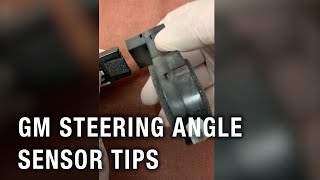
On GMT900 platform trucks like the 2007-2010 Sierra 3500, this code is notoriously triggered by issues other than a failed sensor. These heavy-duty trucks are often modified with lift kits, larger tires, or leveling kits. Such modifications can alter the vehicle's steering geometry, causing the steering wheel to be off-center and leading to a C0710 code, as noted in GM Technical Service Bulletin #PIT4322P. Furthermore, GM has identified that fretting corrosion (small dark smudges) and excessive movement in the sensor's electrical connector are common culprits, as detailed in TSB PI0639A. This makes a simple connector cleaning and lubrication 🎬 Watch this pro tip for cleaning and securing the sensor connector. the most important first diagnostic step, with the TSB explicitly stating, "DO NOT replace the steering position sensor for this condition."
Diagnostic Flowchart
Tap your situation to follow the diagnostic path that matches what you're seeing on this vehicle.
Symptoms You May Notice
- "Service StabiliTrak" or "Service Stability" message on the Driver Information Center (DIC)
- StabiliTrak/Traction Control indicator light is on
- Unwanted activation of the stability system (feeling of brakes being applied on their own)
- Traction control and stability control are disabled
- ABS light may be illuminated
- Replacing the Steering Angle Sensor when the actual problem is a corroded or loose electrical connector. GM specifically advises against this in service bulletin PI0639A, as the issue is often the harness-side connector, not the sensor itself.
Most Likely Causes
- Poor Connection at Steering Angle Sensor 🔴 High Probability → Shop Steering Angle Sensor GM issued multiple service bulletins (PI0639A, PI0639B) noting that fretting corrosion and excessive clearance in the sensor connector can cause high resistance and signal loss. The movement from using a tilt/telescoping steering column can contribute to this wear over time, causing the male and female terminals to rub and create corrosion, which appears as small dark smudges.
How to confirm: Disconnect the sensor connector at the base of the steering column and inspect the terminals for dark smudges (fretting corrosion). Check if the connector feels loose. A scan tool may show erratic or no signal from the sensor.
Typical fix: Clean the connector terminals on both the sensor and harness side with a dedicated nylon brush, apply dielectric lubricant (GM P/N 12377900), and ensure a snug connection. Some TSBs recommend adding a shim or a zip tie to prevent movement. If cleaning fails, the connector pigtail may need to be replaced.
Est. part cost: $5-$25 for lubricant and cleaning supplies. - Vehicle Modifications or Incorrect Wheel Alignment 🟡 Medium Probability As heavy-duty trucks, Sierra 3500s are frequently modified with lift kits, different wheels, or have their suspension altered for work purposes. These changes can throw off the steering center, causing the sensor to send implausible data that conflicts with other vehicle sensors. A TSB (#PIT4322P) specifically advises checking for modifications first before any in-depth diagnostics.
How to confirm: Visually inspect for aftermarket suspension components. Check if the steering wheel is perfectly centered when driving straight. A professional alignment check can confirm if the geometry is within spec.
Typical fix: Perform a four-wheel alignment. After the alignment, the Steering Angle Sensor must be recalibrated using a compatible scan tool to 're-learn' the new center position.
Est. part cost: $100-$200 for alignment and calibration. - Faulty Steering Angle Sensor ⚪ Low Probability → Shop Steering Angle Sensor While the sensor itself can fail, it's often misdiagnosed. GM bulletins specifically state not to replace the sensor until connection and alignment issues have been ruled out. However, it is a known failure item, and dealerships often stock the part.
How to confirm: Using a scan tool that can read live data, monitor the steering angle value while turning the wheel. The value should change smoothly from approximately -500° to +500° lock-to-lock and read near 0 degrees when the wheel is straight. If the value is stuck, jumps erratically, or is absent despite a good connection, the sensor is likely bad.
Typical fix: Replace the Steering Angle Sensor and perform the calibration procedure. This involves removing lower dash panels and potentially lowering the steering column.
Est. part cost: $75-$150
Rare But Worth Checking
- Damaged Wiring Harness:
Diagnosis Steps
- Read all DTCs from the EBCM using a capable scan tool, noting any symptom bytes (e.g., 5A, 42).
- Inspect the vehicle for any aftermarket modifications (lift kits, leveling kits, non-stock wheels/tires) as per TSB #PIT4322P.
- If modified, or if the steering wheel is off-center, a wheel alignment and subsequent SAS calibration should be the first repair steps.
- Disconnect the Steering Angle Sensor connector located on the steering column. Inspect terminals on both the sensor and harness side for fretting corrosion (dark smudges).
- If corrosion is found, clean the terminals with a nylon brush and apply a small amount of dielectric lubricant (GM P/N 12377900).
- Reconnect the sensor, ensuring a snug fit. Consider adding a zip tie to the harness to prevent movement. Clear the codes and test drive.
- If the code returns, use a scan tool to monitor the live data from the Steering Angle Sensor. Verify it reads near 0 degrees when straight and changes smoothly when turned. The analog signal voltage should be ~2.5V when centered and sweep from ~0.25V to ~4.75V lock-to-lock.
- If the live data is erratic or absent and the connection is confirmed to be good, the Steering Angle Sensor is likely faulty and requires replacement.
- After any repair (alignment, connector fix, or sensor replacement), perform the Steering Angle Sensor calibration procedure using a compatible scan tool.
Parts You'll Likely Need
- Steering Angle Sensor
(OEM #19418399)— This is the sensor that fails or whose connection becomes compromised, causing the C0710 code. It is replaced only after connector and alignment issues are ruled out. The part number may be superseded; always verify with VIN.
Trusted brands: ACDelco, GM Genuine Parts, Duralast, Dorman
OEM price range: $80-$150
Aftermarket price range: $75-$100 - Dielectric Grease
(OEM #12377900)— Required to protect the electrical connector from moisture and future fretting corrosion, which is a primary cause of this code as per GM TSBs.
Trusted brands: Permatex, ACDelco
OEM price range: $15-$25
Aftermarket price range: $5-$10 - Steering Angle Sensor Connector Pigtail
(OEM #PT2235)— If the harness-side connector is damaged or the terminals are too worn for cleaning to be effective, the pigtail must be cut off and a new one spliced in.
Related Codes That Often Appear With This One
- C0455 — This code for 'Steering Assist Control Actuator Circuit' often appears with C0710 because they both relate to the steering system and share wiring. A poor connection or fretting corrosion can trigger both codes simultaneously, as noted in TSB PI0639A.
- U2143 — This code indicates 'Lost Communication With Steering Angle Sensor Module'. It points more directly to a communication breakdown, often caused by the same wiring or connector issues that trigger C0710.
- C0710-5A — This is a GM-specific symptom code for 'Plausibility Failure'. It means the EBCM is receiving a signal from the SAS, but it doesn't make sense when compared to other data like wheel speed. This often points to an alignment issue or a modification problem.
- C0710-42 — This symptom code means 'Calibration Not Programmed'. It will set after replacing the sensor or EBCM, or if the calibration data is lost, indicating a calibration procedure is required.
Technical Service Bulletins (TSBs) & Recalls
- PIT4322P: Unwanted Stability Activation and/or a Service Stability message on the Driver Information Center. Technician may find a Diagnostic Trouble Code C0710.
- PIT4322F/G: Unwanted Stability Activation And/Or C0710.
- PI0639A: Service StabiliTrak Message Displayed in DIC, StabiliTrak Indicator Light On, DTC C0455 and/or C0710 Set.
- PI0639B: Updated version of PI0639A, adding 2013 models.
Platform-Specific Known Issues
- TSB #PIT4322P: Warns that vehicle modifications (lift kits, etc.) can cause unwanted stability activation and code C0710, and advises inspecting for them before performing diagnostics.
- TSB #PI0639A/B/C: Identifies fretting corrosion and looseness in the steering angle sensor connector as a common cause for C0710 and C0455, and explicitly states not to replace the sensor for this condition. The fix involves cleaning, lubricating, and sometimes shimming the existing connector.
Mechanic-Grade Diagnostic Values
- Steering Angle Sensor (SAS) Analog Signal Voltage — expected: Approximately 2.5V with the steering wheel centered. Should sweep smoothly between ~0.25V and ~4.75V from lock-to-lock.. Failure: Voltage is stuck, does not change when turning the wheel, or is outside the expected range.
- SAS 5V Reference Circuit Voltage — expected: 4.8-5.2 V between the 5V reference circuit terminal and ground at the sensor connector.. Failure: Voltage outside this range indicates a fault in the EBCM or a short/open in the wiring.
- SAS Low Reference (Ground) Circuit Resistance — expected: Less than 2.0 Ω between the low reference circuit terminal and a known good chassis ground.. Failure: Resistance higher than 2.0 Ω indicates an open or high resistance in the ground circuit for the sensor.
- Scan Tool Live Data (Angle) — expected: Should read near 0° when wheels are straight and change smoothly from approximately -550° to +550° lock-to-lock.. Failure: A reading that is stuck, jumps erratically, or is off by a large amount (e.g., 360°) indicates a failed sensor or calibration issue.
Hidden / Shadow Codes Worth Checking
- C0710 0F: Steering Position Signal Erratic. This indicates the signal is present but unstable or jumping, often pointing to a connection issue. (see via Professional scan tools like GM Tech2 or GDS2.)
- C0710 71: Invalid Serial Data Received. This suggests a communication problem on the data line between the sensor/PSCM and the EBCM. (see via Professional scan tools like GM Tech2 or GDS2.)
Scan Tool Commands That Help
- GM Tech II / GDS2 / Professional Scan Tool: Steering Wheel Angle Sensor Learn (or Calibration) — This function is mandatory after replacing the steering angle sensor, replacing the EBCM, or performing a wheel alignment. It is found in the EBCM 'Special Functions' menu and resets the sensor's zero-point with the wheels straight ahead. Failure to perform this calibration will cause the C0710 code to return.
Wiring & Ground Locations
- B99 — The component name for the Steering Wheel Angle Sensor, located on the steering column behind the lower dash panels.. This is the location of the sensor and its primary electrical connector, which is the most common point of failure due to fretting corrosion.
- G201 — Located in the upper left corner of the instrument panel near the A-pillar, on the metal structure behind the plastic dash trim.. A poor ground at this location can cause various electrical issues within the dash and instrument cluster, potentially affecting modules that communicate with the SAS or EBCM.
- G303 — On the left side (driver's side) B-pillar, behind the trim panel.. This is a key body ground point. While not directly for the SAS, poor grounding in this area can introduce electrical noise and intermittent issues for modules located in the cabin.
Real Owner Repair Stories
- Tahoe Yukon Forum user (GM SUV (model year not specified)) — Service Stabilitrak and traction control lights with code C0710.
❌ Tried (didn't work) Multiple visits to the dealership who could not identify the cause.
✅ What actually fixed it The owner discovered the vehicle had a mismatched tire causing a constant pull. To drive straight, the steering wheel was held at a slight angle. This created a plausibility failure (C0710-5A) because the steering angle did not match the vehicle's actual direction of travel. Replacing the tires to eliminate the pull and clearing the code resolved the issue permanently. - PerformanceTrucks.net Forums user (2010 Chevrolet Avalanche (GMT900)) — Stabilitrak started doing crazy things, C0710 code found.
❌ Tried (didn't work) Purchased a new sensor but did not install it immediately.
✅ What actually fixed it The owner unplugged the sensor to read the part number and then plugged it back in. The act of re-seating the connector temporarily fixed the problem, highlighting that the issue was the connection itself, not the sensor. - Tahoe Yukon Forum user 'tahoe15' (2015+ Tahoe (K2XX, but relevant process)) — C0710 and C0544 codes with Stabilitrak and steering error messages.
❌ Tried (didn't work) Connecting a new sensor without physically installing it and attempting a SAS relearn procedure, which failed.
✅ What actually fixed it The problem was a faulty sensor. The complete fix required physically replacing the old sensor with the new one, reinstalling the steering column, and then successfully performing a 'SAS Relearn' with an Xtool D8S scan tool, which cleared all codes.
OEM Part Supersession History
20910871→19418403, 19418399— Part revision and consolidation by GM.
Heads up: There were reportedly two different part numbers used around the 2010 model year that are not interchangeable. Always verify the correct part number with the vehicle's VIN before purchasing.
Helpful Videos

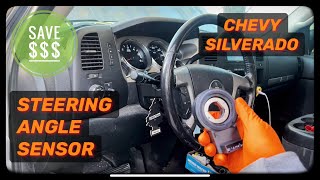
![[SOLVED] Fix Service Stabilitrack and Service Traction Control on 2007-2011 GM Trucks](https://img.youtube.com/vi/J2Lwv_T7rOY/mqdefault.jpg)


We Have This Part in Stock


The information in this article is provided for general reference and educational purposes only. Vehicle specifications, procedures, and part compatibility can vary by production date, trim level, and region. Always consult your vehicle's factory service manual and verify part numbers before purchasing or performing repairs. Safety-critical components such as airbags, seat belts, and braking systems should be installed by a qualified professional.
- Gmc SIERRA 3500:
- 🧭 Diagnostic Flowchart
- 🎬 Helpful Videos
- 🛍️ Shop This Part
- What's Unique About the 2007-2010 Gmc SIERRA 3500
- Symptoms You May Notice
- Most Likely Causes
- Rare But Worth Checking
- Diagnosis Steps
- Parts You'll Likely Need
- Related Codes That Often Appear With This One
- Technical Service Bulletins (TSBs) & Recalls
- Platform-Specific Known Issues
- Mechanic-Grade Diagnostic Values
- Hidden / Shadow Codes Worth Checking
- Scan Tool Commands That Help
- Wiring & Ground Locations
- Real Owner Repair Stories
- OEM Part Supersession History
- 🎟️ Get 5% Off