

C0750 on 2008-2015 Buick Enclave: TPMS and 'No Remote Detected' Fixes
On a 2008-2015 Buick Enclave, code C0750 almost always indicates a problem with the Left Front Tire Pressure Monitoring System (TPMS). The most common causes are a dead battery in the TPMS sensor itself or a failing Remote Control Door Lock Receiver (RCDLR) module. If your key fobs are also acting up, the RCDLR is the likely culprit. This issue is common across GM's Lambda platform vehicles, including the Chevrolet Traverse, GMC Acadia, and Saturn Outlook.
- C0750 points to a problem with the left front TPMS sensor.
- Before buying parts, check your key fobs. If they are also malfunctioning, the RCDLR module is a strong possibility, not the sensor.
- The most common fix is replacing the left front TPMS sensor, as its battery life is about 7-10 years.
- Replacing the RCDLR module requires professional programming.
- Be aware of the rare but documented link between this code and no-start or stalling issues.
What's Unique About the 2008-2015 Buick ENCLAVE
On this generation of Buick Enclave and its platform mates (Chevy Traverse, GMC Acadia, Saturn Outlook), the Tire Pressure Monitoring System (TPMS) is integrated with the keyless entry system through the Remote Control Door Lock Receiver (RCDLR). A failing RCDLR module is a well-documented issue that can cause C0750 and other TPMS codes, along with key fob problems like 'No Remote Detected' messages and intermittent starting. The provided NHTSA TSB #PIC5650M links C0750 to no-start conditions, highlighting this unique connection between the TPMS and vehicle security systems.
Diagnostic Flowchart
Tap your situation to follow the diagnostic path that matches what you're seeing on this vehicle.
Symptoms You May Notice
- TPMS warning light illuminated on the dashboard (often flashing first, then staying solid).
- Driver Information Center (DIC) shows a "Service Tire Monitor System" message.
- Pressure reading for the left front tire shows "--" or an incorrect value.
- Key fob intermittently fails to lock/unlock doors.
- "No Remote Detected" message on the DIC.
- Push-button start may not work.
- In rare cases, a no-crank, no-start, or stalling condition, often with the security light on. [⭐ MANUFACTURER TSB — highest authority]
- Passive entry system not responding to lock/unlock commands.
- Replacing only the TPMS sensor when the RCDLR is the actual fault. If key fob issues are also present, the RCDLR should be the primary suspect. This is a common mistake noted by owners on forums.
- Replacing the Body Control Module (BCM) when the RCDLR is the true cause. The RCDLR is the primary receiver for both TPMS and key fob signals on this platform.
- Assuming the RCDLR module is faulty when all sensors and fobs stop working. In some cases, a single bad TPMS sensor can create enough electrical noise to jam the communication bus, preventing the RCDLR from receiving any signals and mimicking a module failure.
Most Likely Causes
- Failed Left Front TPMS Sensor 🔴 High Probability → Shop Tire Pressure Monitoring System (TPMS) Sensor TPMS sensors contain a non-replaceable battery with a finite lifespan, typically 7-10 years. For the 2008-2015 model years, these sensors are at or beyond the end of their expected service life.
How to confirm: Use a TPMS activation tool (like an EL-50448) to try and read the sensor. If the tool cannot get a signal from the left front sensor but can from the others, the sensor has failed. A scan tool may also show a 'low battery' status for the sensor in the RCDLR data list or set a C0750 with a ':03 - Low Voltage' symptom code. If the key fobs work perfectly, the sensor is the most likely cause.
Typical fix: Replace the TPMS sensor in the left front wheel. This requires dismounting the tire, installing the new sensor, remounting and balancing the tire, and performing a TPMS relearn procedure. It is often recommended to replace all four sensors at once if they are original, to avoid repeat repairs.
Est. part cost: $30-$80 - Faulty Remote Control Door Lock Receiver (RCDLR) 🟡 Medium Probability → Shop Keyless Entry Receiver This module is a known failure point on many GM vehicles from this era, as documented in TSB 16-NA-396. It processes signals from both the TPMS sensors and the key fobs, so its internal failure affects both systems simultaneously.
How to confirm: The most telling symptom is the simultaneous failure of TPMS and key fob functions (e.g., C0750 is present AND the key fobs don't work). A high-end scan tool may show a specific symptom code like ':29 – Too Few Pulses' for multiple TPMS sensors (C0750, C0755, etc.), which strongly points to the receiver as the cause.
Typical fix: Replace the RCDLR module. This part is typically located in the rear of the vehicle, near the headliner above the rear cargo area. The replacement module must be programmed to the vehicle by a dealership or a qualified independent shop with GM diagnostic software (SPS) to "marry" it to the vehicle's computer.
Est. part cost: $40-$150 - Wiring Harness Damage ⚪ Low Probability The wiring leading to the RCDLR (often located in the rear of the vehicle near the headliner) or antenna wiring can be damaged, though it's much less common than sensor or module failure. Water intrusion from a leaking rear window seal, roof seam, or sunroof drain could potentially corrode the RCDLR connector or nearby harness connectors like X211.
How to confirm: Visually inspect the wiring harness and connector at the RCDLR for breaks, corrosion, or chafing. Per TSB 16-NA-061, check the RCDLR antenna coax cable for disconnects at the module, at the antenna amplifier, or at the rear glass antenna. Perform a continuity test on the signal wire between the RCDLR and the relevant antenna if the sensor and module are known to be good.
Typical fix: Repair the damaged section of the wiring harness or clean/replace the corroded connector.
Est. part cost: $5-$25
Rare But Worth Checking
- Radio Frequency (RF) Interference: Aftermarket electronic devices like phone chargers, dash cams, or power inverters can sometimes emit RF noise that interferes with the RCDLR's ability to receive signals from the TPMS sensors (which operate at 315 MHz). Before replacing parts, try unplugging all aftermarket accessories to see if the code clears.
- Transport Mode Active: A rare possibility is that the vehicle is in 'Transport Mode,' which deactivates certain features like RKE and TPMS to conserve the battery during long-distance shipping. This is usually indicated by a flashing battery light or a DIC message. The mode can be deactivated with a specific sequence of actions, such as starting the engine, turning on the hazards, and holding the start button for 15 seconds.
Diagnosis Steps
- Check the function of all key fobs. Do they lock/unlock the doors consistently? If not, the RCDLR module is the primary suspect.
- Use a scan tool to read all DTCs from all modules. Note if other TPMS codes (C0755, C0760, C0765) or security codes (B3055) are present. Check for specific symptom bytes like ':03' (Low Battery), ':08' (Signal Invalid), or ':29' (Too Few Pulses).
- Using a TPMS activation tool (e.g., Autel, or the specific GM tool EL-50448), attempt to trigger and read data from the left front sensor.
- If the tool fails to get a response from the left front sensor but reads the other three, the sensor is bad (likely a dead battery).
- If the sensor responds, check its battery status with the scan tool. A 'Low Battery' status or a ':03' symptom code confirms the need for sensor replacement.
- If all sensors fail to respond or multiple TPMS codes are present along with key fob issues, the RCDLR is the primary suspect.
- Inspect the RCDLR and its connector. It is located in the rear of the vehicle, accessible by removing the rear portion of the headliner or upper trim panels. Check for signs of water damage or corrosion, which can be caused by leaking roof seams.
- Per TSB 16-NA-061, inspect the RCDLR's coaxial antenna cable to ensure it is securely connected at the module, at the antenna amplifier, and at the rear glass.
- If the RCDLR is replaced, it will require programming to the vehicle using GM's Service Programming System (SPS) to 'marry' the new module to the car. Aftermarket tools may not be able to complete this final, critical step.
Parts You'll Likely Need
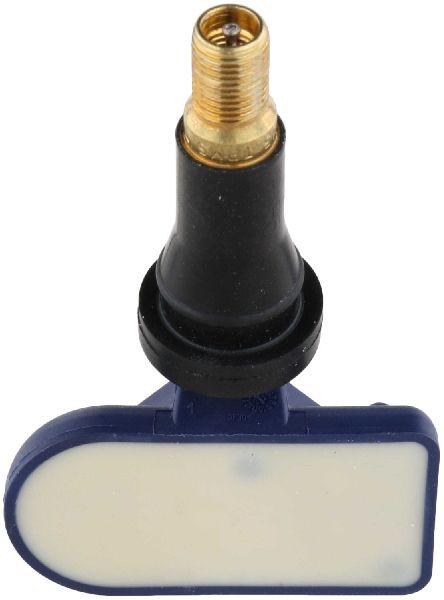
- Tire Pressure Monitoring System (TPMS) Sensor
(OEM #13598771 (supersedes older numbers like 13586335, 20923680))— This is the most common failure point due to the internal battery's limited lifespan of 7-10 years.
Trusted brands: ACDelco, Schrader, Dorman
OEM price range: $50-$90
Aftermarket price range: $30-$60 - Remote Control Door Lock Receiver (RCDLR)
(OEM #22853741 (supersedes older numbers, check VIN for exact fitment))— This module is a known weak point and its failure causes both TPMS and key fob issues. It's the likely cause if multiple TPMS codes are present or if key fobs are also malfunctioning.
Trusted brands: ACDelco
OEM price range: $70-$150
Aftermarket price range: $40-$100 - Keyless Entry Remote Fob
(OEM #15913415 / 22936101 (5-button), 20952475 (3-button), FCC ID: OUC60270 or OUC60221)— While not a cause, owners may need to replace lost or damaged fobs during diagnosis. Note that pre-2011 models can often be self-programmed, while 2011+ models require professional programming.
Trusted brands: ACDelco, Dorman
OEM price range: $80-$120
Aftermarket price range: $20-$50
Related Codes That Often Appear With This One
- C0755, C0760, C0765 — These codes correspond to the Right Front, Left Rear, and Right Rear TPMS sensors, respectively. When all four appear together, especially with symptom code ':29 - Too Few Pulses', it strongly indicates a failure of the common RCDLR module rather than four individual sensors failing at once.
- B3055, B3060 — As cited in TSB #PIC5650M, these codes relate to the vehicle's security and key recognition system. Their presence alongside C0750 points towards a broader electrical or module communication issue, often implicating the RCDLR or BCM.
Technical Service Bulletins (TSBs) & Recalls
- PIC5650M: Notes that C0750 can be found in relation to intermittent no-crank, no-start, or stalling concerns with the security light on. [⭐ MANUFACTURER TSB — highest authority]
- 16-NA-396: Describes intermittent key fob operation, 'No Remote Detected' messages, and TPMS codes C0750, C0755, C0760, C0765 with symptom :29, all caused by an internal failure of the RCDLR. Recommends replacement of the RCDLR.
Platform-Specific Known Issues
- TSB #PIC5650M documents that code C0750, along with other security and chassis codes, can be related to an intermittent no-crank, no-start, or stalling condition, which is often traced back to the RCDLR module's role in the vehicle's immobilizer system.
Mechanic-Grade Diagnostic Values
- TPMS Sensor Operating Frequency — expected: 315 MHz. Failure: N/A - this is a fixed value, but interference from other devices on or near this frequency can cause issues.
- TPMS Sensor Battery Status — expected: OK / Good. Failure: A 'Low Battery' status in the RCDLR data list on a scan tool, or the presence of symptom code C0750:03.
Hidden / Shadow Codes Worth Checking
- C0750:03: Voltage Below Threshold. This indicates the RCDLR has detected the sensor's internal battery is failing. (see via GM-specific scan tool (Tech2, GDS2) or high-end aftermarket scanner capable of reading symptom codes.)
- C0750:08: Bus Signal / Message Failure or Signal Invalid. The data received from the sensor is corrupt or not in the expected format. (see via GM-specific scan tool (Tech2, GDS2) or high-end aftermarket scanner.)
- C0750:29: Too Few Pulses. The RCDLR is not receiving the complete data transmission from the sensor. This is strongly indicative of an RCDLR module failure per TSB 16-NA-396. (see via GM-specific scan tool (Tech2, GDS2) or high-end aftermarket scanner.)
- C0750:39: Internal Malfunction. This points to a failure within the TPMS sensor's electronics, separate from its battery. (see via GM-specific scan tool (Tech2, GDS2) or high-end aftermarket scanner.)
Scan Tool Commands That Help
- GDS2 / Tech2: Module Setup / Programming — When replacing the RCDLR. The new module must be programmed and 'married' to the vehicle's BCM/security system using GM's Service Programming System (SPS). Aftermarket tools may fail to complete this step.
- EL-50448 or similar TPMS Tool: TPMS Relearn Procedure — After replacing any TPMS sensor or rotating tires. The vehicle is put into learn mode via the DIC, then the tool is used to activate each sensor in sequence to teach their position to the RCDLR.
Wiring & Ground Locations
- RCDLR Module — In the rear of the vehicle, mounted vertically behind the upper-most rear trim panel, near the headliner. It is not directly under the headliner itself.. This is the receiver for the TPMS sensor signals. Its location makes it susceptible to water intrusion from leaking roof seams or rear glass seals.
- RCDLR Antenna System — Consists of a coax cable from the RCDLR to an antenna amplifier module, which then connects to an antenna grid in the right rear quarter glass.. A disconnected coax cable at any of the three points (RCDLR, amplifier, or glass) will cause a loss of signal and trigger TPMS codes, as detailed in TSB 16-NA-061.
- Connector X211 — An inline harness connector located in the right front passenger compartment area.. TSB 23-NA-107 identifies this connector as being in the water path of a potential roof leak, which can cause various RCDLR-related concerns.
Real Owner Repair Stories
- Reddit user m500sesp in r/MechanicAdvice (2014 Buick Enclave) — Needed to replace the RCDLR. After physical installation, attempted to program new key fobs.
❌ Tried (didn't work) Using an Autel MaxiSys scan tool to program the new key fobs. The tool indicated the programming was successful and could see button presses, but the fobs would not actually lock or unlock the doors.
✅ What actually fixed it The vehicle had to be taken to a facility with official GM software. The new RCDLR module had to be 'married' to the car's computer system, a procedure the aftermarket scan tool could not perform.
"I Checked Everything" — The Actual Cause
- A common diagnostic assumption is that if all four TPMS sensors and the key fobs fail at once, the RCDLR module must be the cause. However, there are confirmed cases where a single, internally-failed TPMS sensor generated enough RF interference or bus noise to effectively 'jam' the RCDLR, preventing it from communicating with any other sensors or the key fobs. This perfectly mimics a failed RCDLR. The correct fix in this edge case was to identify and replace only the single faulty sensor, which restored full system functionality.
OEM Part Supersession History
13586335, 20923680, 25920615→13598771, then 13540600— Standard part evolution for improved reliability and manufacturing consistency.
Heads up: The part number 22853741, which is the RCDLR module, is often incorrectly listed in aftermarket catalogs as an interchange number for TPMS sensors, creating significant confusion. Always verify the part by its name (Sensor vs. Receiver).
Model Year Variations Within This Range
- 2011-2015: Key fob and RCDLR programming became more complex. While earlier models could sometimes have fobs added without special tools, 2011 and newer models definitively require dealer-level software (GM SPS) to program a replacement RCDLR module to the vehicle's security system.
Helpful Videos
We Have This Part in Stock


The information in this article is provided for general reference and educational purposes only. Vehicle specifications, procedures, and part compatibility can vary by production date, trim level, and region. Always consult your vehicle's factory service manual and verify part numbers before purchasing or performing repairs. Safety-critical components such as airbags, seat belts, and braking systems should be installed by a qualified professional.
- Buick ENCLAVE:
- 🧭 Diagnostic Flowchart
- 🎬 Helpful Videos
- 🛍️ Shop This Part
- What's Unique About the 2008-2015 Buick ENCLAVE
- Symptoms You May Notice
- Most Likely Causes
- Rare But Worth Checking
- Diagnosis Steps
- Parts You'll Likely Need
- Related Codes That Often Appear With This One
- Technical Service Bulletins (TSBs) & Recalls
- Platform-Specific Known Issues
- Mechanic-Grade Diagnostic Values
- Hidden / Shadow Codes Worth Checking
- Scan Tool Commands That Help
- Wiring & Ground Locations
- Real Owner Repair Stories
- "I Checked Everything" — The Actual Cause
- OEM Part Supersession History
- Model Year Variations Within This Range
- 🎟️ Get 5% Off