

C0750 on 2016-2023 Buick Enclave: TPMS Sensor vs. RCDLR Module Failure
On a 2016-2023 Buick Enclave, code C0750 usually means the left front TPMS sensor has failed. However, if it appears with a 'no start' condition, security light, or key fob issues, the Remote Control Door Lock Receiver (RCDLR) module is the likely culprit, a known issue on these vehicles documented in multiple GM TSBs.
- C0750 means there's a problem with the left front tire pressure sensor signal.
- Before buying parts, check your symptoms. If you ONLY have a TPMS light, the sensor is likely bad. If you also have a 'No Remote Detected' message or starting problems, the RCDLR module is the prime suspect.
- Try the cheapest fix first: remove all aftermarket phone chargers and electronic devices from your car to rule out radio frequency interference.
- Replacing a single TPMS sensor is a straightforward job for a tire shop.
- Replacing the RCDLR module is more complex and requires special programming tools to sync it with your vehicle.
What's Unique About the 2016-2023 Buick ENCLAVE
The Buick Enclave, like many GM vehicles of this era, integrates TPMS and keyless entry functions into a single module, the Remote Control Door Lock Receiver (RCDLR). A failure within this module can cause a cascade of seemingly unrelated symptoms, such as setting TPMS codes like C0750 while also creating a no-start condition with the security light on. This is documented in GM Technical Service Bulletins like 16-NA-396 and PIC5650M and is a critical distinction, as the problem often isn't the tire sensor itself but the central module that listens to it.
Diagnostic Flowchart
Tap your situation to follow the diagnostic path that matches what you're seeing on this vehicle.
Generation note: The 2016-2023 range covers two Enclave generations: the first (2008-2017, Lambda platform) and the second (2018-present, C1XX platform). The RCDLR failure is a well-documented issue on both generations and their platform mates (Traverse, Acadia). TSB 16-NA-396, for example, covers models from both platforms, indicating a persistent component issue.
Symptoms You May Notice
- Service Tire Monitor System message on the dashboard.
- TPMS warning light is illuminated.
- Reading for the left front tire pressure shows '--' or an incorrect value.
- Intermittent no-crank or no-start condition, often with a 'No Remote Detected' message.
- Engine starts and immediately stalls.
- Security or anti-theft light is on.
- Key fob functions (lock/unlock/remote start) work poorly, intermittently, or not at all.
- Replacing the TPMS sensor when the root cause is the RCDLR. If key fob and starting issues are present, the sensor is almost never the problem.
Most Likely Causes
- Faulty Remote Control Door Lock Receiver (RCDLR) 🔴 High Probability → Shop Keyless Entry Receiver This is a widely documented failure point on many GM platforms from this era, explicitly cited in TSBs 16-NA-396 and PIC5650M. The module handles both TPMS and key fob signals, and internal faults are common, leading to a mix of TPMS and security-related DTCs.
How to confirm: Confirm if key fob functions are also inoperative and if security-related codes (like B3055) are present alongside C0750. If multiple TPMS codes (C0750, C0755, C0760, C0765) are set simultaneously, the RCDLR is the prime suspect. A temporary fix by disconnecting and reconnecting the battery can also point to a failing RCDLR.
Typical fix: Replace the RCDLR module and program the new unit to the vehicle using GM-specific software. The module is often located in the rear of the vehicle, behind the headliner or C-pillar trim.
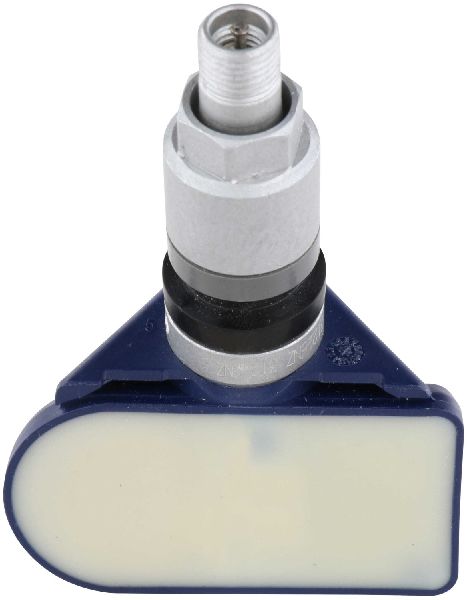
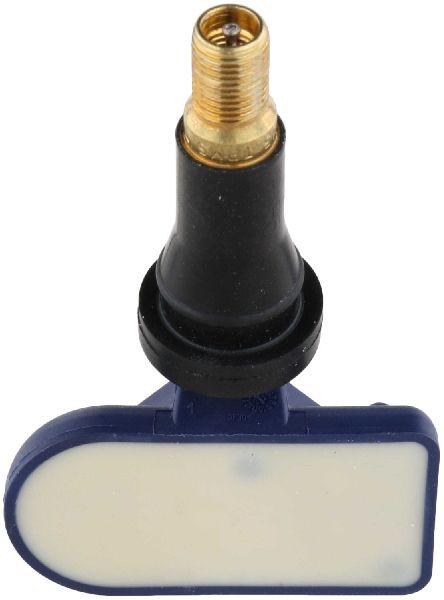
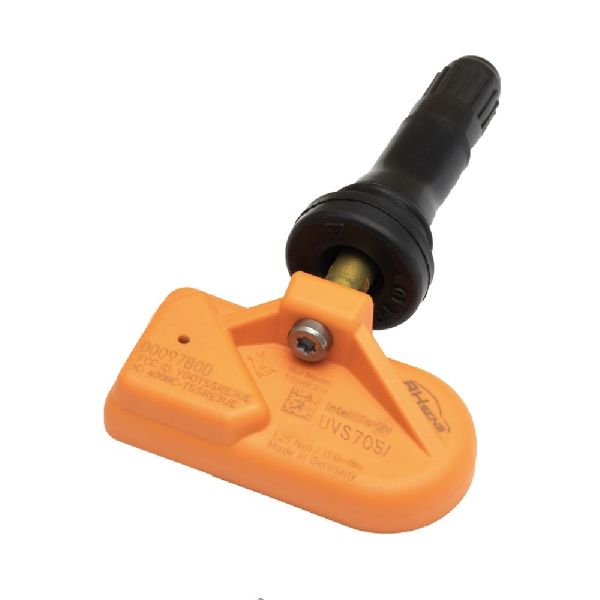
Est. part cost: $40-$150 - Failed Left Front TPMS Sensor 🔴 High Probability → Shop Tire Pressure Monitoring System (TPMS) Sensor TPMS sensor batteries have a finite lifespan of 5-10 years. Vehicles in the 2016-2018 range are at a prime age for battery failure inside the original sensors.
How to confirm: This is the likely cause if C0750 appears alone, without no-start or key fob issues. Use a TPMS activation tool (like an EL-50448) to attempt to activate the sensor. If it doesn't respond, it has failed.
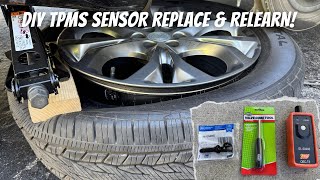
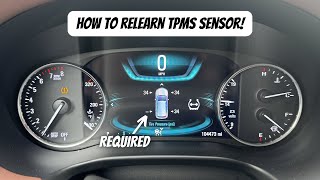
Typical fix: Replace the TPMS sensor in the left front wheel. 🎬 See this step-by-step DIY TPMS sensor replacement The tire must be dismounted to install the new sensor, then remounted and balanced. A TPMS relearn procedure is then required. 🎬 Watch: How to relearn your TPMS sensors
Est. part cost: $25-$75 - Radio Frequency Interference (RFI) ⚪ Low Probability As noted in TSB PIC5650M, aftermarket electronic devices like phone chargers, dash cams, LED lights, or even toll passes can emit radio frequencies that 'jam' the 315 MHz or 433 MHz signals from the key fob and TPMS sensors, causing intermittent issues.
How to confirm: Remove all aftermarket plug-in devices from the vehicle. If the symptoms disappear, one of the devices was causing interference. Re-introduce them one by one to find the culprit.
Typical fix: Remove the interfering aftermarket device from the vehicle.
Est. part cost: $0
Rare But Worth Checking
- Wiring Harness or Connector Damage: Damage or disconnection of the wiring or coaxial cable leading to the RCDLR or its antenna can mimic a module failure. TSB 16-NA-061 details how a disconnected antenna coax cable at the RCDLR, antenna amplifier, or glass antenna can cause these exact symptoms. Inspect these connections before replacing the module.
- Poor RCDLR Ground Connection: The RCDLR module shares a ground with several other components. On some GM platforms, this ground is G103, located on the cowl above the brake booster. A loose or corroded ground at this point can cause intermittent RCDLR operation, leading to C0750 and other related codes.
Diagnosis Steps
- Scan all vehicle modules for DTCs. Note if C0750 is present alone or with other TPMS (C0755, C0760, C0765) and security codes (B-codes).
- Using a professional scan tool (GDS2), check for symptom bytes associated with the TPMS codes. A symptom byte of ':29 – Too Few Pulses' strongly points to an RCDLR issue as per TSB 16-NA-396.
- Test the key fob functions (lock, unlock, remote start). If they are inoperative or have poor range, suspect the RCDLR or RFI.
- Remove all aftermarket electronic devices (phone chargers, dash cams, etc.) from the vehicle to eliminate Radio Frequency Interference (RFI) as a cause.
- If C0750 is the only code and the key fob works, the TPMS sensor is the most likely cause. Use a TPMS activation tool to check the sensor's signal. If it fails to respond, it needs replacement.
- If multiple TPMS and security codes are present, focus on the RCDLR. Before replacement, inspect its power (Red/White wire) and ground (Black/White wire) at the module connector.
- Inspect the RCDLR ground point. On similar GM platforms, this is often G103 (on the cowl above the brake booster) or G303/G304 (on the B-pillars). Ensure it is clean, tight, and free of corrosion.
- Before replacing the RCDLR, inspect the antenna and coaxial cable connections at the module, antenna amplifier, and rear glass per TSB 16-NA-061, as a simple disconnected plug can cause all symptoms.
- If the RCDLR has proper connections, power, and ground but still sets codes, the module itself has likely failed internally and requires replacement and programming using the GDS2 'Module Setup' or 'Reprogram ECU' function.
Parts You'll Likely Need
- Remote Control Door Lock Receiver (RCDLR)
(OEM #13595511, 20863945, 20803735 (verify by VIN))— This is the most common cause when C0750 is accompanied by key fob or starting issues, as documented in GM TSBs like 16-NA-396.
Trusted brands: ACDelco, Dorman
OEM price range: $70-$150
Aftermarket price range: $40-$100 - Tire Pressure Monitoring System (TPMS) Sensor
(OEM #13540603, 84961888 (verify by VIN))— This is the most likely fix if C0750 appears by itself. The internal battery fails with age.
Trusted brands: ACDelco, Schrader, Continental, Dorman
OEM price range: $40-$75
Aftermarket price range: $25-$50
Related Codes That Often Appear With This One
- C0755, C0760, C0765 — These are the codes for the other three TPMS sensors. When all four appear together, it strongly points to a failure of the central RCDLR module, not four simultaneously failed sensors. This exact scenario is described in TSB 16-NA-396.
- B3055, B3060, B3935 — These are GM-specific security codes related to the key and immobilizer system. Their presence with C0750 is a classic sign of an RCDLR or BCM issue, as noted in TSB PIC5650M.
Technical Service Bulletins (TSBs) & Recalls
- PIC5650M: Addresses intermittent no crank/no start, security light, and a group of DTCs including C0750, pointing towards RFI or module issues.
- 16-NA-396: Addresses intermittent key fob operation and TPMS lights (including C0750, C0755, C0760, C0765) caused by an internal failure of the RCDLR, instructing technicians to replace the module. It provides specific part numbers for the replacement.
- 16-NA-061: Details how a disconnected RCDLR antenna coax cable can cause the exact same symptoms (TPMS dashes, no fob detection) and should be checked before replacing the module itself.
- PI1085: A preliminary bulletin for 2012-2013 models (including Enclave) that identifies poor remote range and TPMS codes (C0750, etc.) as being caused by a faulty RCDLR, recommending replacement.
Platform-Specific Known Issues
- A known issue, documented in TSB PIC5650M, involves intermittent no-start conditions with security lights and TPMS codes due to either a faulty RCDLR or Radio Frequency Interference from aftermarket devices.
- Owner Experience: RCDLR Replacement and Programming: A Reddit user with a 2014 Enclave confirmed that after physically replacing the RCDLR module, the key fobs would not program or function using a professional (Maxisys) scan tool. The final step required GM-specific software to 'marry' the new module to the car's computer before it would operate correctly, highlighting the necessity of proper programming.
- RCDLR Location Varies: On first-generation Enclaves (up to 2017) and their platform mates, the RCDLR is often located in the rear of the vehicle, under the headliner near the center or behind a C-pillar trim panel. Access requires removing interior trim panels.
Hidden / Shadow Codes Worth Checking
- C0750 with symptom byte :29: Too Few Pulses. This is the most common symptom byte seen with TSB 16-NA-396, indicating the RCDLR is not receiving the expected number of transmissions from the TPMS sensor. It strongly points to a central RCDLR or antenna issue, especially when seen with all four tire codes (C0750, C0755, C0760, C0765). (see via GM GDS2 or equivalent professional scan tool.)
- C0750 with symptom byte :08: Signal Invalid / Bus Signal or Message Failure. This indicates the RCDLR received a signal, but it was corrupt, malformed, or otherwise unusable. This can point to a failing sensor transmitting bad data or significant radio frequency interference. (see via GM GDS2 or equivalent professional scan tool.)
Scan Tool Commands That Help
- GDS2 / Tech2: Module Setup / Reprogram ECU — This function is mandatory after replacing the RCDLR. It 'marries' the new module to the vehicle's Body Control Module (BCM) and security system. Without this step, programmed key fobs will not function, even if the programming procedure appears to complete successfully.
- GDS2 / Tech2: Theft Deterrent System Learn — After performing the RCDLR module setup, the theft deterrent system must be relearned. This is often a 10 or 30-minute automated procedure initiated by the scan tool.
Wiring & Ground Locations
- RCDLR Location (Gen 1, 2016-2017) — Typically located in the rear of the vehicle, under the headliner, often near the center high mount stop lamp or behind a C-pillar trim panel.. Physical access is required to test power/ground at the connector or to replace the module.
- RCDLR Location (Gen 2, 2018-2023) — Located behind the right rear quarter trim panel in the cargo area.. Physical access is required to test power/ground at the connector or to replace the module.
- G103 — On some GM platforms, this ground is located on the cowl in the engine compartment, above the brake booster.. This is a shared ground point for the BCM, Radio, and Remote Door Lock Receiver. A loose or corroded connection here can cause intermittent RCDLR failure and a host of other seemingly unrelated electrical issues.
- G303 / G304 — Located on the left (G303) and right (G304) side B-pillars, behind the interior trim panels.. These are major body ground points. While not directly tied to the RCDLR in all diagrams, poor grounding in this area can affect modules located in the rear of the vehicle.
Real Owner Repair Stories
- Reddit user m500sesp in r/MechanicAdvice (2014 Buick Enclave (First generation, platform-mate)) — Needed to replace the RCDLR. After physical replacement, key fobs would not work.
❌ Tried (didn't work) Physically replacing the RCDLR module., Using a professional Autel MaxiSys scan tool to program the key fobs. The tool indicated the fobs were programming successfully, but they would not operate the locks.
✅ What actually fixed it The vehicle had to be taken to a facility with GM-specific software (like GDS2). A procedure was required to 'marry' the new RCDLR to the car's main computer (BCM) before the key fob programming would be accepted by the vehicle.
Model Year Variations Within This Range
- 2016-2017 (First Generation): The RCDLR is located in the rear headliner area. The emergency start procedure may involve a specific slot in the center console or glove box, but the primary location is different from the second generation.
- 2018-2023 (Second Generation): The RCDLR is located behind the right rear quarter trim panel. The designated transmitter pocket for starting the vehicle with a dead key fob battery is a specific indentation inside the center console armrest storage area. The procedure for adding new keys is also different, involving turning the physical key in the driver's door lock cylinder five times.
Helpful Videos
We Have This Part in Stock

The information in this article is provided for general reference and educational purposes only. Vehicle specifications, procedures, and part compatibility can vary by production date, trim level, and region. Always consult your vehicle's factory service manual and verify part numbers before purchasing or performing repairs. Safety-critical components such as airbags, seat belts, and braking systems should be installed by a qualified professional.
- Buick ENCLAVE:
- 🧭 Diagnostic Flowchart
- 🎬 Helpful Videos
- 🛍️ Shop This Part
- What's Unique About the 2016-2023 Buick ENCLAVE
- Symptoms You May Notice
- Most Likely Causes
- Rare But Worth Checking
- Diagnosis Steps
- Parts You'll Likely Need
- Related Codes That Often Appear With This One
- Technical Service Bulletins (TSBs) & Recalls
- Platform-Specific Known Issues
- Hidden / Shadow Codes Worth Checking
- Scan Tool Commands That Help
- Wiring & Ground Locations
- Real Owner Repair Stories
- Model Year Variations Within This Range
- 🎟️ Get 5% Off