

C0750 on 2013-2020 Buick Encore: Causes and Fixes for the TPMS Fault
Code C0750 on a Buick Encore almost always means the left front tire pressure (TPMS) sensor has failed, usually due to a dead battery. However, if your key fob also stops working, the problem is likely a faulty Remote Control Door Lock Receiver (RCDLR) module, a known issue on many GM vehicles.
- C0750 means there's a fault with the left front TPMS sensor.
- Before buying a new sensor, check your key fob. If it doesn't work, the problem is more likely the Remote Control Door Lock Receiver (RCDLR).
- The most common cause for a single C0750 code is a dead battery inside the sensor, which is a normal wear item with a 5-10 year lifespan.
- This is not a DIY-friendly repair, as it requires tire dismounting for sensor replacement or specialized programming tools for RCDLR replacement.
What's Unique About the 2013-2020 Buick ENCORE
While C0750 points to a single tire sensor, on this and other GM platforms, it can be a symptom of a wider issue. A known problem, documented in TSB 16-NA-396, is the internal failure of the Remote Control Door Lock Receiver (RCDLR), which processes signals from both the TPMS sensors and key fobs. Additionally, TSB PIC5650M links this code on the Encore to rare but significant no-start or stalling conditions, making diagnosis more critical than on other vehicles where it's just a tire light issue. The RCDLR is the shared point of failure for both systems.
Diagnostic Flowchart
Tap your situation to follow the diagnostic path that matches what you're seeing on this vehicle.
Symptoms You May Notice
- TPMS warning light is illuminated on the instrument cluster (often flashing, then solid)
- "Service Tire Monitor System" message on the Driver Information Center (DIC)
- Key fob intermittently or completely stops working (if the RCDLR is the cause)
- "No Remote Detected" message on the DIC
- Inability to start the vehicle unless the key fob is placed in the designated transmitter pocket 🎬 Watch: How to find the hidden key slot to start your Encore.
- In rare cases, intermittent no-crank, no-start, or stalling (as noted in TSB PIC5650M)
- Replacing only the TPMS sensor when the RCDLR is the actual fault. This is common when a technician doesn't check for other codes or test key fob functionality.
- Replacing the key fob battery when the RCDLR is the fault. If both key fobs stop working simultaneously, the problem is almost certainly in the vehicle, not the fobs.
Most Likely Causes
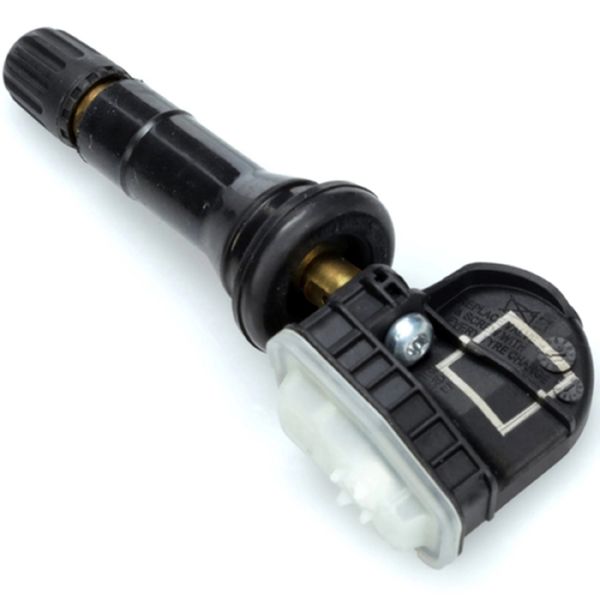
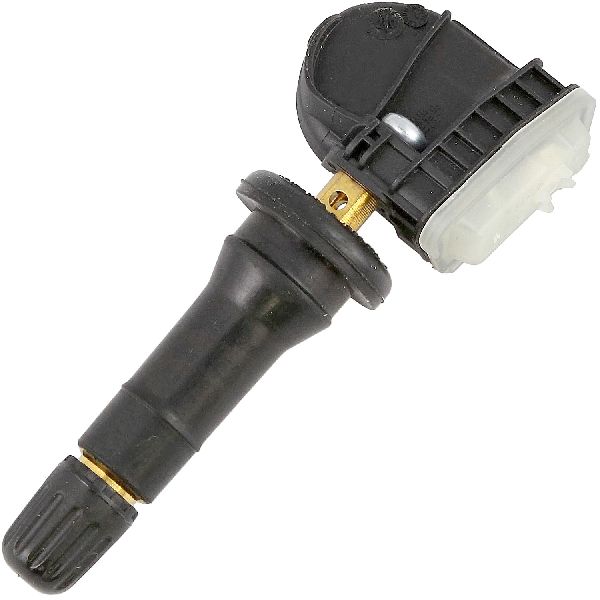
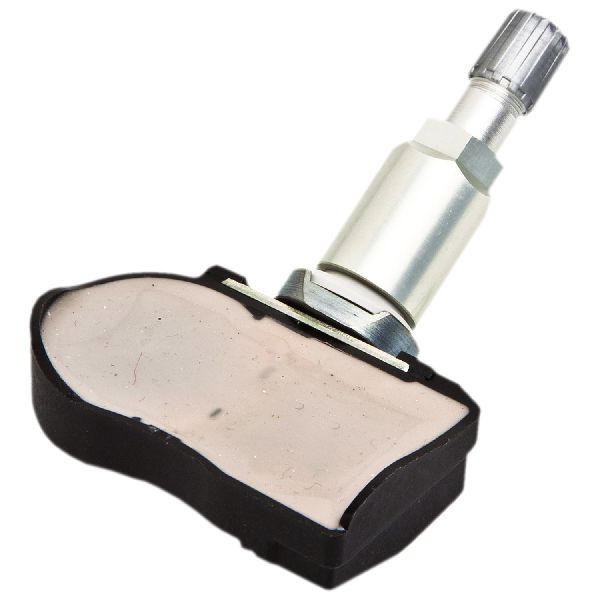
- Failed Left Front TPMS Sensor 🔴 High Probability → Shop Tire Pressure Monitoring System (TPMS) Sensor TPMS sensors contain a non-replaceable battery with a finite lifespan, typically 5-10 years. As the 2013-2020 Encore fleet ages, battery failure is the most common reason for sensor failure.
How to confirm: Use a TPMS diagnostic tool to attempt to activate the sensor. If the tool cannot get a reading from the left front sensor but can from the others, the sensor has failed. If the key fob works perfectly, the sensor is the most likely culprit.
Typical fix: Replace the left front TPMS sensor. The tire must be dismounted, the new sensor installed, and the tire remounted and balanced. A TPMS relearn procedure using a tool like the GM EL-50448 must then be performed. 🎬 See how to replace a TPMS sensor without a tire machine.
Est. part cost: $30-$80 - Failed Remote Control Door Lock Receiver (RCDLR) 🟡 Medium Probability → Shop Keyless Entry Receiver This is a known issue across many GM models from this era, as documented in TSB 16-NA-396. The module itself can fail internally, causing a loss of communication with all TPMS sensors and key fobs.
How to confirm: Check for the presence of other TPMS codes (C0755, C0760, C0765) and test the key fob functions (lock/unlock/remote start). If all TPMS codes are present and the key fob does not work, the RCDLR is the prime suspect. A temporary fix of disconnecting and reconnecting the battery may restore function, further pointing to a failing RCDLR. 🎬 Watch: How a failing receiver affects both TPMS and key fobs.
Typical fix: Replace the RCDLR module and have it programmed by a dealer or a shop with the appropriate GM diagnostic software (SPS). The module is often located in the rear of the vehicle, behind the headliner.
Est. part cost: $30-$120
Rare But Worth Checking
- Radio Frequency (RF) Interference: As detailed in TSB PIC5650C/F, aftermarket electronic devices like phone chargers, dash cams, or even some toll passes can emit RF noise that 'jams' the low-power signals from the TPMS sensors and key fobs. Before replacing parts, unplug all aftermarket accessories to see if the code clears.
- Damaged Sensor from Tire Service: The sensor can be physically damaged during tire mounting or dismounting. This is more likely if the TPMS light appeared immediately after having tire work done.
- Disconnected RCDLR Antenna Coax Cable: TSB 16-NA-061 describes a scenario where the coaxial antenna cable for the RCDLR becomes disconnected, either at the module itself or at the antenna amplifier. This can cause a loss of signal from one or more TPMS sensors and poor key fob range, mimicking a failed module. A visual inspection of the connections is warranted if multiple TPMS codes are present but the fob works at very close range.
Diagnosis Steps
- Scan all vehicle modules for codes. Note if C0750 is alone or with C0755, C0760, and C0765.
- Test all key fob functions (lock, unlock, remote start) from a normal distance. If they are inoperative or have extremely short range, the RCDLR is highly suspect.
- If key fobs are dead, try placing one in the designated transmitter pocket (check owner's manual for location, usually in the center console) and attempt to start the vehicle. If it starts, this strongly points to an RCDLR issue.
- Use a TPMS diagnostic tool to attempt to activate and read the left front sensor directly. Check its reported battery life.
- If the tool cannot read the left front sensor but reads the other three (and the key fob works), the sensor has failed and needs replacement.
- If the tool cannot read any of the sensors and the key fob is also dead, the RCDLR is the most likely cause.
- Unplug all aftermarket accessories (phone chargers, dash cams, etc.) and re-test to eliminate Radio Frequency Interference (RFI) as a cause.
- If symptoms point to the RCDLR, consider a visual inspection of its antenna connection, which is often located near the rear of the headliner, before replacing the module.
Parts You'll Likely Need
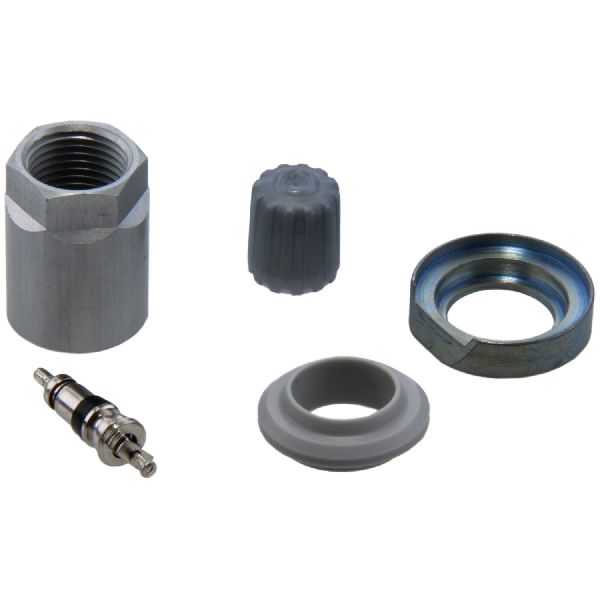
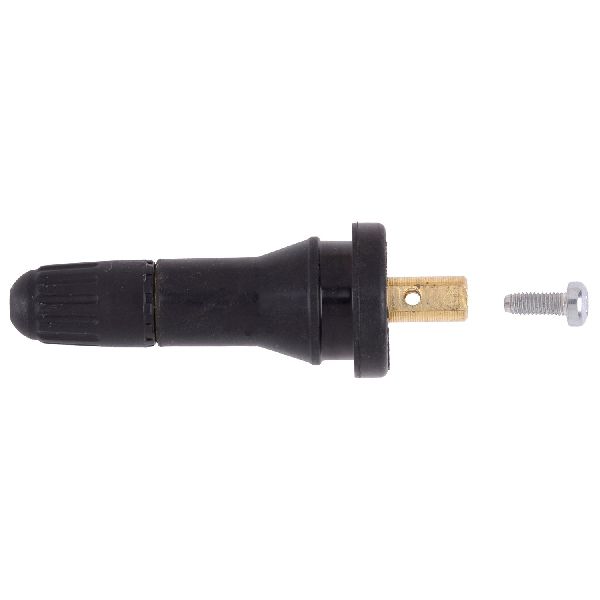
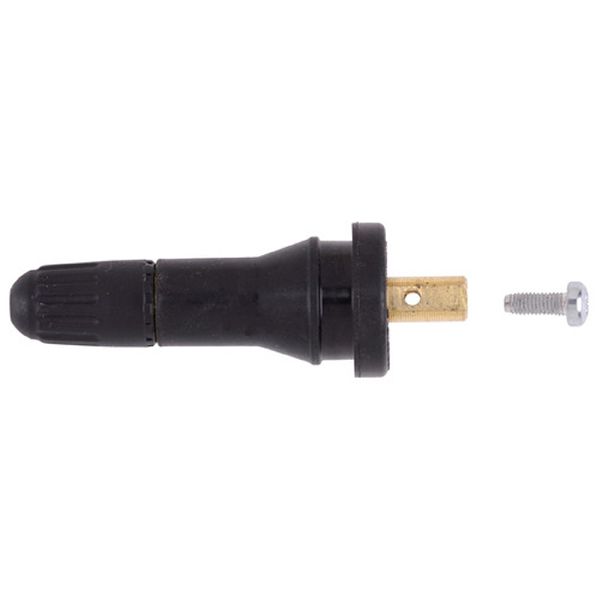
- Tire Pressure Monitoring System (TPMS) Sensor
(OEM #13598771)— This is the most common failure point for a single C0750 code, usually due to an expired internal battery.
Trusted brands: ACDelco (OEM), Schrader (Often the OEM supplier), Continental/VDO, Dorman
OEM price range: $40-$70
Aftermarket price range: $25-$50 - Remote Control Door Lock Receiver (RCDLR)
(OEM #13595511 (Superseded by 13540045))— A known failure point on GM vehicles that causes all TPMS sensors and key fobs to stop communicating, as documented in TSB 16-NA-396.
Trusted brands: ACDelco (GM Genuine)
OEM price range: $50-$120
Aftermarket price range: $30-$80
Related Codes That Often Appear With This One
- C0755 — Right Front TPMS sensor fault. If seen with C0750 and others, it points towards a central receiver (RCDLR) issue.
- C0760 — Left Rear TPMS sensor fault. If seen with C0750 and others, it points towards a central receiver (RCDLR) issue.
- C0765 — Right Rear TPMS sensor fault. If seen with C0750 and others, it points towards a central receiver (RCDLR) issue.
- B3055, B3060, B3935 — These are key and security-related codes. Their presence alongside C0750 reinforces the link to a no-start condition as described in TSB PIC5650M.
Technical Service Bulletins (TSBs) & Recalls
- PIC5650M: Mentions C0750 in relation to intermittent no-start/stall concerns with the security light on, and suggests checking for RFI.
- 16-NA-396: Identifies a faulty Remote Control Door Lock Receiver (RCDLR) as the cause for multiple TPMS codes (including C0750) and inoperative key fobs.
- 16-NA-061: Describes how a disconnected RCDLR antenna can cause TPMS and key fob communication loss.
Platform-Specific Known Issues
- TSB PIC5650M (and its revisions PIC5650C/F) documents a link between this code (and other TPMS codes) and intermittent no-crank, no-start, or stalling conditions, accompanied by the security light. It also suggests checking for RF interference from aftermarket devices.
- TSB 16-NA-396 details a known issue where an internal failure in the Remote Control Door Lock Receiver (RCDLR) causes C0750 along with other TPMS codes and a loss of key fob functionality. The fix is to replace the module.
- TSB 16-NA-061 points to a possible disconnected RCDLR antenna cable as a cause for these symptoms, which should be checked before replacing the module.
Hidden / Shadow Codes Worth Checking
- C0750:29: Too Few Pulses. This is the most common symptom byte, indicating the RCDLR is not receiving the expected number of data packets from the sensor. It is explicitly mentioned in TSB 16-NA-396 as a key indicator of internal RCDLR failure. (see via A professional scan tool like the GM GDS2/Tech2 that can read manufacturer-specific symptom codes.)
- C0750:03: Low Voltage. This indicates the RCDLR has detected that the sensor's battery voltage is low. This points directly to a failing sensor battery rather than an RCDLR fault. (see via A professional scan tool capable of reading GM-specific symptom codes.)
- C0750:39: Internal Malfunction. The sensor has self-reported an internal error. This confirms the sensor itself is faulty. (see via A professional scan tool capable of reading GM-specific symptom codes.)
- C0750:08: Signal Invalid. The RCDLR is receiving a signal, but the data is corrupt or not in the expected format. This can be caused by RF interference or a failing sensor. (see via A professional scan tool capable of reading GM-specific symptom codes.)
Scan Tool Commands That Help
- GM GDS2/Tech2: Module Setup: Remote Control Door Lock Receiver — This function is required after installing a new RCDLR. It initiates the programming and setup process for the new module.
- GM Service Programming System (SPS/SPS2): RCDLR Programming and Setup — After physically installing a new RCDLR, this software (used with a J2534 passthru device) is necessary to download the correct vehicle software to the module and program the key fobs and TPMS sensor IDs.
- GM GDS2/Tech2: Theft Deterrent System Learn — After RCDLR replacement and programming, a 10 or 30-minute security relearn procedure must be performed to sync the new module with the vehicle's immobilizer system, allowing the car to start.
- TPMS Relearn Tool (e.g., EL-50448): TPMS Learn Mode — After replacing a single TPMS sensor or rotating tires, this tool is used to activate each sensor in sequence, allowing the RCDLR to learn their new positions. This is also the final step after programming a new RCDLR.
Wiring & Ground Locations
- RCDLR Module — On the Buick Encore and its platform mate the Chevy Trax, the RCDLR is typically located in the rear of the vehicle, mounted vertically behind the upper rear trim panel or C-pillar trim, not directly under the center of the headliner.. This is the central receiving module for both TPMS and key fob signals. Physical access is required for replacement, and checking its connections is a key diagnostic step.
- RCDLR Ground — The RCDLR is often grounded at a shared body ground point in the rear of the vehicle, sometimes designated as G302, G303, or G304 depending on the specific GM platform, typically located behind interior trim panels near the C or D pillars.. A poor or corroded ground connection at this point can cause intermittent or total failure of the RCDLR, mimicking an internal module fault. Verifying this ground is clean and tight is a critical step before replacing the module.
Real Owner Repair Stories
- cruzetalk.com forum user (platform mate) (2012 Chevrolet Cruze) — TPMS light illuminated with multiple sensor codes (C0750, C0755, etc.), and both key fobs were completely inoperative.
❌ Tried (didn't work) Replacing key fob batteries, Attempting the standard TPMS relearn procedure, which would not initiate
✅ What actually fixed it The owner replaced the Remote Control Door Lock Receiver (RCDLR) module. After installation, the TPMS system began working immediately. A trip to the dealer was then required to program the new RCDLR to the existing key fobs, which fully resolved all symptoms. - Reddit r/MechanicAdvice user (2020 Buick Encore) — Car displays 'no remote detected'. Original key fob stopped working. A new, professionally programmed fob is recognized by the programmer's tool but not by the car.
❌ Tried (didn't work) Replacing the battery in the original fob, Programming a brand new key fob
✅ What actually fixed it The issue was diagnosed by a locksmith as a fault with the car's receiver, not the fob. The recommended fix, though not yet performed by the owner, was to diagnose and likely replace the vehicle's RCDLR module.
OEM Part Supersession History
13595511→13540045— Internal design revision by GM to improve reliability and address the known failure issues.
Heads up: The new part (13540045) is the correct replacement and is fully compatible when programmed correctly. It also supersedes other previous numbers like 13509518 and 13523281.
Model Year Variations Within This Range
- 2017-2020 (Facelift): While the RCDLR function and failure mode remain the same, the location of the key fob transmitter pocket for emergency starting may differ slightly. On some later models, it is a dedicated slot in the front of the center console storage area, rather than the front cupholder.
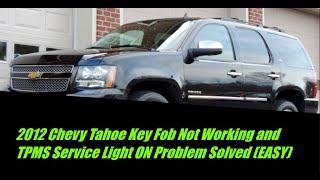
Helpful Videos

We Have This Part in Stock

The information in this article is provided for general reference and educational purposes only. Vehicle specifications, procedures, and part compatibility can vary by production date, trim level, and region. Always consult your vehicle's factory service manual and verify part numbers before purchasing or performing repairs. Safety-critical components such as airbags, seat belts, and braking systems should be installed by a qualified professional.
- Buick ENCORE:
- 🧭 Diagnostic Flowchart
- 🎬 Helpful Videos
- 🛍️ Shop This Part
- What's Unique About the 2013-2020 Buick ENCORE
- Symptoms You May Notice
- Most Likely Causes
- Rare But Worth Checking
- Diagnosis Steps
- Parts You'll Likely Need
- Related Codes That Often Appear With This One
- Technical Service Bulletins (TSBs) & Recalls
- Platform-Specific Known Issues
- Hidden / Shadow Codes Worth Checking
- Scan Tool Commands That Help
- Wiring & Ground Locations
- Real Owner Repair Stories
- OEM Part Supersession History
- Model Year Variations Within This Range
- 🎟️ Get 5% Off