

C0750 on 2007-2014 Buick LaCrosse: TPMS Fault, No-Start, and Fixes
On a 2007-2014 Buick LaCrosse, code C0750 indicates a communication failure with the left front tire pressure (TPMS) sensor. This can be caused by a dead sensor battery or a faulty receiver module (RCDLR). Surprisingly, a bad RCDLR, typically located in the rear headliner area, can also prevent the car from starting and cause key fob issues.
- C0750 means the left front TPMS sensor is not communicating with the car.
- The most common cause is a dead battery in the sensor itself, which is expected for a vehicle of this age.
- If your key fob is also not working, the problem is very likely the Remote Control Door Lock Receiver (RCDLR) module, not the sensor.
- A faulty RCDLR can prevent your LaCrosse from starting, so do not ignore this code.
- Replacing the RCDLR requires professional programming to sync it with your vehicle.
What's Unique About the 2007-2014 Buick LACROSSE
The Buick LaCrosse from this era, along with many other GM vehicles on the Epsilon II platform, uses a single module, the Remote Control Door Lock Receiver (RCDLR), to process signals from both the TPMS sensors and the key fobs. A failure within this specific module can therefore cause a cascade of seemingly unrelated issues. It can simultaneously trigger TPMS codes like C0750 and prevent the immobilizer system from recognizing the key, resulting in a 'No Remote Detected' message or a no-start condition—a scenario that often misleads owners into thinking the issue is with the battery or starter.
Diagnostic Flowchart
Tap your situation to follow the diagnostic path that matches what you're seeing on this vehicle.
Generation note: This range covers the end of the first generation (2007-2009) and the beginning of the second generation (2010-2014) LaCrosse. The underlying TPMS and RCDLR architecture is similar, and both generations are susceptible to these issues. The no-start problem linked to the RCDLR is a known issue across many GM models from this period built on the Epsilon and Epsilon II platforms.
Symptoms You May Notice
- Service Tire Monitor System message on the dashboard
- TPMS warning light is flashing or stays on solid
- Tire pressure reading for the left front tire shows dashes (--) or is missing
- Intermittent no-crank or no-start condition
- Security light illuminated on the dash
- Key fob functions (lock/unlock/remote start) may work intermittently or not at all
- "No Remote Detected" message on the Driver Information Center (DIC)
- Replacing the car battery when a no-start occurs, without checking for TPMS or security-related codes.
- Replacing the key fob battery when the RCDLR is the actual point of failure. 🎬 Watch this quick guide to replacing your key fob battery.
- Replacing all four TPMS sensors when only one is bad or when the RCDLR or its antenna wiring is the root cause.
Most Likely Causes
- Failed Left Front TPMS Sensor 🔴 High Probability → Shop Tire Pressure Monitoring System (TPMS) Sensor TPMS sensors contain non-replaceable batteries that have a finite lifespan, typically 7-10 years. For a 2007-2014 vehicle, battery failure is highly likely.
How to confirm: Use a TPMS activation tool to attempt to read the sensor's signal, battery status, and pressure. If the tool cannot get a response from the left front sensor but can from the others, the sensor has failed. A flashing TPMS light that eventually stays solid after startup often indicates a sensor or system fault rather than just low pressure.
Typical fix: Replace the left front TPMS sensor and perform the TPMS relearn procedure using the vehicle's DIC or a TPMS tool.
Est. part cost: $30-$70 - Faulty Remote Control Door Lock Receiver (RCDLR) 🟡 Medium Probability → Shop Keyless Entry Receiver This module is a documented weak point on this GM platform, as cited in TSB 16-NA-396. Internal failure can disrupt communication with all TPMS sensors and the key fobs.
How to confirm: Check for codes C0750, C0755, C0760, and C0765 appearing together, especially with a symptom byte of ':29 – Too Few Pulses'. Also, test the key fob functions; if they are inoperative along with the TPMS light, the RCDLR is the most likely cause. Some technicians note that pressing the start button with a known good fob in the car may produce only a single click from the RCDLR area instead of a series of clicks, indicating internal failure.
Typical fix: Replace the RCDLR module, which is typically located above the rear headliner. This new module must be programmed to the vehicle by a dealer or a properly equipped independent shop.
Est. part cost: $50-$120
Rare But Worth Checking
- RCDLR Antenna Wiring or Connector Issue: Per GM TSB 16-NA-061, the coax antenna cable leading to the RCDLR can become disconnected or damaged. A disconnect at the RCDLR itself will cause all TPMS sensors to stop reporting. A disconnect further away at the antenna amplifier module may only cause the furthest sensors (like the left front) to drop out intermittently. This should be inspected before replacing the module.
- Radio Frequency (RF) Interference: Aftermarket electronic devices like dash cams, phone chargers, or even other RFID cards on the same keychain can sometimes interfere with the low-power signals from the TPMS sensors or the key fob. TSB PIC5650 repeatedly warns about this possibility. Try operating the vehicle with all aftermarket electronics unplugged.
Diagnosis Steps
- Scan for all DTCs in the Body Control Module (BCM) and RCDLR. Note if C0750 is alone or present with C0755, C0760, and C0765. Check for a ':29' symptom byte, which strongly points to the RCDLR.
- Test all key fob functions (lock, unlock, remote start). If they are dead or have very poor range, and the TPMS light is on, the RCDLR system is highly suspect.
- Using a TPMS diagnostic tool, attempt to activate and read the left front sensor. If it fails to respond, the sensor itself is likely dead.
- If the sensor responds to the tool but the code persists, the issue is more likely with the RCDLR's ability to receive the signal.
- If all four TPMS codes are present, suspect a global failure. Inspect the RCDLR antenna connections in the rear of the vehicle, checking the coax cable at the module itself and at the antenna amplifier, per TSB 16-NA-061.
- Consider RF interference. Remove any aftermarket chargers, dash cams, or extra RFID cards from the vehicle and see if the problem resolves.
- If the RCDLR is suspected, confirm its location (typically above the rear headliner) and inspect its wiring and connectors for visible damage or corrosion. Before replacing the module, verify battery voltage and ground at the RCDLR connector. The module is often grounded at G103, located on the cowl above the brake booster.
- If the RCDLR is replaced, it will require programming to the vehicle with a GM-specific scan tool (GDS2) or equivalent professional tool.
Parts You'll Likely Need
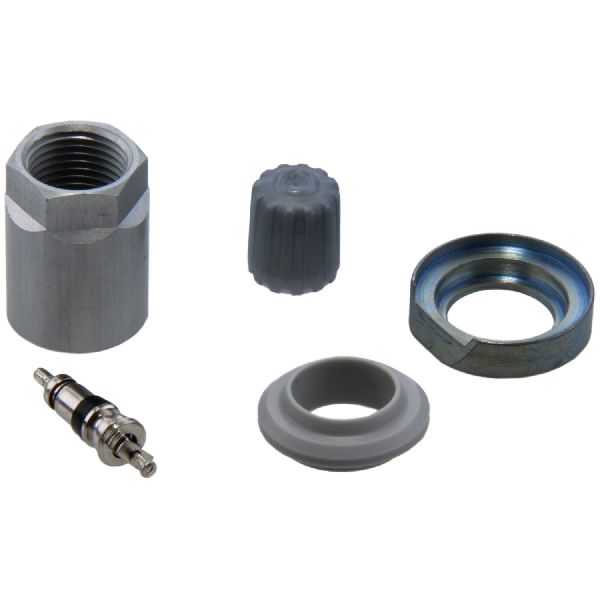
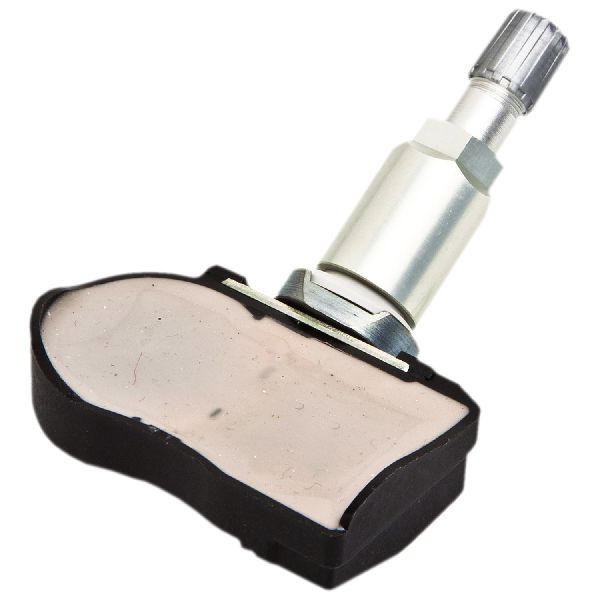
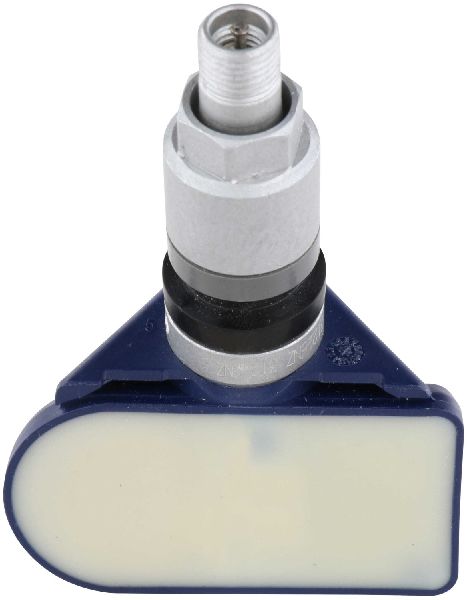
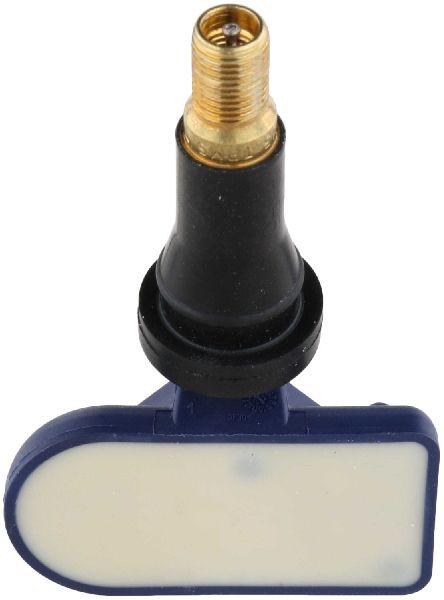
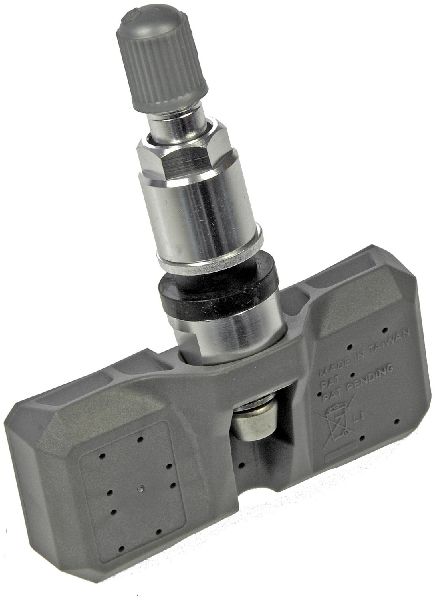
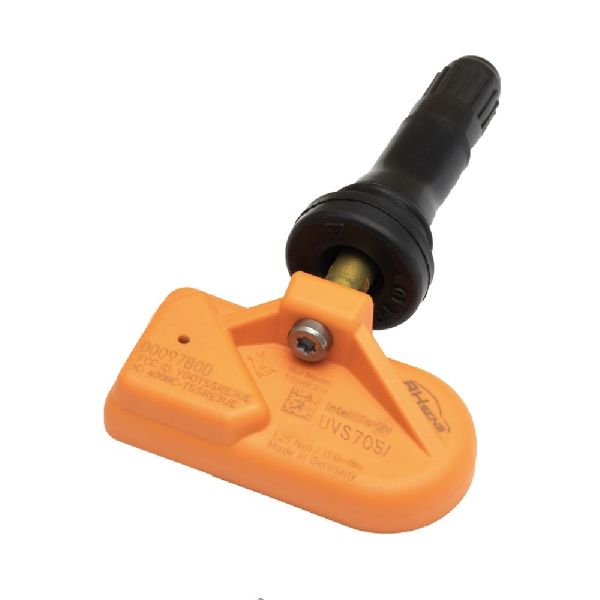
- Tire Pressure Monitoring System (TPMS) Sensor
(OEM #86363052 (supersedes 13540601, 13598772, 22854866, and others))— This is the most common failure point. 🎬 See how to replace a TPMS sensor without a tire changer. The internal battery dies after 7-10 years, causing a loss of signal.
Trusted brands: ACDelco, Schrader, Dorman, Denso
OEM price range: $50-$70
Aftermarket price range: $25-$50 - Remote Control Door Lock Receiver (RCDLR)
(OEM #13540045 (supersedes 13595511))— This module is the central receiver for TPMS and key fob signals. Internal failure is a known issue that causes TPMS codes and often key fob/starting problems, as documented in TSB 16-NA-396.
Trusted brands: ACDelco
OEM price range: $50-$120
Aftermarket price range: $40-$90
Related Codes That Often Appear With This One
- C0755 — Indicates a fault with the Right Front TPMS sensor. Often appears with other TPMS codes when the RCDLR module or its antenna fails.
- C0760 — Indicates a fault with the Right Rear TPMS sensor. Often appears with other TPMS codes when the RCDLR module or its antenna fails.
- C0765 — Indicates a fault with the Left Rear TPMS sensor. Often appears with other TPMS codes when the RCDLR module or its antenna fails.
- B3055 — Relates to a problem with the key transponder data. This can be set when the RCDLR fails, causing a no-start condition, as mentioned in TSB PIC5650M.
Technical Service Bulletins (TSBs) & Recalls
- PIC5650M: Mentions C0750 in conjunction with intermittent no-start or stalling issues and the security light, pointing to a link between the TPMS/RCDLR system and vehicle security. Also warns of RF interference from aftermarket devices.
- 16-NA-396: Details the failure of the RCDLR causing multiple TPMS codes (C0750, C0755, C0760, C0765) with symptom byte :29, plus inoperative key fobs and a 'No Remote Detected' message. Recommends RCDLR replacement.
- 16-NA-061: Describes how a disconnected RCDLR antenna coax cable can cause the exact same symptoms, providing a crucial diagnostic path before component replacement.
Platform-Specific Known Issues
- A known issue documented in TSB PIC5650M links C0750 (and other TPMS codes) directly to intermittent no-crank, no-start, or start-and-stall conditions accompanied by the security light.
- Failure of the RCDLR module is common enough that GM issued TSB 16-NA-396 for many models, outlining symptoms like inoperative key fobs and multiple TPMS codes, which points to a design-related weakness.
- Per TSB 16-NA-061, the antenna system for the RCDLR can become disconnected, leading to a loss of signal from one or more TPMS sensors and poor key fob range. This is a diagnostic step that should be performed before replacing the module itself.
Mechanic-Grade Diagnostic Values
- CAN Bus Voltage (at DLC) — expected: CAN High (e.g., Pin 6): ~2.6V +/- 0.1V. CAN Low (e.g., Pin 14): ~2.3V +/- 0.1V. (Key On, Engine Off).. Failure: No voltage, fluctuating voltage, or voltage out of range can indicate a short in the harness or a faulty module on the network.
Hidden / Shadow Codes Worth Checking
- C0750 with symptom byte :29: Translates to 'Too Few Pulses'. This is a hallmark indicator of an internal RCDLR failure where it is not receiving the expected number of data packets from the sensor, as noted in TSB 16-NA-396. (see via GM GDS2 or a high-end professional scan tool capable of reading manufacturer-specific symptom bytes.)
- C0750 with symptom byte :03: Indicates 'Low Voltage'. This could point to a failing battery within the TPMS sensor itself. (see via GM GDS2 or a high-end professional scan tool.)
- C0750 with symptom byte :39: Indicates 'Internal Malfunction'. This points directly to a fault within the TPMS sensor hardware. (see via GM GDS2 or a high-end professional scan tool.)
Scan Tool Commands That Help
- GDS2 / Tech2: Remote Control Door Lock Receiver Replacement — This is the main setup function required after physically replacing the RCDLR module. It 'marries' the new module to the vehicle's BCM and other systems.
- GDS2 / Tech2: Theft Deterrent System Learn — This procedure must be run after the RCDLR setup. It's a 10 or 30-minute automated process that synchronizes the immobilizer system with the newly installed RCDLR.
- GDS2 / Tech2 or DIC: TPM Sensor Learn — This is the final step after RCDLR replacement or when replacing a TPMS sensor. It can be initiated from the scan tool or the Driver Information Center (DIC), then completed by activating each sensor in sequence (LF, RF, RR, LR) with a TPMS tool or by letting air out of the tires.
- GDS2: Add or Replace Key Fobs — Used to program new or existing key fobs to the new RCDLR module after it has been set up and learned to the vehicle.
Wiring & Ground Locations
- G103 — On the cowl in the engine compartment, above the brake booster. Applies primarily to the first-generation (2007-2009) platform.. This is a critical ground point that serves the Remote Control Door Lock Receiver (RCDLR) and the Body Control Module (BCM). A corroded or loose connection here can cause the RCDLR to lose power or function intermittently, mimicking an internal module failure.
- RCDLR Power Wire (Red/White) — Runs from the instrument panel fuse block, down the driver's side A-pillar, and along the door sill harness toward the rear of the vehicle.. On similar GM platforms, this power wire has been found broken inside the harness near the driver's seat belt retractor area (B-pillar). This causes a complete loss of communication with the RCDLR, setting TPMS codes and disabling key fobs. A visual inspection of the wire may not show damage; a voltage check at the RCDLR connector is required for confirmation.
- RCDLR Module Location — For the second-generation (2010-2014), the RCDLR module is located above the headliner, near the center rear. Access requires carefully lowering the rear portion of the headliner.. Physical access is required to test the connector for power/ground and to replace the module. Knowing its location prevents unnecessary disassembly of other interior panels.
Real Owner Repair Stories
- Wires 2 Wrenches YouTube Channel (2008 Chevrolet Silverado (similar GM electrical architecture)) — Intermittent no-start, erratic Driver Information Center (DIC) messages, and 'Service TPMS' warning. Key fobs did not work.
❌ Tried (didn't work) Replacing an aftermarket radio, thinking it was causing CAN bus interference.
✅ What actually fixed it The technician isolated the problem to the fuse for the RCDLR (labeled 'DSM'). After removing the RCDLR module, he found visible corrosion on the circuit board around a transistor and a capacitor. Cleaning the corrosion from the board with a pick and electronic cleaner restored full function to the module, resolving all symptoms.
OEM Part Supersession History
13595511, 13509518, 13523281→13540045— Standard part evolution for improved reliability or manufacturing changes.
Heads up: No known incompatibilities when using the latest part number (13540045) to replace the older versions. However, the new module always requires programming to the vehicle using GDS2.
Model Year Variations Within This Range
- 2007-2009 (First Generation): These models are on the W-body platform. They use a traditional ignition key with the Pass-Key III+ security system. The RCDLR is primarily grounded at G103 on the engine bay cowl. The key fobs are a different style (e.g., KOBGT04A) than later models.
- 2010-2014 (Second Generation): These models are on the Epsilon II platform and introduced optional keyless push-to-start. The RCDLR is more deeply integrated with the passive entry and security systems. The module is located above the rear headliner. If the key fob battery dies, the vehicle must be started by placing the fob in a dedicated transmitter pocket inside the center console. Key programming procedures also differ significantly, especially for push-to-start models.
Helpful Videos
We Have This Part in Stock

The information in this article is provided for general reference and educational purposes only. Vehicle specifications, procedures, and part compatibility can vary by production date, trim level, and region. Always consult your vehicle's factory service manual and verify part numbers before purchasing or performing repairs. Safety-critical components such as airbags, seat belts, and braking systems should be installed by a qualified professional.
- Buick LACROSSE:
- 🧭 Diagnostic Flowchart
- 🎬 Helpful Videos
- 🛍️ Shop This Part
- What's Unique About the 2007-2014 Buick LACROSSE
- Symptoms You May Notice
- Most Likely Causes
- Rare But Worth Checking
- Diagnosis Steps
- Parts You'll Likely Need
- Related Codes That Often Appear With This One
- Technical Service Bulletins (TSBs) & Recalls
- Platform-Specific Known Issues
- Mechanic-Grade Diagnostic Values
- Hidden / Shadow Codes Worth Checking
- Scan Tool Commands That Help
- Wiring & Ground Locations
- Real Owner Repair Stories
- OEM Part Supersession History
- Model Year Variations Within This Range
- 🎟️ Get 5% Off