

C0750 on 2015-2019 Buick LaCrosse: TPMS and Key Fob Problems, Causes, and Fixes
On a 2015-2019 Buick LaCrosse, code C0750, especially when paired with key fob issues, almost always points to a failed Remote Control Door Lock Receiver (RCDLR). If only the TPMS light is on, the left front tire pressure sensor may be the cause. Expect to pay $150-$450 for a professional RCDLR replacement.
- Before buying any parts, test your key fob. If it doesn't work, the problem is almost certainly the Remote Control Door Lock Receiver (RCDLR), not the tire sensor.
- If your key fob works fine, the problem is most likely a bad TPMS sensor in the left front tire, which has a battery that has died.
- This is not a simple DIY fix. Replacing either the RCDLR or a TPMS sensor requires special tools for programming and relearning procedures.
- The issue is well-documented by GM in TSB #16-NA-396, which points to a faulty RCDLR as the root cause when TPMS and key fob problems occur together.
What's Unique About the 2015-2019 Buick LACROSSE
The key issue for the 2015-2019 Buick LaCrosse is the integration of TPMS and keyless entry functions into a single module called the Remote Control Door Lock Receiver (RCDLR). A common internal failure in this specific module can cause both the TPMS warning light to illuminate and all key fobs to stop working simultaneously. This leads to a confusing set of symptoms where a tire pressure code is accompanied by problems with locking, unlocking, and remote starting the vehicle, a situation documented in GM Technical Service Bulletin #16-NA-396.
🎬 Watch this video to see these dual symptoms diagnosed on a GM vehicle.Diagnostic Flowchart
Tap your situation to follow the diagnostic path that matches what you're seeing on this vehicle.
Generation note: This year range covers two generations of the Buick LaCrosse: the end of the second generation (2015-2016, on the Epsilon II platform) and the third generation (2017-2019, on the E2XX platform). The core issue with the RCDLR module is common across many GM vehicles of this era, including both LaCrosse generations. However, specific part numbers for the RCDLR and TPMS sensors may differ, so always verify with the vehicle's VIN.
Symptoms You May Notice
- Tire pressure monitor indicator illuminated on the dash.
- Key fob inoperative (lock, unlock, remote start, and panic functions fail to work).
- "Service Tire Monitor System" message on the Driver Information Center (DIC).
- "No Remote Detected" message on the DIC, potentially leading to a no-start condition.
- The security light may be illuminated on the instrument cluster. [TSB #PIC5650M]
- Reduced key fob range before complete failure.
- Replacing all four TPMS sensors when the actual fault is the RCDLR. This is a costly mistake, as the symptoms will persist after the new sensors are installed.
- Replacing the key fob battery when the RCDLR has failed. 🎬 Watch: How to properly replace your Buick LaCrosse key fob battery. While a dead fob battery is a common issue, it will not cause a TPMS light or code C0750.
Most Likely Causes
- Faulty Remote Control Door Lock Receiver (RCDLR) 🔴 High Probability → Shop Keyless Entry Receiver This is a well-documented weak point on this GM platform, as cited in TSB #16-NA-396. The module handles signals for both the TPMS and key fobs, and internal failure is common.
How to confirm: Check for the simultaneous failure of TPMS (often with codes C0750, C0755, C0760, C0765) and all key fob functions. If both systems fail together, the RCDLR is the prime suspect. A temporary fix, like pulling the fuse for the RCDLR, may restore function and further point to a failing module.
Typical fix: Replace the RCDLR module and have it programmed by a dealer or a properly-equipped independent shop. The module is typically located behind the rear seat back or side trim panel.
Est. part cost: $80-$170 - Failed Left Front Tire Pressure Sensor (TPMS) 🟡 Medium Probability TPMS sensors have a finite battery life, typically lasting 7-10 years. Vehicles in this year range are reaching the age where original sensor batteries are beginning to fail.
How to confirm: If the key fob works correctly but code C0750 is present alone, the issue is likely the sensor itself. Use a TPMS diagnostic tool to attempt to read the sensor. If it fails to respond while other sensors do, it has failed.
Typical fix: Replace the sensor in the left front wheel. This requires dismounting the tire, installing the new sensor, remounting/balancing the tire, and performing a TPMS relearn procedure. 🎬 See how to perform a TPMS sensor reset and relearn procedure.
Est. part cost: $25-$70 - Low Vehicle Battery / Electrical Issues ⚪ Low Probability
How to confirm: Test the main 12V vehicle battery. A voltage below 12.4V at rest indicates a weak battery that can cause communication errors between modules. After a battery disconnect, TPMS readings may show as dashes until the vehicle is driven for a period.
Typical fix: Charge or replace the 12V vehicle battery.
Est. part cost: $150-$300
Rare But Worth Checking
- RCDLR Antenna Connection Issue:
Diagnosis Steps
- Verify the symptoms. Check if the TPMS light is on and test all functions of the key fob (lock, unlock, remote start). Note any "Service Tire Monitor System" or "No Remote Detected" messages.
- Scan the vehicle for all Diagnostic Trouble Codes (DTCs) in the Body Control Module (BCM) and RCDLR. Note if C0750 is present alone or with C0755, C0760, and C0765.
- If key fob functions are dead AND multiple TPMS codes are present (especially with symptom :29), the RCDLR is the most likely cause. Refer to TSB #16-NA-396.
- If key fob functions work correctly and only C0750 is present, the Left Front TPMS sensor is the most likely cause.
- Use a TPMS diagnostic tool to attempt to activate and read the data from the left front sensor. If the tool cannot get a reading, the sensor has failed (likely a dead battery).
- If the sensor reads correctly with a tool but the code persists, inspect the wiring and connectors to the RCDLR, paying close attention to the coaxial antenna connection as described in TSB 16-NA-061.
- If a no-start condition exists, attempt to start the vehicle by placing the key fob in the designated transmitter pocket, which is located in the center console for this model.
- If replacing the RCDLR or TPMS sensor, a programming/relearn procedure is required.
Parts You'll Likely Need
- Remote Control Door Lock Receiver (RCDLR)
(OEM #13598039)— This module is the most common point of failure when both TPMS and key fob issues are present, as documented in TSB #16-NA-396. Part number 13598039 is specified for the 2014-2016 LaCrosse and supersedes older numbers like 13583559 and 23466363. Always verify the correct part for 2017+ models with a VIN.
Trusted brands: ACDelco, GM Genuine
OEM price range: $80-$170
Aftermarket price range: $60-$120 - Tire Pressure Monitoring System (TPMS) Sensor
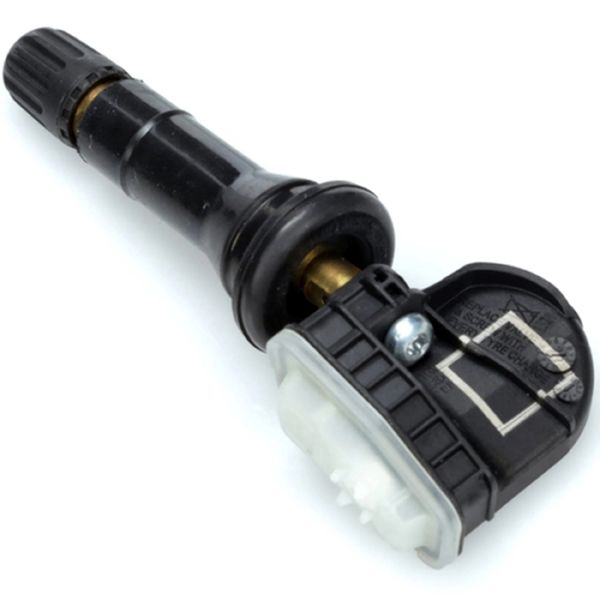
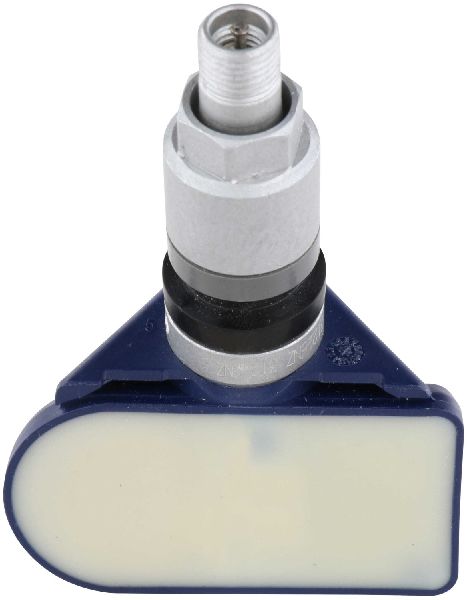
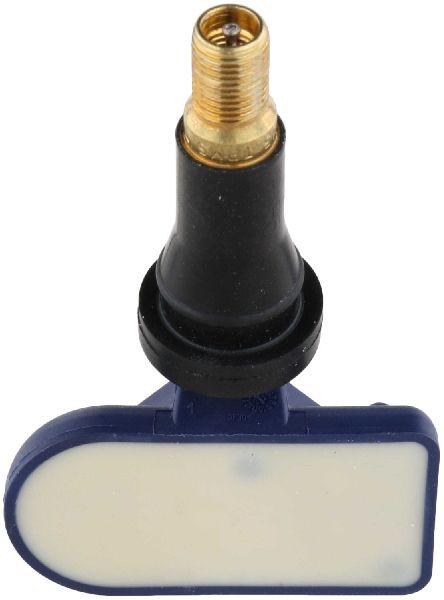
(OEM #13598771)— If only the C0750 code is present and the key fob works, the sensor itself has likely failed due to an exhausted battery or internal fault.
Trusted brands: ACDelco, Bosch, Schrader
OEM price range: $50-$70
Aftermarket price range: $25-$50
Related Codes That Often Appear With This One
- C0755 — This code indicates a fault with the Right Front TPMS sensor. It often appears with C0750 when the RCDLR fails, as the receiver loses communication with multiple sensors at once.
- C0760 — This code indicates a fault with the Left Rear TPMS sensor. It often appears with C0750 when the RCDLR fails.
- C0765 — This code indicates a fault with the Right Rear TPMS sensor. It often appears with C0750 when the RCDLR fails.
- B3055 — This is a key-related code. TSB #PIC5650M links it with C0750 in cases of intermittent no-start conditions, pointing to a wider security/immobilizer system fault.
Technical Service Bulletins (TSBs) & Recalls
- 16-NA-396: Intermittent Operation of Key Fobs, Door Unlock Inoperative “No Remote Detected” Message with Possible TPM MIL. This TSB identifies a faulty RCDLR as the cause for simultaneous TPMS and key fob failure.
- PIC5650M: Intermittent no crank, no start, or start stall concern with the security light coming on. This TSB links C0750 to broader starting and security issues.
- 16-NA-061 / PIT5446A: Service Tire Monitor System/ Tire Pressures Display Dashes/ RKE Short Range/ No Fob Detected Message. This TSB points to a disconnected RCDLR antenna as a possible cause.
Platform-Specific Known Issues
- TSB #16-NA-396 directly addresses the condition where an internal failure in the Remote Control Door Lock Receiver causes code C0750 (along with C0755, C0760, C0765) and a total loss of key fob functionality. The official fix is to replace the RCDLR module.
- TSB #PIC5650M notes that C0750 can be found in conjunction with intermittent no-crank or start-stall concerns, indicating a more complex electrical or security system issue.
- TSB #16-NA-061 and PIT5446A provide an alternative diagnosis path: a disconnected RCDLR antenna. Before replacing the module, technicians are advised to check the coaxial cable connections at the module, amplifier, and rear glass antenna, as a simple disconnect can mimic a failed module.
Mechanic-Grade Diagnostic Values
- TPMS Sensor Operating Frequency (2015-2016 Models) — expected: 315 MHz. Failure: Using a sensor with the wrong frequency (e.g., 433 MHz) will result in a complete failure to learn or communicate.
- TPMS Sensor Operating Frequency (2017-2019 Models) — expected: 433 MHz. Failure: Using a sensor with the wrong frequency (e.g., 315 MHz) will result in a complete failure to learn or communicate.
Hidden / Shadow Codes Worth Checking
- C0750:29: Too Few Pulses. This is the most common symptom byte when the RCDLR module fails internally, as it stops receiving the expected signal from the TPMS sensor. This is explicitly mentioned in TSB 16-NA-396. (see via GM GDS2 or a professional scan tool capable of reading manufacturer-specific symptom bytes.)
- C0750:03: Low Voltage. This indicates a voltage supply issue to the sensor circuit, which could be a wiring problem or an internal sensor fault. (see via GM GDS2 or a professional scan tool capable of reading manufacturer-specific symptom bytes.)
- C0750:39: Internal Malfunction. This points directly to a failure within the TPMS sensor itself, such as a dead battery or failed pressure transducer. (see via GM GDS2 or a professional scan tool capable of reading manufacturer-specific symptom bytes.)
Scan Tool Commands That Help
- GM GDS2 / Tech2: Remote Control Door Lock Receiver Replacement — This is the main service function required after physically replacing the RCDLR. It initiates the setup and learning process for the new module.
- GM GDS2 / Tech2: Add/Replace Key Fobs — After installing a new RCDLR, this function must be used to program the existing (or new) key fobs to the new module. The vehicle will not recognize any fobs until this is done.
- GM GDS2 / Tech2 with SPS: Module Setup / Programming — When a new RCDLR is installed, it must be 'married' to the vehicle's BCM and VIN using the Service Programming System (SPS). Aftermarket tools may fail at this step, preventing the fobs from working even if they appear to program correctly.
- TPMS Relearn Tool (e.g., EL-50448): TPMS Relearn Procedure — After replacing the RCDLR or any TPMS sensor, the vehicle must be put into learn mode, and this tool is used to activate each sensor in sequence to register their position with the RCDLR.
Wiring & Ground Locations
- RCDLR Module — Typically located behind the rear seat back or in the rear quarter panel area, often on the driver's side.. This is the central receiving unit for both the TPMS sensors and key fobs. All related wiring and antenna connections terminate here.
- RCDLR Coaxial Antenna System — Consists of a coaxial cable running from the RCDLR module to an antenna amplifier, which then connects to the antenna grid in the rear window glass.. TSB 16-NA-061 highlights that a disconnection at the module, the amplifier, or the glass can cause C0750 and mimic a failed RCDLR. Checking these three connection points is a critical diagnostic step before replacing the module.
- G3xx Series Ground — GM grounds in the '300' series are located in the rear seat area or underbody nearby. A specific ground (e.g., G303, G304) serves the rear electronics.. Since the RCDLR is in the rear of the vehicle, a loose or corroded G3xx-series ground point could cause intermittent power or communication issues for the module, leading to TPMS and key fob faults.
Real Owner Repair Stories
- Reddit user on r/MechanicAdvice (2014 Buick Enclave (similar GM platform)) — Replaced a faulty RCDLR. Key fobs would not work after replacement.
❌ Tried (didn't work) Using a high-end aftermarket scan tool (MaxiSys) to program the new key fobs. The tool indicated the fobs were programmed successfully, but they still would not operate the vehicle's locks.
✅ What actually fixed it The user discovered that the new RCDLR module must be 'married' to the car's main computer using official GM dealer software (GDS2 with SPS). The aftermarket tool could not perform this final, critical setup step. - YouTube channel DanielJaegerFilms (2015 Chevrolet Cruze (similar GM platform)) — Service Tire Monitor System light was on. Rear TPMS sensors would learn, but front sensors would not. Key fob was completely inoperative unless held directly next to the rear C-pillar.
❌ Tried (didn't work) Attempting a standard TPMS relearn procedure.
✅ What actually fixed it The technician diagnosed a failed Remote Control Door Lock Receiver (RCDLR). The fact that the fob worked only when held inches from the module's location was the definitive clue that the receiver's sensitivity had failed, which also prevented it from picking up signals from the distant front TPMS sensors.
OEM Part Supersession History
13583559, 22972675, 23466363→13598039— Standard part revision and consolidation by the manufacturer.
Heads up: This part number series is primarily for the 2014-2016 LaCrosse. It is likely incompatible with 2017+ models which use a different TPMS frequency and key fob design.
Model Year Variations Within This Range
- 2015-2016 (Gen 2): These models use 315 MHz TPMS sensors. The RCDLR is typically part number 13598039 or its predecessors. The emergency key fob slot is located in the bottom of the center console armrest storage bin.
- 2017-2019 (Gen 3): These models use 433 MHz TPMS sensors and a different key fob design (e.g., P/N 13508414, FCC ID HYQ4EA). This requires a different, corresponding RCDLR. The emergency key fob slot is inside the main center console storage area, under a removable top tray.
Helpful Videos
![[HOW TO] Reset Tire Pressure Monitoring Sensors (TPMS) on 2015-2022 on GM Vehicles (Colorado/Canyon)](https://img.youtube.com/vi/Z-GOeyDAkfs/mqdefault.jpg)
We Have This Part in Stock
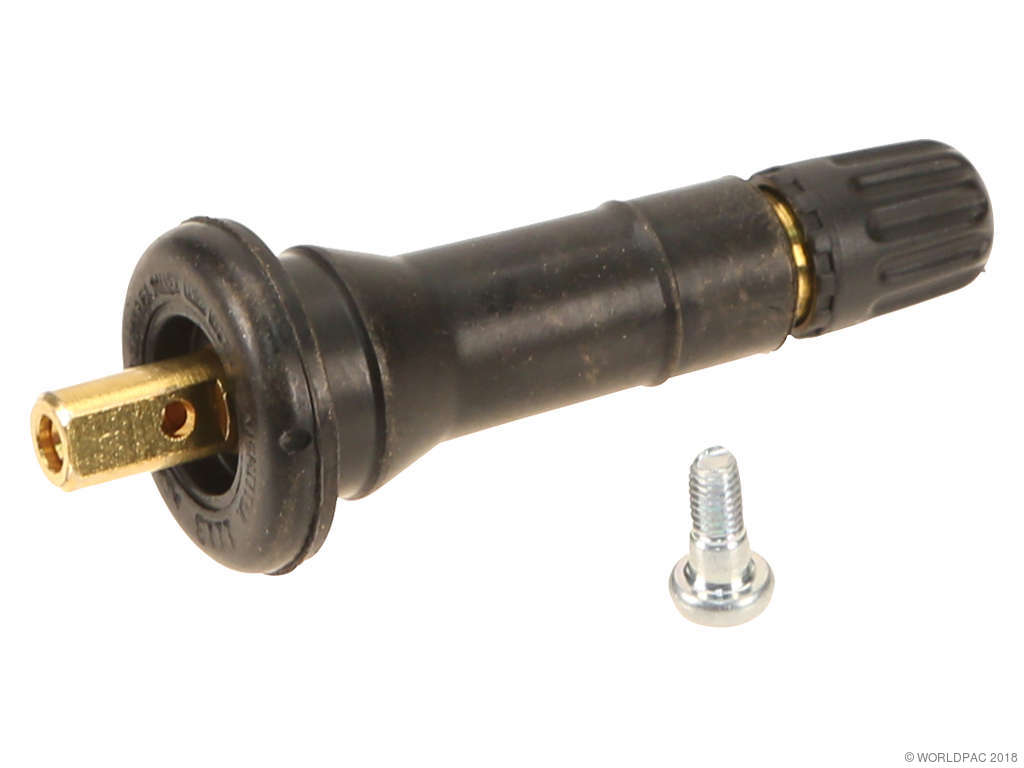

The information in this article is provided for general reference and educational purposes only. Vehicle specifications, procedures, and part compatibility can vary by production date, trim level, and region. Always consult your vehicle's factory service manual and verify part numbers before purchasing or performing repairs. Safety-critical components such as airbags, seat belts, and braking systems should be installed by a qualified professional.
- Buick LACROSSE:
- 🧭 Diagnostic Flowchart
- 🎬 Helpful Videos
- 🛍️ Shop This Part
- What's Unique About the 2015-2019 Buick LACROSSE
- Symptoms You May Notice
- Most Likely Causes
- Rare But Worth Checking
- Diagnosis Steps
- Parts You'll Likely Need
- Related Codes That Often Appear With This One
- Technical Service Bulletins (TSBs) & Recalls
- Platform-Specific Known Issues
- Mechanic-Grade Diagnostic Values
- Hidden / Shadow Codes Worth Checking
- Scan Tool Commands That Help
- Wiring & Ground Locations
- Real Owner Repair Stories
- OEM Part Supersession History
- Model Year Variations Within This Range
- 🎟️ Get 5% Off