

C0750 on 2015-2022 Cadillac Escalade ESV: TPMS Fault Causes and Fixes
Code C0750 on a Cadillac Escalade ESV indicates a problem with the left front tire pressure sensor. The most common cause is a dead sensor battery, requiring sensor replacement. However, a known issue documented in TSB #PIT5446A and #16-NA-061 points to a faulty Remote Control Door Lock Receiver (RCDLR) or its antenna, which can mimic a bad sensor. Diagnosis is key before replacing parts, as checking the RCDLR antenna connections is a common fix.
- C0750 specifically identifies a signal fault from the left front TPMS sensor.
- The most common fix is replacing the sensor itself due to a dead internal battery.
- Before replacing the sensor, check for other TPMS codes or key fob problems. If present, the issue is likely the Remote Control Door Lock Receiver (RCDLR) or its antenna, per GM service bulletins.
- Diagnosing this code correctly requires a TPMS activation tool to test the sensor independently.
- Radio interference from aftermarket chargers can sometimes trigger this code; try unplugging all accessories as a first step.
What's Unique About the 2015-2022 Cadillac ESCALADE ESV
On these K2XX platform Escalade models, the TPMS sensors do not communicate directly with the main computer. Instead, they send radio frequency (RF) signals to the Remote Control Door Lock Receiver (RCDLR), the same module that handles key fob commands. The RCDLR then relays this information to the Body Control Module (BCM). This architecture means that a problem with the RCDLR or its antenna can cause TPMS codes like C0750, even if the tire sensor itself is perfectly fine. GM has issued service bulletins for this exact scenario, advising technicians to inspect the RCDLR antenna system—which includes the module, a coaxial cable, an antenna amplifier, and an antenna in the right rear glass—before replacing any TPMS sensors.
Diagnostic Flowchart
Tap your situation to follow the diagnostic path that matches what you're seeing on this vehicle.
Generation note: This vehicle range covers the end of the 4th generation (2015-2020, K2XX platform) and the beginning of the 5th generation (2021-2022, T1XX platform). Both generations use a similar TPMS architecture involving the RCDLR module, and the common causes are applicable to both. However, specific part numbers for sensors or modules may differ, and the RCDLR location can vary.
Symptoms You May Notice
- TPMS warning light is illuminated on the instrument cluster (may flash initially, then stay solid).
- "Service Tire Monitor System" message on the Driver Information Center (DIC).
- The pressure reading for the left front tire shows dashes (--) instead of a number.
- Poor key fob range or a "No Fob Detected" message, as the RCDLR handles both TPMS and keyless entry functions.
- In very rare instances, can be associated with a no-crank or start/stall condition per TSB #PIC5650M.
- Replacing the TPMS sensor when the actual fault is with the RCDLR module or its antenna connection. This is a common mistake that TSB #PIT5446A and #16-NA-061 specifically warn against. Always check for multiple TPMS codes and key fob issues first.
Most Likely Causes
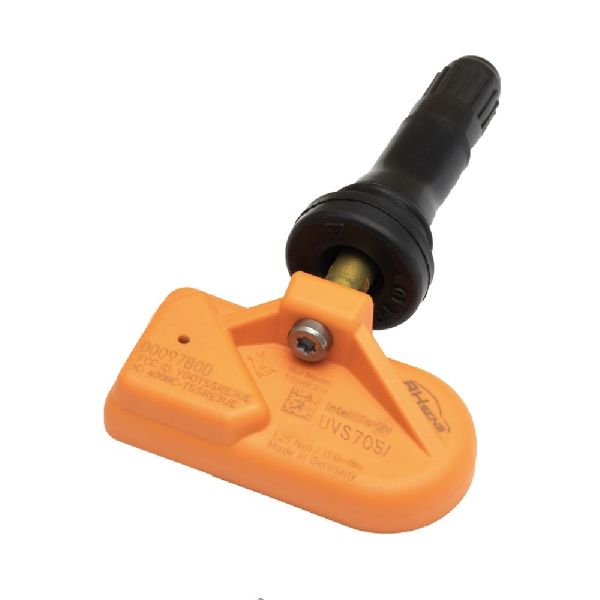
- Failed Left Front TPMS Sensor 🔴 High Probability → Shop Tire Pressure Monitoring System (TPMS) Sensor TPMS sensors are powered by small, non-replaceable batteries that have a finite lifespan, typically 7-10 years. As the battery dies, the sensor's signal weakens and eventually stops transmitting, leading to a fault code.
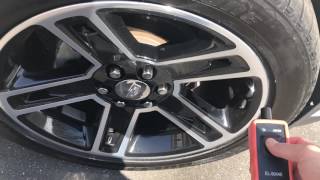
How to confirm: Use a dedicated TPMS activation tool (like a J-46079 or equivalent) to attempt to read the sensor directly at the wheel. If the tool cannot get a response from the sensor, or if it shows a 'low battery' status, the sensor has failed. A shop may charge a small fee for this diagnosis. A professional scan tool can also be used to check the sensor's battery status data from the RCDLR.
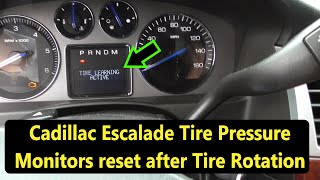
Typical fix: Replace the left front TPMS sensor. The new sensor must be registered to the vehicle using a TPMS relearn procedure, 🎬 Watch: Step-by-step TPMS relearn guide for 2015-2020 K2XX models which can often be initiated from the vehicle's DIC.
Est. part cost: $30-$90 - Faulty Remote Control Door Lock Receiver (RCDLR) or Antenna Connection 🟡 Medium Probability → Shop Keyless Entry Receiver As documented in GM TSB #PIT5446A and #16-NA-061, the coaxial antenna for the RCDLR can become disconnected or have a poor connection at one of three points: the RCDLR module itself, the antenna amplifier module, or the antenna on the right rear glass. Since the RCDLR processes signals for both the key fobs and TPMS, a fault here can prevent the BCM from receiving the TPMS data.
How to confirm: Check for other TPMS codes (C0755, C0760, C0765) and test key fob range. If multiple TPMS sensors are not reading (especially those farthest from the right rear of the vehicle) and/or key fob range is poor, the RCDLR system is the likely culprit. A technician would inspect the RCDLR, its coaxial cable, and the antenna amplifier module, which is often located in the right rear D-pillar area or headliner.
Typical fix: Inspect and reconnect any loose antenna connections. If the module itself has failed, it must be replaced and programmed to the vehicle.
Est. part cost: $0 for a loose connection, $100-$250 for a new RCDLR module.
Rare But Worth Checking
- Radio Frequency Interference (RFI): Aftermarket electronic devices, such as cell phone chargers, dash cams, or power inverters plugged into the vehicle's power outlets, can emit RF noise that interferes with the 315 MHz TPMS signals. TSB #PIC5650M notes this can cause various module communication issues. Unplug all aftermarket devices and see if the code clears.
- Body Control Module (BCM) Fault: In rare instances, the BCM itself may be the source of the problem, though this is unlikely unless other, more widespread electrical issues are also present. This would require advanced diagnostics with a dealership-level scan tool.
Diagnosis Steps
- Check and adjust the pressure in all four tires to the specification on the driver's door jamb sticker.
- Use a professional scan tool to read the codes from the Body Control Module (BCM). Confirm C0750 is present.
- Use a TPMS activation tool at the left front wheel to attempt to read the sensor's ID, pressure, and battery status. If the tool gets no response, the sensor is bad.
- If the sensor responds to the tool, the sensor is likely good. The problem lies in the signal's path to the BCM.
- Check for the presence of other TPMS codes (C0755, C0760, C0765). If multiple codes are present, suspect the RCDLR.
- Test the range and function of the key fobs. If they are working poorly, this further points to the RCDLR system.
- Following TSB #16-NA-061, inspect the RCDLR module and its coaxial antenna connections. The RCDLR is typically located in the rear of the vehicle, often behind the right rear D-pillar trim panel or in the headliner. Inspect the three connection points: at the RCDLR module, at the antenna amplifier, and at the antenna grid on the glass.
- If all connections are good and the sensor is confirmed to be transmitting, the RCDLR module itself may have failed and require replacement and programming.
Parts You'll Likely Need
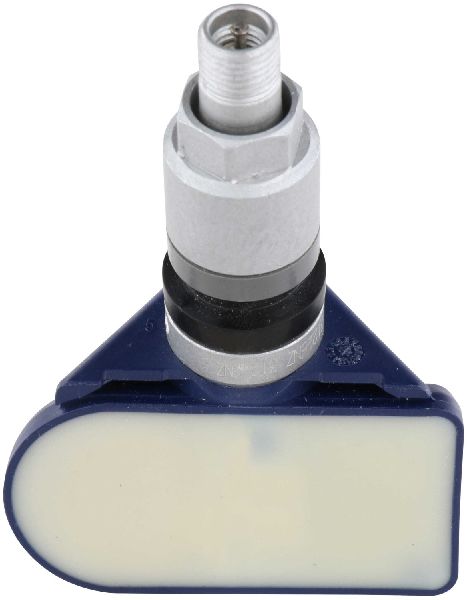
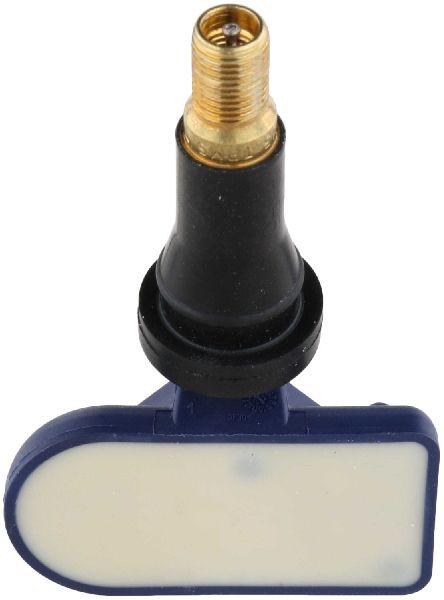
- Tire Pressure Monitoring System (TPMS) Sensor
(OEM #13598771)— This is the most common failure point. The internal battery dies, causing the sensor to stop transmitting. Part number 13598771 is a common 315MHz ACDelco sensor for many GM vehicles in this era, but always verify fitment with the vehicle's VIN. It has been superseded by other numbers but remains a valid reference.
Trusted brands: ACDelco (OEM), Schrader, Huf
OEM price range: $50-$90
Aftermarket price range: $30-$60 - Remote Control Door Lock Receiver (RCDLR)
(OEM #20803735)— This module is the second most likely cause, especially if multiple TPMS codes are present or if key fob issues exist. It receives the sensor signals. Part numbers vary significantly by year and specific options, so VIN verification is absolutely required. 20803735 is one possible part number for this generation.
Trusted brands: ACDelco (OEM)
OEM price range: $100-$250
Aftermarket price range: N/A
Related Codes That Often Appear With This One
- C0755, C0760, C0765 — These are the codes for the other three tire pressure sensors (Right Front, Left Rear, Right Rear). If they appear alongside C0750, it strongly suggests a central problem with the RCDLR receiver, not individual sensors.
- B3055, B3060, B3935 — These are security and key fob-related codes. Their presence with C0750 points towards a broader electrical or module communication issue, as described in TSB #PIC5650M, potentially involving the RCDLR or BCM.
Technical Service Bulletins (TSBs) & Recalls
- PIC5650M: Addresses intermittent no-crank/start/stall with security light, mentioning C0750 among other DTCs.
- PIT5446A: Points to the Remote Control Door Lock Receiver (RCDLR) antenna system as a potential cause for TPMS codes including C0750, advising inspection before parts replacement.
- 16-NA-061: Supersedes PIT5446A, providing more detail on the RCDLR antenna system, symptoms, and platform mates. Full title: "Service Tire Monitor System/ Tire Pressures Display Dashes/ RKE Short Range/ No Fob Detected Message".
Platform-Specific Known Issues
- TSB #PIT5446A and #16-NA-061 specifically call out that TPMS codes C0750, C0755, C0760, and/or C0765 can be caused by a poor or disconnected antenna for the Remote Control Door Lock Receiver (RCDLR). Technicians are advised to check the three main connection points of the antenna system before replacing any other parts.
- TSB #PIC5650M links code C0750 (and other TPMS codes) to intermittent no-crank/no-start conditions, suggesting a wider module communication problem that can be triggered by things like radio frequency interference.
- TSB #16-NA-061 provides detailed scenarios: a disconnect at the antenna glass may only slightly shorten key fob range, a disconnect at the antenna amplifier may cause the farthest sensors (like the left front) to drop out, and a disconnect at the RCDLR itself will cause all sensors to fail and key fobs to work only inside the vehicle.
Mechanic-Grade Diagnostic Values
- RCDLR Coaxial Antenna Integrity — expected: Near 0 Ω (continuity). Failure: High or infinite resistance (OL) indicates a break in the cable.
- Scan Tool Live Data: TPMS Sensor 'Hit Rate' — expected: A high percentage, ideally near 100%.. Failure: A low 'Hit Rate' for a specific sensor suggests intermittent signal reception, pointing to RF interference or a failing antenna system, rather than a completely dead sensor.
- Scan Tool Live Data: TPMS Sensor 'Rolling Count' — expected: The count should increase as the vehicle is driven.. Failure: A count that is stuck or not increasing indicates the sensor is not transmitting in its 'Rolling' mode as expected.
Hidden / Shadow Codes Worth Checking
- C0750 08: Indicates a 'Bus Signal/Message Failure'. This subtype points to a general communication failure on the data bus rather than a simple sensor fault. (see via A professional scan tool like the GM GDS2 that can read manufacturer-specific subtype codes.)
- C0750:29: Indicates 'Too Few Pulses'. This means the RCDLR is not receiving the expected number of data transmissions from the sensor, pointing to a weak or intermittent signal. (see via A professional scan tool like the GM GDS2. This format is common in some GM service literature.)
Scan Tool Commands That Help
- GM GDS2 / Tech2Win: RCDLR > Copy and Paste TPM Information — When replacing the RCDLR. This function reads the tire type and all learned sensor IDs from the old module and writes them to the new one, avoiding the need to perform a full TPMS relearn procedure.
- GM GDS2 / Tech2Win: Module Setup > RCDLR — After installing a new RCDLR. This initiates the setup process for the new module within the vehicle's network.
- GM GDS2 / Tech2Win: Special Functions > Theft Deterrent System Learn — This is required after replacing the RCDLR to sync the new module with the vehicle's immobilizer system.
Wiring & Ground Locations
- RCDLR Module (2015-2020) — Located in the rear of the vehicle, typically in the headliner above the rear cargo area, or behind the passenger side (right) D-pillar trim panel.. This is the receiver for the TPMS signals. A loose coaxial connection at this module will cause all TPMS sensors to stop reporting and key fobs to work only when inside the vehicle.
- RCDLR Antenna Amplifier (2015-2020) — Typically located near the RCDLR module, often attached to the right rear quarter glass area, connecting the main coax cable to the antenna grid on the glass.. A loose connection here is a key failure point identified in TSB 16-NA-061. It can cause intermittent loss of signal from the sensors farthest away, such as the left front (C0750), while the closer right rear sensor may still report correctly.
- RCDLR Antenna — An antenna grid integrated into the right rear quarter window glass.. The physical connection tab from the antenna amplifier to this grid can break or corrode, leading to poor signal reception. A disconnect here may only cause a slight reduction in key fob range but can still contribute to intermittent TPMS issues.
- Ground G304 (K2XX Platform) — On the right side B-pillar, behind the trim panel.. While not directly cited for C0750, body grounds in the vicinity of the RCDLR are critical for clean module operation. A poor ground can introduce electrical noise and cause communication issues that mimic component failure.
Real Owner Repair Stories
- YouTube video by 'Rainman Ray's Repairs' (2015-2020 GM SUV (Tahoe/Suburban/Yukon/Escalade family)) — Service Tire Monitor System message, dashes for front tire pressures, and poor key fob range.
❌ Tried (didn't work) Replacing TPMS sensors., Performing TPMS relearn procedure multiple times.
✅ What actually fixed it The solder joint for the RCDLR antenna connector on the right rear quarter glass had failed. The fix involved removing the D-pillar trim, accessing the antenna amplifier, and re-soldering the connector tab back onto the window grid, which restored both TPMS and key fob function. - Tahoe Yukon Forum User (2009 Cadillac Escalade (similar GMT900 architecture)) — TPMS system not working (dashes for pressures) and keyless entry inoperative.
❌ Tried (didn't work) Pulling the fuse for the RCDLR to reset it., Unplugging and reconnecting the original RCDLR.
✅ What actually fixed it The RCDLR module itself had failed. The owner sourced a used, compatible RCDLR from a 2011 Impala at a salvage yard, installed it, and performed the key fob and TPMS relearn procedures. This restored full functionality.
OEM Part Supersession History
13598771→13540600, 13516164, 22853741— Standard part evolution and supplier changes.
Heads up: These part numbers are generally cross-compatible for 315MHz GM applications within the specified model years, but VIN verification with a dealer is always the safest practice.
Model Year Variations Within This Range
- 2015-2020 (K2XX Platform): The RCDLR module and antenna amplifier are located in the rear headliner or behind the right D-pillar trim. The system uses TPMS sensor P/N 13598771 or its direct supersessions.
- 2021-2022 (T1XX Platform): The vehicle platform was completely redesigned. While the TPMS architecture is conceptually similar, the RCDLR is a different part number and may be in a different location. The key fob was redesigned and uses a CR2450 battery, indicating changes to the keyless entry system components. Diagnosis of the antenna system remains relevant, but component locations and part numbers must be verified specifically for the T1XX platform.
Helpful Videos

We Have This Part in Stock

The information in this article is provided for general reference and educational purposes only. Vehicle specifications, procedures, and part compatibility can vary by production date, trim level, and region. Always consult your vehicle's factory service manual and verify part numbers before purchasing or performing repairs. Safety-critical components such as airbags, seat belts, and braking systems should be installed by a qualified professional.
- Cadillac ESCALADE ESV:
- 🧭 Diagnostic Flowchart
- 🎬 Helpful Videos
- 🛍️ Shop This Part
- What's Unique About the 2015-2022 Cadillac ESCALADE ESV
- Symptoms You May Notice
- Most Likely Causes
- Rare But Worth Checking
- Diagnosis Steps
- Parts You'll Likely Need
- Related Codes That Often Appear With This One
- Technical Service Bulletins (TSBs) & Recalls
- Platform-Specific Known Issues
- Mechanic-Grade Diagnostic Values
- Hidden / Shadow Codes Worth Checking
- Scan Tool Commands That Help
- Wiring & Ground Locations
- Real Owner Repair Stories
- OEM Part Supersession History
- Model Year Variations Within This Range
- 🎟️ Get 5% Off