

C0750 on 2017-2024 Cadillac XT5: Understanding TPMS and RCDLR Faults
C0750 indicates a fault with the left front tire pressure (TPMS) sensor. However, on the Cadillac XT5, if it appears with other TPMS codes (C0755, C0760, C0765) and/or key fob issues, the problem is very likely a faulty Remote Control Door Lock Receiver (RCDLR) module, a known issue covered by GM Technical Service Bulletin #16-NA-396.
- C0750 specifically points to the left front TPMS sensor.
- If C0750 appears with other TPMS codes (C0755, C0760, C0765) or if your key fob stops working, the Remote Control Door Lock Receiver (RCDLR) is the most likely cause, not the sensors themselves.
- If C0750 is the only code, the left front TPMS sensor or its battery has likely failed.
- Replacing the RCDLR requires professional programming; it is not a simple plug-and-play part.
- Always perform the TPMS relearn procedure after replacing a sensor to ensure the system works correctly.
What's Unique About the 2017-2024 Cadillac XT5
On the Cadillac XT5 and similar GM C1XX platforms (like the GMC Acadia and Chevy Blazer), the Tire Pressure Monitoring System is not a standalone unit. It is integrated into the Remote Control Door Lock Receiver (RCDLR). This single module is responsible for receiving radio frequency signals from both the tire pressure sensors and the key fobs. This integrated design means a failure within the RCDLR can cause a cascade of seemingly unrelated symptoms, such as all TPMS sensors failing simultaneously, key fobs becoming inoperative, and even no-start conditions due to immobilizer communication failure.
Diagnostic Flowchart
Tap your situation to follow the diagnostic path that matches what you're seeing on this vehicle.
Symptoms You May Notice
- Tire pressure monitor indicator light illuminated or flashing.
- "Service Tire Monitor System" message on the Driver Information Center (DIC).
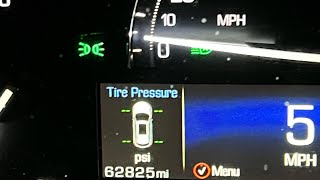
- DIC displays dashes (--) instead of the left front tire pressure reading.
- Key fob functions (lock, unlock, remote start, panic) are inoperative or have very poor range.
- "No Remote Detected" message on the DIC, even with the key inside the car. 🎬 Watch: How to change your key fob battery.
- Passive entry/start system fails to work.
- Intermittent no-crank, no-start, or a start-and-stall condition. [⭐ MANUFACTURER TSB — highest authority] Bulletin #PIC5650M
- A temporary return of function after disconnecting and reconnecting the vehicle's battery.
- Replacing only the left front TPMS sensor when the RCDLR is faulty. If all four TPMS codes are present (C0750, C0755, C0760, C0765) and key fobs are inoperative, it is highly inefficient to replace the sensors first. The RCDLR is the probable single point of failure per TSB #16-NA-396.
Most Likely Causes
- Faulty Remote Control Door Lock Receiver (RCDLR) 🔴 High Probability → Shop Keyless Entry Receiver This is a widely documented issue in GM Technical Service Bulletin #16-NA-396 for the 2017 XT5 and other models. The bulletin notes that internal issues in the RCDLR can cause this code along with C0755, C0760, and C0765. This failure is common across the C1XX platform.
How to confirm: Check for the presence of all four TPMS codes (C0750, C0755, C0760, C0765) and test key fob functionality. If multiple TPMS codes are stored and the key fob is inoperative or has severely reduced range, the RCDLR is the most likely culprit. Disconnecting the car battery for several minutes may temporarily restore function, which strongly points to a failing module.
Typical fix: Replace the RCDLR module and program it to the vehicle using GM's Service Programming System (SPS). This is typically a dealer or certified independent shop repair.
Est. part cost: $50-$150 - Failed Left Front TPMS Sensor 🟡 Medium Probability → Shop Tire Pressure Monitoring System (TPMS) Sensor TPMS sensors contain a non-replaceable battery with a finite lifespan of 5-10 years. Physical damage from tire service or road hazards can also cause failure. A 2017 model is well within the age range for battery failure.
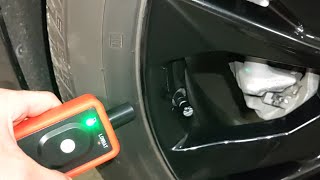
How to confirm: If C0750 appears alone and key fobs work normally, the issue is likely isolated to the sensor. Use a TPMS activation tool to try and read the sensor's data (ID, pressure, temperature, battery status). If the tool cannot get a reading, the sensor has failed. A YouTube video by user 'tfhanna' shows this exact scenario on a 2017 XT5 where the sensor failed and would not respond to an activation tool. 🎬 Watch: Step-by-step guide to replacing the TPMS sensor.
Typical fix: Replace the left front TPMS sensor and perform the TPMS relearn procedure using the vehicle's DIC and a TPMS activation tool.
Est. part cost: $30-$80 - Depleted TPMS Sensor Battery 🟡 Medium Probability → Shop Tire Pressure Monitoring System (TPMS) Sensor As vehicles from the 2017 model year are aging, their original TPMS sensor batteries are reaching the end of their 5-10 year service life. The failure is often sudden.
How to confirm: A professional TPMS scan tool can often read the battery status of the sensor. If the tool shows a 'Low Battery' status or cannot activate the sensor at all, replacement is necessary.
Typical fix: Replace the TPMS sensor. The battery is integrated into the sensor and cannot be replaced separately.
Est. part cost: $30-$80
Rare But Worth Checking
- Radio Frequency (RF) Interference: Aftermarket electronic devices like dash cams, phone chargers, or toll passes plugged into the vehicle's power ports can sometimes emit RF interference that disrupts the signal between the TPMS sensors and the RCDLR. Before performing costly repairs, unplug all aftermarket devices and re-test the system.
- RCDLR Antenna or Wiring Issue: A damaged wire or loose connection at the RCDLR module or its antenna could cause this fault. TSB #16-NA-061 notes that a disconnected coax cable at the RCDLR, antenna amplifier, or the antenna itself can cause loss of signal from TPMS sensors and poor key fob range. The symptoms vary depending on where the disconnection is, with a disconnect at the RCDLR module itself causing the most severe symptoms (all sensors and fobs inoperative).
- Water Intrusion into BCM/RCDLR: A known issue on the XT5 involves water from a leaking or improperly seated HVAC drain hose dripping onto the Body Control Module (BCM). This can cause a wide range of bizarre electrical issues, including communication faults that could potentially trigger a C0750. A Reddit user with a 2020 XT5 experiencing massive electrical failure reported the final cause was a leaking hose that fried a module. TSB #21-NA-197 addresses this specific leak and the resulting BCM corrosion.
Diagnosis Steps
- Perform a full vehicle DTC scan. Note if C0750 is present alone or with other TPMS codes (C0755, C0760, C0765) and/or Body Control Module (BCM) codes.
- Test all key fob functions (lock, unlock, remote start, passive entry). If they are inoperative and multiple TPMS codes are stored, the RCDLR is the primary suspect per TSB #16-NA-396.
- Unplug all aftermarket accessories (phone chargers, dash cams, etc.) to eliminate potential RF interference.
- If only C0750 is present and the key fob works, use a TPMS diagnostic tool to attempt to read the left front sensor. Check its ID, pressure, and battery status.
- If the tool cannot activate the sensor, the sensor has likely failed or its battery is dead. Proceed with replacing the left front TPMS sensor.
- If the sensor reads correctly with the tool but the code persists, the issue may be intermittent. Inspect the wiring and antenna connections for the RCDLR module per TSB #16-NA-061 before condemning the module itself.
- As a temporary measure for a suspected faulty RCDLR, a battery disconnect for 10-15 minutes may reset the module and restore function, confirming the module is the likely problem.
- After any repair (sensor or RCDLR replacement), clear all DTCs and perform the TPMS relearn procedure. This involves putting the vehicle in learn mode via the DIC and using a TPMS activation tool to register each sensor in sequence (LF, RF, RR, LR).
Parts You'll Likely Need
- Remote Control Door Lock Receiver
(OEM #13595511, superseded by 13540045)— This module is a common point of failure, causing multiple TPMS and key fob issues simultaneously, as documented in TSB #16-NA-396. The original part 13595511 was replaced by 13540045.
Trusted brands: ACDelco, GM Genuine Parts
OEM price range: $70-$120
Aftermarket price range: $50-$90 - Tire Pressure Monitoring System (TPMS) Sensor
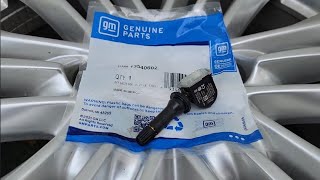
(OEM #13540603)— This is the direct component indicated by the code C0750. It's the most likely cause if the code appears by itself and the sensor battery has expired. The frequency for the XT5 is 433 MHz.
Trusted brands: ACDelco, Schrader, VDO, Denso, Bosch
OEM price range: $70-$120
Aftermarket price range: $30-$80
Related Codes That Often Appear With This One
- C0755 — Right Front TPMS sensor fault. Often appears with C0750 when the RCDLR module fails.
- C0760 — Right Rear TPMS sensor fault. Often appears with C0750 when the RCDLR module fails.
- C0765 — Left Rear TPMS sensor fault. Often appears with C0750 when the RCDLR module fails.
- B3055 — No Transponder Modulation/No Transponder. This key/immobilizer code can be set when the RCDLR fails, as it's part of the vehicle security system. [⭐ MANUFACTURER TSB — highest authority] Bulletin #PIC5650M
Technical Service Bulletins (TSBs) & Recalls
- 16-NA-396: Addresses intermittent operation of key fobs and TPMS lights due to an internal RCDLR fault. It explicitly lists C0750, C0755, C0760, and C0765 as related codes.
- PIC5650M: Connects a group of DTCs, including C0750, to no-start or start/stall conditions related to the vehicle security system.
Platform-Specific Known Issues
- A known issue documented in GM Technical Service Bulletin #16-NA-396 affects some 2017 Cadillac XT5 models (built between July 11, 2016 and Dec 14, 2016). Internal failure of the Remote Control Door Lock Receiver (RCDLR) can cause C0750 to set, often along with C0755, C0760, and C0765, accompanied by a loss of key fob functionality.
- TSB #PIC5650M also lists C0750 in a group of codes that can be associated with a no-crank, no-start, or start/stall condition related to the vehicle's security system, which is also managed by the RCDLR. [⭐ MANUFACTURER TSB — highest authority] Bulletin #PIC5650M
- TSB #16-NA-061 points to a loose or disconnected coaxial antenna cable for the RCDLR as a possible cause for TPMS and key fob issues. Depending on where the disconnect occurs (at the module, amplifier, or glass antenna), symptoms can range from slightly reduced key fob range to a total loss of TPMS and remote functions.
Hidden / Shadow Codes Worth Checking
- C0750 with symptom byte :29: Too Few Pulses. This is the most common symptom byte and is explicitly mentioned in TSB #16-NA-396. It indicates the RCDLR is not receiving the expected number of signal transmissions from the TPMS sensor. (see via GM GDS2 or a professional-grade scan tool capable of reading manufacturer-specific symptom bytes.)
- C0750 with symptom byte :03: ECU HS Bus Off. This indicates a high-speed communication bus failure related to the module. The module has tried and failed to establish communication multiple times. (see via GM GDS2 or a professional-grade scan tool.)
- C0750 with symptom byte :08: Bus Signal/Message Failure. This indicates the module has lost communication with another component during its initial startup check. (see via GM GDS2 or a professional-grade scan tool.)
Scan Tool Commands That Help
- GDS2 (Global Diagnostic System 2): Module Replacement/Setup for Remote Control Door Lock Receiver (RCDLR) — This function is required after physically replacing the RCDLR. It involves using the Service Programming System (SPS) online to load the correct software and vehicle configuration into the new module.
- GDS2 or Tech2Win: Theft Deterrent System Learn — After RCDLR replacement and programming, this procedure is necessary to sync the vehicle's immobilizer system with the new module and existing keys. It can be a 10-minute or 30-minute procedure depending on the vehicle and region.
- GDS2 or TPMS Activation Tool: Tire Pressure Indicator Sensor Learn — This must be performed after replacing the RCDLR or any individual TPMS sensor. It registers the unique ID of each sensor to its specific location on the vehicle (LF, RF, RR, LR) so the system can display pressures correctly.
Wiring & Ground Locations
- Remote Control Door Lock Receiver (RCDLR) — On the Cadillac XT5, the RCDLR is typically located behind the trim panel in the right rear quarter panel/cargo area. Its antenna system consists of a coax cable, an antenna amplifier, and the antenna itself integrated into the right rear quarter glass.. This is the central module that receives signals from all TPMS sensors and key fobs. A fault in the module, its power, its ground, or its antenna connection is the primary cause for C0750 when it appears with other TPMS codes and key fob issues.
- RCDLR Antenna Connections — There are three critical connection points: 1) Coax cable to the RCDLR module. 2) Coax cable to the antenna amplifier module. 3) Antenna amplifier module to the antenna grid on the right rear glass.. A disconnect at any of these points will cause signal loss. A disconnect at the RCDLR itself is the most severe, causing all TPMS and key fob functions to fail. A disconnect further away, like at the glass, may only cause intermittent issues or reduced range.
- G-Series Grounds (General) — GM uses a standardized naming convention for grounds. G3xx grounds are in the rear seat area, and G4xx grounds are in the cargo/rear area of the vehicle. Specific diagrams for the 2017-2024 XT5 would be needed to pinpoint the exact ground stud (e.g., G304, G401) used by the RCDLR.. A poor or corroded ground connection for the RCDLR can cause intermittent operation, communication faults, and codes like C0750, even if the module itself is functional.
Real Owner Repair Stories
- Reddit user in r/MechanicAdvice (2020 Cadillac XT5 with 45,000 miles) — Over 15 different electrical warnings appeared suddenly, including turn signal failure, anti-theft errors, airbag warnings, and inoperative windows/locks. The car eventually shut down while driving.
❌ Tried (didn't work) OnStar support suggested it was just 'computer misfires'., A roadside mechanic suspected a power distribution issue after the battery was disconnected to stop the rear washer fluid pump from running continuously.
✅ What actually fixed it The dealership found that a water hose had leaked and 'fried a module'. While the specific module isn't named as the RCDLR, this aligns perfectly with TSB #21-NA-197, which describes a leaking HVAC drain hose causing water damage to the Body Control Module (BCM), leading to widespread electrical chaos.
OEM Part Supersession History
13595511→13540045— GM regularly updates parts to integrate new materials, technologies, or fix known reliability issues. This is likely a revised part to address the internal failures noted in TSB #16-NA-396.
Heads up: The new part number 13540045 also replaces older numbers 13509518 and 13523281, indicating it is the current, correct service part for a wide range of vehicles.
Model Year Variations Within This Range
- 2017: TSB #16-NA-396 specifically calls out a build range for the 2017 Cadillac XT5 (July 11, 2016 to Dec 14, 2016) as being prone to the internal RCDLR failure. While the issue can occur on other years, this range was identified by GM as having a higher likelihood.
- 2017-2019: TSB #21-NA-197, which addresses the HVAC drain hose leak causing BCM water damage, was initially released for other models and later updated to include the 2017-2019 Cadillac XT5, indicating this is a recognized problem for these specific model years.
Helpful Videos
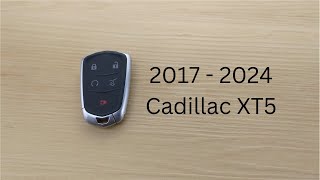
We Have This Part in Stock
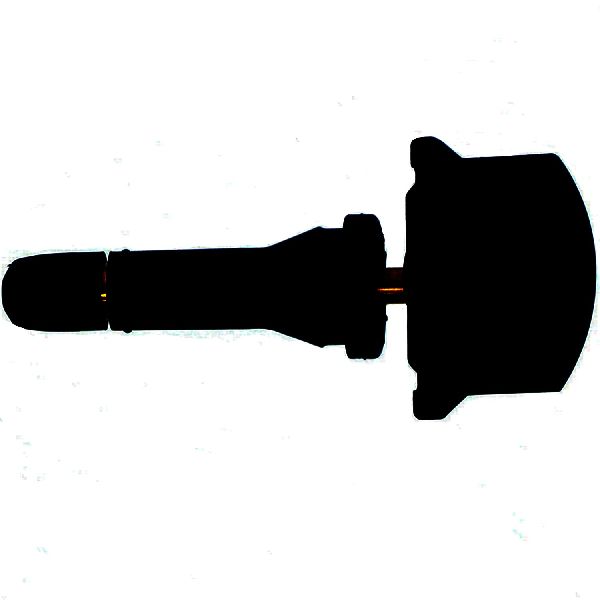
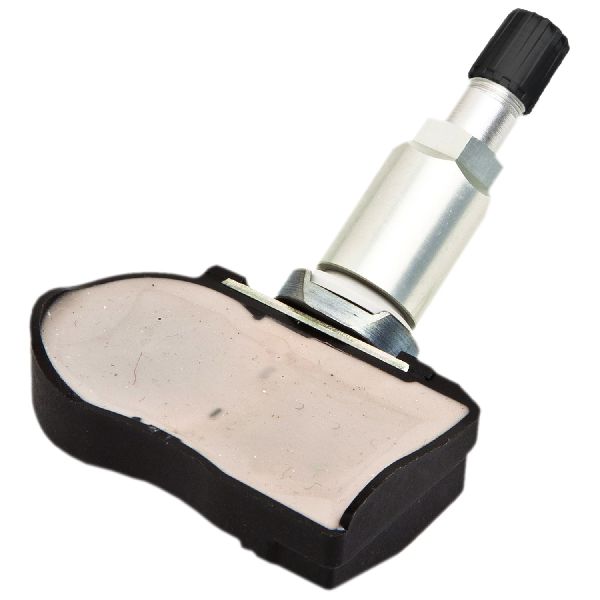
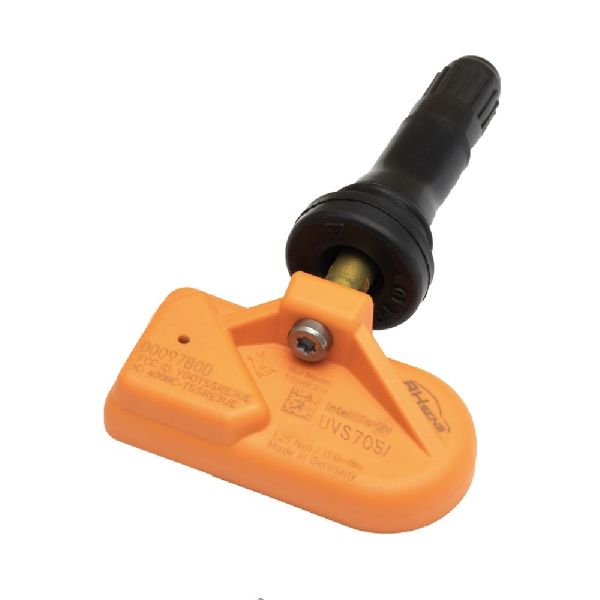

The information in this article is provided for general reference and educational purposes only. Vehicle specifications, procedures, and part compatibility can vary by production date, trim level, and region. Always consult your vehicle's factory service manual and verify part numbers before purchasing or performing repairs. Safety-critical components such as airbags, seat belts, and braking systems should be installed by a qualified professional.
- Cadillac XT5:
- 🧭 Diagnostic Flowchart
- 🎬 Helpful Videos
- 🛍️ Shop This Part
- What's Unique About the 2017-2024 Cadillac XT5
- Symptoms You May Notice
- Most Likely Causes
- Rare But Worth Checking
- Diagnosis Steps
- Parts You'll Likely Need
- Related Codes That Often Appear With This One
- Technical Service Bulletins (TSBs) & Recalls
- Platform-Specific Known Issues
- Hidden / Shadow Codes Worth Checking
- Scan Tool Commands That Help
- Wiring & Ground Locations
- Real Owner Repair Stories
- OEM Part Supersession History
- Model Year Variations Within This Range
- 🎟️ Get 5% Off