

C0750 on 2017-2021 Chevrolet Bolt EV: TPMS and Key Fob Faults Explained
On a 2017-2021 Bolt EV, code C0750 indicates a fault with the left front tire pressure sensor. However, a known issue documented in TSB #16-NA-396 often points to a failing Remote Control Door Lock Receiver (RCDLR) as the true cause, which also results in key fobs not working. If your key fob is also acting up and you see a "No Remote Detected" message, the RCDLR is the likely culprit; otherwise, suspect the TPMS sensor itself.
- Code C0750 on a Bolt EV points to the left front TPMS sensor.
- Before replacing the sensor, check your key fob. If it's not working, the problem is likely the Remote Control Door Lock Receiver (RCDLR), a known issue covered by TSB #16-NA-396.
- If only the TPMS light is on and the key fob works fine, the TPMS sensor in the tire is the most probable cause, likely due to a dead battery.
- Fixing either primary cause is not a simple DIY job. Sensor replacement requires tire service tools, and RCDLR replacement requires dealer-level programming tools.
What's Unique About the 2017-2021 Chevrolet BOLT EV
What's unique to the Bolt EV and other GM vehicles of this era is that the Tire Pressure Monitoring System (TPMS) and the keyless entry system are controlled by the same module: the Remote Control Door Lock Receiver (RCDLR). A GM Technical Service Bulletin (TSB #16-NA-396) explicitly links TPMS codes like C0750 to an internal failure of the RCDLR. This means owners may experience a confusing combination of symptoms, such as a TPMS light and a key fob that won't lock, unlock, or remote start the vehicle, often accompanied by a "No Remote Detected" message on the dash.
Diagnostic Flowchart
Tap your situation to follow the diagnostic path that matches what you're seeing on this vehicle.
Symptoms You May Notice
- Tire pressure monitor (TPM) indicator light is on
- Key fob is inoperative (cannot lock, unlock, or remote start). [⭐ MANUFACTURER TSB — highest authority] Bulletin #16-NA-396
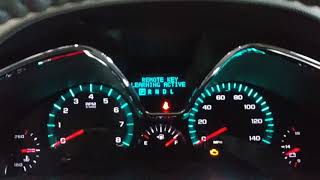
- "No Remote Detected" message on the Driver Information Center (DIC). [⭐ MANUFACTURER TSB — highest authority] Bulletin #16-NA-396,
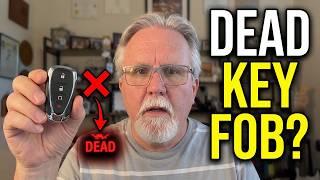
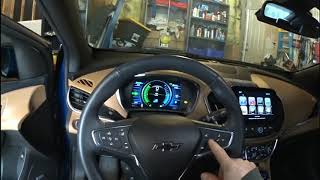
- Needing to place the key fob in the transmitter pocket in the center console 🎬 Watch: What to do if your Bolt key fob dies to start the vehicle.
- Intermittent no-start or start-and-stall condition. [⭐ MANUFACTURER TSB — highest authority] Bulletin #PIC5650M
- Security light illuminated on the dash. [⭐ MANUFACTURER TSB — highest authority] Bulletin #PIC5650M
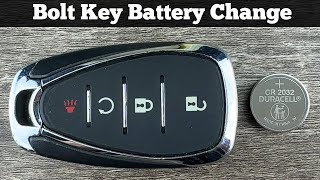
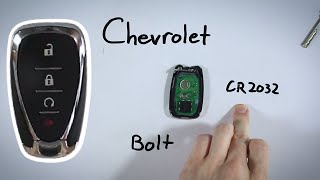
- Replacing the key fob battery. 🎬 See this step-by-step guide for replacing your key fob battery While a good first step for an unresponsive fob, it will not fix an issue internal to the RCDLR module or a disconnected antenna.
- Replacing only the TPMS sensor when the RCDLR is the actual fault. If key fob issues are also present, diagnosing the RCDLR system first can save the cost and labor of unnecessarily replacing a good sensor.
Most Likely Causes
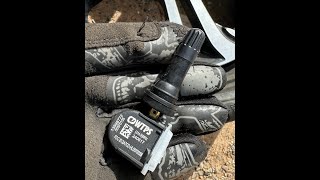
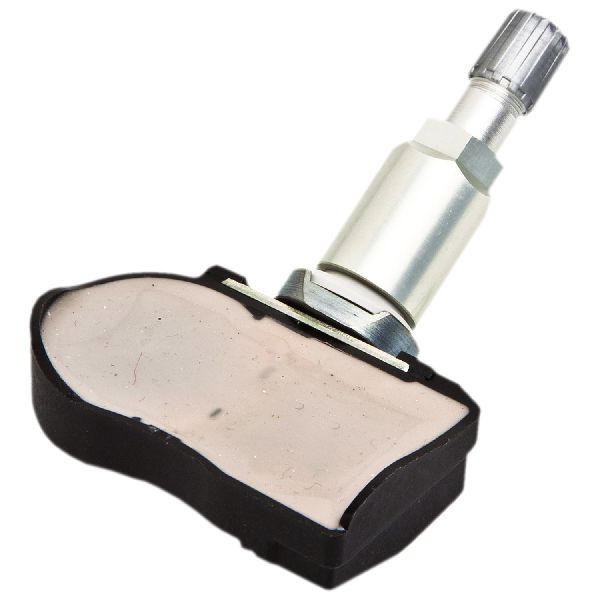
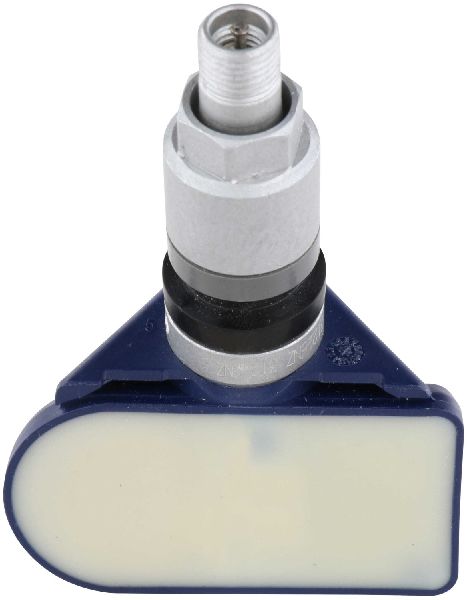
- Failed Left Front TPMS Sensor 🔴 High Probability → Shop Tire Pressure Monitoring System (TPMS) Sensor TPMS sensors contain a non-replaceable battery with a finite lifespan, typically 7-10 years. As these vehicles age, battery failure becomes the most common reason for a single sensor to stop transmitting.
How to confirm: Use a TPMS diagnostic tool to attempt to activate and read the sensor. If the tool cannot get a reading from the left front sensor but can from the other three, and the key fobs are working normally, the sensor has almost certainly failed. A scan tool showing C0750 with symptom byte :03 (Low Voltage) also strongly indicates a failing sensor battery.
Typical fix: Replace the left front TPMS sensor and perform the TPMS relearn procedure.
Est. part cost: $25-$75 - Faulty Remote Control Door Lock Receiver (RCDLR) 🟡 Medium Probability → Shop Keyless Entry Receiver As documented in TSB #16-NA-396, this module is a known failure point on many GM models from this period, including the Bolt EV. Internal issues can cause it to stop processing signals from both TPMS sensors and key fobs.
How to confirm: If C0750 is present along with other TPMS codes (C0755, C0760, C0765) and the key fobs are also inoperative, the RCDLR is the most likely cause. A dealer-level scan tool (GDS2) showing symptom byte :29 (Too Few Pulses) for the TPMS codes is a hallmark of this specific failure. [2, 5, ⭐ MANUFACTURER TSB — highest authority] Bulletin #16-NA-396
Typical fix: Replace the RCDLR module (Part No. 13595511) and have it programmed to the vehicle by a dealer or qualified shop using GDS2 software.
Est. part cost: $40-$120
Rare But Worth Checking
- RCDLR Antenna Wiring Issue: TSB #16-NA-061 points out that the same symptoms can be caused by a poor or disconnected antenna coax cable for the RCDLR. There are three common points of failure: the connection at the RCDLR module itself, the connection at the antenna amplifier module, or where the amplifier connects to the antenna in the right rear glass. Checking these connections before replacing the module is recommended.
- Radio Frequency (RF) Interference: Aftermarket electronic devices like dash cams, phone chargers, or even other RFID-enabled cards near the key fob can sometimes interfere with the low-power signals from the TPMS sensors and key fob.
Diagnosis Steps
- Verify the symptoms. Check if the TPMS light is on and test the functionality of all key fobs. Note if you receive a "No Remote Detected" message.
- Scan for codes. Use an OBD-II scanner capable of reading Chassis (C) and Body (B) codes. Note if C0750 appears alone or with other TPMS/communication codes. Check for GM-specific symptom bytes like :03, :29, or :39 for more detailed information.
- If only C0750 is present and key fobs work: Suspect the left front TPMS sensor. Use a TPMS tool to test the sensor. If it fails to respond, or if the scan tool showed C0750:03 (Low Voltage), the sensor battery is likely dead or the sensor has failed.
- If C0750 is present with other TPMS codes (C0755, C0760, C0765) AND key fobs are inoperative: Suspect the RCDLR system is faulty. A symptom code of :29 (Too Few Pulses) strongly points to the RCDLR failure described in TSB #16-NA-396.
- Check for TSBs. Confirm that TSB #16-NA-396, #PIC5650M, and #16-NA-061 apply to the vehicle's symptoms.
- Inspect RCDLR antenna wiring. Before replacing the module, follow TSB #16-NA-061 and inspect the coax cable connections at the RCDLR module, the antenna amplifier, and the rear glass antenna. A loose connection can mimic a failed module.
- If connections are secure and symptoms persist, the RCDLR module is likely faulty and requires replacement and programming using GM's GDS2 software.
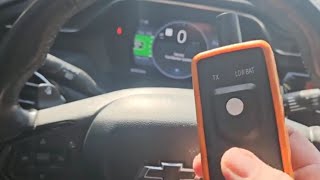
- If replacing a TPMS sensor, the TPMS relearn procedure must be performed to register the new sensor ID with the vehicle. This can be done with a TPMS tool (like the EL-50448) or, on some models, by changing tire pressures. 🎬 Watch: How to use a TPMS relearn tool on your Bolt
Parts You'll Likely Need
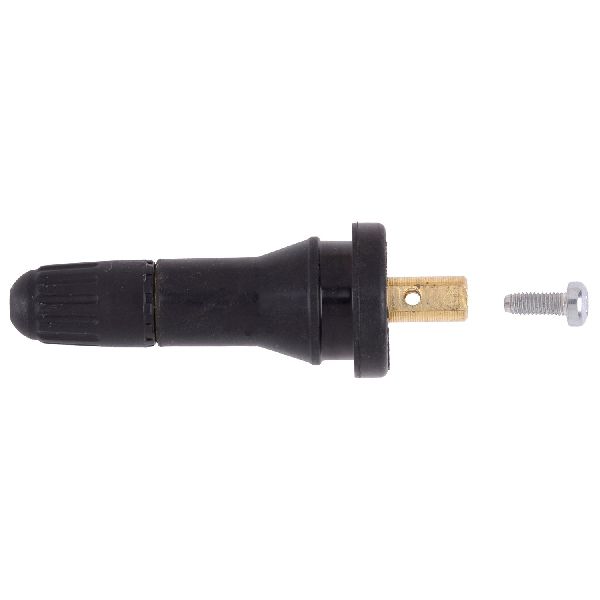
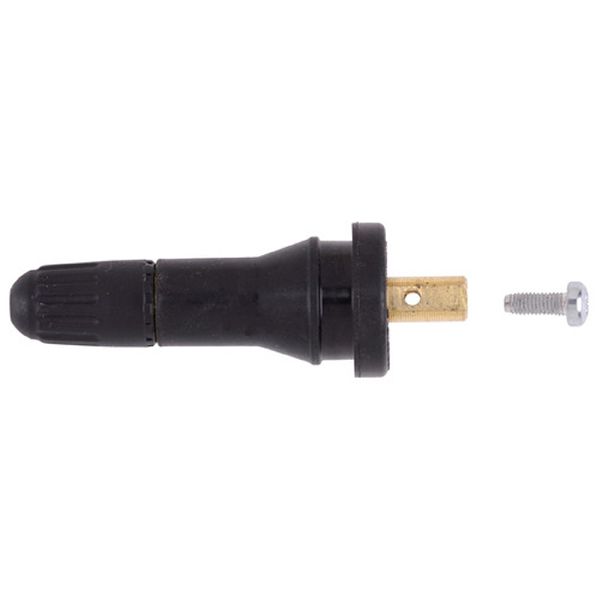
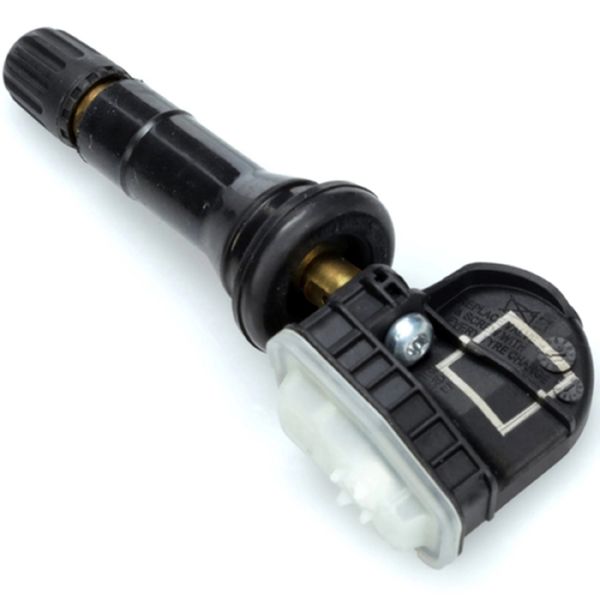
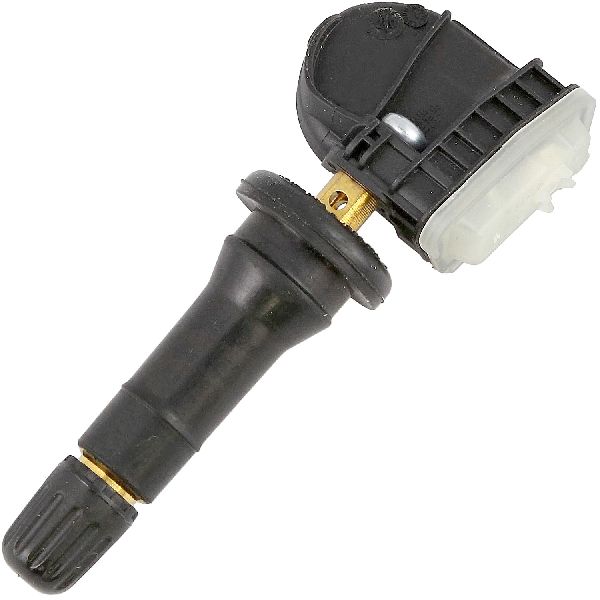
- Tire Pressure Monitoring System (TPMS) Sensor
(OEM #13540602 (replaces 13598773, 13581561, 22853740, etc.))— This is the most common fix if C0750 appears alone and key fobs are working. The sensor's internal battery has a limited lifespan. Operates at 433 MHz.
Trusted brands: ACDelco, Schrader, Bosch, VDO, Denso
OEM price range: $30-$60
Aftermarket price range: $25-$50 - Remote Control Door Lock Receiver (RCDLR)
(OEM #13595511)— This is the likely cause if multiple TPMS codes are present and key fobs do not work, as documented in TSB #16-NA-396. [19, ⭐ MANUFACTURER TSB — highest authority] Bulletin #16-NA-396]
Trusted brands: ACDelco (OEM)
OEM price range: $60-$120
Aftermarket price range: $40-$90
Related Codes That Often Appear With This One
- C0755 — Fault with the Right Front TPMS sensor. Often appears with C0750 when the RCDLR is failing. [⭐ MANUFACTURER TSB — highest authority] Bulletin #16-NA-396
- C0760 — Fault with the Left Rear TPMS sensor. Often appears with C0750 when the RCDLR is failing. [⭐ MANUFACTURER TSB — highest authority] Bulletin #16-NA-396
- C0765 — Fault with the Right Rear TPMS sensor. Often appears with C0750 when the RCDLR is failing. [⭐ MANUFACTURER TSB — highest authority] Bulletin #16-NA-396
- B3055 — Related to the key fob or immobilizer system, can be set alongside C0750 during a no-start condition as noted in TSB #PIC5650M. [⭐ MANUFACTURER TSB — highest authority] Bulletin #PIC5650M
Technical Service Bulletins (TSBs) & Recalls
- 16-NA-396: Addresses intermittent operation of key fobs and TPMS light illumination due to an internal issue with the Remote Control Door Lock Receiver. [⭐ MANUFACTURER TSB — highest authority] Bulletin #16-NA-396
- PIC5650M: Mentions C0750 in a list of codes related to intermittent no-crank, no-start, or start/stall conditions with the security light on. [⭐ MANUFACTURER TSB — highest authority] Bulletin #PIC5650M
- 16-NA-061: Details how a disconnected RCDLR antenna or coax cable can cause TPMS codes and key fob issues, mimicking a failed module.
Platform-Specific Known Issues
- TSB #16-NA-396 documents a known issue where an internal fault in the Remote Control Door Lock Receiver causes simultaneous failure of the TPMS and keyless entry systems, setting codes C0750, C0755, C0760, and C0765. [⭐ MANUFACTURER TSB — highest authority] Bulletin #16-NA-396
- TSB #16-NA-061 provides an alternative diagnosis, suggesting a disconnected RCDLR antenna coax cable can produce identical symptoms to a failed module and should be checked first.
- The 2017-2021 Bolt EV was subject to a major battery recall for fire risk. While unrelated to code C0750, be aware of the vehicle's recall status.
Hidden / Shadow Codes Worth Checking
- C0750 29: Indicates 'Too Few Pulses' were received from the sensor. This points to an intermittent signal loss and is the specific symptom byte referenced in TSB #16-NA-396 for the internal RCDLR failure. (see via A professional scan tool capable of reading GM-specific symptom bytes, such as the dealer-level GDS2 (Global Diagnostic System 2).)
- C0750 03: Indicates 'Voltage Below Threshold'. This is a strong indicator that the non-replaceable internal battery of the TPMS sensor itself is failing. (see via A professional scan tool capable of reading GM-specific symptom bytes, such as GDS2.)
- C0750 39: Indicates 'Internal Malfunction' of the TPMS sensor itself. (see via A professional scan tool capable of reading GM-specific symptom bytes, such as GDS2.)
Scan Tool Commands That Help
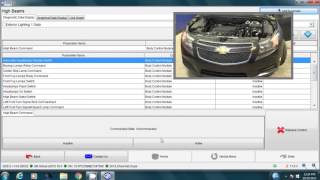
- GDS2 (Global Diagnostic System 2): Remote Control Door Lock Receiver > Configure/Reset Functions > Add/Replace Key Fobs — This function is required after replacing the RCDLR module to program the existing (or new) key fobs to the new module. The software puts the new module into 'learn mode' to accept the fob signals.
- GDS2 (Global Diagnostic System 2): Module Replacement and Setup (via SPS) — When replacing the RCDLR, the new module must be programmed to the vehicle's VIN using the Service Programming System (SPS), which requires an online subscription via ACDelco TDS. This ensures the module has the correct software and configuration for the vehicle's options.
- EL-50448 or equivalent TPMS Relearn Tool: TPMS Sensor Activation — After replacing a TPMS sensor or rotating tires, the vehicle must be put into TPMS relearn mode via the driver information center. This tool is then used at each wheel (in a specific sequence) to activate the sensor, allowing the RCDLR to learn its new position.
Wiring & Ground Locations
- Remote Control Door Lock Receiver (RCDLR) — On the 2017 Bolt EV, the RCDLR module is located behind the glovebox. It can only be removed by taking it out upwards, which may require removing the entire dashboard for access.. This is the central module that receives signals from both the TPMS sensors and key fobs. A failure or loose connection here is the root cause of C0750 when key fob issues are also present.
- RCDLR Antenna — The RCDLR antenna system involves a coax cable that runs from the RCDLR module to an antenna amplifier, which then connects to the antenna integrated into the right rear glass.. As noted in TSB #16-NA-061, a loose or disconnected coax cable at the module, amplifier, or glass can cause a loss of signal and mimic a complete RCDLR failure, setting TPMS codes and disabling key fobs.
- Cabin Ground Stud — There are several accessible ground studs on the metal chassis inside the cabin. One commonly used location is a stud on the body below the driver's side interior fuse box, near a large yellow harness connector.. A poor ground connection for the RCDLR or related modules can cause intermittent and difficult-to-diagnose electronic issues, including communication loss that could potentially trigger codes like C0750.
Real Owner Repair Stories
- VXDIAGSHOP.com Blog / User Review (2017 Chevrolet Bolt EV) — Infotainment system frozen at the 'Bolt EV' logo, non-functional.
❌ Tried (didn't work) Initial dealer diagnosis identified a bad radio module, but the quoted replacement cost was $2400.
✅ What actually fixed it The owner purchased a used radio module from eBay for $85 and a VXDIAG VCX Nano GM (a GDS2 clone) for $109. After installing the module himself (which required removing the dashboard), he paid $45 for a 2-year VIN subscription to GM's Service Programming System (SPS). Using the VCX Nano and SPS, he successfully reprogrammed the replacement radio module, restoring full functionality. Total cost was approximately $239.
OEM Part Supersession History
13595511→13540045— Part revision or manufacturer change for the Remote Control Door Lock Receiver (RCDLR).
Heads up: No known incompatibilities; the new part number is the correct service replacement.13598773, 13581561, 22853740, and others→13540602— Consolidation of multiple older part numbers into a single service replacement for the 433 MHz TPMS sensor.
Heads up: 13540602 is the current, correct OEM replacement for a wide range of GM vehicles including the Bolt EV.
Helpful Videos

We Have This Part in Stock

The information in this article is provided for general reference and educational purposes only. Vehicle specifications, procedures, and part compatibility can vary by production date, trim level, and region. Always consult your vehicle's factory service manual and verify part numbers before purchasing or performing repairs. Safety-critical components such as airbags, seat belts, and braking systems should be installed by a qualified professional.
- Chevrolet BOLT EV:
- 🧭 Diagnostic Flowchart
- 🎬 Helpful Videos
- 🛍️ Shop This Part
- What's Unique About the 2017-2021 Chevrolet BOLT EV
- Symptoms You May Notice
- Most Likely Causes
- Rare But Worth Checking
- Diagnosis Steps
- Parts You'll Likely Need
- Related Codes That Often Appear With This One
- Technical Service Bulletins (TSBs) & Recalls
- Platform-Specific Known Issues
- Hidden / Shadow Codes Worth Checking
- Scan Tool Commands That Help
- Wiring & Ground Locations
- Real Owner Repair Stories
- OEM Part Supersession History
- 🎟️ Get 5% Off