

C0750 on 2011-2018 Chevrolet Camaro: Causes for TPMS and Key Fob Faults
On a 2011-2018 Camaro, C0750 means the car has lost communication with the left front TPMS sensor. If your key fob also stopped working, the problem is a failed Remote Control Door Lock Receiver (RCDLR) module, a known issue. If the fob works, the TPMS sensor in the tire is likely dead.
- First, check your key fob. If it's dead along with the TPMS light being on, the RCDLR module is the problem, not the tire sensor.
- If C0750 is the only code and your fob works, the TPMS sensor in the left front tire has likely failed.
- Replacing the RCDLR is not a simple DIY job; it must be programmed to the car by a professional.
- Don't waste money replacing TPMS sensors if the symptoms point to the RCDLR failure.
What's Unique About the 2011-2018 Chevrolet CAMARO
On this generation of Camaro and other GM vehicles, the TPMS is not a standalone system. It is integrated into the Remote Control Door Lock Receiver (RCDLR), the same module that processes RF signals from your key fob for locking, unlocking, and remote start. This module is typically located in the trunk area. On 6th-gen models (2016+), it is found behind the trunk trim panel on the driver's side rear wheel well, often stacked with other modules like the fuel pump controller. Because of this shared architecture, a common internal failure in the RCDLR module can cause both the TPMS system and all key fob functions to fail simultaneously, a specific issue documented by GM in Technical Service Bulletin #16-NA-396.
Diagnostic Flowchart
Tap your situation to follow the diagnostic path that matches what you're seeing on this vehicle.
Generation note: This range covers the end of the 5th Generation (2011-2015) on the Zeta platform and the start of the 6th Generation (2016-2018) on the Alpha platform. The RCDLR failure is explicitly noted in TSB #16-NA-396 for the 2016-2017 models, but the underlying system architecture is similar across both generations. TPMS sensor failure due to battery depletion is common on all years as the vehicles age.
Symptoms You May Notice
- TPMS warning light illuminated on the dashboard
- "Service Tire Monitor System" message on the Driver Information Center (DIC).
- Key fob completely inoperative (lock, unlock, trunk, remote start, panic buttons do not work).
- "No Remote Detected" message on the DIC, requiring the fob to be placed in the cupholder slot to start the car.
- Intermittent no-crank or no-start condition with security light on.
- Passive entry (door handle button) and push-button start system failure.
- Replacing the TPMS sensor when the RCDLR is bad. If the key fob is also dead, the sensor is almost never the root cause. Replacing the sensor will not fix the problem, as the receiver module is the component that has failed.
- Replacing the BCM when the RCDLR is the actual point of failure. Since the RCDLR sends data to the BCM, a faulty RCDLR can make it appear as if the BCM is malfunctioning.
Most Likely Causes
- Failed Remote Control Door Lock Receiver (RCDLR) 🔴 High Probability → Shop Keyless Entry Receiver This is a well-documented failure on many GM platforms, including the Camaro, and is the subject of TSB #16-NA-396. The module's internal radio frequency receiver components can fail, causing it to stop processing signals from both TPMS sensors and key fobs.
How to confirm: Check for the presence of all four TPMS codes (C0750, C0755, C0760, C0765) and confirm that key fob functions are completely inoperative. If both conditions are met, the RCDLR is the most likely cause. If only some TPMS sensors are dropping out intermittently, the RCDLR could still be at fault due to a weakening receiver.
Typical fix: Replace the RCDLR module and have it programmed to the vehicle by a dealer or qualified shop with GM diagnostic tools. A user on CorvetteForum documented a months-long process of trying to get a used module programmed, highlighting the difficulty and necessity of professional tools.
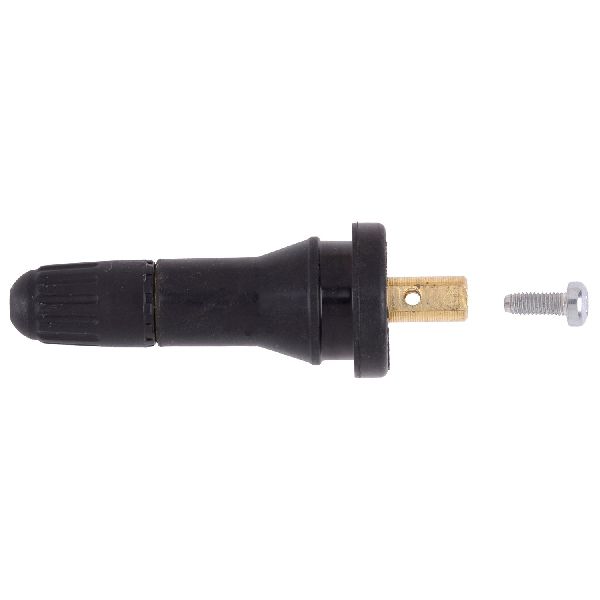
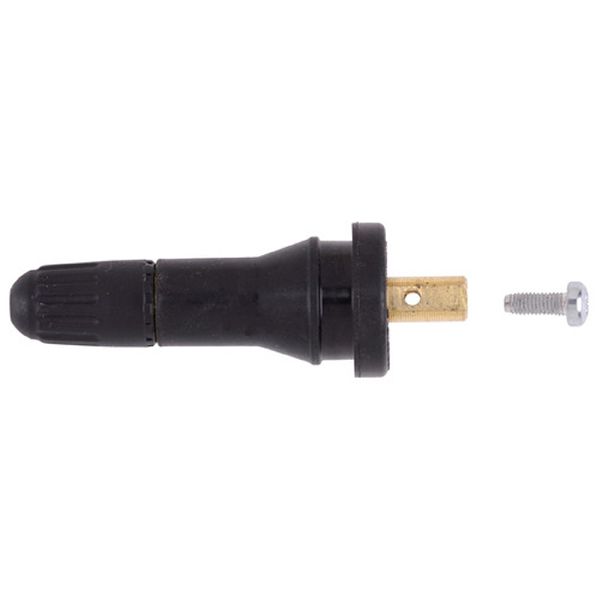
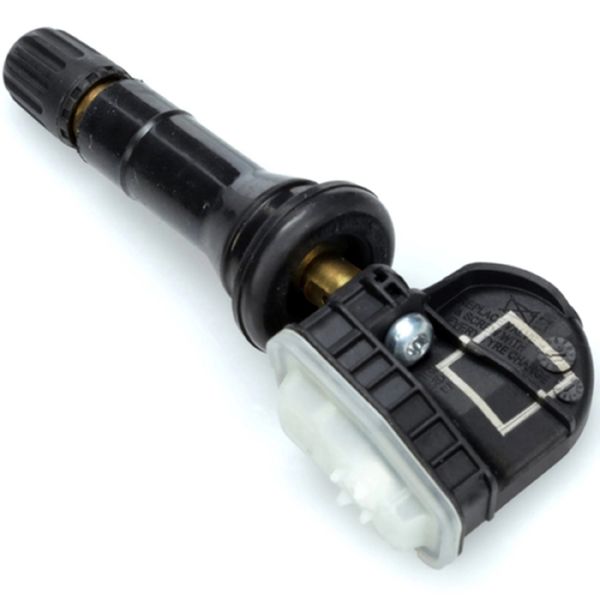
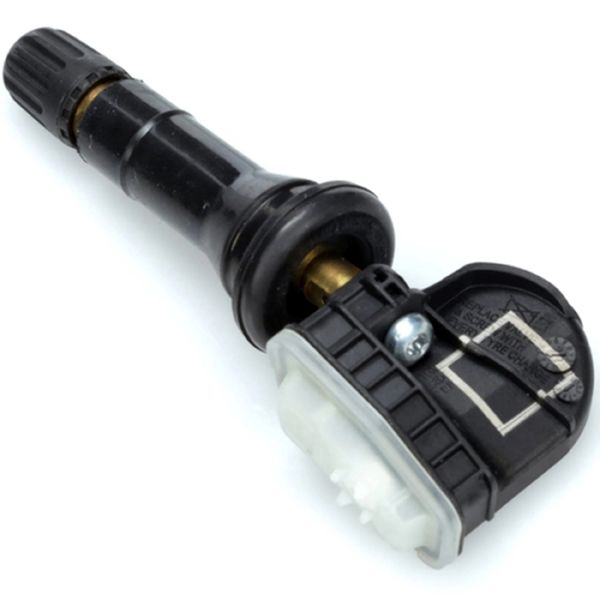
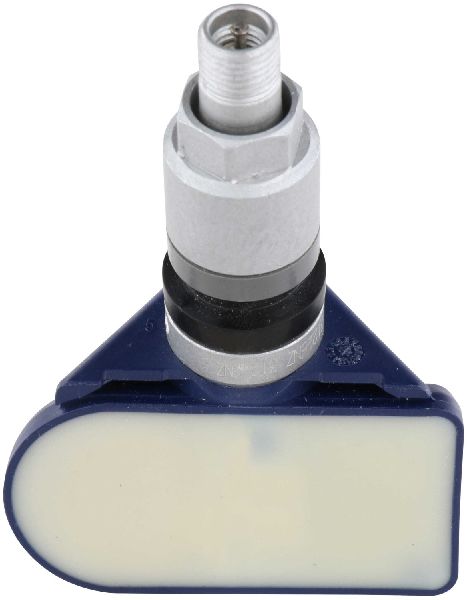
Est. part cost: $80-$150 - Dead or Faulty Left Front TPMS Sensor 🔴 High Probability → Shop Tire Pressure Monitoring System (TPMS) Sensor TPMS sensors are powered by small, non-replaceable batteries with a finite lifespan, often cited as 5-10 years. As these vehicles age, sensor failure is increasingly common.
How to confirm: This is the likely cause if C0750 appears by itself (without the other three wheel codes) and the key fob still works correctly. A tire shop can use a TPMS activation tool (like an EL-50448 for GM vehicles) to check if the sensor is transmitting a signal. If the tool cannot trigger a response from the sensor, it has failed.
Typical fix: Replace the TPMS sensor inside the left front tire and perform the TPMS relearn procedure. 🎬 Watch: How to perform the TPMS reset and relearn procedure. This involves breaking the bead of the tire to access the sensor.
Est. part cost: $30-$70
Rare But Worth Checking
- Wiring Harness Damage: On 6th-gen Camaros, there have been reports of the rear wheel well liner being rubbed through by an oversized or incorrectly offset tire, damaging the wiring harness that runs behind it. A user on the Camaro6 forum specifically mentioned this possibility in a thread discussing C0750 and other electrical codes. This can cause various electrical issues, including TPMS and BCM communication codes.
- Body Control Module (BCM) Issues: While less common, a fault in the Body Control Module, which communicates with the RCDLR, could potentially cause this code. This would typically be accompanied by other communication codes like U0422 (Invalid Data Received From Body Control Module) and a wider array of seemingly unrelated electrical problems.
- Radio Frequency Interference (RFI): GM bulletin PIC5650M notes that aftermarket devices like phone chargers, dash cams, or even toll passes can emit RFI that disrupts the signals between the key fob, TPMS sensors, and the RCDLR, leading to intermittent codes and symptoms.
Diagnosis Steps
- Read all codes from all modules. Note if C0750 is alone or present with C0755, C0760, and C0765.
- Test all functions of the key fob(s): lock, unlock, remote start, and trunk release. Check if the passive entry system works.
- If all four TPMS codes are present AND the key fob is inoperative, the RCDLR module is the primary suspect per TSB #16-NA-396. Proceed with RCDLR replacement and programming.
- If only code C0750 is present and the key fob works correctly, the left front TPMS sensor is the primary suspect.
- Use a TPMS activation tool to attempt to read the left front sensor. If the tool cannot get a reading (while other sensors respond), the sensor has failed.
- If the sensor reads correctly, inspect the vehicle for sources of Radio Frequency Interference (RFI) as per TSB PIC5650M. Unplug all aftermarket chargers, dash cams, and electronics and re-test.
- For 6th-gen models, inspect the wiring harness behind the driver's side rear wheel well liner for any signs of rubbing or damage from the tire.
- If a no-start condition is present, investigate potential BCM or immobilizer issues as noted in TSB #PIC5650M, which often trace back to the RCDLR or RFI.
Parts You'll Likely Need
- Remote Control Door Lock Receiver (RCDLR)
(OEM #13506523 (superseded by 13598762 for some 2016-2017 models, check VIN))— This is the most common cause when C0750 is accompanied by other TPMS codes and total key fob failure. The module itself fails internally.
Trusted brands: ACDelco, GM Genuine Parts
OEM price range: $80-$150
Aftermarket price range: $60-$120 - Tire Pressure Monitoring System (TPMS) Sensor
(OEM #13581558 (315MHz, common for 2011-2015) or 13598772 (common for 2016+). Always verify by VIN.)— This is the most likely failure point if C0750 is the only code present. The sensor's internal battery has a limited lifespan of 5-10 years.
Trusted brands: ACDelco, Schrader, Continental
OEM price range: $50-$80
Aftermarket price range: $25-$60
Related Codes That Often Appear With This One
- C0755, C0760, C0765 — These are the corresponding codes for the other three wheels (Right Front, Left Rear, Right Rear). When all four appear together with symptom byte :29, it strongly points to a central receiver problem (the RCDLR) rather than four individual sensors failing at once, as stated in TSB 16-NA-396.
- B3055, B3060, B3935 — These are key and immobilizer-related codes. TSB #PIC5650M and its revisions link them with TPMS codes in cases of intermittent no-start or start-stall conditions, pointing to a broader electrical or module communication issue, often caused by RFI or a failing RCDLR.
Technical Service Bulletins (TSBs) & Recalls
- 16-NA-396: Intermittent Operation of Key Fobs, Door Unlock Inoperative “No Remote Detected” Message with Possible TPM MIL.
- PIC5650M: Intermittent no crank, no start, or start stall concern with the security light coming on.
Platform-Specific Known Issues
- TSB #16-NA-396: RCDLR Internal Failure: Documents an issue on 2016-2017 Camaros (and many other GM models) where an internal failure of the Remote Control Door Lock Receiver causes the key fobs to stop working and sets DTCs C0750, C0755, C0760, and C0765 with symptom :29. The official fix is to replace the RCDLR module.
- TSB #PIC5650M: Intermittent No-Start / RFI: A long-running diagnostic tip bulletin that notes TPMS codes (including C0750) can appear alongside immobilizer system codes (like B3055) during intermittent no-start or start-stall conditions. It strongly suggests checking for Radio Frequency Interference from aftermarket electronics before replacing modules.
- Owner Experience: RCDLR Replacement Woes: A user on Camaro5 with a 2010 model spent months trying to solve intermittent TPMS drop-offs. They replaced the RCDLR and even the BCM with no su
Mechanic-Grade Diagnostic Values
- DTC Condition for Running — expected: Vehicle speed must be greater than 40 km/h (25 MPH).. Failure: The BCM will not evaluate the TPMS sensor status if the vehicle is stationary or moving below this speed.
- DTC Condition for Setting (Timeout) — expected: A sensor must transmit its data periodically.. Failure: The code may be set if a sensor does not transmit for a period of 18 minutes.
- Scan Tool Pressure Verification — expected: After a relearn, the pressure displayed on the scan tool should closely match the actual tire pressure.. Failure: A difference of more than +/-30 kPa (3.6 PSI) between the scan tool reading and a known-good manual gauge can indicate a faulty sensor or calibration issue.
Hidden / Shadow Codes Worth Checking
- C0750:03: Left Front Tire Pressure Sensor Low Voltage. This indicates a potential issue with the sensor's internal power or a short circuit. (see via A professional-grade scan tool like the GM MDI/GDS2 or equivalent that can read GM-specific symptom bytes.)
- C0750:29: Left Front Tire Pressure Sensor Too Few Pulses. This is the most common symptom, indicating the RCDLR is not receiving the expected number of transmissions from the sensor. It is specifically cited in TSB 16-NA-396 when all four wheels fail together due to a bad RCDLR. (see via A professional-grade scan tool like the GM MDI/GDS2 or equivalent.)
- C0750:39: Left Front Tire Pressure Sensor Internal Malfunction. This points directly to a failure within the sensor itself, rather than just a weak signal or low battery. (see via A professional-grade scan tool like the GM MDI/GDS2 or equivalent.)
- C0750:08: Left Front Low Tire Pressure Sensor Signal Invalid. This indicates the signal received by the RCDLR is corrupt, unreadable, or outside of expected parameters. (see via A professional-grade scan tool like the GM MDI/GDS2 or equivalent.)
Scan Tool Commands That Help
- GM GDS2 / Tech2Win: Remote Control Door Lock Receiver Replacement — This function is mandatory after installing a new RCDLR. It is accessed through the Service Programming System (SPS) and programs the new module to the vehicle's VIN, security system, and existing key fobs. Failure to perform this step will result in the new module not functioning.
- GM GDS2 / Tech2Win: Tire Pressure Indicator Sensor Learn — This function is used to make the vehicle learn the unique ID of a new or moved TPMS sensor. It guides the technician through the process of activating each sensor in sequence so the BCM can assign it to the correct wheel location.
- GM GDS2 / Aftermarket Bidirectional Tool: RCDLR Data List — Before replacing parts, view the live data from the RCDLR. This can show the battery status of each TPMS sensor (e.g., 'OK' or 'Low Battery'), which can confirm a bad sensor without needing a separate TPMS tool. It can also show if the module is receiving any signal at all.
Wiring & Ground Locations
- RCDLR Antenna System — The antenna is integrated into the right rear window glass, connected to an Antenna Amplifier Module. A coax cable runs from the amplifier to the RCDLR in the trunk.. TSB 16-NA-061 explains that a disconnect at any point in this chain can cause TPMS and key fob issues. A disconnect at the RCDLR itself causes the most severe symptoms (all TPMS sensors drop out, key fob only works inside car). A disconnect at the antenna amplifier may only cause issues for sensors farthest away (like the left front) and reduced key fob range.
- Body Control Module (BCM) — Located near the steering column, behind the driver's side of the dashboard.. The RCDLR sends all TPMS and key fob data to the BCM. While rarely the cause, a fault here or in its wiring/grounding could mimic RCDLR issues. The BCM is the module that ultimately sets the C0750 code.
Real Owner Repair Stories
- YouTube user 'Chris' (5th Generation Camaro SS) — Persistent 'Service Tire Monitor System' light on the dash.
❌ Tried (didn't work) Attempting to use a TPMS reset tool failed to complete the relearn process; it would fail on the rear tires.
✅ What actually fixed it The owner took the car to a tire shop where they identified a single bad TPMS sensor. The old sensor appeared visibly corroded and 'ate up'. After replacing the faulty sensor, the TPMS relearn procedure completed successfully and the warning light was extinguished. - eBay review by user 'bilaw_38' (Chevrolet Silverado (similar GM system)) — Water damage to the RCDLR from a third brake light leak.
❌ Tried (didn't work) Simply installing the new RCDLR module.
✅ What actually fixed it The new RCDLR module had to be programmed by the dealer before it would function. The user confirmed that the physical replacement was straightforward, but programming was a mandatory final step.
OEM Part Supersession History
13509518→13595511— Module revision/update for RCDLR on 2016-2017 models.
Heads up: TSB 16-NA-396 specifies using the new part number when replacing the old one for vehicles within the specified date range.13509517→13595510— Module revision/update for RCDLR on 2016-2017 models, likely for a different frequency/region.
Heads up: TSB 16-NA-396 specifies using the new part number when replacing the old one. Always verify the correct frequency needed for the vehicle.
Model Year Variations Within This Range
- 2011-2013: These earlier 5th-gen models can typically be diagnosed using the older GM Tech 2 factory scan tool or an MDI with Tech2Win emulation software.
- 2014-2018: These later 5th-gen and all 6th-gen models require the GM MDI (or MDI 2) interface with GDS2 (Global Diagnostic System 2) software for full dealer-level diagnostics and programming.
- 2016-2018 (6th Gen): The TPMS relearn procedure is initiated differently. With the car running, you navigate to the TPMS display in the DIC and press and hold the 'Select' button on the steering wheel until the horn chirps.
- 2011-2015 (5th Gen): The TPMS relearn procedure is initiated by turning the ignition to ON/RUN (engine off), navigating to the TPMS screen in the DIC, and pressing the 'Set/Ctrl' button to begin.
Helpful Videos
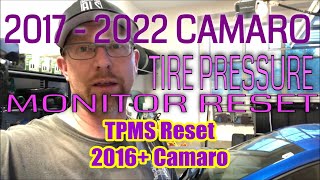
We Have This Part in Stock


The information in this article is provided for general reference and educational purposes only. Vehicle specifications, procedures, and part compatibility can vary by production date, trim level, and region. Always consult your vehicle's factory service manual and verify part numbers before purchasing or performing repairs. Safety-critical components such as airbags, seat belts, and braking systems should be installed by a qualified professional.
- Chevrolet CAMARO:
- 🧭 Diagnostic Flowchart
- 🎬 Helpful Videos
- 🛍️ Shop This Part
- What's Unique About the 2011-2018 Chevrolet CAMARO
- Symptoms You May Notice
- Most Likely Causes
- Rare But Worth Checking
- Diagnosis Steps
- Parts You'll Likely Need
- Related Codes That Often Appear With This One
- Technical Service Bulletins (TSBs) & Recalls
- Platform-Specific Known Issues
- Mechanic-Grade Diagnostic Values
- Hidden / Shadow Codes Worth Checking
- Scan Tool Commands That Help
- Wiring & Ground Locations
- Real Owner Repair Stories
- OEM Part Supersession History
- Model Year Variations Within This Range
- 🎟️ Get 5% Off