

C0750 on 2015-2022 Chevrolet Corvette: TPMS Fault, No Start Causes, and Fixes
On a 2015-2022 Corvette, code C0750 points to the left front TPMS sensor. If your key fob also fails or the car won't start, the Remote Control Door Lock Receiver (RCDLR) is the likely culprit. A simple sensor replacement costs ~$50-100 for the part, while an RCDLR replacement can be $400+ with programming. Unplugging aftermarket accessories like phone chargers often resolves the issue, as they can cause radio frequency interference.
- C0750 means there's a problem with the left front TPMS sensor.
- If your key fob is also acting up or the car won't start, the problem is likely the RCDLR module, not the sensor in the tire.
- The TPMS sensors are different for C7 (2015-2019) and C8 (2020-2022) models; ensure you buy the correct part for your generation.
- Replacing a sensor is a straightforward DIY or shop job, but replacing the RCDLR requires expensive programming tools, making it a job for a professional.
What's Unique About the 2015-2022 Chevrolet CORVETTE
On the C7 and C8 Corvette, the TPMS sensors communicate with the Remote Control Door Lock Receiver (RCDLR)—the same module that receives signals from your key fob. A failure within this single module can simultaneously cause TPMS warnings (like C0750) and keyless entry or starting problems, including a 'No Remote Detected' message and a no-start condition. This link, documented in GM Technical Service Bulletins PIC5650 and 16-NA-396, means a simple tire pressure code can escalate into the car being unable to start, a unique and frustrating issue for many owners.
Diagnostic Flowchart
Tap your situation to follow the diagnostic path that matches what you're seeing on this vehicle.
Generation note: This range covers the C7 (2014-2019) and C8 (2020-2022) generations. While the C0750 code definition is the same, the TPMS sensors and relearn procedures differ. The RCDLR failure causing a no-start condition is a more widely documented problem on the C7 platform. For C7 models, the RCDLR is located in the rear cargo compartment behind the trim near the driver's side courtesy light.
Symptoms You May Notice
- "Service Tire Monitor System" message on the Driver Information Center (DIC).
- TPMS warning light is illuminated or flashing.
- Pressure reading for the left front tire shows as dashes (--) on the DIC.
- Intermittent "No Remote Detected" message when trying to start the car.
- Engine will not crank or start, but may start if the key fob is placed in the emergency transmitter slot in the steering column (C7) or cupholder (C8).
- Key fob functions (lock/unlock/panic) work intermittently or not at all.
- After sitting overnight, key fobs may not work until the car is started or a door is opened and closed, which 'wakes up' the BCM.
- Replacing the car's main battery. While a weak battery can cause many electrical issues on a Corvette, it typically won't set a specific TPMS code like C0750 while leaving other systems functional.
- Replacing only the TPMS sensor when the key fob is also inoperative. If both systems fail at once, the shared RCDLR module or RFI is the likely cause, and replacing the sensor will not fix the problem.
- Immediately replacing the RCDLR without first ruling out Radio Frequency Interference (RFI) from aftermarket accessories, which is a very common and cheaper-to-fix cause.
Most Likely Causes
- Radio Frequency Interference (RFI) 🔴 High Probability The RCDLR operates on frequencies (315 MHz, 433 MHz) that are easily 'jammed' by low-quality aftermarket electronics. GM TSB PIC5650K specifically calls out devices like cell phone chargers, USB power banks, and even aftermarket LED lights as common culprits that can cause TPMS and 'No Fob Detected' issues.
How to confirm: Unplug ALL aftermarket accessories from the 12V outlets and USB ports. Remove any non-factory items from your keychain (other fobs, access cards). If the symptoms disappear, RFI was the cause. A diagnostic tool like the J-43241 or EL-52545 can also be used to scan for stray RF signals.
Typical fix: Remove the offending electronic device from the vehicle. Replace cheap, unshielded chargers with high-quality, certified ones.
Est. part cost: $0 - $30 - Dead or Failing TPMS Sensor Battery 🔴 High Probability → Shop Tire Pressure Monitoring System (TPMS) Sensor TPMS sensor batteries have a finite lifespan of 5-10 years. Vehicles from the 2015-2017 model years are at a high risk for battery failure due to age.
How to confirm: Use a dedicated TPMS diagnostic tool (like an Autel or Schrader tool) to attempt to read the sensor. If the tool cannot get a reading or shows a low battery status, the sensor is dead.
Typical fix: Replace the left front TPMS sensor and perform the TPMS relearn procedure. It is often recommended to replace all four sensors at once, especially if they are original and the vehicle is over 5 years old.
Est. part cost: $40-$110 - Faulty Remote Control Door Lock Receiver (RCDLR) 🟡 Medium Probability → Shop Keyless Entry Receiver As documented in GM TSBs PIC5650 and 16-NA-396, the RCDLR module is a known failure point that affects both TPMS and keyless entry/start systems. Forum discussions suggest internal component failure, such as a transistor or relay, is common.
How to confirm: The most telling sign is the simultaneous and persistent failure of the TPMS system and key fob functions, even after ruling out RFI. If codes for all four TPMS sensors (C0750, C0755, C0760, C0765) are present along with a 'No Remote Detected' message, the RCDLR is the primary suspect. A diagnostic tip is to listen for a single, soft click from the RCDLR area when pressing the start button, instead of a series of clicks, which can indicate an internal transistor failure.
Typical fix: Replace the RCDLR module. This part MUST be programmed to the vehicle by a dealer or a shop with GM diagnostic software (GDS2/Tech 2). Due to programming challenges, using a new OEM part is highly recommended over a used one.
Est. part cost: $100-$250
Rare But Worth Checking
- Damaged TPMS Sensor: → Shop Tire Pressure Monitoring System (TPMS) Sensor The sensor can be physically damaged during a tire change or from a significant pothole impact. This is less common than battery failure but is a possibility.
- Poor RCDLR Antenna Connection: As detailed in GM TSB PIT5446A, a loose or disconnected coaxial cable between the RCDLR, the antenna amplifier, and the antenna (in the rear glass) can cause intermittent TPMS and key fob issues. A disconnect far from the module might only cause poor key fob range, while a disconnect at the module itself will cause all TPMS sensors to stop reporting.
- Faulty Key Fob Battery or Fob Itself: → Shop Keyless Entry Transmitter While often overlooked, a weak battery in the key fob can cause a 'No Remote Detected' message. Before suspecting the RCDLR, replace the CR2032 battery with a fresh one from a reputable brand. In rare cases, the fob itself can fail.
Diagnosis Steps
- Rule out RFI first. Unplug ALL aftermarket 12V accessories (phone chargers, dash cams, etc.) and remove extra fobs or access cards from your keychain. Re-test the system. This is the most common and overlooked cause.
- Check for other symptoms. Does the key fob work? Does the car start reliably? If you have any key fob or starting issues, place the fob in the transmitter pocket (steering column on C7, cupholder on C8) and try to start it. If it starts, it confirms a communication issue (RFI, weak fob battery, or RCDLR).
- If only TPMS symptoms are present, the sensor is the likely cause. Use a TPMS tool to try and activate the left front sensor. If it fails to respond, the sensor needs replacement.
- Scan the BCM for other codes. If C0755, C0760, and C0765 are also present, the RCDLR is the most probable cause, assuming RFI has been ruled out.
- Check RCDLR antenna connections. Per TSB PIT5446A, inspect the coaxial cable connections at the RCDLR module (in the rear driver's side cargo area) and the antenna amplifier.
- If the RCDLR is suspected, the vehicle should be taken to a qualified technician for diagnosis and replacement, as programming with GM-specific software is required.
Parts You'll Likely Need
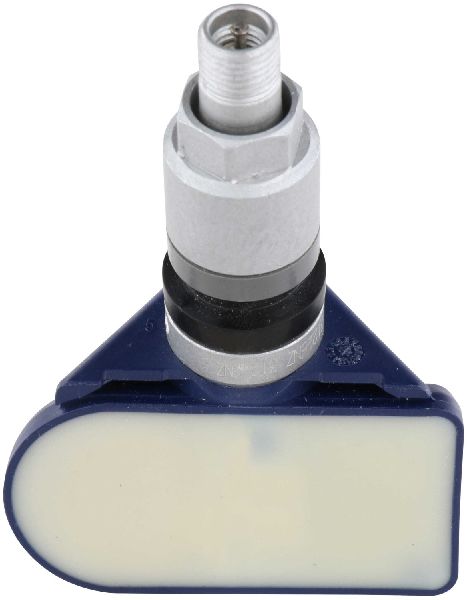
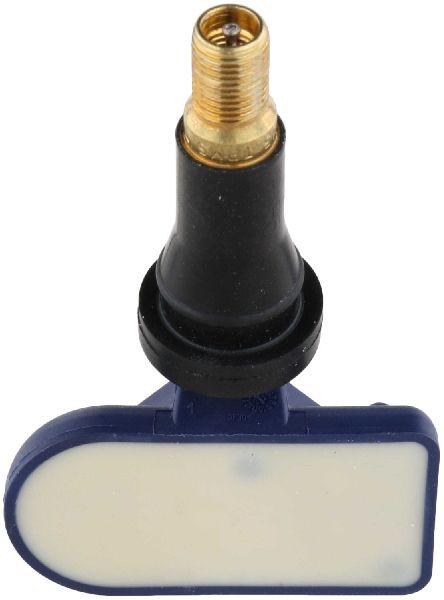
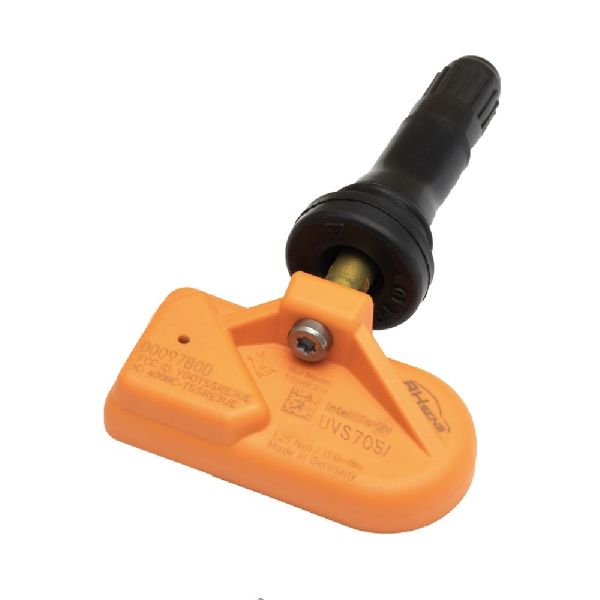
- Tire Pressure Monitoring System (TPMS) Sensor
(OEM #13598775 (C7) / 13554170 (C8))— This is the most common cause of a single TPMS code, usually due to internal battery failure after 5+ years.
Trusted brands: ACDelco, Schrader (often the OEM supplier)
OEM price range: $60-$110
Aftermarket price range: $40-$70 - Remote Control Door Lock Receiver (RCDLR)
(OEM #13595511 (C7, per TSB 16-NA-396))— This module is the cause when TPMS codes appear with key fob or no-start issues. It's a known failure point on this platform.
Trusted brands: ACDelco (GM Genuine)
OEM price range: $100-$250
Aftermarket price range: Not Recommended (due to programming issues)
Related Codes That Often Appear With This One
- C0755, C0760, C0765 — These are the codes for the other three TPMS sensors. When all four appear together, it strongly points to a failure of the central RCDLR module or significant RFI rather than four individual sensors failing at once.
- B3055, B3060, B3935 — These are security and key transponder codes. Their presence alongside C0750 is a major clue that the RCDLR is failing or experiencing interference, causing a no-start condition related to the vehicle's immobilizer system, as cited in TSB PIC5650.
Technical Service Bulletins (TSBs) & Recalls
- PIC5650M/K: Mentions C0750 as part of a group of codes related to no-crank, no-start, or start-stall concerns with the security light on. Crucially, it points to Radio Frequency Interference (RFI) from aftermarket devices as a primary cause to investigate before replacing parts.
- 16-NA-396: Addresses intermittent key fob operation and TPMS indicator illumination with codes C0750, C0755, C0760, and C0765, identifying the cause as an internal RCDLR failure and recommending module replacement. It specifies part number 13595511 for the fix.
- PIT5446A: Details how a poor or disconnected RCDLR antenna connection can cause identical symptoms, including TPMS codes and 'No Fob Detected' messages. It advises checking the coax cable connections before replacing the module.
Platform-Specific Known Issues
- RCDLR Failure Documented in TSBs: A known issue, referenced in GM TSB #PIC5650K and #16-NA-396, involves a no-crank or start-stall condition accompanied by security lights and multiple TPMS and body codes, including C0750. This points to a complex fault often involving the RCDLR or RFI.
- Owner Experience: Intermittent Failures: Owners on CorvetteForum report that symptoms can be intermittent. For example, the key fobs may fail to work after the car has been sitting, or TPMS errors may appear and disappear during a drive, sometimes after hitting a bump or after heavy rain, suggesting a loose connection or a module on the verge of failure.
Hidden / Shadow Codes Worth Checking
- C0750 with Symptom Byte: When viewed with a GM GDS2 scan tool, the C0750 code may be accompanied by a 2-digit symptom byte (e.g., 08, 5A). A code like C0750-08 indicates a 'Bus Signal/Message Failure', pointing towards a communication loss. A symptom byte of '5A' (Not Plausible Signal) could suggest radio frequency interference, while other bytes might indicate an internal sensor fault. These sub-codes help a technician narrow down the root cause more effectively than the generic DTC alone. (see via GM Global Diagnostic System 2 (GDS2) software, used by dealerships and specialized shops.)
Scan Tool Commands That Help
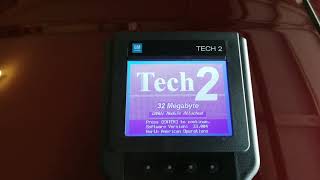
- GDS2 / Tech 2: Remote Control Door Lock Receiver Programming and Setup — This function is mandatory after replacing the RCDLR. According to GM bulletin PIC3225J, the procedure involves several steps: performing the module setup, programming the Theft Deterrent System (relearn), and then learning the TPMS sensors and key fobs to the new module. Failure to execute this multi-step programming will result in a no-start condition and persistent TPMS errors.
- GDS2 / Tech 2: Tire Pressure Sensors Learn — While the C7 Corvette has an auto-learn procedure, sometimes it fails, especially after the battery has been disconnected for a long time or if the RCDLR has been reset. A manual learn can be forced via the DIC, but if that fails, a scan tool can command the BCM/RCDLR to enter learn mode, which then requires using a TPMS activation tool at each wheel to finalize the process.
Wiring & Ground Locations
- G304 — On the C7 Corvette, this ground point is located in the rear of the vehicle, on the driver's side frame rail, near the RCDLR module.. The RCDLR relies on a clean ground connection at G304 to function properly. A loose or corroded ground at this location can cause intermittent RCDLR operation, leading to simultaneous TPMS faults (like C0750) and key fob detection issues. This is a critical check before replacing the module itself.
- RCDLR Connector — The main electrical connector plugs directly into the RCDLR module, which is located behind the trim panel in the rear cargo area, near the driver's side courtesy light on C7 models.. Forum members have reported that simply unplugging and replugging this connector can sometimes resolve intermittent issues, suggesting that a poor pin connection, rather than module failure, was the cause. Inspecting for corrosion or backed-out pins is a valid diagnostic step.
- Small Negative Battery Wire — A small black ground wire attached to the main negative battery terminal clamp in the rear cargo area.. This small wire is a ground for multiple body modules. Technicians or owners unfamiliar with the C7 often damage or fail to properly tighten this wire during battery replacement. A loose connection here can cause widespread, seemingly unrelated electrical issues and DTCs, including communication faults with the RCDLR.
Real Owner Repair Stories
- CorvetteForum Member (2016 Chevrolet Corvette) — Car would not start, 'No Fob Detected' message, and all four TPMS sensor codes (C0750, C0755, C0760, C0765) were present. The issue was intermittent and sometimes triggered by heavy rain.
❌ Tried (didn't work) Dealer could not find any stored codes on two separate visits because the BCM had apparently reset itself., Washing the car seemed to trigger the issue.
✅ What actually fixed it The problem was ultimately traced to a faulty RCDLR module. The owner suspected a bad ground or water intrusion, but replacing the module resolved the simultaneous key fob and TPMS failures. - CorvetteForum Member (2014 Chevrolet Corvette Z51) — Intermittent 'No Fob Detected', TPMS errors, and car failing to start. The owner had to use the manual key to enter the car.
❌ Tried (didn't work) Replacing the key fob batteries., Placing the fob in the steering column slot.
✅ What actually fixed it The owner discovered the issue was caused by a newly installed aftermarket rear-view camera. The camera's wiring was creating radio frequency interference that jammed the RCDLR. Disconnecting the camera immediately solved all problems.
OEM Part Supersession History
13581560→13598775— Standard part evolution and potential minor design improvements.
Heads up: Part number 13598775 is the correct, metal-stemmed clamp-in style sensor for most C7 Corvettes. Other numbers like 84413356 may be supplied but could be a different style (e.g., snap-in) and cause confusion. Using the Schrader aftermarket equivalent, #20223, is also a reliable option as they are the OEM manufacturer.13595511→13540045— Part consolidation or internal revision by GM.
Heads up: The RCDLR for the C7 has several part numbers depending on model year and options (e.g., 13509592, 13586943, 13595511). It is critical to verify the correct part number for the vehicle's specific VIN before ordering, as they are not all interchangeable. Using an incorrect module may lead to programming failure even with dealer tools.
Model Year Variations Within This Range
- 2014-2019 (C7): The RCDLR module part number can vary. For example, TSB 16-NA-396 specifies part number 13595511 for some vehicles, but other numbers exist. This is critical because replacement requires programming, and an incompatible module will not program correctly. Always confirm the PN via VIN with a GM parts department.
- 2020-2022 (C8): The C8 Corvette uses a different TPMS sensor (PN 13554170) and RCDLR architecture as part of its updated Global B electrical system. While the C0750 code's meaning is the same, the physical parts and diagnostic procedures differ significantly from the C7.
Helpful Videos
We Have This Part in Stock

The information in this article is provided for general reference and educational purposes only. Vehicle specifications, procedures, and part compatibility can vary by production date, trim level, and region. Always consult your vehicle's factory service manual and verify part numbers before purchasing or performing repairs. Safety-critical components such as airbags, seat belts, and braking systems should be installed by a qualified professional.
- Chevrolet CORVETTE:
- 🧭 Diagnostic Flowchart
- 🎬 Helpful Videos
- 🛍️ Shop This Part
- What's Unique About the 2015-2022 Chevrolet CORVETTE
- Symptoms You May Notice
- Most Likely Causes
- Rare But Worth Checking
- Diagnosis Steps
- Parts You'll Likely Need
- Related Codes That Often Appear With This One
- Technical Service Bulletins (TSBs) & Recalls
- Platform-Specific Known Issues
- Hidden / Shadow Codes Worth Checking
- Scan Tool Commands That Help
- Wiring & Ground Locations
- Real Owner Repair Stories
- OEM Part Supersession History
- Model Year Variations Within This Range
- 🎟️ Get 5% Off