

C0750 on 2007-2014 Chevrolet Silverado: TPMS Fault or a Deeper Electrical Issue?
Code C0750 on a Silverado most often means the left front tire pressure (TPMS) sensor battery has died. However, if your key fob is also acting up, the problem is likely a failing Remote Control Door Lock Receiver (RCDLR) module, a common issue on these trucks that integrates both TPMS and keyless entry functions.
- C0750 means there's a problem with the left front tire pressure sensor signal.
- Before buying parts, check your key fob. If it's also not working, the problem is likely the RCDLR module, not the sensor in the tire.
- If only the TPMS light is on and only code C0750 is present, a dead battery in the tire sensor is the most probable cause.
- Unplug any aftermarket phone chargers or accessories before starting complex diagnostics, as they can interfere with the system.
- Replacing the RCDLR requires professional programming to sync it with your vehicle and keys.
What's Unique About the 2007-2014 Chevrolet SILVERADO 1500
On this generation of Silverado (GMT900), General Motors integrated the Tire Pressure Monitoring System (TPMS) receiver with the Remote Control Door Lock Receiver (RCDLR). This single module processes signals from both your tire sensors and your key fobs. Consequently, a simple TPMS code like C0750 can be the first sign of a failing RCDLR, which can lead to more serious issues like the key fob not working or even a no-start condition, as documented in GM Technical Service Bulletin PIC5650M.
Diagnostic Flowchart
Tap your situation to follow the diagnostic path that matches what you're seeing on this vehicle.
Generation note: This range covers the end of the GMT900 generation (2007-2013) and the first year of the K2XX generation (2014). Both generations use a similar RCDLR module that integrates TPMS and key fob functions, making the causes and diagnostic logic broadly applicable across this year range. However, the physical location of the RCDLR and its antenna may differ slightly between the generations.
Symptoms You May Notice
- "Service Tire Monitor System" message on the Driver Information Center (DIC)
- TPMS warning light is illuminated or flashing
- Pressure reading for the left front tire shows dashes (--) on the DIC
- Intermittent or complete failure of key fobs (lock/unlock/remote start)
- Reduced operating range for key fobs
- "No Fob Detected" message (on push-to-start models)
- Security light on, with intermittent no-crank or no-start conditions
- Replacing only the TPMS sensor when the key fobs are also inoperative. This usually indicates the RCDLR is the true fault.
- Replacing the Body Control Module (BCM) when the RCDLR is the actual point of failure. The RCDLR 🎬 See how to diagnose a module with no communication. communicates with the BCM but is a separate part on these models.
- Assuming the RCDLR is bad when the actual cause is a disconnected antenna coax cable, which produces identical symptoms.
Most Likely Causes
- Dead Left Front TPMS Sensor Battery 🔴 High Probability → Shop Tire Pressure Monitoring System (TPMS) Sensor TPMS sensor batteries are sealed and have a finite lifespan of 5-10 years. Vehicles in this 2007-2014 range are at or beyond the typical life expectancy of the original sensors. A low battery condition is a specific trigger for this code.
How to confirm: Use a TPMS activation tool to attempt to read the sensor. If the tool cannot get a signal from the left front sensor but can read the other three, the sensor has failed. A professional scan tool can also read the battery status directly from the RCDLR's data list.
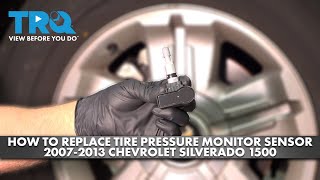
Typical fix: Replace the left front TPMS sensor 🎬 Watch: Step-by-step guide to replacing your TPMS sensors. and perform the TPMS relearn procedure as outlined in the owner's manual or service manual.
Est. part cost: $25-$75 - Failed Remote Control Door Lock Receiver (RCDLR) 🟡 Medium Probability → Shop Keyless Entry Receiver The RCDLR module on this platform is a known failure point. It can lose the ability to receive RF signals, affecting both TPMS and key fobs simultaneously. TSB 16-NA-396 specifically addresses internal RCDLR failures causing TPMS codes. The module is located behind the rear cabin trim panel, typically on the driver's side in crew cab models.
How to confirm: Confirm if key fobs are also malfunctioning. Scan for codes in all modules; the presence of C0750 along with other TPMS codes (C0755, C0760, C0765) and/or security codes (B3055, B3060) strongly points to the RCDLR. A temporary fix after a battery disconnect can also indicate a failing module.
Typical fix: Replace the RCDLR module and have it professionally programmed to the vehicle. This programming is required to sync the existing key fobs.
Est. part cost: $40-$120 - Radio Frequency Interference (RFI) ⚪ Low Probability As noted in TSB PIC5650M and its successors, aftermarket electronics like phone chargers, LED lights, and dash cams can emit RFI that jams the 315 MHz signals from the TPMS sensors and key fobs.
How to confirm: Unplug all aftermarket 12V accessories and remove any non-factory fobs or access cards from the keychain. If the problem disappears, one of the devices is the cause. The interference may only occur when the device is active (e.g., when LED headlights are on).
Typical fix: Remove or replace the interfering aftermarket device.
Est. part cost: $0
Rare But Worth Checking
- Disconnected RCDLR Antenna: GM TSB 16-NA-061 notes that the coaxial antenna cable for the RCDLR can become disconnected at the module, at the antenna amplifier, or at the rear glass antenna itself. A disconnect at the module often causes all sensors to stop reporting, while a disconnect further away may only affect the sensors farthest from the RCDLR, like the left front. This is worth checking before replacing the module itself.
- Corroded Wiring or Blown Fuse for RCDLR: Water intrusion in the cabin can lead to corrosion on the power or ground wires for the RCDLR module. A shorted wire or even a piece of metallic debris in the fuse block can blow the fuse (typically labeled DSM or RDO/BAND/VICS) for the RCDLR, causing a loss of communication and function. Checking for power and ground at the module connector is a key diagnostic step before ordering a replacement part.
Diagnosis Steps
- Verify the complaint. Check for the 'Service Tire Monitor System' message and note if the key fobs are working correctly and from a normal distance.
- Scan all vehicle modules for stored Diagnostic Trouble Codes (DTCs). Note any other TPMS, BCM, or security codes, including hidden symptom bytes if your scanner supports it.
- Using a TPMS diagnostic tool, attempt to activate and read the signal from all four tire sensors. Note the battery status if the tool displays it.
- If the left front sensor does not respond, but the others do, the sensor itself has likely failed due to an expired battery. Replace the sensor.
- If all sensors fail to respond, or if the left front sensor responds but the code persists, suspect a central issue (RCDLR, antenna, or RFI).
- If key fob and TPMS issues are present simultaneously, the RCDLR is the primary suspect.
- Perform an RFI check: Unplug all aftermarket accessories (phone chargers, dash cams, LED lights) to eliminate Radio Frequency Interference as a cause.
- Inspect the RCDLR and its antenna. The module is typically located behind the rear cabin trim panel on the driver's side. Check that the coaxial antenna cable is securely connected to the module.
- With a multimeter, check for 12V power (Red/White wire) and a good ground (Black wire) at the RCDLR electrical connector. Check the associated fuse if power is missing.
- If wiring and antenna connections are intact and RFI has been ruled out, the RCDLR module likely needs to be replaced and programmed by a dealer or a properly equipped independent shop.
Parts You'll Likely Need
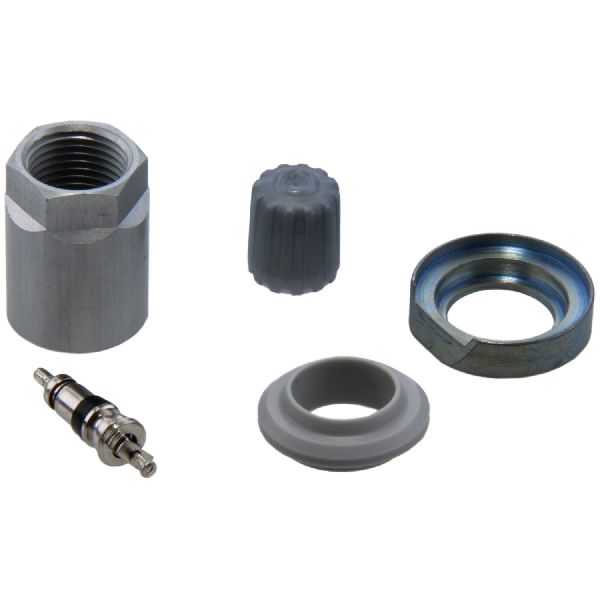
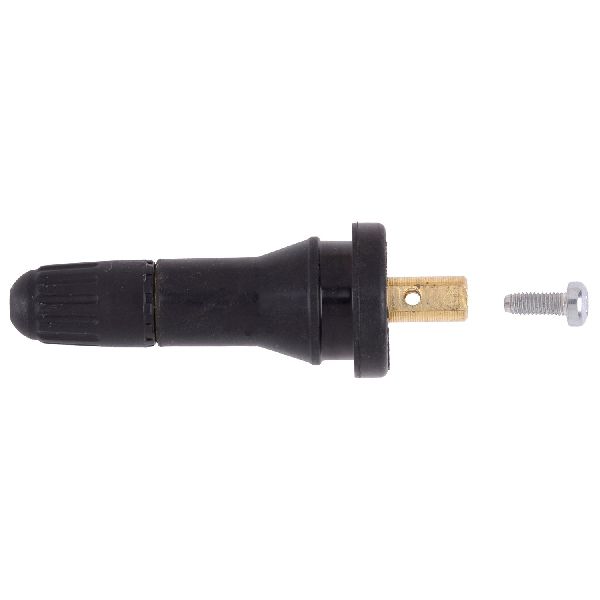
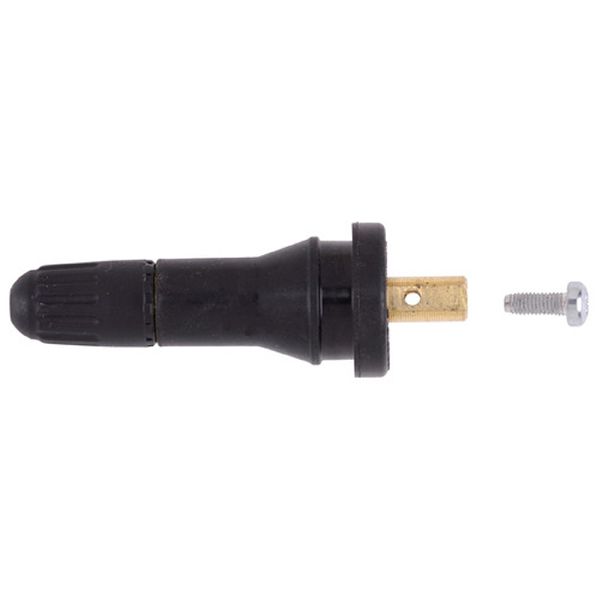
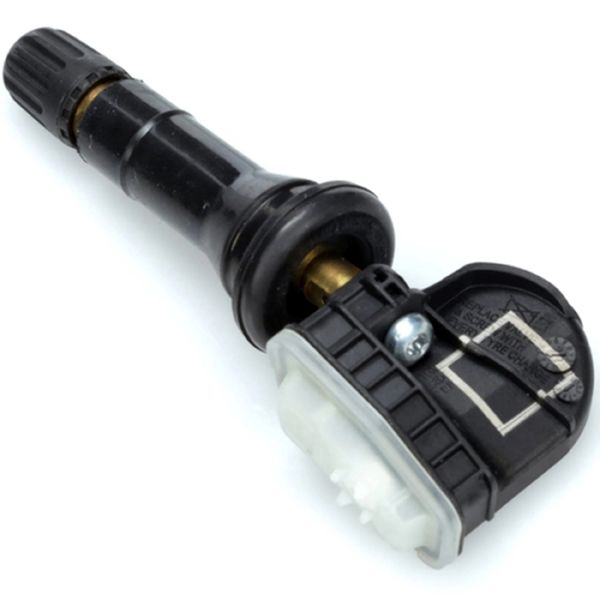
- Tire Pressure Monitoring System (TPMS) Sensor
(OEM #13598771)— The internal battery expires after 5-10 years, making this the most common reason for a single-wheel TPMS fault.
Trusted brands: ACDelco, Schrader
OEM price range: $40-$60
Aftermarket price range: $25-$45 - Remote Control Door Lock Receiver (RCDLR)
(OEM #22888773)— This module is a known failure point and is the cause when C0750 appears with other TPMS codes or key fob issues.
Trusted brands: ACDelco, Dorman
OEM price range: $60-$120
Aftermarket price range: $40-$80
Related Codes That Often Appear With This One
- C0755, C0760, C0765 — These are the codes for the other three tire pressure sensors. When all four appear together, it is highly indicative of a central receiver (RCDLR) failure, a disconnected RCDLR antenna, or significant RFI rather than four individual sensors failing at once.
- B3055, B3060, B3935 — These are vehicle security codes related to the key and immobilizer system. Their presence alongside C0750 is a strong indicator of a failing RCDLR or significant RFI, as mentioned in TSB PIC5650M.
Technical Service Bulletins (TSBs) & Recalls
- PIC5650M: Addresses intermittent no-crank/no-start, security lights, and keyless entry issues that may appear with TPMS codes like C0750, often caused by Radio Frequency Interference (RFI) or a module fault.
- 16-NA-061: Details how a disconnected RCDLR antenna can cause TPMS codes and key fob issues, a relevant diagnostic point for the similar system in the 2007-2014 Silverado. It explains how a disconnect at different points in the antenna system can cause varying symptoms.
- 16-NA-396: Specifically calls out internal failure of the RCDLR as a cause for simultaneous TPMS and key fob issues, recommending replacement of the module.
Platform-Specific Known Issues
- The integration of TPMS and keyless entry functions into the RCDLR module is a key characteristic of this platform. This design means a TPMS fault can be linked to security and starting systems, which is not the case on all vehicles.
- TSB PIC5650M specifically calls out that intermittent no-start conditions can be linked to this and other TPMS codes, pointing toward a broader electrical issue like RFI or a module fault rather than just a tire sensor.
- The RCDLR module is physically located behind the rear interior trim panels, making access for inspection or replacement moderately difficult.
Mechanic-Grade Diagnostic Values
- RCDLR Power Supply Voltage — expected: Battery Voltage (approx. 12.6V with key on, engine off). Failure: 0V indicates a broken wire or blown fuse.
- RCDLR Ground Connection — expected: Near 0V (checking for voltage) or <1 ohm resistance to chassis ground. Failure: High resistance or any voltage reading indicates a bad ground.
Hidden / Shadow Codes Worth Checking
- C0750 03: Indicates 'Voltage Below Threshold'. This is a strong indicator that the internal battery of the TPMS sensor itself is failing. (see via GM Tech2 or GDS2 scan tool, or a high-end aftermarket scanner capable of reading manufacturer-specific symptom bytes.)
- C0750 08: Indicates an 'Invalid Signal' from the sensor. The RCDLR is receiving a signal, but the data is corrupt or not in the expected format. (see via GM Tech2 or GDS2 scan tool.)
- C0750 29: Indicates 'Too Few Pulses' were received. This points to an intermittent signal loss, often linked to internal RCDLR failure per TSB 16-NA-396. (see via GM Tech2 or GDS2 scan tool.)
- C0750 39: Indicates an 'Internal Malfunction' within the TPMS sensor itself, rather than a battery or communication issue. (see via GM Tech2 or GDS2 scan tool.)
Scan Tool Commands That Help
- GM Tech2 / GDS2: RCDLR Data Display — Use this to monitor the live status of each TPMS sensor, including pressure, temperature, and sensor mode ('Wake' or 'Drive'). This confirms if the module is receiving any data from the suspect sensor.
- GM Tech2 / GDS2: Special Functions > Tire Pressure Monitor Learn — To initiate the TPMS relearn procedure from the scan tool. This is a more reliable method than the manual procedure and is required after replacing a sensor or the RCDLR.
- GM Tech2 / GDS2: Module Setup > RCDLR > Tire Type/Pressure Selection — Used after replacing the RCDLR or if it has lost its configuration. This writes the correct tire placard information to the module, which is required for it to properly interpret sensor data.
Wiring & Ground Locations
- RCDLR Module — Behind the interior trim panel in the driver's side rear cargo area (D-pillar for SUVs) or behind the rear driver's side trim in pickups.. This is the central receiver for both TPMS and key fob signals. Access is required to test power, ground, and antenna connections.
- RCDLR Connector — The main electrical plug at the RCDLR module.. This is where voltage and ground tests are performed. The Red/White wire is battery power, and the Black wire is ground.
- RCDLR Antenna — A coaxial cable runs from the RCDLR to an antenna amplifier, which then connects to the rear window glass antenna.. A loose connection at the module, amplifier, or glass is a common cause of intermittent signal loss, especially for the farthest sensor (left front).
- G305 / G400 — Body ground points located on the left rear body mount or frame rail area, near the RCDLR's location.. The RCDLR relies on a clean chassis ground to function correctly. Corrosion or looseness at these points can cause intermittent RCDLR operation.
Real Owner Repair Stories
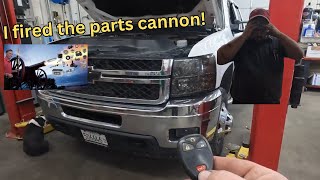
- YouTube channel "Raymond Beachy" (2011 Chevrolet Silverado) — Key fobs not working, no communication with the RCDLR module on a scan tool.
❌ Tried (didn't work) Initially assumed the RCDLR module itself had failed.
✅ What actually fixed it The technician found that the RCDLR had a good ground but was not receiving power on the Red/White wire. The fuse was intact. The problem was a broken power wire somewhere in the harness between the fuse block and the RCDLR module. Manually supplying power to the module restored communication immediately.
Model Year Variations Within This Range
- 2007 (early models): Some early 2007 GMT900 trucks may have the RCDLR located at the top rear of the passenger compartment, above the rear window, before it was standardized to the rear side panel location.
Helpful Videos
We Have This Part in Stock


The information in this article is provided for general reference and educational purposes only. Vehicle specifications, procedures, and part compatibility can vary by production date, trim level, and region. Always consult your vehicle's factory service manual and verify part numbers before purchasing or performing repairs. Safety-critical components such as airbags, seat belts, and braking systems should be installed by a qualified professional.
- Chevrolet SILVERADO 1500:
- 🧭 Diagnostic Flowchart
- 🎬 Helpful Videos
- 🛍️ Shop This Part
- What's Unique About the 2007-2014 Chevrolet SILVERADO 1500
- Symptoms You May Notice
- Most Likely Causes
- Rare But Worth Checking
- Diagnosis Steps
- Parts You'll Likely Need
- Related Codes That Often Appear With This One
- Technical Service Bulletins (TSBs) & Recalls
- Platform-Specific Known Issues
- Mechanic-Grade Diagnostic Values
- Hidden / Shadow Codes Worth Checking
- Scan Tool Commands That Help
- Wiring & Ground Locations
- Real Owner Repair Stories
- Model Year Variations Within This Range
- 🎟️ Get 5% Off