

C0750 on 2016-2022 Chevrolet Spark: TPMS Fault Causes and Fixes
Code C0750 on a 2016-2022 Chevy Spark almost always means the left front tire pressure (TPMS) sensor has failed, usually due to a dead battery. Expect to pay $120-$200 for a shop to replace the sensor, as it requires dismounting the tire. If key fob and starting issues are also present, the cause is likely a faulty RCDLR module as noted in TSB 16-NA-396.
- C0750 means there's a problem with your left front tire pressure sensor, not just low air.
- The most likely cause is a dead battery in the sensor, which requires replacing the entire sensor unit.
- This is not a DIY-friendly repair; it requires a tire machine and a TPMS programming tool.
- If you also experience key fob issues or starting problems, the issue is almost certainly a faulty RCDLR module, a more complex repair covered by TSB 16-NA-396.
- Always check the pressure in all four tires manually, as the reported position on the dash could be wrong if a tire rotation was performed without a relearn procedure.
What's Unique About the 2016-2022 Chevrolet SPARK
What's unusual for the Chevy Spark and other GM vehicles is that a TPMS fault like C0750 can be linked to more severe symptoms than just a tire light. Manufacturer bulletins confirm that a faulty module that reads the TPMS sensors, the Remote Control Door Lock Receiver (RCDLR), can also cause a "No Remote Detected" message, key fob issues, and even a no-start or stalling condition. This means a simple-looking tire sensor code could, in some cases, point to a more complex electrical issue preventing the car from starting, a scenario detailed in TSBs PIC5650M and 16-NA-396.
Diagnostic Flowchart
Tap your situation to follow the diagnostic path that matches what you're seeing on this vehicle.
Symptoms You May Notice
- Tire Pressure Monitoring System (TPMS) warning light is on (often flashing on startup, then solid)
- "Service Tire Monitor System" message on the driver information center (DIC)
- Incorrect or no pressure reading for the left front tire on the DIC
- "No Remote Detected" message on the DIC
- Key fob intermittently or completely fails to lock/unlock doors or use remote start
- Intermittent no crank, no start, or stalling, often with the security light on [PIC5650M]
- Replacing the tire when the issue is the sensor inside it.
- Assuming the Body Control Module (BCM) is bad before thoroughly testing the sensor and RCDLR, which are more common failure points for this code.
- Replacing a TPMS sensor when the actual fault lies with the RCDLR module, especially if key fob issues are also present.
- Mistaking a tire's location. If tires were rotated without a relearn procedure, the DIC may report a fault for the 'left front' position, but the problematic sensor may now be on a different corner of the car.
Most Likely Causes
- Dead TPMS Sensor Battery 🔴 High Probability → Shop Tire Pressure Monitoring System (TPMS) Sensor TPMS sensor batteries are not rechargeable and have a finite lifespan of 5-10 years. Vehicles in the 2016-2022 range are now reaching this age. The battery is potted inside the sensor and cannot be replaced separately.
How to confirm: A professional TPMS diagnostic tool can attempt to 'wake' or read the sensor. If the sensor does not respond or shows a low battery status, its battery is dead. The code C0750 with symptom byte :39 (Internal Malfunction) also points to a failed sensor.
Typical fix: Replace the left front TPMS sensor and perform the TPMS relearn procedure. 🎬 See this walkthrough on replacing and pairing a new sensor
Est. part cost: $30-$80 - Failed TPMS Sensor 🟡 Medium Probability → Shop Tire Pressure Monitoring System (TPMS) Sensor Sensors can fail from internal electronic faults or physical damage from impacts, road hazards, or improper tire service.
How to confirm: The sensor may respond to a TPMS tool but provide erratic data or fail to complete the relearn procedure. The code will persist after clearing.
Typical fix: Replace the left front TPMS sensor and perform the relearn procedure.
Est. part cost: $30-$80
Rare But Worth Checking
- Faulty Remote Control Door Lock Receiver (RCDLR): → Shop Keyless Entry Receiver A GM Technical Service Bulletin (#16-NA-396) identifies that a faulty RCDLR can cause TPMS codes C0750, C0755, C0760, and C0765, often with symptom byte :29 (Too Few Pulses). This module processes signals from both the TPMS sensors and the key fobs. If you have both TPMS and key fob/starting problems, this module is the primary suspect. The fix is to replace the RCDLR, part number 13595511.
- Wiring or Connector Corrosion: Water intrusion into body connectors can cause a wide range of electrical issues. TSB 19-NA-203 (though not for this specific code) details issues with water leaking past A-pillar body plugs and corroding harness connectors like the X500/X600, which can disrupt data bus communication. While less common, a visual inspection for corrosion in related harnesses is worthwhile if sensor and RCDLR diagnostics are inconclusive.
Diagnosis Steps
- Read the codes: Confirm C0750 is present using an OBD-II scanner. Use a high-end scanner if possible to check for manufacturer-specific symptom bytes like :29 (Too Few Pulses) or :39 (Internal Malfunction).
- Check for related symptoms: Determine if any key fob issues (no lock/unlock) or no-start conditions are present. If yes, the RCDLR is the primary suspect per TSB 16-NA-396.
- Use a TPMS tool: Attempt to activate and read the left front sensor. If it fails to respond or shows a low battery, the sensor itself has failed.
- Check other sensors: Use the TPMS tool to verify the other three sensors are working. If multiple or all sensors are offline, this strongly suggests a central receiver (RCDLR) issue.
- Attempt a relearn: Follow the vehicle's TPMS relearn procedure. This can be initiated through the DIC menu. The car will honk, and you must then let air out of each tire in sequence (LF, RF, RR, LR) until the horn chirps for each one. Alternatively, a TPMS tool like the EL-50448 makes this process much faster. If the left front sensor fails to be recognized during this process, it needs replacement.
- Inspect the RCDLR: If symptoms point to the RCDLR, inspect its connections for power, ground, and any signs of corrosion before replacement. A temporary fix can sometimes be achieved by disconnecting the vehicle's battery to reset the module.
- Replace the failed component: Replace the TPMS sensor or RCDLR as diagnosed. The RCDLR requires programming with GM's diagnostic software after installation.
Parts You'll Likely Need
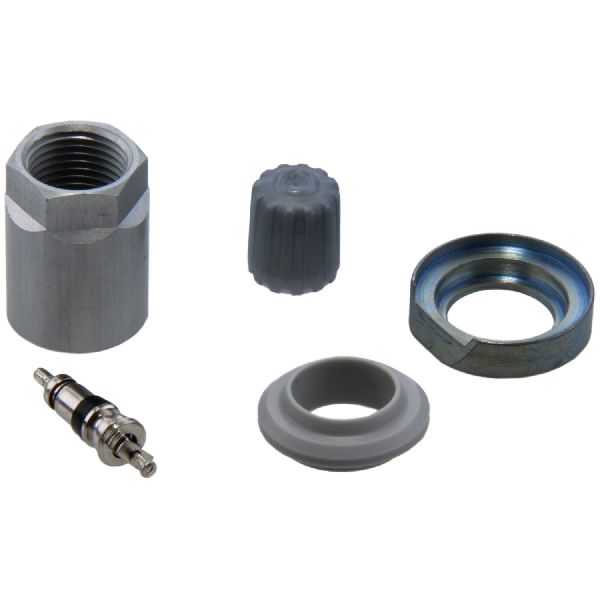
- Tire Pressure Monitoring System (TPMS) Sensor
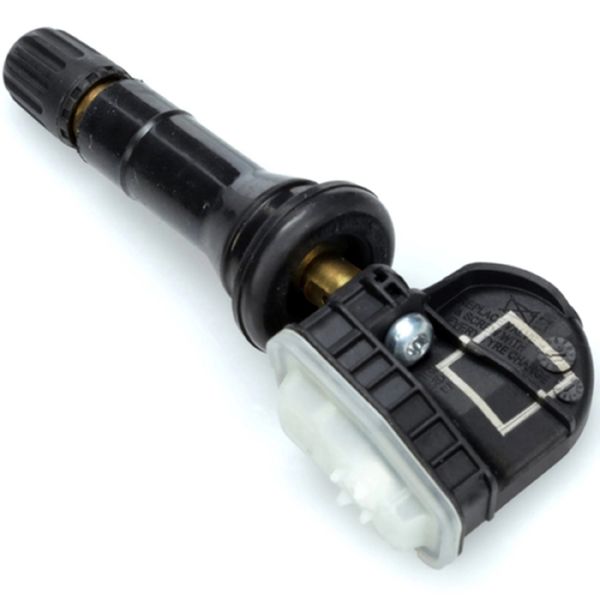
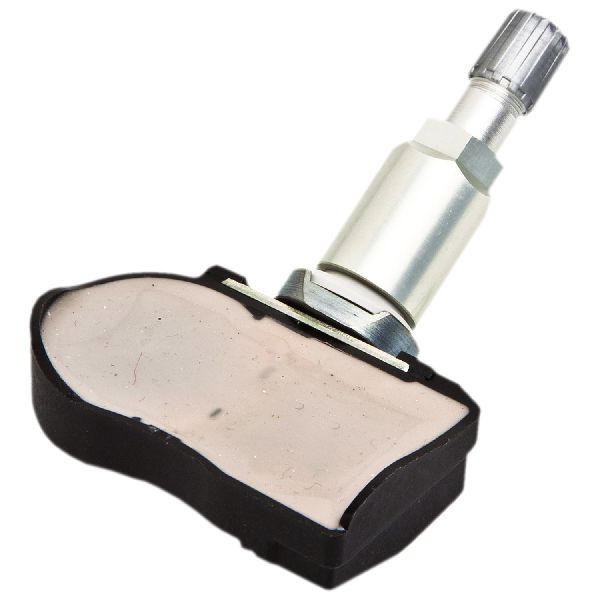
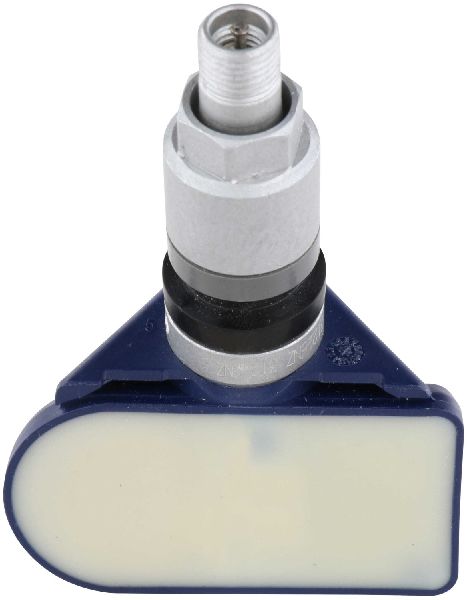
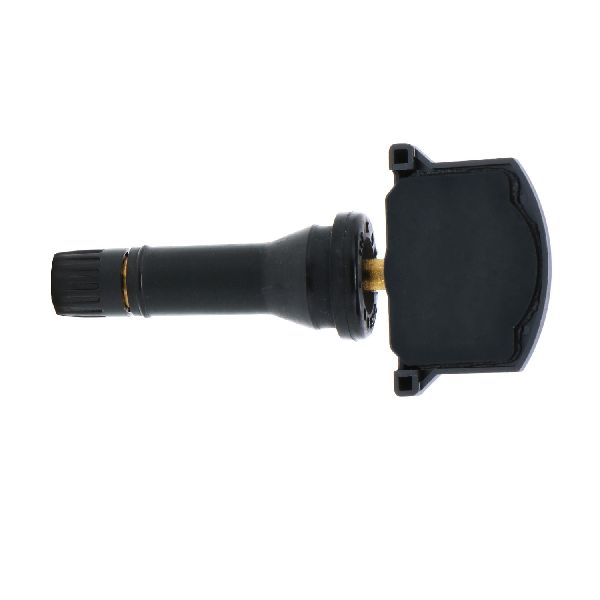
(OEM #13540601)— This is the most common failure point for an isolated C0750 code, typically due to an expired internal battery. This part number has superseded several older numbers including 13598772, 13581558, and 22854866. Note that GM part catalogs show this has been further superseded by P/N 86363052.
Trusted brands: ACDelco (OEM), Schrader, Continental/VDO, Huf
OEM price range: $50-$100
Aftermarket price range: $30-$60 - Remote Control Door Lock Receiver (RCDLR)
(OEM #13595511)— This is the likely failure if C0750 is accompanied by other TPMS codes and/or key fob and starting issues, as documented in TSB 16-NA-396. This part requires programming by a dealer or qualified shop. Note that this part number may be superseded by 13540045.
Trusted brands: ACDelco (OEM)
OEM price range: $80-$150
Aftermarket price range: N/A
Related Codes That Often Appear With This One
- C0755, C0760, C0765 — These are the codes for the other three wheel sensors (Right Front, Left Rear, Right Rear). If they appear with C0750, it points more strongly toward a central issue like a faulty RCDLR rather than four simultaneously failed sensors.
- B3055, B3060, B3935 — These codes relate to the key transponder and immobilizer system. Their presence alongside C0750 is a strong indicator of the scenario described in TSB PIC5650M, where a module fault (like the RCDLR) causes both starting and TPMS issues.
Technical Service Bulletins (TSBs) & Recalls
- PIC5650M: Mentions C0750 in conjunction with no crank/no start/start stall concerns and security light illumination.
- 16-NA-396: Identifies a faulty Remote Control Door Lock Receiver (RCDLR), P/N 13595511, as a potential cause for C0750 (with symptom byte :29) and other TPMS codes, along with key fob and passive entry/start system failures.
Platform-Specific Known Issues
- A known issue, documented in TSB #PIC5650M, links this TPMS code to intermittent no-crank/no-start conditions accompanied by a security light.
- TSB #16-NA-396 points to a faulty Remote Control Door Lock Receiver (RCDLR) as a cause for C0750 and other TPMS codes, which can also result in key fob malfunctions and "No Remote Detected" messages.
- Owners on forums frequently report that a single dead sensor can prevent a shop from being able to complete the relearn procedure for the remaining good sensors until the dead one is replaced.
Hidden / Shadow Codes Worth Checking
- C0750:29: Too Few Pulses. This explicitly means the RCDLR is not receiving the expected number of data packets from the sensor. Its presence strongly points to a faulty RCDLR module as the cause, per TSB 16-NA-396. (see via A professional scan tool capable of reading GM-specific symptom bytes, such as a Tech2 or GDS2.)
- C0750:39: Internal Malfunction. This symptom byte indicates the TPMS sensor itself has an internal fault, most commonly a dead battery or failed electronics. (see via A professional scan tool capable of reading GM-specific symptom bytes.)
- C0750:03: Low Voltage / Voltage below threshold. This indicates the sensor's signal voltage is below the acceptable range, often a precursor to total battery failure. (see via A professional scan tool capable of reading GM-specific symptom bytes.)
Scan Tool Commands That Help
- GDS2 (Global Diagnostic System 2): Remote Control Door Lock Receiver Replacement — This service function is required after physically replacing the RCDLR. It programs the new module to the vehicle's VIN and security system, allowing it to communicate with the BCM, TPMS sensors, and key fobs.
- GDS2 (Global Diagnostic System 2): TPMS Data Display — Before replacing parts, use this function to view live data from each TPMS sensor, including pressure, temperature, sensor ID, and battery status (if available). This can confirm if the left front sensor is not transmitting while others are.
- EL-50448 or similar TPMS Tool: TPMS Relearn Procedure — After replacing a sensor or rotating tires, this tool is used to trigger each sensor in sequence, allowing the RCDLR to learn their new positions. This is much faster than the manual method of letting air out of the tires.
Wiring & Ground Locations
- Remote Control Door Lock Receiver (RCDLR) — On many similar GM platforms, the RCDLR is located behind an interior trim panel, often in the rear of the vehicle or near the headliner. For the Spark, it is typically integrated with other functions and located behind the dashboard or center console area.. The RCDLR is the central receiver for all TPMS signals. A loose connector, damaged wiring, or a bad ground at this module can cause C0750 and other related codes.
- Instrument Panel Fuse Box — Located on the driver's side of the instrument panel, behind a removable cover.. This fuse box contains fuses for the Body Control Module (BCM) and other interior modules. A blown fuse here could potentially affect the RCDLR or BCM, leading to TPMS codes.
- Serial Data Gateway Module (SDGM) — Located high up under the driver's side dashboard, mounted with two 10mm nuts facing the front of the car. It is notoriously difficult to access.. This module acts as a go-between for all vehicle communication networks. While a rare cause, a failure here can cause widespread communication DTCs across multiple systems, potentially including the RCDLR and BCM, leading to a C0750 code among many others.
OEM Part Supersession History
13598772, 13581558, 22854866→13540601— Part consolidation and design updates by GM.13540601→86363052— Latest part revision from GM.
Heads up: 86363052 is the current OEM replacement for 13540601 according to GM parts catalogs.13509518→13595511— Updated part specified in TSB 16-NA-396 for RCDLR replacement.13595511→13540045— Part revision by GM.
Heads up: Some parts catalogs indicate 13540045 is the replacement for 13595511. Always verify the correct part number with a dealer using the vehicle's VIN.
Model Year Variations Within This Range
- 2016-2022: The Chevrolet Spark M400 generation had a facelift in 2018 for the 2019 model year. While the core TPMS and RCDLR systems remained functionally the same, part numbers for modules and sensors may have been updated. Always confirm part compatibility with the vehicle's specific VIN, especially for post-facelift (2019-2022) models.
Helpful Videos
We Have This Part in Stock


The information in this article is provided for general reference and educational purposes only. Vehicle specifications, procedures, and part compatibility can vary by production date, trim level, and region. Always consult your vehicle's factory service manual and verify part numbers before purchasing or performing repairs. Safety-critical components such as airbags, seat belts, and braking systems should be installed by a qualified professional.
- Chevrolet SPARK:
- 🧭 Diagnostic Flowchart
- 🎬 Helpful Videos
- 🛍️ Shop This Part
- What's Unique About the 2016-2022 Chevrolet SPARK
- Symptoms You May Notice
- Most Likely Causes
- Rare But Worth Checking
- Diagnosis Steps
- Parts You'll Likely Need
- Related Codes That Often Appear With This One
- Technical Service Bulletins (TSBs) & Recalls
- Platform-Specific Known Issues
- Hidden / Shadow Codes Worth Checking
- Scan Tool Commands That Help
- Wiring & Ground Locations
- OEM Part Supersession History
- Model Year Variations Within This Range
- 🎟️ Get 5% Off