

C0750 on 2017-2024 Chevrolet Traverse: TPMS Fault, Security Issue, or Both?
C0750 indicates a fault with the left front tire pressure (TPMS) sensor. The most common fix is replacing the sensor due to a dead battery. However, if you also have key fob problems or a 'No Remote Detected' message, the issue is likely the Remote Control Door Lock Receiver (RCDLR) module, a known issue on these vehicles covered by TSB 16-NA-396.
- C0750 means there's a problem with your left front tire pressure sensor.
- Before buying parts, check your symptoms. If you ONLY have a TPMS light, the sensor is the likely culprit.
- If you have a TPMS light PLUS key fob problems or a 'No Remote Detected' message, the Remote Control Door Lock Receiver (RCDLR) is the probable cause.
- TPMS sensors have a 7-10 year lifespan; failure is normal on aging vehicles.
- After replacing a sensor, you must perform a 'relearn' procedure using a simple activation tool, which can be purchased online for a low cost.
What's Unique About the 2017-2024 Chevrolet TRAVERSE
On this generation of Traverse and other GM vehicles, the TPMS sensors communicate with the Remote Control Door Lock Receiver (RCDLR), the same module that receives signals from your key fob. This is critical because an internal failure of the RCDLR can cause it to stop 'listening' to both the TPMS sensors and the key fob. This leads to a confusing scenario where TPMS codes like C0750 appear alongside 'No Remote Detected' messages and intermittent no-start conditions, tricking owners into replacing good TPMS sensors when the receiver module is the real problem. This exact failure mode is documented in GM TSB 16-NA-396.
Diagnostic Flowchart
Tap your situation to follow the diagnostic path that matches what you're seeing on this vehicle.
Generation note: The 2017-2024 range covers three Traverse generations: the end of the first (2017), the full second (2018-2023), and the beginning of the third (2024). TPMS sensor part numbers and frequencies (433 MHz) are generally consistent for the second generation but should always be verified by VIN. The underlying RCDLR issue is common across many GM platforms from this era.
Symptoms You May Notice
- Tire Pressure Monitoring System (TPMS) warning light is on
- "Service Tire Monitor System" message on the Driver Information Center (DIC)
- The tire pressure reading for the left front tire shows dashes (--) or an incorrect value
- Intermittent "No Remote Detected" message on the DIC
- Key fob functions (lock/unlock, remote start) work intermittently or not at all
- Poor or no RKE (keyless entry) range
- Intermittent no-crank, no-start condition [⭐ MANUFACTURER TSB — highest authority: Bulletin #PIC5650M]
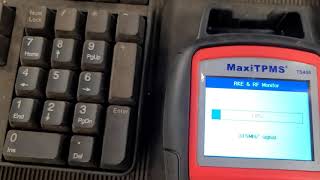
- Replacing the TPMS sensor when the RCDLR is the actual fault. This is common when a technician focuses only on the C0750 code without considering other symptoms like key fob issues. If the key fob doesn't work, the RCDLR is the prime suspect. 🎬 Watch: Diagnosing combined keyless entry and TPMS system failures.
Most Likely Causes
- Faulty Left Front TPMS Sensor 🔴 High Probability → Shop Tire Pressure Monitoring System (TPMS) Sensor TPMS sensors contain a non-replaceable battery with a finite lifespan, typically 7-10 years. Vehicles in this year range are reaching the age where battery failure is common.
How to confirm: A technician can use a dedicated TPMS diagnostic tool to attempt to trigger the sensor and read its data (ID, pressure, temperature, battery status). If the tool cannot get a response from the sensor, it has failed. This is the likely cause if key fobs are working normally.
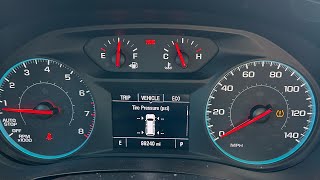
Typical fix: Replace the left front TPMS sensor and perform the TPMS relearn procedure 🎬 Watch: How to relearn TPMS without using a dedicated tool.. This requires dismounting the tire from the wheel.
Est. part cost: $25-$75 - Faulty Remote Control Door Lock Receiver (RCDLR) 🟡 Medium Probability → Shop Keyless Entry Receiver This module is known to have internal issues that cause it to lose communication with both TPMS sensors and key fobs, as documented in GM Technical Service Bulletin 16-NA-396. This is the most probable cause if TPMS and key fob issues start at the exact same time.
How to confirm: This is the likely cause if you have C0750 along with other TPMS codes (C0755, C0760, C0765) AND you are experiencing intermittent key fob and starting issues. A professional scan tool may show a ':29 – Too Few Pulses' symptom code, confirming the RCDLR fault.
Typical fix: Replace the RCDLR module. This part often requires programming to the vehicle with a dealer-level scan tool (like a GDS2).
Est. part cost: $80-$200
Rare But Worth Checking
- Radio Frequency Interference (RFI) from Aftermarket Devices:
Diagnosis Steps
- Check for other DTCs. If key fob or security codes (B-codes) are present alongside multiple TPMS codes (C07xx), suspect the RCDLR.
- CRITICAL FIRST STEP: Unplug all aftermarket devices (phone chargers, dash cams, etc.) to eliminate Radio Frequency Interference (RFI) as a cause, per TSB PIC5650.
- Test key fob functionality. If the fobs are dead or have extremely limited range, and this happened concurrently with the TPMS light, the RCDLR is the primary suspect.
- If only C0750 is present and the key fobs work perfectly, use a TPMS diagnostic tool to check the battery status and function of the left front sensor.
- If the sensor is not responsive, replace the left front TPMS sensor.
- If multiple sensors are not responsive, and key fob issues are present, diagnose the RCDLR module and its wiring/power/ground. Replacement and programming are likely needed.
- After replacing a sensor or the RCDLR, perform the TPMS relearn procedure using the vehicle's DIC and a TPMS activation tool.
Parts You'll Likely Need
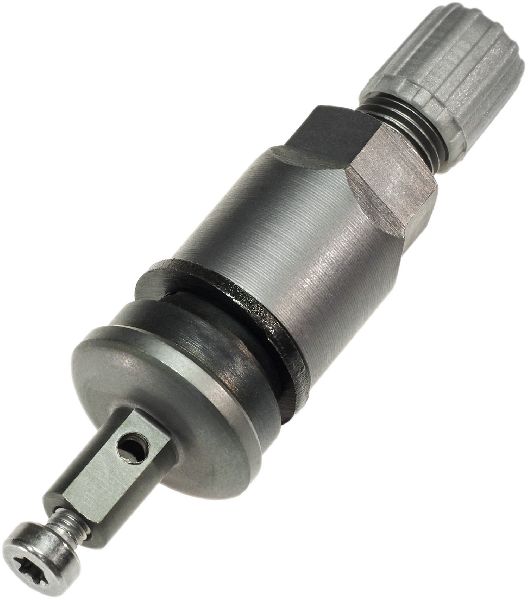
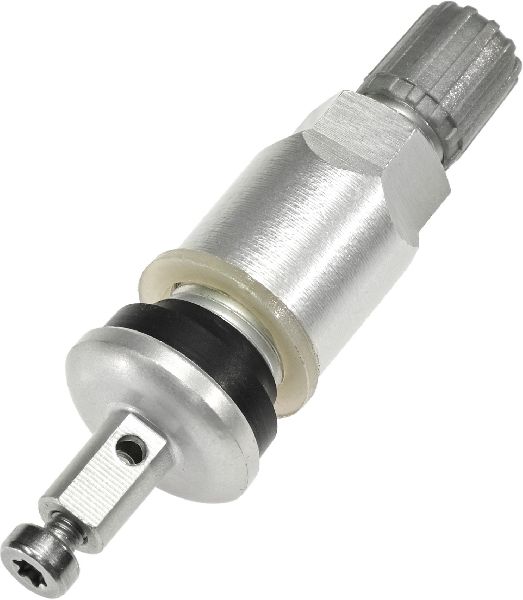
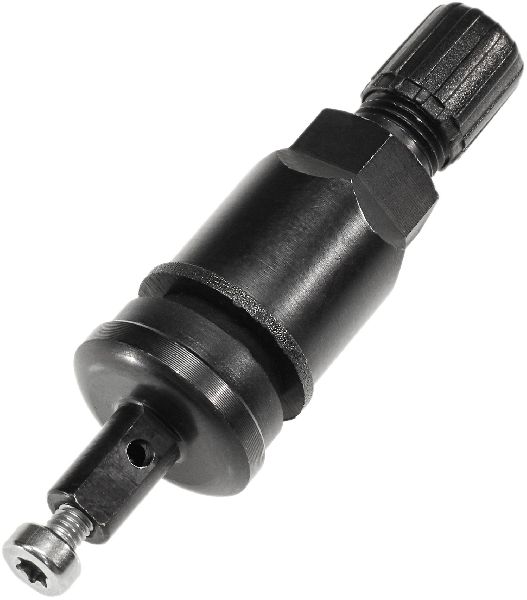
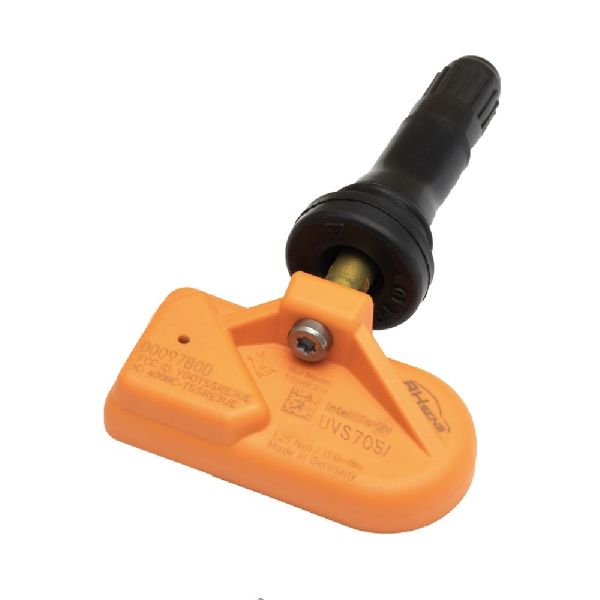
- Tire Pressure Monitoring System (TPMS) Sensor
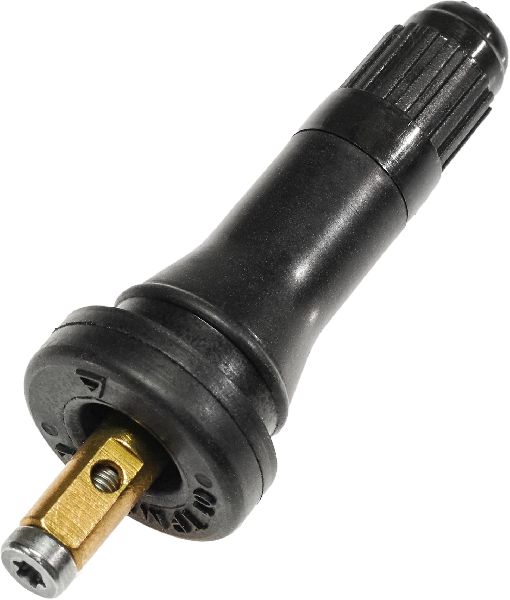
(OEM #13540603)— This is the most common failure point due to battery life. The part number is for 2018-2022 models; verify the correct part for your specific year. It is a 433 MHz sensor.
Trusted brands: ACDelco, Schrader, Huf/Huf IntelliSens, VDO
OEM price range: $40-$70
Aftermarket price range: $25-$50 - Remote Control Door Lock Receiver (RCDLR)
(OEM #13595511 (example, verify by VIN))— This module is the root cause when TPMS codes are combined with key fob and starting issues, as noted in TSB 16-NA-396. Part number varies by year and options; TSB 16-NA-396 notes 13595511 as a replacement for 13509518. Always verify with VIN.
Trusted brands: ACDelco (GM Genuine)
OEM price range: $80-$200
Aftermarket price range: Not typically available - TPMS Relearn/Activation Tool
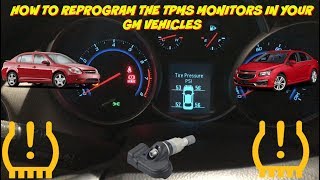
(OEM #EL-50448 (example))— Required to make the vehicle learn the new sensor ID after replacement. This is a simple, low-cost tool essential for DIY replacement on GM vehicles. 🎬 See this step-by-step guide on reprogramming new TPMS sensors.
Trusted brands: VXDAS, JDIAG
OEM price range: $50-$80
Aftermarket price range: $10-$20
Related Codes That Often Appear With This One
- C0755, C0760, C0765 — These are the codes for the other three tire pressure sensors (RF, RR, LR). When all four appear together, it strongly points to a common point of failure, like the RCDLR, rather than all four sensors failing simultaneously.
- B3055, B3060, B3935 — These are security and key-related codes that may be set when the RCDLR fails or experiences RFI, causing a no-start condition. TSB PIC5650M explicitly links these security codes with the TPMS codes. [⭐ MANUFACTURER TSB — highest authority: Bulletin #PIC5650M]
Technical Service Bulletins (TSBs) & Recalls
- PIC5650M: Mentions C0750 in conjunction with other security codes (B3055, etc.) related to a no crank/no start or stall condition. The primary diagnostic advice is to first check for and remove sources of Radio Frequency Interference (RFI) from aftermarket devices before replacing parts. [⭐ MANUFACTURER TSB — highest authority: Bulletin #PIC5650M]
- 16-NA-396: Details intermittent key fob operation, 'No Remote Detected' messages, and TPMS codes (including C0750) caused by an internal fault in the Remote Control Door Lock Receiver (RCDLR). The fix is to replace the RCDLR module with an updated part.
Platform-Specific Known Issues
- A known issue, documented in TSB 16-NA-396, involves internal failure of the Remote Control Door Lock Receiver (RCDLR). This causes a combination of symptoms including intermittent key fob operation, a 'No Remote Detected' message, and setting TPMS codes C0750, C0755, C0760, and C0765. The TSB may also reference symptom code ':29 – Too Few Pulses'. The fix is to replace the RCDLR module.
Hidden / Shadow Codes Worth Checking
- C0750:29: Symptom code for 'Too Few Pulses'. This is the most critical sub-code, as it's explicitly mentioned in TSB 16-NA-396 and points directly to an internal failure of the RCDLR module not receiving the expected signal from the TPMS sensor. (see via GM GDS2 (Global Diagnostic System 2) or a high-end professional scan tool capable of reading manufacturer-specific symptom bytes.)
- C0750:00: Symptom code indicating the RCDLR has not received any transmission from the sensor for an extended period (e.g., 18 minutes while driving over 25 mph). This typically points to a completely dead sensor battery or a destroyed sensor. (see via GM GDS2 or equivalent professional scan tool.)
- C0750:08: Symptom code for an 'Invalid Signal'. This means the RCDLR is receiving a transmission from the sensor, but the data is corrupt, nonsensical, or not in the expected format. This can be caused by a failing sensor or significant RF interference. (see via GM GDS2 or equivalent professional scan tool.)
Scan Tool Commands That Help
- GDS2 (GM Global Diagnostic System 2): Module Diagnostics > Remote Control Door Lock Receiver > Data Display — Use this function to view live data from the RCDLR, including the status of each programmed TPMS sensor and key fob. This can help confirm if the module is receiving signals and what it's reporting for sensor ID, pressure, and battery status, which is crucial for differentiating a bad sensor from a bad receiver.
- GDS2 (GM Global Diagnostic System 2): Module Programming > Remote Control Door Lock Receiver — This function is required after replacing the RCDLR. The new module must be programmed to the vehicle's VIN and have the existing TPMS sensors and key fobs relearned to it. Failure to perform this step will result in the new module not functioning.
- High-end Professional Scan Tool (e.g., Bosch, Autel): TPMS Bi-Directional Control / Activations — Used to command the RCDLR to perform specific functions, like activating the TPMS learn mode or testing the receiver's response. This can help verify if the module is capable of communicating before condemning it.
Wiring & Ground Locations
- RCDLR Module — On 2018+ Traverse models, the RCDLR is often located inside the center console, sometimes accessible by removing side panels. On some related GM platforms, it can be found behind the glove box or near a rear C-pillar.. This is the central receiving unit for both TPMS and key fob signals. All diagnostic paths for concurrent failures lead to this module.
- G303 / G304 — G303 is a chassis ground located near the base of the left 'B' pillar (driver's side). G304 is in the corresponding location at the base of the right 'B' pillar (passenger side).. Body control modules and related electronics often rely on these grounds. A loose or corroded ground at G303 or G304 can cause a host of intermittent electrical issues, including communication problems with the RCDLR, mimicking a module failure.
- Key Fob Programming Slot — In the 2018-2023 Traverse, this slot is located inside the center console armrest compartment. You may need to lift out a small tray to see the key-shaped indentation.. If the RCDLR fails and causes a 'No Remote Detected' no-start condition, placing the key fob in this slot allows the vehicle to start via a low-frequency transmitter, providing a critical workaround.
Real Owner Repair Stories
- Reddit user on r/ChevyTraverse (2018 Chevrolet Traverse) — TPMS warning light was on with no pressure readings from any of the tires.
❌ Tried (didn't work) Initial diagnosis was unclear.
✅ What actually fixed it The user reported that after having the transmission fixed, the TPMS light with no readings from any tire appeared. Another user with an identical vehicle and symptoms (one bad sensor and side detection system issue) confirmed this is a related cluster of problems, pointing towards a central module or communication bus issue rather than individual sensors. The fix path points to diagnosing the RCDLR or related CAN bus wiring.
OEM Part Supersession History
13509518→13595511— Internal revision to address the failure mode described in TSB 16-NA-396.
Heads up: Using the old part number may lead to a repeat failure. The TSB explicitly calls for replacing the old part with the new one.13595511→13540045— Further part consolidation or revision by GM.
Heads up: 13540045 is the current replacement for 13595511. Always verify the correct part number by VIN before ordering.
Model Year Variations Within This Range
- 2017 (First Generation): The 2017 model is the last year of the first generation. While it shares the RCDLR/TPMS architecture concept, the physical location of the RCDLR module and its specific part number may differ from the second-generation (2018+) models. Diagnosis remains the same, but part location and number must be verified by VIN.
- 2018-2023 (Second Generation): This is the core generation where TSB 16-NA-396 is most applicable. The RCDLR is commonly found in the center console area. Part number 13595511 (and its successor) is the typical replacement part.
- 2024+ (Third Generation): The 2024 model marks a new generation. While it uses a similar 433 MHz TPMS system, the RCDLR module part number, software, and physical location may have changed. The underlying principles of diagnosis (checking key fobs with TPMS faults) still apply, but specific parts and procedures should be confirmed for this new platform.
Helpful Videos
We Have This Part in Stock

The information in this article is provided for general reference and educational purposes only. Vehicle specifications, procedures, and part compatibility can vary by production date, trim level, and region. Always consult your vehicle's factory service manual and verify part numbers before purchasing or performing repairs. Safety-critical components such as airbags, seat belts, and braking systems should be installed by a qualified professional.
- Chevrolet TRAVERSE:
- 🧭 Diagnostic Flowchart
- 🎬 Helpful Videos
- 🛍️ Shop This Part
- What's Unique About the 2017-2024 Chevrolet TRAVERSE
- Symptoms You May Notice
- Most Likely Causes
- Rare But Worth Checking
- Diagnosis Steps
- Parts You'll Likely Need
- Related Codes That Often Appear With This One
- Technical Service Bulletins (TSBs) & Recalls
- Platform-Specific Known Issues
- Hidden / Shadow Codes Worth Checking
- Scan Tool Commands That Help
- Wiring & Ground Locations
- Real Owner Repair Stories
- OEM Part Supersession History
- Model Year Variations Within This Range
- 🎟️ Get 5% Off