

C0750 on 2013-2020 Chevrolet Trax: TPMS Faults, Causes, and Fixes
Code C0750 on a Chevy Trax indicates a fault with the left front Tire Pressure Monitoring System (TPMS) sensor. The most common fix is to replace the sensor, which has a battery that dies over time. In some cases, the issue can be a faulty Remote Control Door Lock Receiver (RCDLR), which also affects the key fobs and can cause a no-start condition. Before replacing the sensor, check if the key fob is working; if not, the RCDLR is the likely culprit.
- C0750 means there is a fault with the left front TPMS sensor.
- The most likely cause is a dead battery inside the sensor, which requires replacing the entire sensor.
- On the Chevy Trax, this code can be linked to a faulty Remote Control Door Lock Receiver (RCDLR), which may also cause key fob problems.
- In rare but documented cases, this TPMS fault can lead to the vehicle not starting.
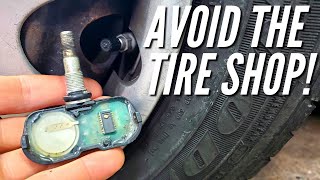
- Replacing the sensor is not a simple DIY job as it requires tire dismounting and a special tool for the relearn procedure.
What's Unique About the 2013-2020 Chevrolet TRAX
What's unusual for the Trax and its platform mates (Buick Encore, Chevy Sonic) is how a simple TPMS sensor fault can escalate. A GM Technical Service Bulletin (TSB PIC5650M) directly links C0750 and other TPMS codes to severe symptoms like a no-crank, no-start, or start-and-stall condition, often accompanied by a security light. Another TSB (16-NA-396) points out that a failing Remote Control Door Lock Receiver (RCDLR) can cause both key fob issues and set TPMS codes like C0750 simultaneously. This means a C0750 code might not just be a tire sensor issue but could be a symptom of a wider module communication problem originating from the RCDLR.
Diagnostic Flowchart
Tap your situation to follow the diagnostic path that matches what you're seeing on this vehicle.
Symptoms You May Notice
- TPMS warning light illuminated on the dashboard (may flash then stay solid, indicating a system malfunction)
- Driver Information Center (DIC) shows a "Service Tire Monitor System" message
- The pressure reading for the left front tire is blank (displays as "--") or incorrect
- Intermittent no-crank or no-start condition (as noted in TSB PIC5650)
- "No Remote Detected" message on the DIC
- Security light on
- Key fob functions (lock/unlock, remote start, panic) may be inoperative or work intermittently if the RCDLR is the root cause
- Replacing the Body Control Module (BCM) when the Remote Control Door Lock Receiver (RCDLR) is the actual fault. The RCDLR is the primary receiver for TPMS signals and key fob inputs, and its failure is a documented issue.
- Replacing only the C0750-flagged TPMS sensor when the RCDLR is faulty. If the key fobs are also dead, the new sensor will not be able to communicate with the vehicle until the RCDLR is replaced and programmed.
Most Likely Causes
- Dead TPMS Sensor Battery 🔴 High Probability → Shop Tire Pressure Monitoring System (TPMS) Sensor TPMS sensors use small, non-replaceable batteries with a finite lifespan, typically 5-10 years. Vehicles in this 2013-2020 range are now commonly reaching the end of that sensor battery lifespan.
How to confirm: A professional TPMS diagnostic tool can attempt to activate the sensor and read its battery status. If the battery level is reported as 'Low' or the sensor fails to respond to the tool, the battery is dead. This is the likely cause if C0750 appears alone and the key fobs work perfectly.
Typical fix: Replace the left front TPMS sensor and perform the TPMS relearn procedure.
Est. part cost: $25-$75 - Faulty Remote Control Door Lock Receiver (RCDLR) 🟡 Medium Probability → Shop Keyless Entry Receiver The RCDLR is the central receiver for both the key fobs and the TPMS sensors. GM issued TSB 16-NA-396 indicating internal failures within this module can cause it to lose communication with both systems, setting multiple TPMS codes.
How to confirm: This is the most likely cause if key fob functions are intermittent or completely dead, and multiple TPMS codes (C0750, C0755, C0760, C0765) are present simultaneously. A scan tool may show a loss of communication with the RCDLR. A temporary fix can sometimes be achieved by disconnecting the vehicle's battery for 15 minutes to reset the module.
Typical fix: Replace the Remote Control Door Lock Receiver and program the new module to the vehicle using dealer-level software (GDS2).
Est. part cost: $50-$150 - Damaged TPMS Sensor ⚪ Low Probability → Shop Tire Pressure Monitoring System (TPMS) Sensor Sensors are located inside the tire and can be damaged during tire mounting/dismounting, by hitting a severe pothole, or from internal corrosion.
How to confirm: Visual inspection after dismounting the tire. The sensor may show physical signs of damage, like a cracked housing. It will also fail to respond to a TPMS diagnostic tool.
Typical fix: Replace the damaged sensor and perform the relearn procedure.
Est. part cost: $25-$75
Rare But Worth Checking
- Radio Frequency (RF) Interference: Aftermarket electronic devices like dash cams, phone chargers (especially USB), LED lights, and even toll passes can emit RF interference that disrupts the 315 MHz or 433 MHz signals between the TPMS sensor and the RCDLR. TSB PIC5650 specifically advises checking for these devices when diagnosing TPMS and no-start issues. Try unplugging all aftermarket devices to see if the code clears.
- Use of Unapproved Tire Sealant: Some liquid tire sealants can clog the pressure port on the TPMS sensor, leading to incorrect readings or permanent damage. If sealant was recently used, the sensor may need to be cleaned or replaced.
Diagnosis Steps
- Read codes with a scan tool capable of reading Chassis (C-prefix) codes to confirm C0750 is present.
- Test all key fob functions (lock, unlock, remote start). If they are inoperative, suspect the RCDLR per TSB 16-NA-396.
- Use a TPMS diagnostic tool to attempt to read the left front sensor. Check its reported pressure, temperature, and battery status.
- If the tool cannot get a reading or reports a low battery, the sensor is faulty and needs replacement. This is the most likely fix if key fobs work correctly.
- If the sensor reads fine with the tool, but the car doesn't see it, the RCDLR is the primary suspect. Check for other TPMS codes (C0755, C0760, C0765) which further points to the RCDLR.
- Check for and unplug any aftermarket electronics (phone chargers, dash cams, LED lights) that could cause RF interference, as detailed in TSB PIC5650.
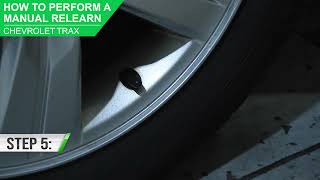
- If a new sensor is installed, perform the TPMS relearn procedure. This can be initiated through the Driver Information Center (DIC) menu and requires either a TPMS activation tool or deflating/inflating the tires in sequence 🎬 See this walkthrough for a manual TPMS relearn procedure. (LF, RF, RR, LR).
- If the RCDLR is replaced, it must be programmed to the vehicle by a dealer or a shop with GM diagnostic software.
- Clear the codes and test drive the vehicle at speeds above 25 mph for several minutes to ensure the code does not return.
Parts You'll Likely Need
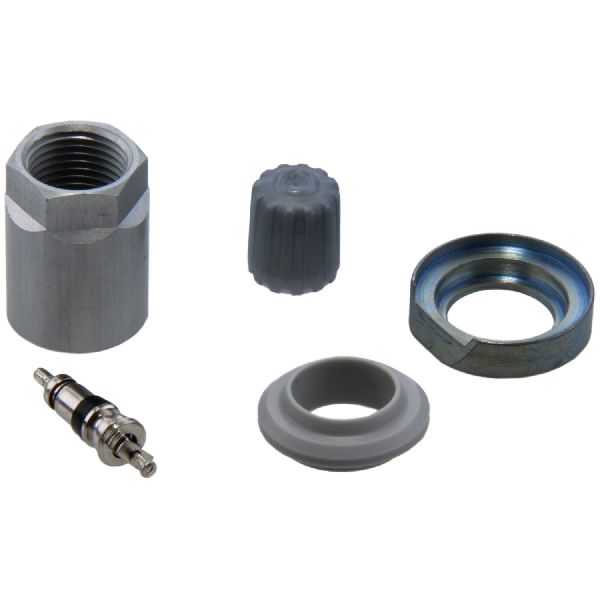
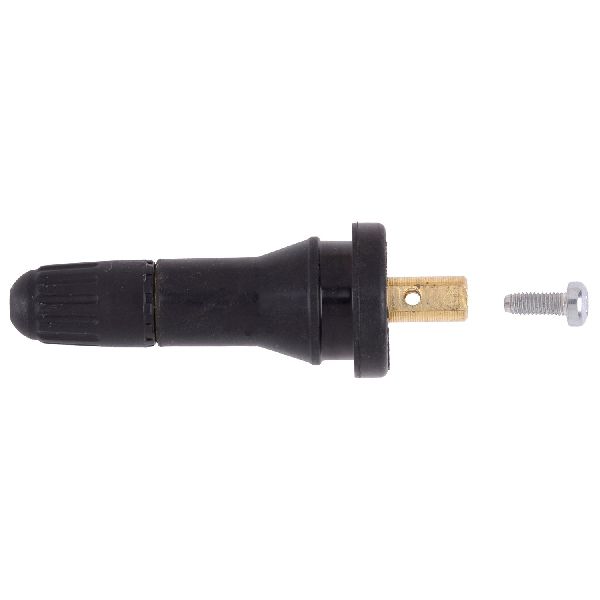
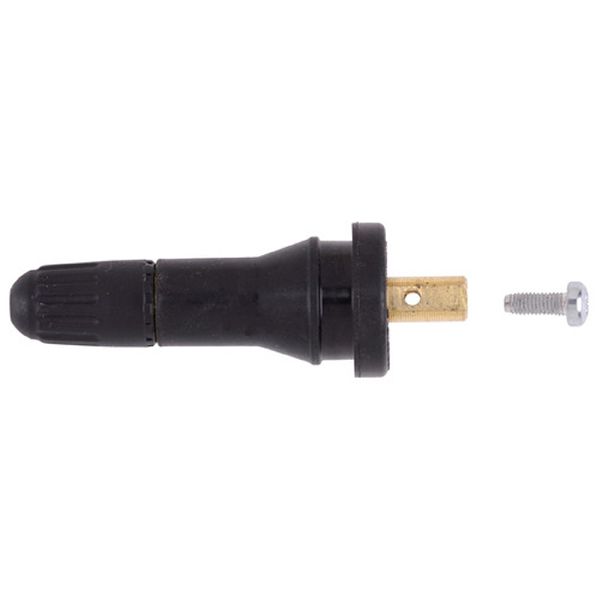
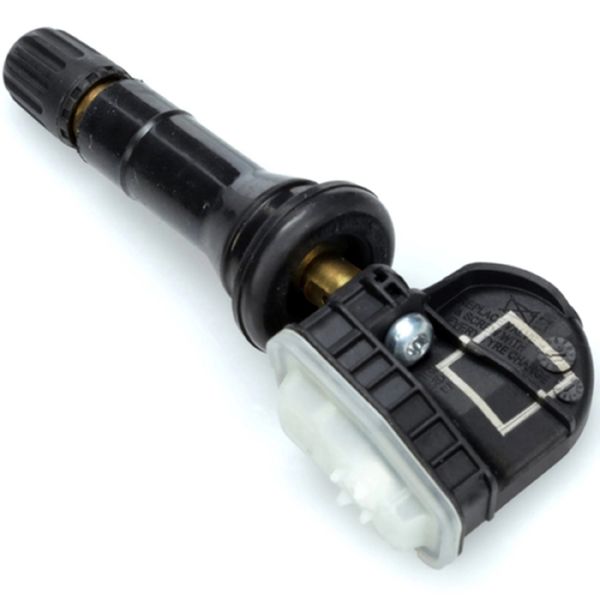
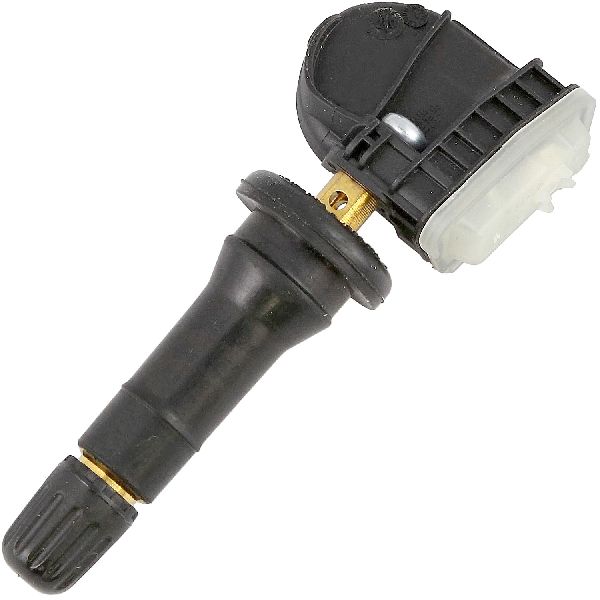
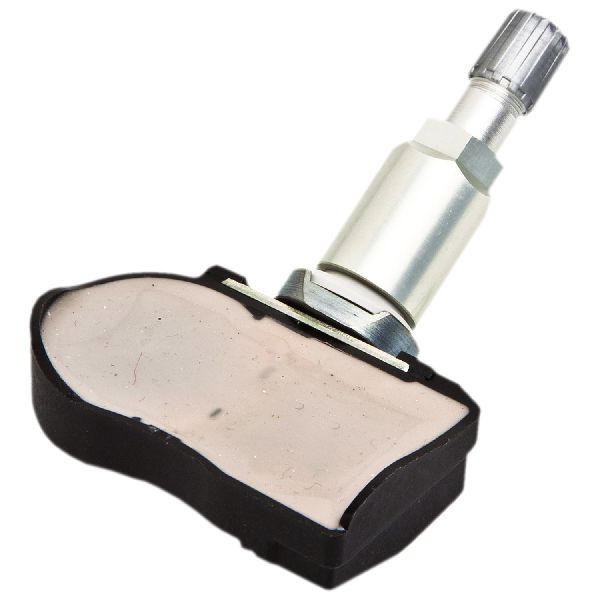
- Tire Pressure Monitoring System (TPMS) Sensor
(OEM #13598773)— This is the most common cause of failure. The internal battery dies, or the sensor itself fails. The Chevrolet Trax uses a 433 MHz sensor for North American models. Note that the older part number 13586335 may have been superseded by 13598773.
Trusted brands: ACDelco (GM OE), Schrader, Dorman, Bosch, Alligator
OEM price range: $40-$80
Aftermarket price range: $25-$50 - Remote Control Door Lock Receiver (RCDLR)
(OEM #13595511)— A known issue documented in TSB 16-NA-396 where a faulty RCDLR can cause TPMS codes and key fob problems. This is the second most likely cause, especially if multiple TPMS codes and key fob issues are present.
Trusted brands: ACDelco (GM Genuine)
OEM price range: $50-$150
Related Codes That Often Appear With This One
- C0755 — Fault with the Right Front TPMS sensor. Often occurs when sensors are failing due to age or when the RCDLR is failing.
- C0760 — Fault with the Left Rear TPMS sensor. Often occurs when sensors are failing due to age or when the RCDLR is failing.
- C0765 — Fault with the Right Rear TPMS sensor. Often occurs when sensors are failing due to age or when the RCDLR is failing.
- B3055 — No Transponder Modulation or No Transponder. This security code can appear with C0750 during a no-start condition, as noted in TSB PIC5650, pointing to a complex interaction between the TPMS, immobilizer, and starting systems, often caused by RF interference or a faulty RCDLR.
Technical Service Bulletins (TSBs) & Recalls
- PIC5650 (various revisions): Links C0750 to no-start/start/stall conditions and security system codes, emphasizing diagnosis of RF interference from aftermarket accessories.
- 16-NA-396: Links intermittent key fob operation and multiple TPMS codes to a faulty RCDLR and provides date ranges for affected vehicles.
Platform-Specific Known Issues
- TSB PIC5650M (and later revisions) documents that C0750 can be associated with a no-crank, no-start, or start/stall condition. The bulletin strongly suggests checking for aftermarket radio frequency interference (RFI) from devices like phone chargers or LED lights before replacing parts.
- TSB 16-NA-396 identifies a faulty Remote Control Door Lock Receiver (RCDLR) as a cause for setting C0750 along with other TPMS codes and causing intermittent key fob failure. The fix is to replace the RCDLR module.
Hidden / Shadow Codes Worth Checking
- C0750 :29: Too Few Pulses. This specific symptom byte indicates the RCDLR is not receiving the expected number of radio frequency transmissions from the TPMS sensor. It is a strong indicator of either a dead sensor battery or a failing RCDLR module, as noted in TSB 16-NA-396. (see via GM GDS2 (Global Diagnostic System 2) or a high-end professional scan tool capable of reading manufacturer-specific symptom codes.)
- C0750 :03: Voltage Below Threshold. This symptom byte can indicate a general electrical failure related to the sensor circuit, potentially pointing to wiring or power supply issues rather than just the sensor itself. (see via GM GDS2 or a compatible high-end professional scan tool.)
Scan Tool Commands That Help
- GDS2: Module Diagnostics > Remote Control Door Lock Receiver > Configuration/Reset Functions > Add/Replace Key Fobs — This function is used to program new or existing key fobs to a newly installed RCDLR. The system will erase previously programmed fobs when the first new one is learned.
- GDS2 / Tech 2: RCDLR Setup Procedure — This is a required setup procedure after physically replacing the RCDLR module to ensure it communicates correctly with the BCM and other vehicle systems before programming keys or TPMS sensors.
- GDS2 / High-end Scan Tool: TPMS Data Display > Hit Rate — When diagnosing intermittent TPMS issues, viewing the 'Hit Rate' of a sensor can confirm how successfully its signal is being received. A low hit rate suggests RF interference or a failing sensor, even if it occasionally reports a pressure.
Wiring & Ground Locations
- RCDLR Module — On the Chevrolet Trax and its platform mate, the Buick Encore, the RCDLR is typically located behind the trim on the right rear C-pillar in the passenger compartment.. This is the physical location of the module that receives signals from all TPMS sensors and key fobs. If multiple TPMS codes and key fob issues are present, inspecting the module and its connector for water intrusion or damage is a critical diagnostic step.
- G103 — Located at the left rear of the engine compartment on the cowl, often near or above the brake booster.. This is a major ground point that serves multiple modules, including the BCM and the Remote Control Door Lock Receiver. A corroded or loose G103 ground can cause a wide range of bizarre electrical issues, including TPMS faults, no-start conditions, and communication DTCs.
Real Owner Repair Stories
- Reddit user on r/ChevySonic (2017 Chevrolet Sonic Hatchback (platform mate to the Trax)) — TPMS system slowly went out, followed by the keyless remote entry also failing. The owner had to use the physical key, setting off the alarm to unlock the car.
❌ Tried (didn't work) The user suspected the receiver module from the start due to both systems failing.
✅ What actually fixed it The user ordered a replacement RCDLR module (GM# 13587439 for their specific vehicle) to resolve the issue, confirming that the shared TPMS/Keyless entry receiver was the point of failure.
OEM Part Supersession History
13586335, 13581561, 22853740→13598773, which is further superseded by 13540602 and 86363053.— Part consolidation and design updates for the TPMS sensor.
Heads up: While these part numbers are generally interchangeable for this platform, it is always best practice to use a single, consistent part number for all four sensors when replacing them as a set to avoid potential communication issues.13595511→13540045— Internal design revision for the RCDLR module.
Heads up: The new part number (13540045) is the correct service replacement for the original. Both require programming to the vehicle upon installation.
Model Year Variations Within This Range
- 2017-2020 (Post-Facelift): While the core RCDLR/TPMS system function is the same, post-facelift models with push-button start have a more complex key fob and immobilizer programming procedure. If the RCDLR is replaced, programming requires specific steps involving the transmitter pocket in the center console and potentially a 30-minute security relearn procedure.
Helpful Videos
We Have This Part in Stock

The information in this article is provided for general reference and educational purposes only. Vehicle specifications, procedures, and part compatibility can vary by production date, trim level, and region. Always consult your vehicle's factory service manual and verify part numbers before purchasing or performing repairs. Safety-critical components such as airbags, seat belts, and braking systems should be installed by a qualified professional.
- Chevrolet TRAX:
- 🧭 Diagnostic Flowchart
- 🎬 Helpful Videos
- 🛍️ Shop This Part
- What's Unique About the 2013-2020 Chevrolet TRAX
- Symptoms You May Notice
- Most Likely Causes
- Rare But Worth Checking
- Diagnosis Steps
- Parts You'll Likely Need
- Related Codes That Often Appear With This One
- Technical Service Bulletins (TSBs) & Recalls
- Platform-Specific Known Issues
- Hidden / Shadow Codes Worth Checking
- Scan Tool Commands That Help
- Wiring & Ground Locations
- Real Owner Repair Stories
- OEM Part Supersession History
- Model Year Variations Within This Range
- 🎟️ Get 5% Off