

C0750 on 2011-2018 Chevrolet Volt: TPMS and Key Fob Fixes
On a 2011-2018 Chevy Volt, code C0750 indicates a fault with the left front tire pressure sensor, but is very often caused by an internal failure of the Remote Control Door Lock Receiver (RCDLR) module. This can also cause key fob and remote start problems. Replacing the RCDLR is the most common fix, but requires professional programming.
- Code C0750 on a Chevy Volt points to the left front TPMS sensor but is very frequently caused by a faulty Remote Control Door Lock Receiver (RCDLR).
- Check for other symptoms: if your key fob is also not working, the RCDLR is almost certainly the problem.
- If only the C0750 code is present and the key fob works, the TPMS sensor in the wheel is the more likely culprit.
- Replacing the RCDLR is not a simple DIY job, as it requires programming to the vehicle's security system using GM-specific software.
- Don't be surprised if multiple TPMS codes (C0750, C0755, C0760, C0765) appear at once; this is a classic sign of RCDLR failure as per TSB #16-NA-396.
What's Unique About the 2011-2018 Chevrolet VOLT
On the Chevy Volt and many other modern GM vehicles, the Tire Pressure Monitoring System (TPMS) is not a standalone system. Its brain is the Remote Control Door Lock Receiver (RCDLR), the same module that handles keyless entry, remote start, and the anti-theft immobilizer. This integration means a single point of failure in the RCDLR can cause a confusing array of symptoms, from a TPMS light and C0750 code to key fobs not working and even no-start conditions.
Diagnostic Flowchart
Tap your situation to follow the diagnostic path that matches what you're seeing on this vehicle.
Generation note: This issue affects both the first generation (2011-2015) and second generation (2016-2018) Volt. TSB #16-NA-396 specifically calls out 2016-2017 models for the RCDLR failure, indicating the problem persisted across the generational change. The specific part number for the RCDLR may differ between generations, with part number 13595511 being commonly cited for Gen 2.
Symptoms You May Notice
- Tire pressure monitor (TPMS) warning light is on
- Key fob functions are inoperative (lock, unlock, remote start, panic button)
- "No Remote Detected" message on the Driver Information Center (DIC)
- Intermittent no-crank or no-start condition
- Security warning light illuminated on the dash
- Horn beeps three times when a door is opened and closed while the car is running.
- Replacing only the TPMS sensor when the root cause is the RCDLR. If key fob issues are present, the RCDLR should be investigated first before replacing any wheel sensors.
- Replacing the 12V battery. While a failing 12V battery can cause a host of unrelated electrical codes on a Volt, it is not the primary documented cause for the specific combination of C0750 and key fob failure.
Most Likely Causes
- Faulty Remote Control Door Lock Receiver (RCDLR) 🔴 High Probability → Shop Keyless Entry Receiver A GM Technical Service Bulletin (#16-NA-396) explicitly states that internal issues within the RCDLR are a known cause for this code, along with key fob failures. This is a well-documented weak point across many GM platforms of this era.
How to confirm: If C0750 is present along with other TPMS codes (C0755, C0760, C0765) and/or key fob functions are not working, the RCDLR is the primary suspect. A professional scan tool can attempt to communicate with the RCDLR and may show symptom code :29 'Too Few Pulses'.
Typical fix: Replace the RCDLR module and program the new unit to the vehicle using GM's Service Programming System (SPS).
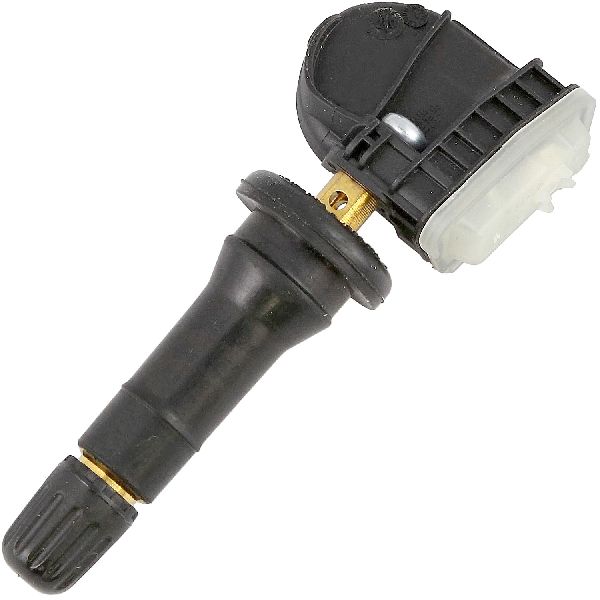
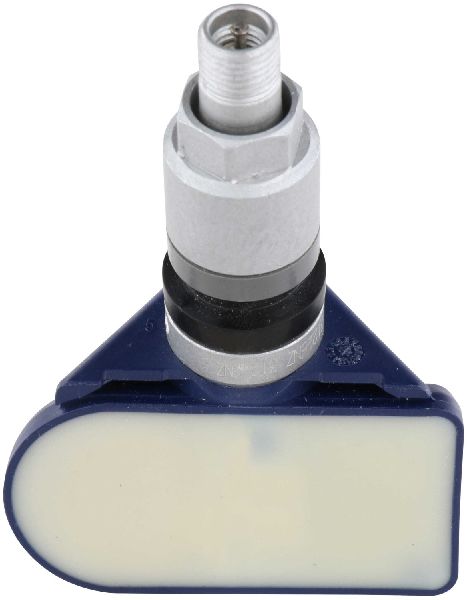
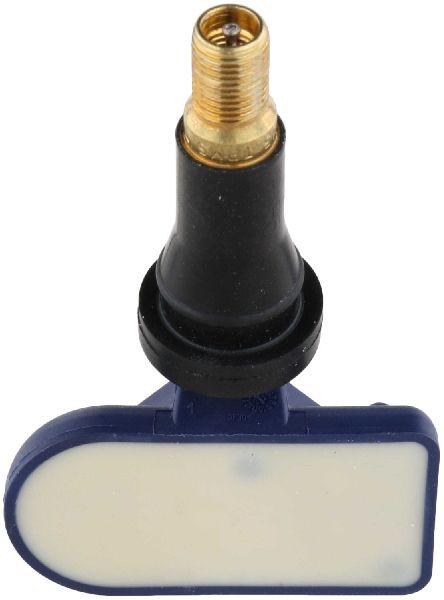
Est. part cost: $100-$200 - Failed Left Front TPMS Sensor 🟡 Medium Probability → Shop Tire Pressure Monitoring System (TPMS) Sensor TPMS sensors are powered by small, non-rechargeable batteries that have a finite lifespan, typically 7-10 years. As these vehicles age, sensor failure becomes increasingly common. Dealerships may quote very high prices for this, but tire shops are much more reasonable.
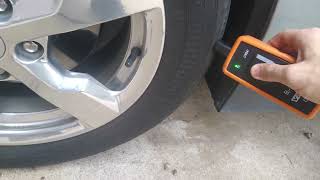
How to confirm: Use a TPMS activation tool to attempt to read the sensor. If the tool cannot get a response from the sensor, but can read the other three, the sensor has likely failed. A scan tool may also show a 'low battery' status for the specific sensor.
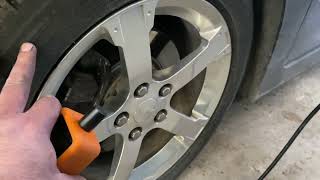
Typical fix: Replace the TPMS sensor in the left front wheel and perform the TPMS relearn procedure. 🎬 Watch: Step-by-step TPMS relearn and reset procedure for your Volt.
Est. part cost: $30-$80 - Wiring Harness Damage ⚪ Low Probability Wiring in and around the wheel wells is exposed to the elements, vibration, and potential impact damage, which can lead to breaks or shorts.
How to confirm: Visually inspect the wiring leading to the RCDLR and any visible TPMS-related wiring in the wheel wells. Check for continuity on the relevant circuits with a multimeter if a wiring diagram is available.
Typical fix: Repair the broken or shorted section of the wiring harness.
Est. part cost: $5-$50
Rare But Worth Checking
- Disconnected RCDLR Antenna Coax Cable:
Diagnosis Steps
- Scan all vehicle modules for stored Diagnostic Trouble Codes (DTCs). Use a scan tool capable of reading GM-specific symptom bytes (e.g., GDS2).
- Note if C0750 appears alone or with other TPMS codes (C0755, C0760, C0765) and/or security codes (like B3055). Check for symptom byte :29 'Too Few Pulses'.
- Test all functions of the key fob(s): lock, unlock, trunk/hatch release, and remote start. Note any failures or significantly reduced range.
- If multiple TPMS codes are present and/or key fob functions are inoperative, the RCDLR is the most likely cause per TSB #16-NA-396. Proceed with professional diagnosis of the RCDLR.
- If only C0750 is present and the key fob works correctly, use a TPMS activation tool to test the left front sensor.
- If the TPMS tool cannot get a signal from the left front sensor, the sensor battery is likely dead. Replace the sensor.
- If the sensor responds to the tool but the code persists, inspect the RCDLR antenna coaxial cable for damage or disconnection, per TSB #16-NA-061.
- Before replacing the RCDLR, it is recommended to have a professional confirm the diagnosis with a GM-specific scan tool to rule out software or communication issues.
Parts You'll Likely Need
- Remote Control Door Lock Receiver (RCDLR)
(OEM #13595511 (often for Gen 2, may be superseded by 13540045), 13509518 (older))— This is the most common cause of C0750, especially when accompanied by key fob issues, as documented in GM TSB #16-NA-396.
Trusted brands: ACDelco (Genuine GM)
OEM price range: $100-$200
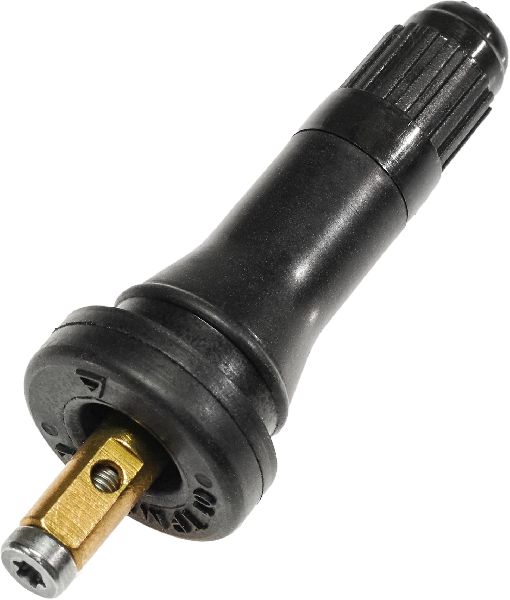
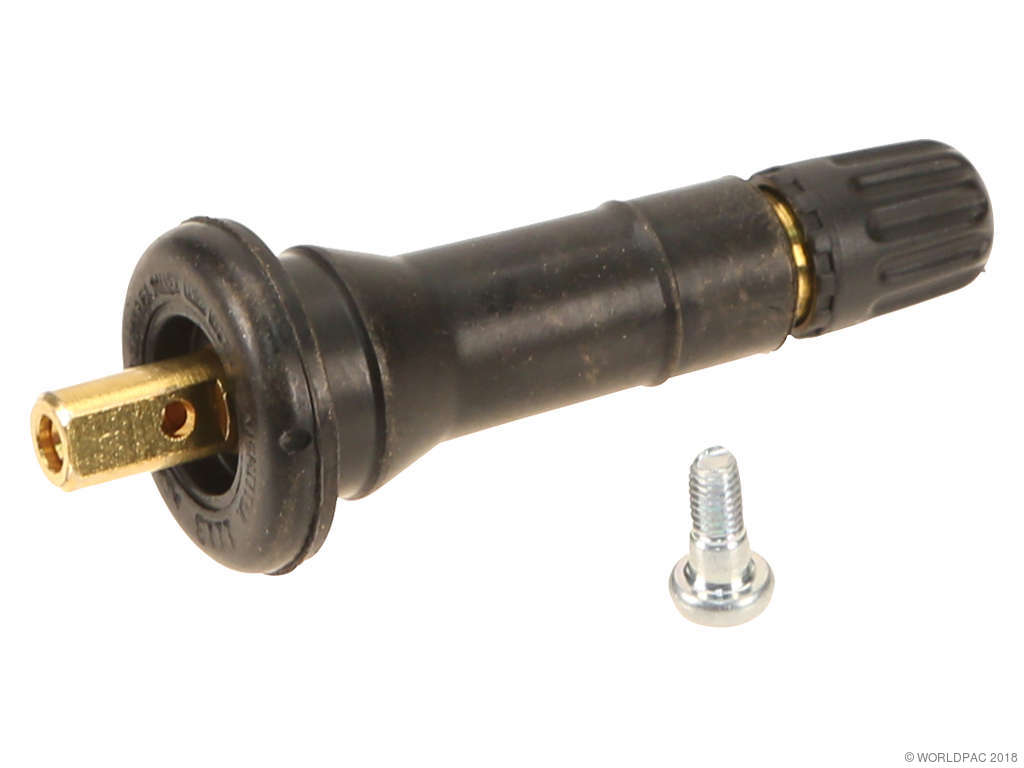
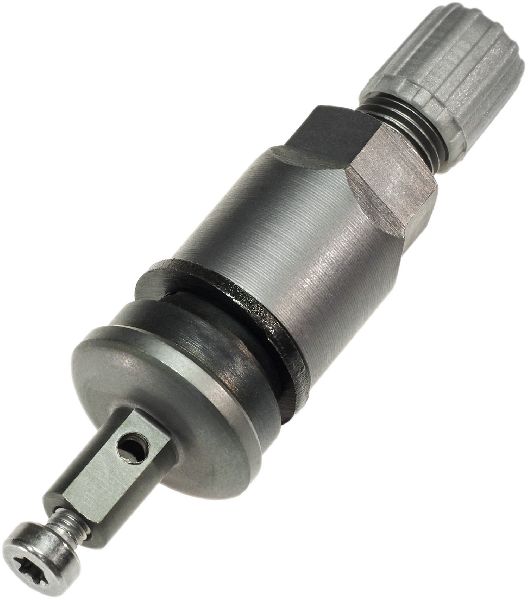
Aftermarket price range: $70-$150 - Tire Pressure Monitoring System (TPMS) Sensor — The sensor's internal battery has a limited lifespan and is the second most likely cause of failure, especially if C0750 appears alone.
Trusted brands: ACDelco, Schrader
OEM price range: $50-$90
Aftermarket price range: $30-$60
Related Codes That Often Appear With This One
- C0755 — Right Front Tire Pressure Sensor fault. When seen with C0750, it points more strongly to a central module issue.
- C0760 — Left Rear Tire Pressure Sensor fault. When multiple TPMS codes appear together, the RCDLR is the most likely cause.
- C0765 — Right Rear Tire Pressure Sensor fault. TSB #16-NA-396 lists all four TPMS codes as potential symptoms of a failed RCDLR.
- B3055 — No Transponder Modulation/No Transponder. This is a key-related security code, and its presence with C0750 points to a fault in the RCDLR/immobilizer system, as noted in TSB #PIC5650M.
Technical Service Bulletins (TSBs) & Recalls
- 16-NA-396: Intermittent Operation of Key Fobs, Door Unlock Inoperative “No Remote Detected” Message with Possible TPM MIL.
- PIC5650M: Intermittent no crank, no start, or start stall concern with the security light coming on.
- 16-NA-061: Service Tire Monitor System/ Tire Pressures Display Dashes/ RKE Short Range/ No Fob Detected Message
Platform-Specific Known Issues
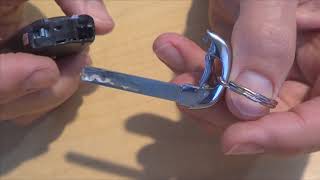
- TSB #16-NA-396: The Primary Culprit: Specifically addresses 2016-2017 Volts where an internal RCDLR fault causes C0750, C0755, C0760, and C0765, along with total loss of key fob functionality. The prescribed fix is to replace the RCDLR module. 🎬 Watch: See how to replace the remote keyless entry receiver.
- TSB #PIC5650M: The No-Start Connection: Connects C0750 (and other TPMS codes) to intermittent no-start or stalling conditions with the security light on, further implicating the RCDLR's role in the vehicle's immobilizer system.
- TSB #16-NA-061: The Antenna Connection: Details a less common cause where a disconnected coaxial antenna for the RCDLR can mimic sensor or module failure, causing TPMS codes and poor key fob range.
- Real Owner Experience: RCDLR Replacement: A user on Reddit with a 2017 Volt experiencing the 'No Remote Detected' message and associated issues discovered TSB #16-NA-396 and ordered an updated receiver module (part #13523281, which is superseded by 13595511) as the expected fix. This highlights that the community is aware of the RCDLR being the root cause.
Hidden / Shadow Codes Worth Checking
- C0750, C0755, C0760, C0765 with Symptom :29: The symptom code ':29' means 'Too Few Pulses'. When seen with any of the TPMS DTCs, it specifically indicates the RCDLR is not receiving the expected signal from the tire pressure sensor, strongly pointing to a module or antenna issue rather than just a sensor. (see via A professional GM-specific scan tool like the Tech 2 or software like GDS2 is required to view these symptom codes.)
Scan Tool Commands That Help
- GDS2 / Tech2: Module Setup / RCDLR Setup — This function is required after physically installing a new RCDLR. It initializes the module and prepares it for vehicle-specific programming.
- GDS2 / Tech2 with SPS (Service Programming System): Immobilizer Learn / Theft Deterrent System Learn — After replacing the RCDLR, this procedure is mandatory to program the existing keys to the new module. The car will not start until this is completed. It typically involves a 10-minute or 30-minute automated process.
- GDS2 / Tech2: TPM Sensor Learn — After the new RCDLR is installed and programmed, this procedure is used to teach the new module the unique IDs of the four (or five) tire pressure sensors on the vehicle.
Wiring & Ground Locations
- RCDLR Module (Gen 1) — For 2011-2015 Volts, the RCDLR is located behind the center of the dashboard, near the main immobilizer module.. This is the physical location of the module that needs to be accessed for replacement, which is the most common fix for code C0750 when key fob issues are also present.
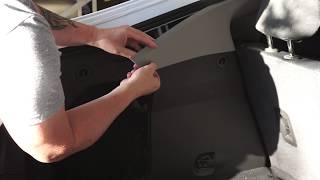
- RCDLR Module (Gen 2) — For 2016-2018 Volts, the RCDLR is typically located in the rear of the vehicle, behind the trim panel on the driver's side D-pillar (the rearmost pillar).. Knowing the location is critical for diagnosis and replacement. Access requires removing interior trim panels in the rear cargo area.
- RCDLR Antenna — The RCDLR antenna system consists of a coax cable running to an amplifier and an antenna embedded in the right rear glass.. A disconnected coax cable at the module, amplifier, or glass can cause C0750 and poor key fob range, mimicking a failed RCDLR module as described in TSB #16-NA-061.
Real Owner Repair Stories
- gm-volt.com forum user (2017 Chevrolet Volt) — TPMS light on, 'No Remote Detected' message, key fobs completely inoperative (lock, unlock, remote start all failed).
❌ Tried (didn't work) Replacing key fob batteries.
✅ What actually fixed it The owner found TSB #16-NA-396, ordered a new RCDLR module (part number 13595511), and had it installed and programmed by a dealer. This resolved all symptoms.
OEM Part Supersession History
13509518, 13523281, 13595511→13540045— Standard part evolution for improved reliability or manufacturing changes. TSB 16-NA-396 explicitly recommends replacing older parts like 13509518 with the newer 13595511. Subsequently, 13595511 has been superseded by 13540045.
Heads up: While the latest part number (13540045) is the correct replacement for the previous versions, it is critical to verify the correct part for the specific vehicle's VIN before ordering. All replacements require professional programming.
Model Year Variations Within This Range
- 2011-2015 (Gen 1): The RCDLR module is located behind the center of the dashboard. The key fob programming procedure without a recognized remote involves a 30-minute wait cycle.
- 2016-2018 (Gen 2): The RCDLR module is located in the rear of the vehicle, behind the driver's side D-pillar trim. TSB #16-NA-396, which details the internal failure of the RCDLR, specifically calls out 2016-2017 models.
Helpful Videos
We Have This Part in Stock

The information in this article is provided for general reference and educational purposes only. Vehicle specifications, procedures, and part compatibility can vary by production date, trim level, and region. Always consult your vehicle's factory service manual and verify part numbers before purchasing or performing repairs. Safety-critical components such as airbags, seat belts, and braking systems should be installed by a qualified professional.
- Chevrolet VOLT:
- 🧭 Diagnostic Flowchart
- 🎬 Helpful Videos
- 🛍️ Shop This Part
- What's Unique About the 2011-2018 Chevrolet VOLT
- Symptoms You May Notice
- Most Likely Causes
- Rare But Worth Checking
- Diagnosis Steps
- Parts You'll Likely Need
- Related Codes That Often Appear With This One
- Technical Service Bulletins (TSBs) & Recalls
- Platform-Specific Known Issues
- Hidden / Shadow Codes Worth Checking
- Scan Tool Commands That Help
- Wiring & Ground Locations
- Real Owner Repair Stories
- OEM Part Supersession History
- Model Year Variations Within This Range
- 🎟️ Get 5% Off